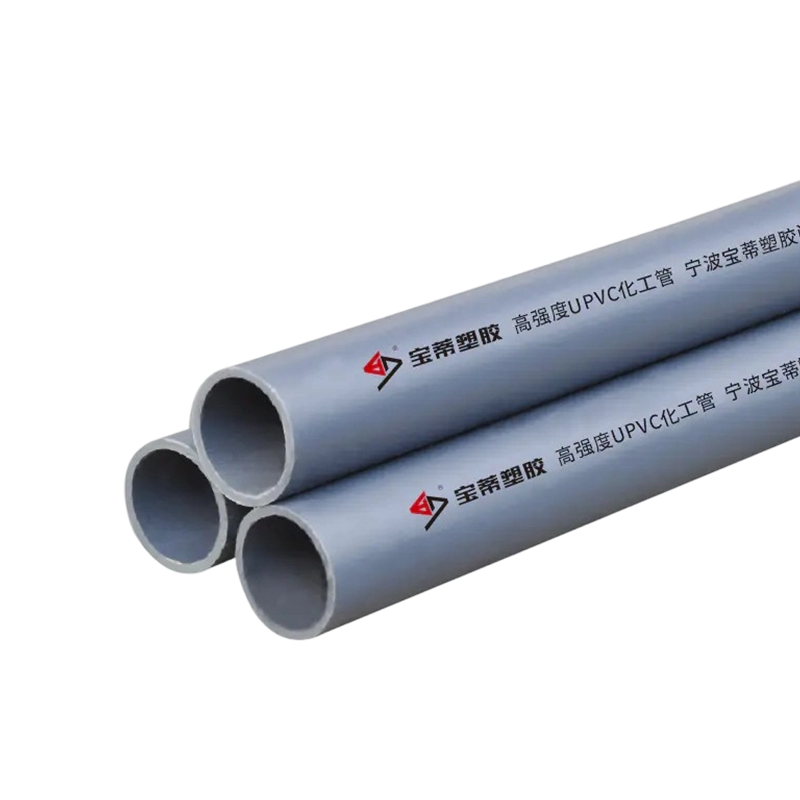
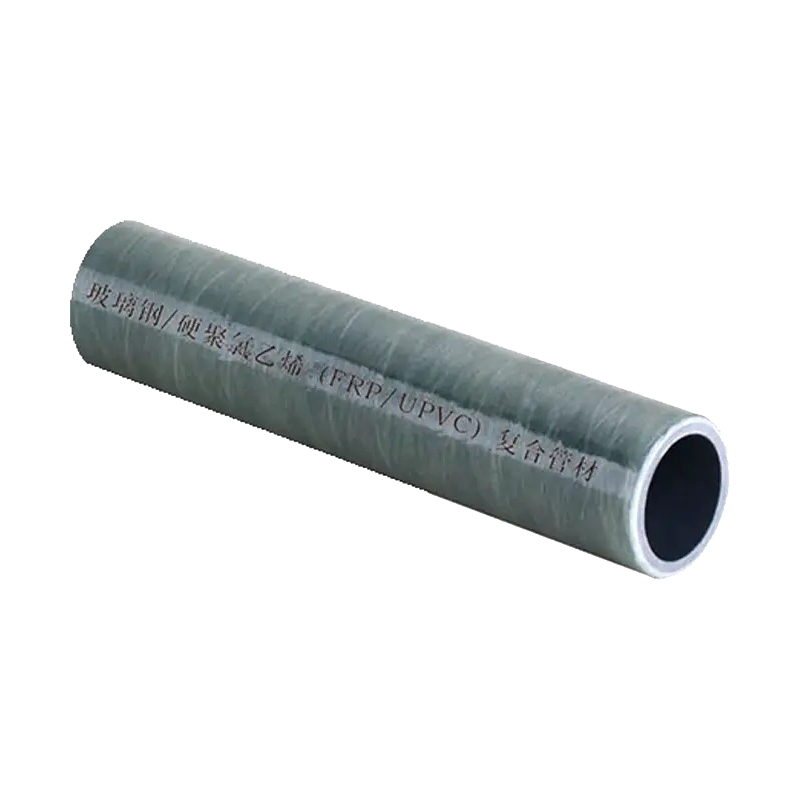
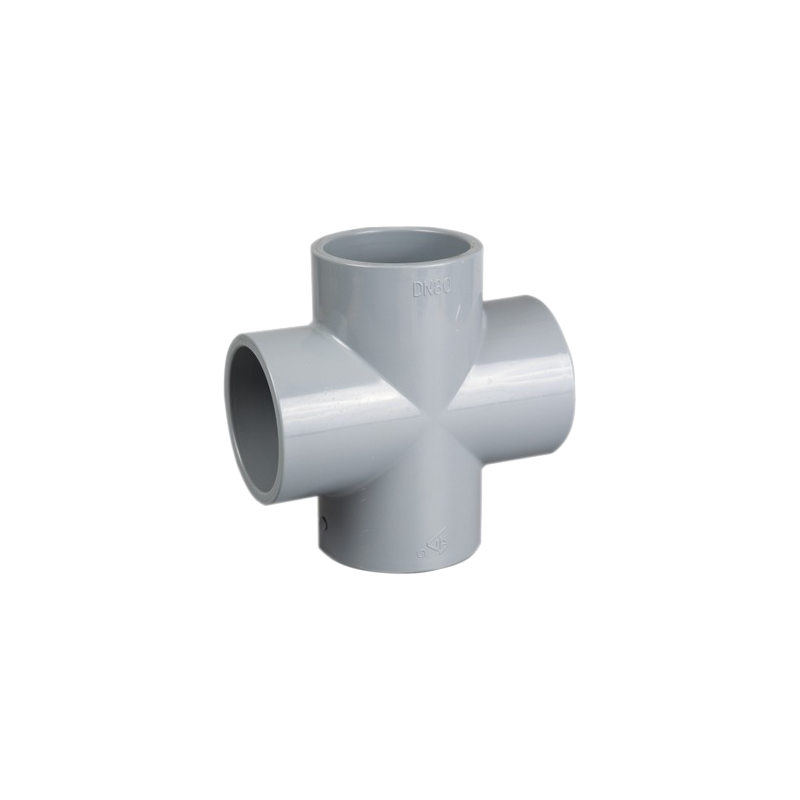
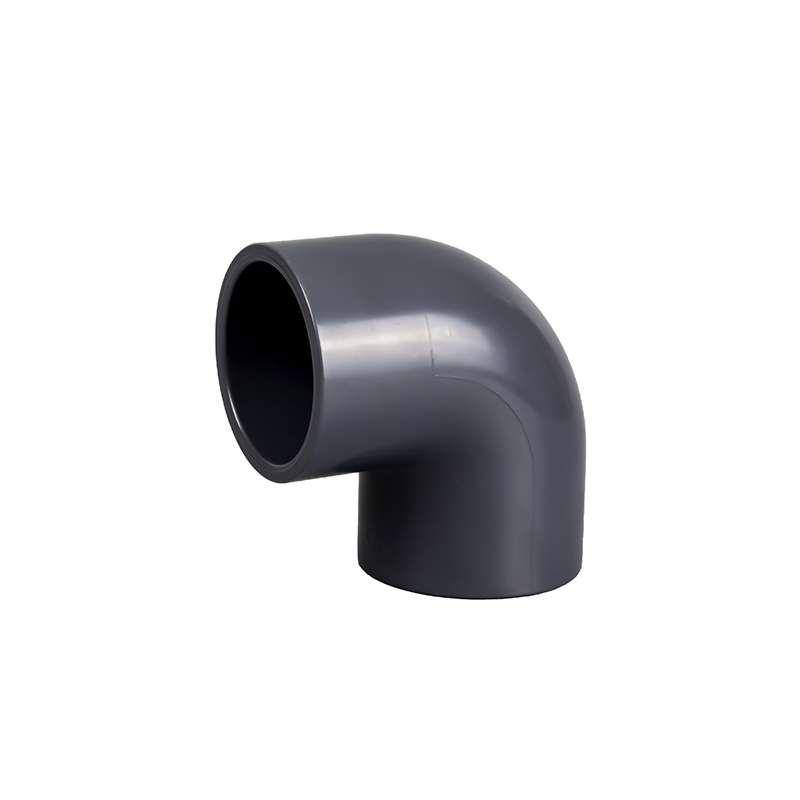
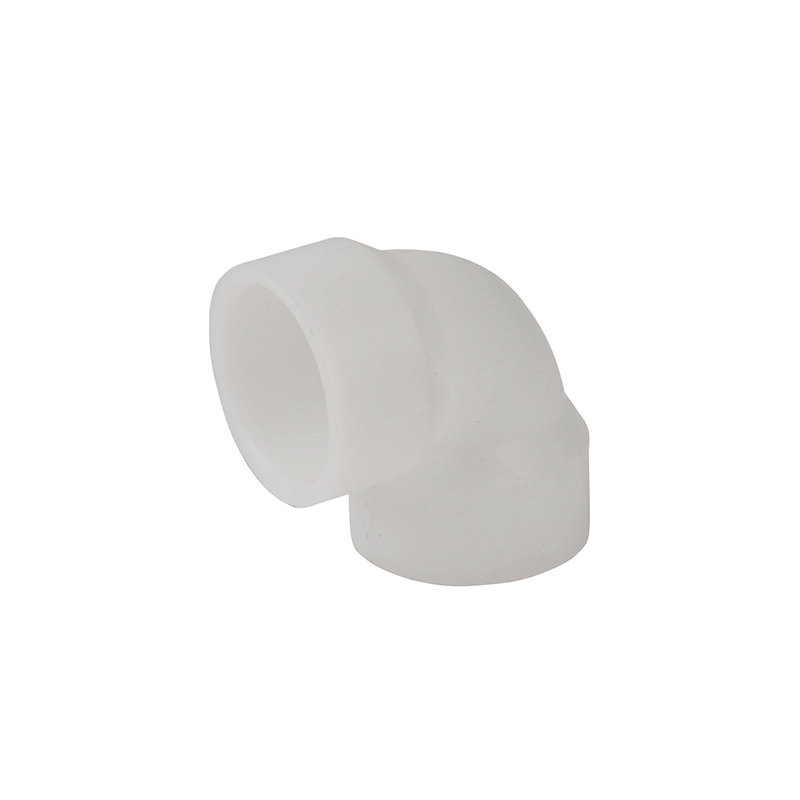
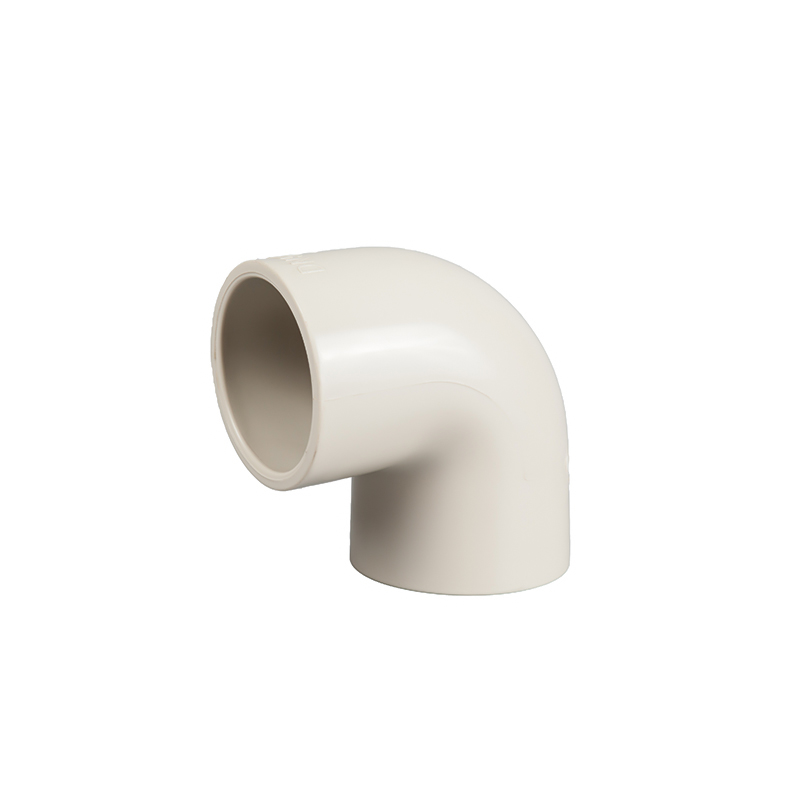
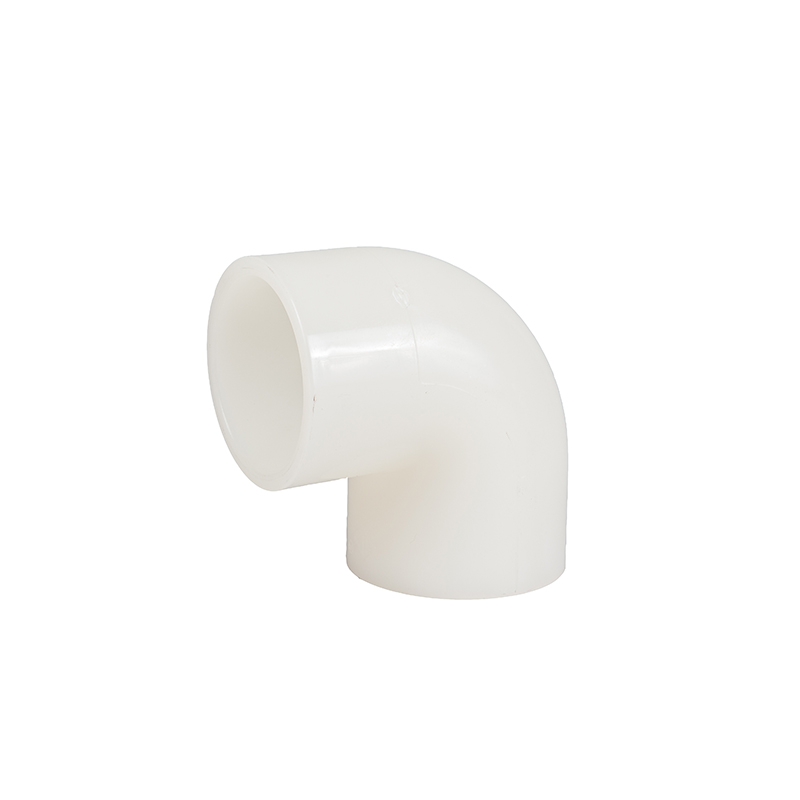
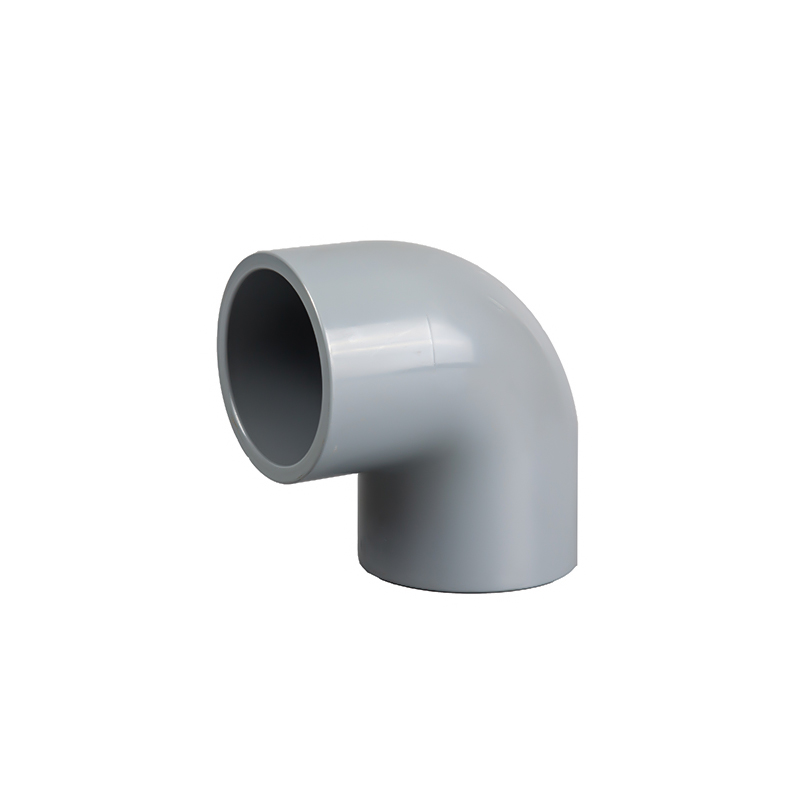
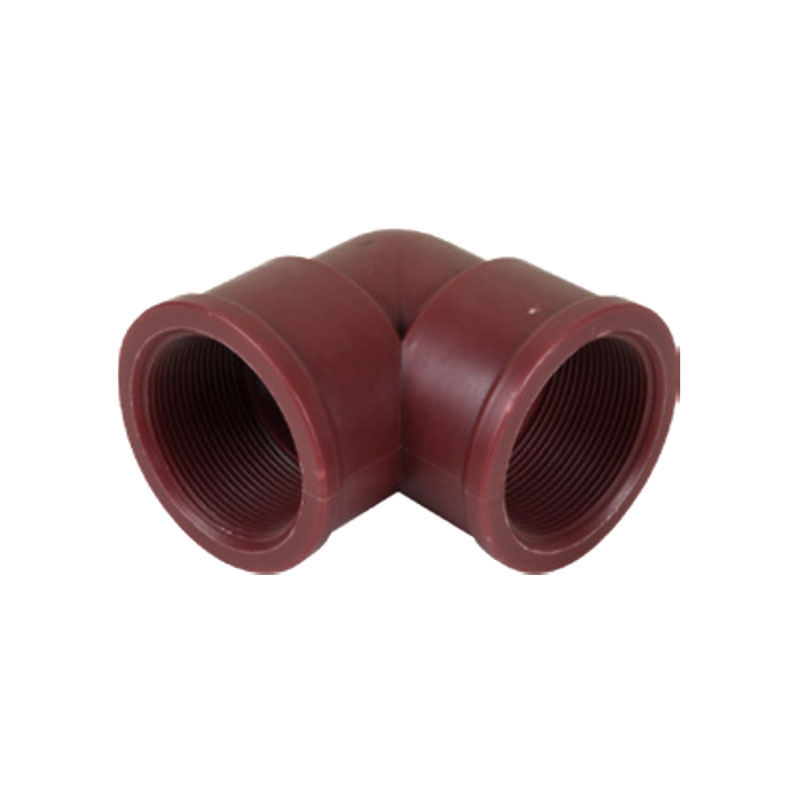
A Plastic Pipe Fitting 90°Elbow introduces a localized pressure loss beyond what an equivalent length of straight pipe produces. The magnitude of this loss, and the associated erosion and downstream flow effects, are governed by a small set of engineering variables: bend radius, fluid velocity, and fluid composition. Understanding how these variables interact allows a buyer or engineer to select the correct elbow type for a given application rather than treating all 90° turns as functionally interchangeable.
Ningbo Baodi Plastic Valve Co., Ltd. has supplied plastic piping fittings alongside its broader valve product lines since expanding into industrial plastic pipes and fittings in 2006, and the engineering considerations described in this section reflect practical experience gathered across water treatment, chemical processing and general industrial installations where elbow selection directly affected system performance.
Radius: Short vs Long
|
Short-radius elbow |
Long-radius elbow |
| Footprint |
Compact |
Larger |
| Relative pressure loss coefficient |
Higher |
Lower |
| Erosion risk in abrasive service |
Higher, concentrated at outer wall |
Lower, more distributed |
| Recommended application |
Tight equipment rooms, skid layouts |
Main process lines, high-flow or abrasive service |
A short-radius elbow makes the direction change in minimum installed length at the cost of a sharper flow-separation zone and correspondingly higher turbulence. The radius-to-diameter ratio for a short-radius design is typically close to 1:1, meaning the centerline radius of the bend approximates the pipe's own diameter — a genuinely tight turn by any measure. A long-radius elbow spreads the same direction change over a gentler curve, typically with a radius-to-diameter ratio closer to 1.5:1, reducing turbulence and erosion risk at the cost of additional installed length and, in some cases, additional material and cost per unit.
The practical choice between the two is rarely a matter of one being universally superior; it is a matter of which constraint is binding in a given installation. In a compact equipment skid where every centimeter of layout space has been accounted for during design, a short-radius elbow may be the only option that physically fits, and the higher pressure-loss penalty is accepted as a cost of the space savings. In a main process header running at high velocity or carrying an abrasive slurry, the long-radius design's reduced turbulence and erosion characteristics generally justify its larger footprint.
Erosion Distribution
In lines carrying particulates, slurries or abrasive chemical suspensions, the outer wall of a 90° elbow experiences disproportionately higher fluid impact than the straight pipe sections on either side of it. As fluid attempts to follow the curved path, its momentum carries it toward the outer wall, concentrating particle impact and abrasive wear at that specific location rather than distributing wear uniformly along the pipeline as would occur in a straight run. Over an extended service period, this concentrated wear can thin the outer wall measurably faster than the rest of the piping system, to the point where an elbow may require replacement well before the straight pipe sections it connects show comparable wear.
For abrasive service, wall-thickness margin and inspection intervals should be specified at direction-change points specifically, independent of the general pipeline wall specification used for straight runs. Some buyers specify a heavier-wall elbow at every direction change in an abrasive line as standard practice, accepting the additional material cost in exchange for extending the interval between elbow replacements and reducing the risk of an unplanned failure at a bend. Where slurry concentration or particle hardness is high enough to make this a significant concern, a long-radius elbow's more distributed wear pattern is generally the more cost-effective choice over the system's operating life, even accounting for its larger footprint and higher unit cost relative to a short-radius design.
Downstream Flow Profile Effects
Turbulence generated inside an elbow does not disappear immediately after the fitting — it persists for a distance downstream, typically expressed in multiples of pipe diameter, before the velocity profile re-stabilizes to something resembling normal fully developed flow. This has practical consequences for three categories of downstream equipment that buyers and system designers should account for during layout.
Flow meters generally require a minimum straight-pipe run before and after an elbow to obtain an accurate reading, since the disturbed velocity profile can bias measurement if the sensor sits too close to the fitting — the specific distance required varies by meter type and manufacturer, but the underlying principle is consistent: a flow meter installed immediately downstream of an elbow, without adequate straight-run distance, should not be assumed to be reading accurately regardless of how well-calibrated the meter itself is.
Pump suction and discharge connections placed too close to an elbow can experience distorted inlet flow entering the impeller, which can increase vibration, reduce pump efficiency, and in some cases contribute to accelerated wear on pump internals over time. This is a related but distinct consideration from the reducer-orientation issues that arise at pump suction size transitions — an elbow placed too close to a pump introduces its own flow-distortion effect independent of any diameter change nearby.
Multiple elbows in different planes, placed close together — for example, a vertical-plane elbow immediately followed by a horizontal-plane elbow — can produce a three-dimensional swirling flow pattern that persists further downstream than the disturbance from a single elbow alone. Where layout constraints make this configuration difficult to avoid entirely, allowing additional straight-pipe distance after the second elbow, beyond what would be sufficient after a single elbow, helps the flow profile recover before reaching sensitive downstream equipment.
Thrust and Support Requirements
A direction change generates a thrust force at the point where fluid momentum is redirected, transmitted into the pipe and, ultimately, into whatever supports the pipe. Unlike a straight run, where the primary support function is simply carrying the weight of the pipe and its contents, an elbow's support must also resist this thrust force, which acts in a direction determined by the geometry of the turn itself. Elbows should generally be supported on both connecting runs rather than relying on a single distant support point elsewhere on the line, since an unsupported or under-supported elbow can transfer bending load into the adjacent joints — a particular concern with plastic piping systems, where joints (whether solvent-bonded, fusion-welded or threaded) are generally less tolerant of sustained bending stress than the equivalent metal joint would be.
90° vs 45°: Layout Trade-Off
A 45° elbow produces less turbulence per fitting due to the gentler direction change, since the flow separation at the inner wall is less severe than at a full 90° turn. However, achieving an equivalent net offset with 45° elbows requires more layout length than a single 90° elbow occupying the same space. Where installed footprint is the binding constraint — a common situation in retrofit projects working within an existing building's fixed dimensions — a 90° elbow accepts the higher pressure-loss penalty in exchange for its smaller footprint. Where minimizing turbulence takes priority, for example immediately upstream of a sensitive instrument, and available space allows the additional layout length, a 45° pair is generally the preferred alternative.
Material Options
PVC elbows serve ambient-temperature water and general chemical lines, offering a favorable combination of cost and corrosion resistance for the large majority of general industrial and water treatment applications. CPVC elbows extend service into higher-temperature applications while retaining much of PVC's chemical resistance and ease of solvent-cement installation. PP elbows, typically fusion-joined, suit acid, alkaline and wastewater systems where broader chemical resistance than PVC or CPVC can offer is required, and the fusion joint itself provides a continuous, homogenous connection well suited to aggressive chemical service. PVDF elbows serve aggressive chemical or high-purity fluid handling requiring broader chemical resistance still, and are commonly specified in semiconductor, pharmaceutical and specialty chemical processing applications.
Material selection is independent of the radius and turbulence parameters described above, which apply consistently across all four material families — the physics of flow separation and thrust generation do not change based on which thermoplastic the elbow is molded or fabricated from, though the specific pressure and temperature rating achievable at a given wall thickness does vary by material. Ningbo Baodi Plastic Valve Co., Ltd. produces 90° elbows across this full material range, supporting projects that may require different materials at different points within the same overall piping system depending on the specific fluid and temperature conditions at each location.
Elbow Placement Relative to Valves and Control Equipment
Beyond the flow-meter and pump considerations discussed above, elbow placement relative to control valves deserves separate attention, since a control valve's performance characteristics — particularly its flow-control curve and the accuracy of its positioning at partial-open settings — can be affected by a distorted inlet flow profile in much the same way a flow meter's reading can be biased. Where a control valve is positioned immediately downstream of an elbow, the valve manufacturer's recommended minimum straight-run distance should be observed in the same way it would be for a flow meter, even though this requirement is sometimes overlooked for valves specifically because engineers are more accustomed to applying it to metering equipment.
Isolation valves and manual on/off valves are generally less sensitive to this effect than control valves performing modulating or throttling duty, since an isolation valve's function does not depend on precise flow measurement or proportional control response — it is simply open or closed. This distinction is worth making explicitly during layout planning, since applying a uniform straight-run requirement to every valve in a system, regardless of its function, can add unnecessary length and cost to a layout where only a subset of the valves actually require it.
Ningbo Baodi Plastic Valve Co., Ltd. manufactures both the plastic valves commonly installed at these junctions and the elbow fittings connecting to them, and has accumulated practical experience across projects where elbow-to-valve spacing was adjusted during commissioning after initial control-valve performance did not match expectations — underscoring that this is a real, observable effect in field installations rather than a theoretical concern confined to textbooks.
Quality Verification for Bulk Elbow Orders
For project buyers ordering elbows in large quantities — a common situation for prefabricated pipe spool assembly, where dozens or hundreds of identical elbows may be required across a single project — dimensional consistency across the full production batch matters more than it would for a single unit purchase, since even a small dimensional variation, multiplied across many units, can create fit-up difficulties during spool assembly or field installation. Buyers should request dimensional inspection data on a sampling basis for large orders, covering socket depth, wall thickness, and overall angle accuracy, rather than relying solely on the supplier's general quality reputation without batch-specific verification.
Common Specification Errors
A frequent error in bulk elbow procurement is ordering by nominal size and material alone, without specifying radius type, and assuming the supplier will default to whichever radius the buyer had in mind — a costly assumption when the buyer needed long-radius elbows for an abrasive slurry line and the supplier's standard catalogue default happened to be short-radius, or vice versa. Radius type should be stated explicitly on every order, not left to be inferred from context or prior orders that may not have been for the same application.
A second recurring error is applying a single wall-thickness specification across an entire prefabricated pipe spool without accounting for the elevated erosion risk at elbow locations specifically, discussed above — a buyer specifying standard wall thickness throughout a slurry line, including at its elbows, may find the elbows requiring premature replacement while the straight runs remain serviceable, simply because the wall specification did not account for the concentrated wear pattern unique to direction-change points.
Procurement Specification
Buyers should specify the radius type (short or long) explicitly on every order rather than relying on catalogue defaults, the connection method matching the rest of the pipeline (solvent socket, fusion spigot or threaded), the pressure and temperature rating at actual operating conditions rather than a generic maximum, and — for abrasive or high-velocity service — whether a heavier-wall option is available specifically for the elbow independent of the general pipeline wall specification. Ningbo Baodi Plastic Valve Co., Ltd. exports plastic piping fittings to more than 60 countries and holds ISO 9001, ISO 14001 and ISO 45001 certification, supporting dimensional consistency across prefabricated pipe spool orders where elbow radius, wall thickness and connection method must all match precisely across potentially dozens or hundreds of individual fittings within a single project shipment.