How Do Industrial Plastic Pipes, Fittings and Valves Form a Reliable Piping Network?
Industrial fluid projects depend on more than the selection of a suitable pipe. Pipes, fittings, valves, seals, supports and equipment connections must operate as one coordinated network. If one component is incompatible with the transported medium or operating conditions, the complete installation may develop leakage, excessive pressure loss or premature material degradation.
A Plastic Piping System is widely used in chemical processing, water treatment, wastewater handling, industrial dosing and corrosive-fluid transfer. Compared with many unprotected metal systems, thermoplastic piping can reduce corrosion-related maintenance while providing a smooth internal surface and relatively low installation weight.
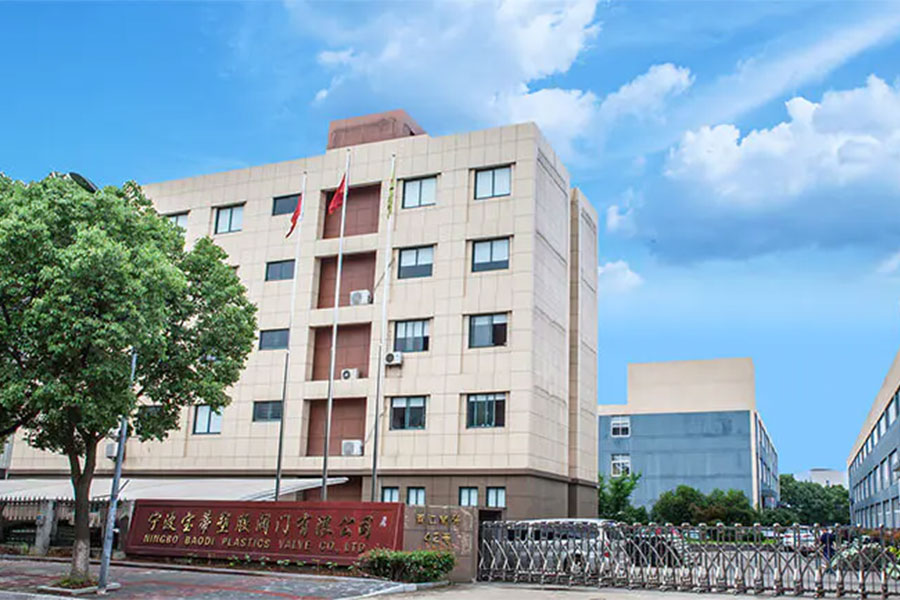
System reliability depends on material selection, hydraulic sizing, joining quality, pressure-temperature limits and correct pipe support. Ningbo Baodi Plastic Valve Co., Ltd. expanded its product range to industrial plastic pipes and fittings in 2006 after decades of plastic-valve manufacturing. This development allowed pipes, valves and fittings to be supplied as compatible parts of a complete Plastic Piping System.
What Is a Plastic Piping System?
A Plastic Piping System is a complete fluid-transport network manufactured mainly from thermoplastic materials. It normally includes straight pipes, elbows, tees, reducers, unions, flanges, valves, strainers, seals, supports and instrument connections.
The system may connect storage tanks, pumps, filters, dosing equipment, treatment units and production machinery. Depending on the selected materials, it can transport clean water, acids, alkaline solutions, salt solutions, industrial wastewater and selected high-purity fluids.
A Plastic Piping System should not be understood as only a length of plastic pipe. Every component that contains or controls the medium contributes to chemical compatibility, pressure capacity and service life.
Fluid transfer: The system moves process media between tanks, pumps and production equipment.
Fluid distribution: Branch pipes and valves direct the medium to different process areas.
Equipment isolation: Valves allow pumps, filters and tanks to be removed or serviced.
Flow management: Control valves, check valves and measuring instruments regulate direction, pressure and flow.
Corrosion control: Suitable thermoplastic materials can reduce problems caused by aggressive chemicals and humid environments.
Industrial pressure piping is different from ordinary drainage piping. It requires defined wall thickness, pressure classification, compatible industrial valves and controlled joining procedures. Ordinary non-pressure pipe should not replace industrial process piping simply because the nominal sizes appear similar.
Ningbo Baodi Plastic Valve Co., Ltd. traces its origins to 1979 through Zhenhai Chemical Valve Factory and Beilun Plastic Valve Factory. Its early work with industrial plastic valves provided practical experience in pressure sealing and chemical resistance before the product range expanded into complete thermoplastic piping systems.
Main Components of a Plastic Piping System
Plastic Pipes
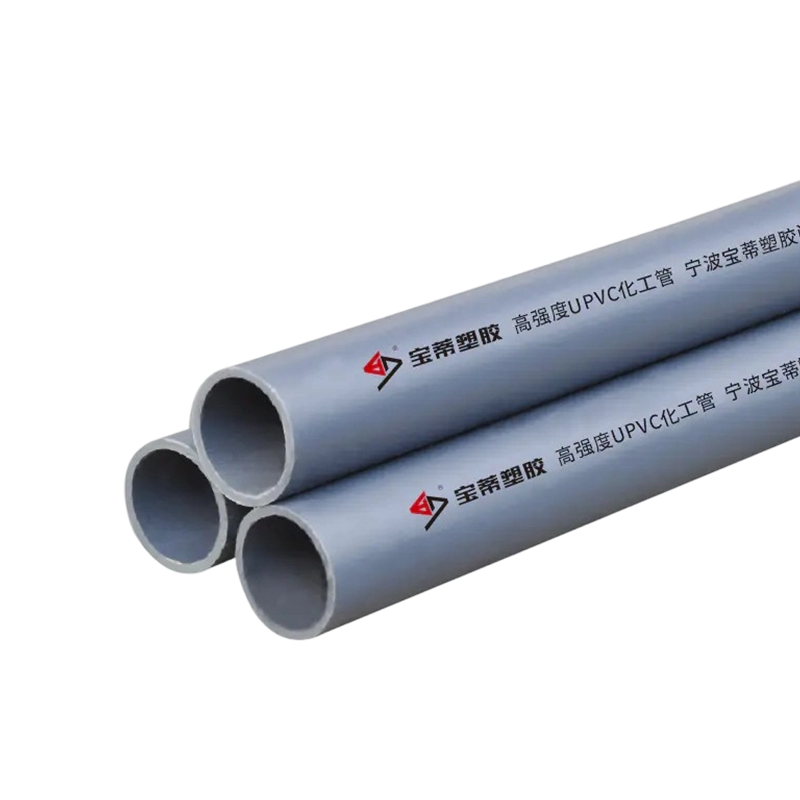
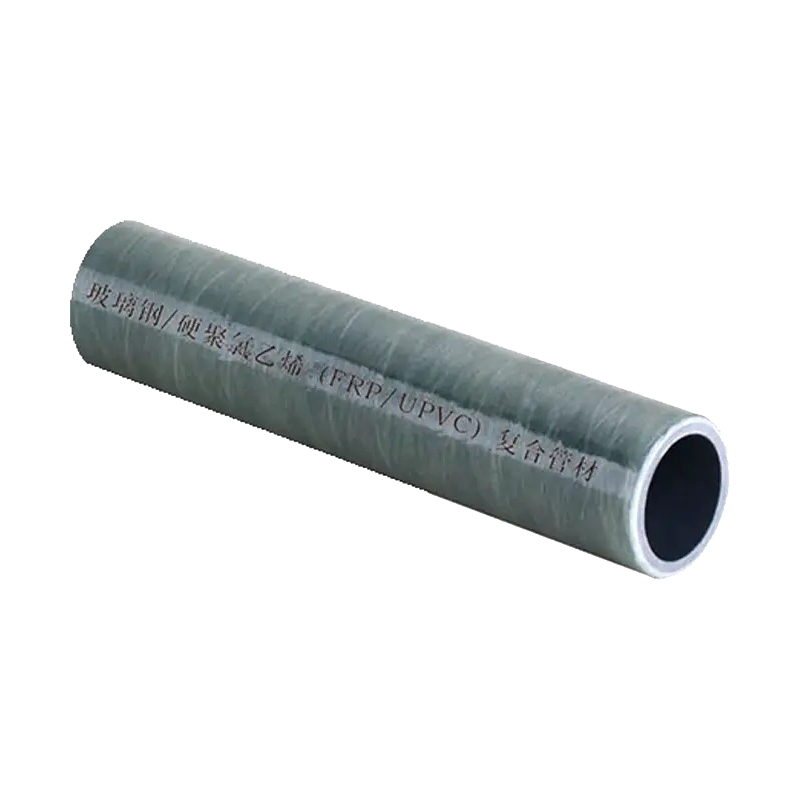
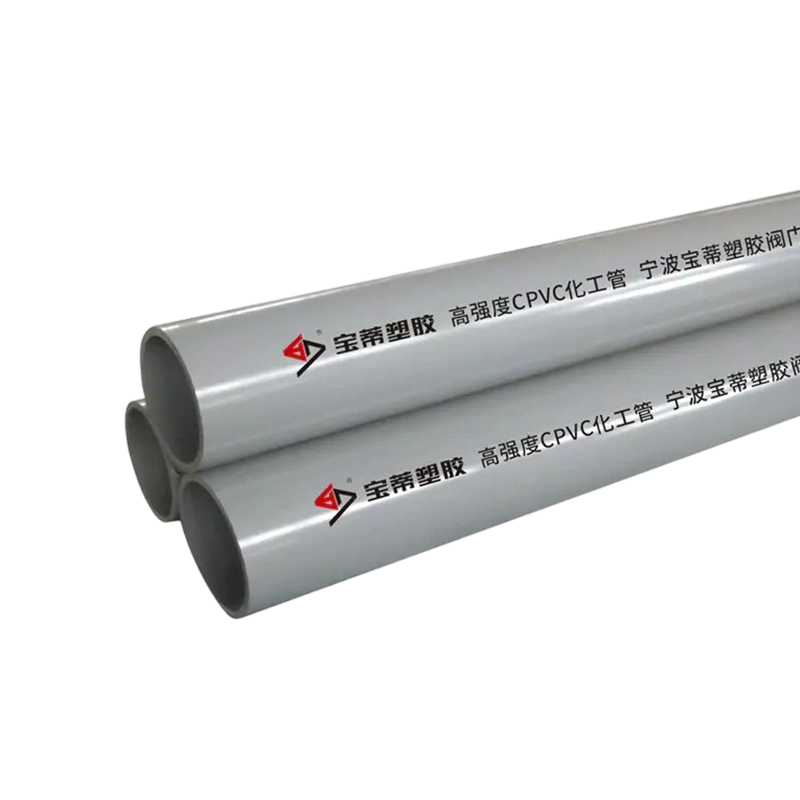
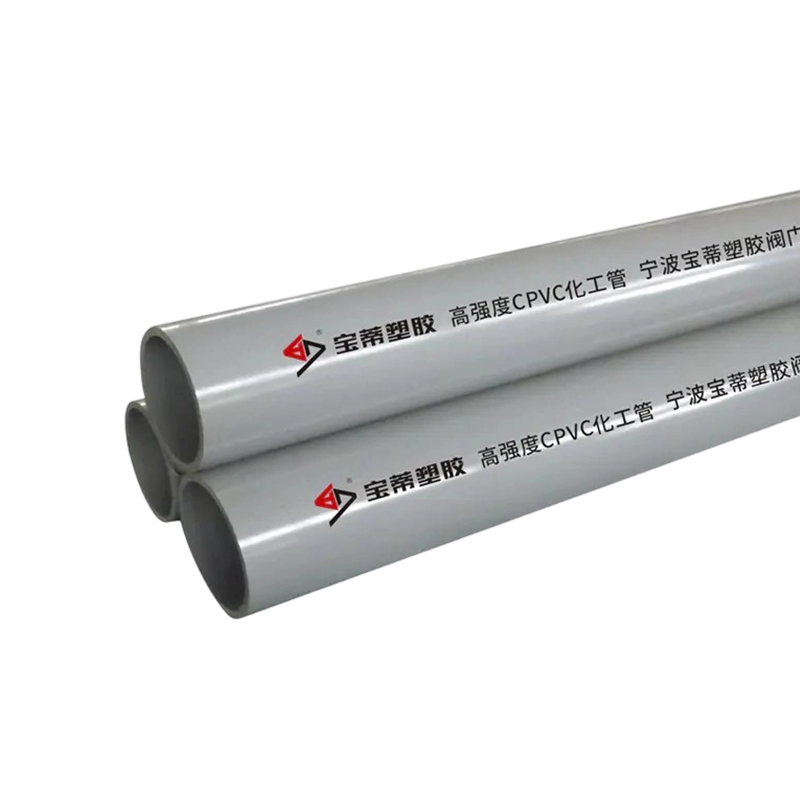
Pipes form the main flow path of a Plastic Piping System. Their nominal diameter, wall thickness, material and pressure class determine basic flow capacity and structural performance.
The internal surface should remain smooth and free from damage. Rough areas can increase resistance and create locations where solids, crystals or biological material accumulate.
Pipe selection should consider actual internal diameter rather than nominal size alone. Pipes with the same nominal diameter may have different internal bores because of variations in wall thickness and pressure rating.
Fittings
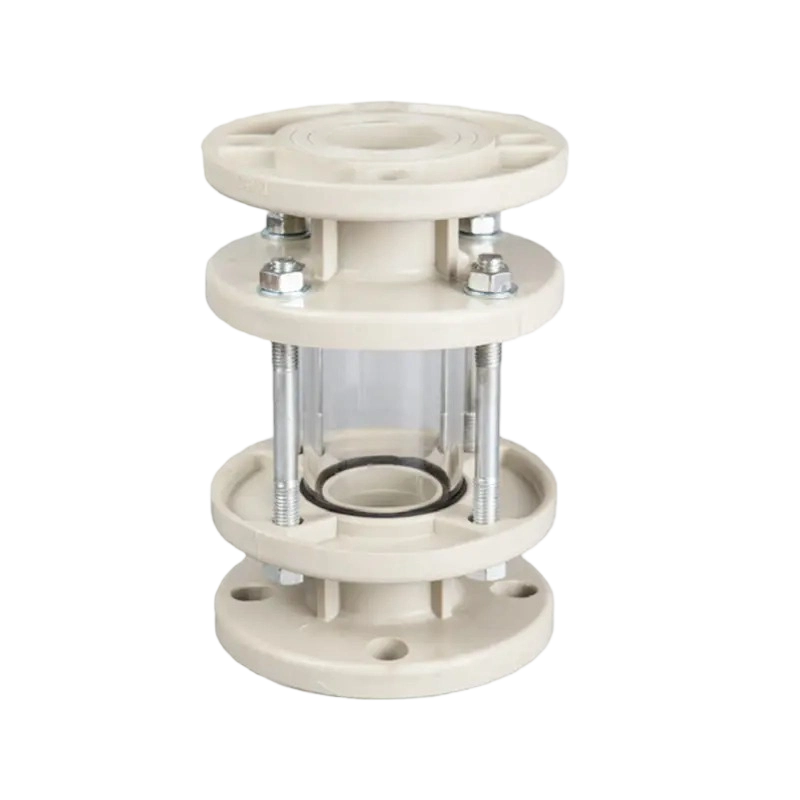
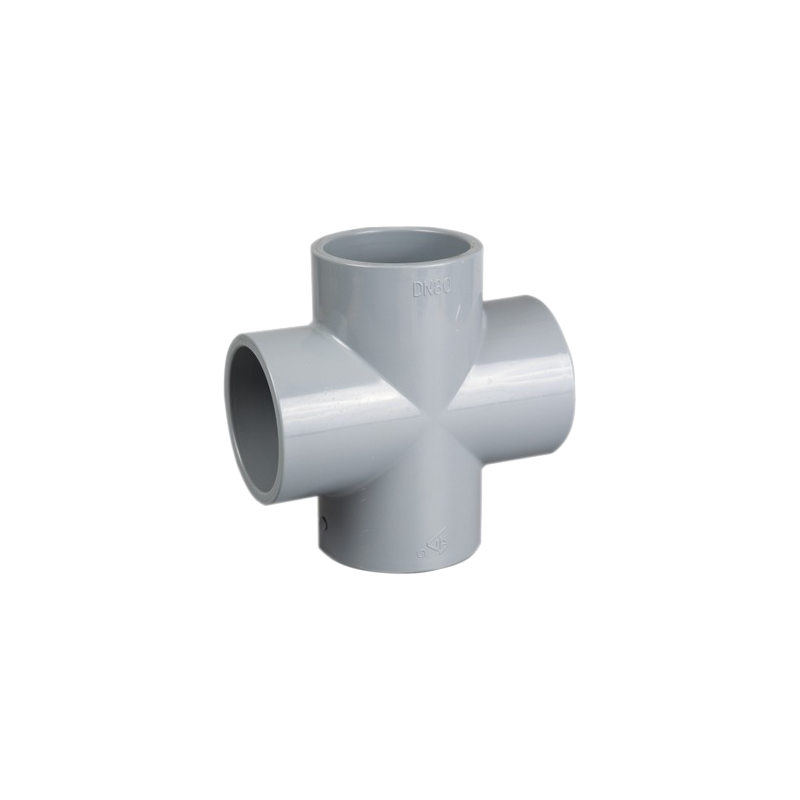
Fittings change the direction, size or layout of the piping network. Common products include elbows, tees, crosses, reducers, sockets, caps, flanges and unions.
Every fitting creates local flow resistance. A compact system containing many elbows and tees may require more pump pressure than a longer but straighter pipe run.
Fitting orientation also affects drainage and cleaning. Incorrectly positioned reducers or branches may trap air, liquid or sediment.
Plastic Valves
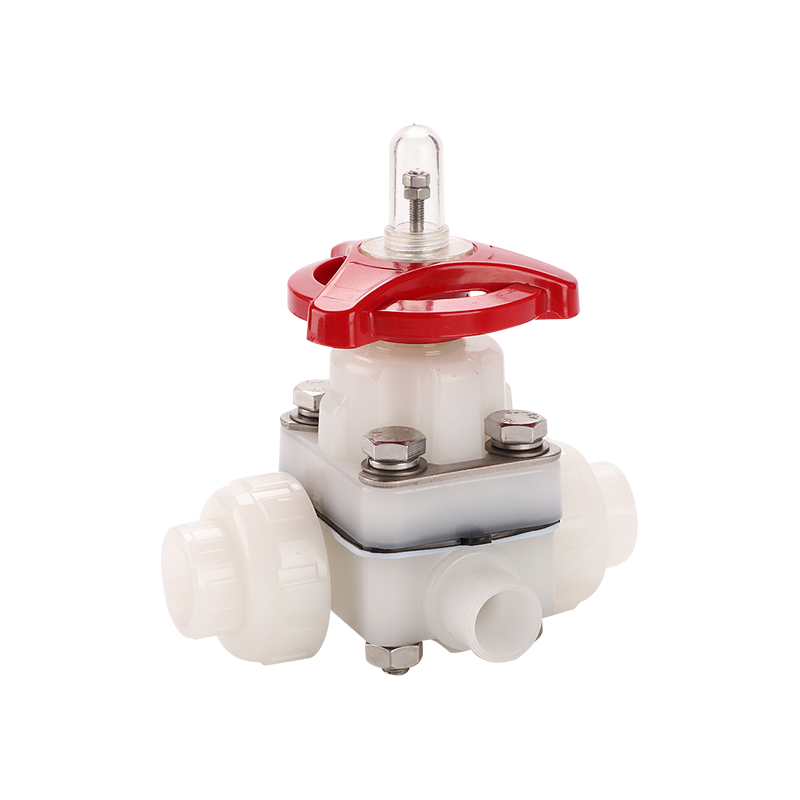
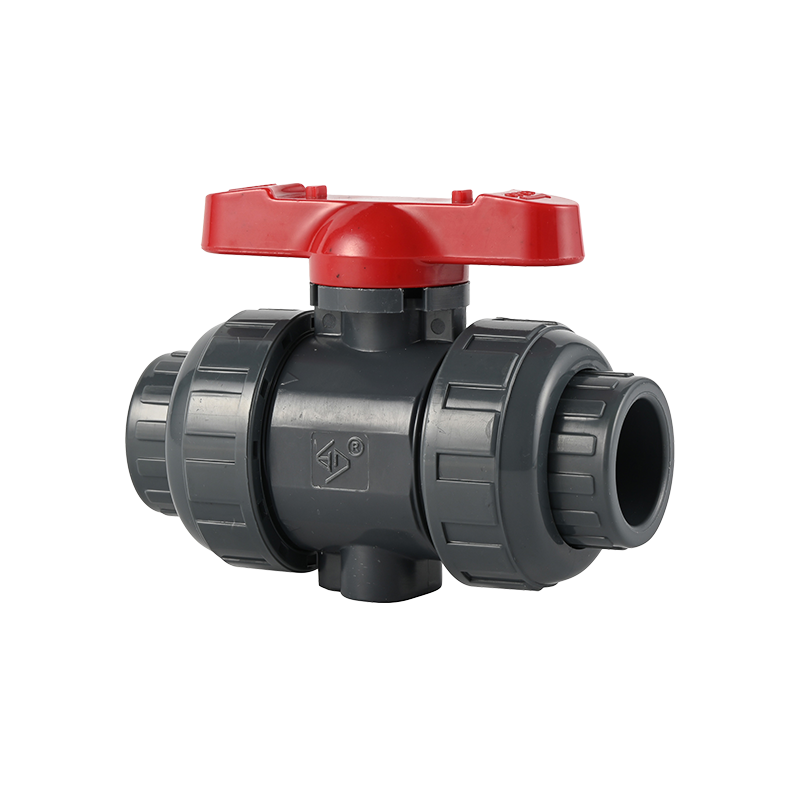
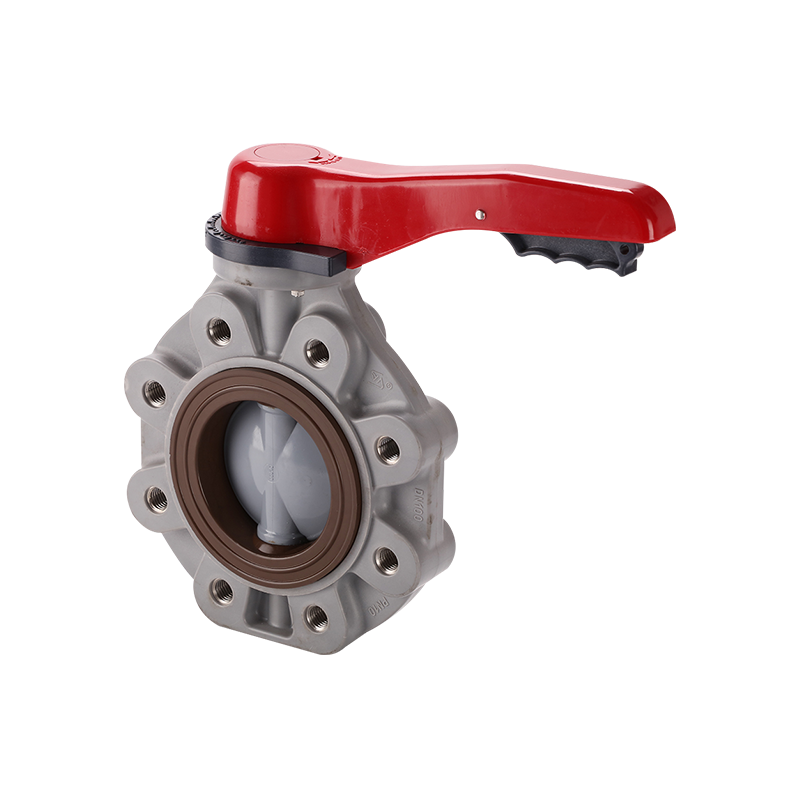
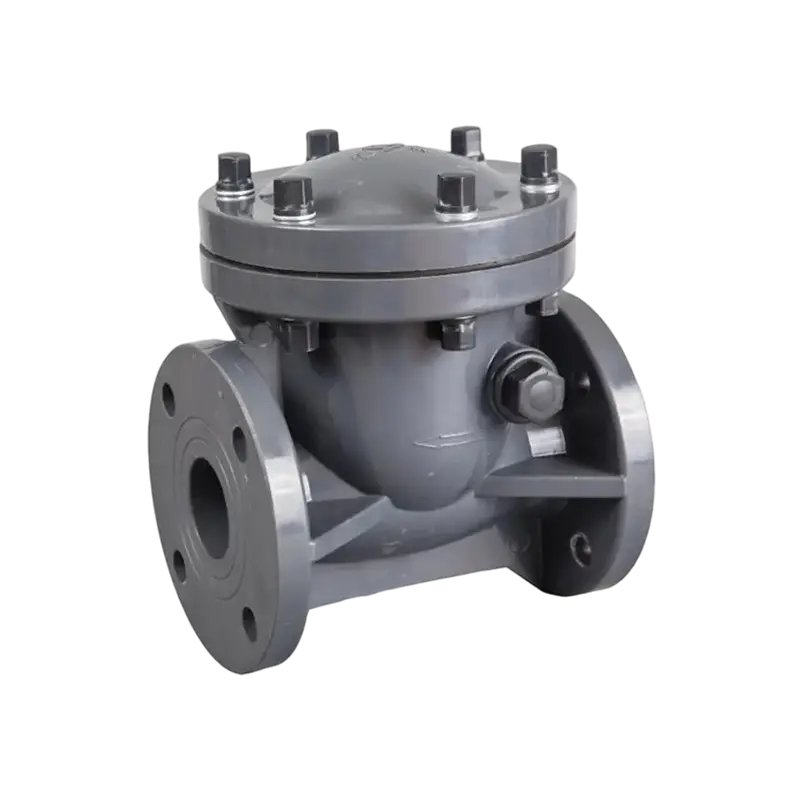
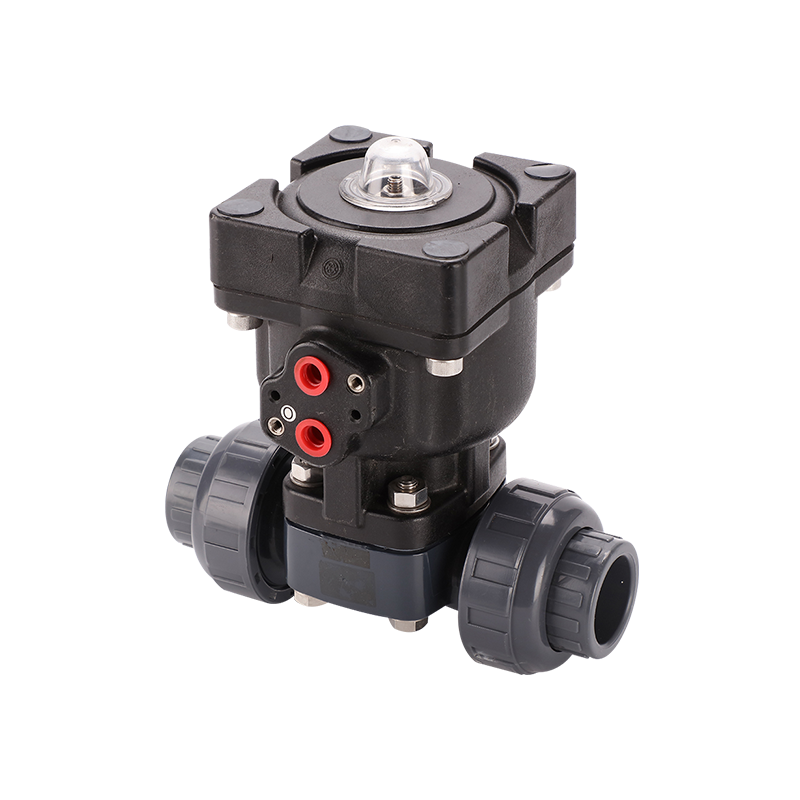
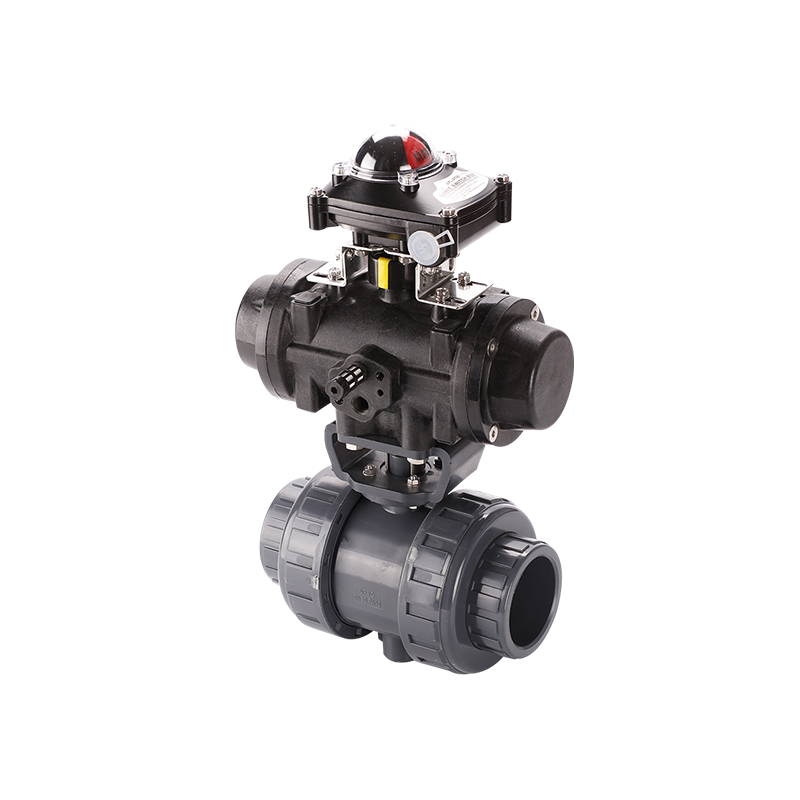
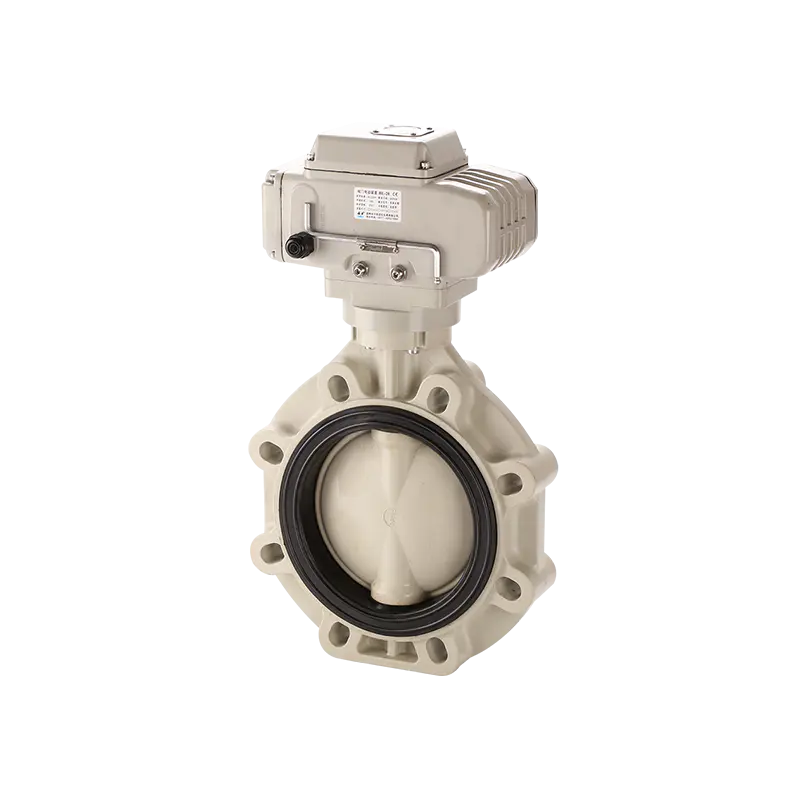
Valves provide isolation, regulation, diversion and backflow control. A Plastic Piping System may include ball valves, butterfly valves, diaphragm valves and check valves according to the process function.
The valve body material should be compatible with the medium, but internal parts must also be reviewed. Seats, diaphragms, O-rings, balls, discs and shafts may have different chemical limitations.
Ningbo Baodi Plastic Valve Co., Ltd. manufactured its first plastic diaphragm valve in 1979, which passed the technical appraisal of the Ministry of Chemical Industry in 1983. The company later invented a one-piece flange ball valve in 1992. These developments reflect how valve structures were adapted for industrial thermoplastic piping.
Seals and Gaskets
Seals are used in unions, flanges, valves and instrument connections. Their materials may be different from the pipe and valve body.
A chemically resistant pipe can still experience leakage if an incompatible gasket swells, hardens or loses compression. Seal selection should therefore consider the medium, temperature, pressure and cleaning chemicals.
Supports and Anchors
Supports carry the weight of the pipes, process medium, valves and accessories. Anchors restrict movement at defined locations, while guides allow controlled movement in a selected direction.
Thermoplastic piping requires careful support planning because plastic generally has lower stiffness and greater thermal movement than metal.
Instruments and Accessories
Pressure gauges, flowmeters, filters, sampling valves and sensors may be installed throughout the Plastic Piping System.
Heavy instruments should not be supported only by a plastic branch. Independent brackets may be required to prevent concentrated loads and vibration from damaging the pipe.
Common Plastic Piping System Materials
PVC Piping System
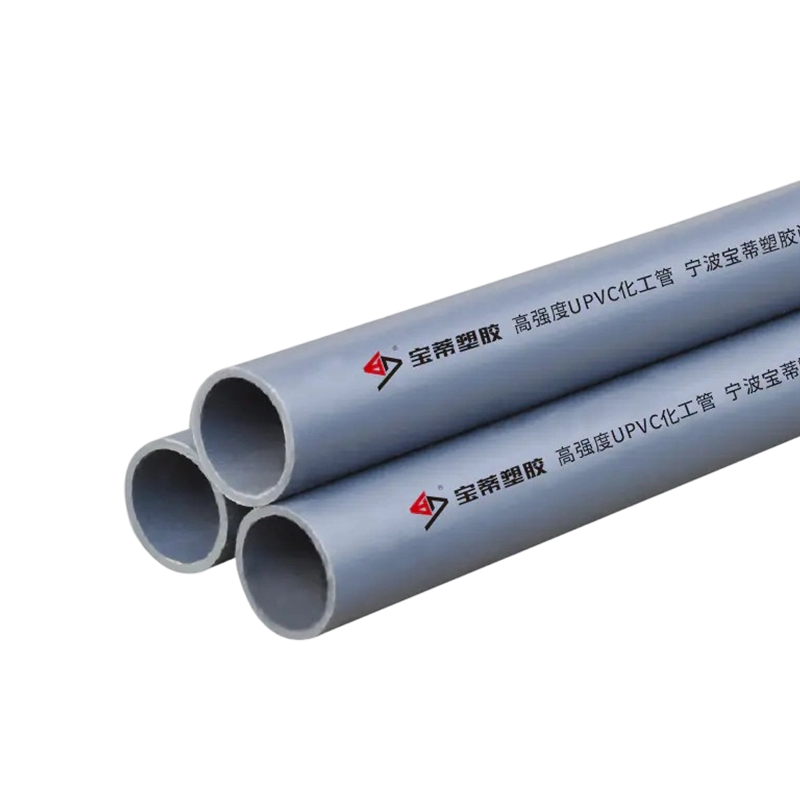
PVC is commonly used for ambient-temperature water treatment and many acid, alkaline and salt solutions. It provides relatively low weight, a smooth internal surface and convenient installation.
Its main limitations are temperature capability and incompatibility with certain solvents. Allowable pressure normally decreases as operating temperature rises.
CPVC Piping System
CPVC provides improved temperature capability compared with standard PVC. It can be selected for hot water and certain chemical processes where PVC temperature limits are insufficient.
Pipes, fittings, valves and joining materials should all be suitable for CPVC service. Ningbo Baodi Plastic Valve Co., Ltd. became one of the early domestic enterprises to apply CPVC to industrial-grade piping valves after expanding its piping product line in 2006.
PP Piping System
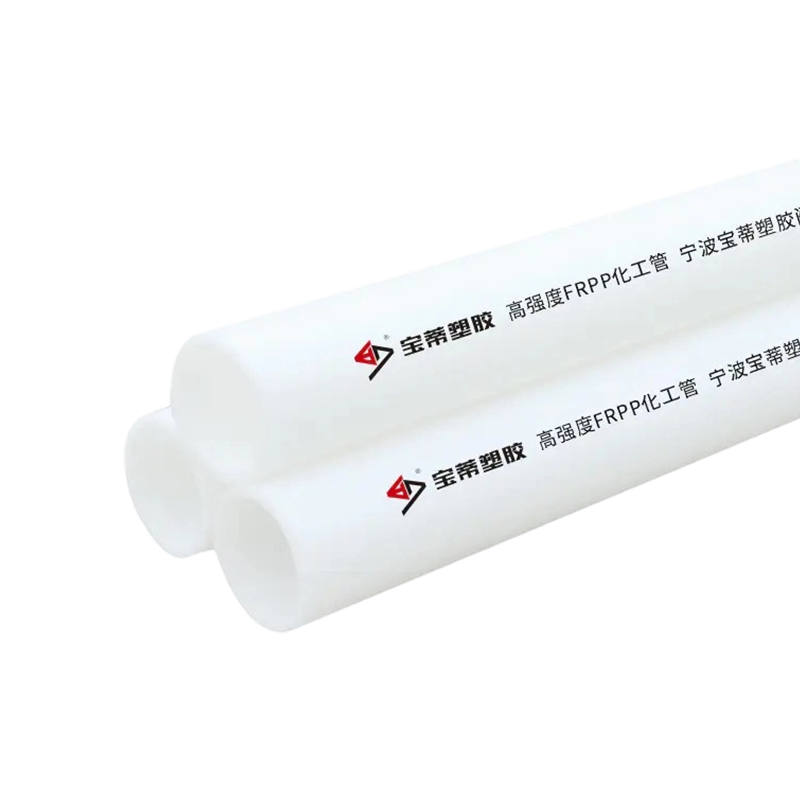
PP is resistant to many acids, alkalis and industrial wastewater compositions. Its low density makes large piping components easier to transport and install.
Its allowable pressure decreases as temperature rises. Low-temperature impact conditions should also be considered where the Plastic Piping System is installed outdoors or in unheated facilities.
PVDF Piping System
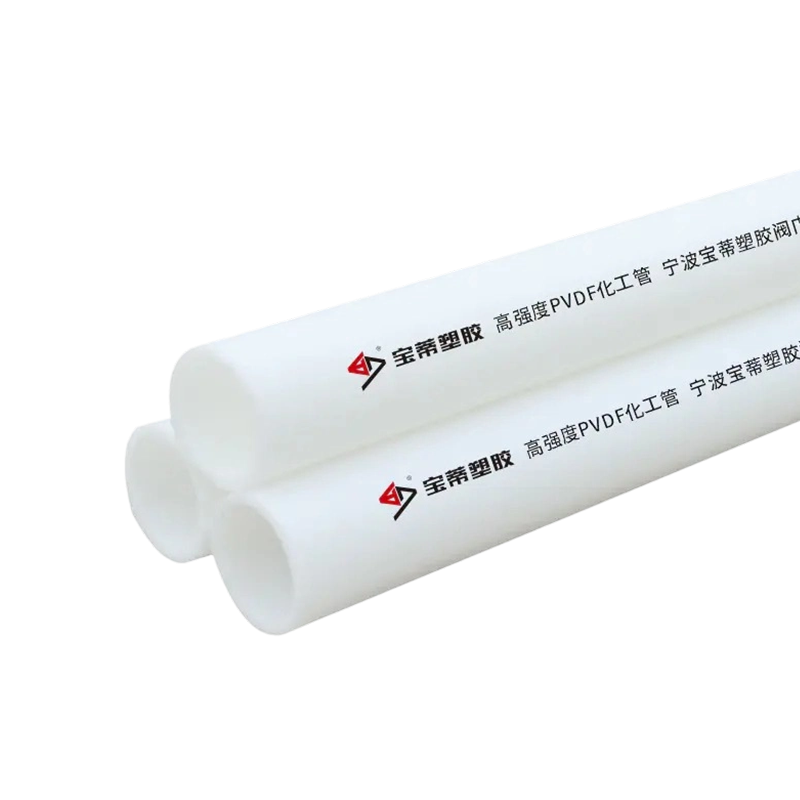
PVDF is used for many aggressive chemicals and high-purity applications. It provides strong chemical stability and useful temperature performance.
Installation normally requires trained personnel and controlled fusion procedures. High-purity applications may also require careful handling to prevent contamination of internal surfaces.
Material Comparison
| Parameter |
PVC |
CPVC |
PP |
PVDF |
| Temperature capability |
Moderate |
Higher than PVC |
Moderate |
Relatively high |
| Chemical resistance |
Suitable for many acids, alkalis and salts |
Suitable for many chemicals at elevated temperatures |
Strong resistance to many acids and alkalis |
Broad resistance to aggressive chemicals |
| Typical application |
Water treatment and general chemical transfer |
Hot water and selected chemical processing |
Wastewater and chemical transfer |
High-purity and demanding chemical service |
| Installation weight |
Low |
Low |
Very low |
Low |
| Common joining method |
Solvent cement or flange |
Solvent cement or flange |
Fusion or flange |
Controlled fusion or flange |
| Main limitation |
Temperature and solvent restrictions |
Requires compatible complete system |
Pressure decreases with temperature |
Higher installation requirements |
Chemical Compatibility in a Plastic Piping System
Chemical compatibility applies to every wetted component rather than only the pipe. A substance may have little effect on a plastic material at room temperature but cause faster softening or stress cracking at elevated temperature.
Concentration is equally important. Diluted and concentrated forms of the same chemical may produce different effects. Mixed fluids can also behave differently from individual chemicals.
Cleaning and disinfection media must be included in the compatibility review. A Plastic Piping System may carry a suitable process fluid during normal production but be damaged by an aggressive cleaning solvent.
Pipes and fittings: Check for softening, cracking, swelling and loss of mechanical strength.
Valve bodies and internal parts: Review balls, discs, diaphragms and seats separately.
O-rings and gaskets: Confirm resistance to the process fluid and cleaning chemicals.
Joining materials: Adhesives, fusion zones and transition fittings must remain suitable for the complete operating range.
Instrument parts: Pressure sensors, flowmeters and sampling connections may contain additional wetted materials.
Common signs of incompatibility include surface cracking, discoloration, swelling, seal deformation, joint leakage and increased valve-operating torque.
Ningbo Baodi Plastic Valve Co., Ltd. has designed industrial plastic valves for demanding applications for more than 40 years. Its broad product range allows pipes, fittings and valves to be reviewed as a complete Plastic Piping System instead of selecting each product separately.
Pressure and Temperature Ratings
System Pressure Rating
The allowable pressure of a Plastic Piping System is determined by its lowest-rated component. A pipe may have a higher pressure rating than an attached valve, union or instrument fitting.
Pressure selection should cover normal operation, pump shut-off pressure, start-up conditions and possible pressure surges.
Temperature Derating
Thermoplastic materials normally lose mechanical strength as temperature rises. Pressure ratings published at a reference temperature cannot automatically be used at higher process temperatures.
Temperature also affects valve seats, O-rings, gaskets and flange compression. A body material may remain chemically compatible while a seal becomes too soft or permanently deformed.
Static and Dynamic Pressure
Static pressure is the relatively stable pressure present during normal operation. Dynamic pressure includes temporary changes caused by pump starts, rapid valve closure, sudden flow diversion and equipment shutdown.
Short pressure peaks may damage joints and fittings even when the normal operating pressure remains within the rated range.
Component Pressure Comparison
| Component |
Main Pressure Concern |
Temperature Effect |
Selection Focus |
| Pipe |
Wall strength and long-term stress |
Lower allowable pressure |
Diameter, wall thickness and material |
| Fitting |
Geometry and joint stress |
Reduced mechanical strength |
Pressure class and connection quality |
| Valve |
Body strength and internal sealing |
Body and seat limitations |
Pressure and differential pressure |
| Seal |
Compression and material stability |
Hardening, softening or swelling |
Medium, pressure and temperature |
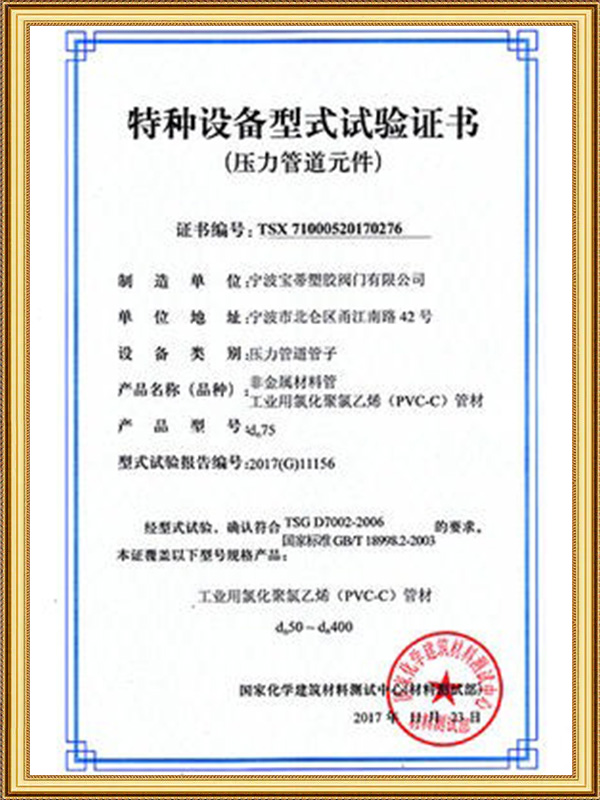
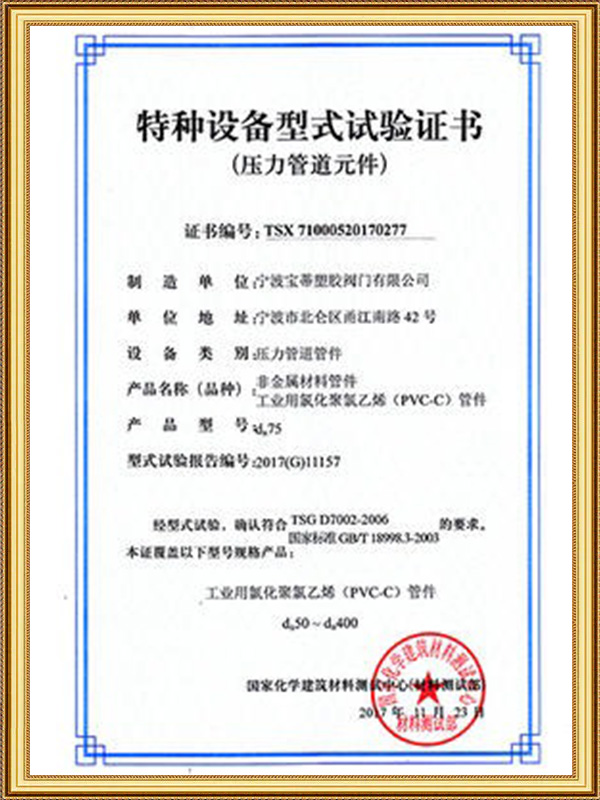
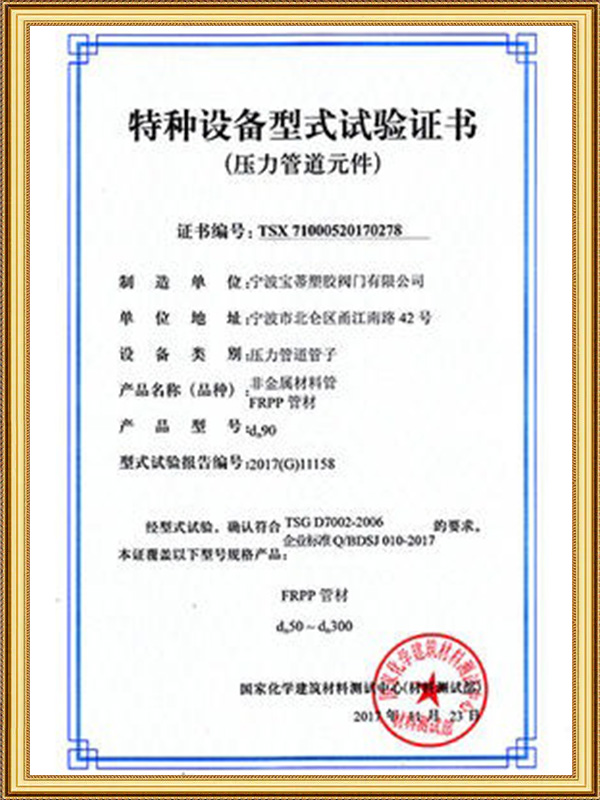
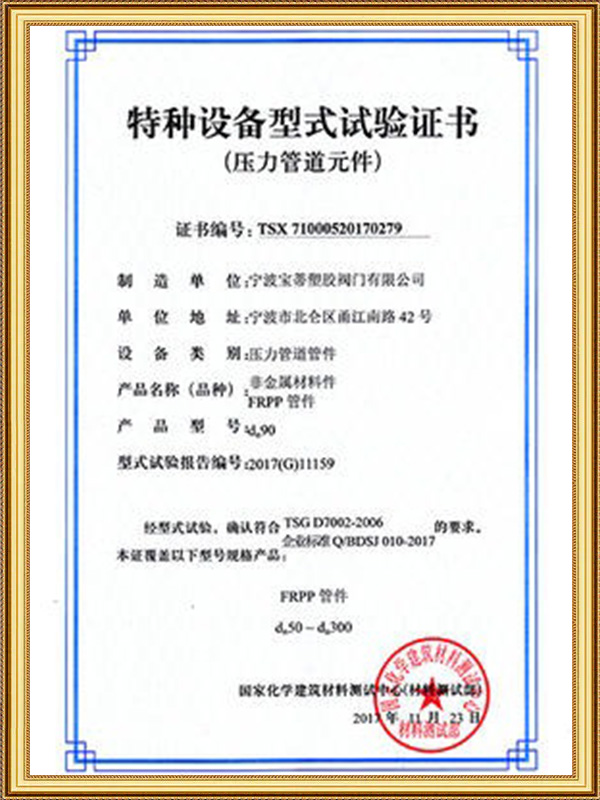
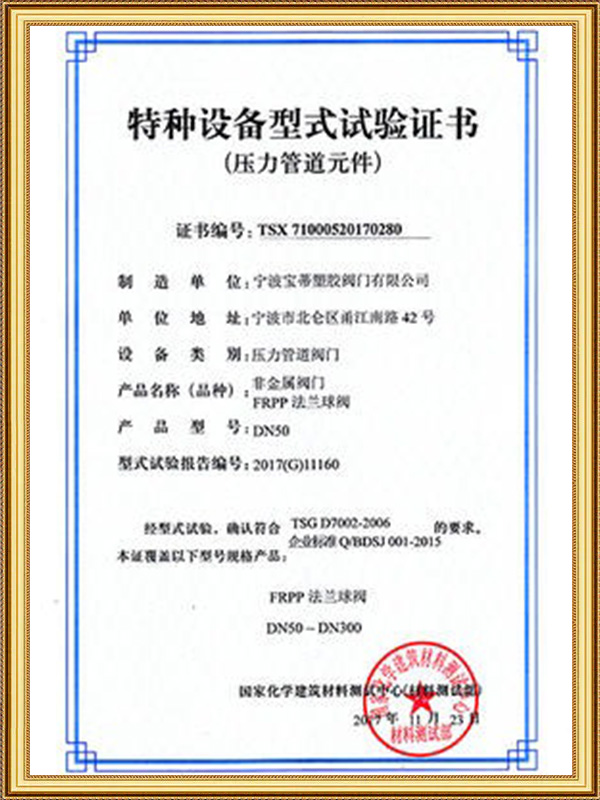
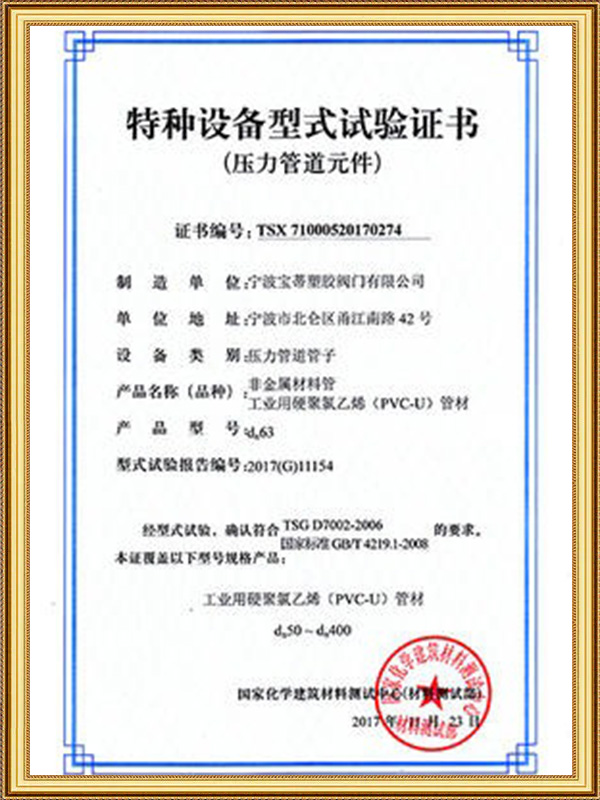
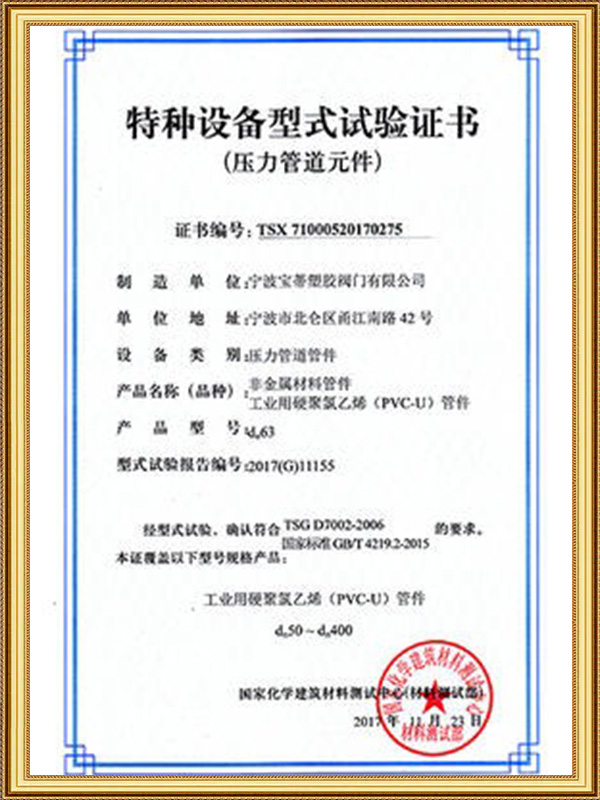
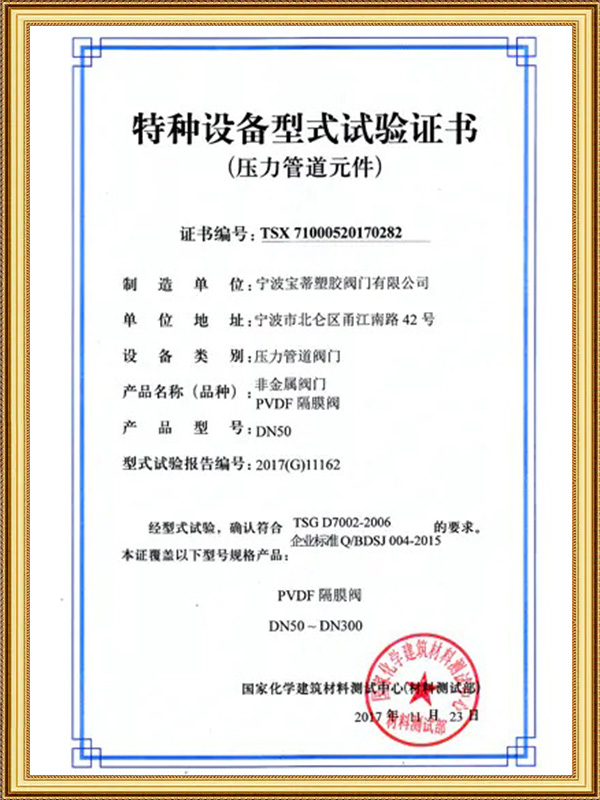
Ningbo Baodi Plastic Valve Co., Ltd. holds a national special equipment pressure piping component manufacturing license, reflecting the importance of controlled manufacturing and pressure performance in industrial thermoplastic components.
Pipe Size, Flow Velocity and Pressure Loss
Selecting Pipe Diameter
Pipe diameter should be selected according to minimum, normal and maximum flow. A pipe that is too small increases velocity, pressure loss and pump energy consumption.
A pipe that is unnecessarily large increases material cost and may reduce self-cleaning velocity. Suspended solids can settle when the medium moves too slowly.
Flow Velocity
Acceptable velocity depends on the transported medium. Clean water, slurry, concentrated chemicals and high-purity fluids do not have the same flow requirements.
High velocity can increase noise, erosion and water hammer. Low velocity may allow particles or crystals to accumulate.
Friction Loss
Friction loss depends on pipe length, internal diameter, flow rate, fluid viscosity and internal surface condition.
Plastic pipe has a relatively smooth bore, but hydraulic calculations are still necessary. Deposits or biological growth may increase resistance over time.
Local Resistance
Elbows, tees, reducers, valves and strainers create local pressure losses. A design that calculates only the straight pipe length may underestimate the required pump head.
Required sizing data: Minimum flow, normal flow, maximum flow, fluid density, viscosity, pipe length, elevation difference, fitting quantity, valve resistance and required outlet pressure.
Ningbo Baodi Plastic Valve Co., Ltd. supplies a wide range of industrial thermoplastic valves and fittings, making it possible to coordinate valve flow capacity with the overall hydraulic design of the Plastic Piping System.
Joining Methods for a Plastic Piping System
Solvent Cement Connection
Solvent cement is commonly used for compatible PVC and CPVC piping. The pipe should be cut square, deburred, chamfered and cleaned before joining.
The correct preparation products and joining compound must be used. The joint should remain undisturbed for the specified curing period before pressure testing.
Socket Fusion
Socket fusion is used for selected thermoplastic systems such as PP. The outside of the pipe and inside of the fitting socket are heated with controlled tools and then joined at the correct depth.
Heating temperature, heating time and alignment directly affect joint strength.
Butt Fusion
Butt fusion joins heated pipe ends under controlled pressure. It is suitable for larger thermoplastic pipes and can create a strong continuous connection.
The pipe ends must be aligned, faced and heated evenly.
Flanged Connection
Flanges are commonly used around valves, pumps, tanks and removable equipment. Bolts should be tightened gradually and evenly.
Misaligned flanges should not be pulled together by tightening because this creates continuous stress in the Plastic Piping System.
Threaded Connection
Threaded connections are normally used for smaller pipes and instrument branches. Plastic threads can crack when overtightened.
The thread sealant must be compatible with both the plastic material and process medium.
Union Connection
A union allows valves, filters or equipment to be removed without cutting the pipe. Both sides should be naturally aligned.
The union nut should not be used to pull offset pipes into position.
Joining Method Comparison
| Joining Method |
Main Advantage |
Main Limitation |
Typical Use |
| Solvent cement |
Compact and convenient |
Requires preparation and curing |
PVC and CPVC piping |
| Socket fusion |
Strong thermoplastic connection |
Heating parameters must be controlled |
Small and medium thermoplastic pipes |
| Butt fusion |
Suitable for large pipe runs |
Requires equipment and alignment |
Industrial main pipelines |
| Flanged connection |
Removable and serviceable |
Sensitive to alignment and bolt loading |
Valves, tanks and equipment |
| Threaded connection |
Convenient for small interfaces |
Cracking risk from overtightening |
Instruments and small branches |
| Union connection |
Easy component removal |
Requires accurate alignment |
Valves and maintenance sections |
Thermal Expansion and Contraction
Thermoplastic piping expands and contracts more than many metal piping systems. Temperature changes may come from the process fluid, cleaning cycles, equipment shutdown, outdoor weather or direct sunlight.
Long straight pipe runs can experience significant movement. If expansion is restricted, stress may be transferred to joints, valves, pumps and tank nozzles.
Natural direction changes: Elbows and offsets can absorb part of the pipe movement.
Expansion loops: Additional pipe length allows controlled thermal movement.
Sliding guides: Guides support the pipe while permitting axial movement.
Anchors: Fixed points control the direction in which expansion occurs.
Flexible equipment connections: Suitable arrangements help reduce loads on pumps and tanks.
Ningbo Baodi Plastic Valve Co., Ltd. supplies complete thermoplastic piping and valve products, allowing thermal movement to be considered across pipes, fittings and valve locations rather than at isolated components.
Pipe Supports, Anchors and Equipment Loads
Support spacing depends on pipe material, diameter, temperature and the weight of the transported medium.
If supports are too far apart, the pipe may sag. Sagging creates low points where liquid or sediment can collect and places bending stress on joints.
Support surfaces should be smooth and wide enough to avoid concentrated pressure. Sharp metal edges should not contact the plastic pipe directly.
Large valves, automatic actuators, filters and flowmeters may require independent support. The plastic pipe should not carry their full weight.
Pumps can transmit vibration to the Plastic Piping System. Pumps and connected piping should be supported separately to reduce nozzle loads and vibration damage.
Anchors establish fixed points, while guides control movement direction. Their locations should match the thermal-expansion design.
Valves and Equipment Integration
Isolation Valves
Isolation valves should be installed around pumps, filters, tanks and process equipment that may require maintenance.
The connection arrangement should allow the valve or equipment to be removed without cutting long sections of pipe.
Check Valves
Check valves prevent reverse flow after pump shutdown. They should be selected according to flow direction, opening pressure and installation orientation.
A check valve should not replace a dedicated isolation valve.
Control Valves
Control valves regulate flow, pressure or liquid level. Their size may be smaller than the main pipe because control performance depends on pressure drop and operating range.
Pumps and Tanks
Pump weight and vibration should not be transferred directly to plastic piping. Tank connections should also be protected from thermal movement and pipe loads.
Mixed-Material Connections
A Plastic Piping System may connect with metal pumps, tanks and instruments. Flange standards, gasket dimensions, equipment weight and differences in thermal expansion must be considered.
The one-piece flange ball valve invented by Ningbo Baodi Plastic Valve Co., Ltd. in 1992 became widely used in chemical-related industries. Its integrated flange structure demonstrates how industrial plastic valves can be designed for stable connection with process piping.
Installation Quality Control
Material Verification
Verify the material, pressure class and dimensions of pipes, fittings, valves and seals before installation.
Different thermoplastics should not be mixed unintentionally. Products with similar appearances may require different joining procedures.
Pipe Preparation
Pipe ends should be cut square and cleaned. Burrs and plastic fragments must be removed before connection.
Alignment
Joints should be assembled in a naturally aligned condition. Bolts, unions and adhesive joints should not be used to correct major piping offsets.
Clean Working Conditions
Fusion and solvent-joining surfaces should remain free from oil, dirt and moisture. High-purity systems may require sealed pipe ends and stricter cleanliness control.
Installation Records
Useful records include material batches, joining times, fusion parameters, operators and inspection results.
Ningbo Baodi Plastic Valve Co., Ltd. has obtained ISO 9001, ISO 14001 and ISO 45001 system certifications and is recognized as a National High-Tech Enterprise and a Ningbo City Specialized and Sophisticated Enterprise. Controlled production supports product quality, while correct field installation remains essential.
Pressure Testing and Commissioning
Pre-Test Inspection
Confirm that solvent-cement joints have completed the required curing period and fused joints have cooled.
Check supports, anchors, flange bolts, valve positions, pressure gauges and high-point vents.
Filling and Venting
Fill the Plastic Piping System slowly and release trapped air. Compressed air remaining inside a water-filled system can increase testing risk.
Pressure Increase
Raise pressure gradually in stages. Inspect joints, valves and equipment connections during each stage.
The test pressure must not exceed the allowable rating of the lowest-rated component.
System Commissioning
After testing, flush the piping to remove installation debris. Confirm that valves operate correctly and that flow direction, pressure and pump operation match the design.
Common Plastic Piping System Problems
Joint Leakage
Possible causes: Contaminated surfaces, incorrect fusion temperature, insufficient curing, flange misalignment or incompatible gaskets.
Pipe Sagging
Possible causes: Excessive support spacing, high temperature, heavy process medium or unsupported valves and instruments.
Cracking Near Connections
Possible causes: Overtightening, pipe misalignment, equipment vibration, restricted thermal expansion or external impact.
Reduced Flow
Possible causes: Undersized pipe, excessive fittings, blocked filters, partially closed valves or internal deposits.
Premature Material Degradation
Possible causes: Chemical incompatibility, excessive temperature, ultraviolet exposure, pressure cycling or unsuitable cleaning agents.
Ningbo Baodi Plastic Valve Co., Ltd. has served tens of thousands of enterprises domestically and internationally. Field experience shows that many Plastic Piping System failures originate from design or installation conditions rather than the pipe material alone.
Routine Inspection and Maintenance
Visual Inspection
Inspect for leakage, discoloration, cracking, sagging and unusual pipe movement. Valve and flange areas should be checked for signs of stress.
Support Inspection
Check supports for looseness, corrosion and restricted sliding. Heavy accessories should remain independently supported.
Valve Maintenance
Valves that remain in one position for long periods should be operated periodically where the process allows. Seats, diaphragms and automatic actuator feedback should also be checked.
Cleaning and Flushing
Systems carrying fluids that crystallize or settle may require scheduled flushing. Cleaning chemicals must remain compatible with all Plastic Piping System materials.
Maintenance Records
Records should include leakage events, repairs, replaced components and changes in pressure or flow. Historical information can support preventive-maintenance planning.
Typical Applications of a Plastic Piping System
Chemical Processing
A Plastic Piping System can transport acids, alkaline solutions, salts and treatment chemicals when all components are compatible.
Water Treatment
Plastic pipes, fittings and valves are used for raw water, filtration, dosing, backwashing and drainage.
Wastewater Treatment
Thermoplastic systems can handle many corrosive wastewater streams. Flow velocity should be selected to limit abrasion and sediment accumulation.
Aquaculture and Irrigation
Plastic piping is used for water distribution, filtration and circulation in wet environments where metal corrosion may be a concern.
High-Purity Fluid Handling
High-purity applications require suitable materials, controlled joining and protection of internal surfaces from contamination.
Equipment and Tank Connections
The system can connect pumps, tanks, filters and treatment units while providing isolation and maintenance access.
Frequently Asked Questions About Plastic Piping System
Is a Plastic Piping System Suitable for Pressure Applications?
Industrial-grade plastic piping can be used within its specified pressure and temperature limits. Every pipe, fitting, valve and seal must meet the system requirement.
Which Plastic Material Is Best for Chemical Piping?
There is no universal material for every chemical. PVC, CPVC, PP and PVDF should be evaluated according to the medium, concentration, temperature and pressure.
Can Different Plastic Materials Be Connected?
Different materials can be connected through suitable flanges, unions or transition fittings. Dimensions, pressure ratings, joining methods and thermal expansion must be reviewed.
Why Does Plastic Pipe Require More Supports?
Thermoplastics generally have lower stiffness than metal. High temperature and fluid weight increase the possibility of sagging.
Can Plastic Pipe Connect Directly to a Pump?
It can connect to a pump, but pump weight, vibration and nozzle loads should not be carried by the plastic pipe. Independent support is normally required.
How Does Temperature Affect a Plastic Piping System?
Higher temperature normally reduces allowable pressure and increases thermal expansion. The complete system should be rated for the highest expected temperature.
What Causes Plastic Pipe Joint Leakage?
Common causes include poor surface preparation, incorrect fusion parameters, insufficient curing, misalignment and uneven flange tightening.
Can a Plastic Piping System Handle Slurry?
Some thermoplastic systems can transport slurry. Particle size, hardness, concentration, velocity and settling behavior should be evaluated.
Is Pressure Testing Necessary?
Yes. Testing helps confirm the integrity of joints, flanges, valves and equipment connections. Air should be vented and pressure increased gradually.
How Long Can a Plastic Piping System Last?
Service life depends on chemical compatibility, pressure, temperature, ultraviolet exposure, installation stress, flow conditions and maintenance.
Why Should Valves and Fittings Match the Pipe Material?
Matching materials can simplify chemical compatibility, joining and thermal-expansion planning. Mixed materials may still be used when the complete connection is properly engineered.
What Information Is Needed Before System Design?
Required information includes the process medium, chemical concentration, temperature, pressure, flow rate, pipe length, elevation difference, equipment connections, valve functions, installation environment, cleaning method and maintenance requirements.