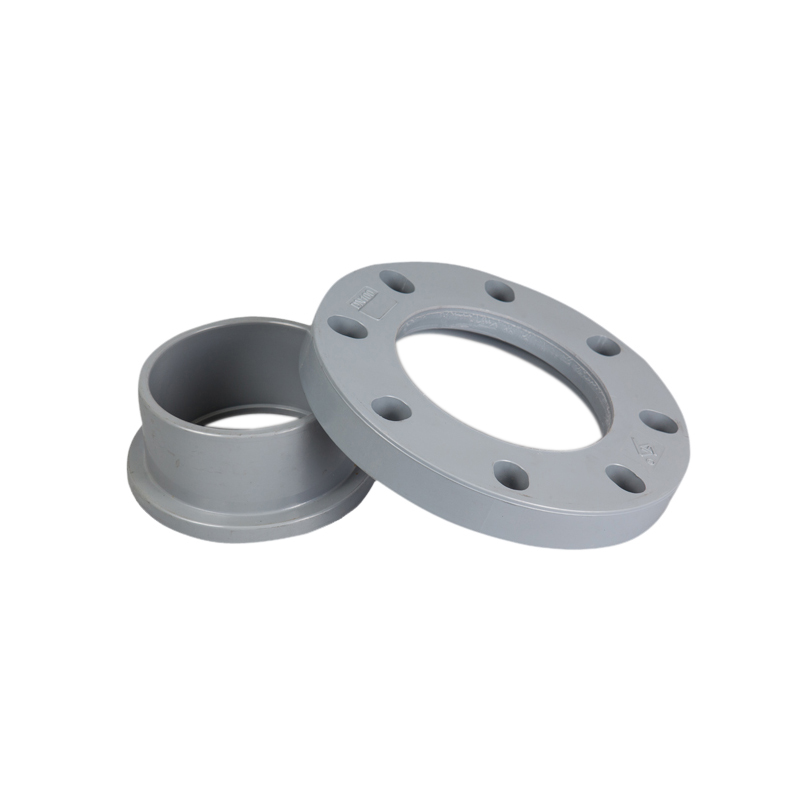
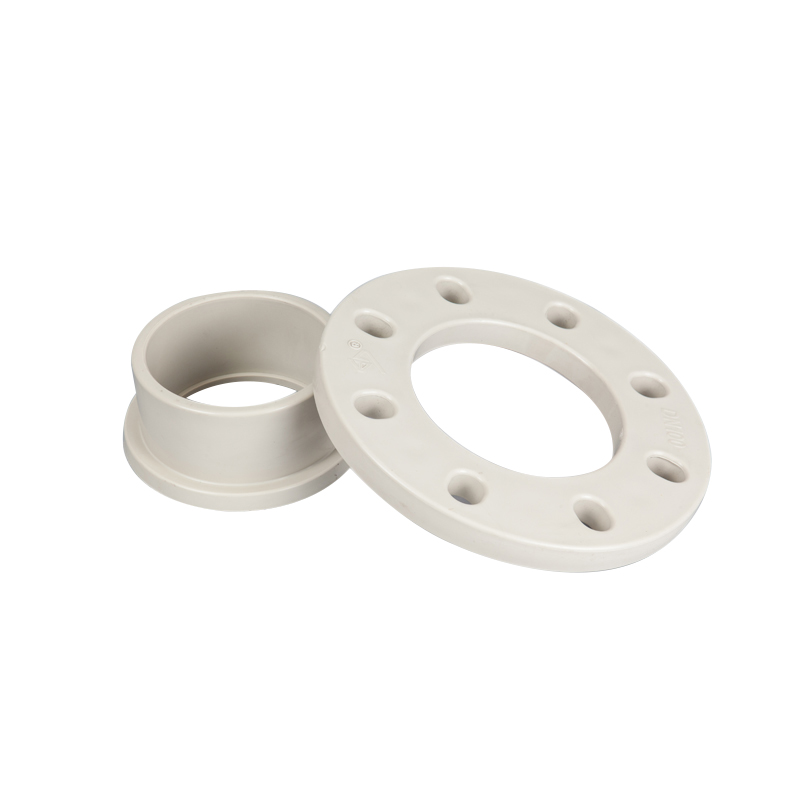
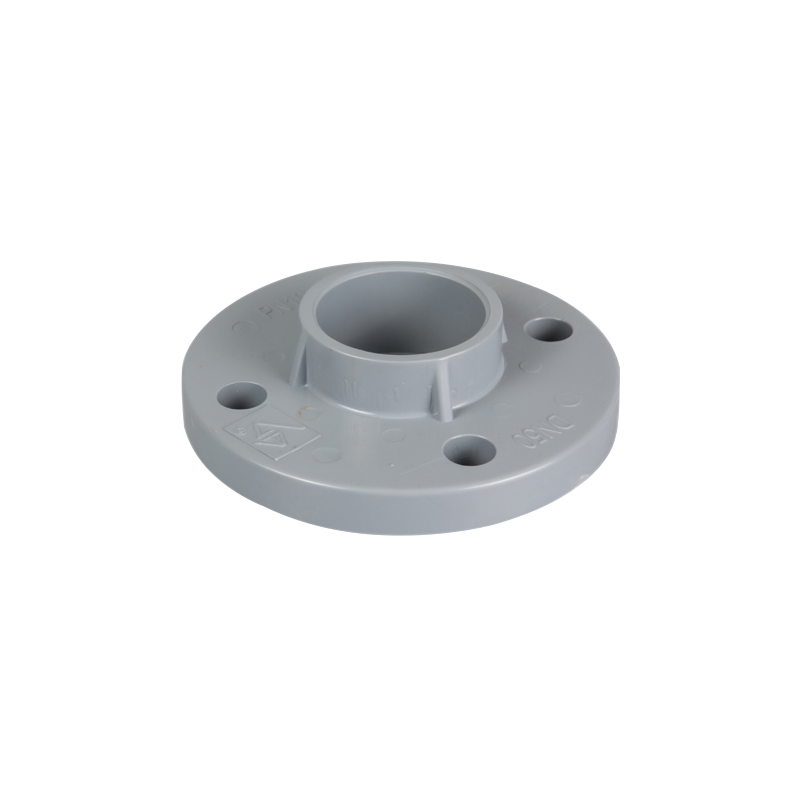
The Logic of Modern Pipe Evolution: Plastic Replacing Metal
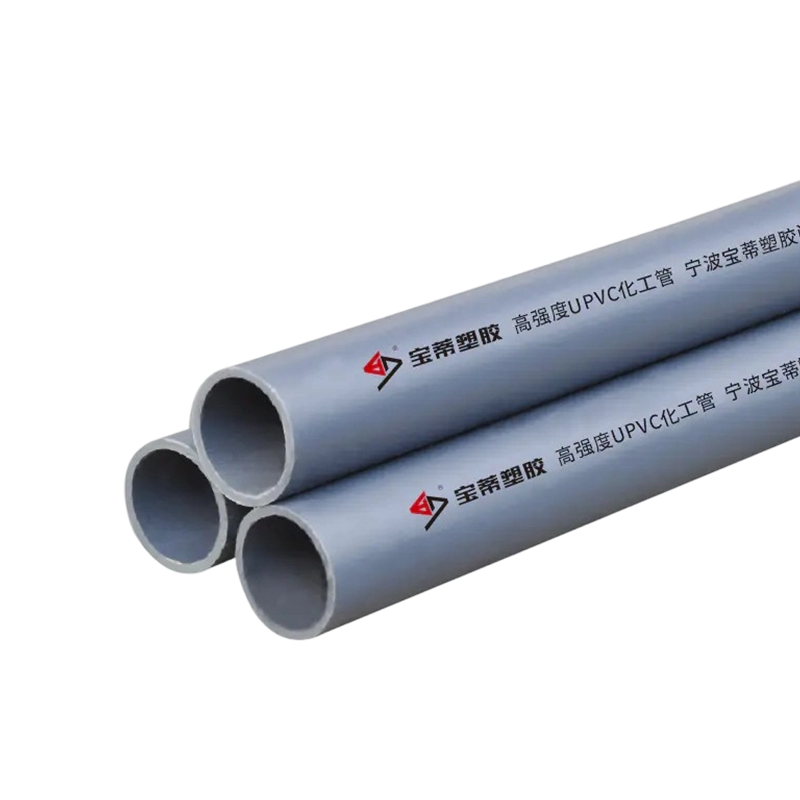
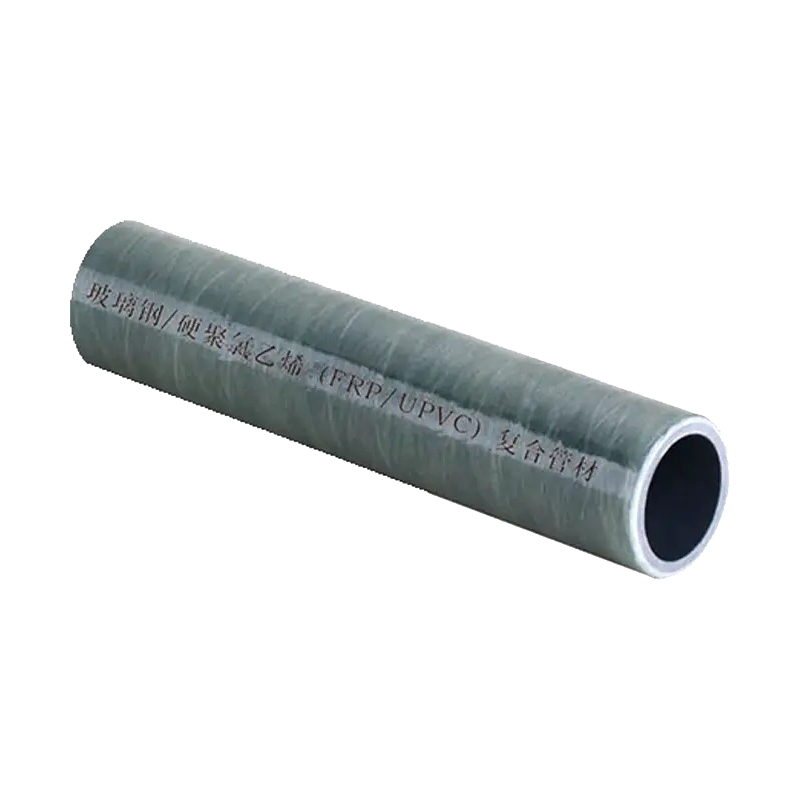
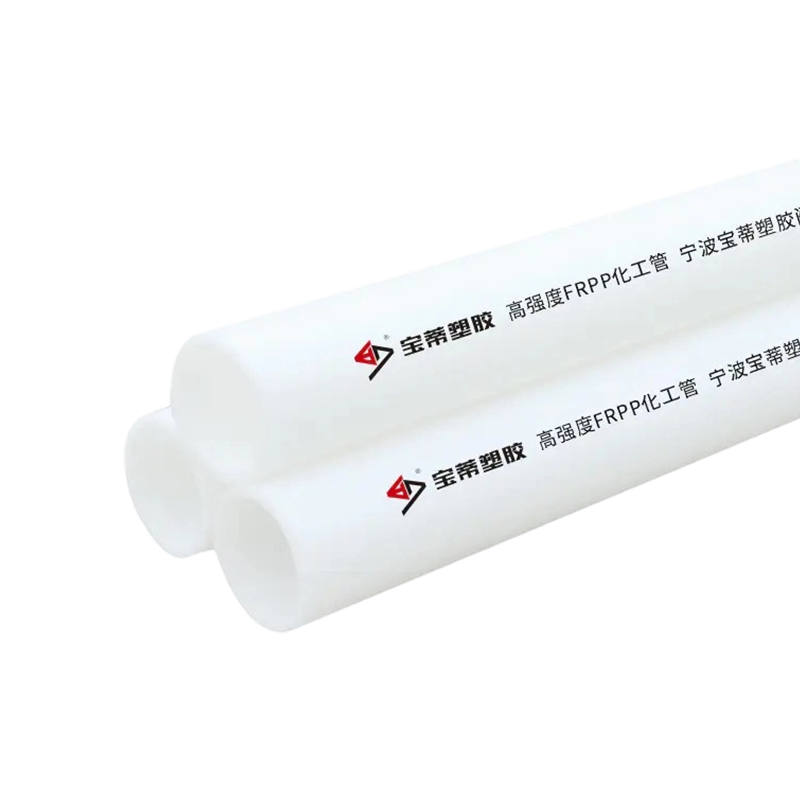
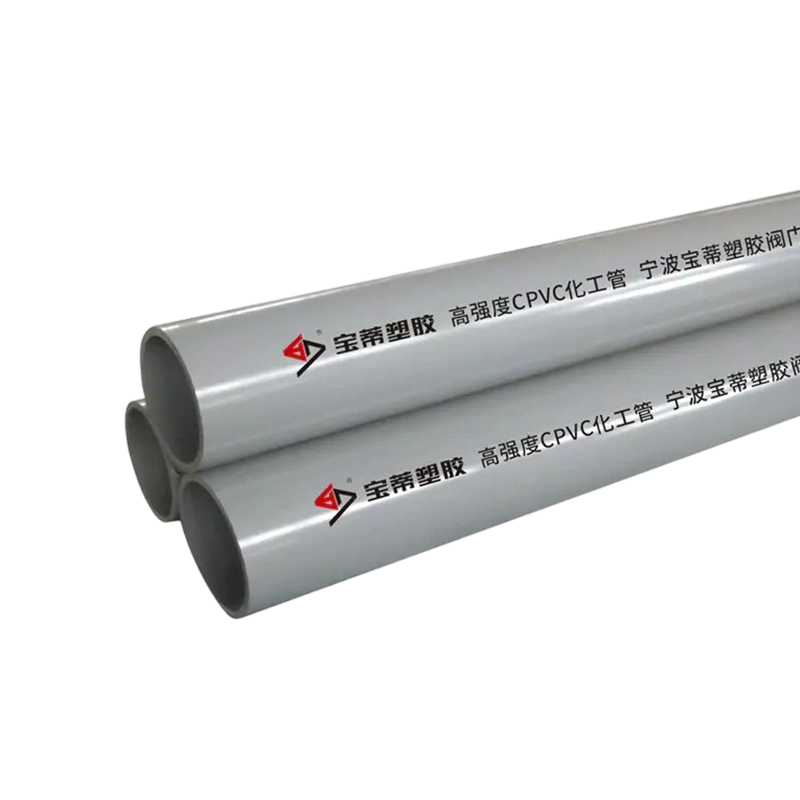
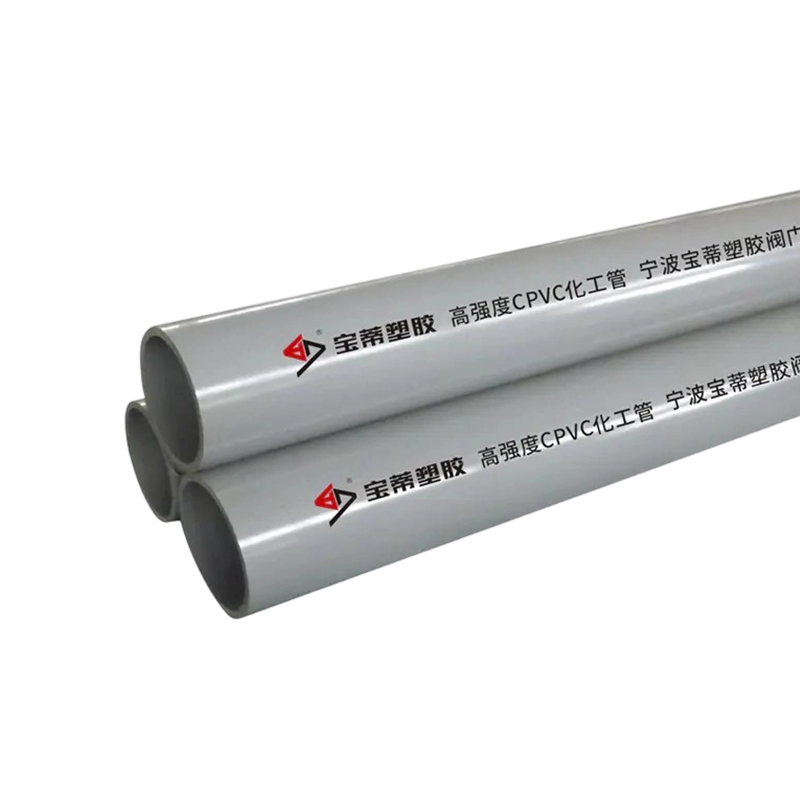
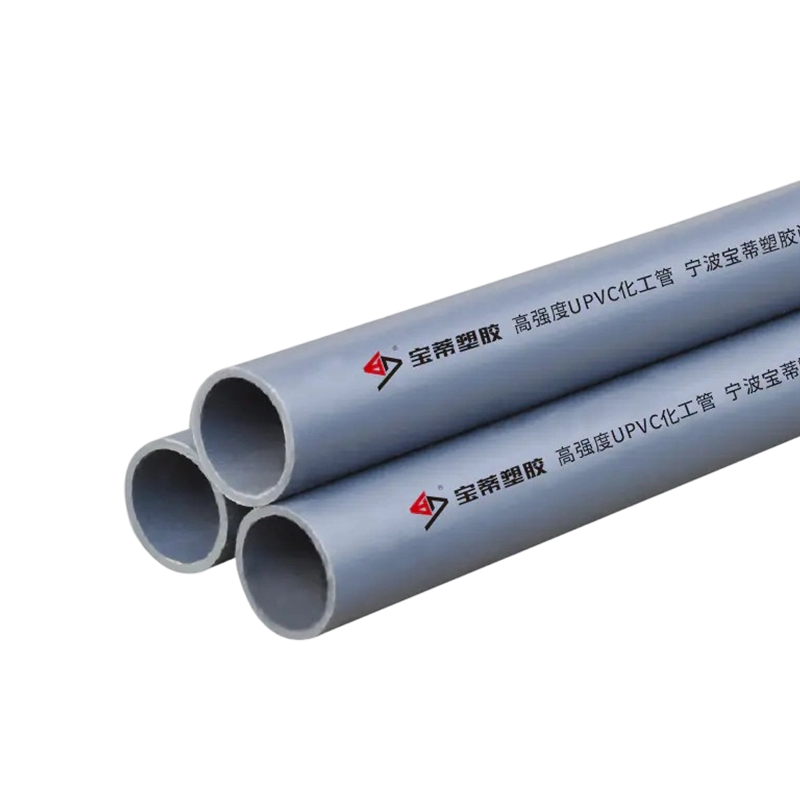
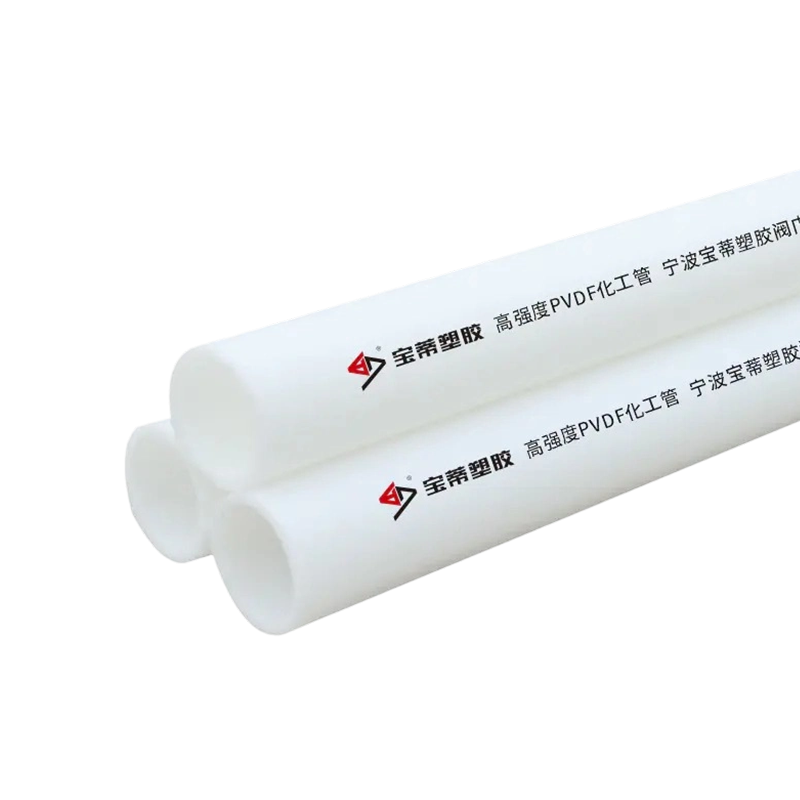
In the construction and maintenance of industrial infrastructure, the selection of pipe materials for conveying media is always the core of engineering design. For a long time, metal pipes dominated the field due to their high strength and pressure-bearing characteristics. However, as the requirements for industrial chemical processing become increasingly complex, the drawbacks of metal pipes in terms of corrosion resistance, installation costs, and lifecycle maintenance have gradually emerged. The rise of plastic pipes is specifically aimed at addressing these challenges, providing a more efficient and sustainable solution for fluid conveyance through their excellent chemical stability.
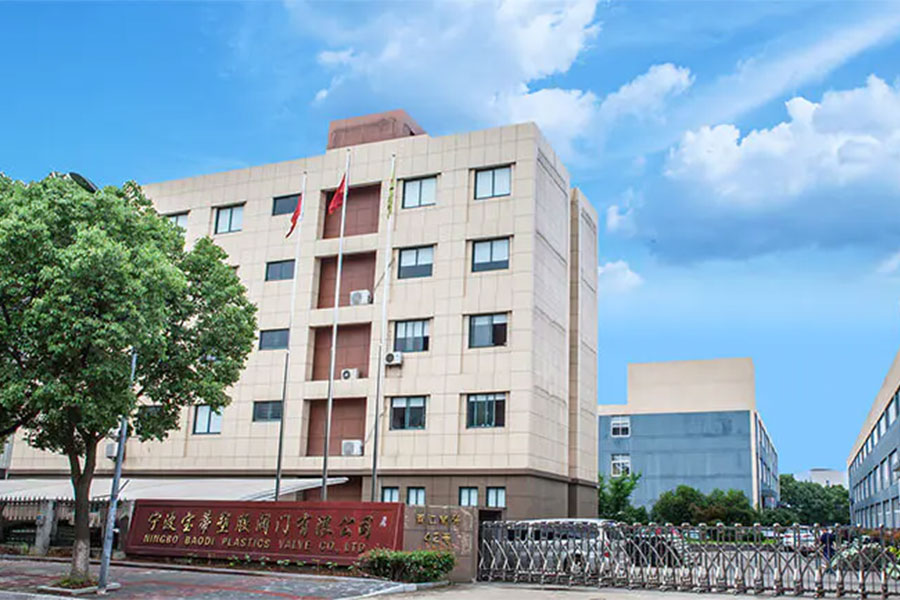
This material evolution is not just a replacement of processes, but an inevitable result of industry-driven demands. For example, the practices of Ningbo Baodi Plastic Valve Co., Ltd. in the field of plastic valves and pipes demonstrate that with the increasing requirements for fluid control precision and system anti-corrosion, polymer materials have shown adaptability beyond that of metal in complex industrial environments. Since 1979, the company has verified the feasibility of plastic components replacing metal in chemical production through continuous technical iterations. The core logic of this shift lies in the ability of plastic materials to fundamentally eliminate electrochemical corrosion, thereby significantly extending the overall service life of piping systems.
To intuitively demonstrate the performance differences between plastic pipes and traditional metal pipes in industrial environments, the main comparative parameters are listed below:
| Evaluation Indicator |
Metal Pipes (e.g., Stainless/Carbon Steel) |
Plastic Pipes (e.g., CPVC/PVC/HDPE) |
| Corrosion Resistance |
Prone to acid/alkali corrosion, requires regular protection |
Naturally chemically inert, resistant to acid/alkali |
| Installation Cost |
High, requires welding, flange connections, and heavy lifting |
Low, lightweight, easy to install, less labor cost |
| Thermal Conductivity |
High, significant heat loss |
Low, possesses natural insulation properties |
| Surface Roughness |
Prone to scaling over time, friction coefficient increases |
Smooth surface, low friction resistance, stable flow |
| Maintenance Frequency |
High, requires anti-rust coating maintenance |
Extremely low, essentially maintenance-free operation |
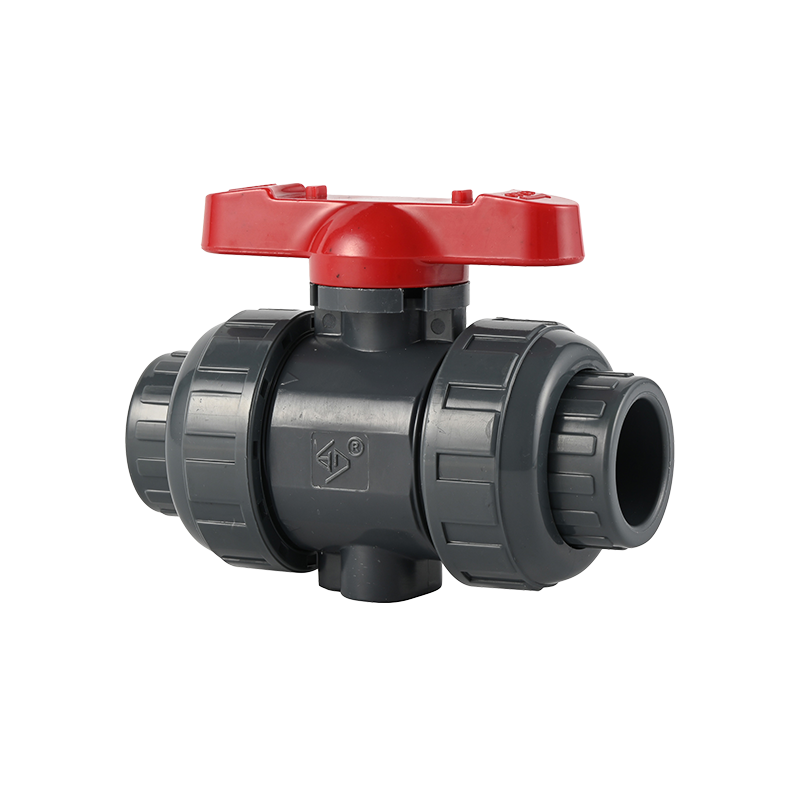
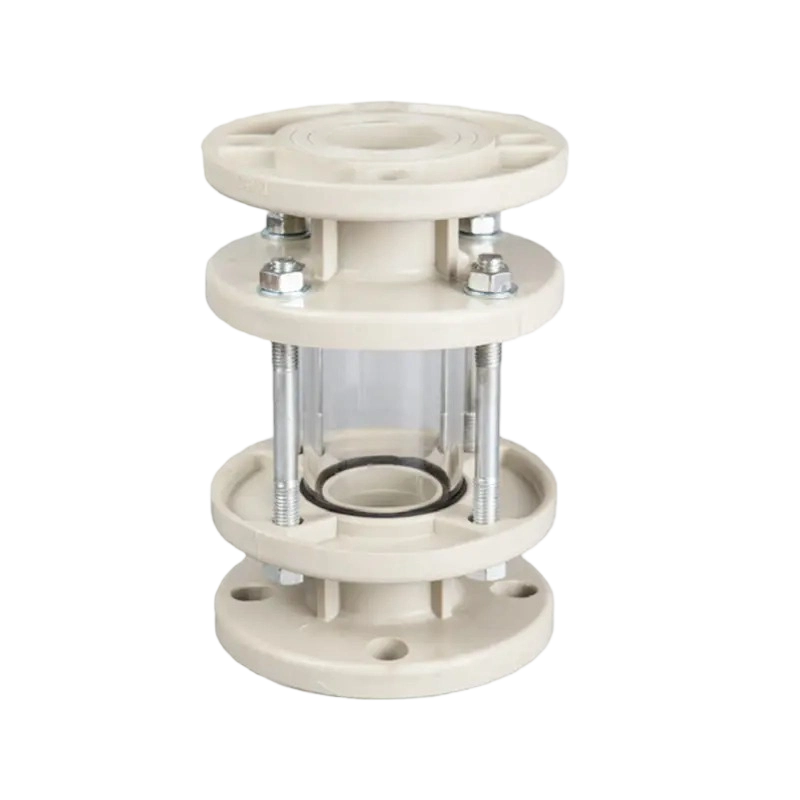
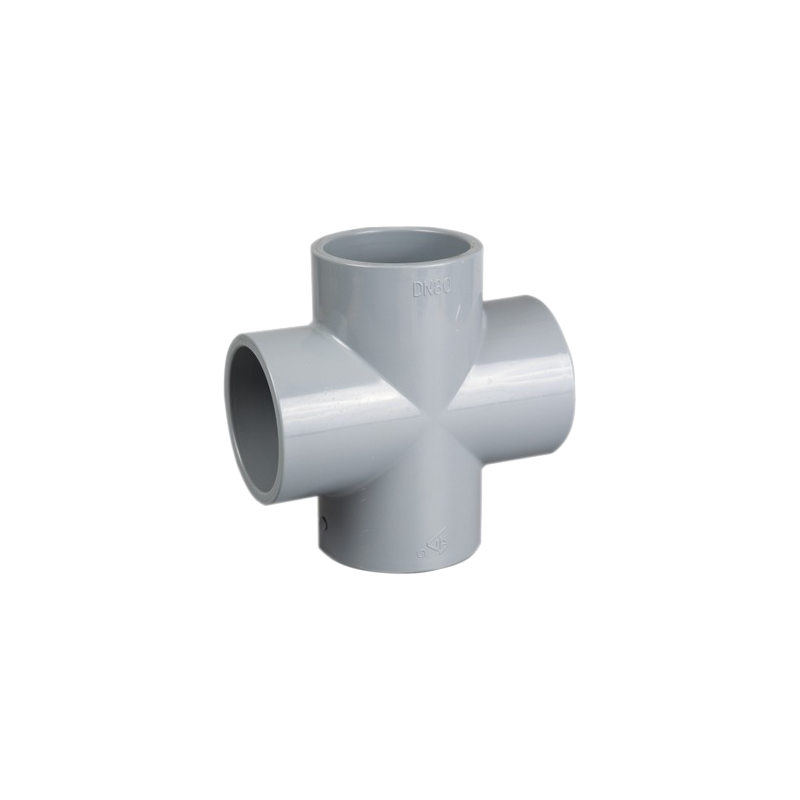
The advantage of plastic pipes lies in their ability to greatly simplify system complexity while ensuring structural strength. The one-piece flange ball valve design invented by Ningbo Baodi Plastic Valve Co., Ltd. in 1992 is a major milestone in the structural optimization of plastic components. Through this innovative design, plastic pipe fittings reduce the vulnerable points of connections, raising sealing performance and operational convenience to new heights.
For current industrial users, choosing plastic pipes is not just a cost consideration, but a precise engineering decision for specific process environments. With the advancement of material science, especially since 2006, the company began large-scale application of industrial-grade CPVC and other materials, making plastic pipes demonstrate reliability comparable to metal in high-temperature, high-pressure, and highly corrosive industrial fluid control. This technical accumulation has made plastic pipe fittings a backbone for ensuring the safe and efficient operation of chemical industrial fluids in modern piping layouts.
Mainstream Plastic Pipe Materials: Classification and Characteristics
The performance of plastic pipes depends largely on their molecular structure and additive formulations. Selecting the correct resin material is the primary prerequisite for ensuring the long-term stable operation of piping systems, covering various industrial needs from basic water supply to harsh chemical acid and alkali transport. To address these diverse working conditions, enterprises like Ningbo Baodi Plastic Valve Co., Ltd., which has been deeply involved in the industry for over forty years, have established a mature industrial-grade material application system through long-term material testing and process optimization.
The following is a comparison and characteristic analysis of mainstream plastic pipes currently used in industrial and construction fields:
| Material Name |
Core Characteristics |
Typical Industrial Applications |
| PVC (Polyvinyl Chloride) |
High rigidity, excellent physical strength, and low cost |
Water supply/drainage, general fluid transport |
| CPVC (Chlorinated PVC) |
Excellent high-temperature and chemical corrosion resistance |
High-temp acid/alkali corrosive fluids, chemical pipes |
| PE/HDPE (High-Density Polyethylene) |
Excellent toughness and impact resistance, easy to weld |
Municipal water supply, long-distance buried networks |
| PEX (Cross-linked Polyethylene) |
Excellent flexibility, resistant to low temps and thermal stress |
Building hot water systems, floor heating systems |
| PP-R (Polypropylene Random) |
Non-toxic, high sanitary grade, firm thermal fusion |
Pure water systems, drinking water pipes |
In the practical application of these materials, material modification and processing technology directly determine their ability to meet industrial-grade requirements. For example, when Ningbo Baodi Plastic Valve Co., Ltd. pioneered the introduction of CPVC into industrial pipe production lines in 2006, it focused on optimizing the material's creep resistance and thermal stability. This technical leadership not only makes pipes more stable when subjected to long-term working pressures but also solves the problem of stress cracking that traditional materials are prone to in highly corrosive environments.
The tolerance data for different materials is as follows:
CPVC: Long-term operating temperatures can reach over 90°C, and it possesses high chemical inertness when handling strong corrosive media such as sulfuric acid and hydrochloric acid, making it the top choice for many chemical plant process pipes.
HDPE: Its high elongation at break allows the pipe to maintain integrity in complex geological subsidence environments, and it has good UV resistance.
PP-R: Through thermal fusion connection, its joint strength is often higher than the base material itself, forming a completely integrated pipe network, significantly reducing the system's later maintenance costs.
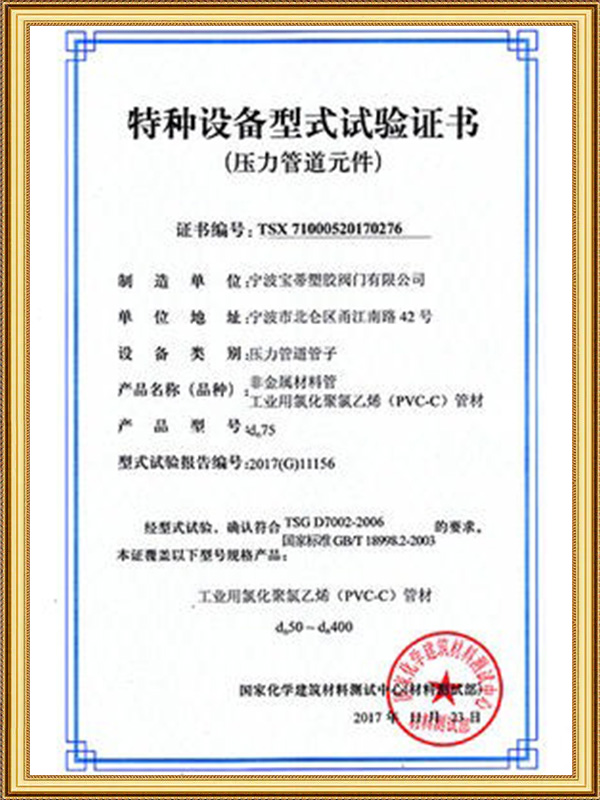
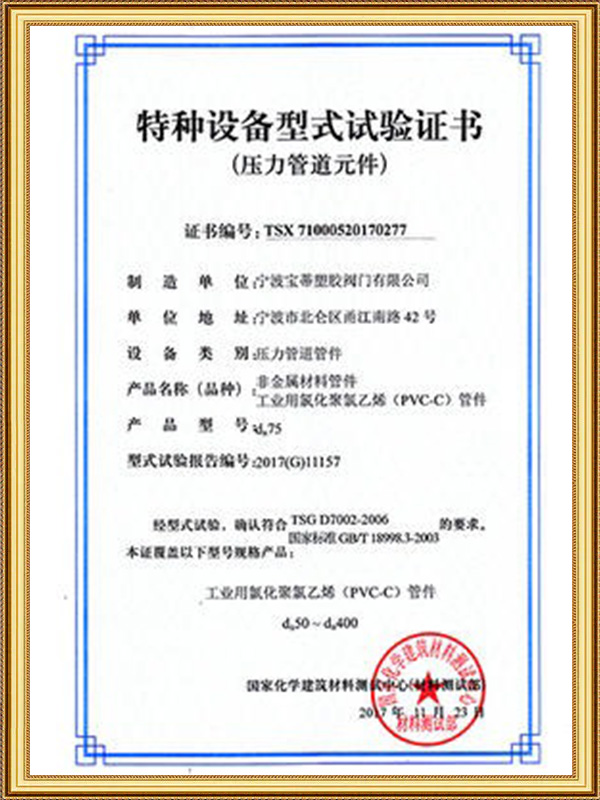
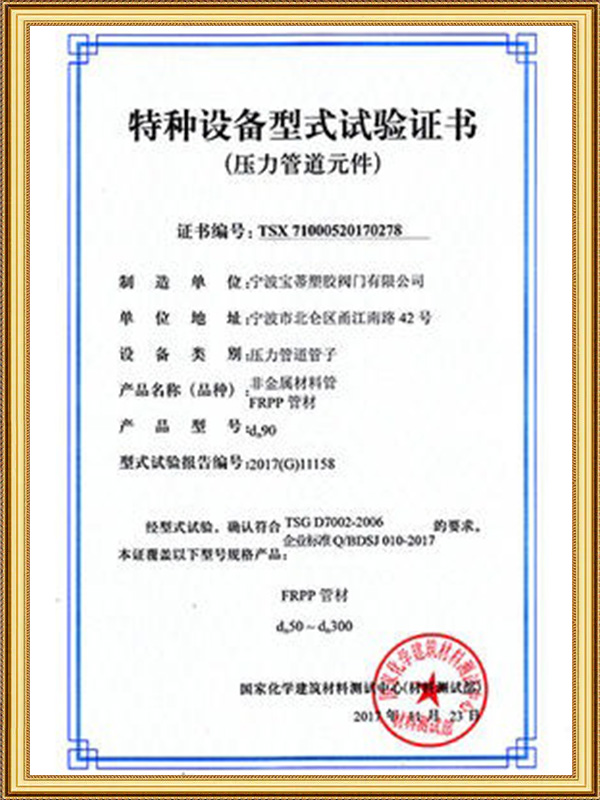
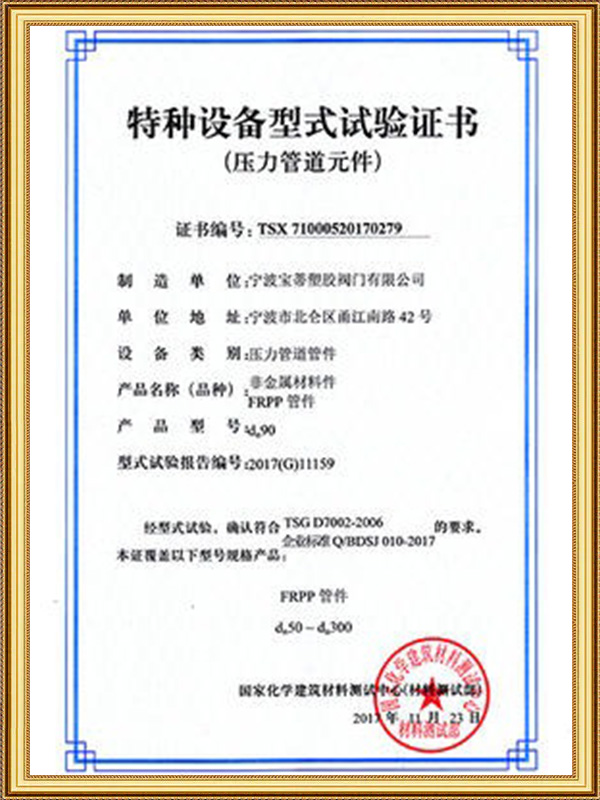
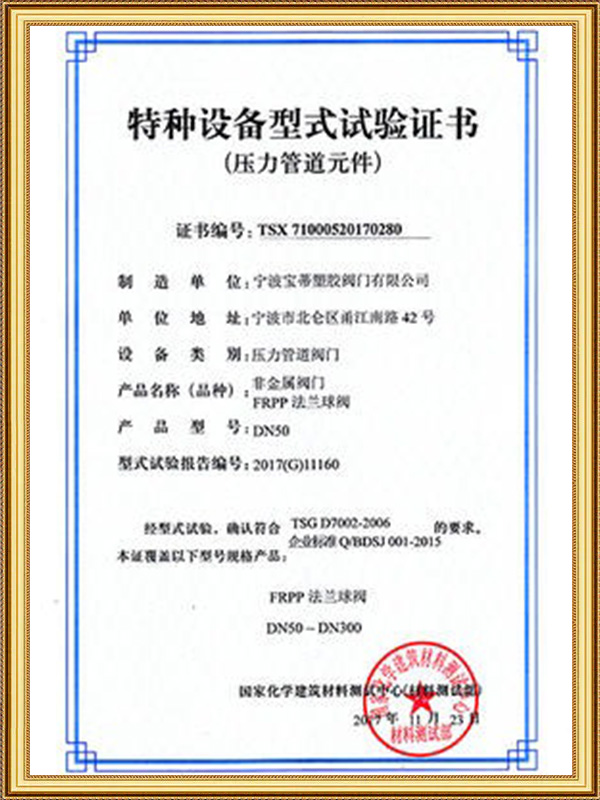
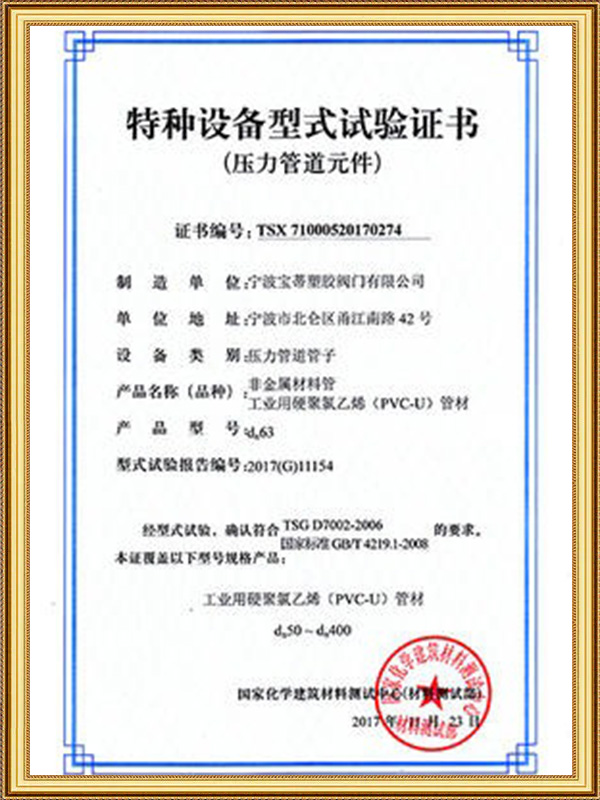
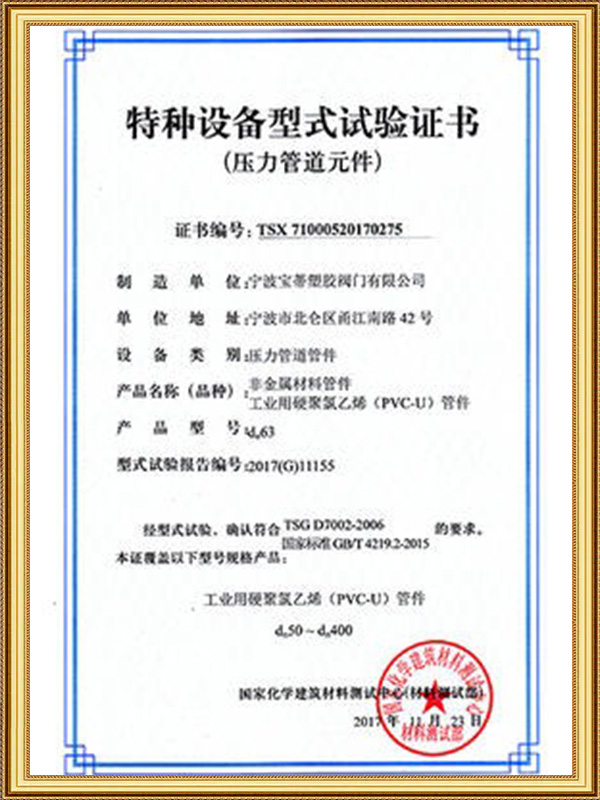
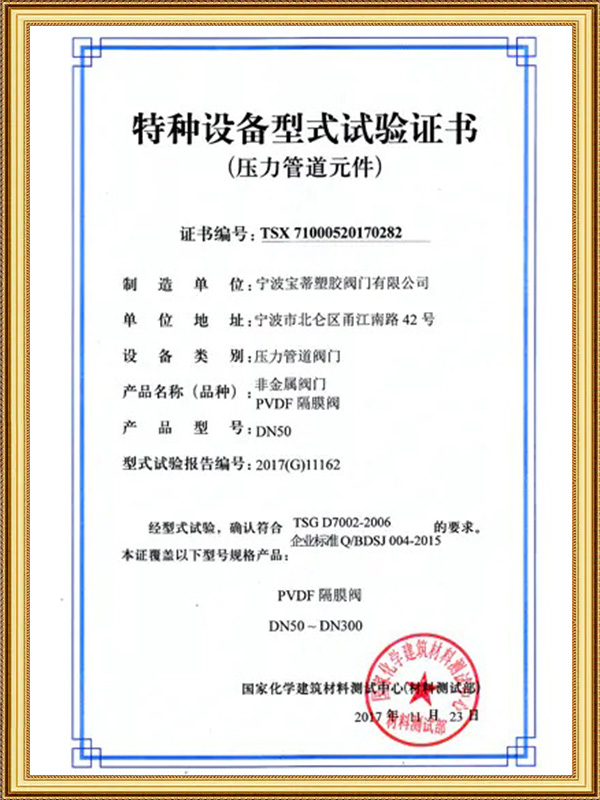
As a holder of the national special equipment pressure piping component manufacturing license, Ningbo Baodi Plastic Valve Co., Ltd. focuses not only on the characteristics of individual materials in plastic pipe production but also ensures, through a standardized manufacturing system, that pipes of different diameters and pressure ratings can achieve high synergy in actual assembly. This precise grasp of material characteristics is the core confidence behind the company's participation in drafting national industry standards. Whether dealing with high-purity fluids or high-pressure chemical transport, selecting targeted plastic materials is always a key step in optimizing the full-lifecycle value of piping systems.
Connection Technology for Plastic Pipes and Fittings
The reliability of plastic piping systems depends not only on the chemical inertness of the material itself but also on the integrity of the connections between pipes and fittings. The essence of connection technology is to ensure that the mechanical performance and sealing at the joints are not inferior to the pipe matrix under pressure, heat, or vibration. Ningbo Baodi Plastic Valve Co., Ltd. always regards the stability of connection technology as the core of system design when handling complex chemical fluid transport solutions. Based on over forty years of technical accumulation, the company has defined the most suitable connection strategies for different working conditions, effectively solving leakage hazards during long-term operation.
Currently, mainstream connection technologies in the industry include the following, each corresponding to different installation scenarios and reliability standards:
| Connection Method |
Technical Principle |
Applicable Pipes |
Core Advantage |
| Thermal Fusion |
Melting contact surfaces to achieve molecular fusion |
PP-R, PE, HDPE |
Integrated pipe network, extremely high sealing reliability |
| Solvent Cementing |
Using solvent to soften surfaces for chemical welding |
PVC, CPVC |
Fast installation, suitable for large diameter complex layouts |
| Mechanical |
Using threads, flanges, or compression rings to seal |
All types |
Detachable, convenient for system modification/maintenance |
Thermal fusion is the key means to achieve zero leakage in systems. When engineering requires high sealing grades, the fused interface is almost equivalent to a complete pipe. Ningbo Baodi Plastic Valve Co., Ltd., in promoting the construction of chemical industry standards, particularly emphasizes the precise control of thermal fusion parameters, including the strict matching of heating time, contact pressure, and cooling time. This dedication to detail stems from the company's technical precipitation as a main drafter of national industry standards, ensuring that even in highly corrosive environments, the connection point does not become a weak link.
However, mechanical connections still occupy an important position in process maintenance areas involving frequent disassembly. The one-piece flange ball valve invented by Ningbo Baodi Plastic Valve Co., Ltd. in 1992 was specifically designed to improve the pain point of traditional split structures being prone to uneven stress during mechanical connection. This design not only optimizes the fluid channel but also simplifies on-site construction through one-piece flange interfaces. This design logic has been widely applied in industrial projects in over sixty countries globally, proving that even in the field of mechanical sealing, structural innovation can significantly increase the overall safety margin of the system.
For engineers, the pressure rating of the medium and the ambient temperature must be considered when selecting a connection method. For example, when handling high-temperature strong acid fluids, mechanical connections alone may not fully meet sealing requirements due to differences in the thermal expansion coefficients of materials. In such cases, combining professional solvent cementing or specific types of flange fastening schemes, supplemented by targeted thermal expansion compensation design, is necessary to ensure that the piping system maintains excellent stability under long-term high-load operation. This is also the technical support for Ningbo Baodi Plastic Valve Co., Ltd. to become a national high-tech enterprise—that is, not only providing qualified products but also providing a set of logically rigorous piping connection engineering solutions.
Key Performance Indicator Assessment
In industrial pipe network design, quantitative assessment of performance indicators is the core of ensuring long-term compliant system operation. Plastic piping systems are not just simple stacks of pipes; they require rigorous pressure rating matching and in-depth analysis of chemical compatibility of the media. Relying on its status as a holder of the national special equipment pressure piping component manufacturing license, Ningbo Baodi Plastic Valve Co., Ltd. emphasizes the rigor of performance parameters at the design level, ensuring that every product meets the harsh requirements of extreme chemical environments from the moment it leaves the factory.
For professionals, the following indicators are the cornerstone of engineering calculations:
| Evaluation Indicator |
Importance Analysis |
Key Influencing Factors |
| SDR (Standard Dimension Ratio) |
Direct parameter measuring pipe pressure resistance |
Lower ratio means thicker wall, higher pressure resistance |
| Pressure Rating (PN) |
Defines max working pressure at specific temps |
Pressure capacity decreases non-linearly as temp rises |
| Thermal Expansion Coefficient |
Key to calculating thermal expansion compensation |
Plastic pipe coefficient is higher than metal, requires compensation |
| UV Stability |
Determines service life for outdoor operations |
Requires anti-UV additives to prevent light-oxygen degradation |
Pressure rating settings are not constant but constrained by temperature environments. In its decades of manufacturing history, Ningbo Baodi Plastic Valve Co., Ltd. has accumulated rich material characteristic data. Especially in the R&D of CPVC and industrial plastic valves, it not only meets GB national standards but also serves as a lead drafter in multiple chemical industry standards. For example, their valve sealing performance tests under different pressure environments not only consider static pressure but also introduce fatigue testing under cyclic stress to verify product reliability in actual complex working conditions.
Chemical compatibility assessment is another red line that cannot be crossed. Plastic pipes are not omnipotent against all media. In actual scheme execution, engineers must check against chemical databases to confirm whether the medium type, concentration, and operating temperature match the selected pipe material. As a Specialized and Sophisticated enterprise, Ningbo Baodi Plastic Valve Co., Ltd. can provide professional technical support from material formula evaluation to overall system layout based on specific customer chemical transport needs. This refined management model allows the enterprise to serve industrial needs in over sixty countries, avoiding systemic risks caused by performance indicator assessment errors.
Furthermore, performance redundancy at the structural design level is equally critical. In the production workshop of Ningbo Baodi Plastic Valve Co., Ltd., the production of all industrial-grade components follows ISO 9001, ISO 14001, and ISO 45001 system standards. This systematic manufacturing is not only to meet rated pressure but also to ensure that components maintain sufficient safety thresholds under extreme conditions such as overpressure and temperature variation stress. For users, deeply understanding these key performance indicators can not only reduce initial infrastructure costs but also effectively avoid production downtime and safety hazards caused by performance parameter mismatch.
Construction Specifications and Installation Suggestions
The engineering quality of piping systems is 30% material selection and 70% construction. Even with high-specification industrial-grade pipes, if the installation process does not meet specifications, the system is still prone to hidden dangers when facing complex working conditions. In the years of engineering service experience of Ningbo Baodi Plastic Valve Co., Ltd., they have found that many pipe leaks or premature failures are not due to the quality of the material itself, but due to uneven cutting, improper bracket spacing design, or failure to account for stress concentration caused by thermal expansion and contraction.
To ensure that the system can reach the expected performance life after being put into operation, the following are industry-recognized key construction control points:
| Construction Step |
Core Operation Specification |
Common Quality Risks |
| Pipe Cutting |
Must be cut vertically, use dedicated scrapers to remove burrs |
Uneven joint stress, leading to seal ring damage |
| Bracket Spacing |
Strictly execute spacing suggested by material manual |
Long-term stress leading to pipe creep or joint cracking |
| Thermal Compensation |
Install expansion joints or compensation loops on long straight segments |
Violent temp changes lead to pipe displacement or deformation |
| Pressure Test |
Slowly increase pressure and stabilize to observe joints |
Pressure shock leads to expansion of hidden micro-cracks |
On the construction site, the handling of details determines the stability of the system. Relying on its technical accumulation as a holder of the national special equipment pressure piping component manufacturing license, Ningbo Baodi Plastic Valve Co., Ltd. often emphasizes the importance of pre-treatment to customers. For example, before connecting pipes, it is essential to ensure that contact surfaces are free of oil and impurities. If solvent cementing is used, the adhesive application must be uniform, and sufficient curing time must be ensured; one must avoid entering the pressure testing stage before the glue has fully evaporated.
The management of thermal expansion is a link easily ignored by most non-professional construction units. Because the linear expansion coefficient of plastic materials is usually greater than that of metal, when there are large fluctuations in ambient temperature or the temperature of the conveyed medium, the displacement requirements of the piping system will increase exponentially. In its decades of technical evolution, Ningbo Baodi Plastic Valve Co., Ltd. has developed a complete compensation structure system for different materials (such as CPVC and PE). When designing industrial pipe schemes, they suggest adding expansion joints in necessary segments or digesting stress through reasonable pipe bending layouts.
As a national high-tech enterprise, Ningbo Baodi Plastic Valve Co., Ltd. does not just provide high-performance valves and fittings but is committed to passing standardized operational concepts to every end-user. By strictly following the construction manual provided by the enterprise, installation personnel can maximize the physical performance of the pipes. For example, when conducting system pressure testing, they suggest following the principle of multi-stage pressure increase—i.e., stabilizing and observing for a period of time after each pressure level increase. This scientific testing method can effectively troubleshoot potential seal failure points, thereby ensuring that the system can achieve long-term, stable industrial operation after being put into use.
Common Installation Errors and Preventive Strategies
Errors during the installation of industrial piping systems often have hidden characteristics; they may not immediately appear during the initial operation stage of the system, but under long-term high pressure, alternating temperatures, or corrosive media erosion, these hidden dangers will rapidly evolve into serious engineering accidents. After serving industrial projects in over sixty countries, Ningbo Baodi Plastic Valve Co., Ltd. has summarized a set of targeted preventive strategies, aiming to help on-site construction teams avoid common technical traps.
The following are the most prone installation errors on engineering sites and their corresponding preventive measures:
| Common Error Type |
Impact on Engineering |
Preventive Suggestions |
| Missing Thermal Compensation |
Causes pipe bending, stress concentration, or joint detachment |
Must reserve compensation space in design stage, use expansion joints |
| Mixed Use of Different Resins |
Leads to chemical compatibility mismatch, joint failure |
Ensure consistency of materials in the system, verify chemical data |
| Over-tightening Fittings |
Generates structural internal stress, causes micro-cracks |
Follow torque instructions, strictly prohibit use of extension bars |
| Neglecting Bracket Alignment |
Pipe generates shear force, seal ring displacement/leak |
Adjust bracket height strictly to standard, ensure natural axial state |
Among these, the most common misconception lies in the underestimation of thermal expansion. The thermal expansion coefficient of plastic material is significantly higher than that of metal. In long-distance pipelines or high-temperature operating environments, if thermal displacement is not considered during installation, the piping system will be subjected to great axial squeezing force during operation. Ningbo Baodi Plastic Valve Co., Ltd. took this physical characteristic into special consideration when developing core components like one-piece flange ball valves. Its structural design can withstand certain structural stresses, but it still emphasizes that compensation devices must be matched in the layout to eliminate system thermal stress.
Another problem that requires vigilance is material compatibility. In industrial applications, sometimes due to cost-saving or untimely supply, on-site personnel may easily try to mix joints of different plastic materials; this practice often leads to severe chemical compatibility disasters. As a national high-tech enterprise, Ningbo Baodi Plastic Valve Co., Ltd. always promotes full-set product matching services. By providing pipe fittings and valves covering all specifications, they prevent the risks brought by mixing different material formulations from the source.
Furthermore, uneven stress on fittings is also one of the main causes of installation failure. Many construction personnel are accustomed to tightening joints by experience; however, excessive torque is destructive to polymer materials, which can cause plastic deformation or even fine cracks. In its decades of technical accumulation, Ningbo Baodi Plastic Valve Co., Ltd. has formulated strict installation guidance standards. They suggest using dedicated torque wrenches on-site and precisely controlling the screwing depth according to the pipe diameter to ensure that the seal is in the best stress state rather than an extreme stress state. This preventive measure starting from details is an important line of defense to ensure that the entire piping system is free from premature aging under complex working conditions.
Maintenance and Long-term Operation Strategies
The value of a high-quality plastic pipe network system lies not only in its performance during the construction period but also in its long-term operational capability spanning decades. In the chemical and industrial fields, pipeline maintenance is not about passively fixing after breaking, but about predicting potential weak points through systematic inspection and monitoring. As Ningbo Baodi Plastic Valve Co., Ltd., deeply involved in the industry for over forty years, the company not only manufactures durable valves and fittings but is also committed to assisting users in building a scientific preventive maintenance system, thereby extending the service life of the entire piping asset.
Regarding the daily maintenance and long-term management of plastic piping systems, the following are several key points that must be focused on:
| Maintenance Focus |
Execution Strategy |
Suggested Monitoring Cycle |
| Seal Joint Inspection |
Check all flange and threaded joints for trace seepage |
Quarterly/Focus check during peak periods |
| Pipe Wall Thickness Monitoring |
Perform ultrasonic thickness measurement on high-corrosion areas |
Annually, establish data archives |
| Physical Surface State |
Check for fading, cracking, or hardening (especially outdoor pipes) |
Semi-annually/Before season changes |
| Brackets & Supports |
Confirm bracket fastening, rule out loosening due to vibration |
Annually, ensure the system is in a free displacement state |
Identifying pipe aging is a major difficulty in maintenance. In long-term contact with strong acids, alkalis, or continuous UV radiation, the physical properties of plastic will undergo subtle molecular chain breakage. Relying on its dominant position in the field of plastic valves, Ningbo Baodi Plastic Valve Co., Ltd. has developed multiple surface treatment processes for different chemical environments, which can effectively delay the aging process. During maintenance, if signs of uneven chalking or brittleness appear on the pipe wall, it should be regarded as an early warning signal of aging, and environmental factors should be checked to see if they exceed design conditions.
Regarding pipe cleaning and sewage discharge, strategies different from those for metal pipes must be adopted. Plastic pipes have high internal surface smoothness and extremely low friction coefficients, which itself reduces impurity accumulation. However, if the medium contains crystalline solids, regular cleaning is still required. In its technical service system, Ningbo Baodi Plastic Valve Co., Ltd. emphasizes that strong chemical solvents must be strictly prohibited for immersion cleaning during cleaning operations to avoid damaging the material matrix. A mild flushing scheme should be selected according to the pipe material type, and dedicated plastic-compatible cleaning fluids should be used when necessary to prevent secondary damage caused by improper cleaning.
In addition, recording maintenance logs is a core asset for achieving long-term operation. In the customer service philosophy of Ningbo Baodi Plastic Valve Co., Ltd., it is always encouraged for corporate users to establish detailed pipeline archives. By recording installation dates, operating pressures, medium temperatures, and previous inspection data, clear performance trend curves can be formed. For a Specialized and Sophisticated enterprise like Ningbo Baodi Plastic Valve Co., Ltd. that has obtained ISO 9001, ISO 14001, and ISO 45001 multi-system certifications, the design margin and quality control of its products are aimed at matching the user's long-term stable production demands. Combining scientific O&M strategies with high-reliability pipe network components can significantly reduce unplanned downtime risks and ensure the continuous and efficient operation of industrial processes.
FAQ: Core Questions of Concern and Popular Science
Q: How to judge whether pipes meet sanitary and safety standards in harsh industrial environments?
A: The choice of industrial-grade plastic pipes must refer to their certification system. For production lines involving drinking water or sensitive media, attention should be paid to whether the product has passed quality management system certifications such as ISO 9001. Taking Ningbo Baodi Plastic Valve Co., Ltd. as an example, as a holder of the national special equipment pressure piping component manufacturing license, its products undergo strict pressure resistance and physical performance testing before leaving the factory. This certification aimed at special industrial requirements is the most intuitive indicator for ensuring pipe safety and compliance.
Q: When installing plastic pipes outdoors, the main worry is UV degradation; how to prevent it?
A: Ultraviolet (UV) radiation is indeed the main factor leading to the acceleration of plastic brittleness and aging. Although plastics have chemical corrosion resistance, long-term light-oxygen degradation will weaken their molecular chains. Besides considering applying UV-resistant coatings or installing protective sleeves in construction schemes, the most fundamental measure lies in material selection. When developing pipe formulations, Ningbo Baodi Plastic Valve Co., Ltd. adds professional UV-resistant additives, making the anti-aging life of the pipes in outdoor environments far exceed that of general-purpose materials.
Q: If seepage occurs at the pipe connection, can it be directly repaired on-site using glue or sealing tape?
A: In industrial high-pressure pipe networks, temporary patching repairs are not recommended. The sealing of plastic pipes relies on molecular-level bonding (such as thermal fusion or professional solvent welding). If seepage occurs, it often means structural stress damage. Ningbo Baodi Plastic Valve Co., Ltd. suggests that the safest way to deal with a leak point is to replace that segment of the connection fitting, as the failure point of a one-piece structural design cannot restore its original pressure rating through external auxiliary bonding.
Q: How to understand the changes in pipe pressure rating (PN) at different temperatures?
A: The pressure resistance capacity of plastic pipes decreases as the temperature rises; this is a physical characteristic, not a product quality problem. At 20°C ambient temperature, the material is in a stable period of high-molecular structure and can withstand the rated design pressure (PN). At 60°C to 90°C high temperature, plastic molecular chain activity intensifies, and its pressure-bearing capacity may decrease to 30% to 50% of the rated pressure. Therefore, when performing high-temperature process selection, be sure to consult the temperature-pressure reduction coefficient table provided by Ningbo Baodi Plastic Valve Co., Ltd. to ensure that the selected pipes still have sufficient safety margins at the maximum operating temperature.
Q: Why is the one-piece flange ball valve structure often recommended in the chemical field?
A: Traditional split-type valves have many connection points and are prone to scaling and uneven stress. The one-piece flange ball valve structure invented by Ningbo Baodi Plastic Valve Co., Ltd. in 1992 was specifically designed to solve this pain point. By reducing unnecessary connection parts, it not only improves sealing reliability but also optimizes the stability of the fluid transport process, which is why this structure has become the most widely used plastic valve product in the chemical industry.
Q: How to avoid internal damage caused by excessive force when installing fittings?
A: Many people believe that tightening as much as possible is safer, but this is a misconception for plastic fittings. Over-tightening introduces continuous internal stress to the fitting, which easily induces stress cracking. It is recommended to use a torque wrench and refer to the torque standards provided in the product manual of Ningbo Baodi Plastic Valve Co., Ltd. Usually, manually tightening to a firm state and then fine-tuning with professional tools is sufficient; strictly prohibit the use of extension bars for violent tightening.
Q: Why do plastic pipes sometimes have thermal compensation needs?
A: The linear expansion coefficient of plastic is usually 5 to 10 times that of metal. This means that in environments with large temperature differences or when transporting hot fluids, the change in pipe length will generate huge axial thrust. The design expert team at Ningbo Baodi Plastic Valve Co., Ltd. emphasizes that when laying out systems, expansion space must be reserved according to pipe segment length, or expansion joints must be installed; this is the core installation specification to protect valves and connecting joints from being pulled apart.
Q: What is the significance of the industry standards participated in by Ningbo Baodi Plastic Valve Co., Ltd. to end-users?
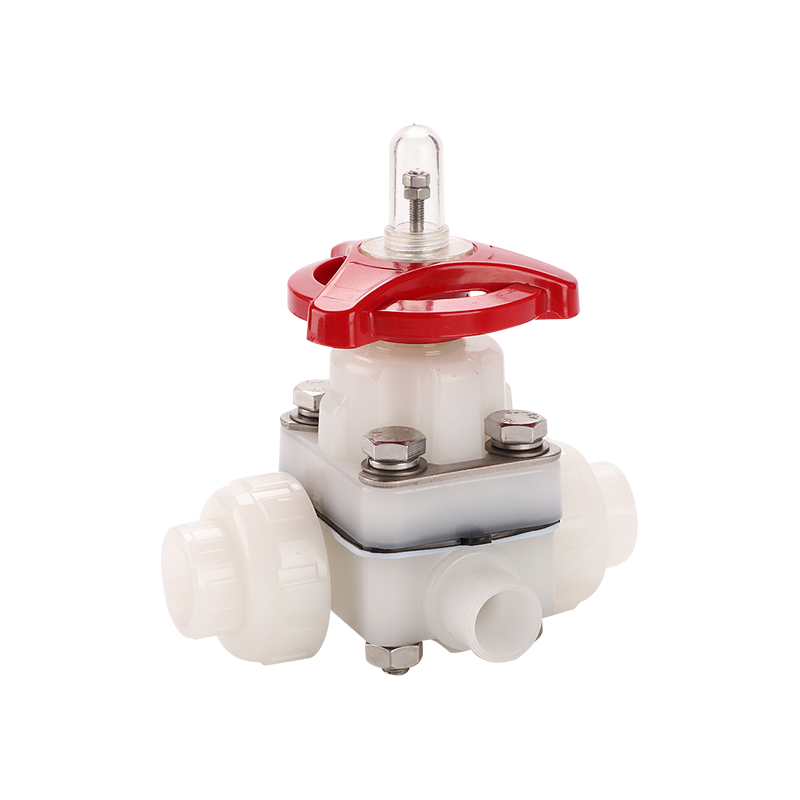
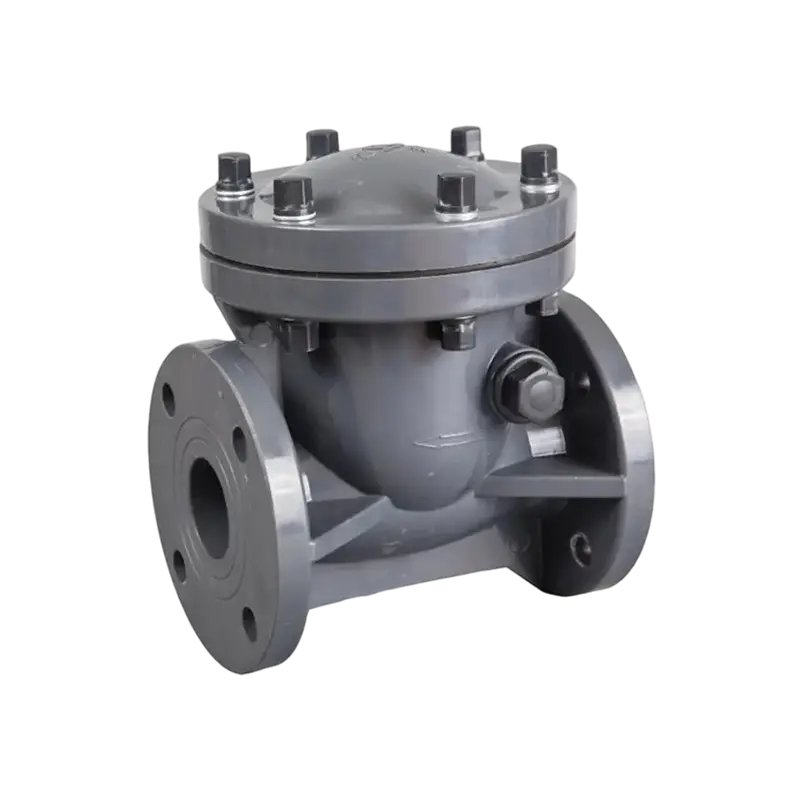
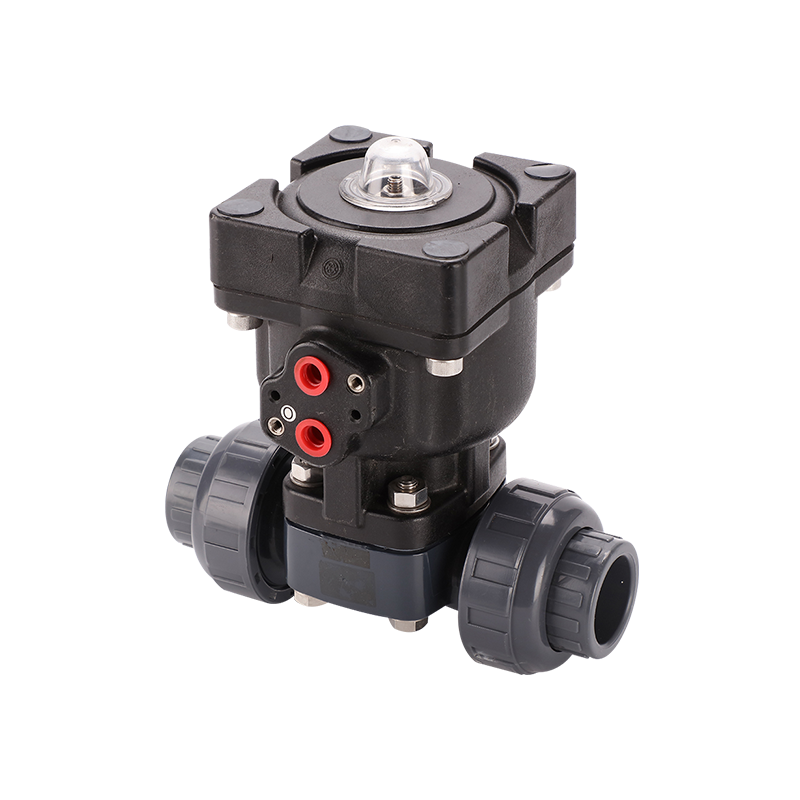
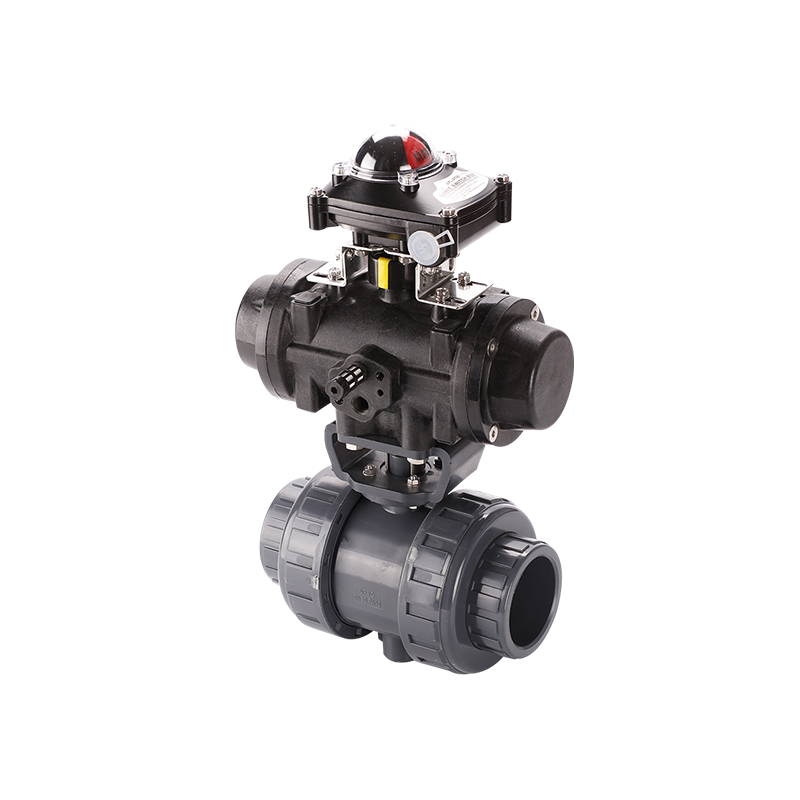
A: As the main drafter of multiple national and chemical industry standards for plastic diaphragm valves, ball valves, and check valves, the company has integrated the industry's most cutting-edge compliance requirements into its product design. This means that when users choose their products, they are not only obtaining a component but also a standardized scheme that has passed national technical appraisal and meets industrial safe production processes, which can effectively reduce administrative risks and safety accidents caused by compliance issues.
Q: How to choose the most suitable plastic material according to the medium concentration?
A: One should consult the Chemical Compatibility Matrix. For example, strong acid media usually use CPVC or specific reinforced polypropylene, while routine water treatment can be handled by PVC. Ningbo Baodi Plastic Valve Co., Ltd. possesses a corrosivity database for dozens of different chemical products and can provide users with precise material selection recommendations, avoiding serious consequences caused by mismatches between selection and working conditions.
Q: What is the general service life of plastic pipes?
A: Under correct installation and standardized operating conditions, industrial-grade plastic pipes usually have an expected life of 15 to 30 years. However, this is highly dependent on environmental factors, cyclic pressure changes, and maintenance habits. Through regular inspections and the use of high-quality products from professional manufacturers like Ningbo Baodi Plastic Valve Co., Ltd. that comply with ISO system standards, systems can achieve stable operation within their design life without frequent replacement.