Valve Engineering Essentials: PVC, Classification, Control Types, 6‑Way Ports & Standard Sizes
For engineers, procurement specialists, and maintenance teams, understanding the precise nomenclature, functional families, and dimensional standards of industrial valves is non‑negotiable. This technical reference consolidates authoritative data on PVC valves, the complete taxonomy of valve types, the five principal control‑valve categories, the unique 6‑way valve configuration, and globally accepted sizing systems—all delivered in a practical, decision‑ready format.
PVC Valve – Correct Name
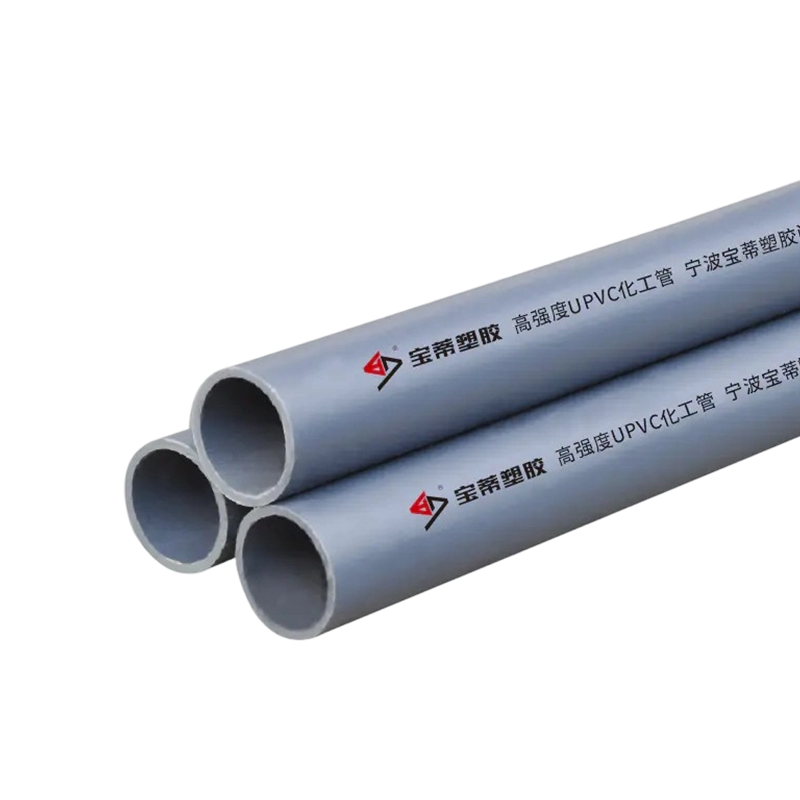
The industry‑standard designation is PVC‑U (unplasticized polyvinyl chloride) valve, per GB/T 10002.3‑2011. In international trade, it is commonly referred to as UPVC valve or CPVC valve for chlorinated variants. These terms distinguish material grade and temperature resistance.
+95% of chemical‑duty PVC valves are UPVC due to superior mechanical strength.
All Valve Types – Complete List
Industrial valves are categorized by function: shut‑off (gate, globe, ball, butterfly), regulation (control, throttle, pressure‑reducing), check (swing, lift, wafer), diversion (multi‑port, steam traps), and safety (relief, rupture). Over 25 distinct designs exist under these groups.
5 Control Valve Types
Pneumatic, electric, hydraulic, manual, and self‑operated (pressure/temperature actuated). Each offers unique advantages in response speed, force output, and remote automation capability.
6‑Way Valve Defined
A 6‑way valve contains six ports arranged to enable complex flow switching, typically combining two 3‑way functions in a single body. Used extensively in lubrication systems, HVAC changeover, and chemical reactor switching.
1. Naming & Material Grades of PVC Valves
The question “What is a PVC valve called?” often arises because of regional and standard variations. Globally, the preferred technical term is PVC‑U (polyvinyl chloride unplasticized) valve, but you will also encounter uPVC valve, PVC‑C (chlorinated) valve, and PP‑R or PVDF alternatives for high‑temperature applications. The key differentiator is the material’s continuous operating temperature: UPVC handles up to 60 °C, CPVC extends to 95 °C, and PVDF withstands 150 °C.
Pro tip: Always specify the exact material grade (e.g., PVC‑U 1120, PVC‑C 4120) and the applicable standard (ASTM D1784, ISO 1452, or GB/T 10002) when ordering to ensure chemical compatibility and pressure rating.
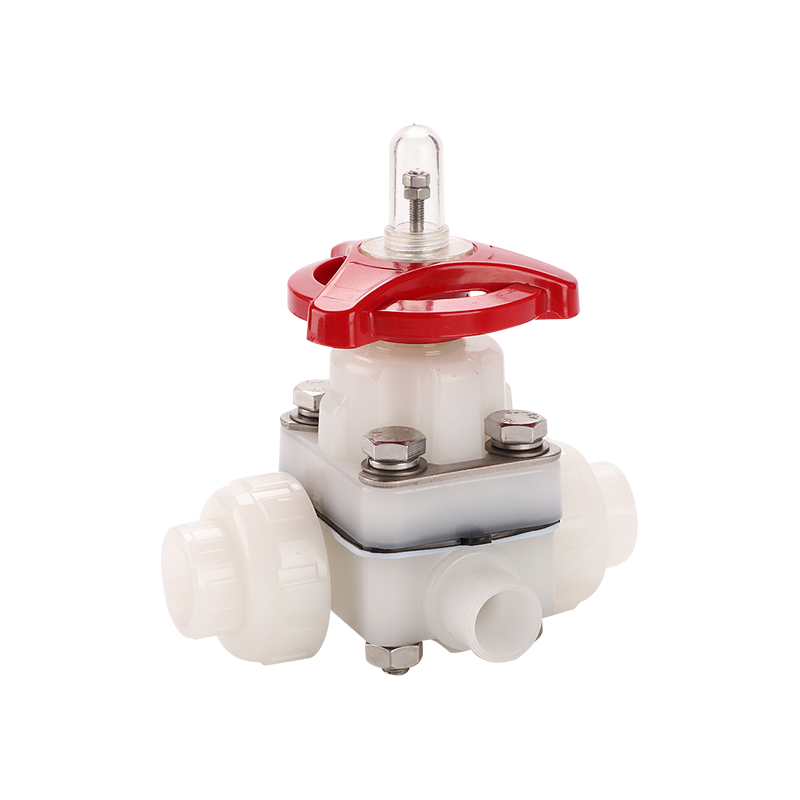
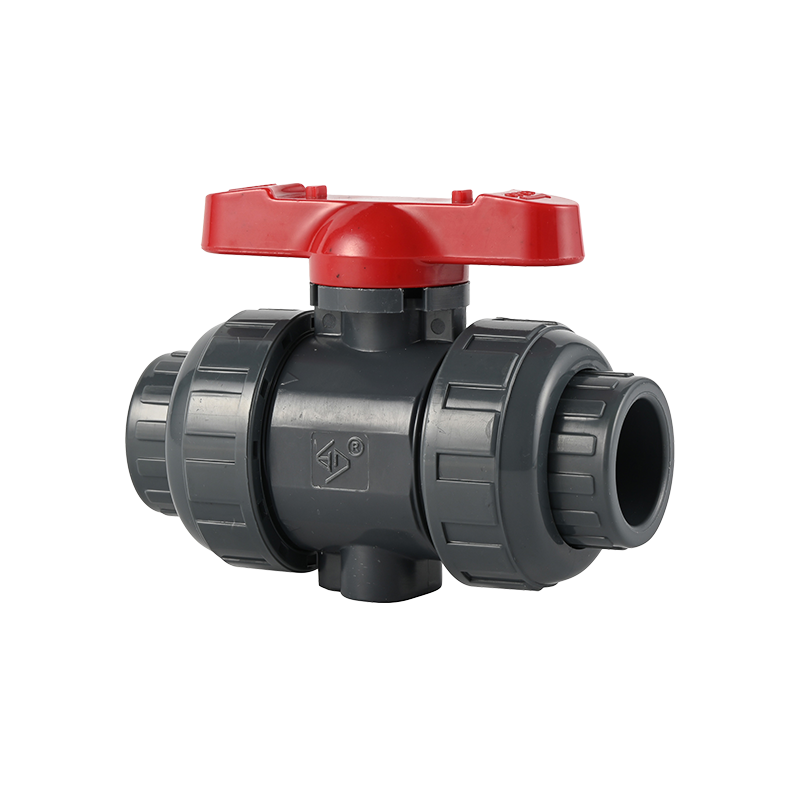
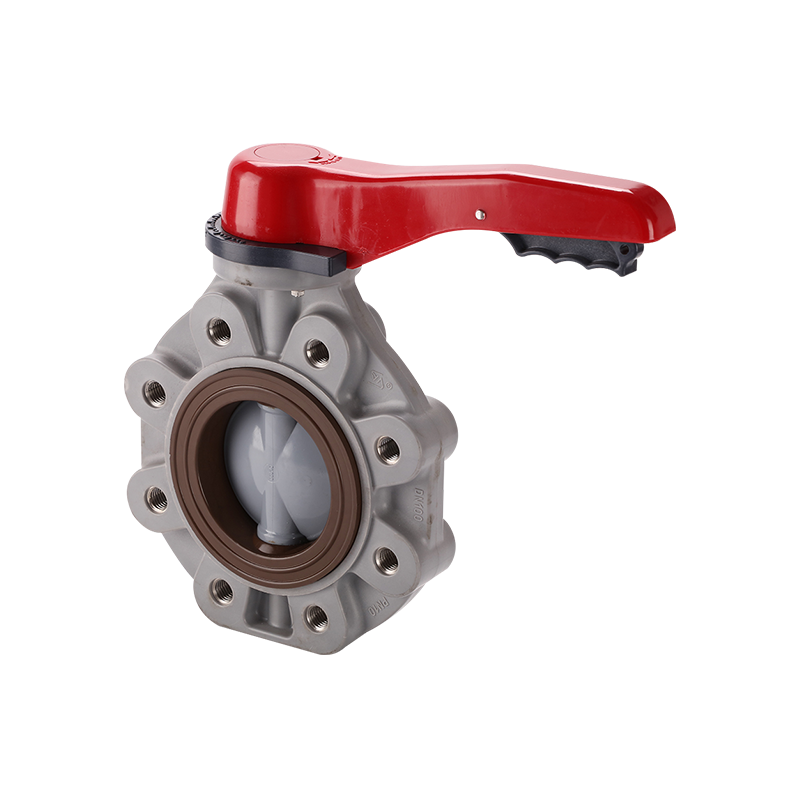
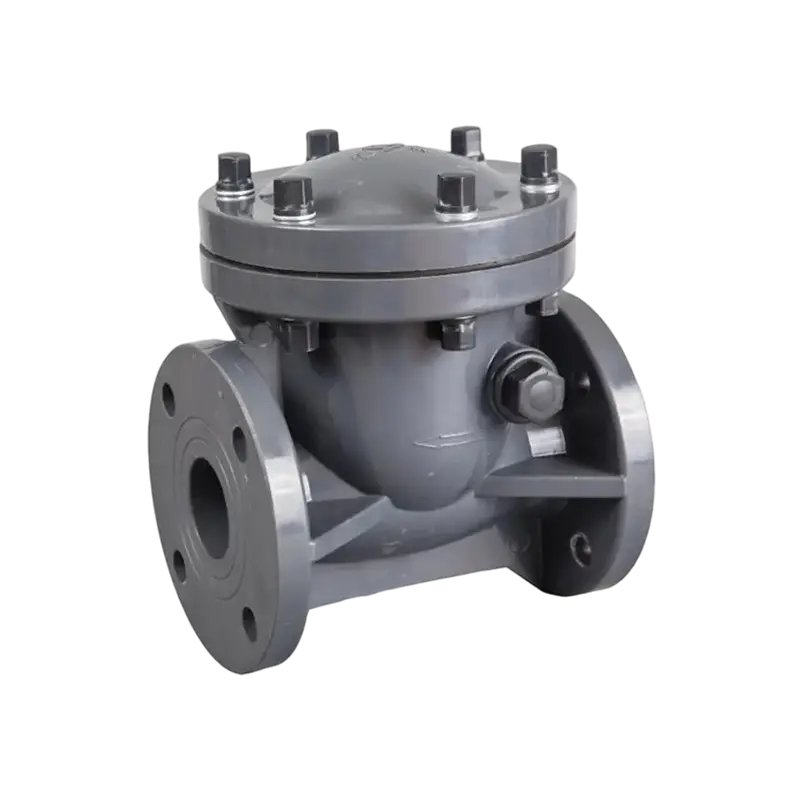
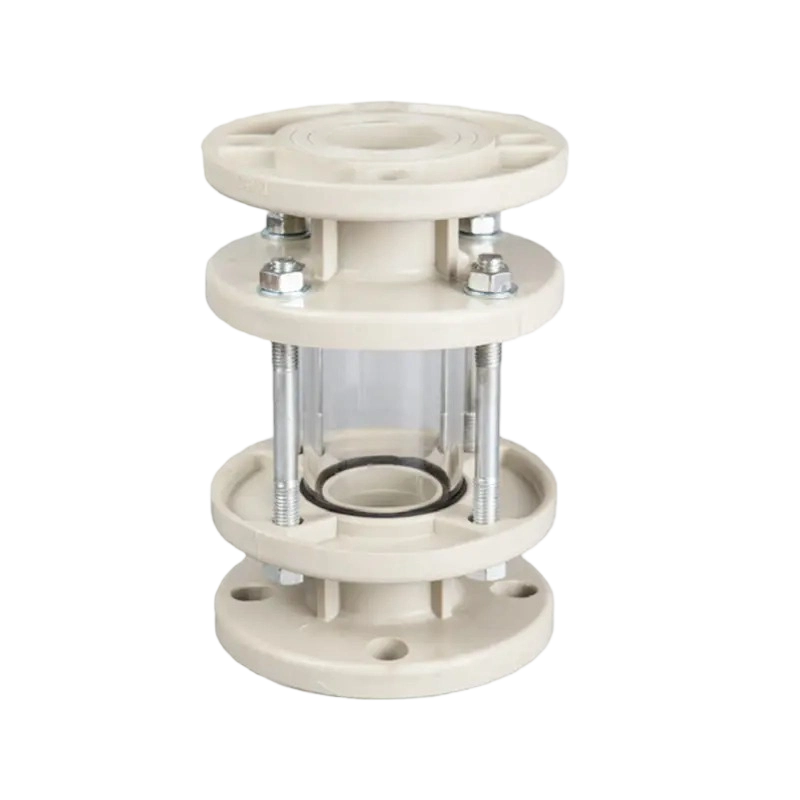
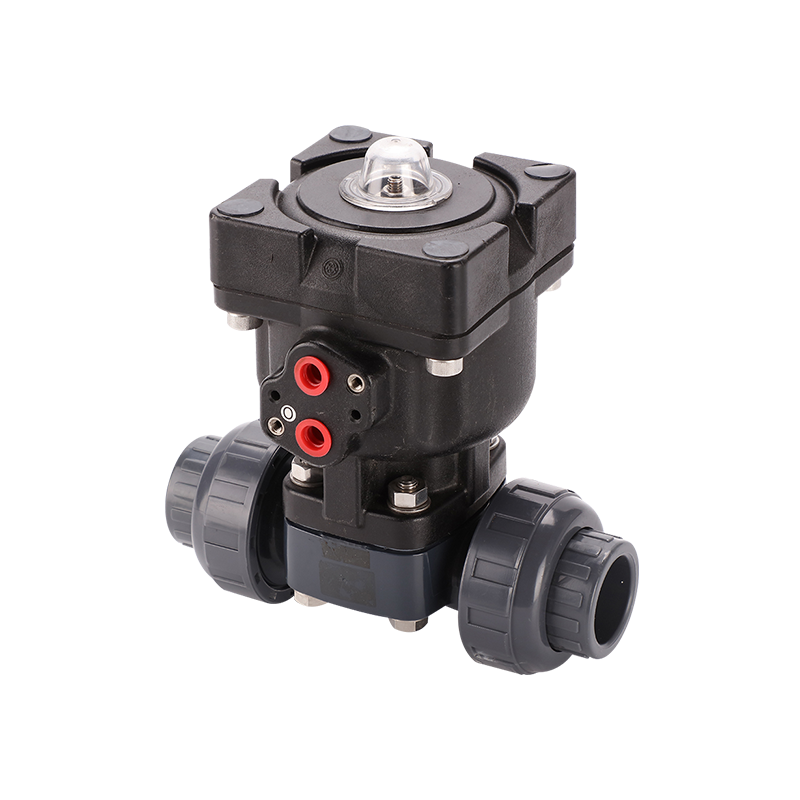
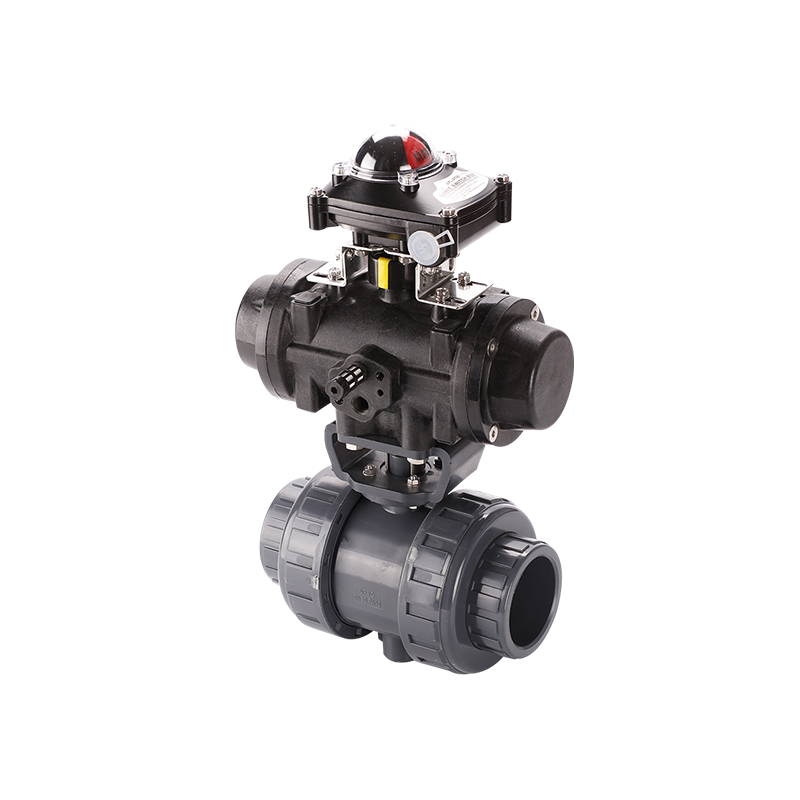
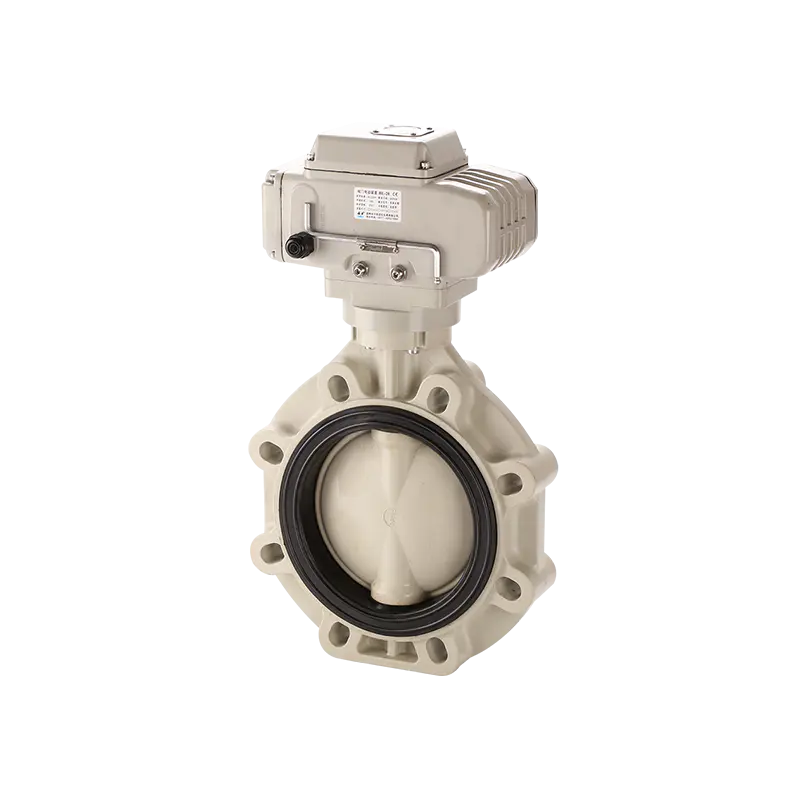
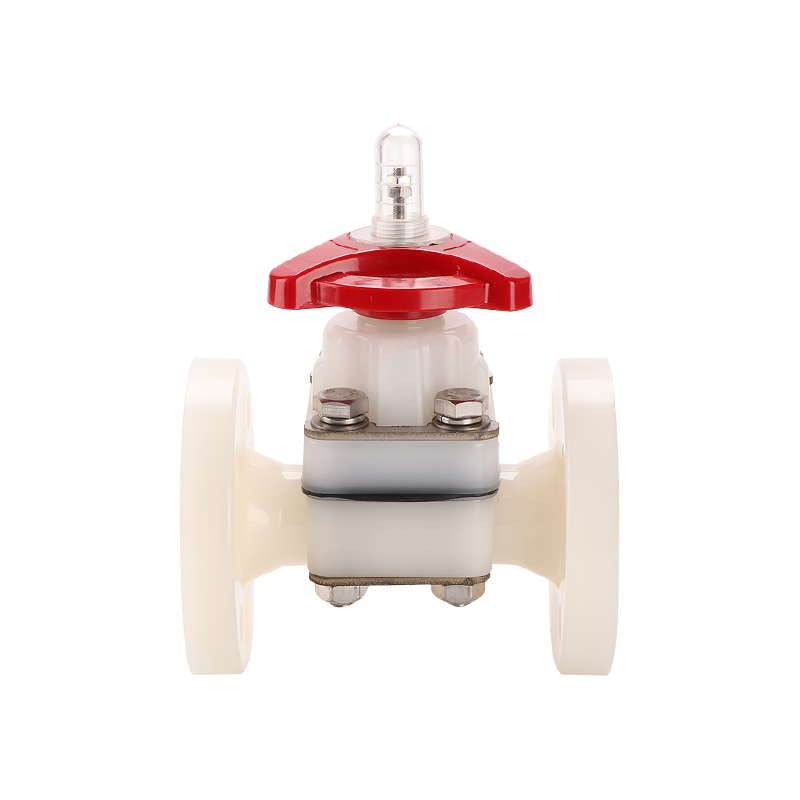
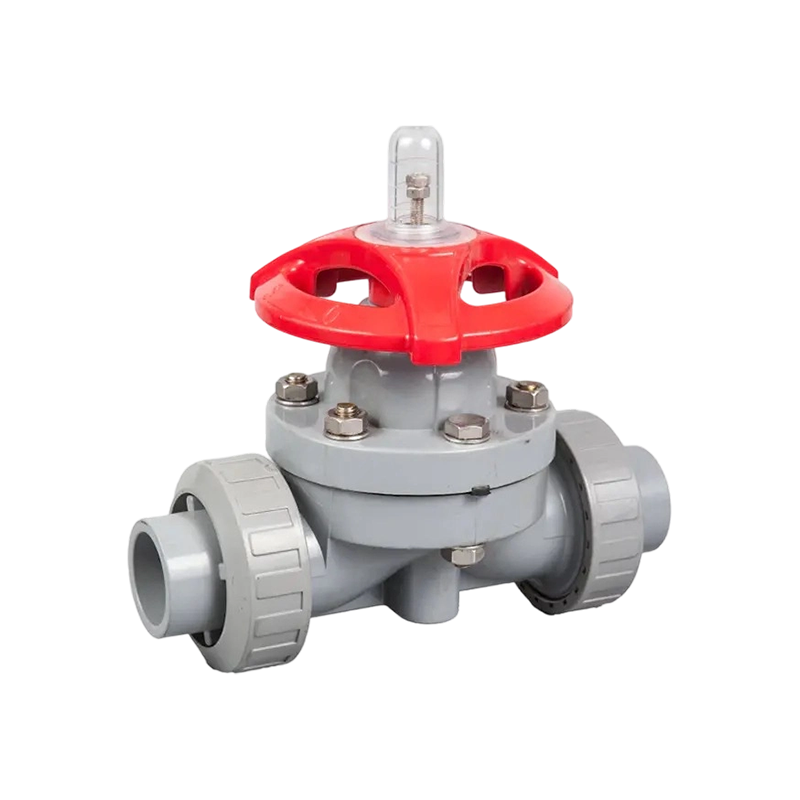
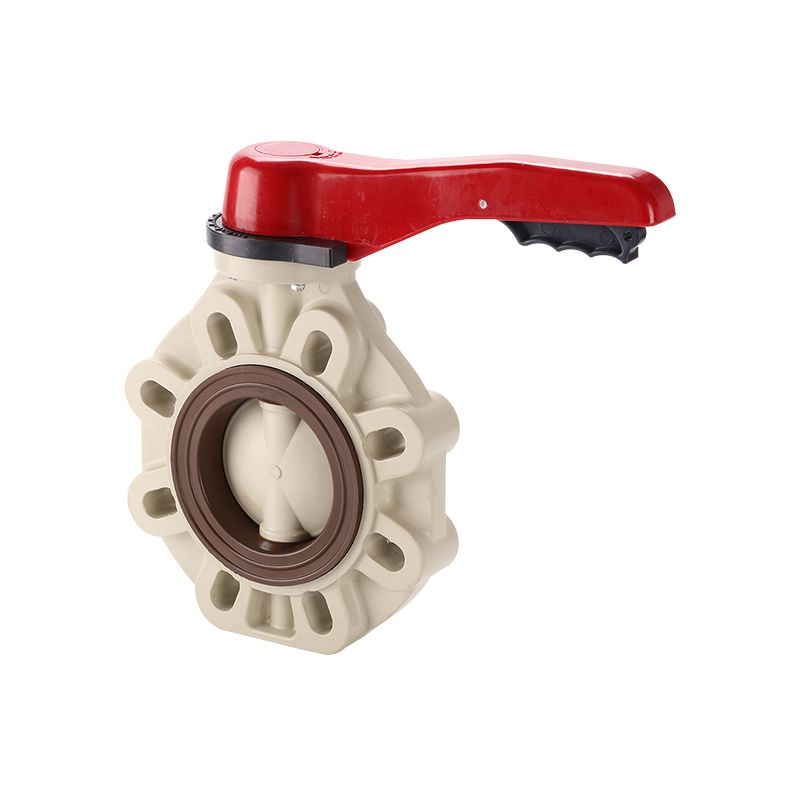
In terms of construction, PVC valves are available in ball, butterfly, check, diaphragm, gate, and globe configurations. The most widely used are PVC ball valves (quarter‑turn) and PVC butterfly valves (for large diameters). Their inherent corrosion resistance makes them the first choice for water treatment, desalination, irrigation, and aggressive chemical transfer.
Property
UPVC
CPVC
PVDF
PP
Max continuous temp (°C)
60
95
150
80
Pressure rating (PN, max)
PN16
PN25
PN40
PN10
Chemical resistance (acid/alkali)
Excellent
Excellent
Superior
Good
Typical application
Water, mild chemicals
Hot water, acids
High‑purity, aggressive
Dilute acids, food
2. Complete Valve Classification – The Full Spectrum
Beyond the simple list of names, valves are systematically grouped by motion (linear vs. rotary), end connections (flanged, threaded, socket, butt‑weld), pressure class (PN, Class, or Schedule), and actuation mode. The full taxonomy includes:
Special purpose – steam traps, sampling, multi‑port
By Actuation
Manual – handwheel, lever, gear operator
Electric – on‑off, modulating, smart actuators
Pneumatic – spring‑return, double‑acting
Hydraulic – high‑force, slow‑speed
Self‑acting – thermostatic, pressure‑regulating
Each combination of function and actuation creates hundreds of specific types. For instance, a pneumatic diaphragm globe valve is a linear‑motion regulating valve, while a motor‑operated butterfly valve is a rotary isolation valve. The correct selection requires matching the valve’s inherent flow characteristics (equal percentage, linear, quick‑opening) to the process dynamics.
Market Share of Valve Types (Industrial Process)
Ball valves
34%
Butterfly valves
22%
Gate/globe valves
18%
Check valves
12%
Control valves (all types)
9%
Others (safety, multi‑port, etc.)
5%
*Based on global industrial valve shipments (proxy data).
3. The Five Core Control Valve Types – In‑Depth
Control valves, also known as regulating valves, are the final control elements in process automation. The five types are distinguished by the energy source used to position the valve stem:
Pneumatic
Uses instrument air (3‑15 psi or 4‑20 mA positioner input). Advantages: intrinsically safe, fast response, high cycle life. Common in oil & gas and chemical plants.
Electric
Driven by an electric motor or solenoid. Offers high positioning accuracy, simple networking, and no need for compressed air. Ideal for water/wastewater and power plants.
Hydraulic
Uses pressurized oil to generate huge thrust. Slow but extremely powerful. Used in large‑bore, high‑pressure applications like hydro‑turbine control.
Manual
Hand‑operated via wheel or lever. Cost‑effective for infrequent adjustment. Often used as bypass or emergency trim.
Self‑operated
No external power; uses process fluid pressure or temperature as the actuating signal. Typical for steam pressure reducers and tank blanketing regulators.
Each type further divides into linear (globe, cage, diaphragm) and rotary (ball, butterfly, eccentric plug) sub‑families. The choice depends on required rangeability, leakage class, shut‑off pressure, and maintenance accessibility.
Relative step‑response time (lower Y = faster). Pneumatic and electric types dominate high‑speed loops.
4. 6‑Way Valve – Structure and Industrial Use
The 6‑way valve is a highly specialised multi‑port switching device. Its body contains six connection ports, and the internal rotating or sliding plug creates multiple flow paths. In practice, a 6‑way valve integrates the functionality of two 3‑way valves that operate in perfect synchrony. This compact design reduces piping complexity and potential leak points.
Typical applications: (1) Lubrication oil direction control in large compressors, (2) Reversing heat pump circuits in HVAC systems, (3) Sequential sample switching in analytical instrumentation, and (4) Gas chromatograph column switching.
Key parameters when specifying a 6‑way valve include: port configuration (e.g., 6‑port, 2‑position or 3‑position), pressure rating (PN10 to PN100), sealing material (PTFE, PEEK, or metal‑seated), and actuator type (manual lever, electric, or pneumatic). The flow path diagram is typically represented by a matrix of port‑to‑port connections, which must match the process cycle.
Position
Port 1
Port 2
Port 3
Port 4
Port 5
Port 6
Pos A (default)
→ 4
→ 5
→ 6
← 1
← 2
← 3
Pos B (switched)
→ 2
→ 3
→ 4
← 5
← 6
← 1
Example matrix: in position A, ports 1‑3 connect to 4‑6 respectively; in position B, connections shift by one port.
5. Standard Valve Sizes – DN, NPS, and Pressure Ratings
Valve sizing follows the DN (nominal diameter) metric system or the NPS (nominal pipe size) imperial system. DN values range from DN6 to DN4000, with preferred numbers as per ISO 6708. The correspondence between DN and NPS is fixed:
DN (mm)
NPS (inch)
DN (mm)
NPS (inch)
15
½″
80
3″
20
¾″
100
4″
25
1″
150
6″
32
1¼″
200
8″
40
1½″
250
10″
50
2″
300
12″
65
2½″
350
14″
For pressure, the PN (nominal pressure) rating must be equal to or greater than the maximum operating pressure at the specified temperature. Common PN classes are PN6, PN10, PN16, PN25, PN40, PN63, PN100, and PN160. In the American system, Class 150, 300, 600, 900, 1500, and 2500 are used. Always verify the temperature‑derating factor; for PVC valves, the pressure rating drops significantly above 25 °C.
Matching DN to Pipe
Select the valve DN that matches the pipe’s nominal diameter. Never use a smaller DN to “save cost” – it creates pressure drop and cavitation risk. For PVC, use full‑port ball valves to maintain Cv.
Pressure‑Temperature Limits
For UPVC at 20 °C, PN16 is valid. At 40 °C, derate to PN10. CPVC retains PN16 up to 70 °C. Always consult the manufacturer’s pressure‑temperature chart for the specific material.
End Connection
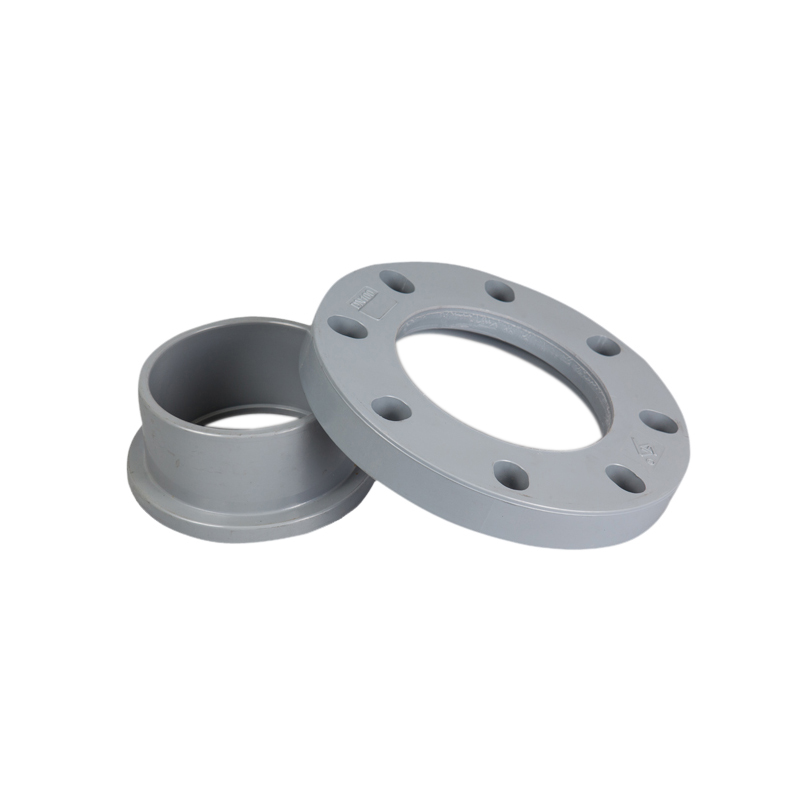
PVC valves come with socket (solvent cement), threaded (NPT/BSP), or flanged (ISO or ANSI) ends. Choose based on installation convenience and system pressure.
6. Flow Coefficients (Cv) and Sizing Calculations
Valve capacity is expressed by the flow coefficient Cv – the number of US gallons of water at 60 °F that pass through the valve per minute with a 1 psi pressure drop. For metric systems, Kv (m³/h at 1 bar drop) is used. The relationship is Cv ≈ 1.16 × Kv. When sizing a control valve, the required Cv is calculated from the process flow rate, specific gravity, and pressure differential.
Quick rule: For PVC ball valves in water service, a full‑port DN50 valve has a Cv of approximately 150–180, while a standard‑port DN50 may have Cv ~ 70–90. Always select the full‑port version for low‑pressure drop applications.
Other critical performance indicators include rangeability (the ratio of maximum to minimum controllable flow), leakage class (per ANSI/FCI 70‑2), and seat tightness (soft vs. metal sealing). For PVC valves, soft PTFE seats provide leakage Class VI, while metal seats are rare due to corrosion concerns.
Pressure retention vs. temperature – CPVC maintains higher working pressure at elevated temperatures.
7. Installation & Maintenance Best Practices
Installation
Use proper solvent cement for socket connections; cure time ≥ 24 hours at 20°C.
Support piping to avoid stress on valve body.
Install strainers upstream of control valves to prevent debris damage.
For threaded ends, use PTFE tape and do not overtighten – PVC threads are weaker than metal.
Maintenance
Inspect seals and O‑rings annually – replace if hardened or cracked.
Lubricate stems with compatible grease (silicone‑based for PVC).
Check torque on flange bolts periodically (re‑torque after thermal cycling).
For control valves, perform a stroke test and calibrate positioner every 6 months.
Leakage at stem
Often due to worn packing or O‑ring. Retighten gland nut; if persists, replace stem seal. For PVC, use EPDM or FPM (Viton) seals depending on fluid.
High operating torque
May indicate scale build‑up or deformed ball. Flush with clean water; check for debris. For large sizes, consider a gear operator.
Control valve hunting
Usually a PID tuning issue or positioner feedback lag. Verify air supply pressure, check for sticky packing, and re‑tune controller.
8. Material Selection Guide – PVC vs. Metal vs. Other Polymers
While PVC valves dominate in corrosive environments, engineers often compare them against stainless steel (316L), bronze, and exotic alloys. The table below summarises the key decision factors:
Criteria
PVC‑U
CF8M (316SS)
Bronze
PP (Polypro)
Corrosion resistance (salt water)
Excellent
Good
Moderate
Good
Max temp (°C)
60
400+
250
80
Weight (kg, DN50)
~0.8
~5.5
~4.0
~0.9
Relative cost (index)
1.0
5.5
3.0
1.2
Installation ease
Very easy (solvent)
Welding/threaded
Threaded/flanged
Socket/fusion
For most water, mild chemical, and food‑grade applications, PVC‑U offers the best cost‑performance ratio. For high‑temperature or high‑pressure steam, metal is unavoidable.
Service life: PVC valves properly installed in ambient water service can exceed 25 years. In aggressive chemicals (e.g., 30% H₂SO₄ at 50°C), the life may reduce to 5‑8 years due to material degradation. Regular inspection and scheduled replacement are recommended.
9. Frequently Asked Technical Questions
Q: Can a PVC valve be used for compressed air?
Yes, but ensure the pressure rating (PN) exceeds the maximum air pressure. Avoid rapid cycling which can cause fatigue.
Q: What is the difference between a 3‑way and a 6‑way valve?
A 3‑way has three ports and diverts or mixes flow; a 6‑way has six ports and offers more complex switching, often combining two 3‑way functions.
Q: How do I convert DN to NPS?
Use the standard table: DN15 = ½″, DN25 = 1″, DN50 = 2″, DN100 = 4″, etc. The conversion is not a simple division by 25.4; it follows the nominal pipe size chart.
Q: Are PVC valves suitable for hot water?
UPVC is limited to 60°C; CPVC can handle up to 95°C. For temperatures above that, consider PP or PVDF.
Quick Reference – Key Valve Parameters
PVC‑U max pressure: PN16 @ 20°CCPVC max pressure: PN25 @ 20°CControl valve leakage: Class IV (standard), VI (soft seat)6‑way valve ports: 6 (usually 2‑position or 3‑position)Standard DN range: 6 – 4000 mmCommon actuator: Pneumatic (spring‑return)
This technical compendium is intended for engineering reference. All performance data are based on general industrial standards and may vary with specific manufacturer specifications. Always consult the relevant standard (ISO, ASTM, GB, or ASME) for your project requirements.