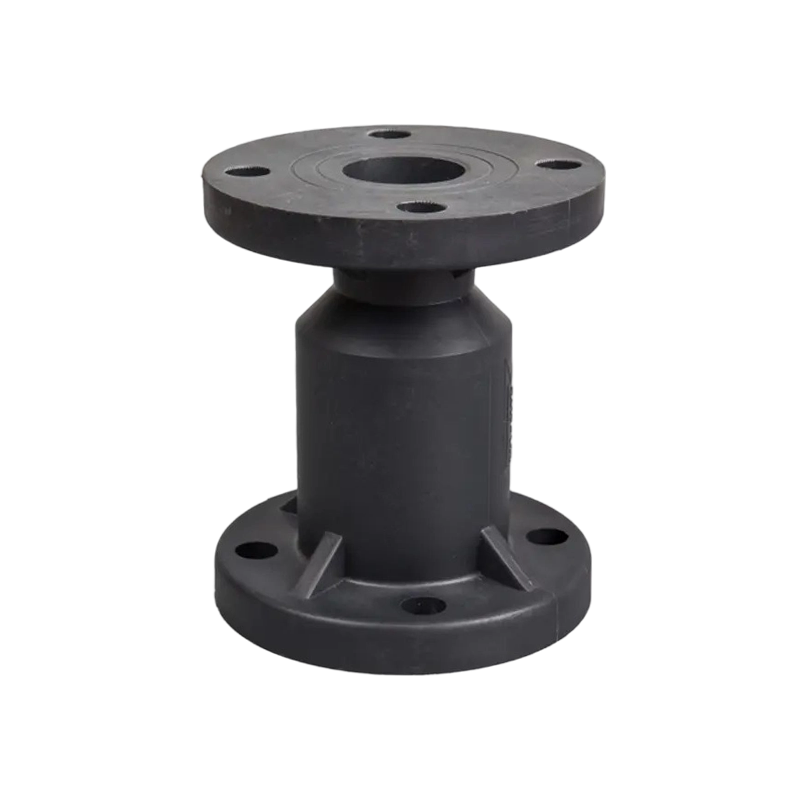
How Does a Manual Valve Work? — Complete Technical Reference
For engineers, procurement specialists, and facility managers, understanding the inner workings of a manual valve is fundamental to designing reliable fluid handling systems. This guide dissects the operating principles of manual plastic ball valves, manual plastic butterfly valves, and the engineering value of a robust manual valve body. We move beyond generic descriptions to deliver actionable technical insights, performance data, and comparative analyses that empower you to select the right manual plastic valves for your specific application.
Key Insight: A well-designed manual valve offers decades of trouble-free service when properly specified. The choice between manual plastic ball valves and manual plastic butterfly valves often dictates system efficiency, maintenance frequency, and total cost of ownership.
1. Core Operating Principle of a Manual Valve
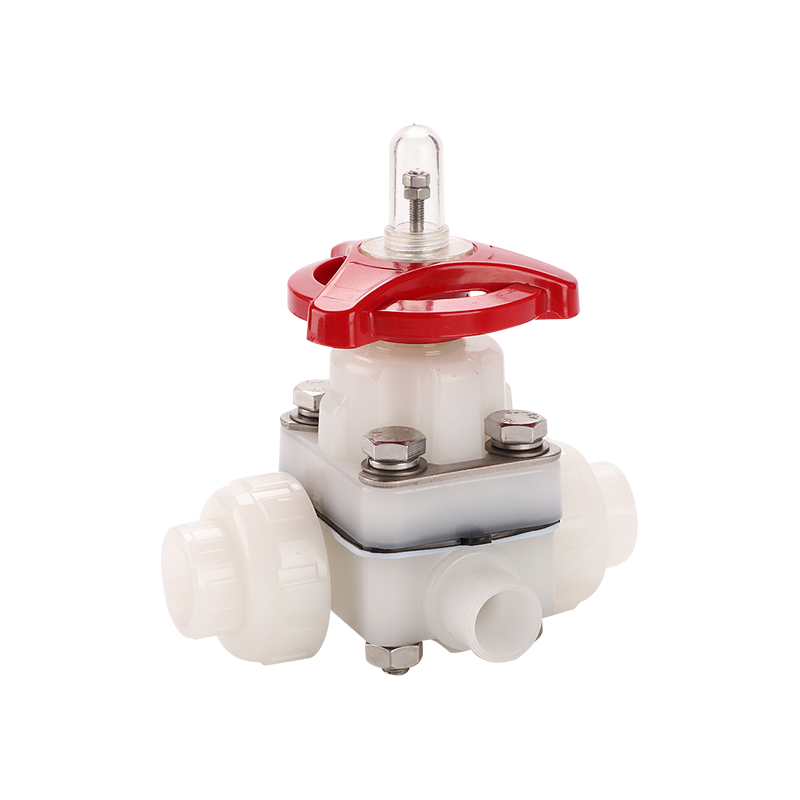
At its essence, a manual valve uses human-applied force—via handwheel, lever, or gear—to reposition an internal closure element. This movement either opens, throttles, or completely shuts off the flow path. The force transmission chain includes the handwheel (or handle), stem, stem nut, and finally the closure member (ball, disc, or plug). The manual valve body houses all these components and withstands the system pressure.
In quarter-turn designs—which include both manual plastic ball valves and manual plastic butterfly valves—a 90° rotation transitions from full open to full closed. The handle orientation serves as an immediate visual indicator: parallel to the pipe means open; perpendicular means closed. This simplicity is a major reason why manual plastic valves are preferred in plants where operators need rapid, unambiguous status checks.
Sealing Mechanism
Sealing in a manual valve relies on the interference fit between the closure member and the seat. For manual plastic ball valves, the spherical ball compresses against PTFE or reinforced polymer seats, creating a leak‑tight barrier. In manual plastic butterfly valves, the disc edge presses against a resilient liner or seat ring. Stem sealing is achieved via packing rings (usually PTFE or EPDM) that are compressed by a gland follower.
Torque and Actuation
The operating torque of a manual valve depends on several factors: seat material, pressure differential, and friction. Manual plastic butterfly valves generally require lower torque than ball valves of the same size because the disc is balanced hydrostatically. However, manual plastic ball valves offer higher cycle life in abrasive services due to the hard‑coated ball surface. Understanding these torque characteristics helps in selecting the right handle length or gear operator.
2. Is a Manual Valve Body Worth It? — Engineering Value Assessment
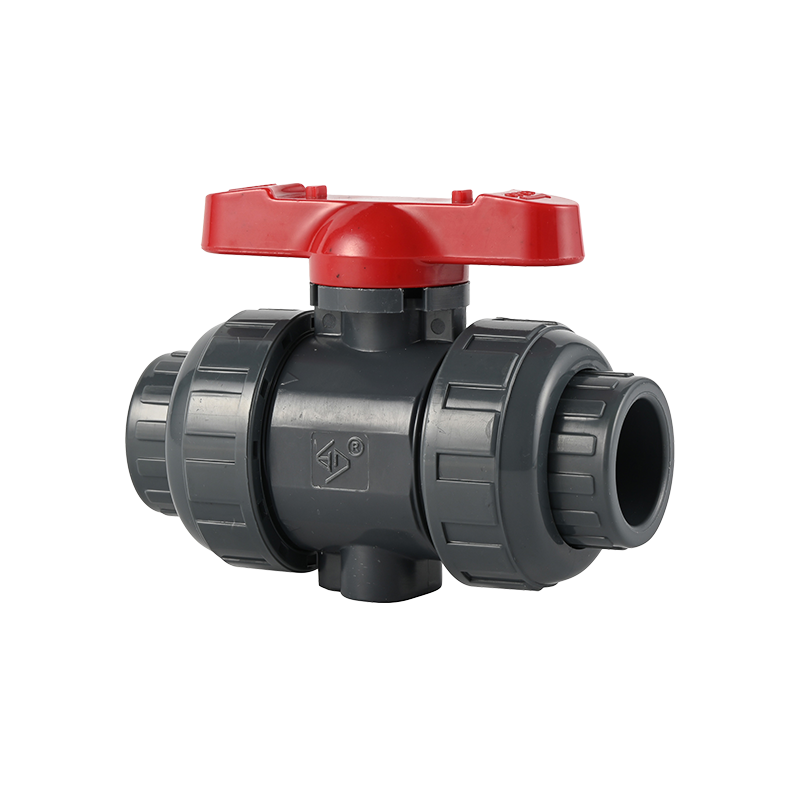
The question “Is a manual valve body worth it?” often arises when comparing low‑cost vs. premium designs. The answer hinges on total life‑cycle cost. A high‑quality manual valve body—especially one made from engineering plastics—delivers superior corrosion resistance, lighter weight, and easier installation compared to metallic counterparts. Furthermore, modern manual plastic valves feature modular bodies with “True Union” or “Trunnion” designs that allow inline maintenance without disturbing the pipeline.
Corrosion Resistance
Unlike metal valves, manual plastic valves do not suffer from galvanic or pitting corrosion. They are immune to aggressive chemicals such as hydrochloric acid, sodium hypochlorite, and deionized water. This drastically reduces unplanned downtime.
Weight Savings
UPVC, CPVC, and PVDF manual plastic ball valves weigh 30‑50% less than equivalent stainless steel valves. This reduces structural support costs and simplifies handling during installation.
Maintainability
Top‑tier manual valve body designs allow seat and seal replacement without removing the valve from the line. This feature, combined with interchangeable components, extends service life and lowers spare parts inventory.
When evaluating worth, consider the following cost factors over a 10‑year horizon: initial purchase price, installation labor, maintenance frequency, energy losses from flow resistance, and downtime costs. In corrosive environments, a premium manual plastic valves body often pays for itself within two years.
Manual plastic ball valves are the workhorses of many chemical and water treatment processes. Their spherical closure member with a cylindrical bore provides a straight‑through flow path, resulting in minimal pressure drop. The operation is simple: a 90° turn of the handle rotates the ball, aligning or blocking the bore.
Did you know? The full‑port design of manual plastic ball valves ensures that the internal diameter matches the pipe ID, eliminating flow restrictions and reducing pumping energy by up to 15% compared to reduced‑port valves.
Key Design Features
Floating vs. Trunnion ball: Small to medium sizes use a floating ball that is pressed against the downstream seat by line pressure. Larger sizes employ a trunnion‑mounted ball for reduced torque and smoother operation.
Seat materials: PTFE is the standard for most chemicals; reinforced PTFE (with glass or carbon) improves wear resistance. For high‑temperature applications, PVDF or PEEK seats are available.
Anti‑blowout stem: A safety feature that prevents the stem from being ejected under pressure, a critical requirement in hazardous fluid services.
Performance parameters for manual plastic ball valves vary widely with material. The following table summarizes typical pressure‑temperature limits for common plastics (values represent maximum working pressure at 23°C).
Material
Max Pressure (PN)
Temperature Range (°C)
Chemical Resistance
UPVC
PN16
0 to 60
Good for acids, bases, salts
CPVC
PN16
‑20 to 95
Superior to UPVC for hot water, mild acids
PP (polypropylene)
PN10‑PN16
‑20 to 110
Excellent for organic solvents, alkalis
PVDF
PN16‑PN25
‑40 to 150
Outstanding for strong oxidizers, high purity
For applications requiring frequent cycling, manual plastic ball valves with wear‑compensating seats are recommended. These seats use a spring‑loaded or O‑ring‑energized design to maintain sealing even after the ball surface experiences minor abrasion.
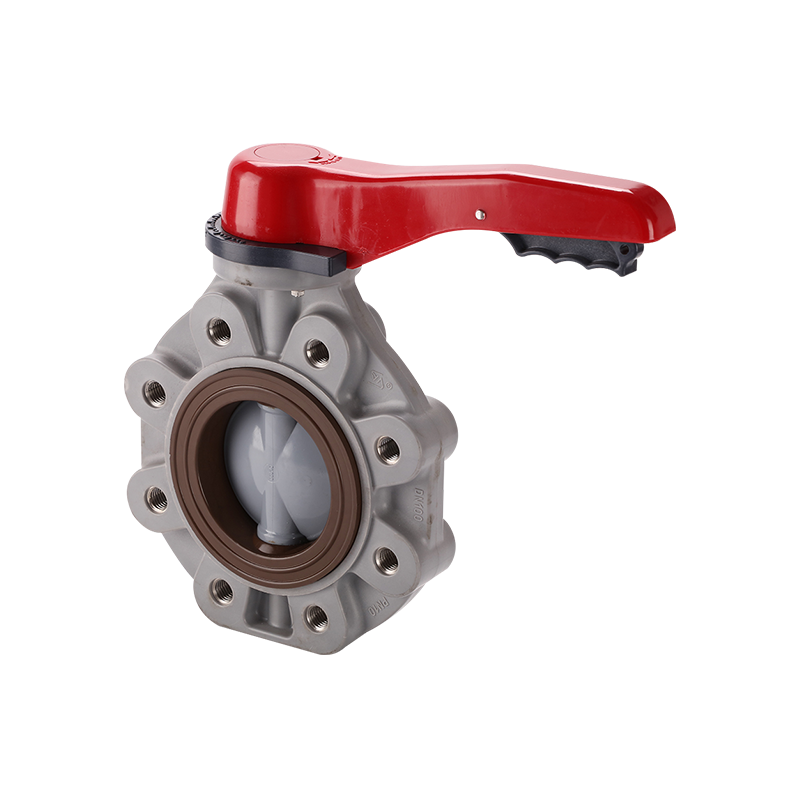
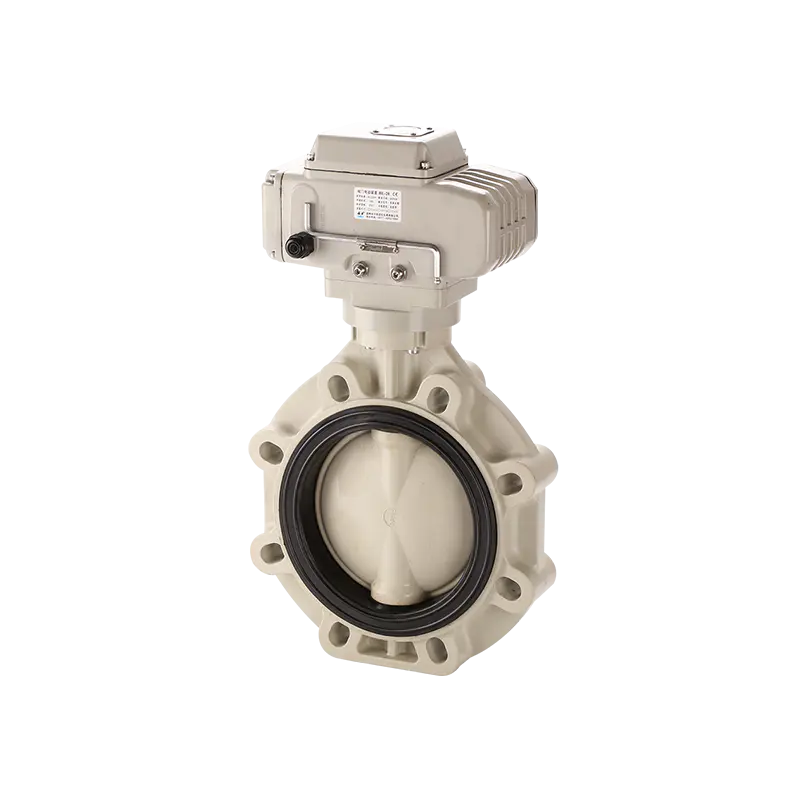
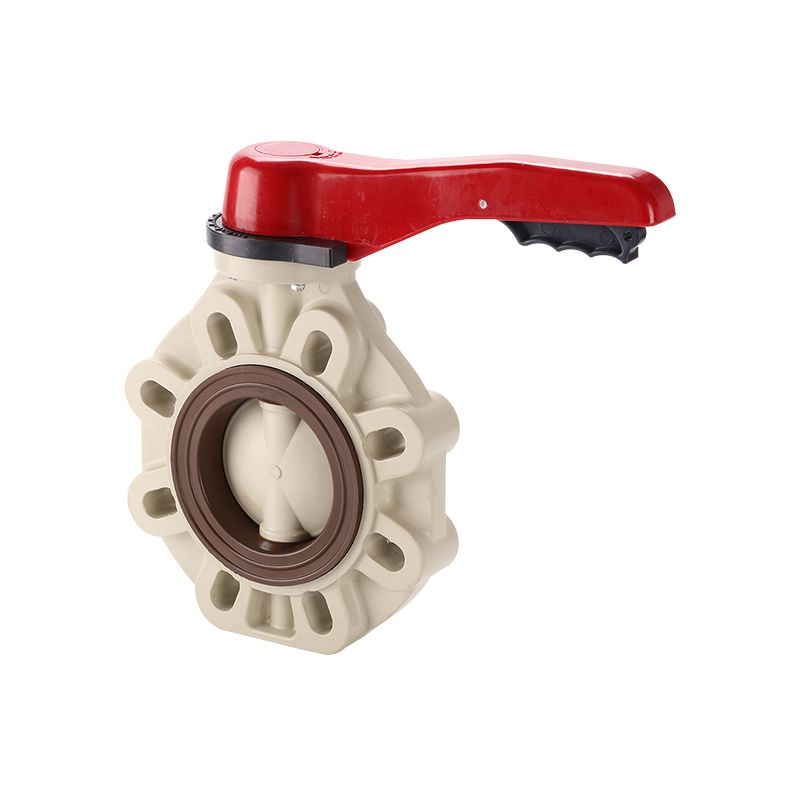
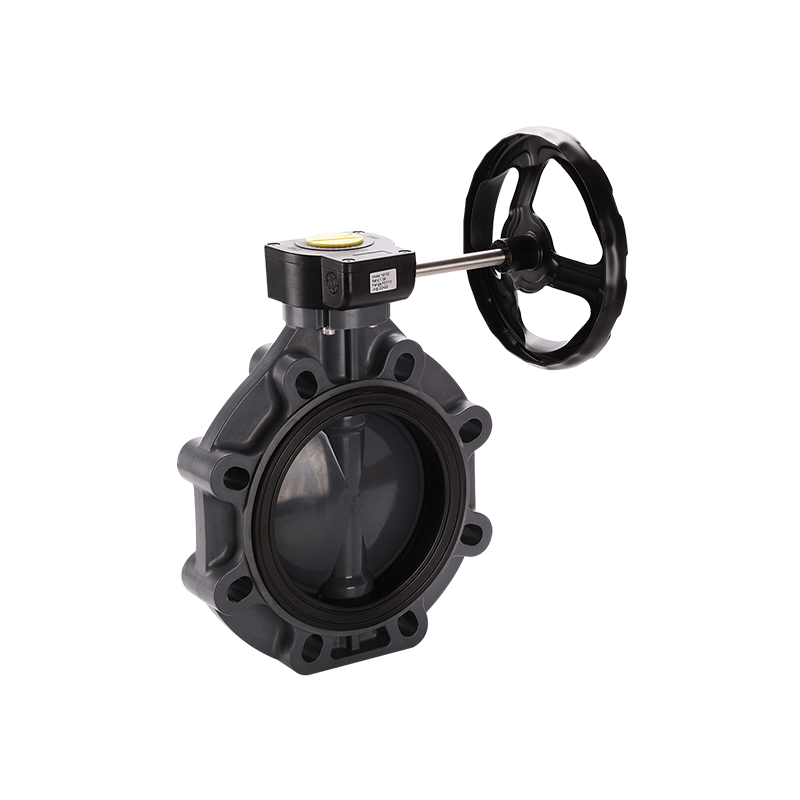
When the pipeline diameter exceeds DN80, manual plastic butterfly valves become the economically and technically superior choice. Their compact design—a disc mounted on a rotating shaft—occupies much less space than ball or gate valves. The disc, when fully open, presents only its thin edge to the flow, resulting in very low pressure drop.
Flow Regulation Capability
Unlike ball valves (which are best for on‑off service), manual plastic butterfly valves can be used for throttling. The disc rotation provides an approximately equal‑percentage flow characteristic, making them suitable for flow control loops.
Low Operating Torque
Due to the balanced pressure on both disc halves, the required torque is significantly lower than that of a ball valve of the same size. This allows larger diameters to be operated manually without gear reducers.
Versatile Liner Options
Sealing is achieved through a replaceable liner (seat) made of EPDM, NBR, FPM, or PTFE. The liner also protects the valve body from the process fluid, expanding chemical compatibility.
Double‑Eccentric (High‑Performance) Design
Advanced manual plastic butterfly valves feature a double‑offset geometry: the disc shaft is positioned behind the disc centerline and offset from the pipe centerline. This design causes the disc to cam out of the seat during opening, reducing rubbing and extending seat life by up to 300% compared to concentric designs. The operating torque is also reduced by approximately 50%.
The choice between manual plastic butterfly valves and manual plastic ball valves often depends on size, pressure class, and required flow coefficient (Cv). The next section provides a direct performance comparison.
5. Direct Comparison: Ball vs. Butterfly for Manual Plastic Valves
To aid in selection, we have compiled a comprehensive comparison table covering key engineering parameters. This table is based on standard UPVC construction at 23°C.
Parameter
Manual Plastic Ball Valves
Manual Plastic Butterfly Valves
Size range
DN15 – DN300
DN40 – DN600+
Flow resistance (Cv)
Very high (full bore)
High (disc thickness only)
Shut‑off leakage
Zero (bubble‑tight) with PTFE seats
Zero (with soft liner) or Class VI
Throttling ability
Poor (not recommended)
Good to excellent
Operating torque
Medium to high
Low to medium
Pressure class
PN10 – PN40
PN6 – PN16 (PN25 available)
Temperature range (UPVC)
0 – 60°C
0 – 60°C (liner‑dependent)
Maintenance
Seats & seals replaceable
Liner & disc replaceable
Typical applications
Chemical dosing, water treatment, corrosive fluids
Cooling water, HVAC, large‑diameter effluent
From the data, it is clear that manual plastic ball valves excel in small‑bore, high‑pressure, and zero‑leakage applications, while manual plastic butterfly valves dominate large‑diameter, low‑pressure, and throttling duties. Many modern plants use both types strategically across different sections.
6. Performance Curves — Pressure‑Temperature and Torque Characteristics
Pressure‑Temperature Derating (UPVC)
Maximum allowable pressure as a function of temperature for UPVC manual plastic valves.
Torque vs. Diameter (Ball vs. Butterfly)
Comparative operating torque (Nm) at nominal pressure. Butterfly valves show significantly lower torque for larger sizes.
7. Material Selection Guide for Manual Plastic Valves
Choosing the correct material for your manual plastic valves is critical for long‑term reliability. The following cards summarize the primary engineering plastics used in valve manufacturing, along with their strengths and limitations.
UPVC (Unplasticized Polyvinyl Chloride)
Pros: Excellent chemical resistance to acids, bases, and salts; economical; good mechanical strength up to 60°C. Limitations: Not suitable for aromatic hydrocarbons or temperatures above 60°C.
CPVC (Chlorinated PVC)
Pros: Higher temperature rating (up to 95°C); better resistance to oxidizing agents than UPVC. Limitations: Slightly higher cost; limited resistance to strong organic solvents.
PP (Polypropylene)
Pros: Outstanding resistance to alkalis, detergents, and many organic solvents; good fatigue resistance. Limitations: Lower stiffness than PVC; not recommended for strong acids at high temperatures.
PVDF (Polyvinylidene Fluoride)
Pros: Exceptional thermal stability (‑40 to 150°C); superior resistance to strong oxidizers, chlorine, and high‑purity water. Limitations: High cost; requires specialized machining.
For most water and diluted chemical services, UPVC or CPVC manual plastic ball valves and manual plastic butterfly valves provide a cost‑effective solution. In aggressive environments (e.g., wet chlorine, concentrated sulfuric acid), PVDF or PP are mandatory. Always consult chemical compatibility charts and verify with the manufacturer’s data.
8. Application Scenarios and Selection Criteria
When to Choose Manual Plastic Ball Valves
Small‑diameter lines (≤ DN80) where zero leakage is mandatory.
Frequent on‑off cycling with minimal pressure drop.
High‑purity or hygienic processes (PVDF or PP materials).
Systems with abrasive particles (use reinforced seats).
When to Choose Manual Plastic Butterfly Valves
Large‑diameter pipes (≥ DN100) to reduce weight and cost.
Throttling or flow control applications.
Low‑pressure systems (PN10 or PN16) with moderate temperature.
Installations where space is constrained (compact face‑to‑face).
Pro Tip: For vacuum services, ensure the selected manual plastic valves have a suitable vacuum rating. Many UPVC valves are suitable for full vacuum, but liner materials in butterfly valves may require special reinforcement.
9. Installation and Maintenance Best Practices
Proper installation prolongs the life of any manual valve. Here are key guidelines specific to manual plastic valves:
Support piping: Plastic valves are less rigid than metal. Ensure adequate pipe supports to prevent excessive bending loads on the manual valve body.
Flange alignment: Misaligned flanges induce stress that can crack the valve body. Use flange alignment tools and torque wrenches to apply even bolt tension.
Avoid overtightening: Over‑torquing the handle or gear can damage the stem or seat. Follow manufacturer torque specifications.
Periodic cycling: For valves that remain in one position for extended periods, cycle them occasionally to prevent seat sticking.
Inspect packing: Check stem packing for leakage and re‑tighten the gland if necessary. Replace packing rings if they become hardened.
Maintenance intervals depend on service conditions. In clean water applications, manual plastic valves may operate for 10+ years without parts replacement. In aggressive chemical services, inspect seats and seals annually.
10. Frequently Asked Questions About Manual Plastic Valves
Q: Can I use manual plastic ball valves for steam service?
A: No. Standard plastic materials degrade at steam temperatures. For steam, you must use metal valves or specialized high‑temperature plastics like PTFE‑lined designs, but those are rare and costly.
Q: How do I convert torque from Nm to foot‑pounds for handle selection?
A: Multiply Nm by 0.7376 to get ft‑lbf. Always add a safety factor of 1.25‑1.5 for manual operation.
Q: Are manual plastic butterfly valves suitable for abrasive slurries?
A: Limited. For abrasive services, choose a ball valve with a hardened ball and wear‑resistant seats. Butterfly discs are more susceptible to erosion.
Q: What does “True Union” mean for a manual valve body?
A: A True Union design allows the valve to be removed from the pipeline without unthreading the end connections. This simplifies replacement and maintenance.
Q: Can I paint or coat plastic valve bodies?
A: Generally not recommended. Coatings may contain solvents that attack the plastic. If UV protection is needed, choose UV‑stabilized grades or use protective covers.
Essential Technical Data at a Glance
Max Temperature Limits
UPVC: 60°C
CPVC: 95°C
PP: 110°C
PVDF: 150°C
Typical Cv Values (DN50)
Ball valve (full port): ~70
Butterfly valve: ~55
(higher Cv = lower pressure drop)
Recommended Spare Parts
Seat rings (ball valves)
Liners / discs (butterfly)
Stem O‑rings and packing
Handle / gear kit
Stem Sealing and Packing Technology
The stem seal is often the weakest point in a manual valve. For manual plastic valves, the stem packing is typically made of PTFE or EPDM, compressed by a gland follower. Advanced designs use lip seals or V‑ring packing sets that provide live‑loading—constant spring pressure compensates for wear and thermal cycling. This ensures that even after thousands of cycles, the stem remains leak‑free. When replacing packing, always use the manufacturer’s specified size and material to avoid galling or extrusion.
Industry Note: Fire‑safe designs for manual plastic valves are uncommon because plastics melt or degrade in fire. For fire‑safe applications, metal valves with fire‑safe certification should be used.
Adaptability for Automation
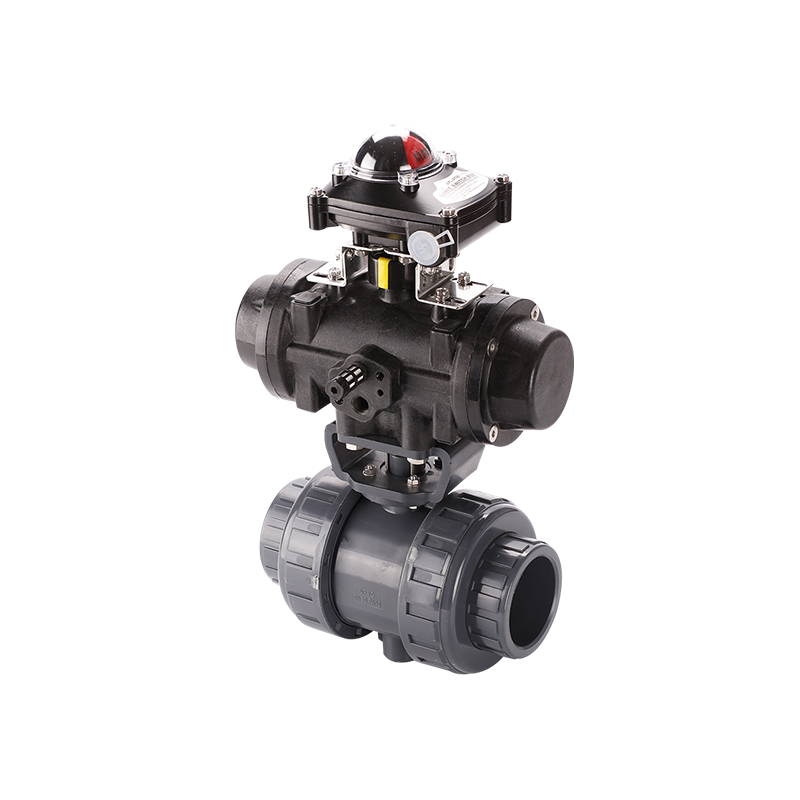
Even though we focus on manual valve operation, many manual plastic ball valves and manual plastic butterfly valves are designed with ISO 5211 mounting pads. This allows future addition of electric or pneumatic actuators without replacing the entire valve. The mounting pad includes bolt holes and a drive shaft interface that matches standard actuator outputs. This flexibility is a valuable feature for plants that may upgrade to automated control in the future.
This technical guide is provided as an educational resource for engineers and facility operators. Always consult the valve manufacturer’s data sheets for specific product ratings and installation instructions.