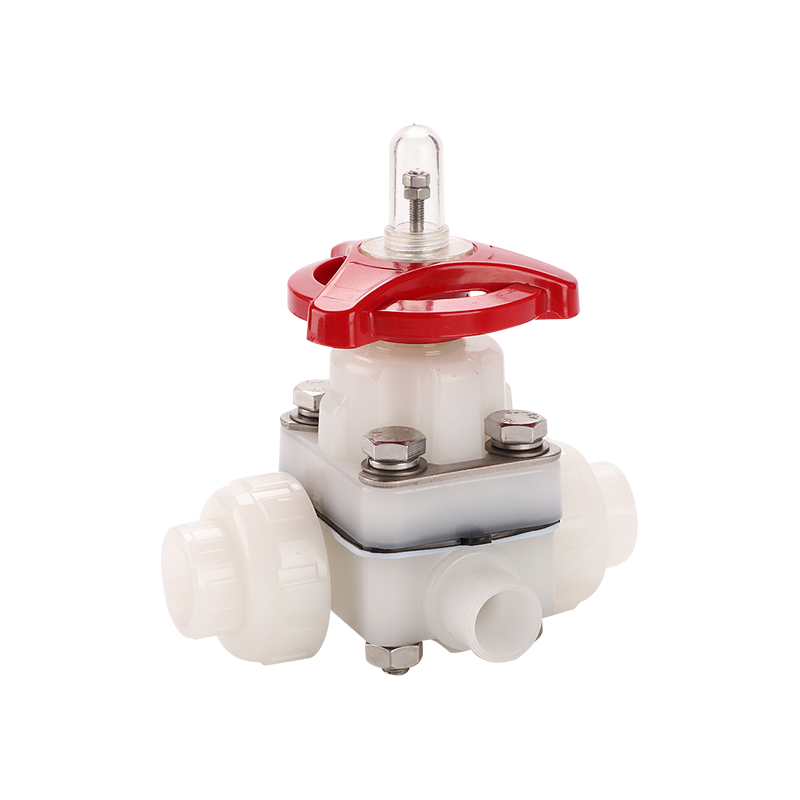
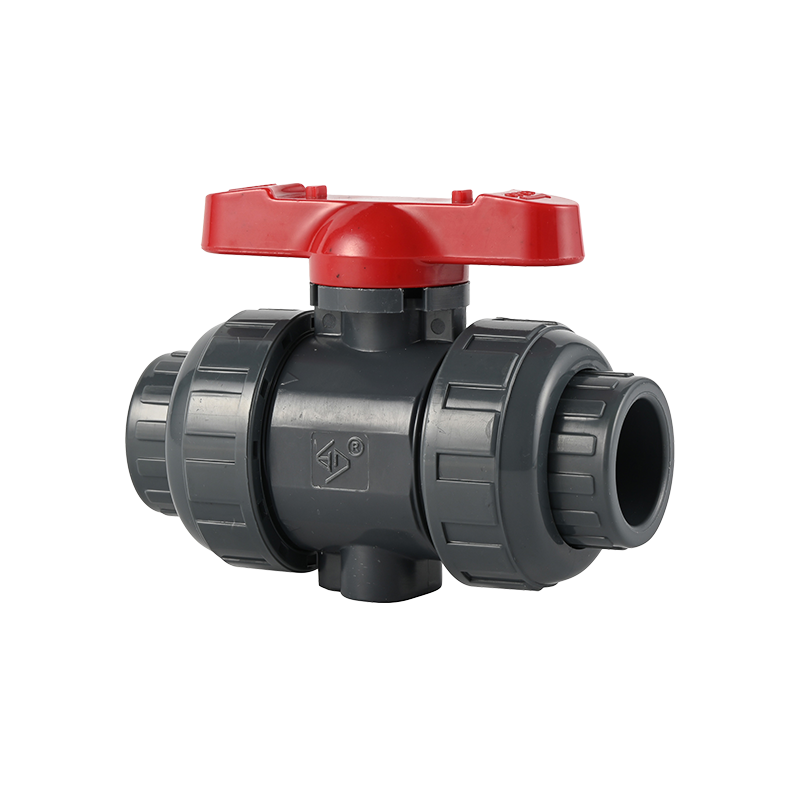
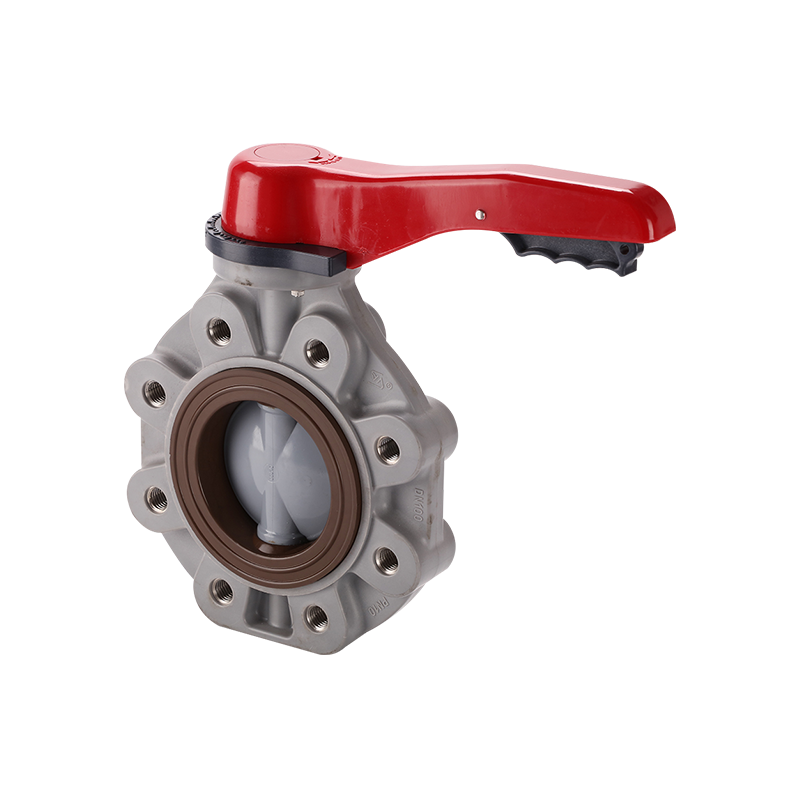
Picture a chemical dosing pump at the end of its stroke. The pump head releases, line pressure drops, and the fluid column that was just pushed through the pipe begins to fall backward. Without a reliable barrier, that column drains back into the storage tank, the pump loses prime, and the next stroke pushes air instead of chemical. This is exactly the scenario a check valve exists to prevent.
For industrial systems carrying acids, alkalis, solvents, or ultrapure water, the non-return valve must be built from materials that will not corrode, contaminate, or fail under chemical attack. That is why engineering thermoplastics have become the standard choice for so many corrosive and high-purity services. A plastic check valve is not simply a cheaper version of a metal valve. It is a component that offers a distinct set of performance properties, including broad chemical compatibility, light weight, and predictable behavior in aggressive environments. This guide explains what a plastic check valve is, how it works, what materials are available, and how to select the right one for your piping system.
What Is a Plastic Check Valve?
A plastic check valve is a self-actuating valve that allows fluid to flow through a thermoplastic piping system in one direction only, and shuts automatically when flow tries to reverse. No operator, electric signal, or pneumatic signal is needed. The fluid itself positions the closure element. Forward flow pushes a ball, disc, or flap away from the seat; reverse flow forces it back against the seat, creating a seal that blocks backflow.
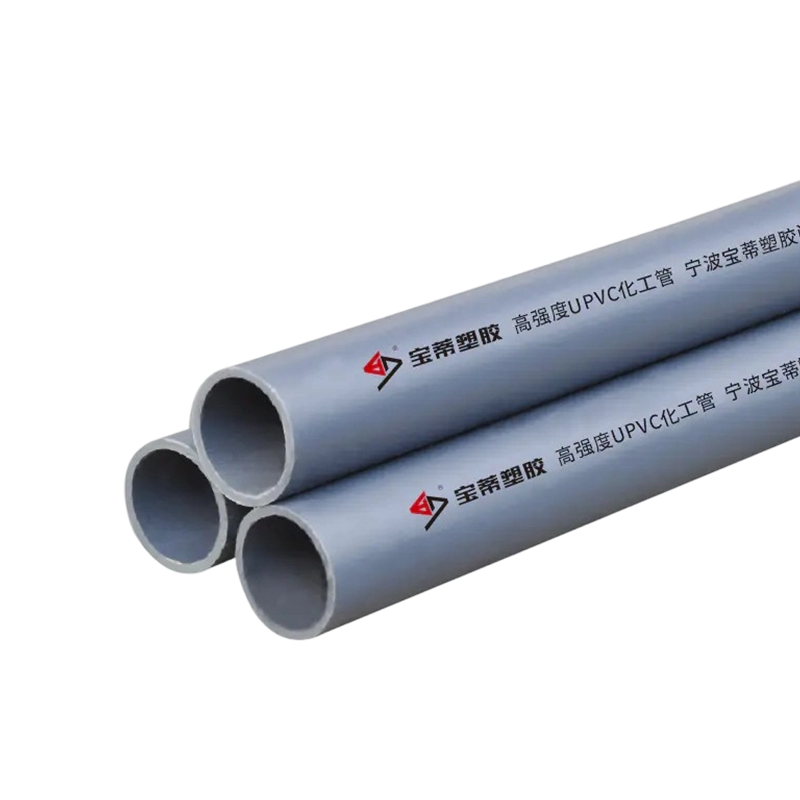
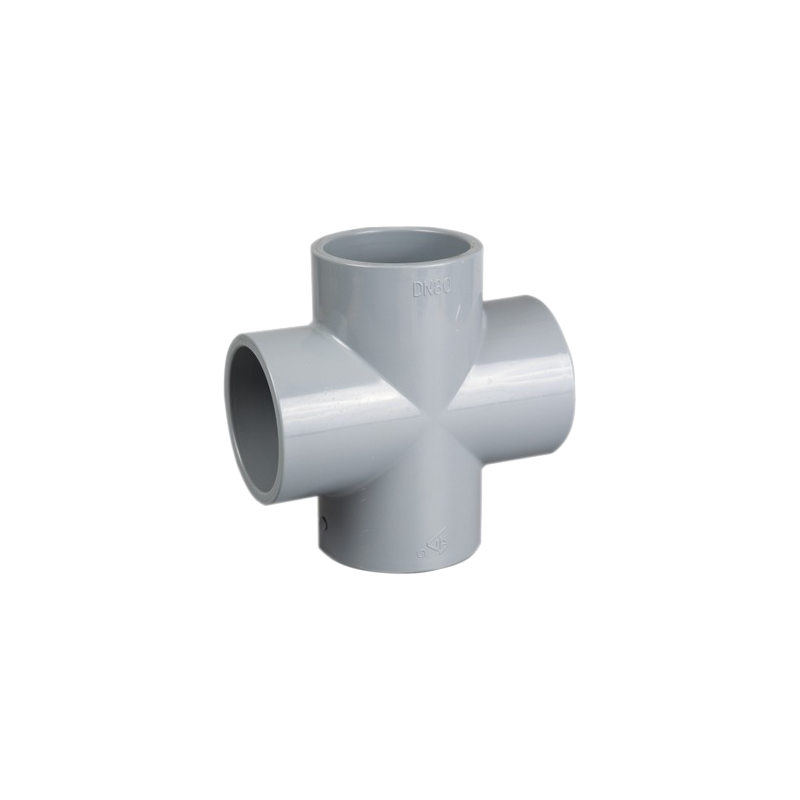
Because the valve body, seat, and closure element are made of thermoplastics such as UPVC, CPVC, PP-H, or PVDF, the complete wetted path is corrosion-resistant. This gives plastic check valves a fundamental advantage in services where metal valves would require expensive alloys or protective linings. They are available in socket, threaded, flanged, and true-union connection styles, which makes them compatible with most industrial plastic piping systems.
How the Self-Acting Mechanism Behaves
All plastic check valves operate on the same basic balance of forces. When the pump starts, inlet pressure rises above outlet pressure. The differential lifts the closure element off its seat, and fluid begins to pass through the valve. The minimum differential pressure required to open the valve is called the cracking pressure. For most thermoplastic check valves this value is low, typically 0.05 to 0.3 bar, depending on the valve type and spring setting.
Once open, the closure element floats in the flow stream. In a ball-type design, a spherical ball rises inside a guidance cage, leaving annular flow passages around it. In a swing design, the disc rotates on a hinge pin, opening a direct flow path. The velocity of the fluid determines how far the element opens, and therefore it determines the pressure drop across the valve at any given flow rate.
When the pump stops or the downstream pressure rises, the pressure differential reverses. The fluid begins to move backward, carrying the closure element toward the seat. Gravity is often sufficient to close vertical installations, while spring-assisted designs force the element shut more rapidly. A faster closure reduces the duration of reverse flow, which is important in systems where water hammer is a concern. However, adding a spring also adds an extra component to the wetted media, so the trade-off must be evaluated for each chemical service.
1
Pump starts; forward pressure lifts the ball or disc off the seat.
2
Fluid passes through the valve body and continues downstream.
3
Pump stops; reverse pressure drives the closure element back onto the seat.
Main Types of Plastic Check Valves
Thermoplastic check valves are offered in several body styles. Each one suits particular piping layouts, flow conditions, and maintenance habits. Understanding the difference between them is the first step in making a correct specification.
Ball Check Valve
A ball check valve uses a free-floating ball inside a ventilated cage. Forward pressure lifts the ball, creating an annular flow path. When reverse flow begins, the ball seats against an O-ring or machined seat. Ball check valves handle dirty fluids better than swing designs because the ball continuously changes its contact point against the seat, wiping away debris. They are compact and can be installed in horizontal or vertical upward flow. Their main weakness is noise in low-pressure, high-flow systems where the ball bounces between the cage and the seat.
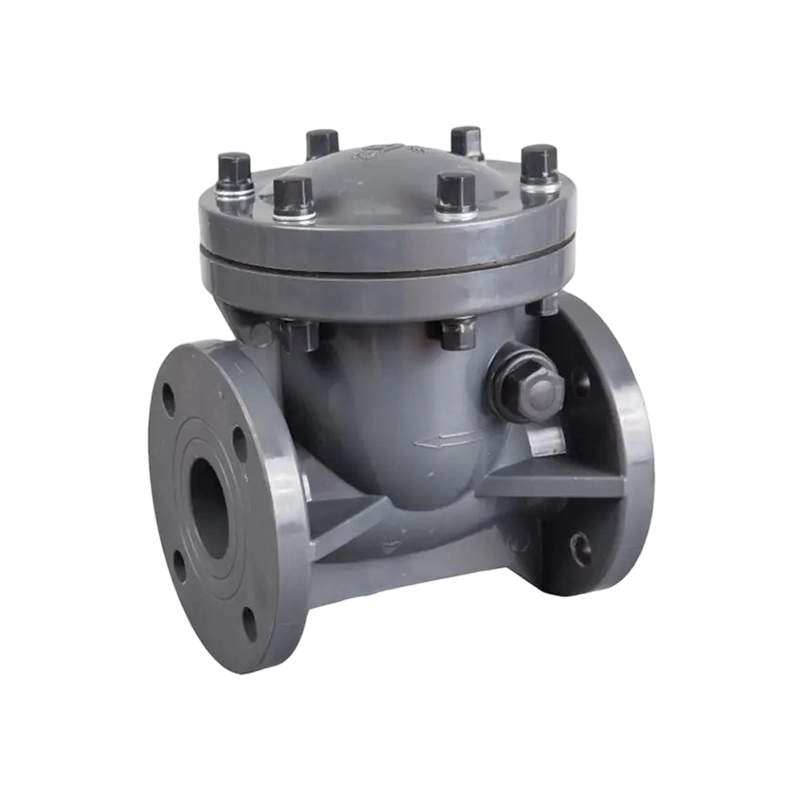
Swing Check Valve
A swing check valve operates with a hinged disc that swings open around a pin or shaft. The flow path is straight, which produces a lower pressure drop than a ball check valve across a wide range of velocities. Swing check valves are often chosen for larger line sizes and slurry applications, as the full opening reduces turbulence. On the other hand, the hinge pin is a wearing part, and the disc slamming shut can induce water hammer if the flow reverses quickly. They generally require more space and are recommended for horizontal piping.
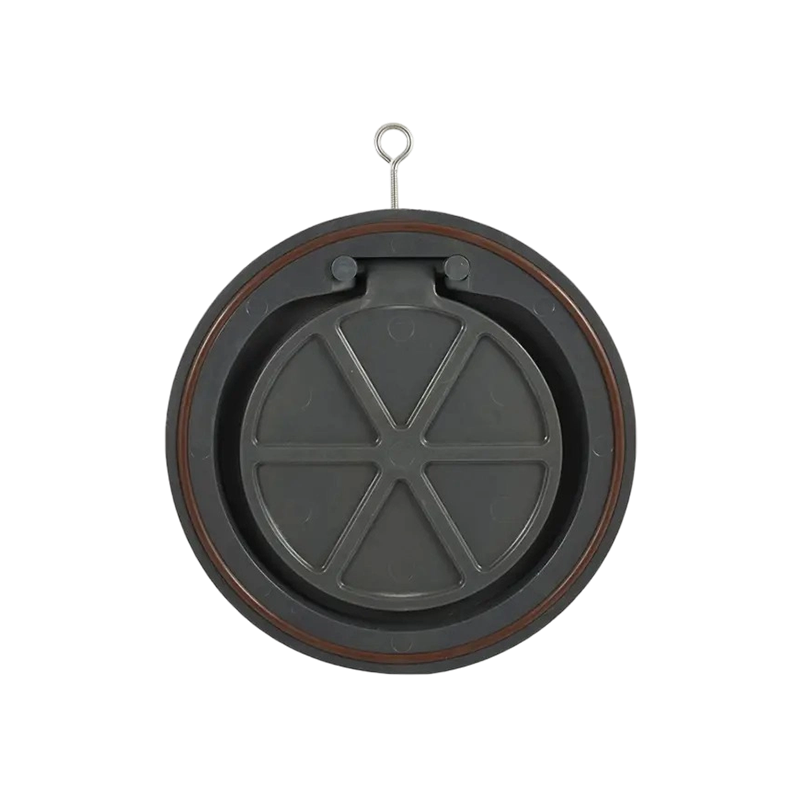
Wafer Check Valve
A wafer check valve, also known as a dual-plate or dual-disc check valve, fits between two flanges without dedicated body bolts. Two semi-circular plates fold open when flow moves forward and snap shut when flow stops. The wafer construction creates a very short valve body, making it an excellent choice for space-constrained layouts. The plates are spring-loaded in most designs, which allows installation in any orientation. Because of the small face-to-face dimension, wafer check valves are popular in retrofits where the original swing check valve has failed and little space is available between existing flanges.
Foot Valve
A foot valve is a ball check valve combined with a bottom strainer, mounted at the inlet of a suction pipe. Its purpose is to keep the pump flooded. When the pump is off, the ball closes and prevents water from draining out of the suction line. The strainer prevents debris from entering the pump. Foot valves are essential for well pumps, tank transfer systems, and any application where maintaining pump prime is critical for reliable restart.
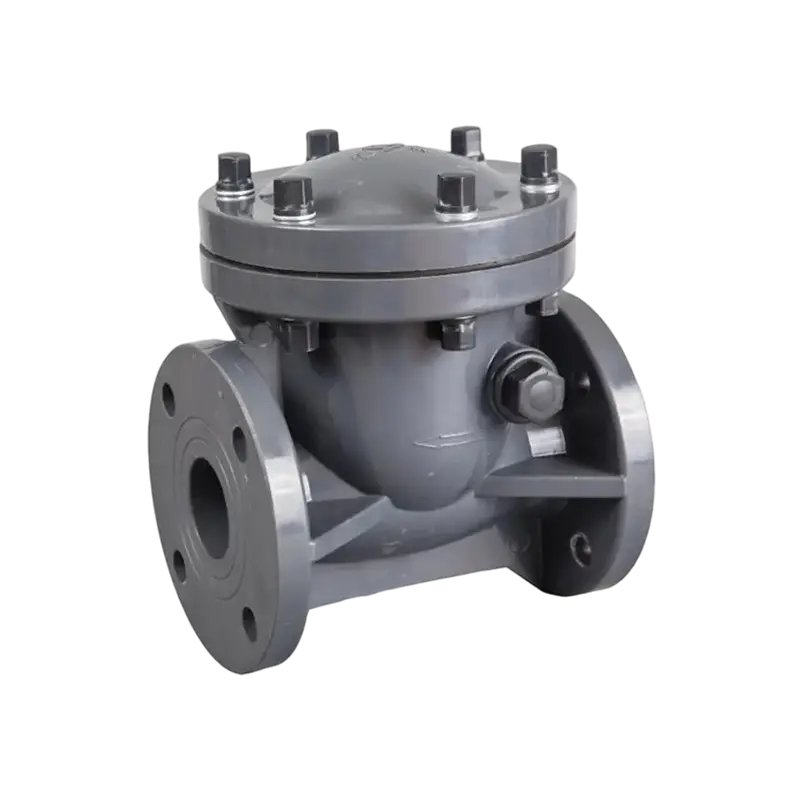
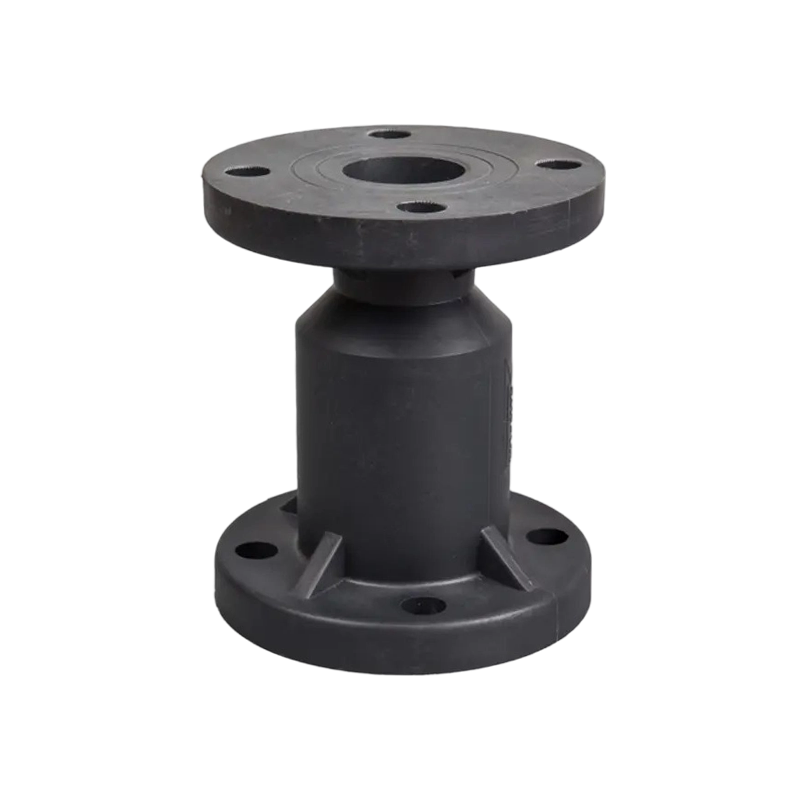
For large-diameter flanged piping and aggressive media, the flanged ball check valve is a common choice because the flanged body provides a secure, leak-tight connection and allows the entire internal cartridge to be inspected without removing the pipe.
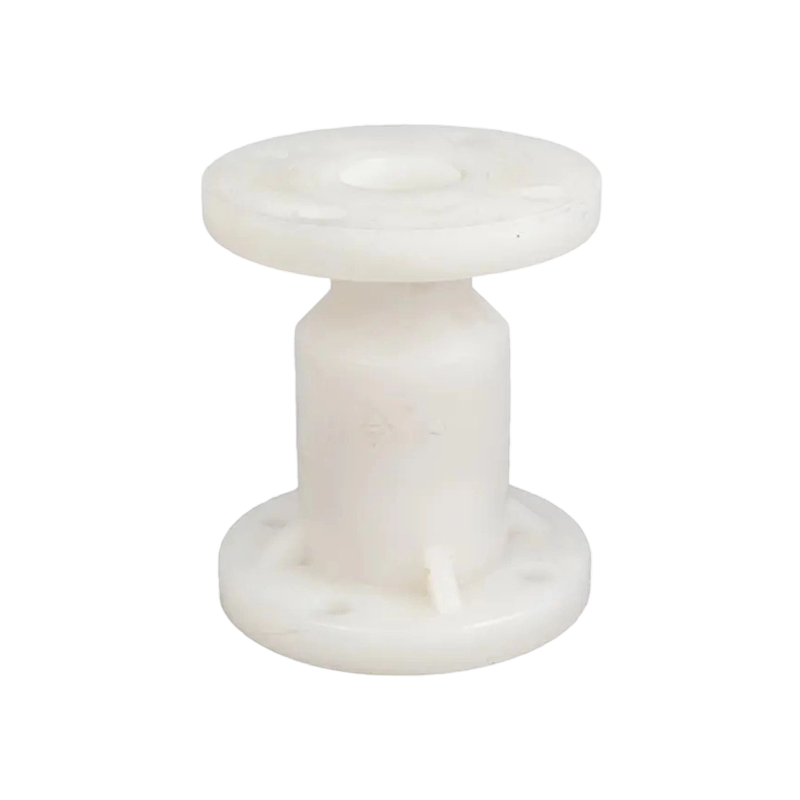 Flanged Ball Check Valve for Large-Diameter PipingThis flanged check valve suits large-diameter lines and aggressive media, offering a secure connection and easy internal cartridge access without removing the pipe—ideal for systems requiring frequent maintenance.View Product →
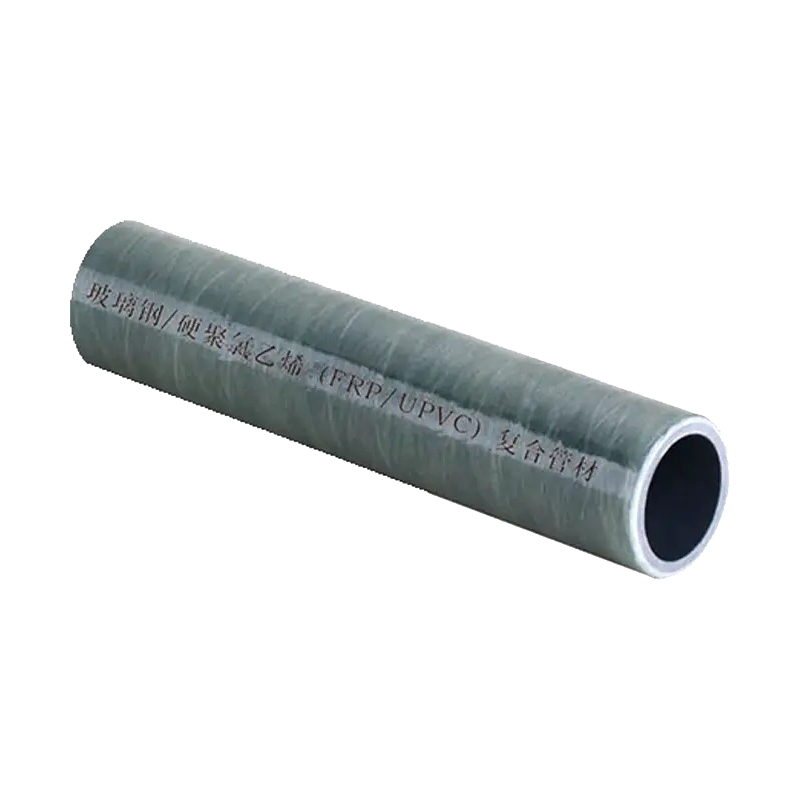
Flanged designs are usually specified in systems with metal flanges, glass-reinforced plastic piping, or any setup where frequent maintenance access is required. In smaller lines, the same ball check principle is available in a true-union format, which gives the fastest access to the internal ball and seat.
Plastic Check Valve Materials
The wetted materials determine the temperature limit, corrosion resistance, and service life of a plastic check valve. Four polymers dominate industrial applications. Each has a different balance of cost, temperature capability, and chemical resistance.
Continuous operating temperature and representative applications for common thermoplastic check valve materials.
| Material |
Max Continuous Temperature |
Typical Service |
Key Strength |
| UPVC |
60°C |
Water, mild acids, alkaline solutions, salt water |
Low cost, easy solvent-welded joints |
| CPVC |
95°C |
Hot acids, chlorine dioxide, hot corrosive brines |
Highest service temperature of the vinyl group |
| PP-H |
90°C |
Wide range of chemicals, weak and medium acids, solvents |
Broad chemical resistance with good toughness |
| PVDF |
140°C |
Strong acids, halogens, ultrapure water, hot chemicals |
Premium thermal and chemical performance |
UPVC offers the lowest cost and good resistance to many inorganic acids, alkalis, and salt solutions. Its main limitation is temperature; softening becomes significant above 60°C, and it is not recommended for hot water or steam services. UPVC is a practical choice for general chemical delivery at ambient temperatures and for water treatment systems where budget constraints are primary.
CPVC is produced by chlorinating PVC resin, which raises the maximum service temperature to about 95°C and improves resistance to many chemicals. CPVC check valves are frequently specified in hot corrosive applications such as metal finishing and chemical processing, where the medium is aggressive and the operating temperature exceeds the limit of standard PVC.
PP-H offers excellent resistance to organic solvents and chemicals across a broad pH range, and it can handle continuous service temperatures up to 90°C. Its lower density makes it the lightest of the four materials, which reduces pipe loading and simplifies installation. PP-H is widely used in chemical plants and electroplating lines.
PVDF is the high-performance choice among thermoplastic check valves. It withstands continuous operation at 140°C and resists highly corrosive media, including wet chlorine, strong mineral acids, and ultrapure water. PVDF check valves are a standard specification in the semiconductor and pharmaceutical industries, where trace metal contamination cannot be tolerated.
Maximum Continuous Service Temperature by Material
When selecting a material, check the chemical resistance chart for the exact medium and concentration at the maximum operating temperature. A polymer that performs well at 20°C may be unsuitable at 80°C. Material data sheets published by resin suppliers provide the most reliable reference for this evaluation.
Plastic Check Valves vs Metal Check Valves
Engineers often ask whether a plastic check valve can replace a metal one. There is no universal answer; the correct choice depends on the service, the piping system, and the economic value of reliability. The table below summarizes the practical differences that influence most purchasing decisions.
Practical comparison between plastic and metal check valves in industrial service.
| Property |
Plastic Check Valve |
Metal Check Valve |
| Corrosion resistance |
Broad chemical compatibility without alloy upgrades |
Depends on alloy; carbon steel and even stainless steel may fail in aggressive media |
| Weight |
One-fifth to one-eighth of an equivalent steel valve |
Heavy, requiring additional pipe supports |
| Operating temperature |
Up to 140°C with PVDF |
Up to 400°C and beyond with standard alloys |
| Pressure rating |
Typically 10 to 16 bar, derated at elevated temperatures |
Higher pressure ratings are available |
| Cost |
Significantly lower purchase and replacement cost |
Higher purchase cost, especially in corrosion-resistant alloys |
| Maintenance |
Simple, replaceable internal components |
More effort required for disassembly and reconditioning |
The weight advantage of plastic is substantial. A DN50 PVC check valve weighs roughly 1.5 kg, whereas a flanged steel check valve of the same size can weigh over 10 kg. This difference reduces the load on pipe supports, lowers shipping costs, and simplifies installation for maintenance crews. The weight saving also matters when valves are mounted on equipment skids, in overhead pipe racks, or at the end of cantilevered piping runs.
Chemically, even the least expensive plastic check valve made of PP-H will resist hydrochloric acid far better than a carbon steel valve; a high-alloy stainless or lined valve would be required to match that performance in metal. For hydrofluoric acid, even 316 stainless steel is considered unsuitable, while plastic check valves handle the service without issue. In processes where trace metals would poison a catalyst or contaminate a high-purity product, plastic completely eliminates the source of metal ions.
The main limitations of plastic are temperature and pressure. Service conditions above 140°C, and operating pressures that approach the thermoplastic derating curve, need careful review. But for the vast majority of chemical delivery, water treatment, plating, and dosing systems below 140°C, a plastic check valve provides superior corrosion performance at a fraction of the cost of an alloy metal valve.
How to Select a Plastic Check Valve
Choosing the right plastic check valve requires matching the valve to the media, the pipe, and the operational behavior of the system. The selection process is straightforward if you work through the following criteria in order.
- Identify the chemical and its concentration. Every plastic has a chemical resistance chart. Check the media at the maximum expected concentration and temperature. Do not assume that a polymer which works at room temperature will survive the same chemical at 80°C.
- Determine operating pressure and temperature. Use the pressure-temperature derating curve for the chosen material. A CPVC valve at 20°C may be rated to 16 bar, but the same valve at 95°C may be rated to only 4 bar. Always use the derated value for your design conditions.
- Define the flow rate and allowable pressure drop. Calculate the velocity at the valve. Very low flow may not lift the ball enough, causing fluttering; very high flow can erode the seat. A reasonable target for liquid service is a velocity between 1.5 and 3 m/s at the valve inlet.
- Choose the connection type. Socket, threaded, flanged, and true-union connections each affect maintenance. A flanged check valve suits steel-backed or large-bore plastic piping; a union-type ball check valve allows quick removal of the internal cartridge without breaking the line.
- Consider the installation position. Ball and swing designs have orientation limits. Most manufacturers specify horizontal or vertical upward. Wafer and spring-loaded designs can be installed in any orientation.
- Review the solids content of the media. If the fluid contains particles or fibers, choose a swing or full-bore design rather than a small-orifice valve that can clog.
A more detailed, step-by-step methodology is available in our guide on how to choose the best check valve for your fluid, which includes selection examples and expected pressure drop considerations for different valve styles.
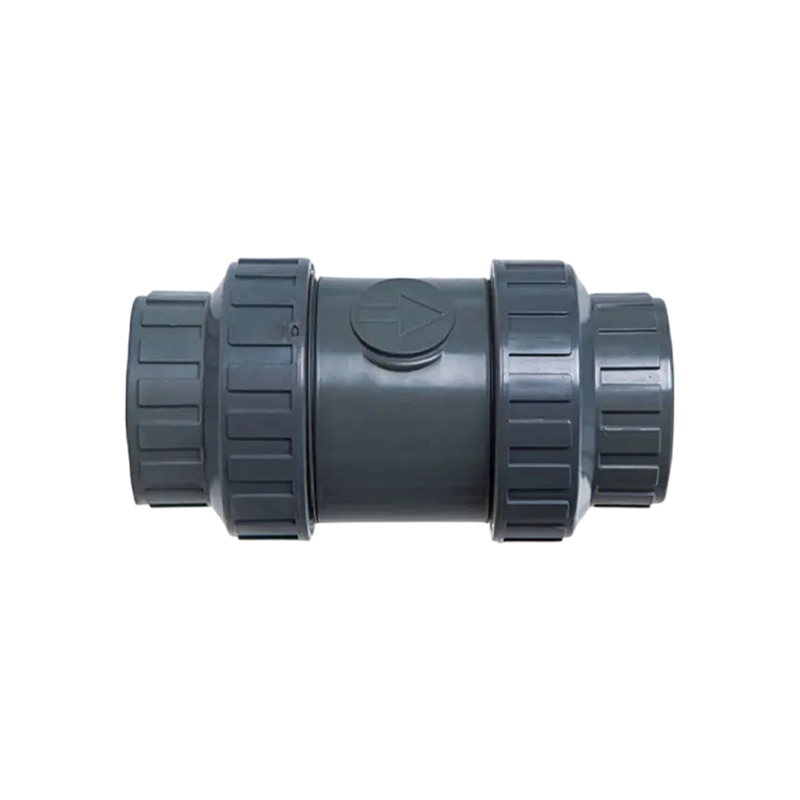 True-Union Ball Check Valve for Quick MaintenanceIn smaller lines, this true-union configuration allows the valve body to be released with union nuts, exposing the ball, seat, and O-ring in seconds—reducing downtime in deposit-prone applications.View Product →
For lines in the DN15 to DN50 range, the true-union ball check valve is a maintenance-friendly configuration: the two union nuts release the valve body in seconds, and the ball, seat, and O-ring are accessible without any pipe solvent welding or flange unbolting. That speed of access reduces downtime in applications where the medium tends to leave deposits or where routine inspection is part of a quality protocol.
Installation Considerations for Plastic Check Valves
Correct installation is just as important as correct selection. A check valve that is installed backward, over-stressed, or poorly supported will fail early and can damage the pump it was meant to protect. The following installation rules apply to nearly all thermoplastic check valves.
- Verify the flow direction arrow on the valve body. The arrow must point in the direction of desired flow. This sounds obvious, but reverse installation is one of the most common field errors reported in maintenance records.
- Check the orientation requirement. Ball check valves and swing check valves are generally designed for horizontal installation. Some models allow vertical upward flow, where gravity helps the ball or disc return to the seat when the pump stops. Vertical downward flow is usually not permitted for ball and swing designs.
- Leave sufficient straight pipe upstream and downstream. A turbulent flow pattern caused by an elbow or a pump discharge directly in front of the valve can cause the ball or disc to vibrate, increasing wear and generating noise. Straight pipe runs of at least five pipe diameters upstream and two diameters downstream are a common recommendation.
- Support the valve body independently. Do not let the weight of adjacent piping rest on the valve. Thermoplastic valves are lighter than metal, but they are also less rigid. Use pipe supports or hangers close to the valve body, especially for flanged and union configurations.
- Do not overtighten union nuts or flange bolts. Thermoplastic materials creep under excessive stress, and a gasket that is compressed too far can lose its sealing force after a few thermal cycles. Tighten in stages, using the torque values recommended by the manufacturer.
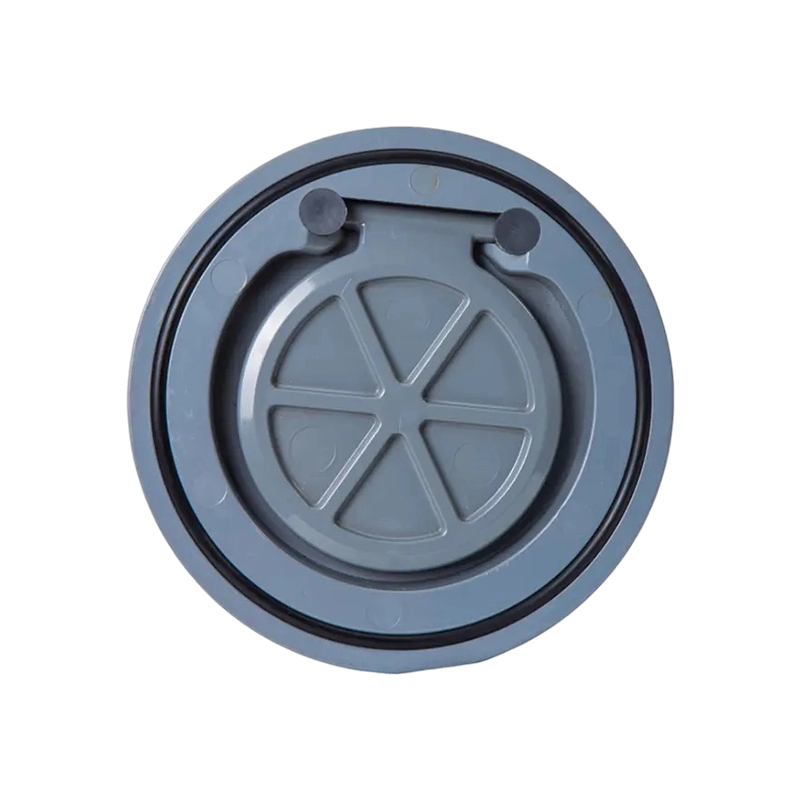 Wafer Check Valve for Space-Constrained RetrofitWith a short face-to-face length, this wafer check valve fits between existing flanges, replacing damaged swing check valves without altering pipework, and tolerates non-horizontal mounting in cramped areas.View Product →
In retrofit situations where space between existing flanges is limited, the wafer check valve is often the only practical solution. Its short face-to-face length allows it to replace a damaged swing check valve without altering the pipework. Because the plates are spring-assisted, the valve also tolerates non-horizontal mounting, which gives the installer flexibility in cramped pump rooms.
Maintenance and Common Failure Modes
Plastic check valves require relatively little maintenance, but they are not maintenance-free. The most common failure modes are debris trapped between the closure element and the seat, wear of the ball or disc over many operating cycles, degradation of the seat O-ring, and stress cracking of the body caused by excessive tightening or chemical attack.
Debris is the most frequent cause of leakage. A small particle that becomes wedged in the seat area will prevent the valve from closing fully. In that case, cleaning the internal components usually restores the seal. Regular strainers or the integrated strainer of a foot valve help reduce the amount of debris reaching the check valve.
Wear is a gradual process. The ball or disc moves with every flow cycle, and over hundreds of thousands of cycles the closure element and seat slowly wear. Inspection intervals depend on the media and the cycling frequency. In aggressive chemical service, an annual inspection is a reasonable baseline. In continuous high-cycle service, consider a shorter interval.
Check valves sometimes produce a clicking or banging noise. This is often caused by the ball bouncing inside its cage in high-flow conditions, or by pressure fluctuation in the system. Installing a spring-assisted design, reducing the flow velocity, or moving the valve farther from the pump discharge are the usual remedies. If the noise is accompanied by water hammer in the pipe, evaluate the speed at which the valve closes.
Typical Applications of Plastic Check Valves
Plastic check valves are found in every industry where corrosive or high-purity fluids are transported through thermoplastic piping. The following application areas illustrate the range of services they support.
Chemical Dosing and Injection
Dosing pumps feed precise quantities of acid, caustic, flocculant, or disinfectant into process lines. A plastic check valve at the injection point prevents the process fluid from migrating back into the dosing pump and damaging its internals.
Water and Wastewater Treatment
From chlorine dosing to polymer makeup and sludge lines, plastic check valves resist the aggressive chemicals used in water treatment. CPVC and PP-H valves are particularly common in this sector because they combine corrosion resistance with a wide operating temperature range.
Electroplating and Surface Finishing
Plating baths contain strong acids, metal salts, and wet chemicals at elevated temperatures. Plastic check valves protect filter pumps and recirculation loops from backflow while avoiding metal contamination of the bath solution.
Semiconductor and Ultrapure Water
Ultrapure water lines and chemical delivery systems in semiconductor fabs require materials that do not leach metal ions. PVDF check valves are the standard choice because of their exceptional purity and resistance to aggressive process chemistry at high temperatures.
Pump Suction and Priming Lines
Foot valves and union-type ball check valves on suction lines maintain pump prime and prevent reverse rotation of impellers in vertical and horizontal pump installations.
Industrial Cooling Circuits
Cooling towers and chilled-water systems use CPVC or UPVC check valves to prevent backflow between parallel pumps and to stop thermal siphon effects when pumps are de-energized.
In all these applications, the check valve is a small component that has a disproportionately large impact on system reliability. A single sticking check valve can force an entire process skid offline for maintenance, which is why the specifier needs to look at the valve not only as a commodity part but as a component of the overall fluid-control strategy.
Frequently Asked Questions
What is the difference between a check valve and a backflow preventer?
A check valve is an automatic valve that prevents reverse flow using a simple mechanical closure element such as a ball, disc, or flap. A backflow preventer is a broader term that usually describes an assembly of multiple check valves, test ports, and isolation valves, designed to protect potable water supplies from contamination under various pressure conditions. In an industrial plastic piping system, a single check valve is normally sufficient to prevent reverse flow; a full backflow prevention assembly is typically required where municipal drinking water must be protected from process fluid.
Can a plastic check valve be installed in vertical pipe?
Many plastic check valves can be installed in vertical piping with upward flow. The ball or disc is lifted by the upward flow and falls back onto the seat by gravity when the pump stops. Vertical downward flow is usually not recommended, because gravity would hold the closure element open or prevent it from seating cleanly. Spring-assisted wafer check valves and some dual-plate designs can be installed in any orientation. Always check the manufacturer's installation instructions for the specific model.
What does cracking pressure mean and why does it matter?
Cracking pressure is the minimum pressure difference between the inlet and outlet of the check valve that is required to open the closure element. If the cracking pressure is too high, a small dosing pump may not generate enough differential pressure to open the valve, and the system will not deliver the intended flow. If it is too low, the valve may flutter open and closed under minor pressure fluctuations, causing noise and accelerated wear. For most plastic ball check valves, cracking pressure is between 0.05 and 0.3 bar.
Why does my plastic check valve make a clicking sound?
A clicking or rattling sound usually means the ball or disc is bouncing inside the valve body. This occurs when flow is fast enough to lift the closure element but not steady enough to keep it suspended. The result is a repetitive action of the ball moving up and down or the disc vibrating against its stop. The usual solutions are to reduce the flow velocity, install a spring-loaded check valve, or add a throttling valve to stabilize the pressure differential. If the valve was recently installed, also check that it is correctly oriented and that no debris is interfering with the closure element.
Can a plastic check valve handle hot liquids?
Yes, but the maximum liquid temperature depends entirely on the material. UPVC is suitable to about 60°C, PP-H to about 90°C, CPVC to about 95°C, and PVDF to about 140°C in continuous service. Above these temperatures, the pressure rating decreases significantly. A CPVC or PVDF check valve should be selected when the operating temperature exceeds 60°C. For hot liquids above 140°C, standard thermoplastic valves are not suitable, and a metal valve or a specialty fluoropolymer-lined valve would need to be evaluated.
How do I know which plastic material to choose for my chemical?
Start by obtaining the chemical resistance chart for each candidate material, and review it for your specific chemical or mixture at the maximum concentration and temperature you expect. Pay attention to the temperature column, because chemical resistance often diminishes rapidly as temperature rises. If a material is rated as resistant at 20°C but not at 60°C, that material should be rejected for a 60°C service. If you are handling a mixed stream with several chemicals, use the most conservative rating for any one of the components in the mixture.
So whether you are designing a new chemical process line or troubleshooting an existing one, a properly selected plastic check valve prevents reverse contamination, protects pumps, and keeps your fluid system operating predictably. Start with media compatibility and temperature, then match the connection style to your pipework, and choose a construction that gives your maintenance team access when it is needed. A correct specification is not complicated, but it is precise. If you are evaluating different body styles or need to compare connection options for your project, the full check valve product range provides a useful reference for matching the right configuration to your piping system.