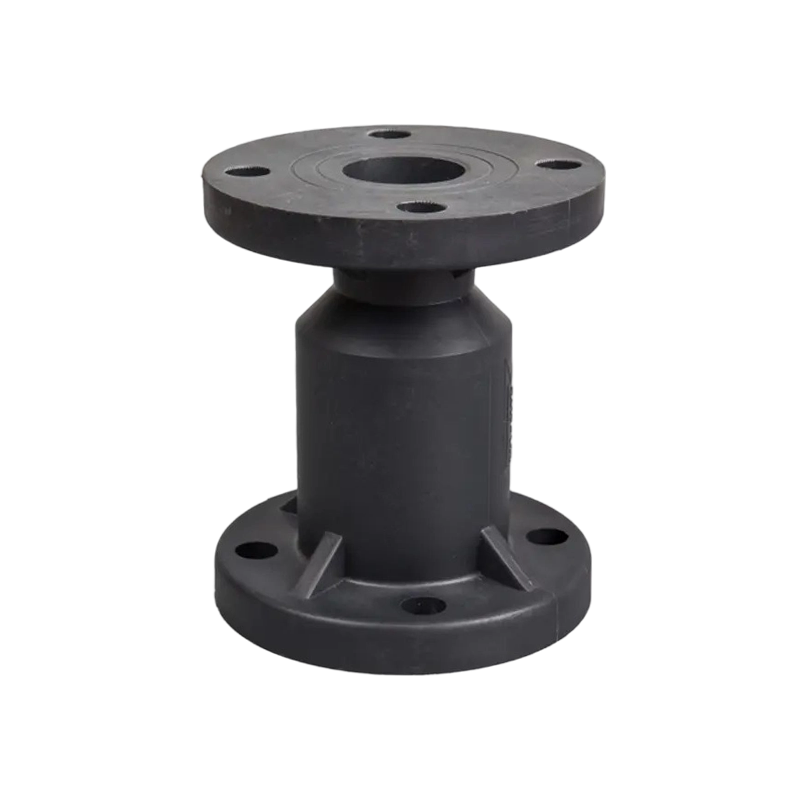
In industrial fluid transmission, municipal water supply, and complex pneumatic systems, achieving one-way flow control is essential for system safety and efficient operation. As a fundamental and critical control element, the check valve prevents medium backflow through automatic opening and closing, protecting power equipment from water hammer impacts or pressure fluctuations. Choosing the correct type based on specific application scenarios, medium characteristics, and working pressures is vital.
Structural Characteristics and Application Scenarios of Different check valve Types
swing check valve
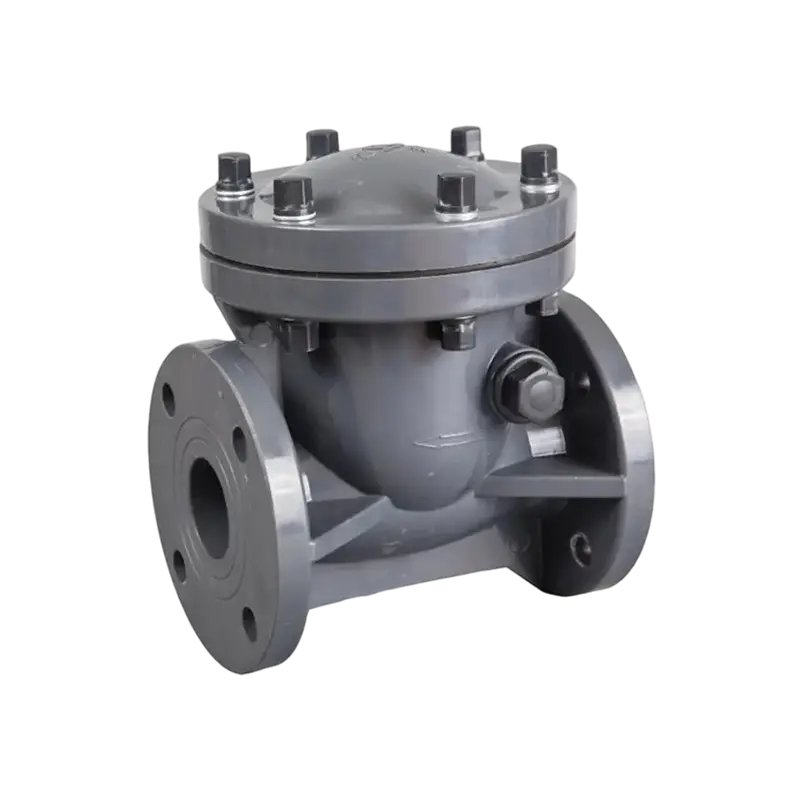
The swing check valve employs a rotating disc design, where the disc pivots around a pin shaft outside the seat. This product features an unobstructed flow path and low flow resistance, making it particularly suitable for large-diameter, low-velocity piping systems. Due to its relatively slow closing speed, it is generally recommended for horizontal pipeline installation, commonly used at the outlet of large water pumps to handle the risk of backflow when the pump stops.
ball check valve
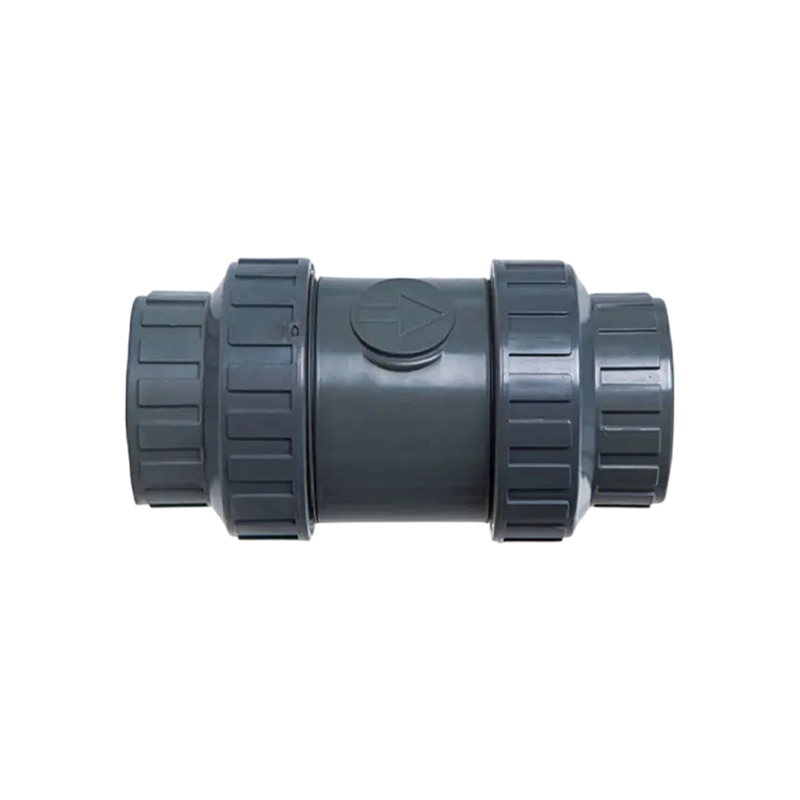
The ball check valve utilizes the movement of a ball under fluid pressure to achieve opening and closing. Because of its simple structure, ease of maintenance, and superior anti-clogging capability when handling fluids containing impurities (such as sewage and viscous media), it is widely used. The ball can rotate automatically and possesses a certain self-cleaning function, ensuring the durability of the seal.
double check valve
The double check valve consists of two independently loaded check devices connected in series, with a pressure relief chamber located in between. Its core advantage lies in providing redundant backflow protection; even if the primary seal fails, the secondary seal effectively blocks the return flow. This plays an irreplaceable role in safety for drinking water systems and preventing cross-contamination.
Material Selection and Application Environment Analysis
Selecting the appropriate valve material is key to extending service life. The stainless steel check valve, with its excellent corrosion resistance and high strength, is the preferred choice for chemical, pharmaceutical, and high-temperature/high-pressure working conditions, capable of long-term resistance to strong acids, strong alkalis, and oxidative media.
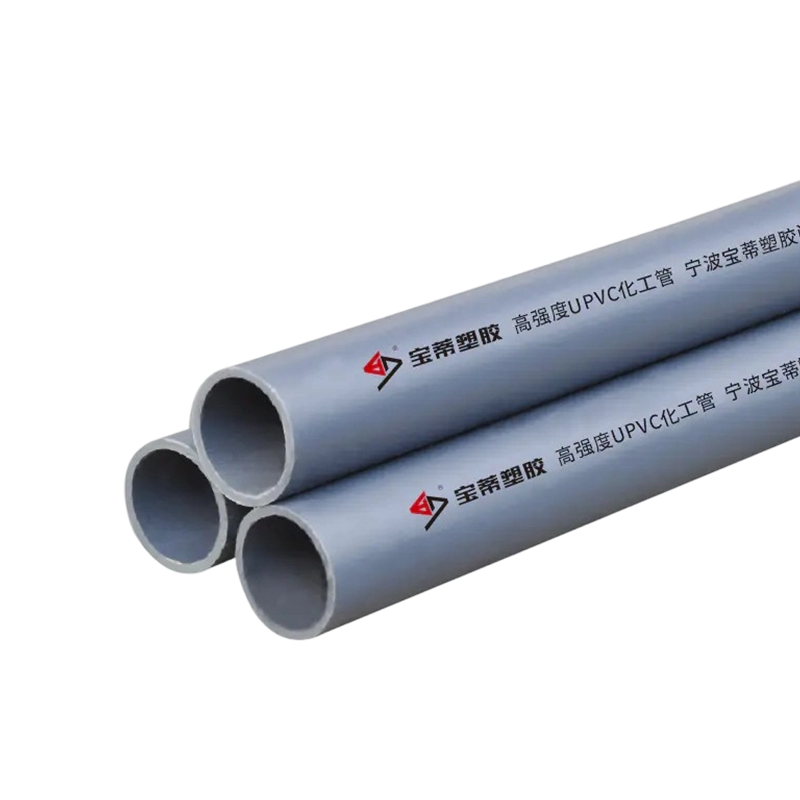
For building drainage, irrigation, and general chemical transport, the pvc check valve occupies an important position due to its lightweight, corrosion-resistant, and cost-effective nature. However, the PVC material is relatively sensitive to temperature and mechanical stress, requiring strict control over operating pressure and working temperature ranges during selection.
Special Control Requirements in Professional Application Fields
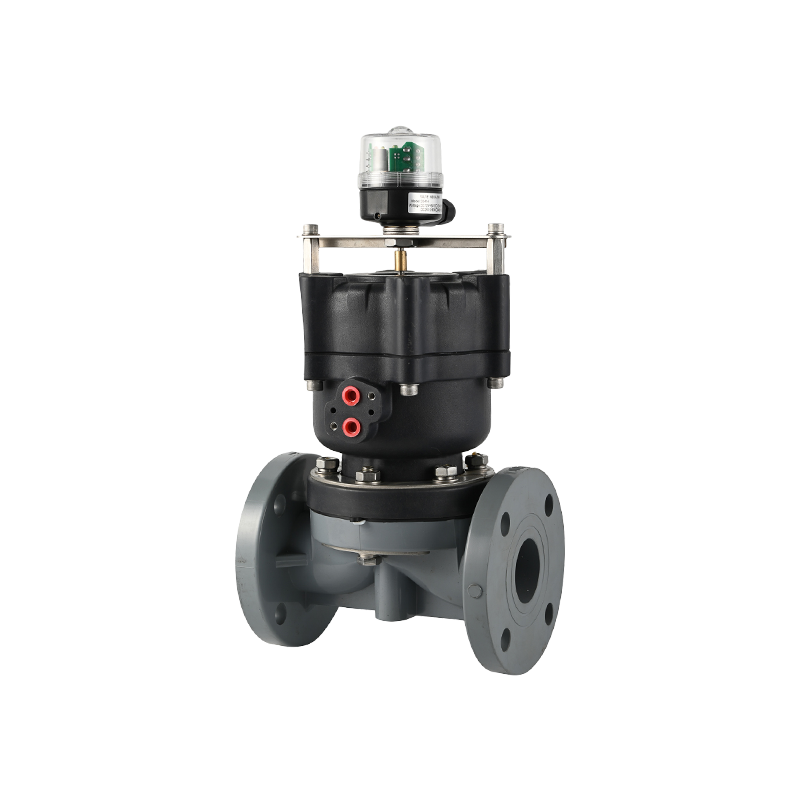
In the field of precision fluid control, the hydraulic check valve is specifically designed for high-pressure hydraulic systems and must possess extremely high sealing precision to prevent system creep or malfunction caused by hydraulic oil leakage. Conversely, the pneumatic check valve focuses on response sensitivity and minimal pressure loss to ensure the stability of compressed air systems under high-frequency switching.
For common municipal water supply and residential piping, the design focus of the water check valve is on reducing opening/closing noise and preventing the water hammer effect. A well-designed internal flow path can effectively mitigate pressure surges, thereby extending the service life of pipelines and supporting instrumentation.
Key Technical Parameter Comparison Table
| Valve Type |
Recommended Medium |
Flow Resistance |
Response Speed |
Typical Installation |
| swing check valve |
Liquid, Steam |
Low |
Slow |
Horizontal |
| ball check valve |
Sewage, Viscous Fluid |
Medium |
Medium |
Horizontal/Vertical |
| double check valve |
Clean Water, Potable Water |
High |
Fast |
Horizontal |
| stainless steel check valve |
Corrosive Medium |
Varies by structure |
Varies by structure |
Varies by structure |
Core Considerations for Selection
When matching technical requirements for a specific project, one must first clarify the hydrodynamic characteristics of the fluid. For example, in systems with high-frequency changes, selecting a valve with smaller structural inertia can significantly reduce the instantaneous pressure caused by backflow. Secondly, the compatibility between working temperature and pressure must be considered, especially when using a pvc check valve, to ensure that the ambient temperature does not lead to material embrittlement. Finally, the compatibility of sealing materials cannot be ignored to ensure that gaskets and O-rings do not undergo chemical reactions with the transported medium.