Last month, a maintenance supervisor at a metal finishing plant asked a question that sounded simple: a two-inch UPVC ball valve on a hydrochloric acid dosing line had been in service for six years, the handle was stiffer than it used to be, and the packing nut had already been re-tightened twice. How much longer would it last, and when should he order a replacement?
The honest answer is that a quality PVC ball valve in ordinary indoor water service usually lasts 10 to 20 years, while the same valve can fall to 3 to 8 years when the media is aggressive, the temperature sits near the material limit, or the pressure varies sharply. This article explains what drives that difference, how to predict the remaining life of the valves in your own plant, and what a manufacturer actually does to make the longer service life possible.
The Direct Answer: 10 to 20 Years in Ordinary Service
The wide range between 10 and 20 years is not a sign of unpredictable quality; it reflects the fact that the valve body and the sealing system age at different rates. The molded UPVC body is chemically resistant and mechanically robust. The design limits of the assembly are normally the elastomeric seals, the stem O-rings and the seat surfaces, which flex, contact the media, and accumulate deposits long before the body itself shows signs of distress. So when a maintenance log says "valve failed," the valve body is usually still sound; the seal package is what reached the end of its useful life.
Table 1. Typical useful life of a PVC ball valve by service condition. Values are field-based estimates for a quality UPVC valve operated within the manufacturer's pressure and temperature rating.
Service condition
Temperature
Typical life
First component to fail
Indoor cold water, infrequent cycling
5-25°C
15-20 years
Stem O-ring, handle seal
Indoor process water, frequent cycling
20-40°C
8-15 years
Ball seat seals
Dilute chemical lines (10% acid or less)
20-35°C
10-15 years
Seat surface, stem seal
Concentrated chemicals near rating limits
40-60°C
3-8 years
Material embrittlement, seal extrusion
Outdoor exposure, direct sunlight
Climate dependent
5-10 years
Surface crazing, brittle outer layer
Motorized operation, hundreds of cycles per month
20-40°C
3-8 years
Seal wear, loss of closure torque
In practice, plant engineers should use 8 to 12 years as the planning window for a PVC ball valve in moderately demanding industrial water service, begin formal inspections after year six in aggressive chemical service, and expect a motorized valve to need its seal kit earlier than its manual equivalent. The sections below show why these numbers move, and how to move them in your favor.
Pressure and Temperature Rules: Reading the Derating Curve
The working pressure printed on a valve body is never the whole story. For thermoplastics, the pressure rating is only valid at a specific reference temperature, normally 20°C. As the temperature rises, the material stiffness drops, the creep rate increases, and the allowable pressure must fall. The manufacturer's pressure-temperature schedule, not the single number cast into the body, defines the safe operating envelope.
Table 2. Typical pressure rating of a one-inch UPVC ball valve as a function of temperature. Always confirm against the nameplate or data sheet for the exact valve model.
Fluid temperature
Typical working pressure
20°C
150 psi
30°C
130 psi
40°C
110 psi
50°C
80 psi
60°C
50 psi
Typical derating curve: the allowable working pressure of a UPVC ball valve drops steadily as temperature approaches the 60°C material limit.
Two practical consequences follow from this curve. First, a valve selected only on nominal pressure at 20°C may actually be running at 60 or 70 percent of its allowable rating at 45°C, even though the nameplate number looks safe. Second, pressure spikes are disproportionately harmful: repeated water hammer events can locally stress molded sections beyond the elastic limit, initiating micro-cracks that propagate under subsequent cycles. A valve in a hammering line should be de-rated, and the surge condition corrected wherever possible.
At the factory, each valve is confirmed with a hydrostatic shell test at 1.5 times the rated pressure, followed by a closure test in which the closed valve must hold without visible leakage. These are time-zero verifications: they remove the early-life failures that could otherwise appear in the first weeks of service. The long service life that follows is the result of sound material selection, controlled molding and a realistic operating envelope.
Six Factors That Decide Whether a Valve Lasts 5 Years or 20
Once the pressure-temperature envelope is understood, the practical lifespan of a PVC ball valve is determined by six interlocking factors. Each one is manageable, and ignoring any one of them shortens the service life of the whole assembly.
Media chemistry
The compatibility table with PVC is the first filter. PVC resists a broad range of acids, alkalis and salt solutions, but aromatic hydrocarbons, chlorinated solvents and strong oxidizers attack it. The elastomer seals also limit compatibility; a seat that swells in the media will destroy the valve's sealing function long before the body shows any damage.
Temperature exposure
Continuous temperature near the upper limit of 60°C for PVC accelerates aging mechanisms that are negligible at 20°C. A useful rule of thumb is that each 10°C rise roughly doubles the rate of chemical and thermal degradation. Brief excursions are acceptable; living at the limit is not.
Pressure and surge
Steady pressure within the rating is benign. Repeated spikes, vibration and vacuum conditions add mechanical stress, and water hammer can momentarily double the static pressure at the valve. Plants that control surge reliably see a significantly longer valve life.
UV and outdoor weathering
PVC exposed to direct sunlight loses impact strength as UV radiation degrades the surface layer. After five to ten years outside, the valve may chalk, craze and crack when struck or over-torqued. UV-stabilized compounds, paint or insulated covers extend outdoor life considerably.
Cycle frequency and actuation
A manual valve cycled a few times a week may outlast the installation. An automated valve cycled 50 times a day wears its seats and stem seals at a much higher rate. In high-cycle service, the seal kit, not the body, is the short-lived component.
Installation quality and pipe strain
A valve installed with misaligned flanges, over-tightened bolts or unsupported pipe carries structural loads it was never designed for. Over time these loads create micro-cracks at the flange and stem areas. Proper alignment and pipe support are inexpensive, and they directly extend valve life.
Material Quality: The Part of the Lifespan You Cannot See in the Catalog
Two identical-looking valves from different production batches can have very different life expectancies. The differences are decided before the valve is assembled, and they are largely hidden from the buyer at the point of purchase.
Virgin resin versus regrind
The polymer compound determines the floor and ceiling of valve life. Parts molded from virgin, controlled-formulation PVC deliver consistent impact resistance, creep resistance and long-term hydrostatic strength. Regrind used at high levels loses molecular weight and dispersion quality, producing valve bodies that pass a short factory test but age faster under sustained pressure. Process control, not just the name of the material, is what separates a 20-year valve from an 8-year valve.
Molding parameters and weld lines
An injection-molded valve body contains knit lines where polymer flows meet around the mold core. The strength of these weld lines depends on melt temperature, injection pressure and mold temperature. A manufacturer with tight process windows produces bodies of uniform density; one that runs fast cycles at the edge of the material window produces hidden weak points that only fail after years of service.
Stabilizers, seals and traceability
Modern PVC compounds use lead-free stabilizers and internal lubricants that affect long-term color stability and mechanical retention. The elastomer seats, stem O-rings and packing materials are also part of the design; a poorly matched elastomer can fail within weeks even when the body is faultless. Traceability is the practical tool. A batch mark on the body lets a manufacturer trace a valve to its molding date, material lot and test record, which is the only way to confirm the quality story after five years in the line. Our earlier guide on what characteristics to inspect in a PVC ball valve covers these same checks in detail and can be used as a goods-in inspection sheet.
Choosing the Right Thermoplastic: UPVC, CPVC, PPH or PVDF
PVC is the most economical material for water and many chemical services, but it is not the only option. Changing the thermoplastic material is sometimes the most effective way to extend valve life, especially when the process temperature is above 40°C or the media is outside the comfortable range of PVC.
Table 3. Comparison of thermoplastic materials used for industrial ball valves and piping, with typical useful life in compatible service.
Material
Max continuous temperature
Chemical resistance
Typical life in compatible service
UPVC
60°C
Broad acid and alkali resistance; limited with aromatics and oxidizers
10-20 years
CPVC
90°C
Similar to UPVC, with a wider temperature window
15-25 years
PPH
80°C
Excellent with acids and alkalis; limited with strong oxidizers
10-15 years
PVDF
120°C
Outstanding chemical resistance, including oxidizers
15-25 years
Typical useful life ranges by body material
UPVC
10-20 years
CPVC
15-25 years
PPH
10-15 years
PVDF
15-25 years
The practical rule is to match the material to the media and temperature rather than to buy the most expensive option. A UPVC valve that needs replacement every three years in a 50°C process line may be replaced by a CPVC valve expected to serve 12 to 15 years, and the difference in initial cost is quickly recovered through reduced downtime. For flange-connected process lines, selecting a ball valve in the same material as the piping system keeps the whole wetted loop consistent and avoids compatibility mismatches at the connection.
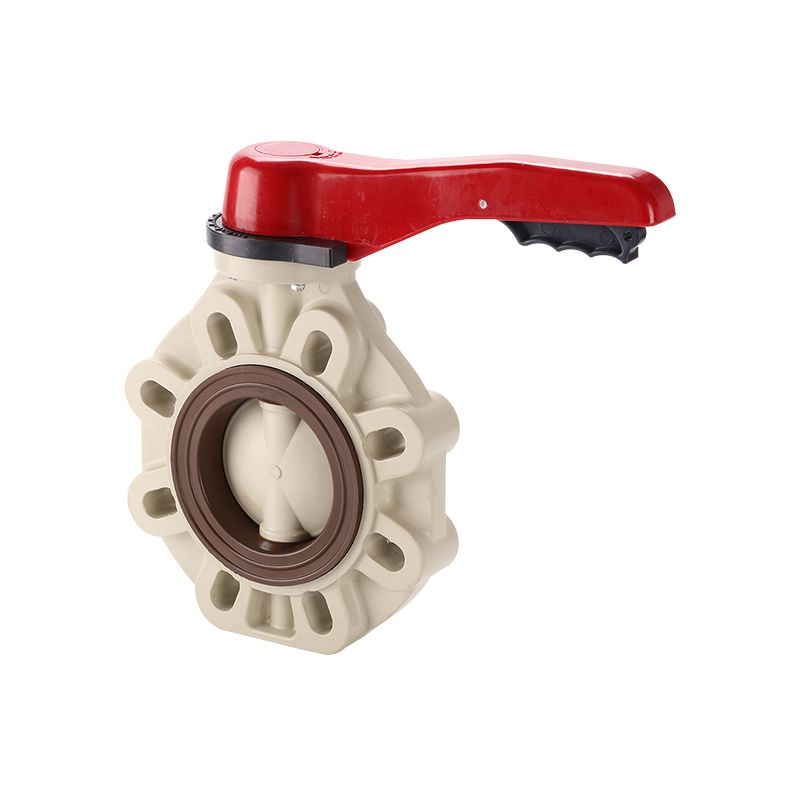
Product suggestion
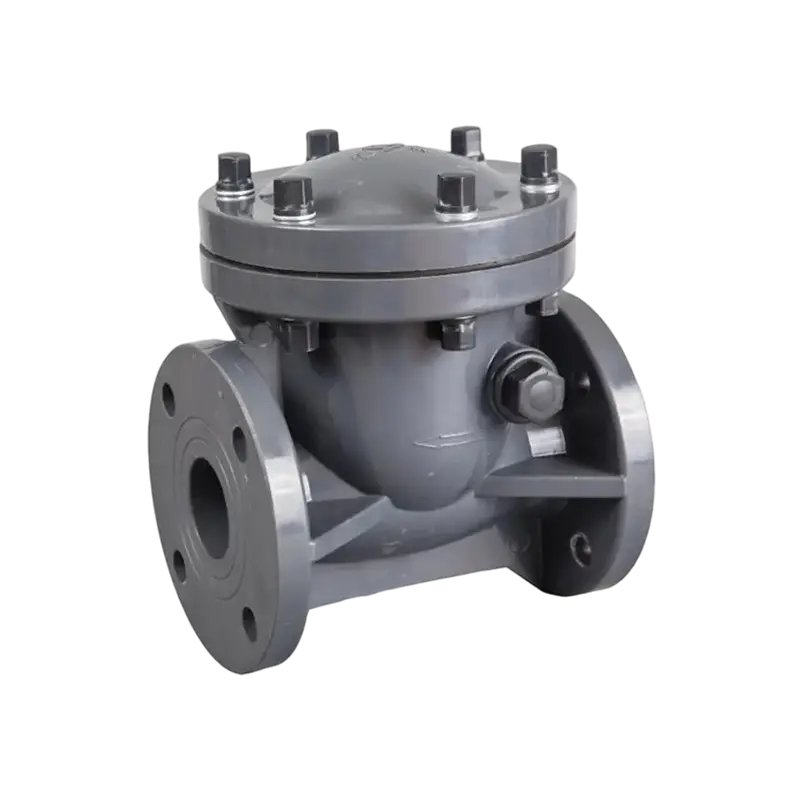
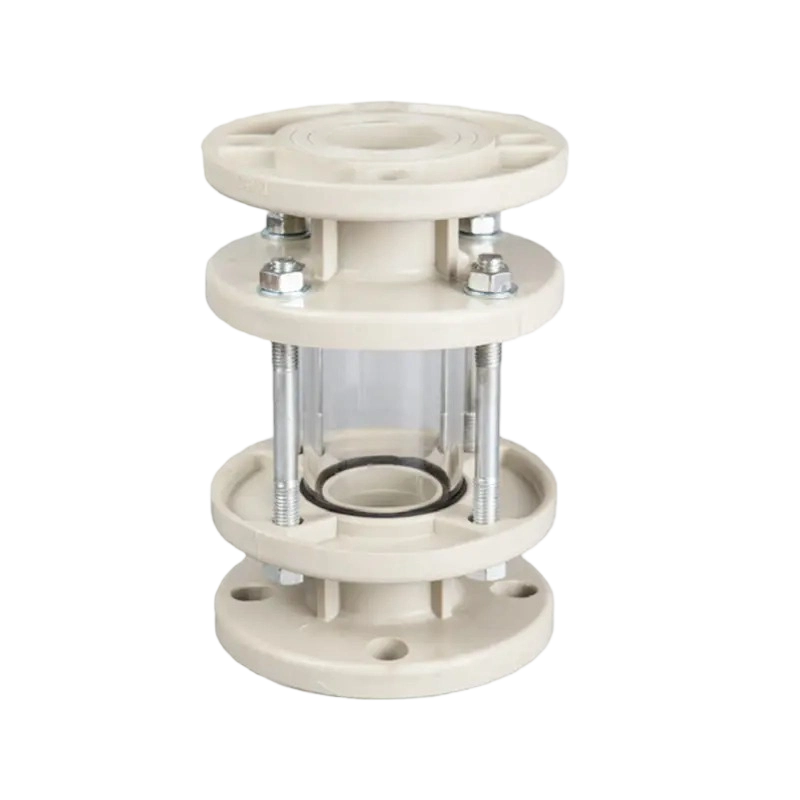
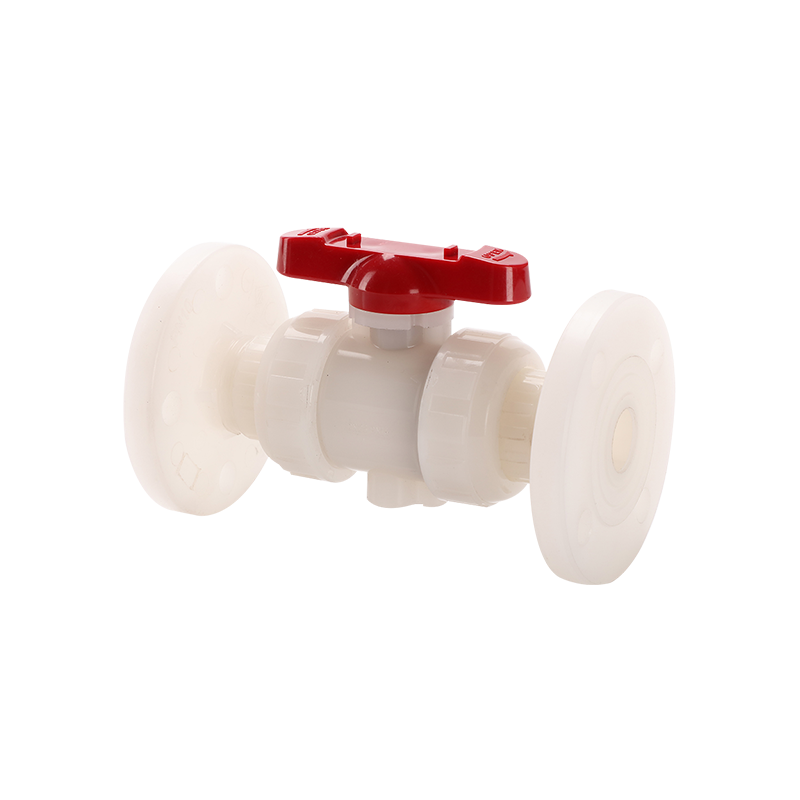
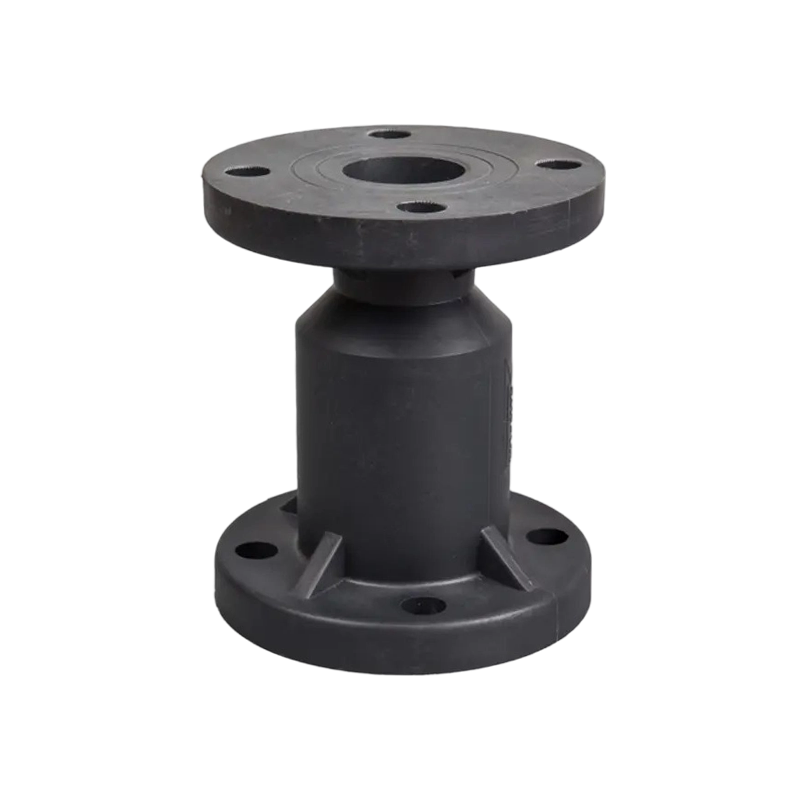
Where the process chemistry is stable and the temperature fits the material envelope, a flanged ball valve offers a full bore, low pressure drop and straightforward mounting on standard drilled pipework.
Most longevity discussions assume a valve that is opened or closed a few times per day. In that service the body typically gives 10 to 20 years and the seals 5 to 12 years, depending on media and temperature. But modern plants increasingly automate valves, and automated operation changes the answer.
Consider a valve on an automatic dosing skid that cycles 20 times per hour during production runs, roughly 80 to 160 cycles per day. At that duty, ball-to-seat rubbing and seal flexing are continuous wear processes. The predicted interval for the seal kit drops to 2 to 4 years in many media, while the body continues to give full structural service. The economic consequence is that the valve's life is really a combination of two intervals: the body interval and the service-part interval. An effective maintenance plan schedules both separately.
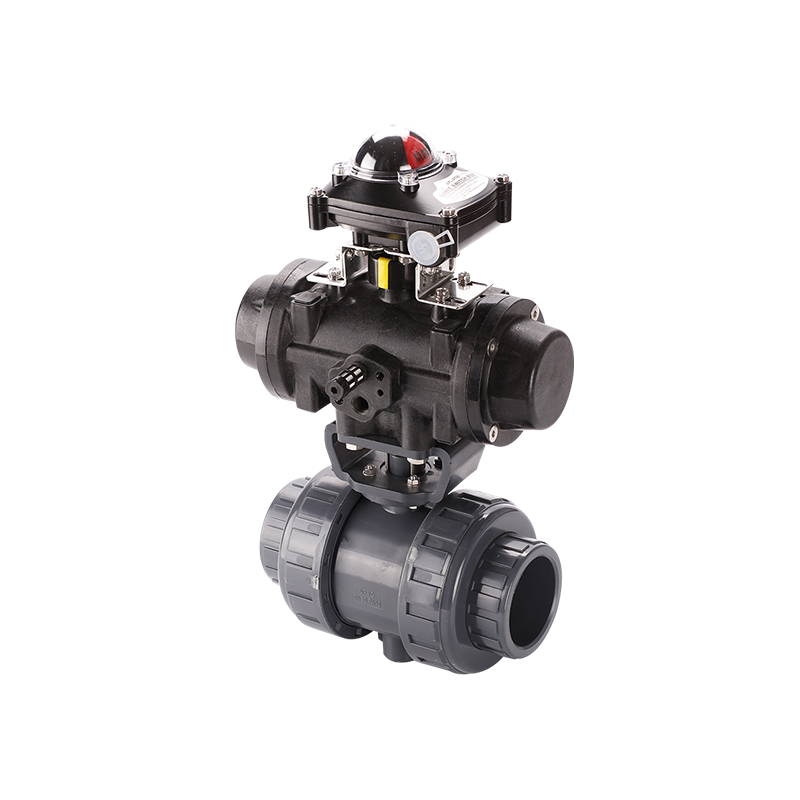
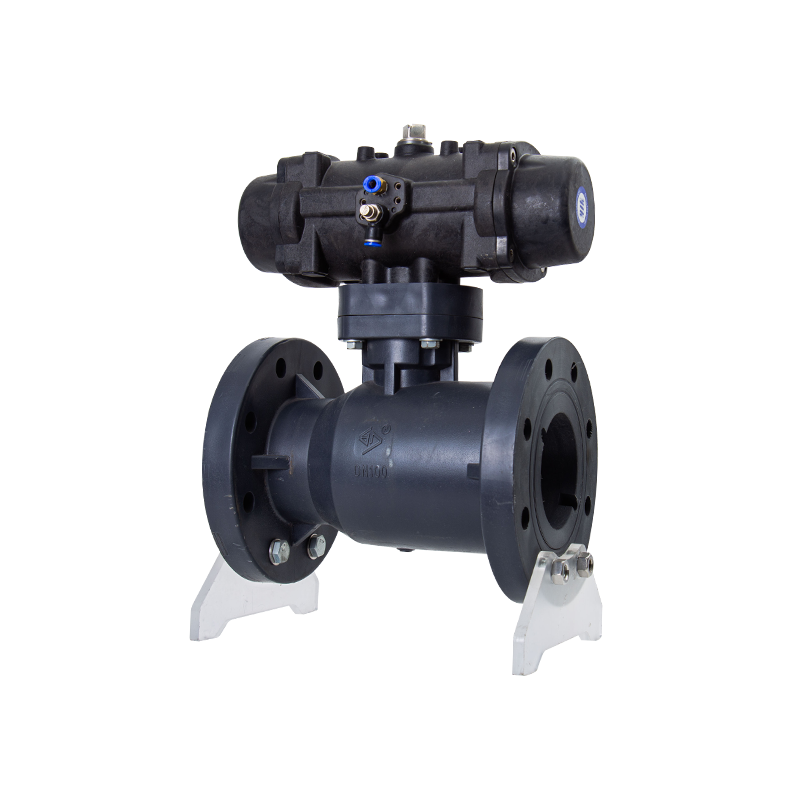
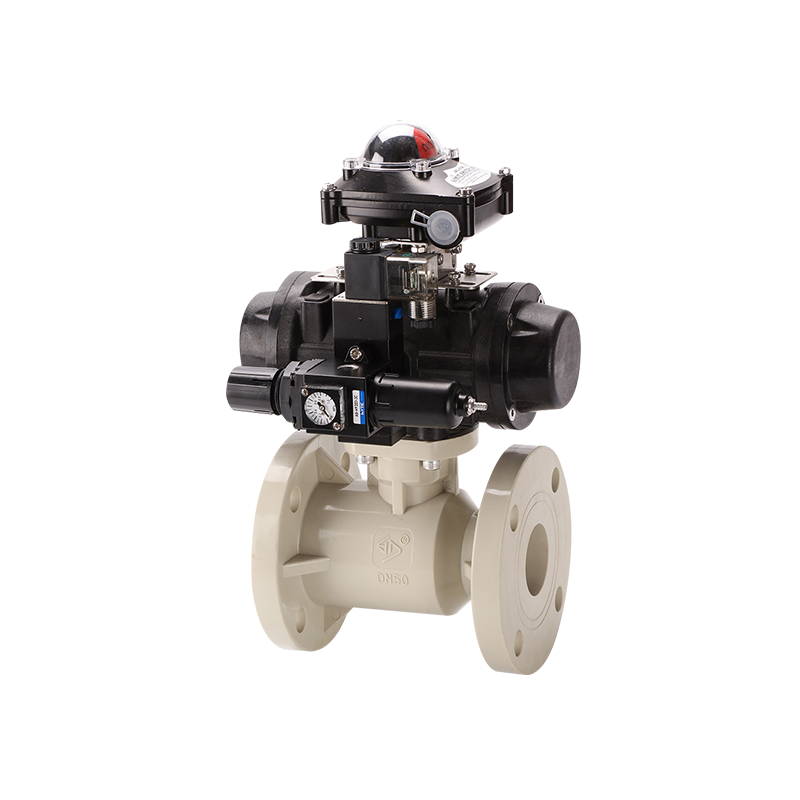
Standard manual valves can be automated, but the correct approach is to start with an actuated design. A pneumatic ball valve selected with the correct actuator torque, travel stops and cycle count will not only achieve the design life but will also make seal replacement predictable rather than reactive. Cycling frequency should be stated in the purchase specification, not discovered after installation.
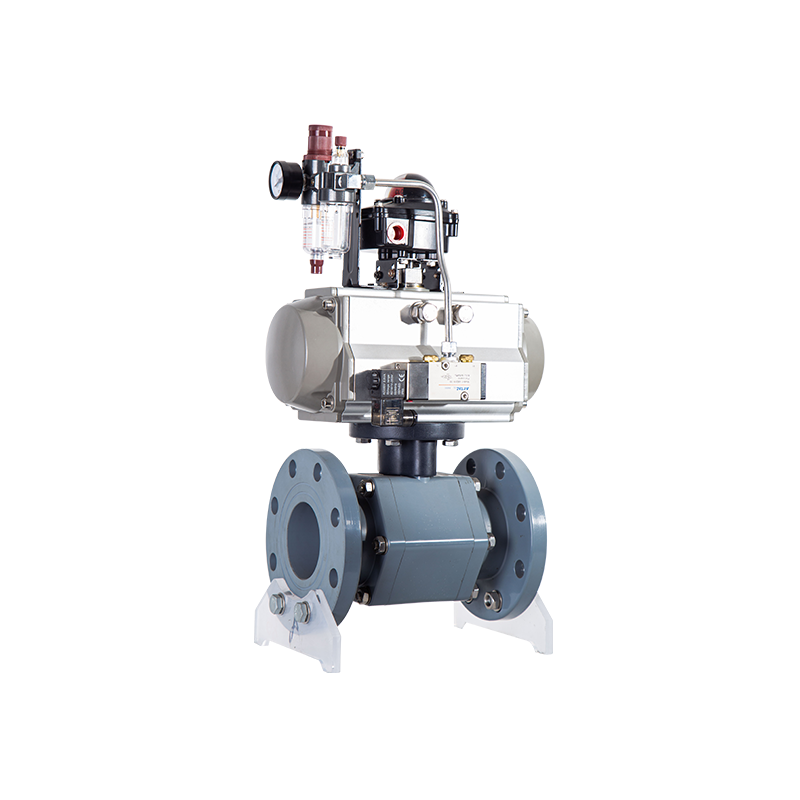
Product suggestion
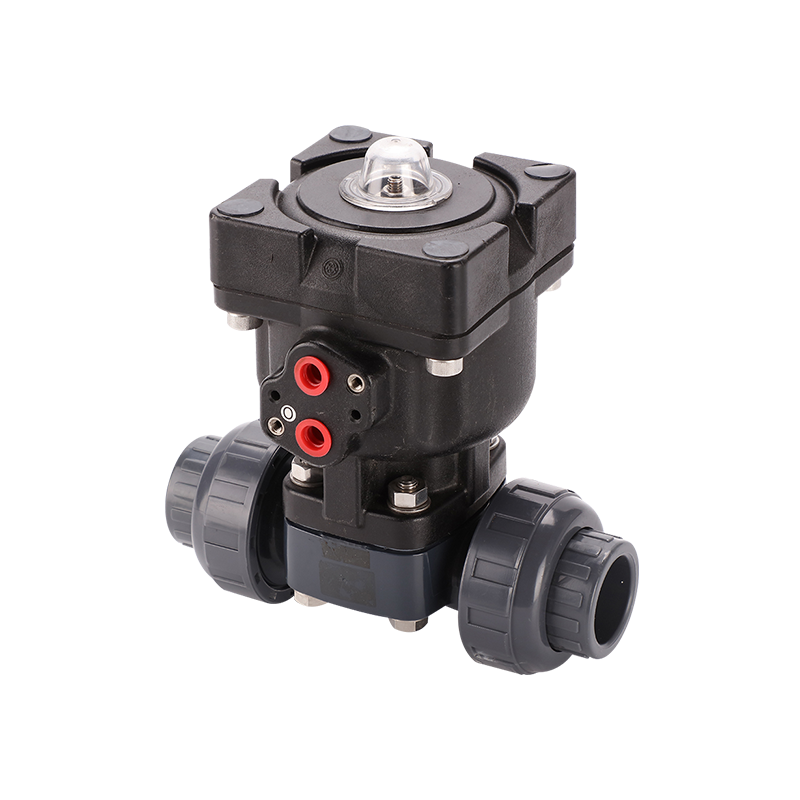
For automated lines with more than a few dozen operations per day, a pneumatic ball valve with a correctly sized actuator maintains consistent closure torque and reduces the seal wear caused by under- or over-torqued manual handling.
Production experience shows more premature valve failures caused by installation than by poor materials. The most common errors are entirely avoidable.
Over-tightening threaded joints or union nuts, which compresses the seat rings beyond their designed range.
Applying a pipe wrench to the valve body instead of the provided wrench flats, cracking the molded flange or body.
Using excess solvent cement on socket joints, allowing the cement to reach the ball and seat and swell the elastomer.
Failing to support the pipe, so the valve body carries bending loads from thermal expansion or misalignment.
Tightening flange bolts unevenly, which distorts the sealing face and creates a permanent leak path.
The theme behind all of these is strain. The valve is a precision assembly, not a structural member. When it is fitted without strain, the seals do what the design intends. When it is forced into the line, the seals, stem and body all operate under mechanical load that subtracts directly from service life. Our full installation and use instructions for plastic ball valves walk through torque values, alignment checks and solvent-joint practice step by step.
Maintenance That Adds Years to a PVC Ball Valve
Maintenance does not need to be intense to be effective. The three highest-value actions are lubrication, cycling and inspection, and together they take less than an hour per year for a small plant.
Lubricate the stem with silicone grease once or twice a year, avoiding petroleum-based lubricants that can attack PVC and rubber.
Cycle the valve fully open and closed at least monthly so the seat does not take a permanent set in one position.
Wipe dust, dried chemical spray and UV-loaded dirt from the body and stem area during routine rounds.
Record the handle torque trend; a steady rise indicates seat swelling or deposit buildup before any leak occurs.
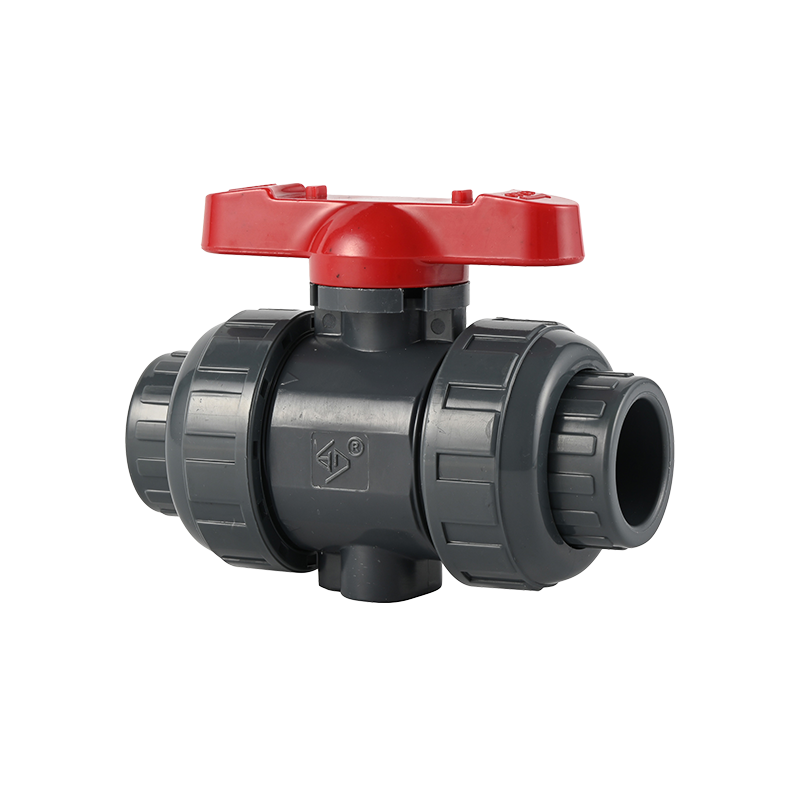
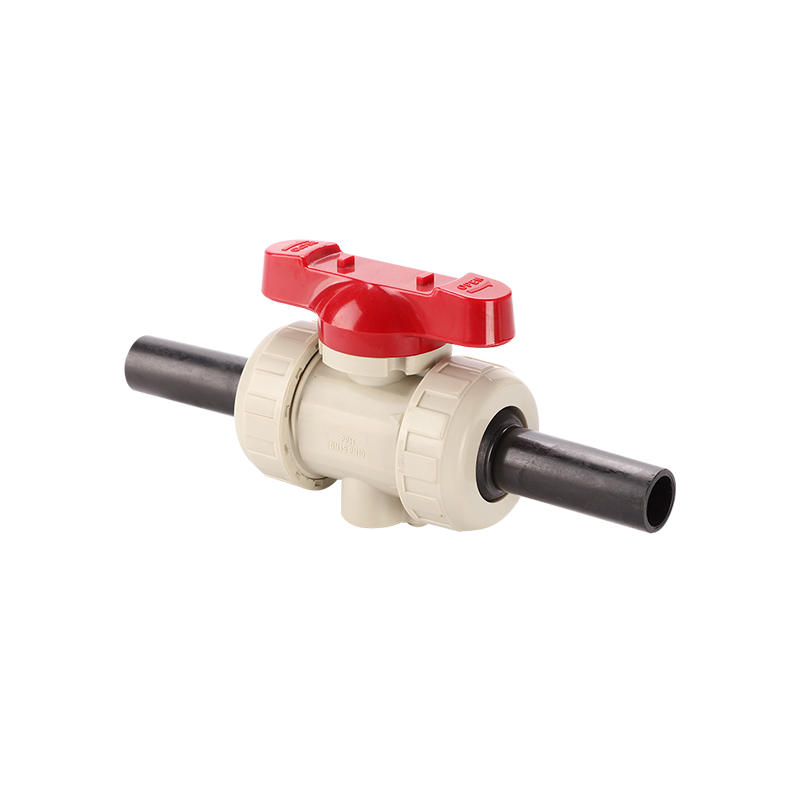
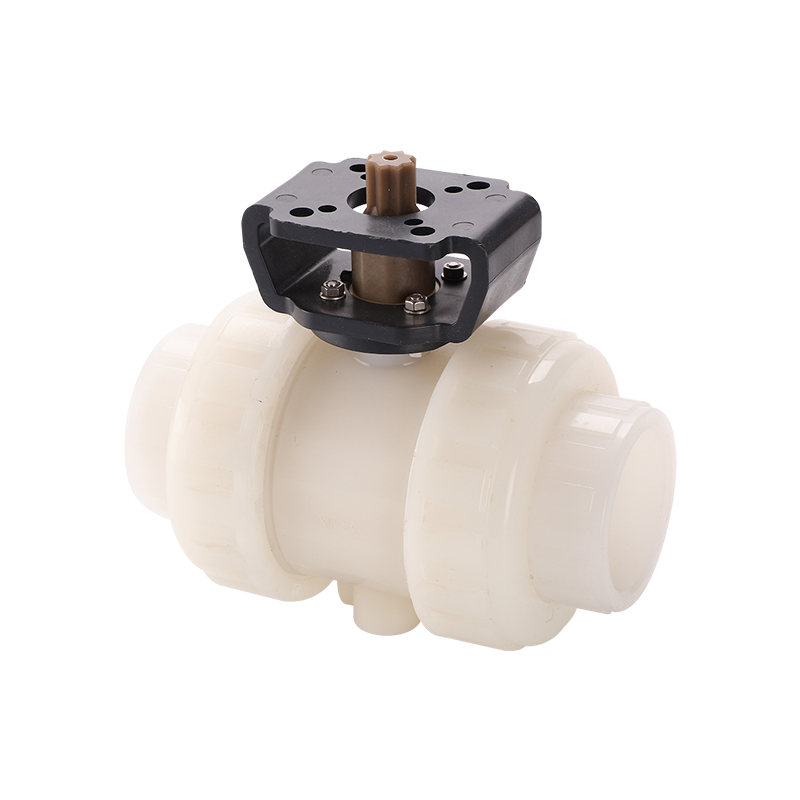
When a valve is in a tight space or the process piping has minimal joint flexibility, the configuration of the valve changes the maintenance economics. A true union ball valve has a threaded body union that allows a technician to remove the center section and replace the seat and seals without cutting or re-solvent-welding the pipe. That single feature converts a two-hour repair into a 20-minute service.
Product suggestion
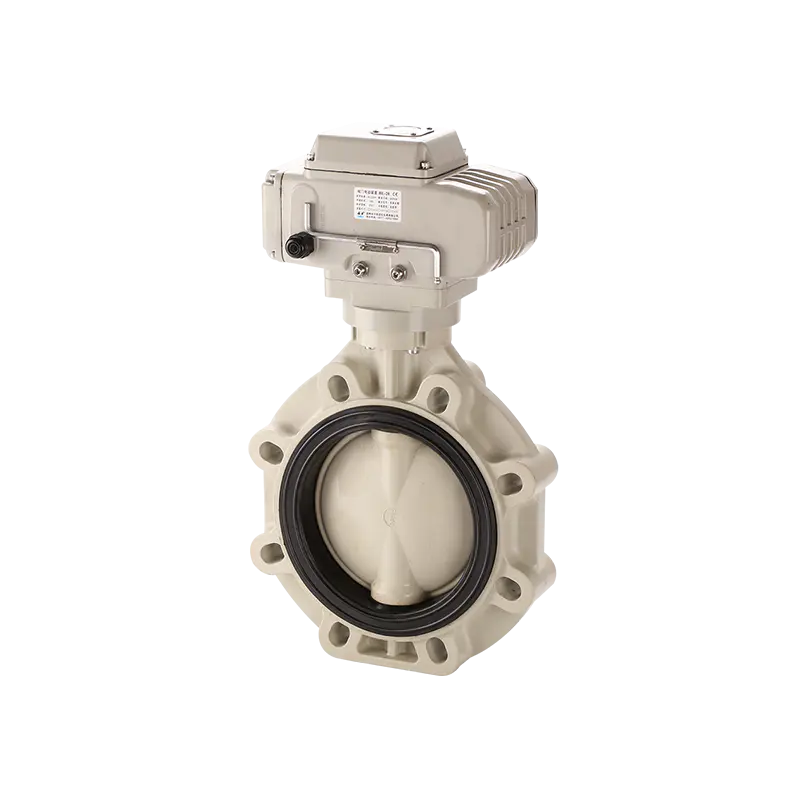
A true union ball valve is the most practical choice for lines that require periodic seal replacement, because the union ends allow the working parts to be pulled without disturbing the piping installation.
A complete maintenance program is covered in the full maintenance guide for plastic valves, which lists cleaning agents, recommended lubricants, inspection intervals and torque limits for different valve types.
Signs That a PVC Ball Valve Is Reaching the End of Its Life
The best replacement schedule is based on symptoms rather than calendar age alone. Any of the following signs means a tear-down inspection or replacement is due.
Table 4. Common failure symptoms, likely causes and recommended actions for PVC ball valves.
Symptom
Likely cause
Recommended action
Moisture or drops at the stem
Worn stem O-ring or packing
Tighten packing nut to spec; replace stem seal at next shutdown
Handle torque rises steadily
Seat swelling or deposit buildup
Cycle the valve; disassemble; clean or replace the seat
Valve does not shut off completely
Scored ball or deformed seat
Replace the ball and seat set
Cracks at the flange or near the stem bore
Pipe strain, over-torque, water hammer
Replace the body; correct pipe support
Chalking and surface crazing
UV weathering
Replace; protect with insulation or a UV shield
Brittle cracks after a light impact
Material aging or chemical attack
Replace; verify media compatibility
If any of these conditions appear within the first two years of service, treat the situation as a process or material issue rather than normal wear. A valve that fails early is very often telling you something important about the media, the pressure profile or the installation practice.
What a Manufacturer Does to Make the 20-Year Valve
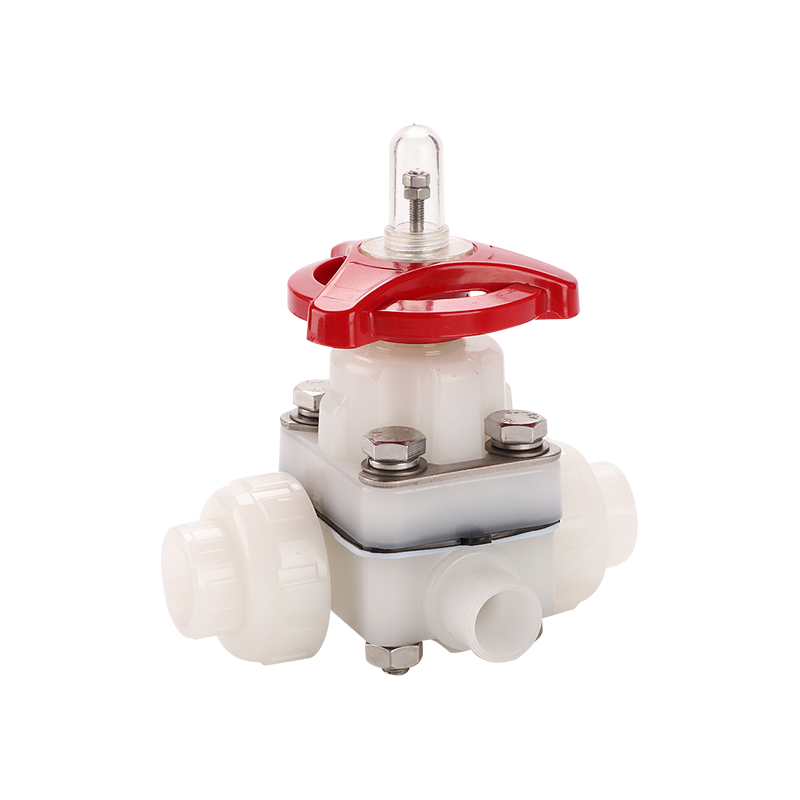
Long service life is not a property of the name "PVC ball valve." It is a property of a specific valve made by a specific factory with controlled materials, controlled molding and verified testing. This point deserves emphasis from the perspective of a manufacturer that has produced industrial plastic valves since 1979, when our predecessor plants built the first plastic diaphragm valve in the region and passed ministry-level technical evaluation in 1983. In 1992 we developed the one-piece flanged ball valve, a structure that later became one of the most widely used plastic valve types in chemical industry service; in 2006 we were among the first domestic producers to apply CPVC to industrial piping and valve products.
These dates matter because a lifespan claim is, in the end, a statement about production consistency. Our production runs under ISO 9001, ISO 14001 and ISO 45001 management systems, and we hold the national license for manufacturing pressure piping components in the special-equipment category. Every completed ball valve receives a hydrostatic shell test, a leak test through the closed seat, and a handle torque check, with batch test records retained for traceability.
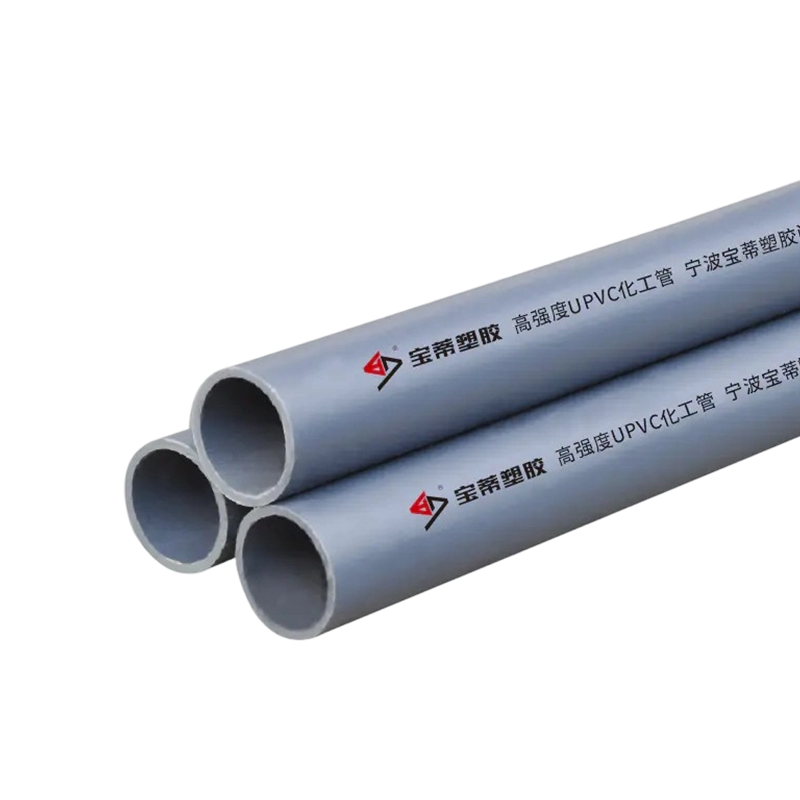
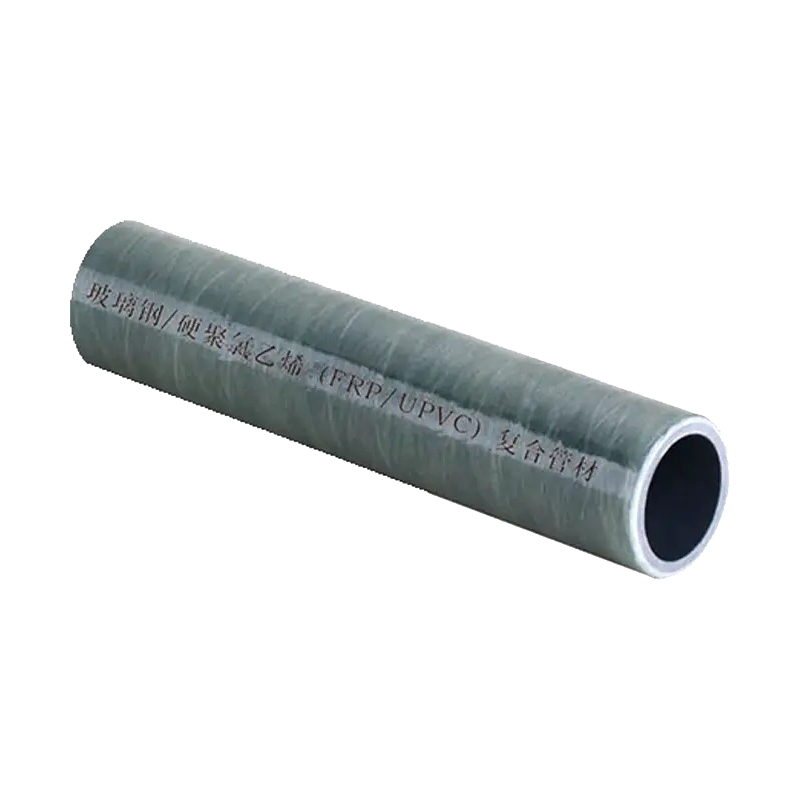
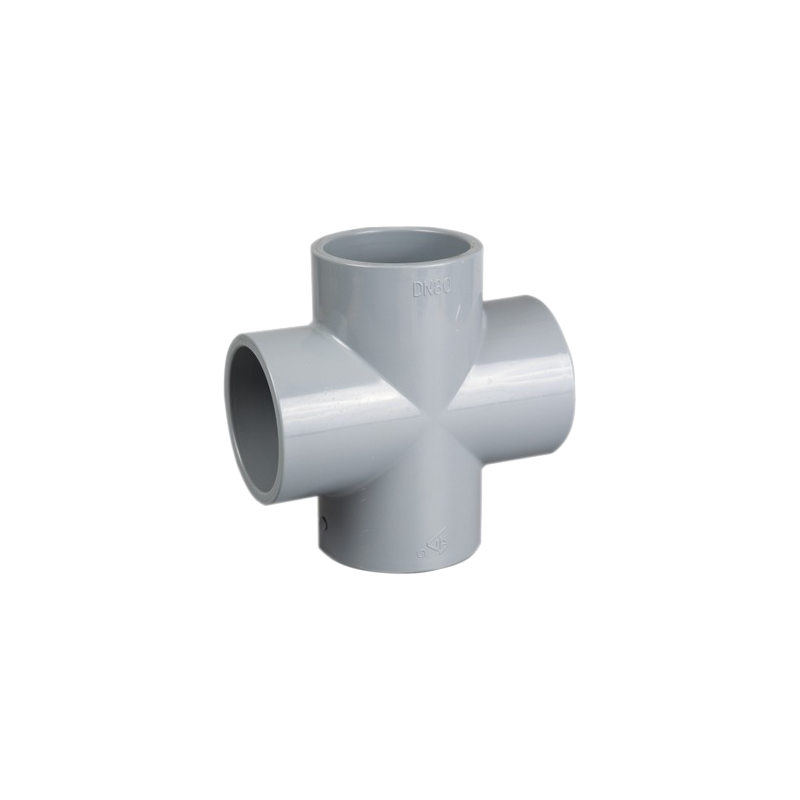
We also produce the complete supporting piping system in UPVC, CPVC, PPH, PVDF and FRP composite, so that valve life is not compromised by mismatched fittings, flanges or gaskets. The consistency of the whole loop matters as much as the consistency of the valve alone. From the buyer's point of view, the question to ask is not simply "Do you make PVC ball valves?" but "Can you show the material certificate for this batch, the pressure test record and the dimensional inspection report?" A manufacturer who can provide these documents is the one most likely to deliver the 15-plus-year service life.
Procurement Checklist for a Valve That Will Last
Use the following checklist when specifying a PVC ball valve for a new line or replacing an existing unit. It takes five minutes to complete and can prevent a mismatch that shortens valve life by years.
Specify the working media, temperature, pressure and maximum surge, and confirm them against the manufacturer's pressure-temperature schedule.
Request material certificates for the valve body compound and for the elastomer seals.
Confirm whether the body is molded from virgin compound and whether the formulation is UV-stabilized for outdoor service.
Check the date code or batch mark on the body, and ask for the corresponding test records.
Verify flange, socket or thread standards against the existing piping before ordering.
Confirm that spare seat and seal kits are available, with documented part numbers.
Ask about the factory's testing: shell pressure, seat leak method and torque values.
Evaluate the cost of the whole loop rather than the valve alone; a matched piping system with the same material and pressure class simplifies installation and maintenance.
Frequently Asked Questions
Can a PVC ball valve last 30 years?
Under genuinely benign conditions, indoor, cold water, low pressure and infrequent cycling, the body of a quality valve can survive 30 years. The seals will almost always need attention before that, and the practical replacement point for the seal kit usually arrives at 8 to 15 years. Treat 30 years as the theoretical ceiling for the body, not as a warranty on the complete valve.
Is a PVC ball valve less durable than a brass or stainless steel ball valve?
Metal valves tolerate higher temperatures and higher mechanical loads, so their operating envelope is wider. In services comfortably within PVC limits, a PVC valve provides comparable service life at a lower cost and with better corrosion resistance to many acids. The correct comparison is not material versus material, but valve envelope versus process duty; a PVC valve used inside its envelope and a metal valve used inside its envelope both deliver long, dependable service.
Does sunlight really damage PVC ball valves?
Direct UV exposure degrades the surface layer of PVC over years of service, producing chalking, crazing and loss of impact strength. If outdoor installation is unavoidable, use a UV-stabilized compound or protect the valve with an opaque shield or insulation cover. Indoor service avoids this degradation mode completely.
How often should I inspect a PVC ball valve?
For a valve in warm or chemical service, inspect quarterly: check handle effort, look for drips at the stem and nuts, and verify that the valve closes fully. For benign cold-water service, an annual inspection is sufficient. The inspection interval should shorten as the operating point moves toward the temperature limit.
Can I repair a leaking PVC ball valve, or must I replace it?
Most internal leaks come from the seat and seal rather than the body. If the valve is a union-style design, replacing the seat and stem seals restores closing tightness without replacing the body. If the body is cracked or the flange face has deformed, replace the whole valve. Frequent tightening of the packing nut beyond the design range is a stopgap only, not a repair.
Is a grey valve different from a white valve in lifespan?
Color itself does not determine life, but it often indicates formulation. Grey PVC compounds used for industrial lines frequently contain carbon black or UV-stable additives that help outdoor performance. White valves rely on UV stabilizers and are typically intended for indoor plumbing and potable water service. Confirm the compound specification from the manufacturer rather than relying on color.
Does cycling a valve often make it fail sooner?
Yes. Every complete open-close cycle rubs the ball against the seat surfaces and flexes the seals. Automated valves cycled many times per hour wear out their seal packages several times faster than manual valves cycled occasionally. In high-cycle service, plan the service interval based on the cycle count rather than on years of calendar time.
Final Recommendation
When a plant engineer asks how long a PVC ball valve will last, the practical answer is: 10 to 20 years in ordinary service, less if the media, temperature or cycling are aggressive, and longer only when the material is truly matched to the duty. The way to move the number into the upper part of the range is to select the correct thermoplastic material, keep the valve inside its pressure-temperature envelope, protect it from strain and UV, and replace the seal package before it fails.
The valves and piping systems produced in our factory follow these same principles, and our engineering team is available to help select the right material and valve configuration for a specific process. Send the media composition, temperature, pressure and expected cycle rate, and we will recommend a valve configuration engineered for the service life you actually need, not the nominal one printed in a catalog.