

Industry News | Plumbing Components | Manufacturing Insight
How a PVC ball valve Supports Reliable Fluid Control in Modern Pipe Systems
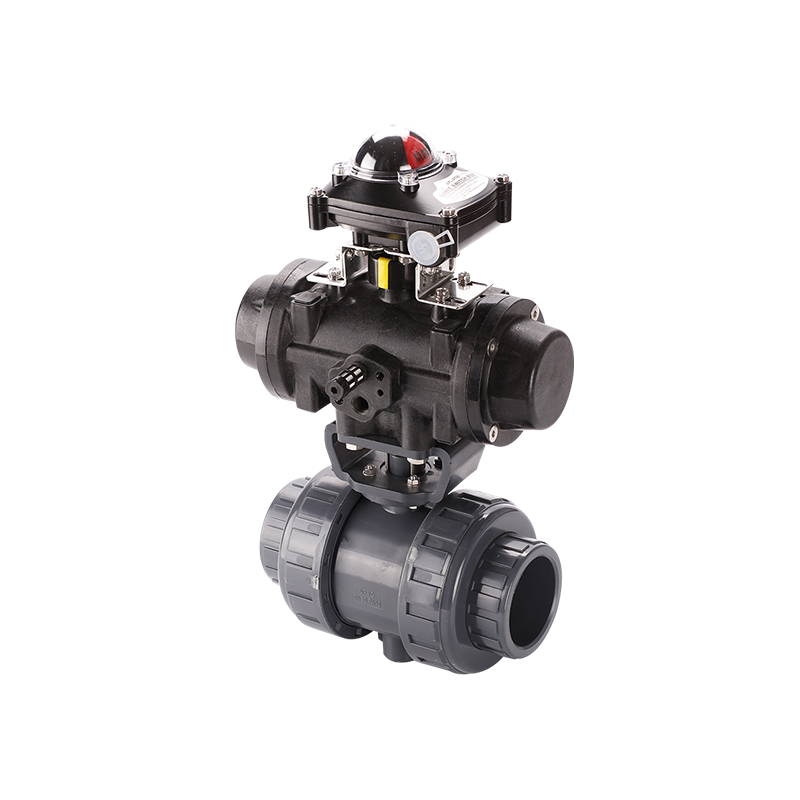
A PVC ball valve remains one of the most practical flow control components for water distribution, irrigation lines, light chemical transfer, pool systems, and general utility piping. For global buyers and project planners, the interest is rarely limited to a simple product definition. The real questions are more specific: how does a PVC ball valve work, how to connect ball valve to PVC pipe, whether 2 inch PVC ball valve models are suitable for a given line, what maintenance is required, and whether PVC ball valves are any good in demanding day-to-day use. This page section expands those questions into a professional, conversion-friendly article that improves clarity, supports search intent, and keeps readers engaged.
Compact design, quick shutoff, low flow resistance, and dependable performance in compatible service conditions.
A widely used size for medium-flow applications that need a balance of capacity, space efficiency, and easy installation.
Installation, connection methods, maintenance requirements, repair limits, and product selection guidance.
What makes PVC ball valves relevant today?
The continued demand for pvc ball valve and pvc ball valves is closely tied to their combination of light weight, corrosion resistance, and easy handling on site. Compared with many metal valve options, PVC versions are easier to transport, faster to install in common piping layouts, and often more cost-efficient for clean water and non-high-temperature systems. For manufacturers and project users, this means less installation friction and a product that can be integrated into both simple and structured pipeline designs.
Where the product fits best
PVC ball valves are commonly used in water supply branches, drip irrigation main lines, filtration connections, pool circulation networks, aquaculture systems, and light-duty processing pipelines. When a system needs frequent open-and-close control without a complicated operating mechanism, the ball valve design offers a clear practical advantage. A 2 inch PVC ball valve is especially common because it offers a strong balance between flow capacity and manageable physical size.
Why readers stay on this topic
Visitors searching for how does a pvc ball valve work or How to install a PVC ball valve? are usually trying to solve an immediate problem. They may need to choose the right valve, understand whether the connection method is correct, or decide if a leaking part can still be repaired. A good article should answer those questions directly while also explaining product structure, maintenance habits, and compatibility factors in clear, technical language.
What is a PVC ball valve?
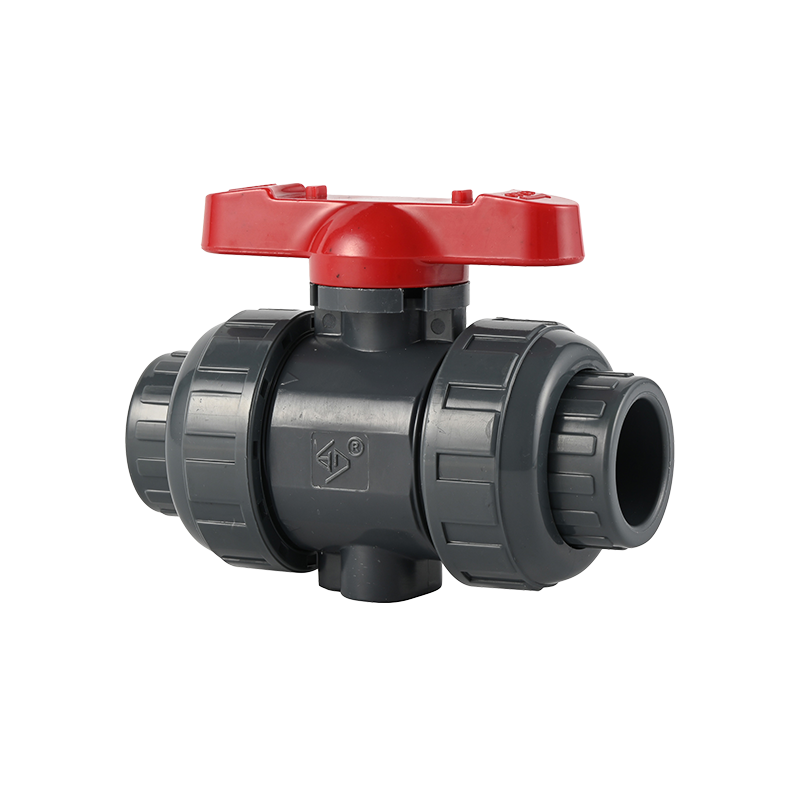
What is a PVC ball valve? In technical terms, it is a quarter-turn shutoff valve that uses a drilled spherical ball inside the valve body to control fluid passage. When the handle turns the internal ball by 90 degrees, the bore aligns with the pipe to allow flow. When the bore rotates perpendicular to the line, the passage closes. This direct motion gives the valve a simple operating pattern and a very short response time.
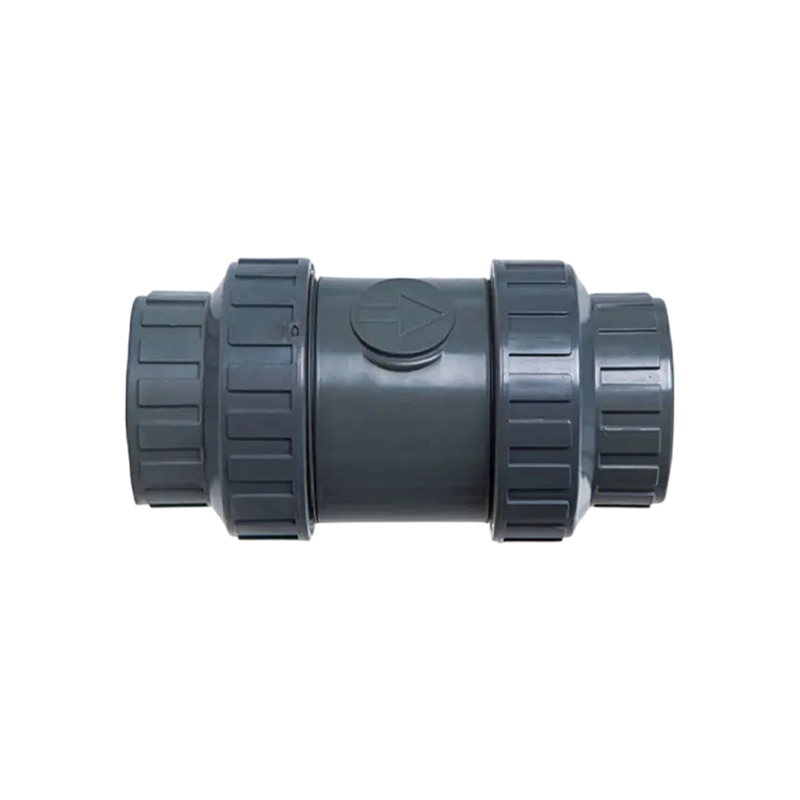
In practical use, the body is usually made from PVC or UPVC material, which helps resist corrosion in many normal water-based systems. The internal components include the valve body, ball, stem, seats, seals, handle, and connection ends. Because the mechanism has few moving parts, the valve can work reliably when it is installed correctly and used within its designed temperature and pressure range.
Key advantage
The main value of a PVC ball valve is not only on-off control. It is the combination of quick operation, compact design, low maintenance burden, and strong compatibility with many common plastic piping systems.
how does a pvc ball valve work
Handle rotation
The operator rotates the handle. That movement transfers torque to the stem, which is the shaft connecting the handle to the ball. The valve does not require many turns, so opening and closing are fast and intuitive.
Ball alignment
The stem rotates the ball so the bore either lines up with the pipeline or blocks it. This alignment is the real switching point that determines whether liquid can pass through the line.
Seat sealing
The seats press against the ball surface to maintain closure. Good sealing depends on the condition of the seats, the cleanliness of the fluid, and the accuracy of the installation.
Flow control
In the open position, the flow path is short and direct. That helps reduce restriction, which is one reason pvc ball valves are widely selected for general piping projects.
Common uses of PVC ball valves
Water supply distribution
Used to isolate branches, shut off sections, or simplify maintenance in non-high-temperature water lines.
Irrigation systems
Useful in farm irrigation, greenhouse lines, and landscape watering where quick manual control is required.
Pool and filtration equipment
Common in circulation loops, pre-filter lines, and service bypass connections where regular adjustment is needed.
Light chemical transfer
Suitable for compatible fluids when the body, seats, and seals match the application chemistry.
Why these uses matter for SEO and user experience
Users often search with application-driven intent, not only with product names. Including common uses of PVC ball valves helps the page answer real-world questions, adds semantic breadth to the content, and increases the chance that visitors remain on the page after landing from a search query.
How to connect ball valve to pvc pipe and how to connect pvc pipe to ball valve
The connection method depends on the valve end type. The most common options are socket connection, threaded connection, and union-style connection. When discussing how to connect ball valve to pvc pipe or how to connect pvc pipe to ball valve, the key requirements are alignment, clean surfaces, correct adhesive use where required, and support during curing.
For solvent-weld connections, the pipe end should be cut square, deburred, cleaned, and checked for dry fit before adhesive is applied. Once the correct solvent cement is used, the pipe is inserted fully and held in place until the joint sets. For threaded ends, seal tape or a compatible thread sealant should be applied carefully so the threads engage smoothly without forcing the body.
Practical installation note
Never let adjacent pipe weight hang from the valve body. The piping should be supported independently so the valve is not exposed to bending stress. That single habit prevents many avoidable leakage and cracking issues.
How to install a PVC ball valve?
Confirm the valve size, end type, pressure rating, and flow direction requirements before starting the job.
Prepare the pipe ends so they are straight, smooth, and clean. Poor surface preparation is a common reason for leakage.
Test the fit before final bonding or tightening. The valve should sit naturally in the line without forcing the pipe to twist.
Allow proper curing time when using solvent cement. Pressure testing too early can damage the joint.
Open and close the valve after installation to confirm smooth movement and verify there is no unusual resistance.
What are the different types of PVC ball valves?
Different types of PVC ball valves exist to meet different installation and maintenance priorities. The structure may appear similar from a distance, but the connection detail and service behavior can be quite different.
| Single union PVC ball valve | One side can be removed for maintenance while the other side remains fixed. | Good for service access in compact systems. |
| Double union PVC ball valve | Both ends can be disconnected, making inspection and replacement easier. | Useful where routine maintenance is expected. |
| True union design | Allows body disassembly and easier internal service. | Suitable for installations that need frequent maintenance. |
| Threaded type | Connects through male or female threads instead of adhesive joints. | Preferred when removable fittings are needed. |
| Socket type | Uses solvent-weld bonding with PVC pipe. | Common in fixed piping systems. |
2 inch pvc ball valve selection notes
Flow demand
A 2 inch PVC ball valve is often chosen when the line requires more throughput than smaller sizes can provide but still needs easy manual handling and a compact footprint.
System space
This size fits many medium-scale systems without demanding excessive room for handle movement or service access.
Maintenance balance
For users who want practical control without overcomplicating the piping layout, this size is a strong middle-ground solution.
Are PVC ball valves any good?
Are PVC ball valves any good? For many water and light-fluid applications, the answer is yes. They are good when the application is aligned with the material’s strengths. PVC ball valves are valued for corrosion resistance, low weight, straightforward installation, and clean shutoff behavior in suitable systems.
Their value becomes especially clear when compared with heavier alternatives in locations where installers need fast assembly and where exposure to rust is a concern. The valve performs best when it is not forced into a temperature, pressure, or chemistry range that exceeds its design limits.
Common reasons users choose PVC
- Lower handling weight during installation
- Good resistance to many water-based environments
- Simple quarter-turn operation
- Broad compatibility with plastic piping layouts
Can I lubricate a PVC ball valve?
Can I lubricate a PVC ball valve? In many cases, limited lubrication may help improve handle feel or support smoother operation, but only if the lubricant is compatible with PVC and the seal materials inside the valve. Using an unsuitable product can damage the seats, soften components, or leave residue that attracts debris.
Lubrication should not be treated as a fix for a mechanically worn or chemically damaged valve. If the movement is stiff because of mineral buildup, trapped dirt, or a failing seat, the underlying cause should be corrected instead of masked.
Best practice
Apply only a small amount of compatible lubricant and inspect whether the valve operates normally afterward. If the problem returns quickly, the issue is usually not lubrication-related.
Can you repair a leaking PVC ball valve?
Possible repair situations
A leaking joint, loose union nut, dirty seat, or worn external O-ring may sometimes be addressed without replacing the entire assembly. Cleaning, resealing, or replacing certain service parts can restore normal operation in some models.
When replacement is better
If the body is cracked, the valve has been stressed by overtightening, or the internal ball and seat surfaces are severely damaged, repair may not be reliable. In those cases, replacement is usually the safer choice.
Common causes of leakage
Common problems with PVC ball valves often include worn seats, stem seal issues, debris inside the ball cavity, installation strain, and seal degradation after long exposure to incompatible media.
How long do PVC ball valves typically last?
How long do PVC ball valves typically last? The service life depends on operating pressure, temperature, fluid type, frequency of operation, and installation quality. In a clean water system with stable conditions, the valve can remain functional for years. In more aggressive environments, service life can be shorter because the seats, seals, and body may age faster.
A valve that is opened and closed in a controlled way, kept away from excessive heat, and protected from mechanical stress generally lasts longer than one that is repeatedly forced, overtightened, or installed without proper line support.
Life-extending habits
Keep the line clean, avoid unnecessary force on the handle, support the piping properly, and inspect the valve before small problems grow into major leakage.
What are the maintenance requirements for PVC ball valves?
Visual inspection
Check for external cracks, wet spots, handle looseness, and signs of stress near the connection points.
Operational check
Cycle the valve periodically to confirm the handle movement is smooth and the ball is not sticking.
Connection review
Inspect threaded or bonded joints for seepage, especially after first installation or after system maintenance.
Debris control
Keep dirt and suspended solids out of the system whenever possible to avoid seat wear and internal obstruction.
What are common problems with PVC ball valves?
Stiff handle movement
This can happen when the valve has not been used for a long time, when deposits form inside the body, or when a seal has begun to deteriorate.
External leakage
Leakage around the stem or union area may indicate worn seals, loose fittings, or improper assembly.
Body cracking
PVC body cracks are often linked to overtightening, line stress, impact damage, or use outside the intended pressure or temperature range.
Incomplete shutoff
If the valve does not fully seal, the seat may be worn or debris may be trapped inside the ball cavity.
Which type of ball valve is better, brass or PVC?
Which type of ball valve is better, brass or PVC? The answer depends on the operating environment. Brass is often selected when higher temperature tolerance and stronger metallic construction are needed. PVC is often selected when corrosion resistance, lighter weight, and economical installation are more important. Neither option is universally superior; the right choice is the one that matches the actual service condition.
| Weight | Brass | Heavier and more rigid |
| Weight | PVC | Lighter and easier to handle |
| Corrosion behavior | Brass | Depends on water chemistry and environment |
| Corrosion behavior | PVC | Strong in many water-based systems |
| Temperature tolerance | Brass | Typically higher than PVC |
| Temperature tolerance | PVC | Best for lower-temperature service |
Detailed product attributes that support stronger engagement
Compact valve body
The body shape keeps the assembly simple and clean, which helps the page communicate both technical function and practical value. Users often appreciate compactness because it reduces installation friction.
Quarter-turn handling
A small handle movement is easier to explain and easier to remember. This supports quick comprehension for visitors scanning the page on desktop or mobile devices.
Low maintenance profile
The maintenance requirements for PVC ball valves are generally manageable when the system is clean and the valve is installed correctly. That fact is useful for both technical buyers and general readers.
Multiple connection styles
The product can be presented through solvent weld, threaded, or union styles, helping the page capture broader search intent without repeating the same explanation in different words.
Why product-driven content improves this news page
A news article for a manufacturer or factory website should do more than present a definition. It should answer high-intent questions, explain how the product is used, and reduce uncertainty for readers who arrive from search. That is why this section includes practical details about how to install a PVC ball valve, how to connect ball valve to pvc pipe, can you repair a leaking pvc ball valve, and whether pvc ball valves are any good.
When the article includes application context, installation notes, maintenance guidance, and comparison data, it becomes more useful to readers. Better usefulness usually leads to longer reading time, stronger engagement, and clearer communication of product capability.
Reader value
Visitors can move from concept to selection, from installation to troubleshooting, and from product comparison to maintenance awareness without feeling that the page repeats the same idea in slightly different language.
Practical table for quick review
| Question | Short answer | Technical angle |
| What is a PVC ball valve? | A quarter-turn shutoff valve with a rotating ball | Simple internal structure, fast operation |
| How does a PVC ball valve work? | The ball bore opens or blocks the flow path | Handle rotation transfers torque to the stem |
| How to install a PVC ball valve? | Prepare the pipe, connect carefully, allow curing | Support the pipeline and avoid stress on the body |
| Can a leaking PVC ball valve be repaired? | Sometimes, depending on the source of leakage | Body cracks often require replacement |
| Are PVC ball valves any good? | Yes, for compatible low-temperature applications | Strong balance of cost, weight, and corrosion resistance |
Closing technical note for the page
For readers evaluating pvc ball valve options, the most important decision is not only the nominal size or connection style. The real performance comes from matching the valve to the fluid, the temperature, the pressure, the installation layout, and the maintenance plan. A 2 inch PVC ball valve may be ideal in one system and completely unnecessary in another, which is why a clear explanation of use case matters.
The same logic applies to selection between different pvc ball valves, connection methods, and repair strategies. A strong article should help the visitor understand why the valve works, how it is used, and how to care for it without forcing the same description to carry every single topic.
Additional user questions covered here
This content addresses common uses of PVC ball valves, what are the different types of PVC ball valves, what are the maintenance requirements for PVC ball valves, what are common problems with PVC ball valves, and which type of ball valve is better, brass or PVC.