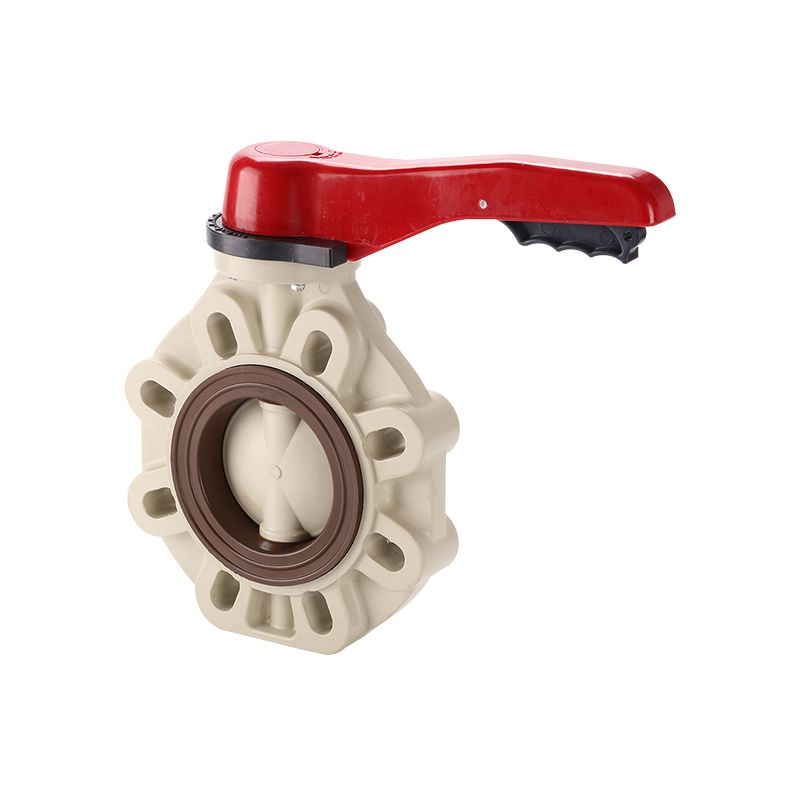
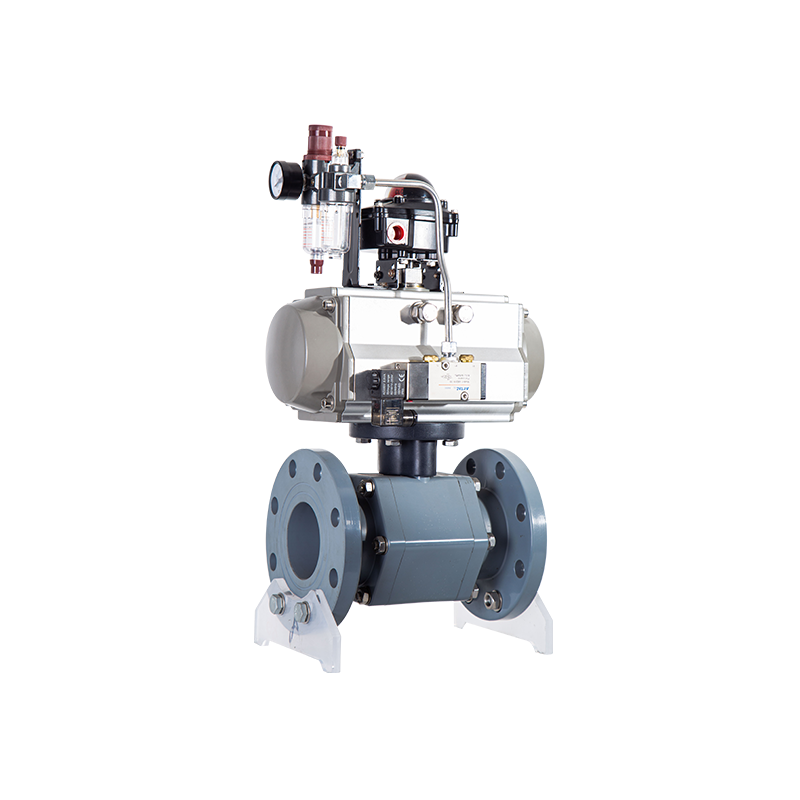
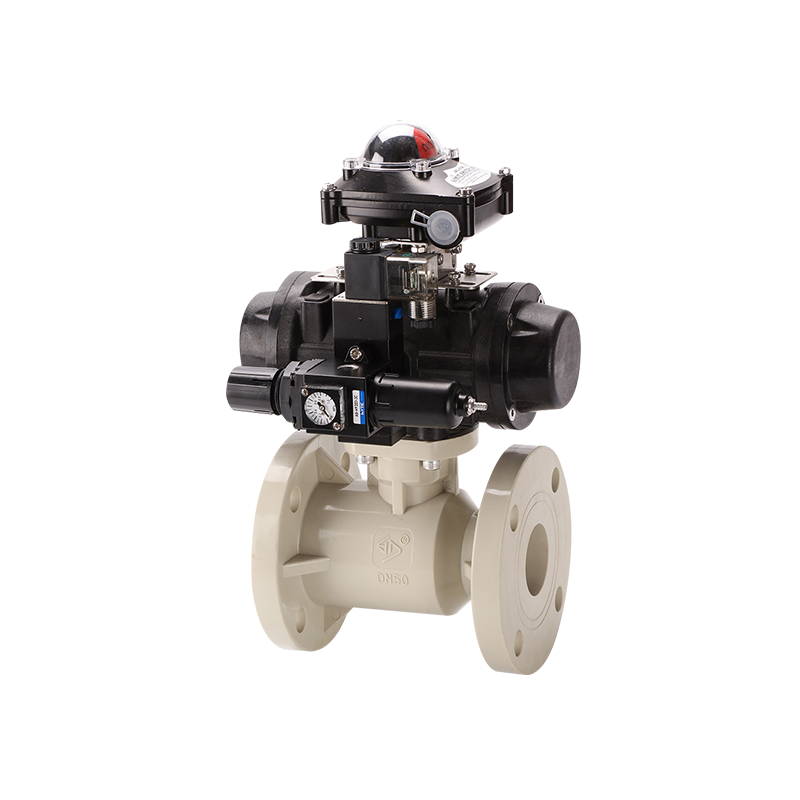
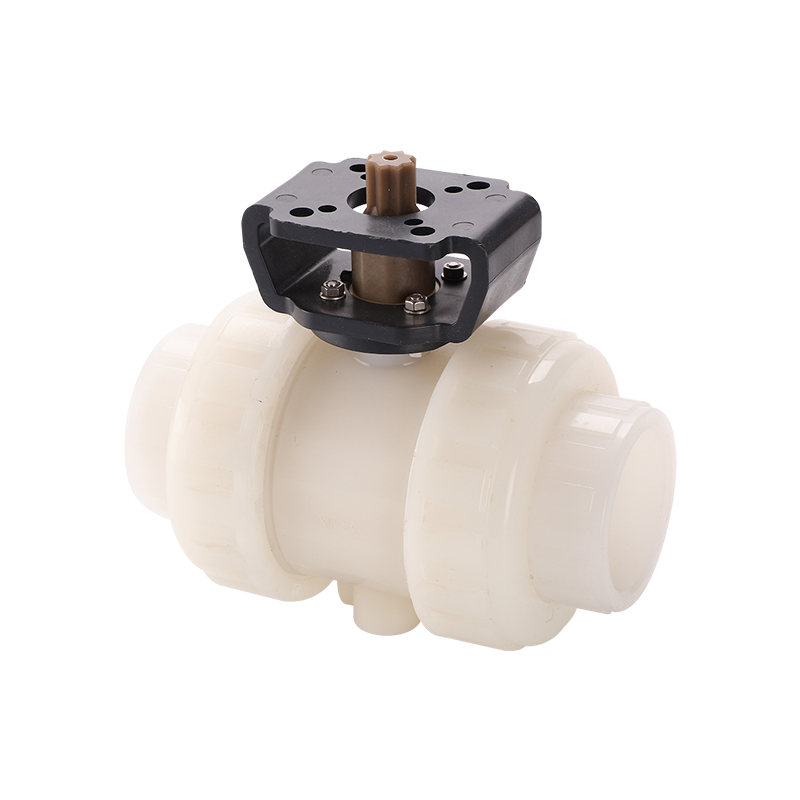
During a plant expansion project, a maintenance manager asked us: “How long will a PVC ball valve last? I need an honest number for my maintenance budget.” That question has a short answer and a long answer. The short answer: a quality PVC ball valve, correctly selected and installed, typically lasts 10 to 20 years in industrial service. The long answer is about temperatures, chemical media, installation craftsmanship, cycling habits, and how the valve was manufactured. As a factory that has produced thermoplastic valves since 1979, we will give you both answers in the sections below.
How Long Will a PVC Ball Valve Last? The Direct Answer
Most published lifespan estimates place a PVC ball valve between 10 and 20 years. Our production and field experience over more than four decades aligns with that range, with one important condition: the valve will reach that number only if its material is compatible with the process medium and it is operated within its pressure and temperature limits. Use a standard uPVC ball valve on hot chlorine water and you may get one or two years. Put the same valve on cold clean water and it may outlast the piping around it.
The table below summarizes the service expectations we normally use when planning with plant engineers. Treat these figures as planning values, not guarantees: every installation has its own water chemistry, vibration level, and operating discipline.
Expected service life of a uPVC ball valve under different industrial service conditions.
Service condition
Expected lifespan
What shortens the life
Indoor cold water, low cycle frequency
15–20 years
Water hammer, overtightened joints
Cool chemical service with compatible media
10–15 years
Wrong sealing material, chemical attack
Hot service near the upper temperature limit
5–8 years
Thermal aging, seat softening
Outdoor installation with direct sunlight
6–10 years
UV degradation, weathering
Abrasive media or scale-forming water
4–7 years
Erosion of the ball and seats
Above rated pressure or temperature
Months to 1 year
Cracking, blowout, permanent deformation
The same information is easier to read as a bar chart. The longest bars belong to services where the valve is never pushed close to its limits.
How service conditions change the lifespan of a uPVC ball valve
Indoor cold water
15–20 years
Cool compatible chemical service
10–15 years
Outdoor with UV exposure
6–10 years
Hot service near the limit
5–8 years
Abrasive or scale-forming media
4–7 years
Beyond pressure/temperature rating
Months–1 year
Notice that the table does not say “a PVC ball valve lasts X years.” It says “a uPVC ball valve lasts X years if…” The difference between the optimistic end and the pessimistic end of the range is exactly the six factors we explain next.
Six Factors That Decide a PVC Ball Valve's Service Life
Lifespan is a system property, not just a component property. These six factors regularly appear in our technical conversations with plant engineers and procurement teams. If you control them, you can plan replacements accurately instead of guessing.
1. Chemical Compatibility of the Medium
uPVC resists many mineral acids, alkalis, salt solutions, and oxidizing chemicals such as chlorine and hypochlorite, but it is attacked by some organic solvents and by strong oxidizing acids such as concentrated sulfuric and nitric acid. A valve that is chemically incompatible will soften, swell, crack, or lose sealing force, and the result is not a gradual shortening of life; it is a sudden failure. Always check the compatibility table for the specific chemical, its concentration, and its temperature before selecting a valve body material. For highly aggressive fluids, CPVC, PPH, or PVDF should replace uPVC.
2. Operating Temperature
Most uPVC ball valves are rated for continuous service up to 60°C and short excursions to 65°C. Every increase in operating temperature accelerates polymer aging, softens valve seats, and reduces pressure capability. The relationship is not linear; the temperature-versus-lifespan curve in this article shows how quickly service life drops above 40°C. If your line runs at 50°C or higher for hours at a time, you should be looking at a CPVC or PPH ball valve instead of a uPVC valve.
3. Pressure and Water Hammer
Industrial PVC ball valves are commonly rated at PN10 (1.0 MPa) or PN16 (1.6 MPa) at 20°C. As temperature rises, these pressure ratings must be reduced. Water hammer, a pressure spike caused by rapid valve closure, can exceed the momentary rating of the valve body and crack the valve or the adjacent pipework. A ball valve closes with a quarter turn; in an automated system, the actuator stroke must be tuned to close quickly enough for the process without slamming into the seat. In long pipe runs, stopping a high-velocity column of liquid needs a closure strategy or an alternative valve type.
4. Frequency of Operation
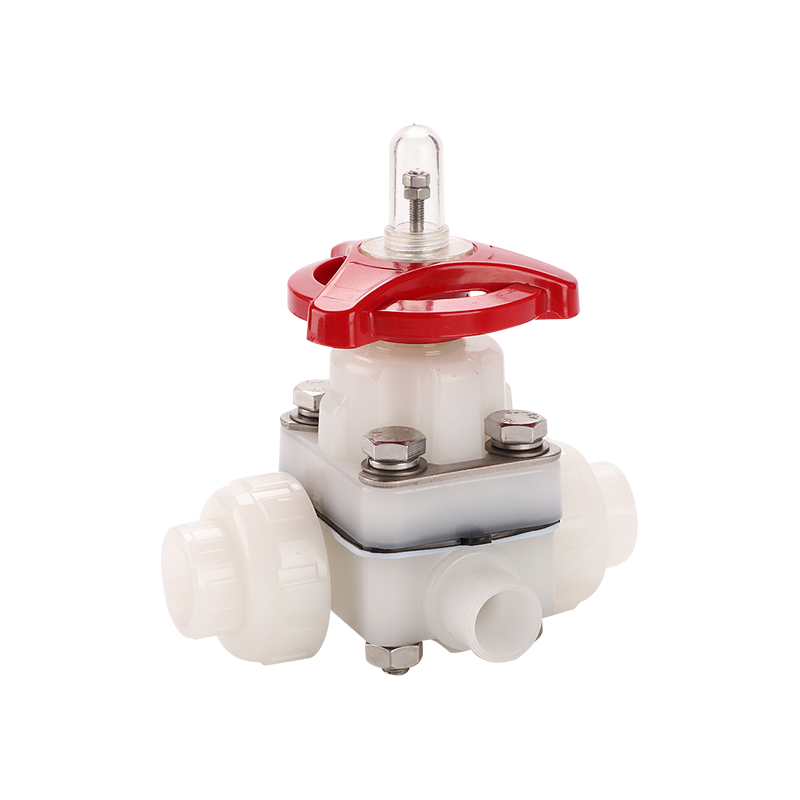
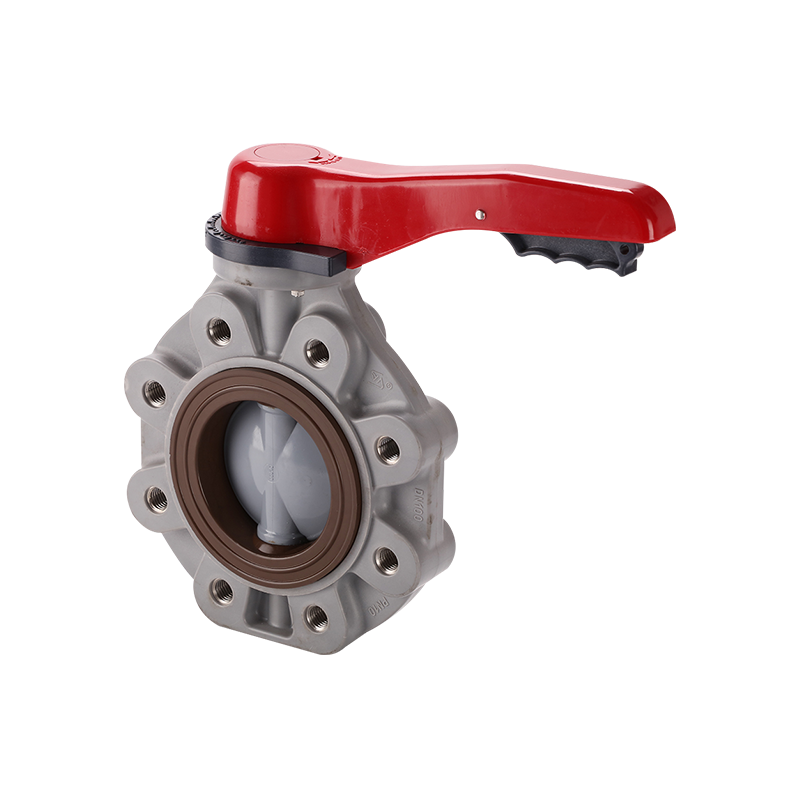
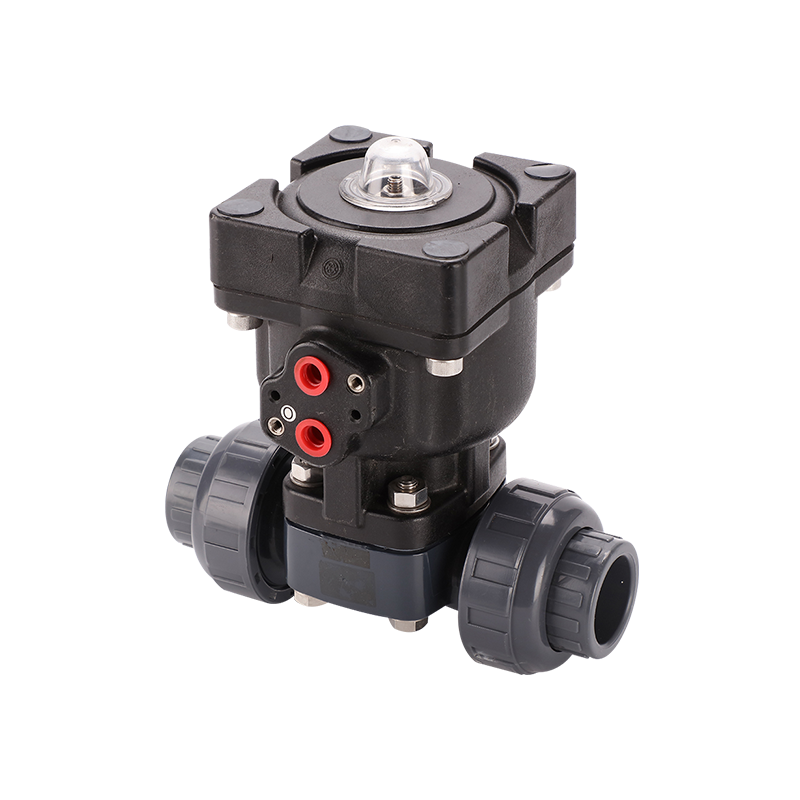
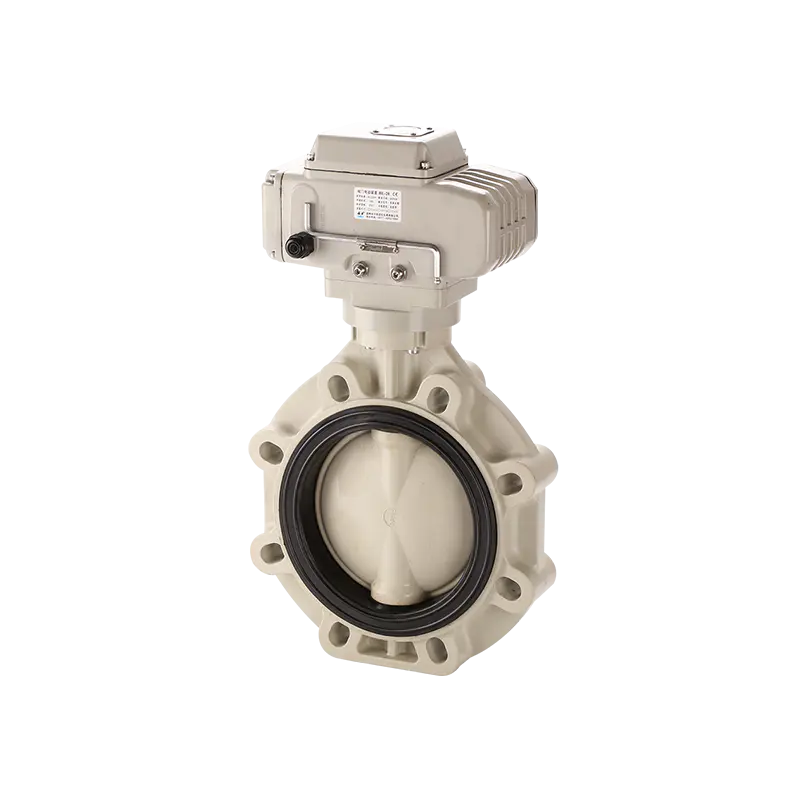
A uPVC ball valve is a quarter-turn shutoff valve. Operating it several times a day is well within its design. The ball wipes the seats clean on each rotation, and the PTFE seat material is designed for hundreds of thousands of cycles when the media is clean. The bigger risk is leaving a ball valve slightly open for months. Debris can settle between the ball and the seat, and the next quarter turn can score the sealing surfaces. If you need throttling or frequency modulation, a ball valve is the wrong tool; consider a diaphragm valve or a butterfly valve for that duty.
5. UV Exposure and Outdoor Weathering
uPVC is inherently sensitive to ultraviolet light. In an indoor industrial line, UV is rarely a problem. Outdoors, the polymer gradually degrades: the surface becomes chalky, loses impact strength, and eventually develops fine cracks. A UV-additive formulation can slow this process, but the valve body, handle, and stem area are thinner and more stressed than a pipe, so weathering affects them sooner. For outdoor service, shield the valve from direct sun with a casing or place it in a shaded spot, and inspect the body for crazing annually. Plan for an unprotected outdoor uPVC ball valve to pass 6 to 10 years, or select a different material for a life of 15 years and more.
6. Installation and Maintenance Quality
Even the best valve will not last if the pipeline torques the body, the solvent cement is applied incorrectly, or the union is over-tightened. Proper pipe support, alignment, and cementing technique are just as important as the valve itself. Regular stroke testing and light lubrication of the stem prevent sticking. These routines take minutes and can add years to the service life.
Material Matters: uPVC vs. CPVC vs. PPH vs. PVDF
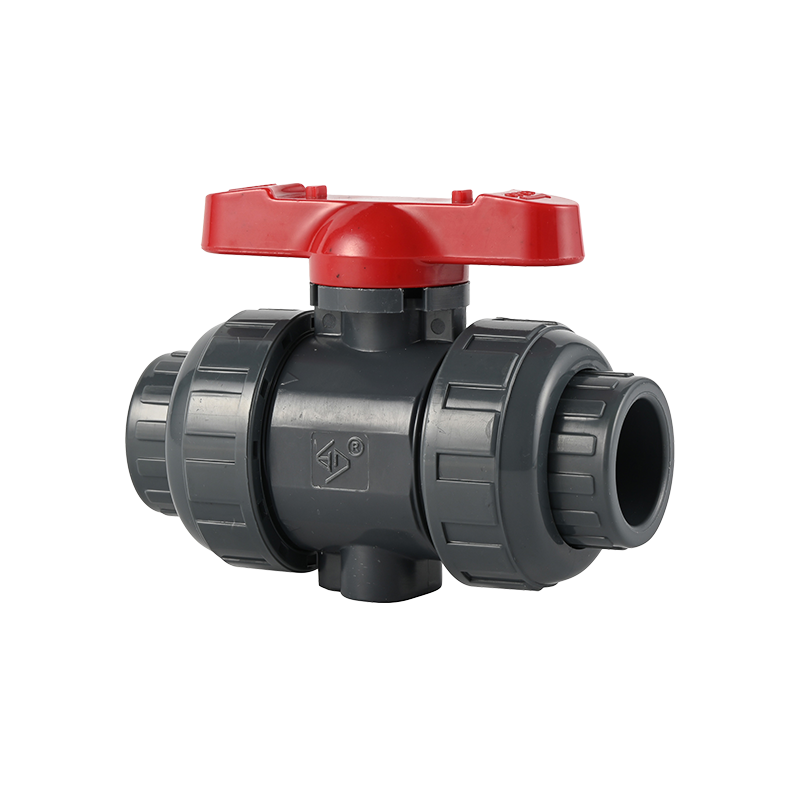
“PVC ball valve” in most catalogs denotes a uPVC ball valve, or unplasticized polyvinyl chloride. The same valve family extends to CPVC, PPH, PVDF, and FRPP in a full industrial manufacturer’s line. The body material is the first decision that sets the temperature ceiling, chemical compatibility, and mechanical strength of the product.
Comparison of thermoplastic materials used in plastic ball valve bodies.
Material
Max continuous temperature
Most common industrial service
Typical lifespan in well-matched service
uPVC
60°C
Water, mineral acids, alkalis, chlorine solutions
10–20 years
CPVC
90°C
Hot corrosive liquids, industrial hot water
10–15 years
PPH
80°C with pressure derating
Chemical storage and transfer, electroplating lines
10–15 years
PVDF
120°C
Highly aggressive chemicals, ultrapure media
10–20 years
A CPVC ball valve is the direct answer when the line is simply too hot for uPVC. PPH suits many acid and alkali transfer lines where impact resistance is needed. PVDF is reserved for the most aggressive chemistry and high-temperature duties. Matching the material to the actual medium is the most reliable way to move a valve from the short end of the lifespan range to the long end.
What a Manufacturer Does to Make a Ball Valve Last
Two valves can look identical on the outside and behave very differently after five years of service. The differences are hidden in materials, structural design, sealing details, and the discipline of production testing.
Virgin Resin and Controlled Compounding
Ball valve bodies are injection-molded or machined from extrusion-grade PVC compound. A valve made with virgin resin and tightly controlled compounding produces a dense, uniform body with predictable mechanical properties. Regrind material lowers cost but introduces inconsistency in molecular weight and impact strength. Every production batch in our workshop is traceable to the material certificate, and injection parameters are documented for each mold.
Body Design and the One-Piece Flanged Structure
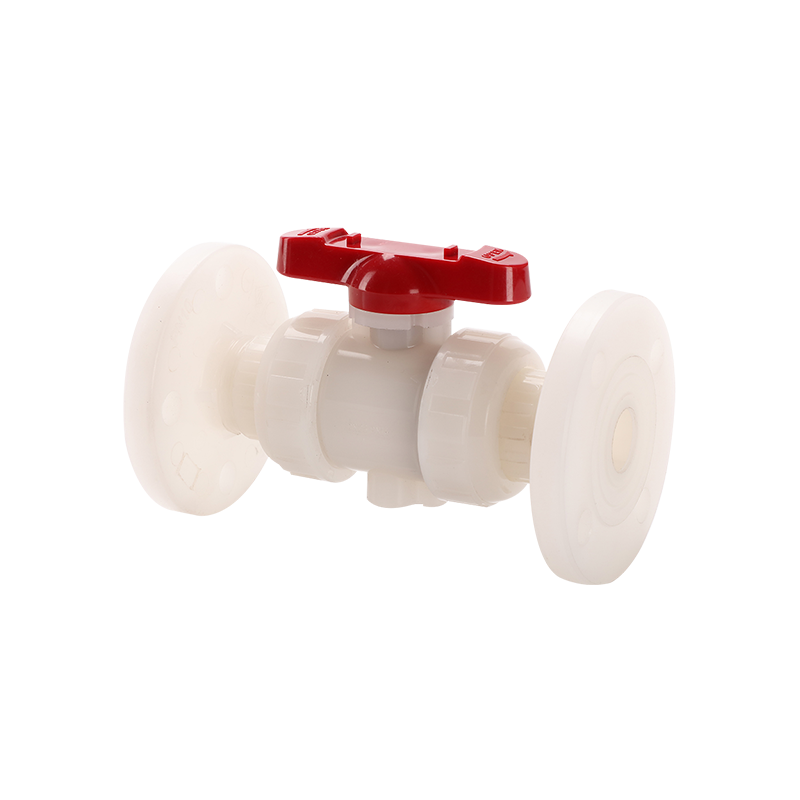
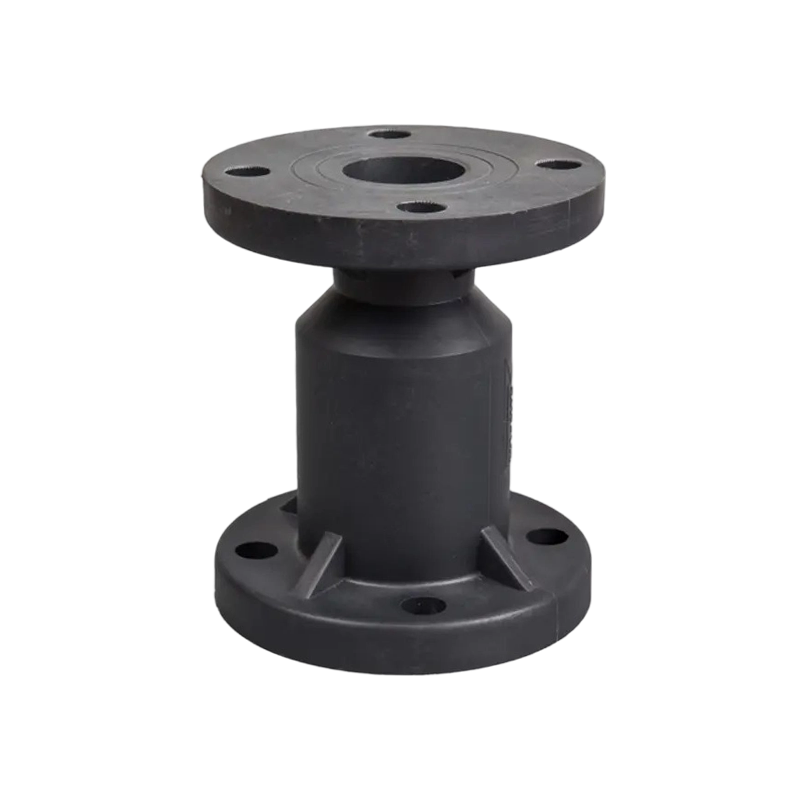
In 1992, our factory developed the one-piece flanged ball valve, a structure that later became a standard configuration in chemical service. The one-piece design eliminates separate flange joints that can loosen under thermal cycling, so the valve body behaves as a single rigid structure on the pipeline. That reduces the risk of a leak path developing over years of operation.
Sealing System and Ball Finish
The ball is the heart of the valve. A perfectly round ball with a smooth surface closes with low torque and continues to seal after thousands of cycles. Our balls are machined and polished to a controlled surface finish, and the PTFE or modified PTFE seats are machined to match. The stem seal area is another common failure point; a deep stuffing box with multiple sealing rings keeps process fluid away from the outside atmosphere long after a low-cost alternative has begun to weep.
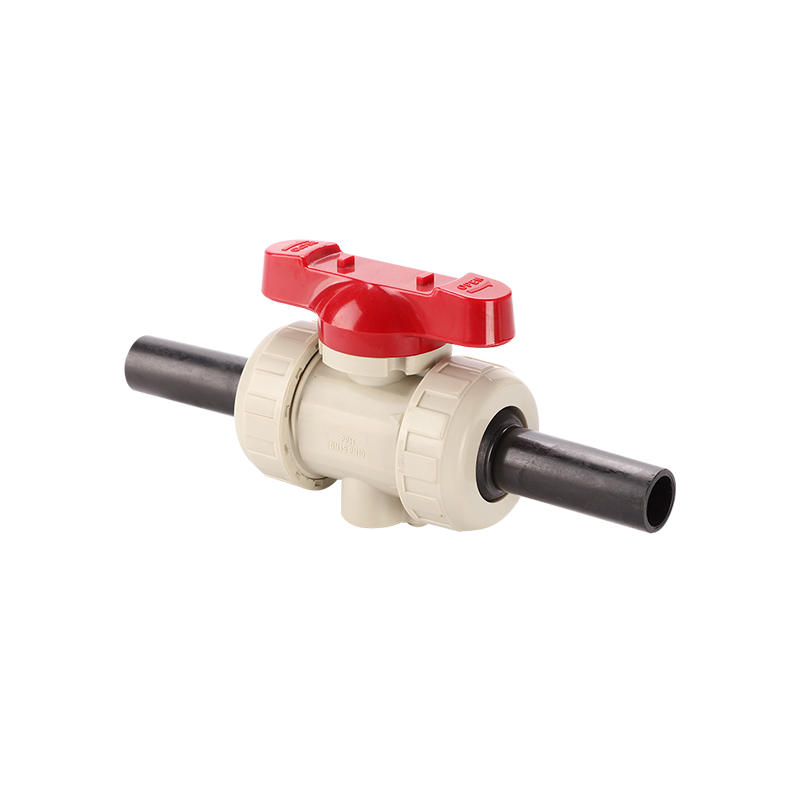
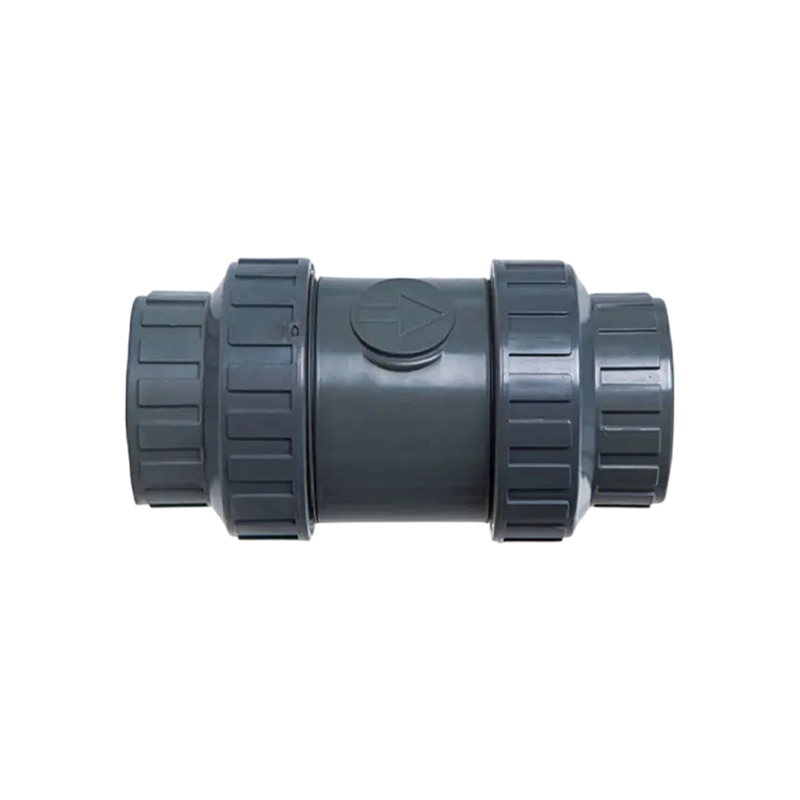
A true-union ball valve adds two union nuts on the body, so the center section can be removed without cutting the pipe. We recommend this design for process lines where periodic maintenance is planned; the ability to remove the ball and seats extends the useful life of the whole piping system.
Every valve that leaves the workshop is pressure-tested according to the applicable standard, with visual inspection of the body and sealing surfaces. The factory holds ISO 9001, ISO 14001, and ISO 45001 management system certifications, and our production of pressure pipe elements is covered by the special equipment manufacturing license in China. These systems are not decoration; they define the documented routines that keep product quality consistent from batch to batch.
Material Traceability
Each batch is linked to the raw material certificate, so the body of every valve can be traced back to its compound.
Hydrostatic Pressure Test
Every valve is pressure-tested before packing. A few minutes of testing at the factory prevents years of unplanned downtime on your line.
Operating Torque Check
Ball-to-seat torque is measured and recorded. A consistent, measured torque tells us the closure parts are correctly matched.
Dimensional Inspection
Flange bolt holes, face-to-face dimensions, and union threads are verified so that the valve fits the pipeline without stress.
Installation and Maintenance: The Operator's Share of Lifespan
Manufacturing quality sets the ceiling; installation and maintenance decide how close you get to it.
Installation Mistakes That Shorten Valve Life
Supporting the pipe directly by the valve body instead of using pipe hangers.
Using a wrench on the handle or body lugs to tighten joints.
Allowing solvent cement to run onto the ball or seal surfaces during assembly.
Over-tightening union nuts or flanged bolts unevenly.
Installing the valve under bending stress from misaligned flanges.
A Simple Maintenance Routine
Cycle the valve fully open and fully closed at least once a month.
Inspect the body, joints, and stem area for weeping, crazing, or yellowing.
Lubricate the stem with a compatible silicone or PTFE-based grease when movement becomes stiff.
Keep the bore clean; flush scale and particles before the first use after a shutdown.
Record the operating torque. A sudden increase is the earliest sign of seat or ball damage.
The practical details, including the correct torque for union nuts and the right lubricant for the stem, are described in our guide to maintaining plastic valves. Following those steps honestly takes minutes at each routine stop and is the cheapest way to extend valve life.
Six Signs It Is Time to Replace a PVC Ball Valve
A scheduled replacement before a failure is almost always cheaper than an emergency repair. Put a valve on the replacement list when you see any of these signs.
Hairline Cracks on the Body
Stress cracking around the stem boss, flange corners, or union threads means the material is approaching its limit.
Weeping or Drops Around the Stem
A damp stem area indicates that the primary stem seal is failing. Corrosion of the stem follows quickly.
Handle No Longer Operates Normally
Increasing resistance, or a handle that has become loose on the stem, points to damaged internal parts.
Leakage in the Closed Position
If the valve cannot shut off leak-tight, the ball or seat surface is scored and replacement is overdue.
Surface Crazing or Chalky Layer
A white chalky surface, especially outdoors, indicates UV degradation and loss of impact strength.
Sudden Change in Operating Torque
A drop or a spike in torque shows that the ball, seats, or stem packing have changed shape or size.
Temperature vs. Lifespan: Read the Curve
In a water line at 20°C, a uPVC ball valve should meet or exceed 20 years of service. At 60°C, close to the material ceiling, the same valve design may only provide around three years. The curve below is based on published long-term behavior of uPVC and on our internal thermal aging tests; it is intended as a practical planning tool rather than a guarantee.
Expected lifespan of a uPVC vs. CPVC ball valve at continuous operating temperature
Read the curve at 50°C: about six years of continuous service. If your process runs at 50°C, you have two options: accept the six-year replacement schedule, or move up to a CPVC ball valve, which at the same temperature will comfortably exceed 15 years. Note that the pressure rating of the valve must also be reduced as the temperature increases; the mechanical strength of every thermoplastic drops when it is hot.
How to Choose a PVC Ball Valve That Will Last in Your System
Choosing a long-life valve does not start with a catalog; it starts with the actual service conditions. The following steps summarize how our engineers approach a new inquiry.
Match the Valve Body Material to the Medium and Temperature
Document the medium, concentration, temperature, pressure, and how often the valve is opened. For clean water and many mineral acids at ambient temperature, uPVC is the economic choice. For hot water, chlorine, and hot oxidizing media, CPVC. For aggressive acids, alkalis, and chemical processing lines, PPH or PVDF. Working with a manufacturer that produces all these materials gives you a truly comparable selection instead of forcing a uPVC answer because uPVC is all the catalog carries.
Select the Correct Pressure Class and End Connection
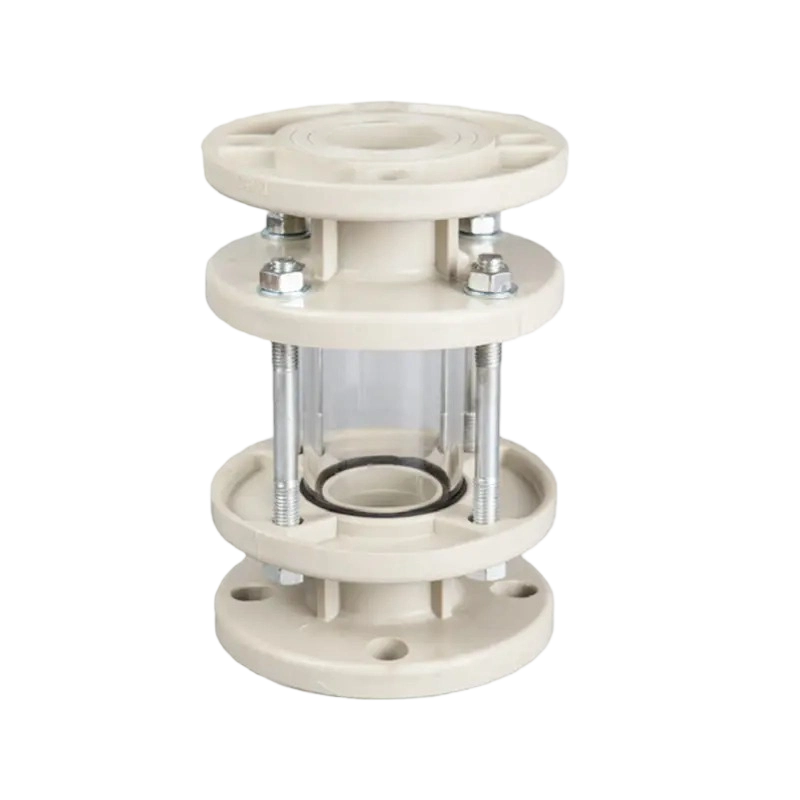
Selecting a valve whose pressure rating exceeds the maximum system pressure is a cheap form of insurance. End connections also matter. Threaded and socket connections are compact and economical. A flanged ball valve is the standard choice for pipe sizes above DN50 and for installations that need rigid, repeatable disassembly.
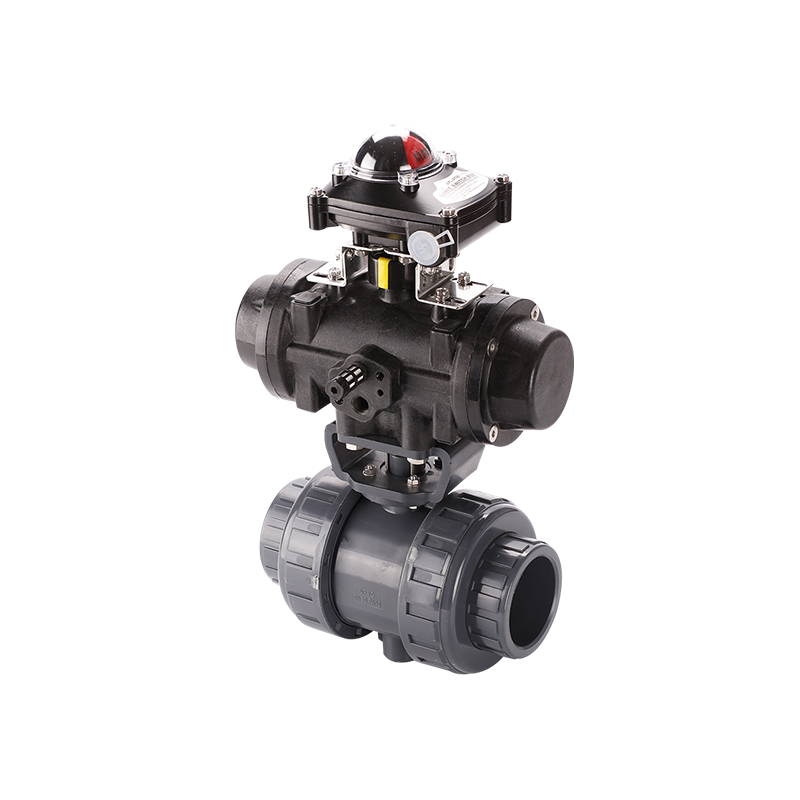
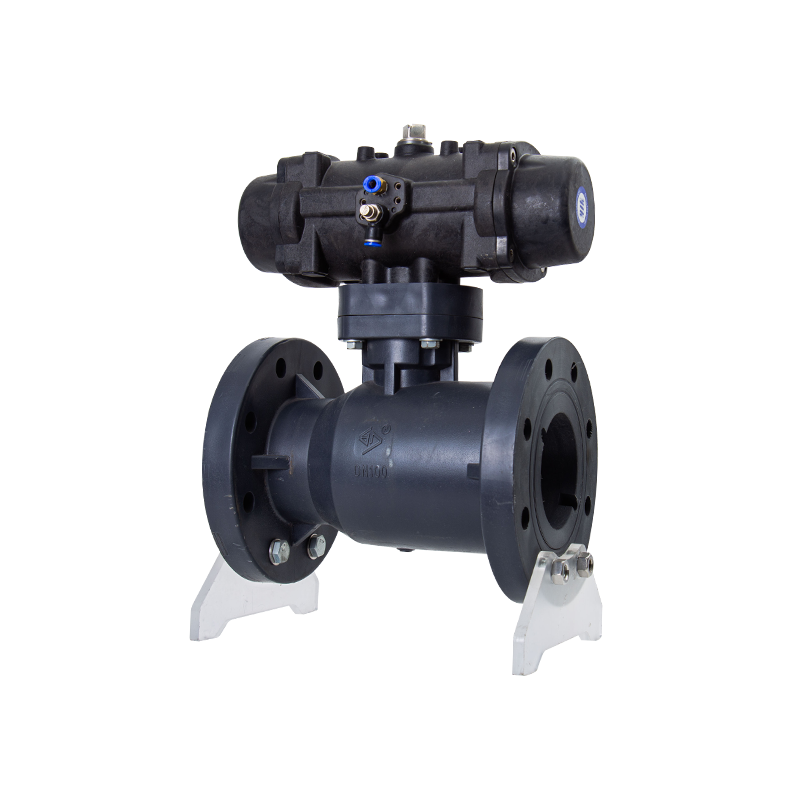
For lines that are operated occasionally, a lever-handled manual ball valve is enough. Once a valve must cycle more than a few times a day, sits in a hard-to-reach position, or is part of a safety loop, an automated setup gives more consistent performance. Pneumatic or electric actuation prevents the inconsistent stroke speed and partial-open habits that shorten manual valve life.
For a closer look at why plastic ball valves remain a dependable choice across industries, read our article on the advantages of PVC ball valves.
Keep Replacement in Mind at the Design Stage
Some end connections give you a longer workshop life for the rest of the system. A true-union ball valve allows the center body to be swapped without touching the piping, which means a ten-minute replacement instead of a two-hour rework. That convenience also encourages timely maintenance, so a small weep is repaired before it becomes a fracture.
Total Cost of Ownership: Why Lifespan Is Not the Only Number
Lifespan alone does not tell you which valve is cheaper to own. A valve that lasts 15 years but fails suddenly in year 14 causes a bigger loss than a valve that is replaced on schedule every 8 years with zero unplanned downtime. Budget for a realistic total cost of ownership: initial purchase, planned maintenance, leakage losses, downtime, and the cost of the replacement itself.
Simplified total-cost comparison for industrial PVC ball valves over a five-year period.
Cost item
Economy valve
Engineered valve
Unit price
Lower
Higher
Planned maintenance frequency
More frequent
Interval-based
Failure risk
Moderate to high
Low
Unplanned downtime over 5 years
More
Minimal
Total cost after 5 years
Often higher
Competitive
When we quote a valve, we are the first to say that initial price is only one input. A manufacturer that can supply the full piping system, including valves, pipes, and fittings in uPVC, CPVC, PPH, PVDF, and FRPP, makes it easier to match materials across the entire line, which has a direct effect on system lifespan.
These are the questions field engineers hear most often when the subject of PVC ball valve lifespan comes up.
How long does a PVC ball valve last outdoors?
In direct sunlight, plan for 6 to 10 years before surface crazing and brittleness appear. Shading, painting, or protective cladding can push that closer to the indoor service life. Inspect the body and stem area annually for UV damage.
Can a PVC ball valve handle hot water?
uPVC valves are rated for continuous service up to about 60°C, so they can handle warm water but not hot water at near-boiling temperature. For hot water service up to 90°C, choose a CPVC ball valve. The pressure rating must also be reduced as the service temperature rises.
What causes a PVC ball valve to fail suddenly?
Sudden failures are usually caused by water hammer, impact, freezing, or chemical attack, not by gradual wear. A valve that has been embrittled by UV or heat can also crack when the line is stressed during thermal expansion. This is why regular inspections are important.
Is a CPVC ball valve always better than a PVC ball valve?
Not always. CPVC is better when the operating temperature or the chemical medium demands it, but uPVC has better resistance to some oxidizing chemicals at room temperature and usually costs less. The best material is the one that matches your actual temperature and chemical concentration.
How often should PVC ball valves be replaced in a chemical plant?
Many plants adopt a 5 to 8 year replacement interval on aggressive media, combined with annual inspections. On clean water and mild chemical service, intervals of 10 years or more are common. A documented inspection routine lets you adjust the interval based on evidence rather than guesswork.
Does leaving a PVC ball valve partly open wear it out?
Yes. A partially open ball valve leaves the ball in contact with the seats in a fixed position and allows debris to settle on the sealing surface. The next closure can score the seat. For normal service, operate the valve fully open or fully closed.
How important is the true-union design for lifespan?
The true-union design extends the useful life of the system, not necessarily the life of a single valve body. It lets you remove the center section for cleaning or replacement without cutting the pipeline, which reduces installation damage and keeps the piping system in service longer.
Talk to Our Engineers Before Specifying
Send us the medium, concentration, operating temperature, pressure, and cycling frequency of your line. We will recommend the body material, pressure class, and end connection that give the longest reliable service for your application.
We manufacture thermoplastic valves and piping systems in uPVC, CPVC, PPH, PVDF, and FRPP, and we have supplied customers in more than 60 countries.