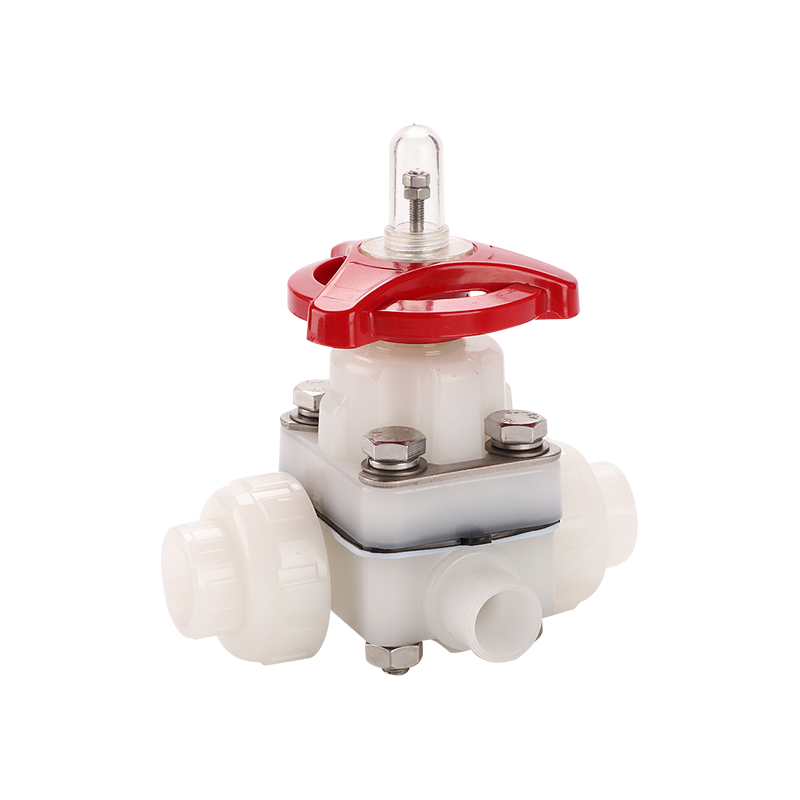
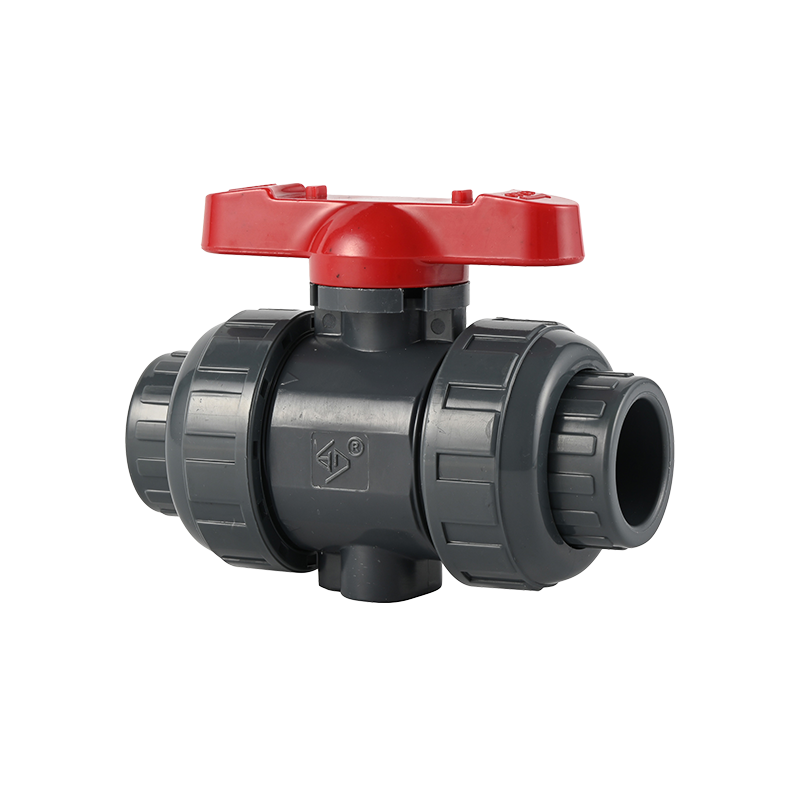
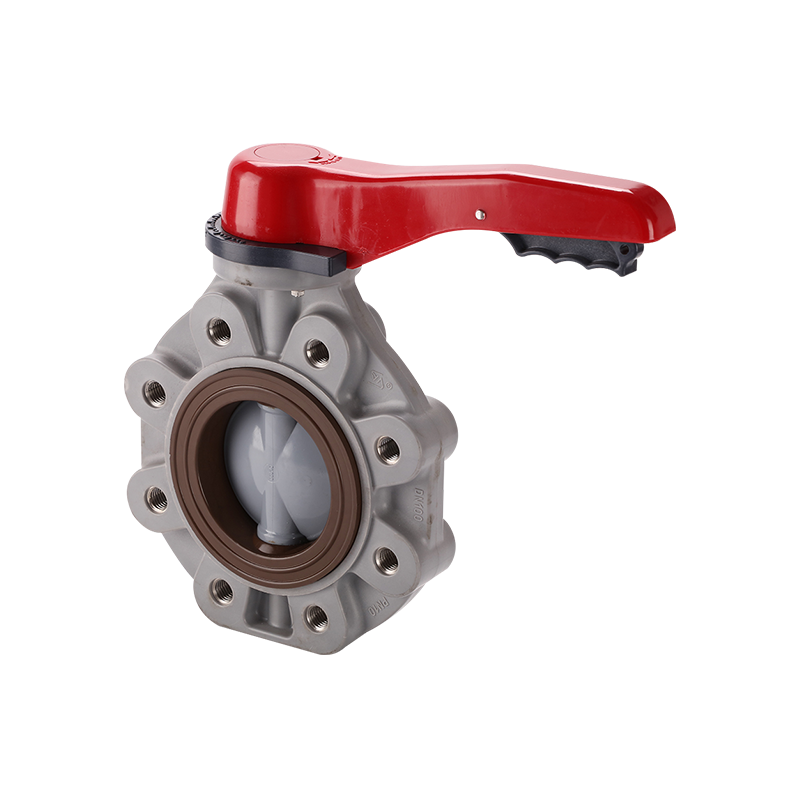
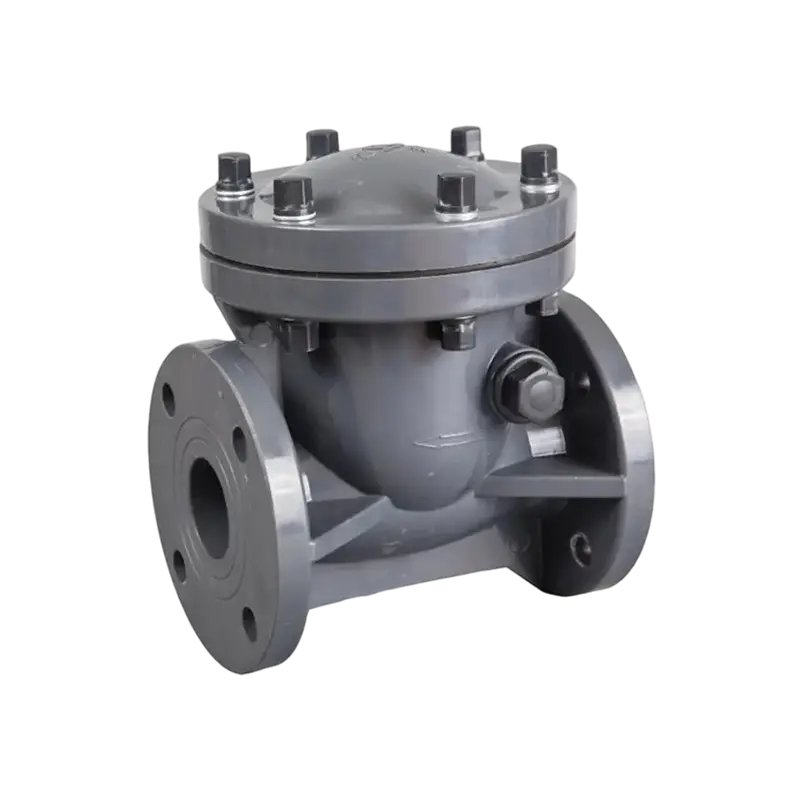
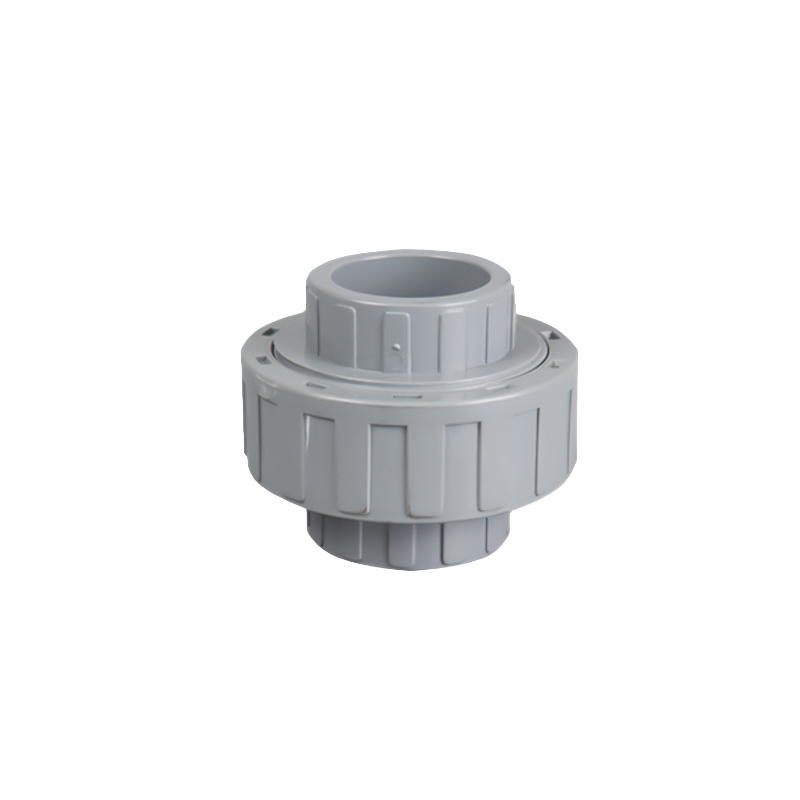
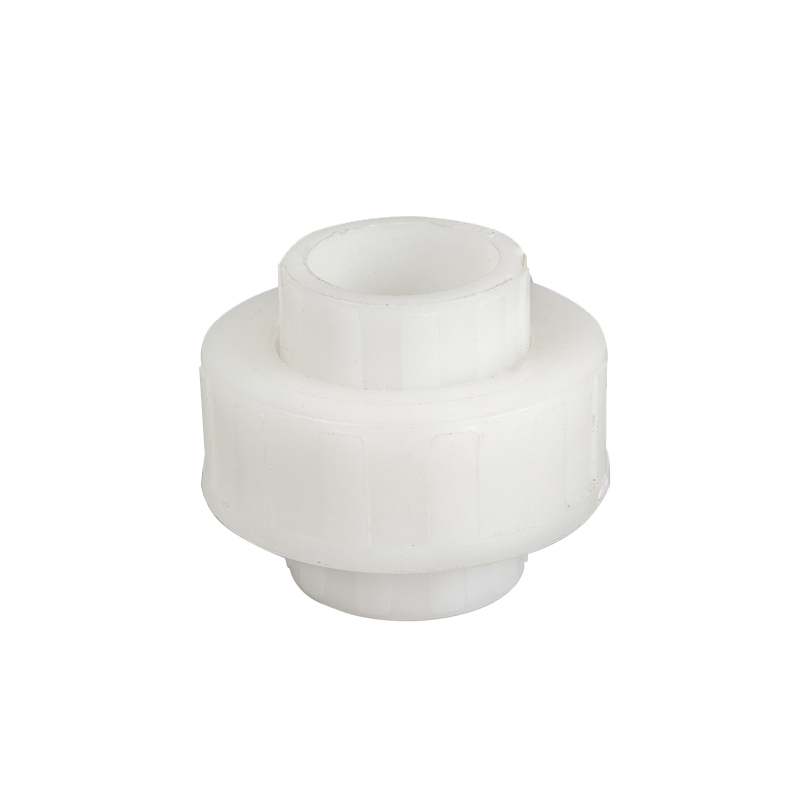
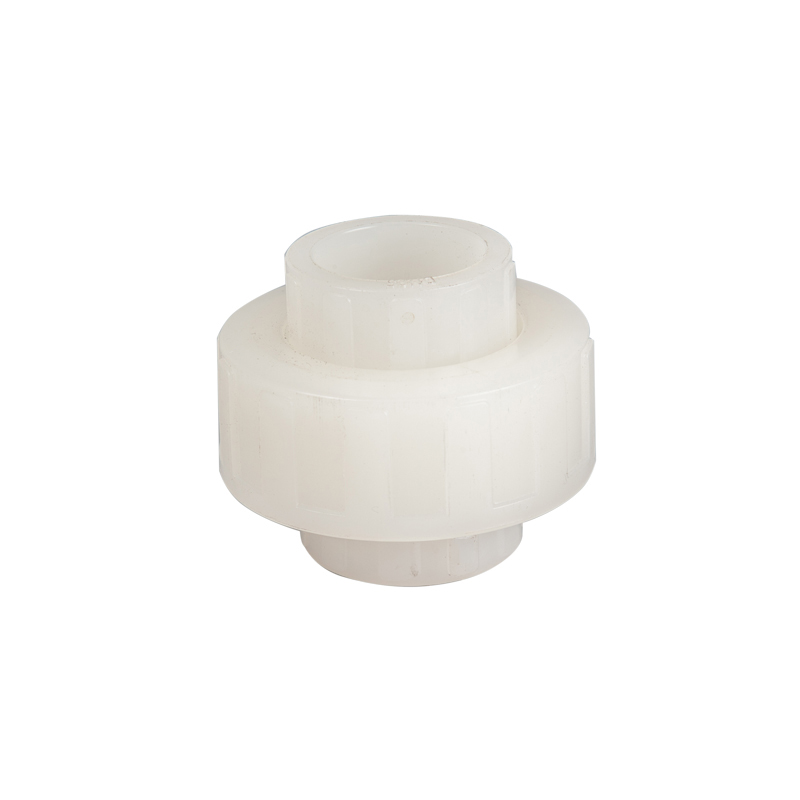
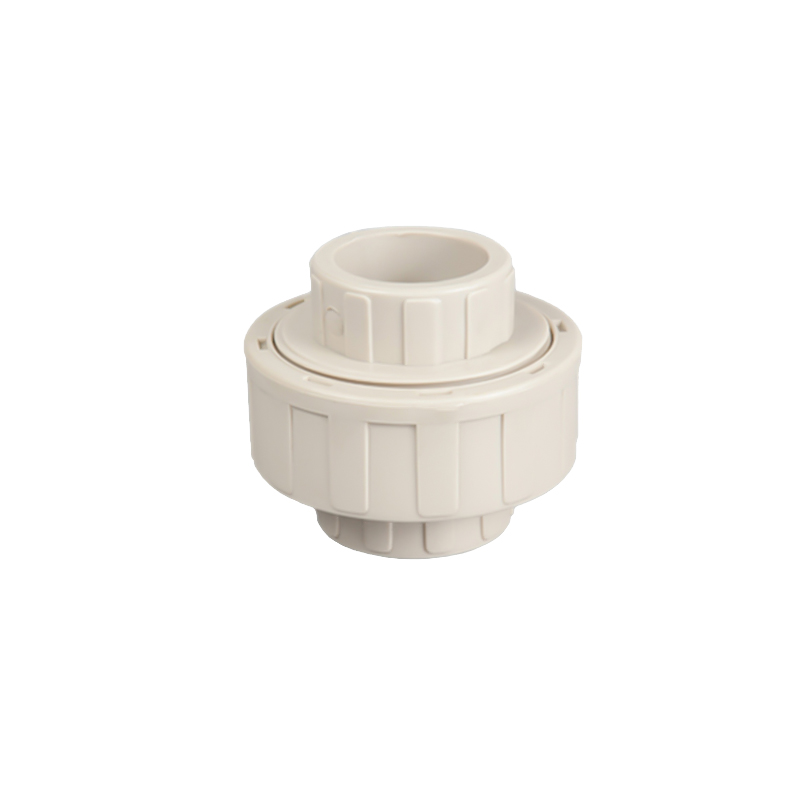
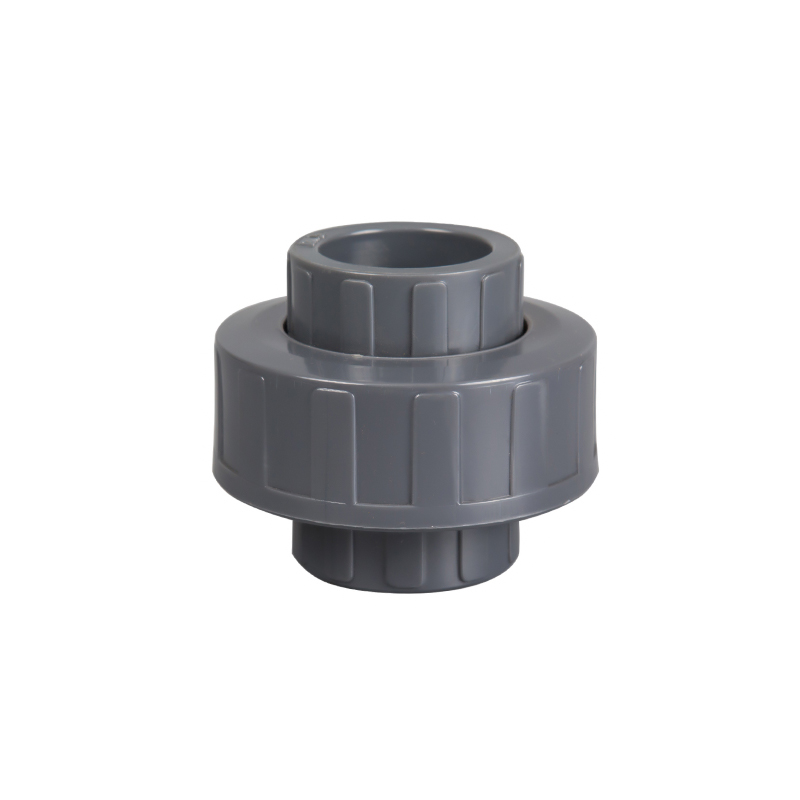
A Plastic Pipe Fitting Union creates a disconnectable joint using a three-piece structure rather than the bolted bolt-circle of a flange. The distinction matters most at the specification stage, where choosing between a union, a flange and a permanent coupling determines whether a future maintenance point exists at a given location in the system at all — a decision that is far cheaper to get right during design than to correct after the system is built and a valve needs replacing.
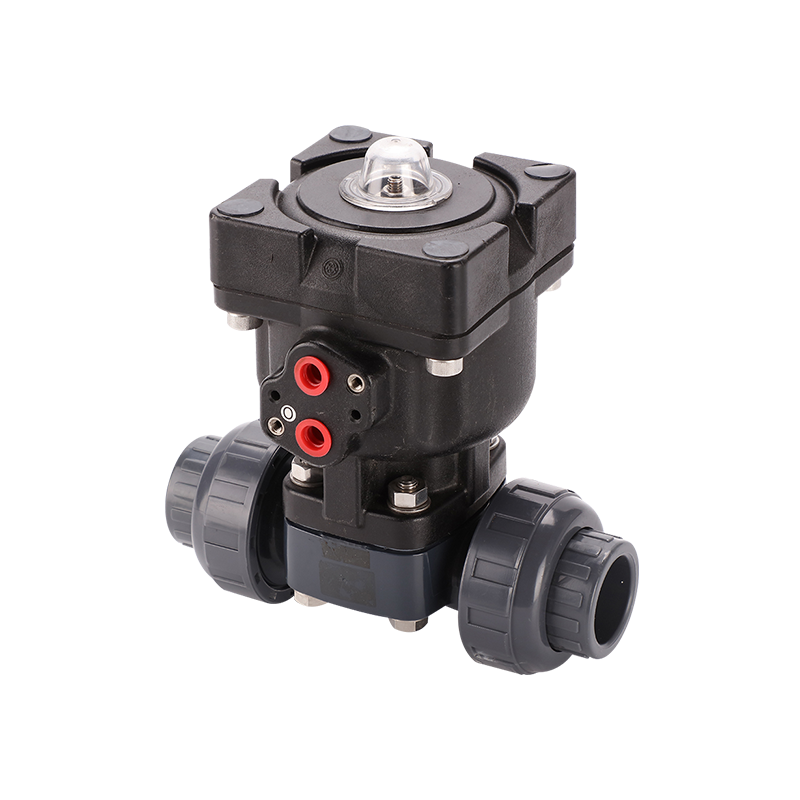
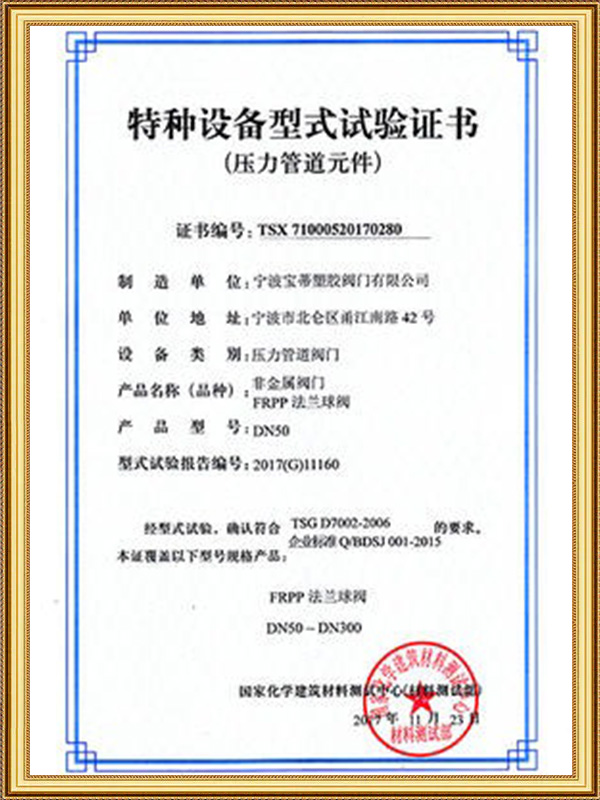
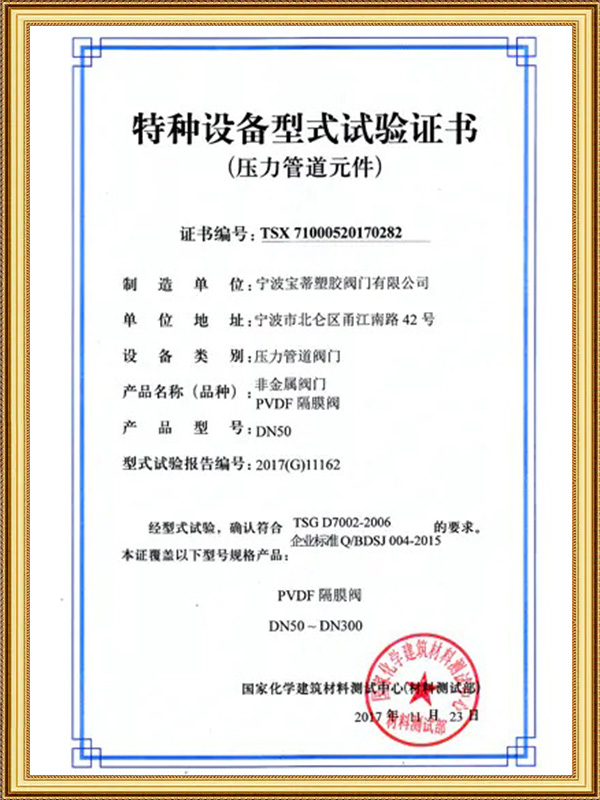
Ningbo Baodi Plastic Valve Co., Ltd. has manufactured plastic valves since 1979, when its predecessor workshops produced China's first plastic diaphragm valve. Union-style end connections have long been standard on much of the company's smaller manual and automatic valve series, a design choice made specifically because of the maintenance access a union provides at the valve-to-pipeline interface.
Selection Matrix
|
Union |
Flange |
Coupling |
| Disassembly method |
Unscrew center nut |
Unbolt multiple fasteners |
Generally permanent |
| Typical size range |
Small to mid-size |
Mid-size to large |
Any size, straight run only |
| Alignment sensitivity |
Low — nut rotates freely |
Higher — bolt holes must align |
Low |
| Pressure capability |
Generally lower than equivalent flange class |
Generally higher |
Governed by pipe rating |
| Typical location |
Valve ends, instrument lines, small equipment |
Pump/tank nozzles, large equipment interfaces |
Pipe extension, repair |
| Installed footprint |
Compact |
Larger — bolt circle needs clearance |
Minimal |
The practical decision usually reduces to a single question: will this joint need to be opened again during the system's service life, and if so, is the surrounding pipe likely to be free to move when it is? Where maintenance access is needed but the adjacent pipe cannot realistically be pulled apart — the common situation at a valve, filter housing, or small equipment connection — a union is generally the correct answer, while a flange remains the better choice once pipe size and pressure exceed what a union can reliably handle.
Three-Piece Structure and Mechanical Function
A union consists of two pipe-side end pieces, each permanently bonded, fused or threaded onto its respective pipe run, and a center nut that draws the two end pieces together to compress a seal between them. The first end piece is fixed to one length of pipe using the connection method appropriate to the material — solvent cement for PVC and CPVC, thermal or electrofusion for PP and PVDF, or threading for smaller auxiliary lines. The second end piece, fixed to the opposite pipe run, typically carries the sealing face or O-ring groove against which the first end piece seats when the assembly is drawn together.
Because both pipe-side connections are made independently before the nut is tightened, a union does not require the rotational bolt-hole alignment that a fixed flange does — a relevant advantage in confined equipment layouts where rotating a large flange into correct bolt-hole position is difficult or impossible within the available clearance. The center nut itself typically uses a buttress or trapezoidal thread profile designed to withstand axial clamping load without loosening under vibration, though the exact thread form varies by manufacturer and material.
Sealing Methods and Application Fit
| O-ring seal |
Common on PVC and CPVC unions. Reliable across a defined temperature and pressure range when the O-ring material is chemically compatible with the process fluid. Compression is achieved by the nut drawing the two end pieces together until the O-ring is seated in its groove under a controlled amount of squeeze. |
| Flat gasket seal |
Used on some larger union designs and PP/PVDF unions with a flat sealing face, functioning similarly to a small-scale flanged gasket joint but without the bolt circle. |
| Fused ball-and-seat contact |
Certain PP and PVDF unions rely on a matched conical or spherical sealing surface and nut torque alone, without a separate elastomeric gasket, which can be advantageous in applications where gasket material compatibility with an aggressive chemical is difficult to source. |
Seal material compatibility must be verified independently of the union body material, since these are frequently different materials entirely. A correctly specified PVDF union body with an EPDM O-ring, for example, may still fail in a service that is chemically compatible with PVDF but not with EPDM — the seal represents a separate compatibility question that buyers sometimes overlook when focused primarily on the body material's chemical resistance chart.
Material Selection
PVC unions are the standard choice for ambient-temperature water and general chemical transfer service, offering solvent-cement pipe-side connections that are straightforward to install in the field and cost-effective for high-volume distribution and general industrial water lines. CPVC unions extend the usable range into hot water and selected higher-temperature chemical applications, retaining much of PVC's ease of installation while withstanding service conditions that would soften or degrade standard PVC over time.
PP unions suit acid, alkaline and wastewater service, typically paired with fusion-welded pipe-side connections that create a continuous, homogenous joint between the union end piece and the pipe — an approach that avoids introducing a solvent-cement bond line in chemically aggressive service where the cement itself might be a point of vulnerability. PVDF unions serve aggressive chemical and higher-purity applications requiring broad chemical resistance and clean fusion joints, and are frequently specified in semiconductor, pharmaceutical and specialty chemical processing where both purity and chemical compatibility are simultaneously critical.
Ningbo Baodi Plastic Valve Co., Ltd. produces unions across this full material range, supplying both plastic valves and matching piping fittings, an arrangement that allows distributors to source a valve and its adjoining union connection as a coordinated set rather than reconciling dimensional compatibility between components sourced from two different manufacturers.
Installation Specification
The center nut should engage smoothly by hand before wrench force is applied; a misaligned nut forced into engagement with a wrench from the start will cross-thread, damaging the union permanently and requiring replacement rather than repair. Once hand-threaded fully, torque should stop at even, firm hand-tight-plus-a-defined-wrench-turn as specified by the manufacturer for that size and material — over-tightening cracks the union body or over-compresses the seal rather than improving joint integrity, and this failure mode is more common with plastic unions than with their metal equivalents precisely because plastic has a narrower tolerance between adequate compression and material damage.
The seal should be inspected at every disassembly and replaced if hardened, swollen, flattened or otherwise visibly deformed, since repeated reliable reopening is the union's entire functional purpose — a union with a degraded seal that is simply reassembled without seal replacement defeats the reason for specifying a union in the first place. Threads on both the nut and the mating end piece should be inspected for damage or debris before reassembly, since a small amount of grit lodged in the thread can prevent full, even seating even when the seal itself is in good condition.
Common Failure Modes and Their Causes
Leaking at the union joint after a period of reliable service, rather than immediately after installation, is most often traced to seal degradation from chemical incompatibility that was not apparent at commissioning but developed gradually — a reminder that seal material compatibility should be verified against the full range of chemicals the line may carry over its service life, not only the primary process fluid at the time of specification. Leaking immediately after installation more often traces to under-tightening (insufficient nut engagement), cross-threading during initial assembly, or a seal that was pinched or displaced during assembly rather than seated correctly in its groove.
Cracking of the union body, as distinct from a seal leak, is most commonly associated with over-torquing during installation or with excessive bending or axial load being carried through the union rather than through adjacent pipe supports — a union is a sealing and disassembly point, not a structural support, and should not be relied upon to carry pipe weight or thermal-expansion load that should properly be managed by the surrounding support and anchor system.
Distributors fielding warranty or field-failure inquiries on union products benefit from being able to distinguish between these failure modes quickly, since the corrective action differs substantially: a seal-related leak typically requires only a replacement seal and correct reassembly, while a cracked body requires full union replacement and, if the cause was excessive external load, a review of the surrounding pipe support layout to prevent recurrence at the new union as well. Ningbo Baodi Plastic Valve Co., Ltd. has supported distributor partners with this kind of field-failure classification based on manufacturing and materials experience accumulated since the company's founding in 1979, helping distinguish installation-related issues from genuine product defects when field reports come in from project sites.
Where Buyers Commonly Get the Union Decision Wrong
Over-specifying unions on large pipe sizes is one recurring error. On larger lines, a union's rated pressure capability is often lower than an equivalent flange class at the same nominal size, simply because the sealing geometry and nut-thread engagement do not scale up as efficiently as a bolted flange's distributed clamping force. Beyond a certain size, generally in the larger nominal-diameter range depending on material and pressure class, a flange becomes not just the more economical option but often the only one carrying an adequate pressure rating for the intended service — attempting to specify a union at these sizes to save on installed footprint can leave the joint under-rated for the system's actual operating pressure.
Under-specifying at valve ends is the opposite and equally common error: placing a permanent bonded or fused coupling directly adjacent to a valve, with no union anywhere near that connection, forces a full pipe rebuild the first time that valve needs to be removed for service or replacement. This is a cost that does not appear until years into a system's operating life, which is precisely why it is easy to overlook at the design stage when the immediate pressure is to complete installation rather than plan for eventual maintenance. A single union placed on one side of every valve — it does not need to be on both sides in most layouts — is generally sufficient to preserve maintenance access without the added cost and footprint of unions at every connection point in the system.
A third, less obvious error is specifying identical union sizing across an entire project without accounting for the fact that different branch lines may carry different pressure and temperature conditions even within the same facility. A union rated adequately for one branch's operating condition may be under-rated for another branch elsewhere in the same plant that happens to run hotter or at higher pressure, even though both branches use nominally the same pipe size.
Union Size Range and Where It Overlaps With Flange Territory
Unions are most commonly specified and stocked across the smaller nominal pipe sizes typical of valve connections, instrument lines, sample points, and small equipment bypass loops. As pipe size increases into the range typical of main process lines and major equipment nozzles, flanges progressively become the more common and more appropriately rated choice, for the pressure-capability reasons discussed above. There is a middle range of pipe sizes where either a union or a flange could technically be specified, and the decision in that overlap range often comes down to available installation space, the specific pressure and temperature rating required, and whether the surrounding system already standardizes on one connection type for consistency across the project — a distributor supplying a project that has already committed to flanged connections throughout will often prefer flanges even at sizes where a union would technically suffice, simply to avoid mixing connection types and the additional adapter fittings that mixing would require.
Procurement Specification
Buyers ordering unions in volume, particularly distributors bundling unions with valves for a project package, should confirm the pipe-side connection method (solvent socket, fusion spigot or threaded) to match the rest of the pipeline being supplied, the seal material and its chemical compatibility with the process fluid across its full expected service range, the pressure and temperature rating at the actual operating condition rather than a generic catalogue maximum, and whether spare seals should be included in the shipment for field maintenance stock, since seal replacement is a routine and expected part of a union's service life rather than an exceptional repair.
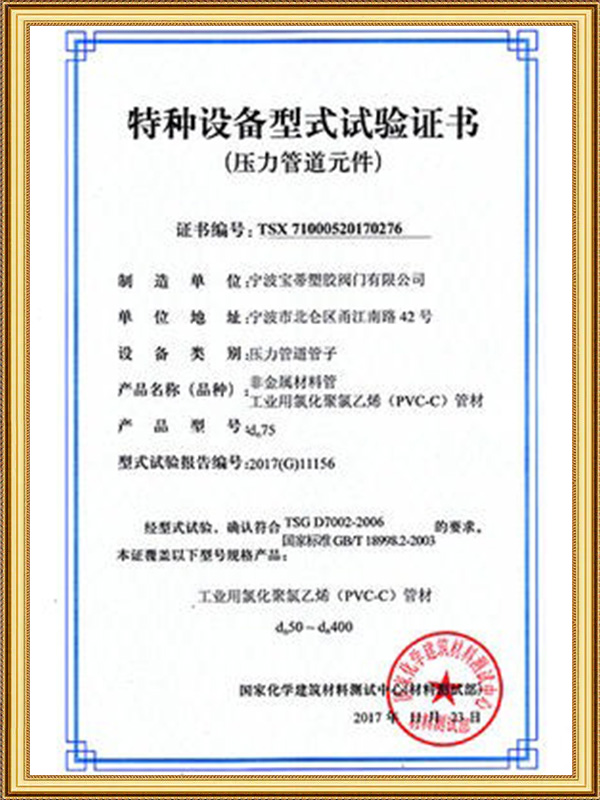
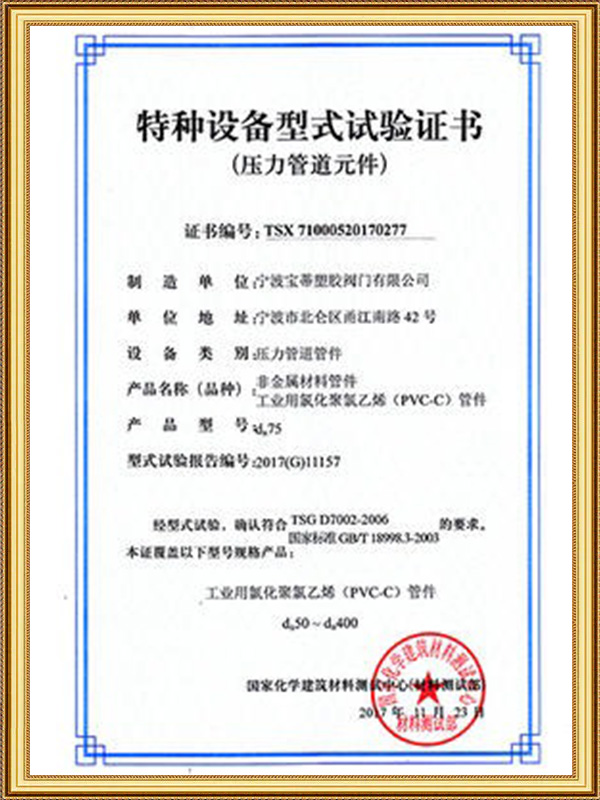
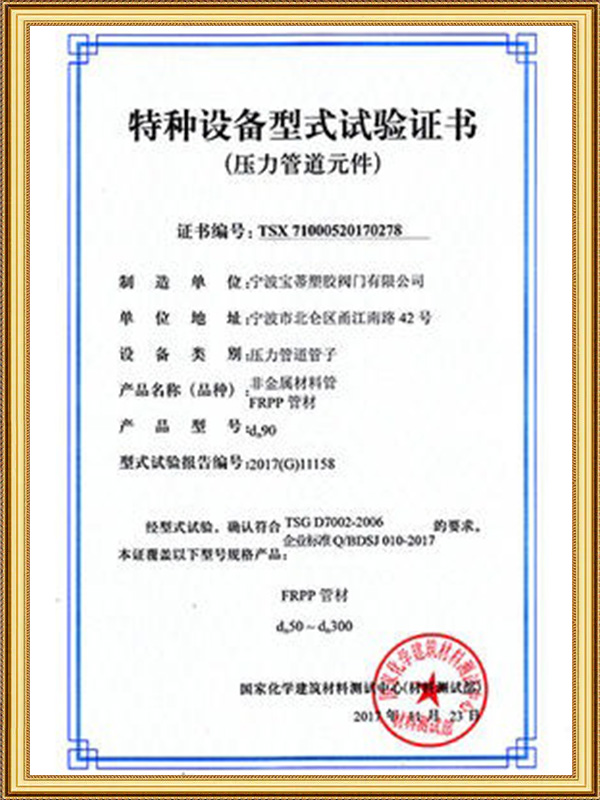
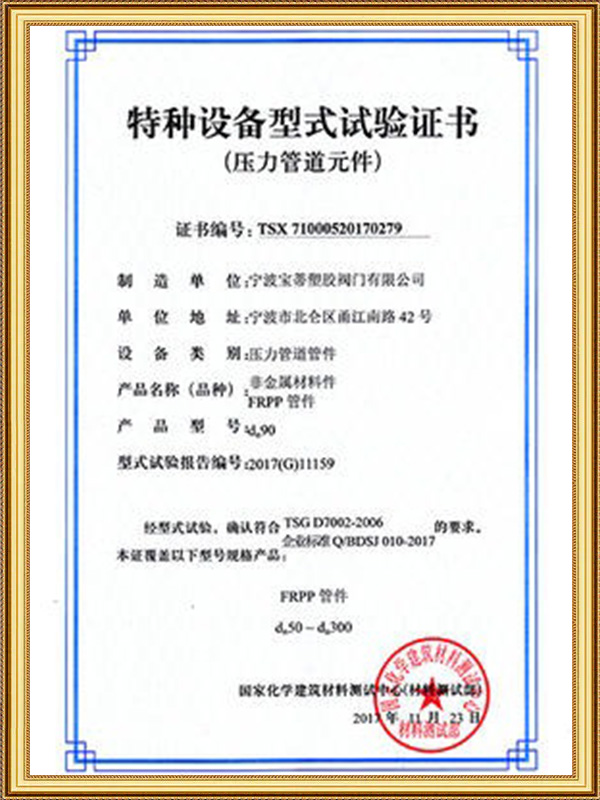
Ningbo Baodi Plastic Valve Co., Ltd. exports to more than 60 countries and holds ISO 9001, ISO 14001 and ISO 45001 certification, a quality framework that supports dimensional and material consistency across production batches — a relevant consideration for distributors placing repeat orders over time, since union bodies, nuts and seals sourced from different production batches should still interface reliably with one another for field maintenance and spare-parts purposes.