How Do Valve Fittings Create Reliable Connections in Industrial Piping Systems?
Industrial valves are usually selected according to pressure, temperature, flow capacity and chemical resistance. However, many piping failures begin at the connection rather than inside the valve body. A poorly aligned union, an overtightened plastic thread or an unevenly compressed flange gasket can cause leakage even when the valve itself remains in good condition.
Valve Fittings connect valves with pipes, pumps, tanks, filters, instruments and processing equipment. In corrosive-fluid systems, Plastic Valve Fittings provide compatible connection options for thermoplastic valves and pipes while reducing corrosion problems associated with unprotected metallic components.
Reliable valve connections require more than matching nominal diameters. The fitting material, pressure class, connection standard, sealing element, installation alignment and maintenance requirements must all be reviewed. Ningbo Baodi Plastic Valve Co., Ltd. traces its origins to 1979 and has accumulated more than four decades of experience in industrial plastic valves and piping products. This experience supports the coordinated selection of valves, fittings and pipe materials as part of one fluid-control system.
Valve Fittings
What Are Valve Fittings?
Valve Fittings are components used to connect a valve to a pipe, another fitting, a pump, a tank or an instrument branch. They may form part of the valve end structure or be supplied as separate connection accessories.
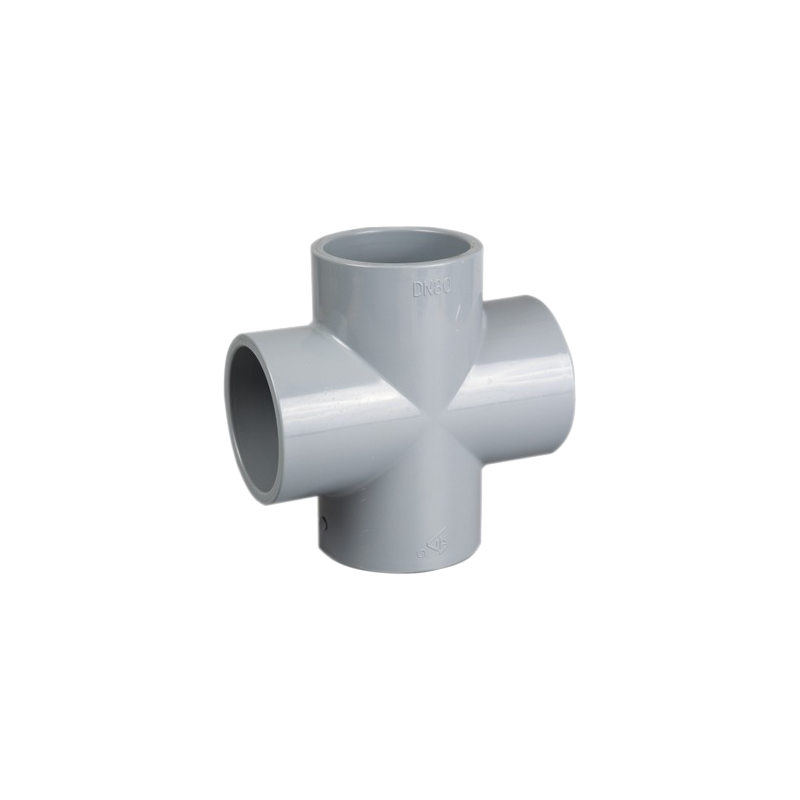
Common Valve Fittings include union ends, flanges, threaded adapters, socket connectors, fusion ends, reducers, bushings and material-transition fittings. Their main purpose is to create a secure flow passage while allowing the valve to perform isolation, diversion or regulation.
Pipe connection: Valve Fittings connect the inlet and outlet of a valve to the surrounding pipeline.
Size conversion: Reducers and bushings allow a valve to connect with a different pipe diameter.
Connection conversion: Adapters can change socket ends to threads, flanges or fusion connections.
Maintenance access: Unions and flanges allow valves to be removed without cutting long pipe sections.
Sealing support: Valve Fittings provide surfaces or grooves for O-rings, gaskets and thread-sealing materials.
Valve Fittings are not always identical to ordinary pipe fittings. A pipe elbow mainly changes flow direction, while a valve connection must also account for valve weight, operating torque, service access and sealing loads.
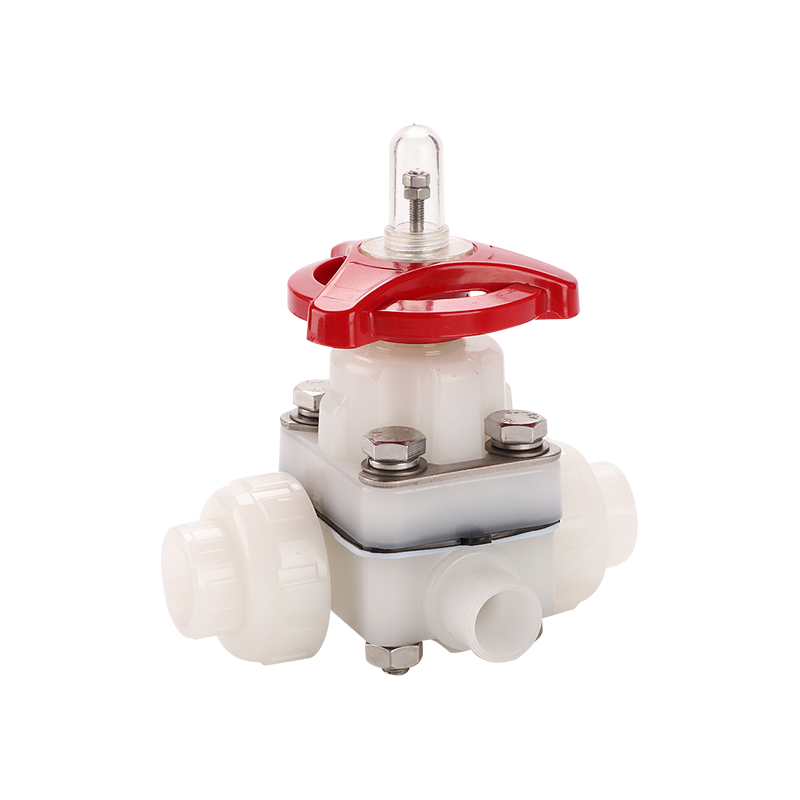
Ningbo Baodi Plastic Valve Co., Ltd. manufactured its first plastic diaphragm valve in 1979. The product passed the technical appraisal of the Ministry of Chemical Industry in 1983. Developing such an industrial valve required attention not only to the valve body but also to its pressure connection with surrounding piping.
Plastic Valve Fittings
What Are Plastic Valve Fittings?
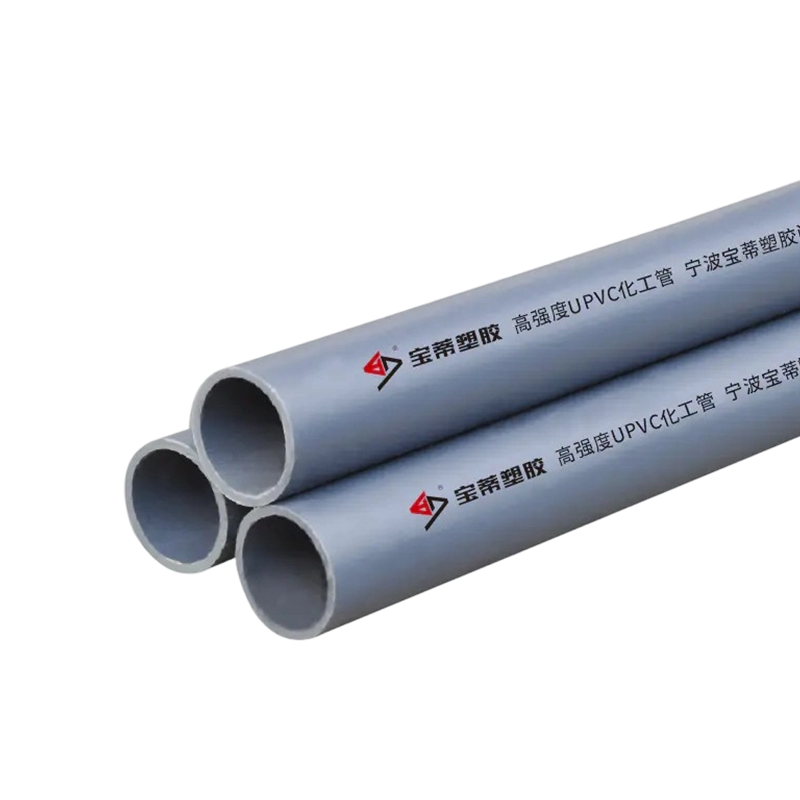
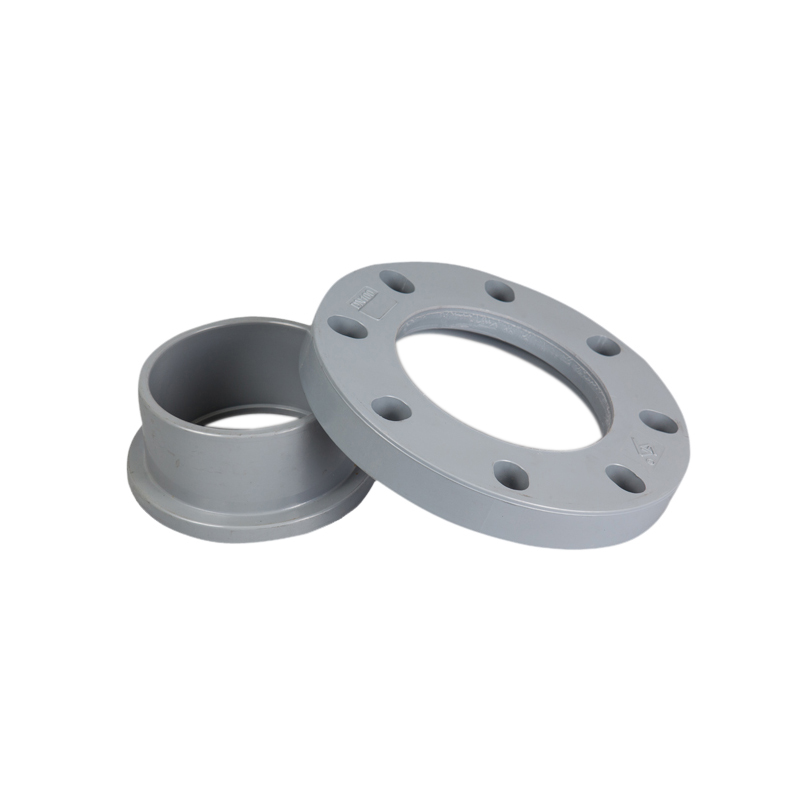
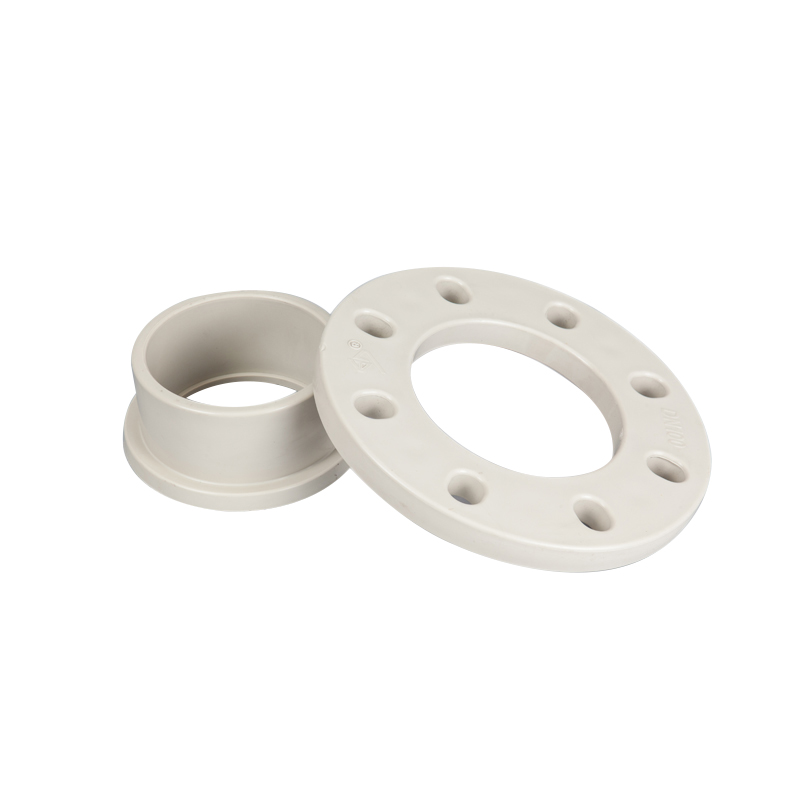
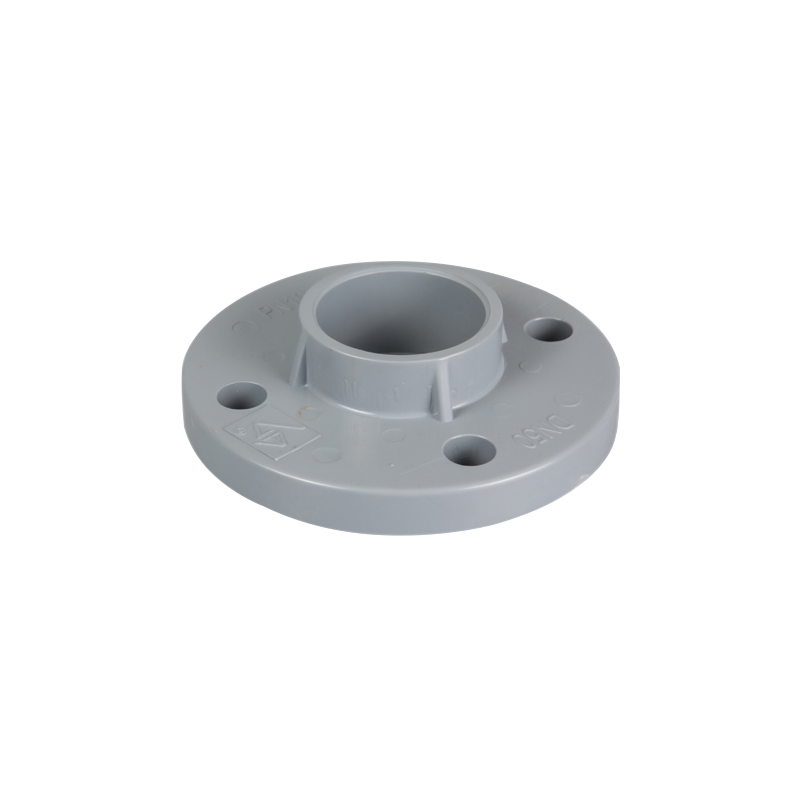
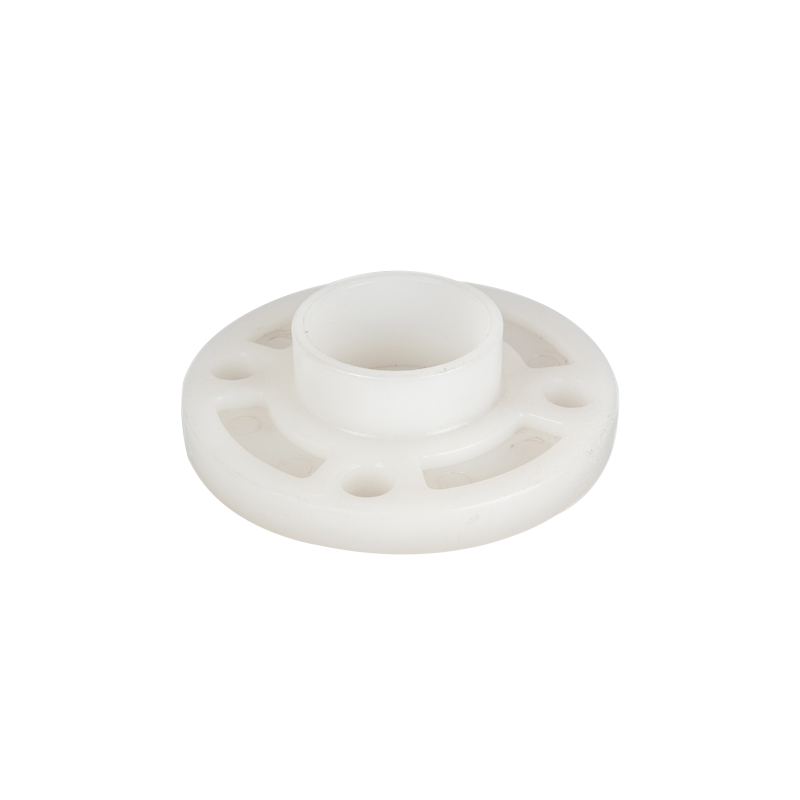
Plastic Valve Fittings are industrial connection components manufactured from materials such as PVC, CPVC, PP and PVDF. They are designed to connect thermoplastic valves, pipes and equipment in systems handling water, acids, alkalis, salt solutions, industrial wastewater and other compatible fluids.
Plastic Valve Fittings can reduce corrosion at connection points and simplify installation because they have relatively low weight. They are also useful when a project requires consistent materials across the valve body, pipe and fitting.
Industrial Plastic Valve Fittings should not be treated as ordinary non-pressure accessories. They require defined dimensions, pressure ratings, temperature limits and compatible sealing structures.
Corrosion resistance: Suitable plastics can withstand many chemicals that may attack unprotected metal fittings.
Lower weight: Plastic fittings are easier to handle, especially around larger valves and equipment.
System compatibility: They can be matched with thermoplastic pipes, valves and flanges.
Maintenance flexibility: Union and flange structures provide removable connection points.
The limitations must also be considered. Pressure capability normally decreases as temperature increases. Plastic threads can crack when overtightened, and large automatic valves should not be supported only by the connected fittings.
In 2006, Ningbo Baodi Plastic Valve Co., Ltd. expanded its product range to include industrial plastic pipes and fittings. The company also became one of the first domestic enterprises to apply CPVC in industrial-grade piping valves, helping users coordinate Plastic Valve Fittings with compatible pipes and valve bodies.
Main Types of Valve Fittings
Union Fittings
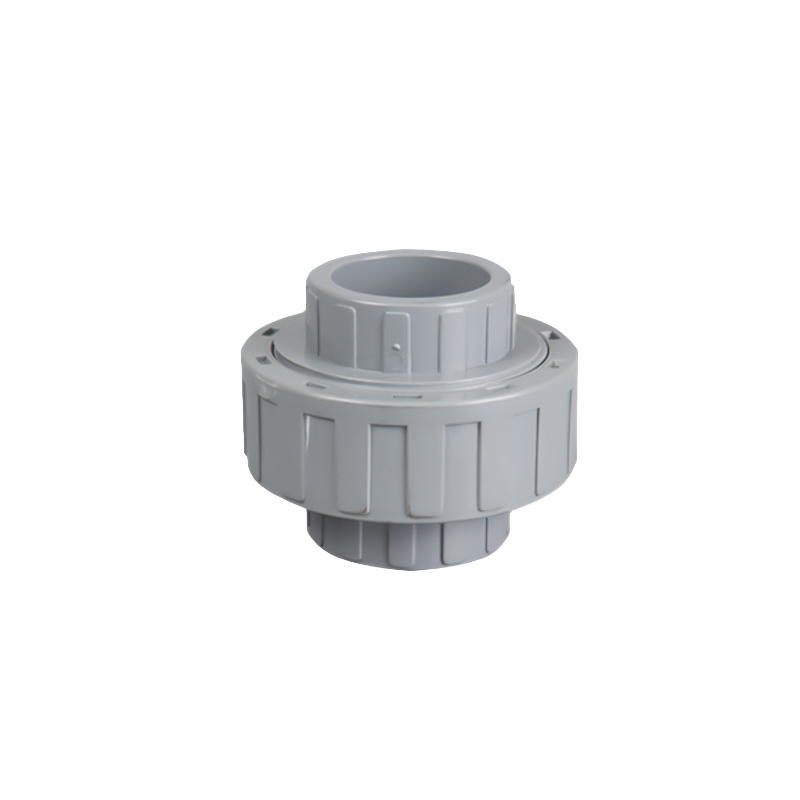
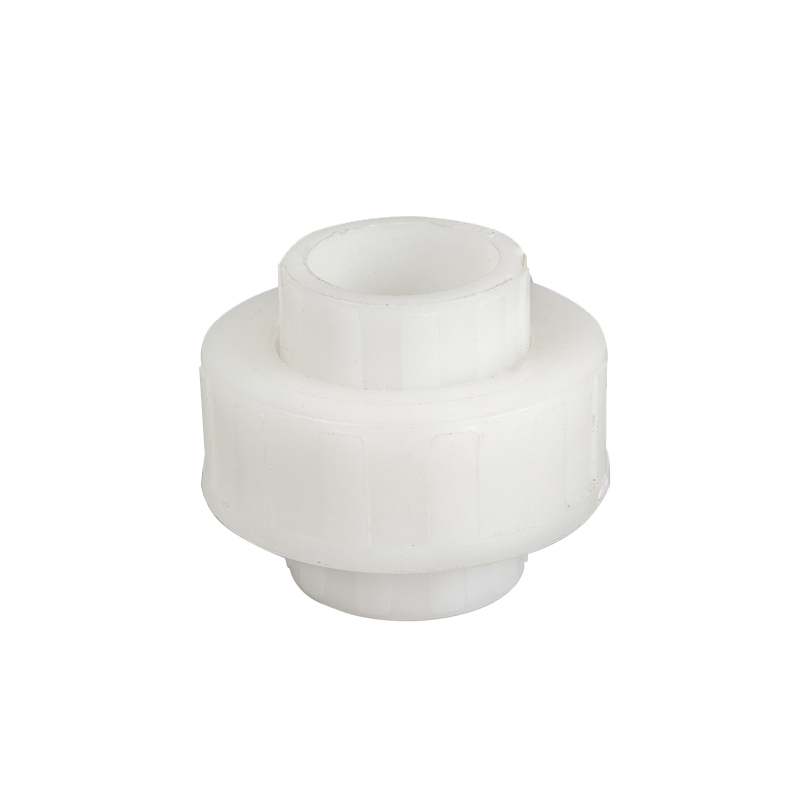
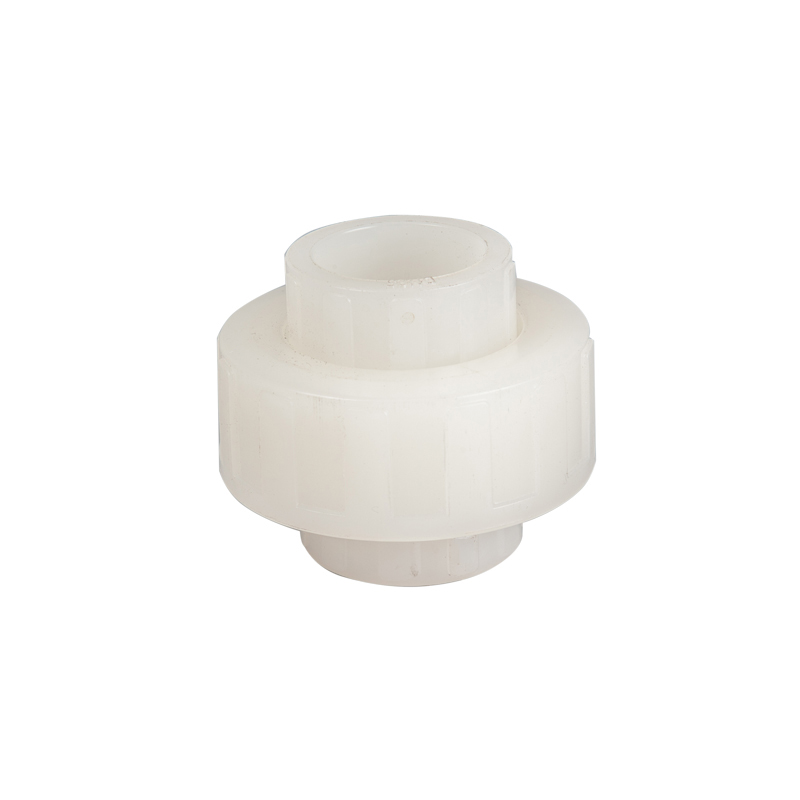
A union fitting creates a removable valve connection. A typical structure includes two end connectors, a union nut and an O-ring or gasket.
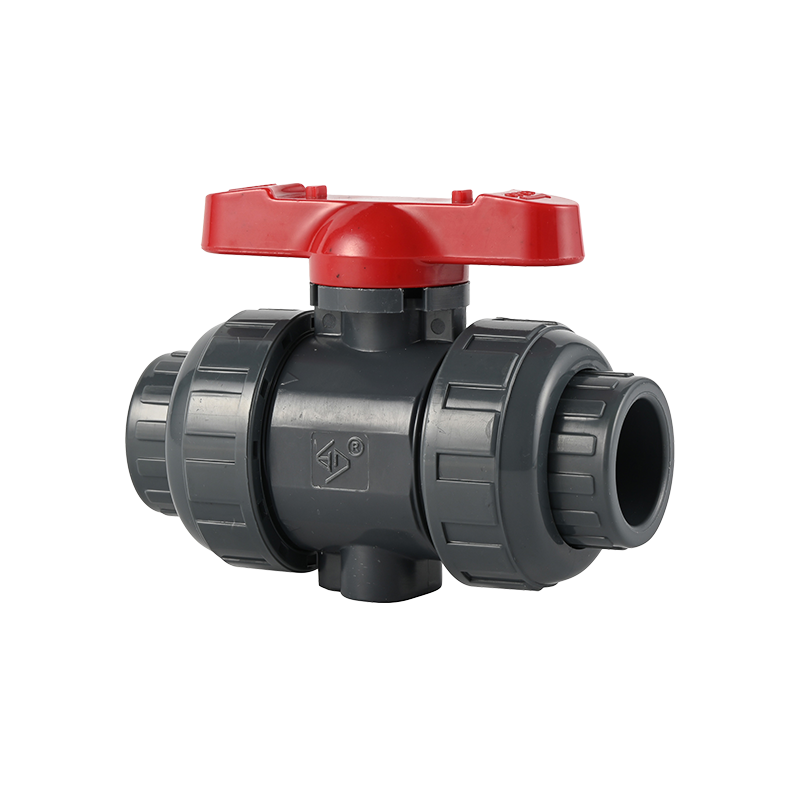
Union Valve Fittings allow a valve to be removed without cutting the pipe. They are commonly installed around ball valves, diaphragm valves, filters and equipment that requires periodic inspection.
The two pipe ends must remain naturally aligned. Tightening the union nut against offset piping can place bending stress on the valve body and fitting ends.
The sealing ring should sit correctly in its groove. Dirt, scratches, twisting or chemical swelling may prevent even compression and cause leakage.
Flange Fittings
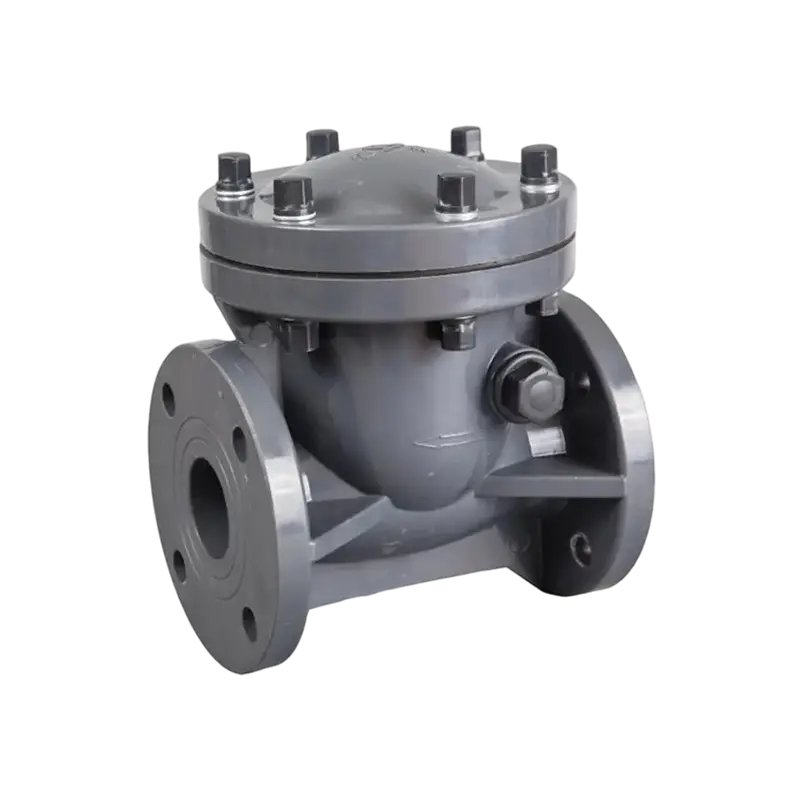
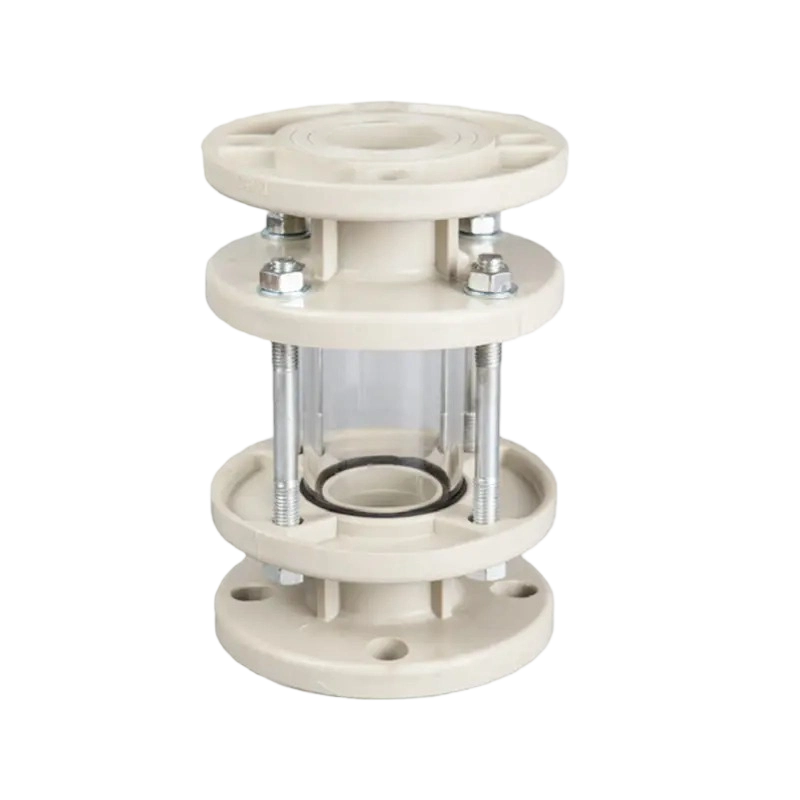
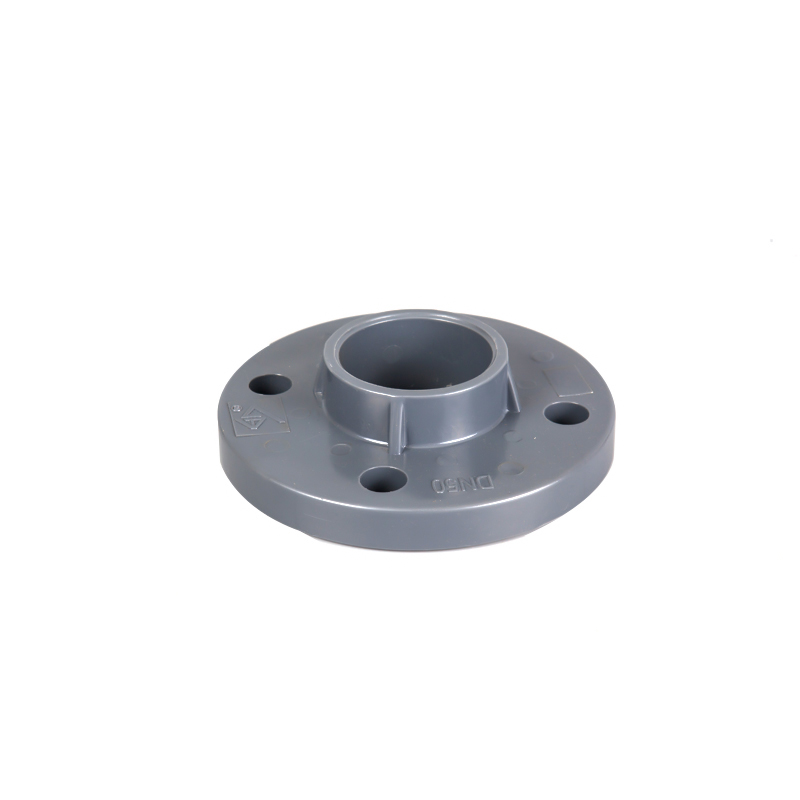
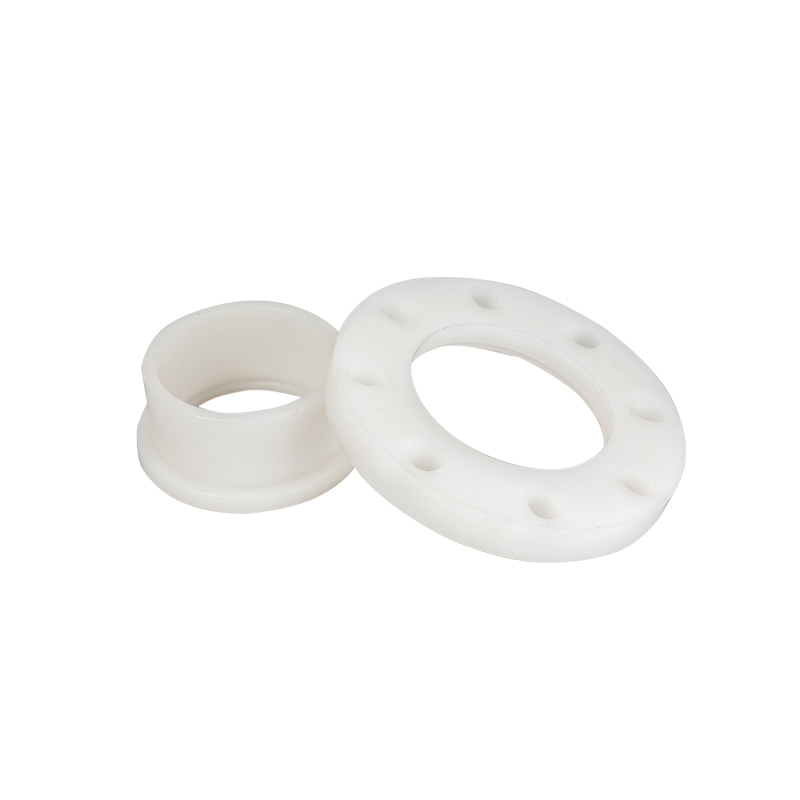
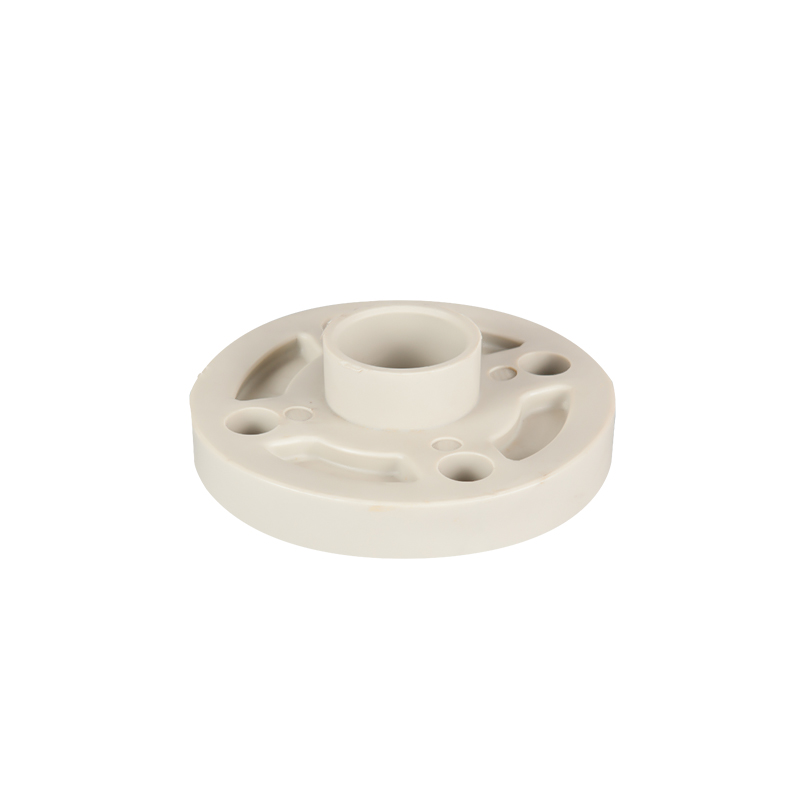
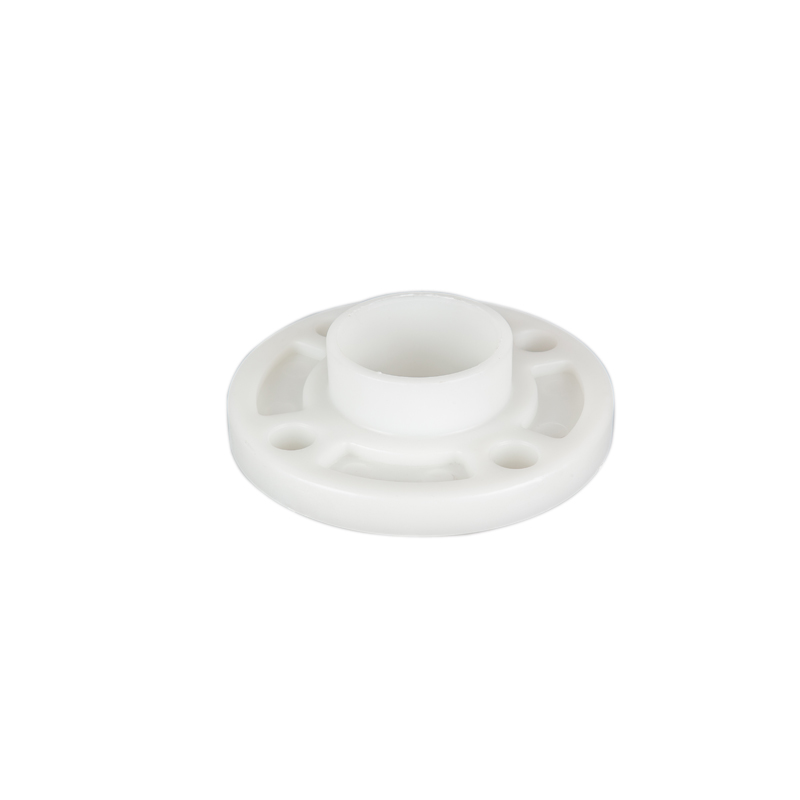
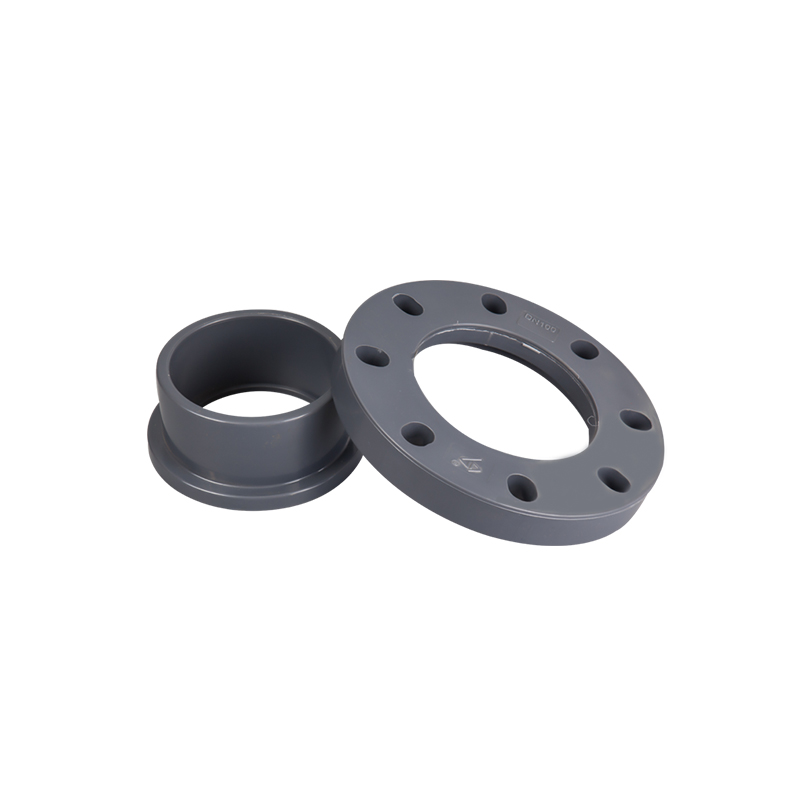
Flange fittings are widely used for large valves, pumps, tanks and processing equipment. A typical flange connection includes two mating faces, a gasket, bolts and nuts.
Flanges provide convenient dismantling, but their standards must match. Similar outside diameters do not guarantee identical bolt circles, hole quantities, pressure classes or sealing surfaces.
Ningbo Baodi Plastic Valve Co., Ltd. invented a one-piece flange ball valve in 1992. The structure later became widely used in chemical-related industries. Its integrated flange form reflects the importance of stable and maintainable valve connections in industrial plastic piping.
Threaded Fittings
Threaded Valve Fittings are mainly used for smaller pipe sizes, instruments and auxiliary branches. They may have internal threads, external threads or reducing thread combinations.
Plastic threads require controlled tightening. Excessive force can split a female fitting, especially when a rigid metal male thread is installed into a plastic connection.
The sealing material must be compatible with both the plastic and the process fluid. Excessive sealing tape can increase radial stress and damage the fitting.
Socket Fittings
Socket fittings connect the pipe and valve through an overlapping socket. PVC and CPVC connections may use a compatible solvent-cement process.
The pipe should be cut square, cleaned and prepared according to the joining procedure. Insertion depth and curing time directly influence connection strength.
Fusion Fittings
Fusion fittings are commonly used with PP and PVDF piping. Heat is applied to the pipe and fitting surfaces before they are joined under controlled conditions.
Heating temperature, time, pressure and alignment must be controlled. Excessive heating can reduce the internal bore, while insufficient heating may create a weak joint.
Adapter Fittings
Adapters connect different pipe sizes, materials or end standards. They may connect a plastic valve to a metal pump, a socket pipe to a threaded instrument or one thermoplastic system to another.
Adapter selection should consider pressure, temperature, chemical compatibility, equipment weight and differences in thermal expansion.
Valve Fitting Type Comparison
| Fitting Type |
Main Advantage |
Main Limitation |
Typical Application |
| Union fitting |
Easy valve removal |
Requires accurate alignment and compatible seals |
Serviceable valves and filters |
| Flange fitting |
Suitable for large sizes and equipment |
Requires controlled bolt loading |
Pumps, tanks and large valves |
| Threaded fitting |
Convenient for small connections |
Risk of cracking from overtightening |
Instruments and small branches |
| Socket fitting |
Compact connection |
Requires correct preparation and curing |
PVC and CPVC valve connections |
| Fusion fitting |
Strong continuous joint |
Requires controlled heating equipment |
PP and PVDF piping systems |
| Adapter fitting |
Connects different materials or standards |
Requires compatibility and load review |
Mixed-material piping systems |
Connection type should not be chosen only for installation convenience. Pressure, medium, maintenance frequency and available working space should also guide the decision.
Materials Used for Plastic Valve Fittings
PVC Plastic Valve Fittings
PVC Plastic Valve Fittings are commonly used in ambient-temperature water treatment and selected chemical-transfer systems.
PVC provides low weight, a smooth internal surface and resistance to many acids, alkalis and salt solutions. Its pressure capacity decreases as temperature rises, and it is not suitable for every solvent.
CPVC Plastic Valve Fittings
CPVC offers higher temperature capability than standard PVC in many industrial applications. It can be used in selected hot-water, chemical-processing and utility pipelines.
The pipe, valve, fitting and joining compound should all be suitable for CPVC service. Ningbo Baodi Plastic Valve Co., Ltd. began applying CPVC in industrial-grade piping valves after expanding its piping product line in 2006.
PP Plastic Valve Fittings
PP fittings are suitable for many acids, alkalis and wastewater applications. The material has low density and is commonly connected through fusion, flanges or unions.
Operating pressure should be checked at the actual fluid temperature. Low-temperature impact conditions and support spacing should also be considered.
PVDF Plastic Valve Fittings
PVDF Plastic Valve Fittings are used for demanding chemical and high-purity fluid systems. They provide broad chemical resistance and useful temperature capability.
Fusion quality, cleanliness and material traceability are especially important where contamination control is required.
Material Comparison
| Parameter |
PVC |
CPVC |
PP |
PVDF |
| Temperature capability |
Moderate |
Higher than PVC |
Moderate |
Relatively high |
| Chemical resistance |
Suitable for many general chemicals |
Suitable for many chemicals at elevated temperature |
Strong resistance to many acids and alkalis |
Broad resistance to aggressive chemicals |
| Common connection |
Socket, union or flange |
Socket, union or flange |
Fusion, union or flange |
Controlled fusion or flange |
| Typical application |
Water treatment and chemical transfer |
Hot water and chemical processing |
Wastewater and acid-alkali systems |
High-purity and demanding chemical service |
| Main concern |
Temperature and solvent limitations |
Complete system compatibility |
Pressure derating and impact conditions |
Installation quality and material cost |
Ningbo Baodi Plastic Valve Co., Ltd. supplies a wide range of industrial thermoplastic valve and piping categories. This allows the body, connection fitting and pipe material to be selected as a coordinated combination instead of isolated products.
Valve End Connections and Port Standards
Socket Ends
Socket ends are manufactured for a specific pipe outside diameter and insertion depth. A pipe with the same nominal size may not fit if it follows another dimensional system.
The socket dimensions and pipe standard should therefore be confirmed before installation.
Threaded Ends
Threaded connections may use parallel or tapered thread forms. Different thread standards should not be forced together.
A partially engaged thread may appear tight but provide limited strength and unreliable sealing. Thread pitch, direction, effective length and sealing method must match.
Flanged Ends
Flanged Valve Fittings require compatible nominal diameter, pressure class, bolt-hole pattern and sealing face.
The gasket should cover the intended sealing area without obstructing the flow passage. Bolts must provide adequate engagement without applying excessive load to the plastic flange.
Union Ends
Union ends are designed as matched assemblies. The nut, end connector, O-ring and sealing groove must be compatible.
Parts from different union structures should not be mixed only because their diameters appear similar. Small dimensional differences may cause leakage.
Ningbo Baodi Plastic Valve Co., Ltd. is a principal drafter of the national standard for plastic diaphragm valves and chemical-industry standards for several plastic valve categories. Standardized connection dimensions support reliable installation and replacement.
Reducers, Bushings and Size Transitions
Reducing Valve Fittings connect valves and pipes with different diameters. A reducer may be concentric, keeping both pipe centerlines aligned, or eccentric, shifting one side of the transition.
The correct arrangement depends on flow direction, drainage requirements and the possibility of trapped air or sediment.
Reducing bushings fit inside larger sockets or threaded openings. They provide compact size conversion, but several bushings should not be nested unnecessarily because each additional connection creates another possible leakage point.
A valve does not always need to match the main pipe size. A control valve may be smaller when the required flow coefficient and pressure drop demand it. An isolation valve is generally selected to avoid unnecessary restriction.
Velocity change: Reducing the diameter increases flow velocity.
Pressure loss: Sudden transitions create additional local resistance.
Particle behavior: Incorrect reducer orientation may encourage sediment accumulation.
Equipment loading: Heavy valves near reducers require separate support.
Seals, Gaskets and O-Rings
Union and flange connections often depend on elastomeric or fluoropolymer seals. A compatible fitting body can still leak if the selected sealing material swells, hardens or loses compression.
EPDM Seals
EPDM is commonly used in water-treatment and selected chemical systems. It performs well with many water-based and alkaline fluids but is generally unsuitable for petroleum oils.
FKM Seals
FKM provides resistance to many oils and chemical fluids. It can also be suitable under some higher-temperature conditions, but it should not be assumed compatible with every strong alkaline medium.
NBR Seals
NBR is widely used with oil, compressed air and selected industrial fluids. Its resistance to strong oxidizing chemicals is limited.
PTFE Gaskets
PTFE provides broad chemical resistance and is commonly used in corrosive-fluid flange connections. It requires suitable flange support and controlled compression.
Seal Material Comparison
| Seal Material |
Main Strength |
Typical Application |
Main Limitation |
| EPDM |
Water and alkaline resistance |
Water treatment and selected chemicals |
Generally unsuitable for petroleum oils |
| FKM |
Resistance to many oils and chemicals |
Oil and selected chemical systems |
Not suitable for every alkaline medium |
| NBR |
Oil resistance |
Air, oil and industrial fluids |
Limited oxidizing-chemical resistance |
| PTFE |
Broad chemical resistance |
Corrosive chemical flange service |
Requires controlled compression |
Ningbo Baodi Plastic Valve Co., Ltd. has served tens of thousands of enterprises in domestic and international markets. Experience across different industries shows that the seal material is often as important as the valve body or Plastic Valve Fittings.
Pressure, Temperature and Mechanical Loads
Pressure Rating
Valve Fittings must withstand normal operating pressure, maximum system pressure and temporary pressure surges.
The lowest-rated component determines the system limit. Small reducers, instrument adapters and union ends should not be overlooked.
Temperature Derating
Plastic materials normally lose pressure capability as temperature increases. Seals may also soften, harden or lose elasticity.
A pressure rating stated for ambient temperature should not be used directly for a hotter process.
Mechanical Loads
Valve connections may be exposed to pipe weight, valve weight, actuator weight, thermal movement, equipment vibration and alignment stress.
Plastic Valve Fittings should not carry the full weight of a large automatic valve. Independent brackets should support the valve and actuator.
Pipe supports should also allow intended thermal movement. A rigid clamp installed in the wrong position can transfer stress to a union or flange.
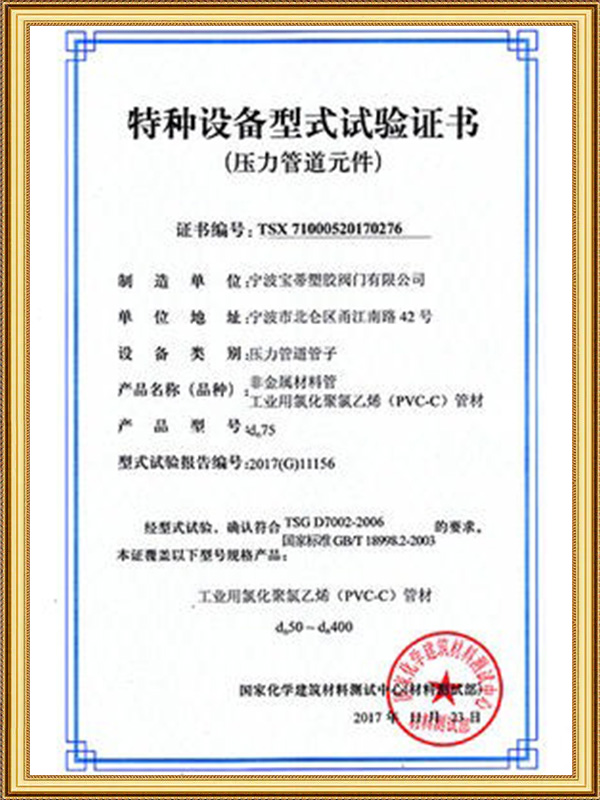
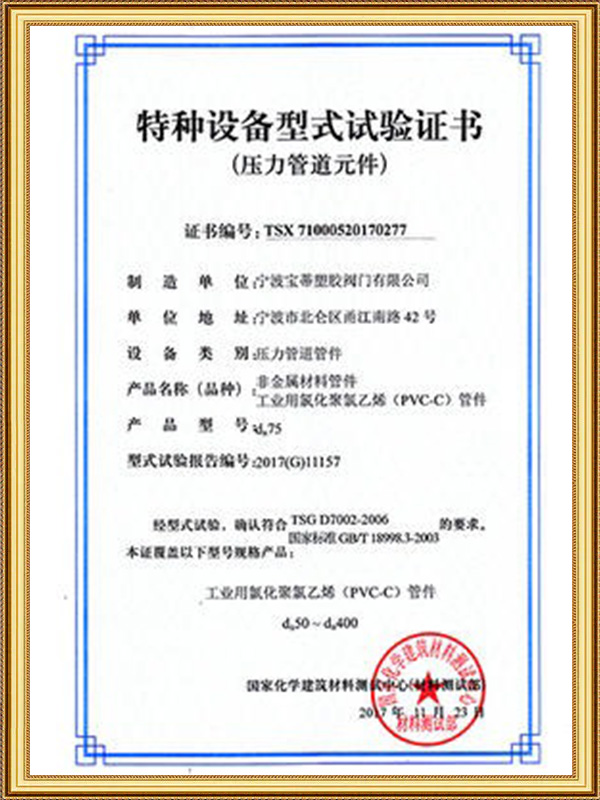
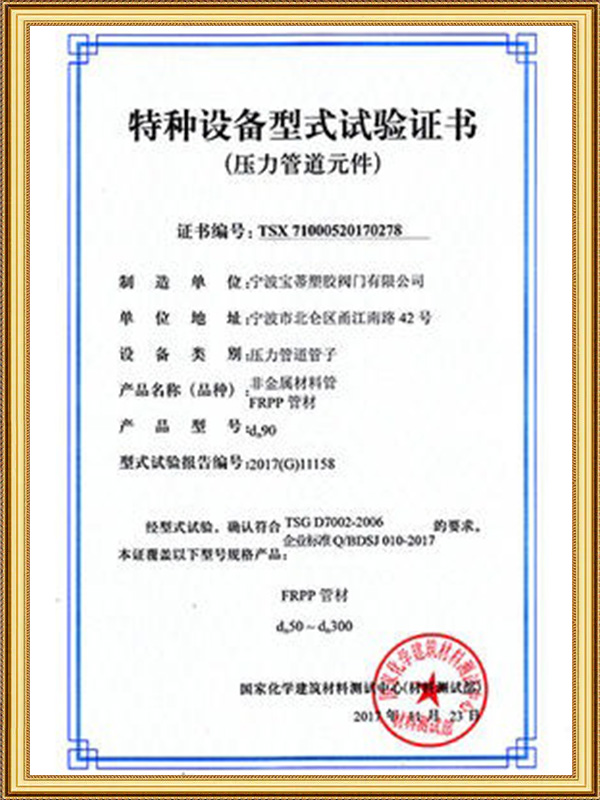
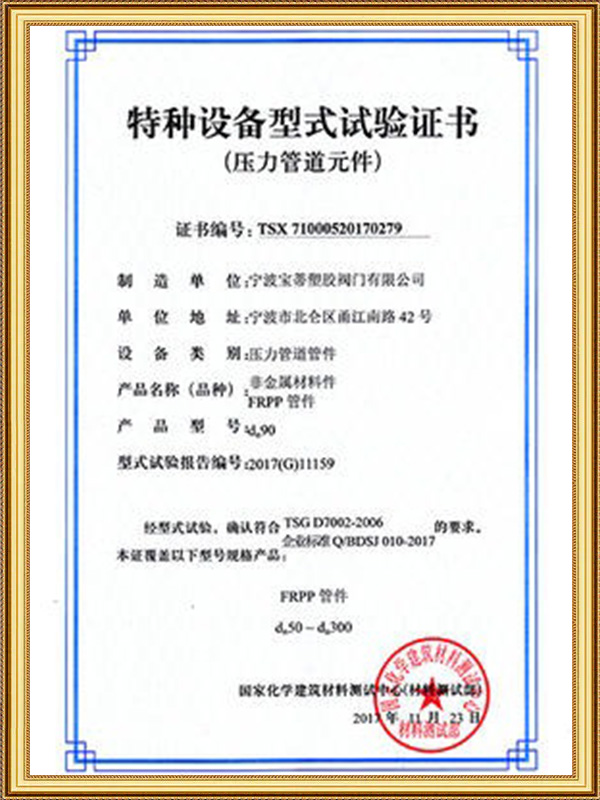
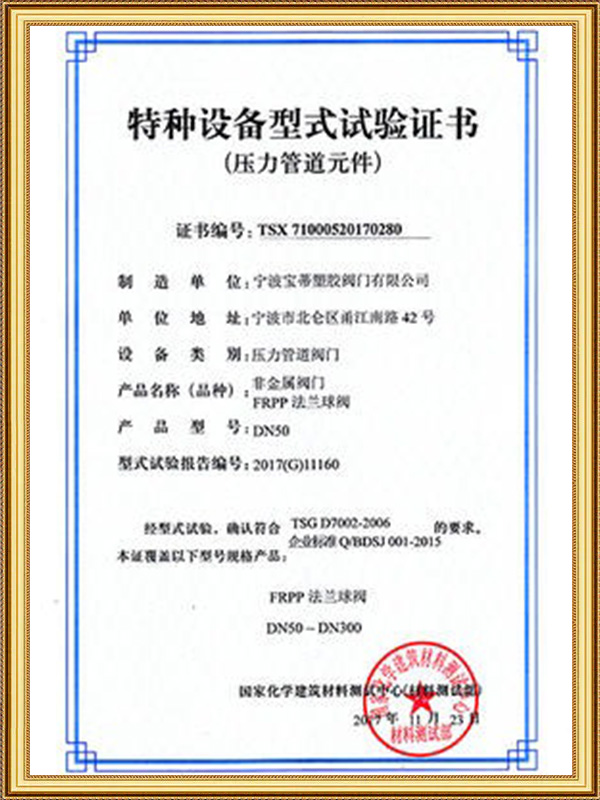
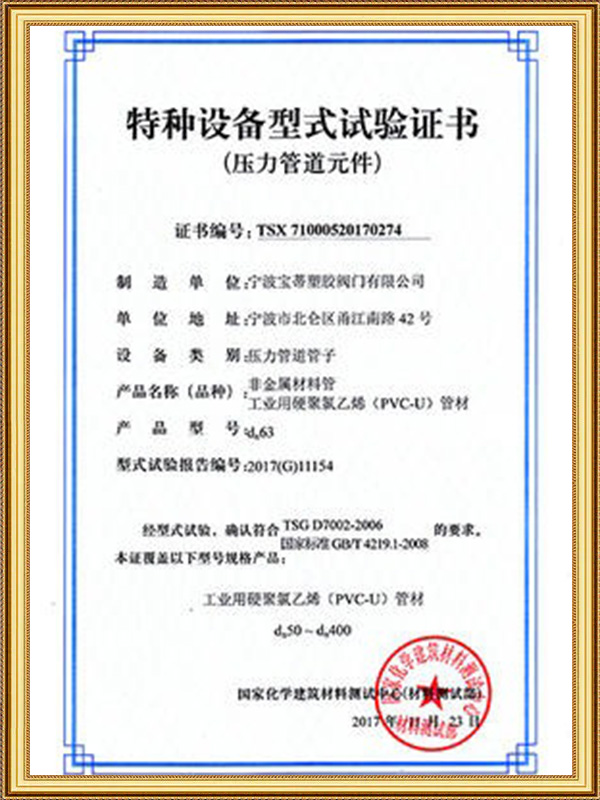
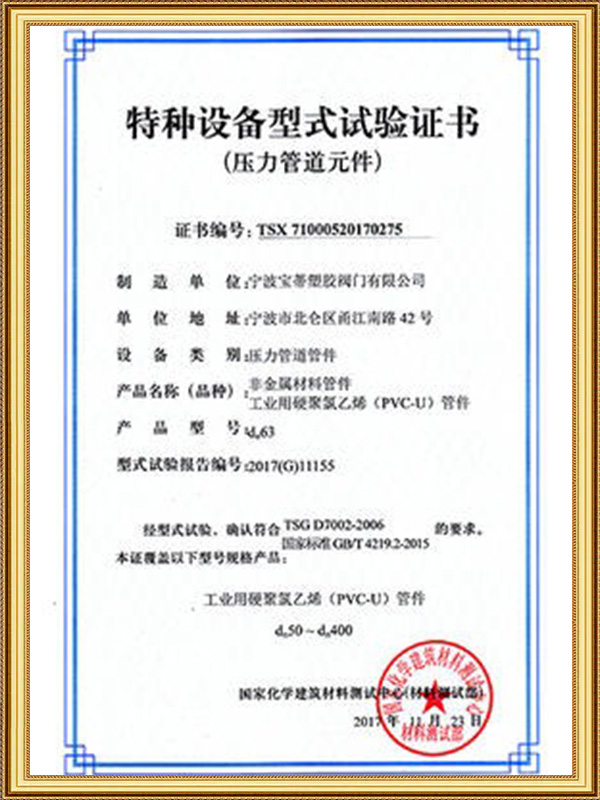
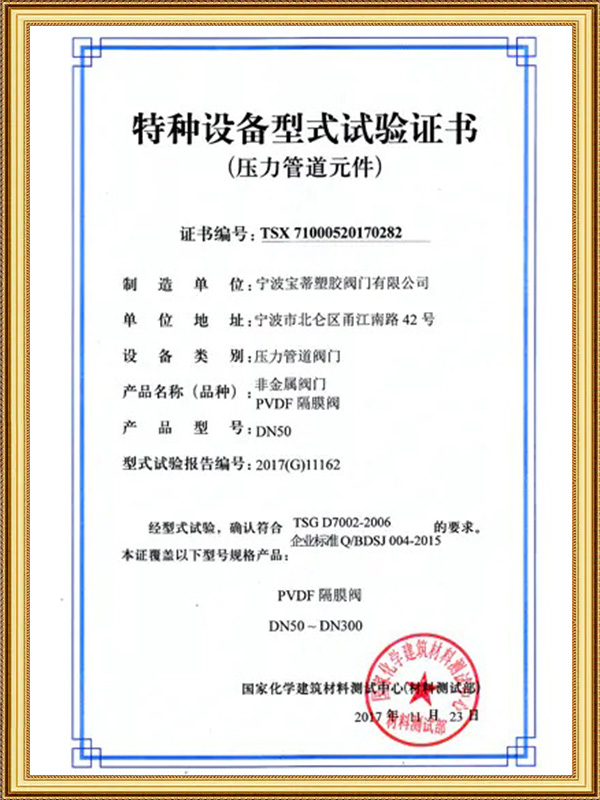
Ningbo Baodi Plastic Valve Co., Ltd. holds a national special equipment pressure piping component manufacturing license. This reflects the importance of controlled pressure performance, material management and dimensional stability in industrial piping products.
Chemical Compatibility of Valve Fittings
Chemical compatibility must cover every part of the connection, including the fitting body, union nut, flange, O-ring, gasket, thread sealant, adhesive, fusion area and connected valve components.
The required process data includes the chemical name, concentration, temperature, pressure, contact time, cleaning method, chemical mixtures and solid content.
Surface cracking: This may indicate chemical attack, excessive stress or unsuitable temperature.
Plastic softening: A soft surface may show that the fitting material is incompatible with the fluid.
O-ring swelling: Seal expansion can increase operating friction and cause union leakage.
Persistent seepage: Repeated leakage may indicate a damaged surface, material mismatch or pipe misalignment.
A connection may perform correctly during production but fail during hot cleaning. Temporary cleaning chemicals should therefore be included in the compatibility review.
Removable and Permanent Valve Connections
Removable Connections
Union and flange connections allow valves to be removed without cutting the pipe. They are useful around filters, pumps, instruments and equipment requiring regular maintenance.
The additional sealing surfaces require correct installation and periodic inspection.
Permanent Connections
Solvent-cement sockets, socket-fusion joints and butt-fusion joints create compact connections with fewer removable seals.
They are suitable where the valve is unlikely to require frequent removal. Replacement may require cutting and rebuilding part of the pipe.
Selecting the Connection
The decision should consider valve-maintenance frequency, pipe diameter, installation space, fluid hazard, system pressure, equipment-removal requirements and available joining equipment.
Even when permanent Valve Fittings are used, unions or flanges can be placed near important equipment to simplify future servicing.
Installation Guidelines for Plastic Valve Fittings
Inspect the Components
Check fittings for cracks, deformation, damaged threads and sealing-groove defects. Confirm the material, size, pressure class and connection standard.
Clean the Surfaces
Remove oil, dust, plastic fragments and old sealing material. Socket, adhesive and fusion surfaces should remain dry and clean.
Maintain Natural Alignment
The valve, pipe and fitting should align before tightening. Union nuts and flange bolts should not be used to pull offset pipes into place.
Control Tightening Force
Plastic threads, union nuts and flanges should not be overtightened. Flange bolts should be tightened gradually in a cross pattern.
Allow Curing or Cooling
Solvent-cement connections require sufficient curing, while fusion joints need adequate cooling before loading or pressure testing.
Ningbo Baodi Plastic Valve Co., Ltd. has obtained ISO 9001, ISO 14001 and ISO 45001 certifications. Controlled manufacturing supports stable product quality, but field installation remains essential to the performance of Valve Fittings.
Pressure Testing and Leakage Inspection
Before testing, confirm that adhesive joints have cured and fused joints have cooled. Check valve positions, pipe supports, flange bolts, pressure gauges and air-release points.
Fill the system slowly with the approved test medium and release trapped air from high points. Pressure should be increased gradually rather than applied in one step.
Union ends, threaded connections, flanges, adapters and reducers should be inspected during each pressure stage.
A leaking connection should not always be repaired by additional tightening. Excess force can enlarge a crack or deform a sealing surface.
The actual cause may be an incorrect O-ring, damaged gasket, misalignment, incompatible material or connection-standard mismatch.
Common Valve Fitting Problems and Troubleshooting
Union Joint Leakage
Possible causes: Twisted O-ring, contamination in the sealing groove, misaligned pipe ends, unsuitable seal material or incorrect union-nut tightening.
Flange Leakage
Possible causes: Uneven bolt loading, damaged sealing faces, incorrect gasket dimensions, pipe stress or flange deformation.
Thread Cracking
Possible causes: Overtightening, excessive sealing tape, mismatched thread standards, vibration or restricted thermal movement.
Joint Pull-Out
Possible causes: Insufficient socket insertion, inadequate fusion, excessive axial force, poor anchoring or incomplete curing.
Repeated Seal Failure
Possible causes: Chemical incompatibility, excessive temperature, rough sealing surfaces, bending loads or incorrect seal dimensions.
Ningbo Baodi Plastic Valve Co., Ltd. exports industrial thermoplastic products to more than 60 countries. Experience from different industries shows that repeated fitting leakage often points to a system condition rather than a single damaged seal.
Maintenance and Replacement Planning
Valve connections should be inspected for leakage, cracks, discoloration and looseness. Large valves, pump connections and outdoor piping deserve additional attention.
O-rings and gaskets that have become flattened, swollen, hardened or chemically damaged should not be reused.
Before reassembly, sealing surfaces should be cleaned and the pipe should return to natural alignment.
Critical systems should keep suitable spare union ends, nuts, O-rings, gaskets and adapters. Spare parts should be identified by material, size and connection structure.
Parts from different union designs should not be interchanged only because they appear similar.
Maintenance records should include the leakage location, process fluid, temperature, fitting material and replacement seal. Repeated incidents can reveal pipe stress, vibration or compatibility problems.
Typical Applications of Plastic Valve Fittings
Chemical Processing
Plastic Valve Fittings connect thermoplastic valves with chemical-transfer lines, tanks and processing equipment. Material and seal compatibility are the main concerns.
Water Treatment
Union and flange fittings are used around filters, dosing systems, pumps and backwash lines. Removable connections simplify equipment servicing.
Wastewater Systems
Corrosion-resistant Valve Fittings connect valves, strainers and pumps handling industrial wastewater. Suspended particles and cleaning requirements should be considered.
Tank and Pump Connections
Flanges and transition adapters connect plastic valves to equipment nozzles. Heavy valves and pumps should have independent supports.
Irrigation and Aquaculture
Plastic fittings are used for branch valves, filtration units and water-distribution equipment in humid environments.
Automated Valve Assemblies
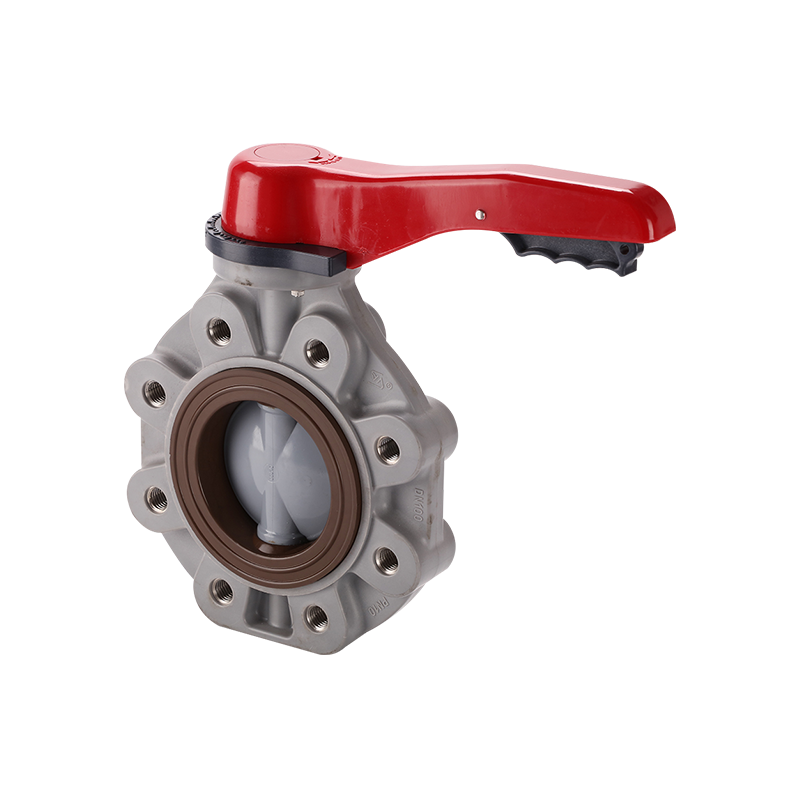
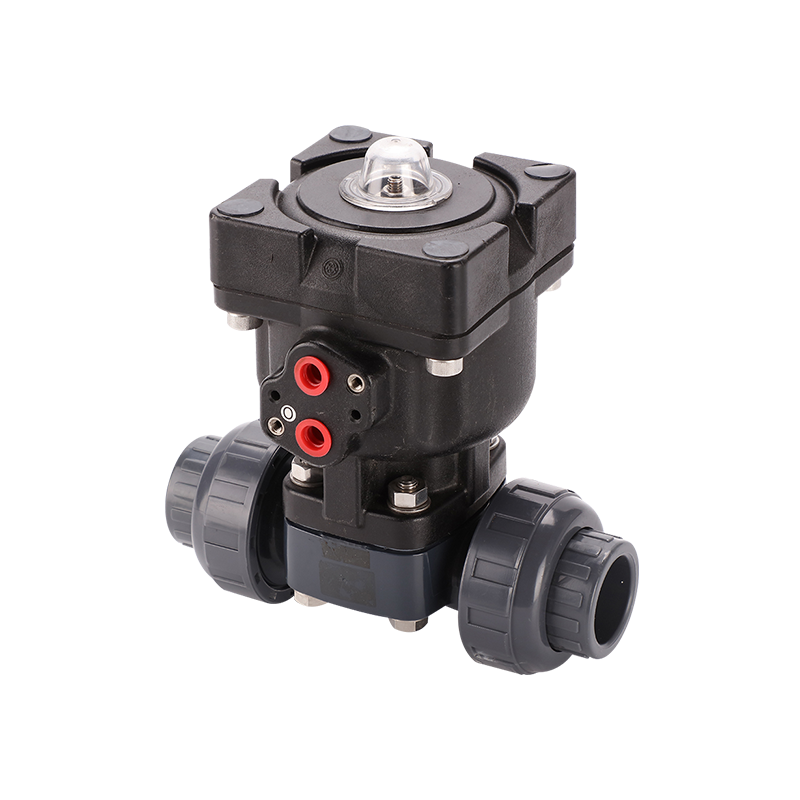
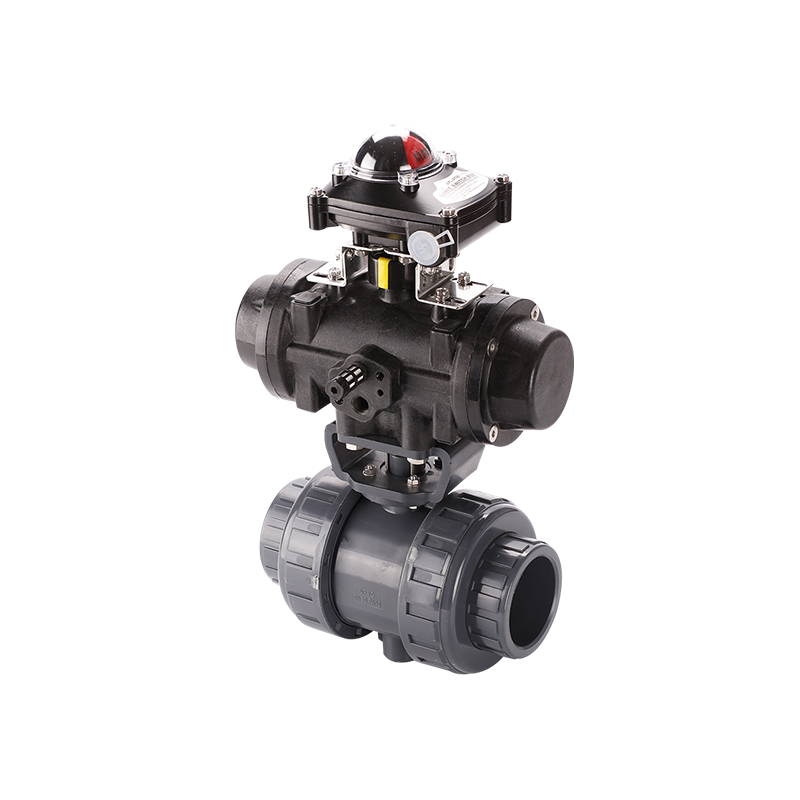
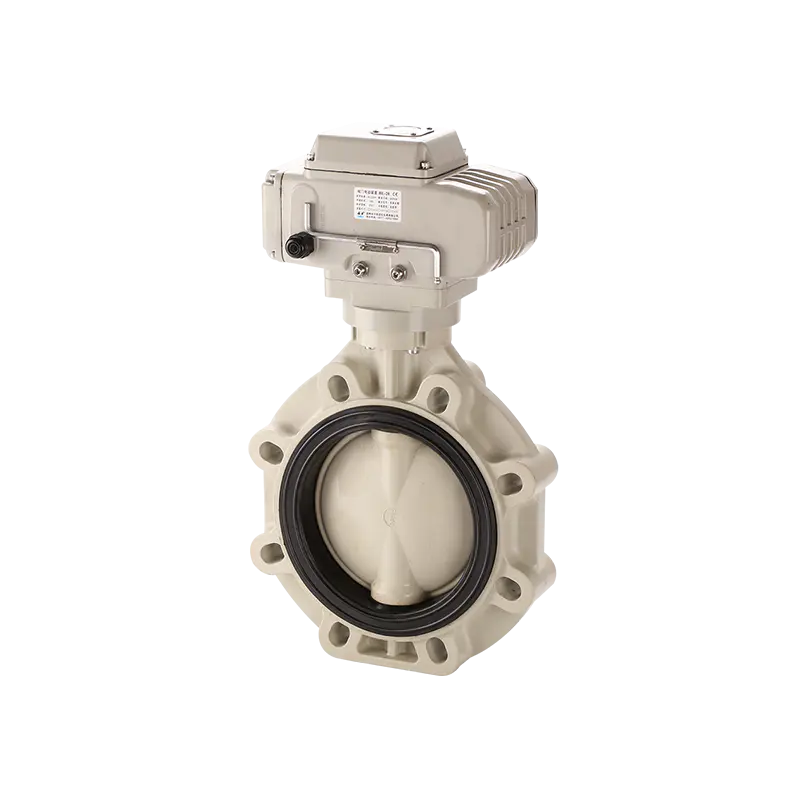
Automatic ball valves, butterfly valves and diaphragm valves may require union, flange or fusion connections. Actuator weight and operating torque should not be transferred directly to Plastic Valve Fittings.
Frequently Asked Questions About Valve Fittings and Plastic Valve Fittings
Are Valve Fittings the Same as Pipe Fittings?
Not completely. Ordinary pipe fittings mainly change flow direction, create branches or change pipe size. Valve Fittings focus on valve installation, removal, conversion and sealing.
What Are the Most Common Plastic Valve Fittings?
Common products include union ends, flanges, socket connectors, threaded adapters, reducers, bushings and fusion fittings.
Can Plastic Valve Fittings Handle Pressure?
Industrial-grade products can handle pressure within their specified material and temperature limits. The lowest-rated component determines the system pressure.
Can Plastic Fittings Connect to Metal Valves?
Yes. Suitable flanges, threaded adapters or transition fittings can be used. Metal weight, thread loading and thermal-expansion differences must be considered.
Why Does a Union Fitting Leak?
Common causes include O-ring misalignment, contamination, pipe offset, chemical swelling and incorrect nut tightening.
Can a Leaking Plastic Thread Be Tightened Further?
Blindly tightening the thread is not recommended. Excessive force can enlarge a crack. The thread form, sealant and alignment should be inspected.
Which Material Is Best for Plastic Valve Fittings?
There is no universal material for every application. PVC, CPVC, PP and PVDF should be selected according to the fluid, concentration, pressure and temperature.
Can Different Union Parts Be Mixed?
They should not be mixed based only on appearance. The nut, end connector, thread form and sealing groove must match.
How Should Plastic Flange Bolts Be Tightened?
Bolts should be tightened evenly in a cross pattern and in several stages. Excessive loading should be avoided.
Do Automatic Valves Need Additional Support?
Yes. Actuator weight and operating loads should not be carried entirely by Plastic Valve Fittings.
Is Pressure Testing Required After Replacing a Fitting?
A suitable leakage or pressure test should be completed after reconnecting a fitting in a critical pressure system.
What Information Is Needed Before Selection?
Required information includes fluid type, concentration, temperature, pressure, pipe size, valve type, end standard, connection method, seal material, maintenance requirements, external loads and installation environment.