When a PVDF valve is worth the higher price
A PVDF valve is worth the higher price when the process would attack a lower-cost valve body, seat, or diaphragm before the next planned shutdown. The premium is not justified by the word “PVDF” on a data sheet. It is justified by a specific service window: strong acids or bases, solvents, oxidizers, high-purity media, or temperatures that push PVC, CPVC, or PP into derating and short maintenance cycles.
For a chemical transfer line, the decision usually comes down to one question: what is the true cost of a failed isolation point? If a valve leak can stop a batch, contaminate a product, create a safety event, or force a line flush and revalidation, the purchase price is a small part of the decision. If the duty is low-temperature water with no aggressive additives, PVDF may be an expensive answer to a problem that does not exist.
Use this screen as a first pass; final selection still depends on pressure, temperature, concentration, and the wetted elastomers in the valve.
| Service question |
If the answer is yes |
If the answer is no |
| Does the media attack PVC, CPVC, or PP at the operating concentration? |
Move to PVDF or another high-resistance material. |
A standard thermoplastic valve may be enough. |
| Is the line regularly above 60–80°C? |
Check PVDF pressure derating and diaphragm life. |
PVC, CPVC, or PP may still meet the duty. |
| Is low extractables or product purity critical? |
PVDF is often the practical choice for wetted parts. |
General-purpose plastic valves may be acceptable. |
| Are solvents, oxidizers, or mixed chemical wastes present? |
Select PVDF with verified elastomer compatibility. |
A lower-cost body material can be reviewed. |
| Is maintenance access difficult or shutdown cost high? |
Use the longer service window as part of the cost case. |
Short maintenance intervals may be tolerable. |
PVDF compared with PVC, CPVC, PP, and PTFE
PVDF sits in a useful middle ground: it costs more than PVC, CPVC, and PP, but it handles many chemical duties that those materials cannot sustain. It also offers a different balance from PTFE. PTFE has the broadest chemical envelope and higher temperature range, but PVDF often gives better mechanical strength, simpler fabrication, and a more practical cost profile for valves, piping, and fittings. The right answer depends on the line, not on a single material ranking.
For a deeper material background, review PVDF material behaviour before locking the valve specification. The table below is indicative, not a quotation. Always confirm the final body, seat, and diaphragm materials against the actual media, concentration, and temperature.
Indicative comparison for early screening. Actual limits vary by grade, pressure, concentration, and valve design.
| Material |
Temperature position |
Chemical resistance |
Typical valve use |
Watch-out |
| PVC |
Lower-temperature water and mild chemical service. |
Good for many acids and bases, limited with solvents. |
General water, mild chemical, utility isolation. |
Drops in strength and pressure rating as temperature rises. |
| CPVC |
Higher temperature than PVC in many hot chemical lines. |
Good for many acids, bases, and chlorinated water duties. |
Hot water, chemical process lines, some oxidizer service. |
Solvent resistance and high-temperature pressure limits need review. |
| PP and PPH |
Moderate temperature, good chemical resistance. |
Good for acids, bases, and many aqueous chemicals. |
Chemical tanks, drainage, exhaust, and water treatment. |
Lower stiffness than PVDF; support and thermal expansion matter. |
| PVDF |
Often specified up to about 140°C, with pressure derating. |
Strong across acids, bases, halogens, oxidizers, and many solvents. |
Chemical dosing, high-purity lines, solvent recovery, aggressive waste. |
Higher purchase price; correct installation and elastomer choice remain critical. |
| PTFE |
Very high temperature range. |
Broadest chemical coverage among common fluoropolymers. |
Seats, gaskets, diaphragms, and specialised high-temperature wetted parts. |
Higher cost and different mechanical behaviour; not always the best valve body choice. |
Four cases where PVDF is the wrong purchase
PVDF is a problem-solving material, not a default upgrade. The following cases usually point to a lower-cost valve or a different design:
Low-temperature utility water
If the line is clean water at ambient temperature and the valve is not exposed to aggressive chemicals, PVC or PP can do the job with a shorter payback.
Large low-pressure ducting
For big diameters and low pressure, a butterfly valve in PP or PVC may give a better cost-to-flow ratio than a PVDF ball valve.
Abrasive slurry with poor support
PVDF resists many chemicals, but abrasion and vibration still need a suitable valve design, support, and maintenance plan.
Steam or high-pressure hot service
PVDF has a temperature ceiling. If the line runs beyond the material’s derated envelope, a metal or PTFE-lined solution may be the safer route.
PVDF valve types and the duty each handles
PVDF is used across several valve designs because the body material alone does not define performance. The flow path, sealing method, and actuator choice determine whether the valve suits a dirty chemical, a high-purity line, or a simple isolation point.
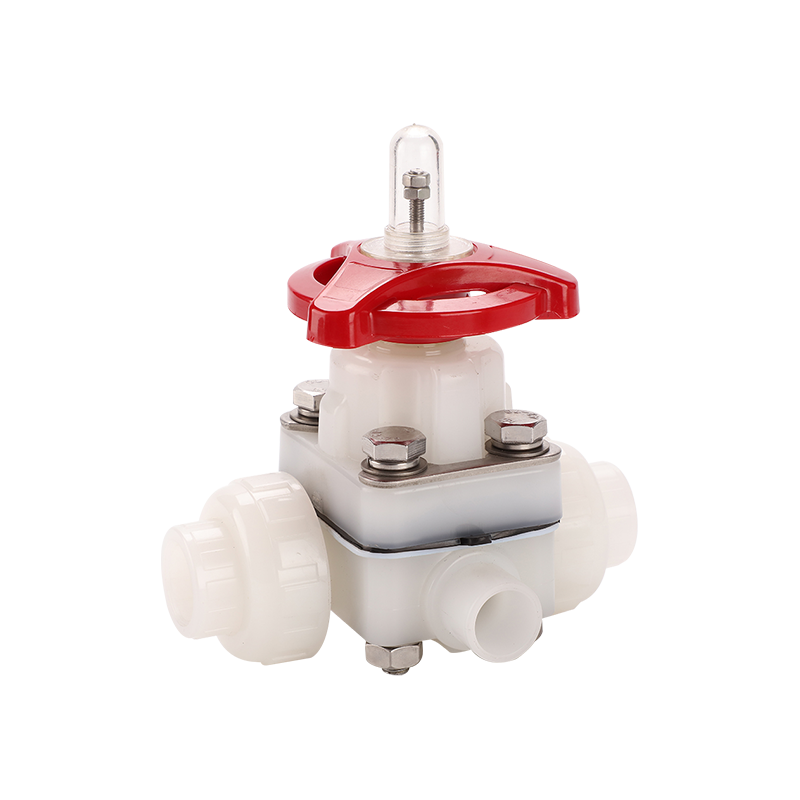
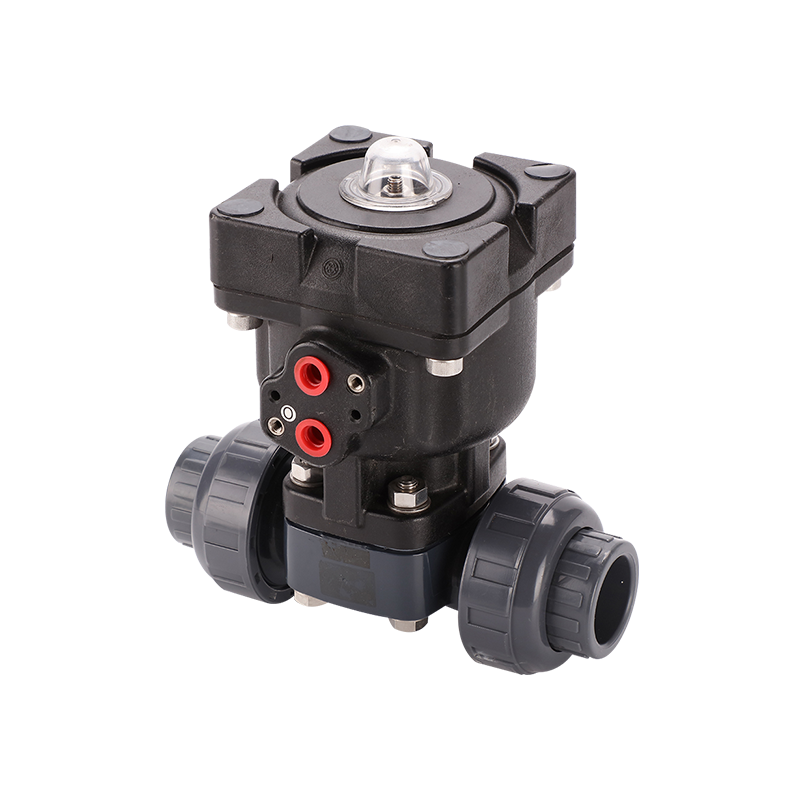
PVDF diaphragm valve
Best for corrosive shutoff, slurry-containing media, and lines where the diaphragm can be replaced without removing the whole body. Weir and straight-through designs serve different flow and draining needs.
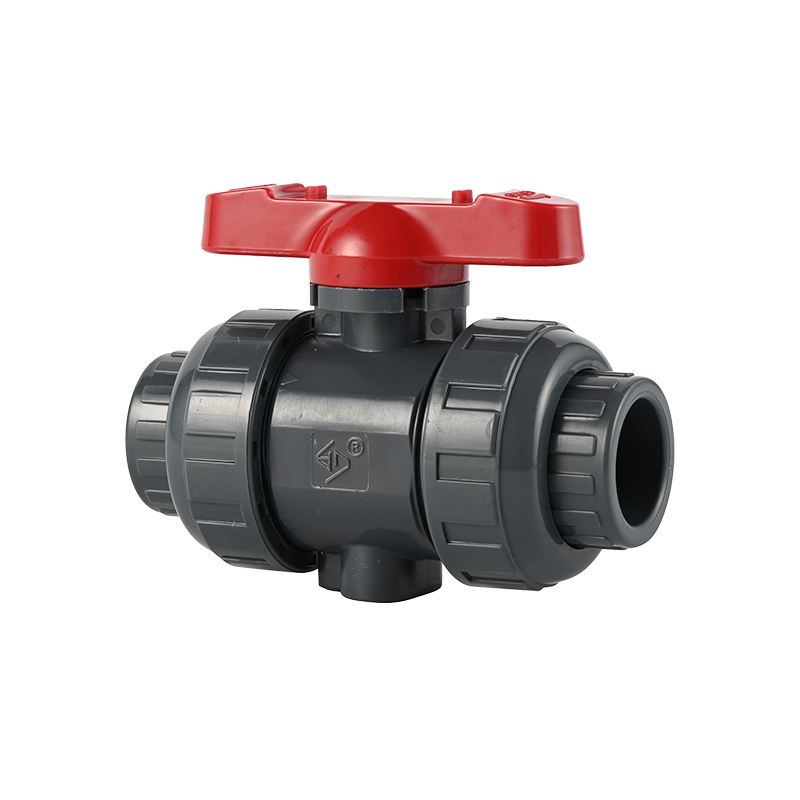
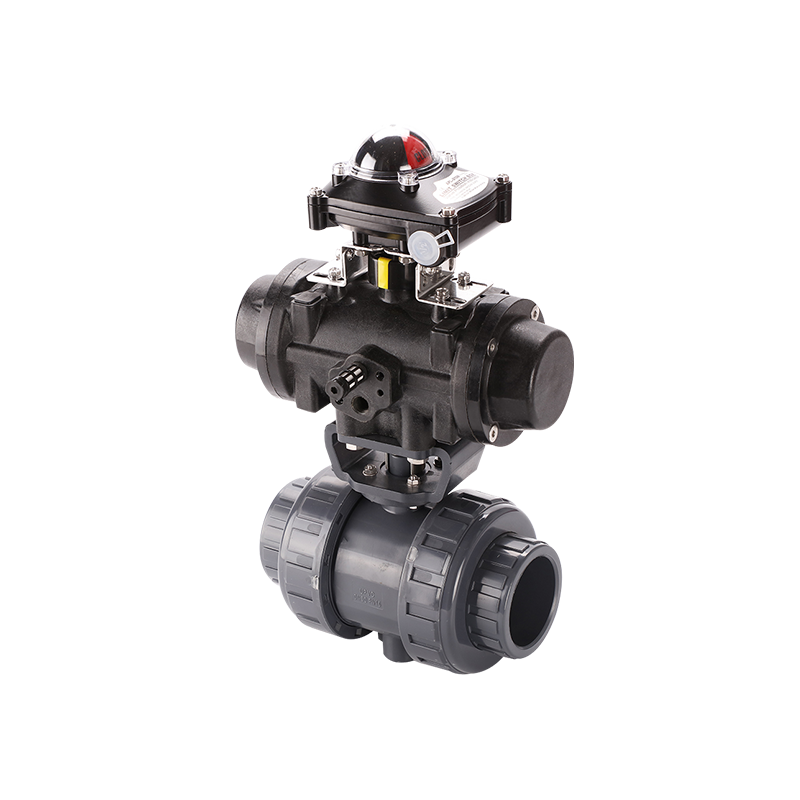
PVDF ball valve
Best for quick on/off isolation with low pressure drop. It is not the first choice for throttling, and the seat material must be checked against solvents and oxidizers.
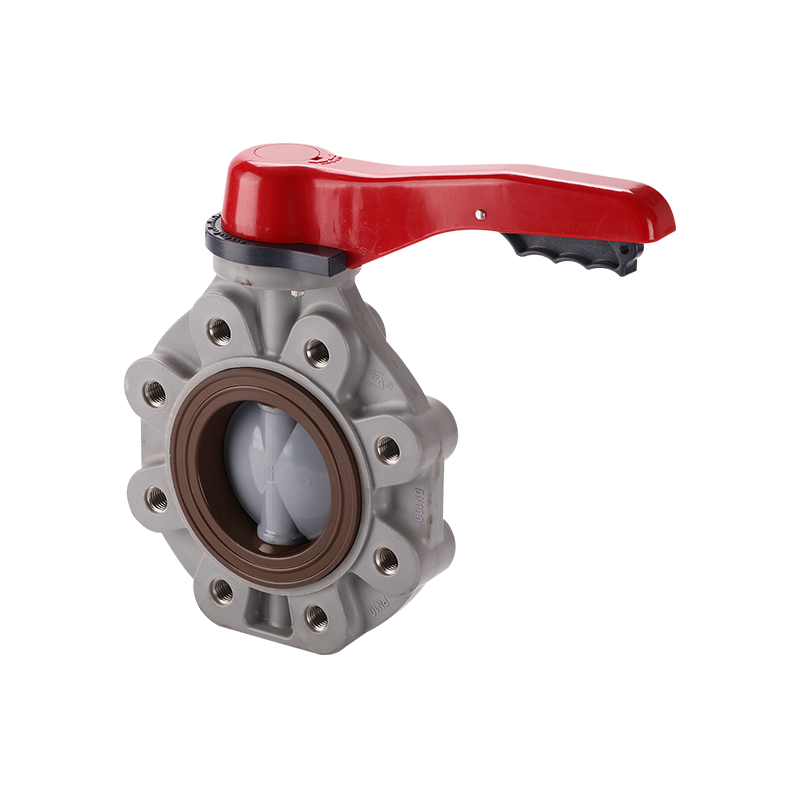
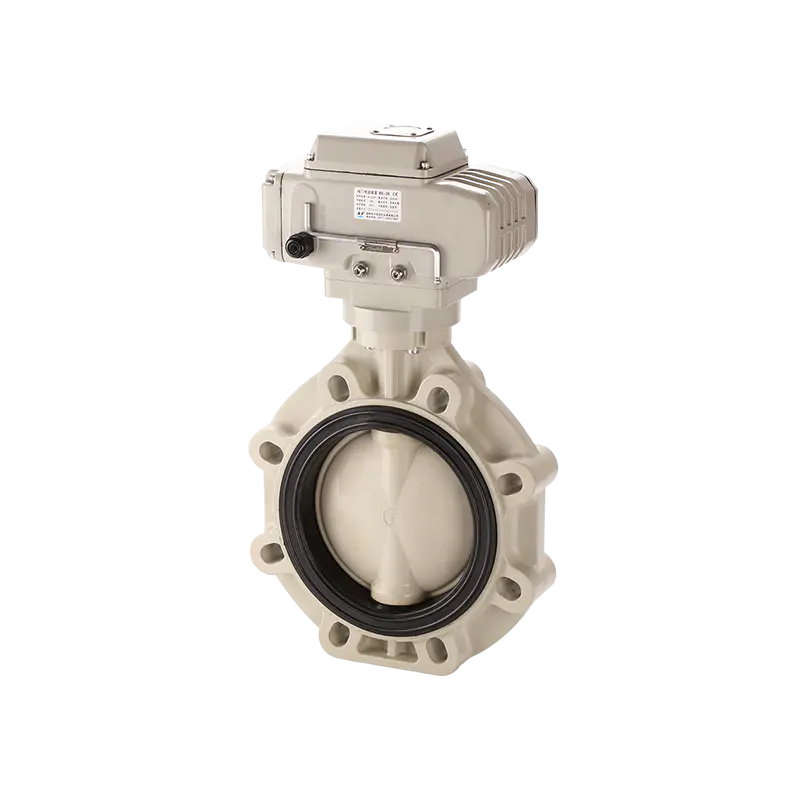
PVDF butterfly valve
Best for larger diameters and lower-pressure lines where space and weight matter. The disc and liner design need to match the chemical and the required shutoff class.
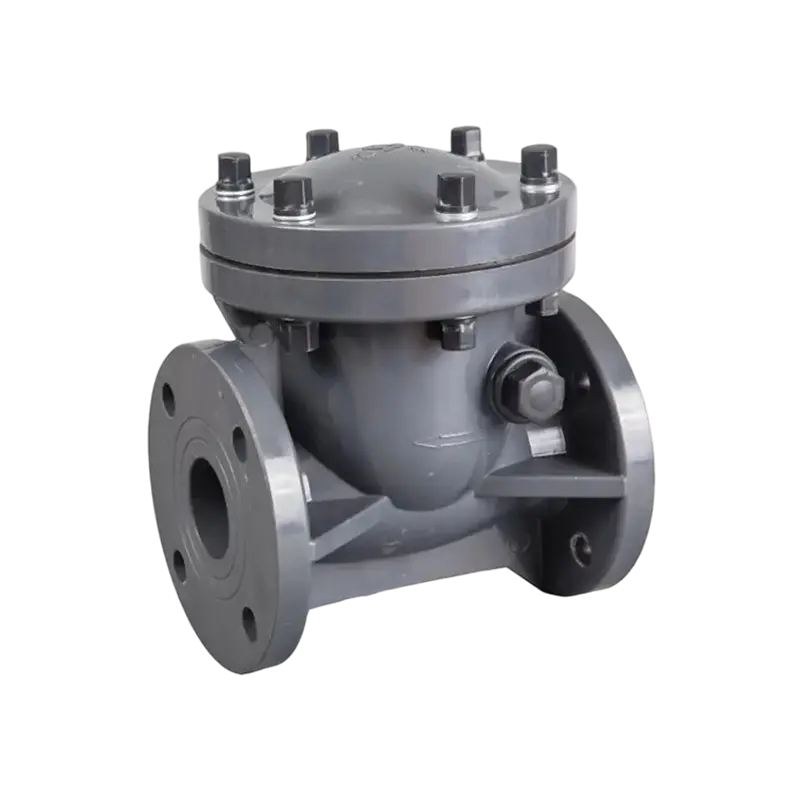
PVDF check valve
Best for preventing backflow in chemical transfer, dosing, and pump discharge lines. Check the cracking pressure, flow direction, and fouling risk before selection.
For corrosive shutoff in a chemical dosing or transfer line, a flanged diaphragm valve is often the most straightforward starting point because the body and diaphragm can be matched to the media and the line can be isolated without a complex seat repair.
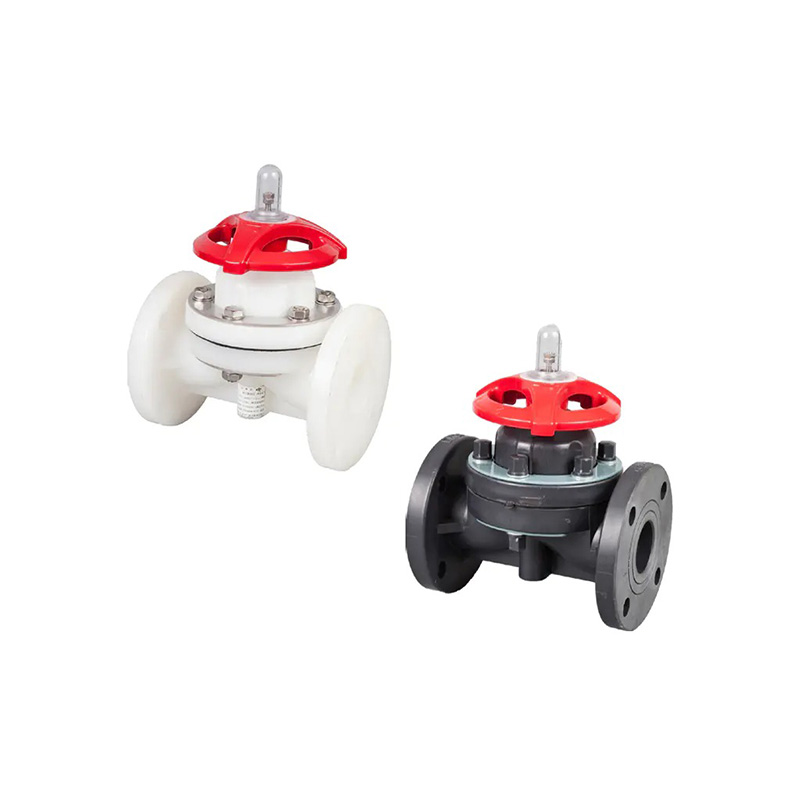 Flanged Plastic Diaphragm Valves for Corrosive ShutoffManual plastic diaphragm valves with corrosion-resistant body and diaphragm options, no dead angles, and stable flow regulation for chemical dosing or transfer isolation.View Product →
For fast isolation where pressure drop must stay low, a flanged ball valve is a practical option, provided the seats and seals are verified for the specific solvent or oxidizer.
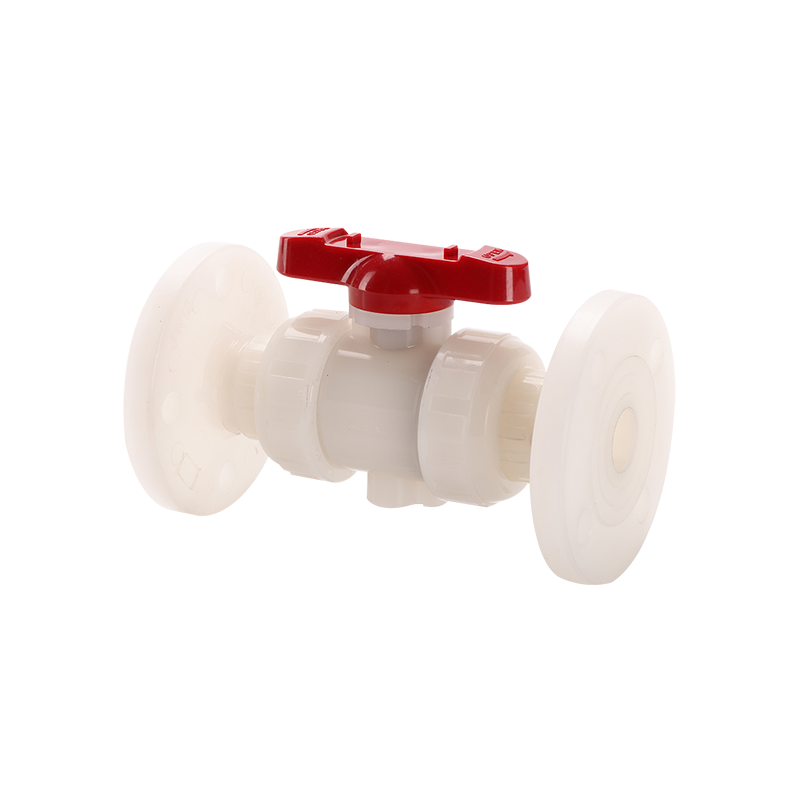 One-Piece Plastic Flanged Ball ValvesOne-piece plastic ball valves with PTFE seals, flange connection, quick open/close, and optional lock for fast isolation where low pressure drop matters.View Product →
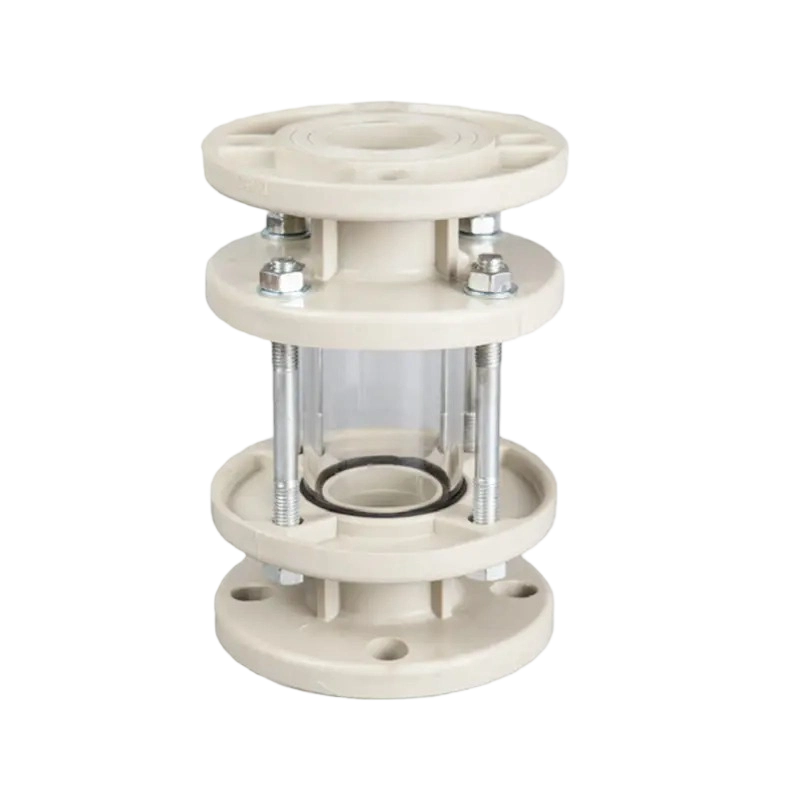
Valves rarely work alone. The surrounding pipe, fittings, and flange connections must use the same material and temperature rating, otherwise the weakest joint becomes the real service limit.
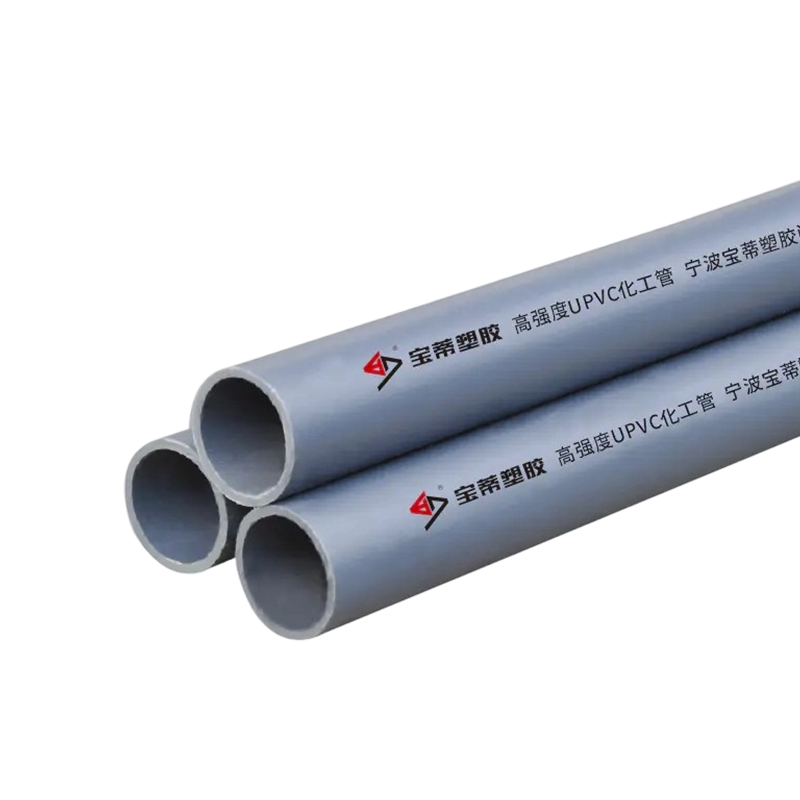
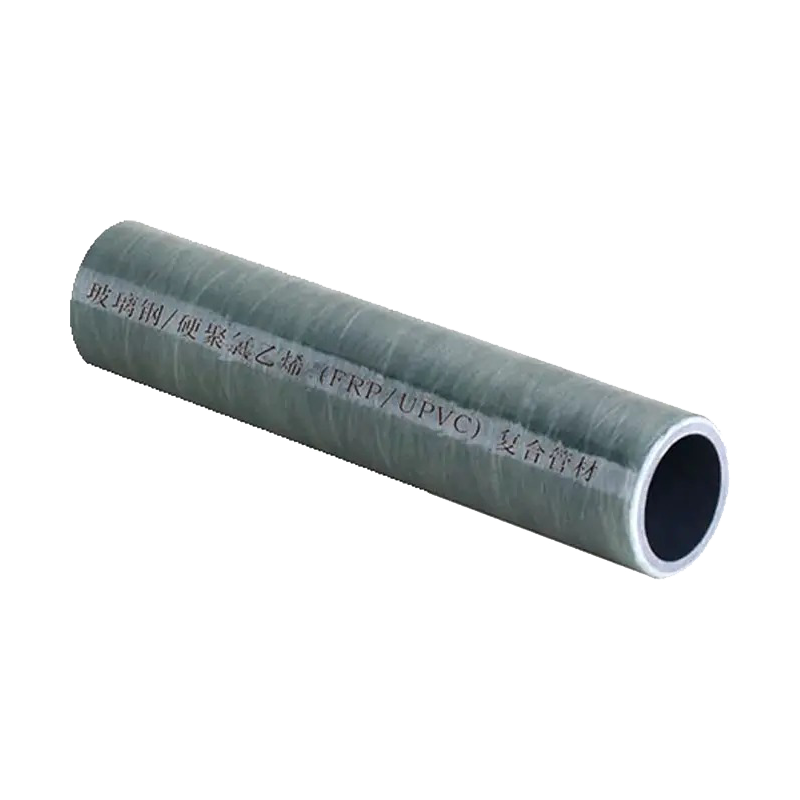
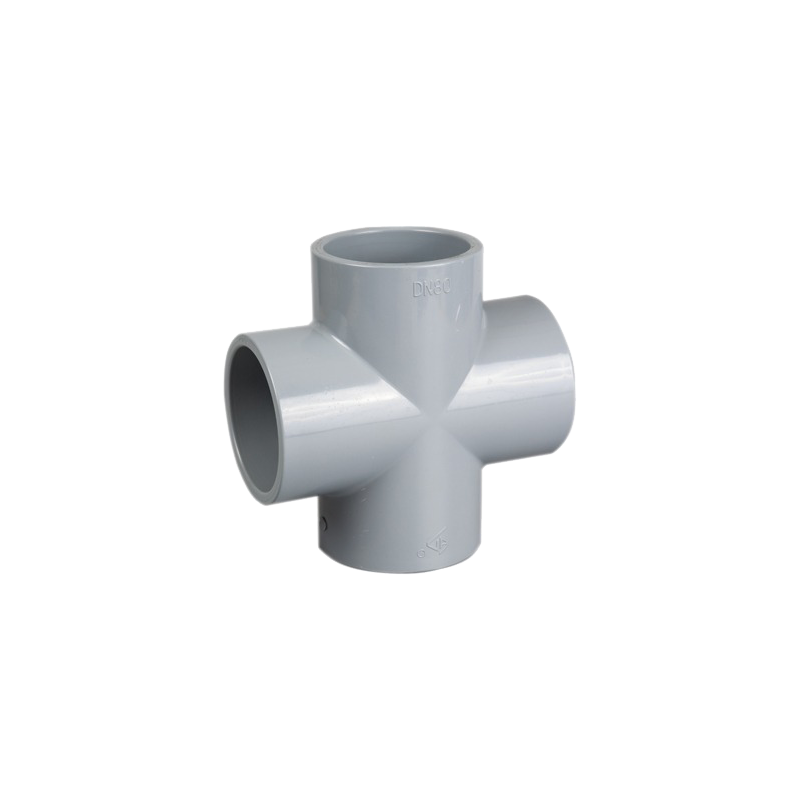
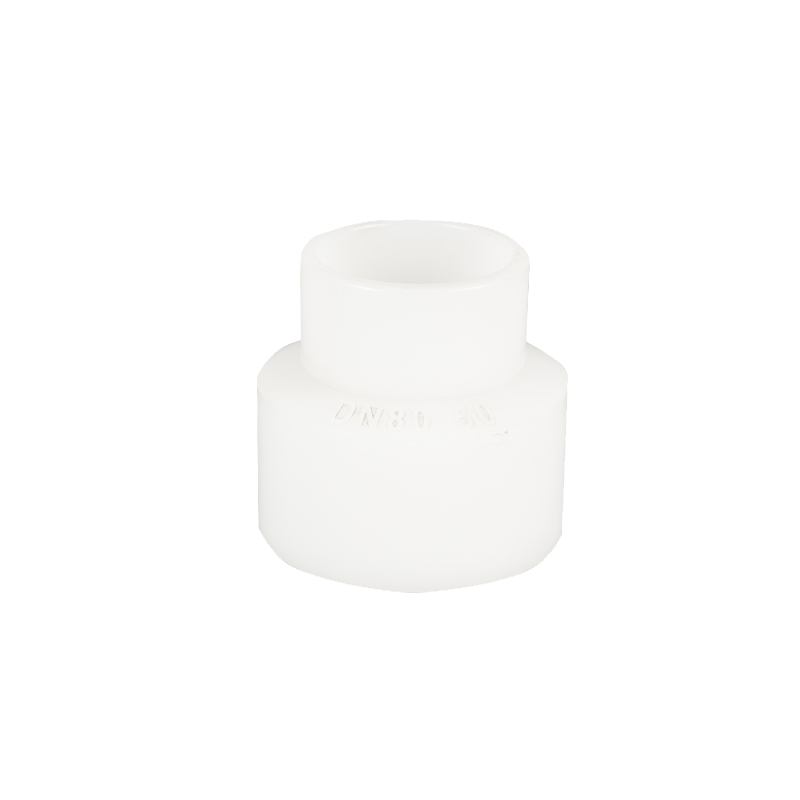
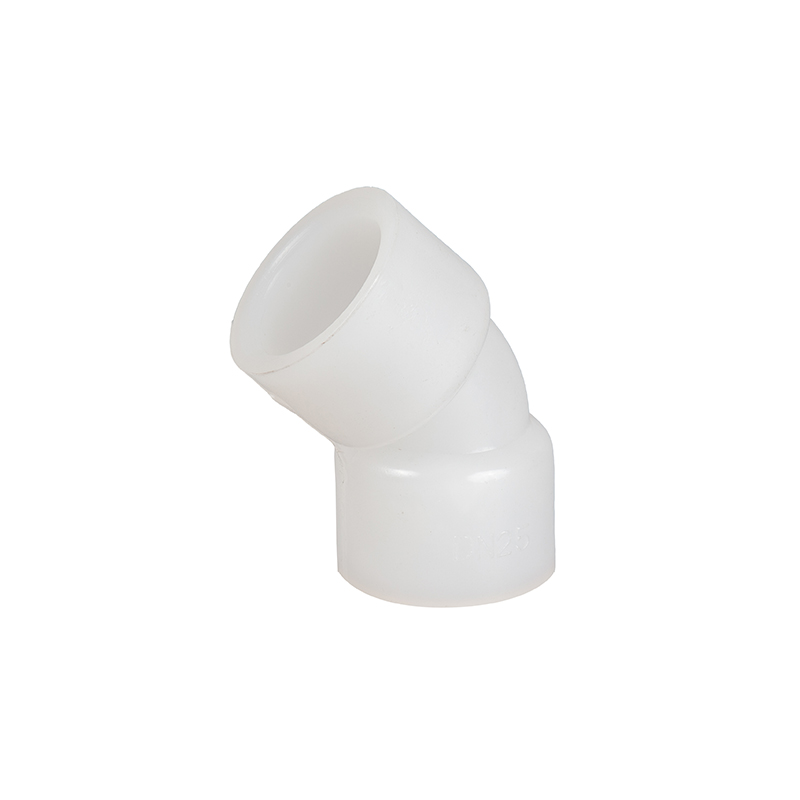
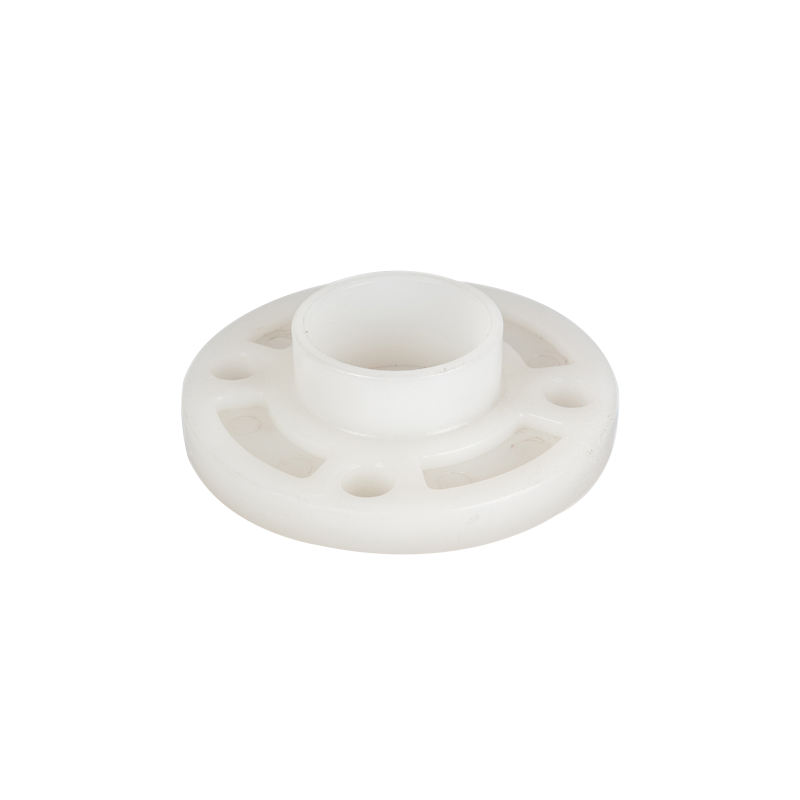
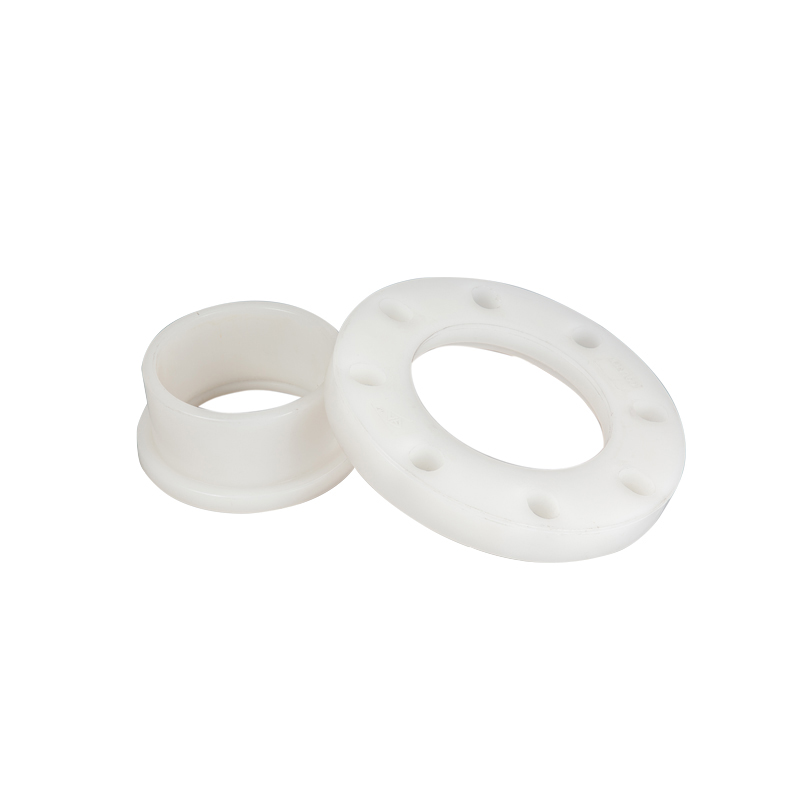
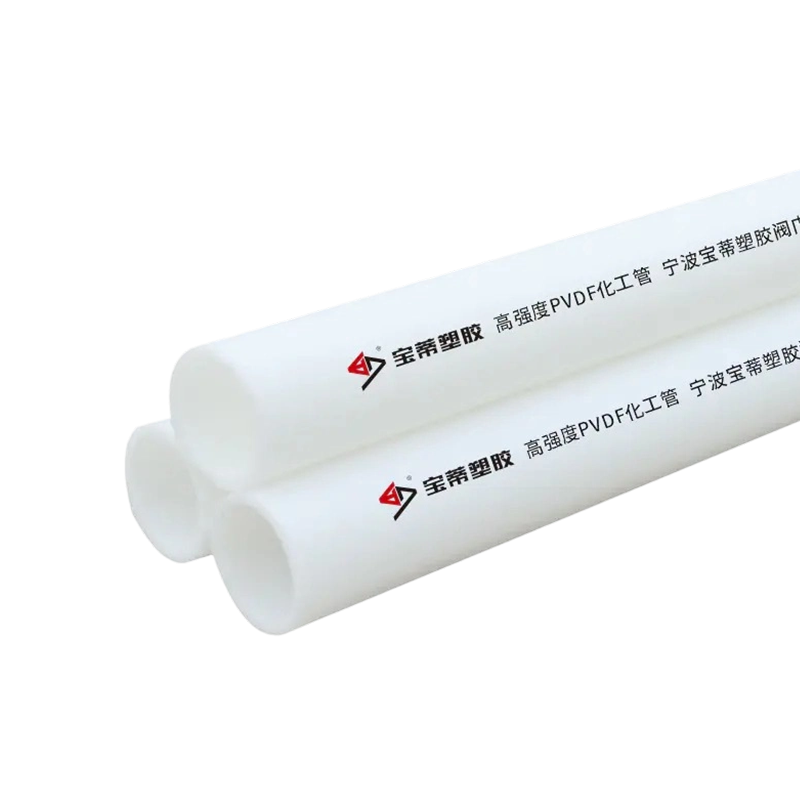 PVDF Piping and Fittings for High-Purity Chemical ServicePVDF piping and compatible fittings offer broad chemical resistance, high purity, heat-fusion joining, and sizes DN15–DN200 for aggressive or ultrapure process lines.View Product →
The cost model: where the premium returns
Use a 12-month view rather than a purchase-order view. Add the valve price, diaphragm or seat kits, labour, lost batch cost, cleaning time, and safety review cost. A PVDF valve at three times the purchase price can still be the lower-cost choice if it prevents one eight-hour shutdown or one contaminated batch.
Temperature headroom
PVDF 92
Chemical coverage
PVDF 90
Maintenance access
PVDF 80
The chart is a relative screening tool, not a material guarantee. A PVDF valve with the wrong elastomer can fail faster than a well-specified CPVC valve. The premium pays back only when the whole wetted path, including seals, diaphragms, gaskets, and pipe fittings, is selected for the same duty.
In high-purity and chemical process lines, the largest cost is often not the valve itself. It is the downtime, flush volume, analytical retesting, and production loss caused by a leak or a contaminated batch. That is why the decision should include maintenance and operations staff, not only the purchasing team.
Specification checks before approving the order
Before releasing a PVDF valve order, confirm the following points. This list catches most of the issues that appear after installation:
- Confirm the media, concentration, and maximum temperature, including cleaning and upset conditions.
- Check the pressure rating at the actual operating temperature, not only at ambient temperature.
- Verify the body, seat, diaphragm, and gasket materials against the chemical compatibility chart.
- Match the connection standard, flange drilling, and face-to-face dimension to the existing pipe.
- Review actuator torque, fail-safe position, and cycle speed for automatic valves.
- Plan support and thermal expansion control for the PVDF pipe and valve assembly.
- Require batch traceability, pressure test records, and material certificates where the process demands them.
- Define the spare parts kit before startup, especially diaphragms and seat seals for critical lines.
For diaphragm valve selection in chemical duty, compare the wetted materials and maintenance design against chemical-duty diaphragm valves. The goal is not to buy the most expensive valve. The goal is to buy the valve that keeps the line inside its safe and productive operating window.
Procurement risks that show up after delivery
Most PVDF valve problems are not caused by the polymer alone. They come from mismatches between the order, the installation, and the real process. Watch for these risks:
- Unverified material grade: ask for traceable batch information and material certificates for critical service.
- Elastomer mismatch: a PVDF body with a standard seat or diaphragm may still fail in solvent or oxidizer duty.
- Over-torque at installation: flange bolts and union nuts can distort a plastic body if tightened without a torque plan.
- Poor support: PVDF pipe has different stiffness and expansion behaviour from metal; unsupported runs add stress at the valve.
- Wrong derating: a valve rated for a high pressure at ambient temperature may not hold that rating at 100°C or above.
- No spare strategy: a low-cost spare kit is useless if it arrives after the line has already stopped.
- Cleaning chemical oversight: cleaning agents can be more aggressive than the process media.
FAQ: PVDF valve selection and cost
Are PVDF valves suitable for strong acids and bases?
PVDF is often suitable for many strong acids, bases, and mixed chemical wastes, but the final answer depends on concentration, temperature, and the valve’s seals and diaphragm. Use the chemical compatibility data for the exact grade and verify the elastomers as well as the body.
What temperature can a PVDF valve handle?
PVDF is commonly specified for service up to about 140°C, but pressure rating falls as temperature rises. A valve that performs well at ambient temperature may need a lower pressure rating or a different design at elevated temperature. Always use the derated pressure-temperature curve for the selected product.
Is PVDF better than PTFE for valves?
Neither material is universally better. PTFE has a broader chemical and temperature envelope, while PVDF often offers better mechanical strength and a more practical cost profile for valve bodies and piping. The choice depends on the media, temperature, pressure, and maintenance plan.
Can PVDF ball valves be used for throttling?
PVDF ball valves are normally used for on/off isolation. Throttling through a partly open ball can erode the seat and create unstable flow. If flow control is required, use a valve design intended for modulation or add a separate control device.
How do I verify that the higher price is justified?
Compare the total cost over a planned maintenance cycle: valve price, spare parts, labour, downtime, product loss, and safety exposure. If a lower-cost valve needs more frequent replacement or creates a credible batch-loss risk, the PVDF premium can be the lower-cost decision.