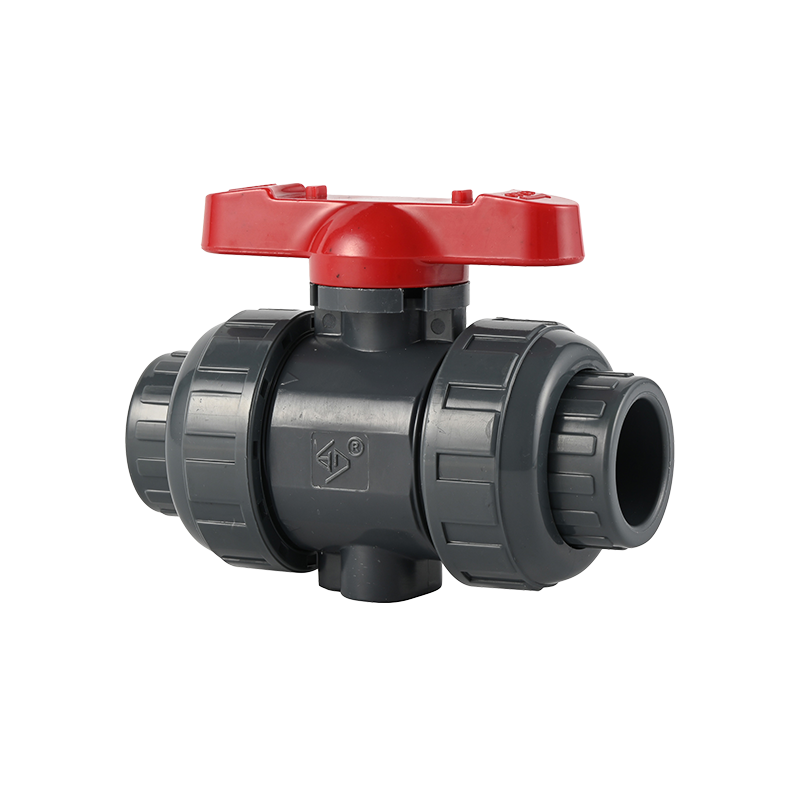
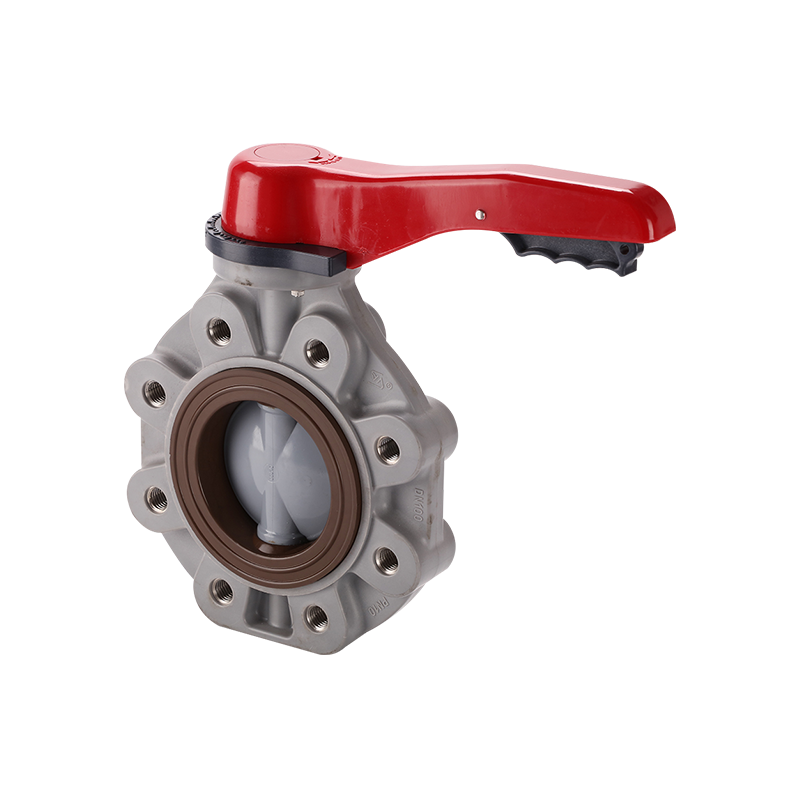
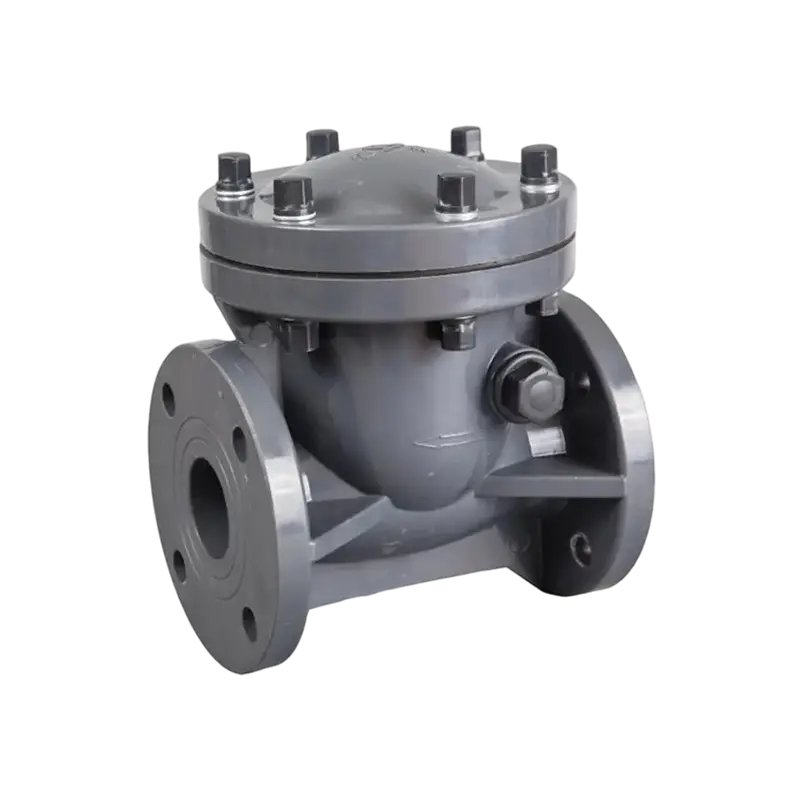
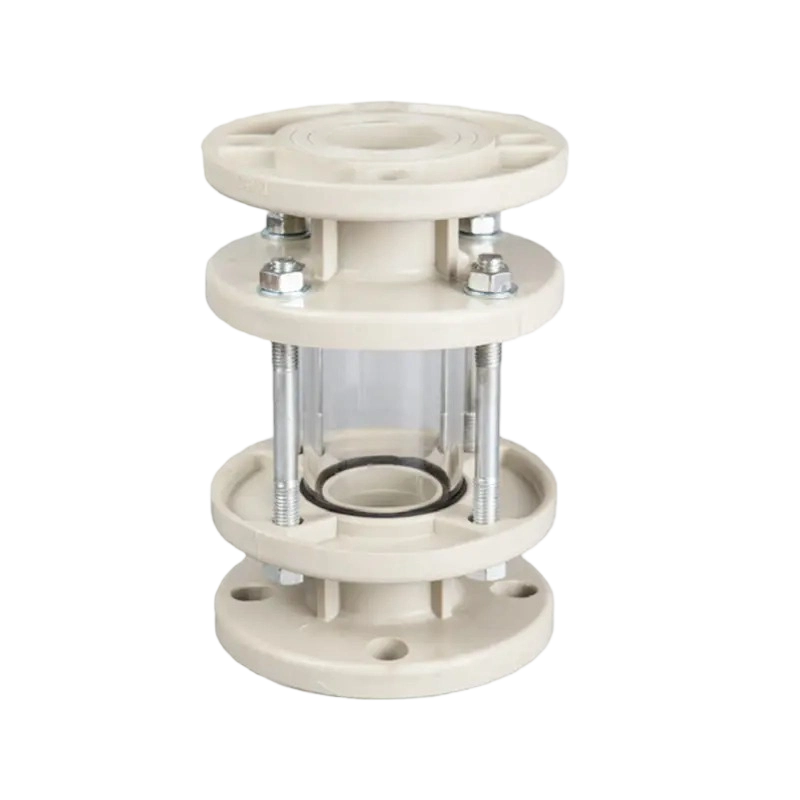
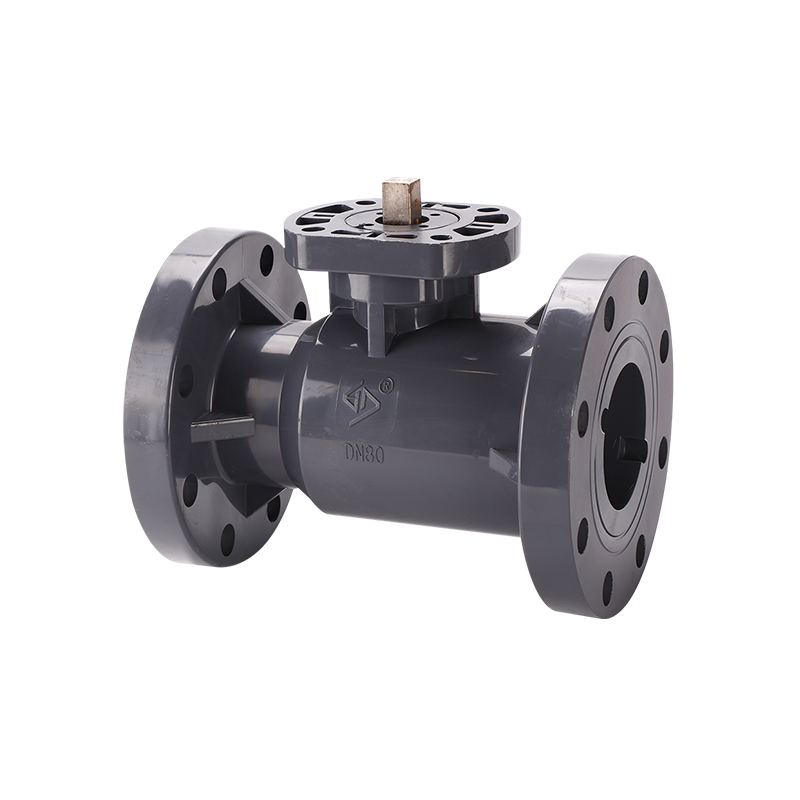
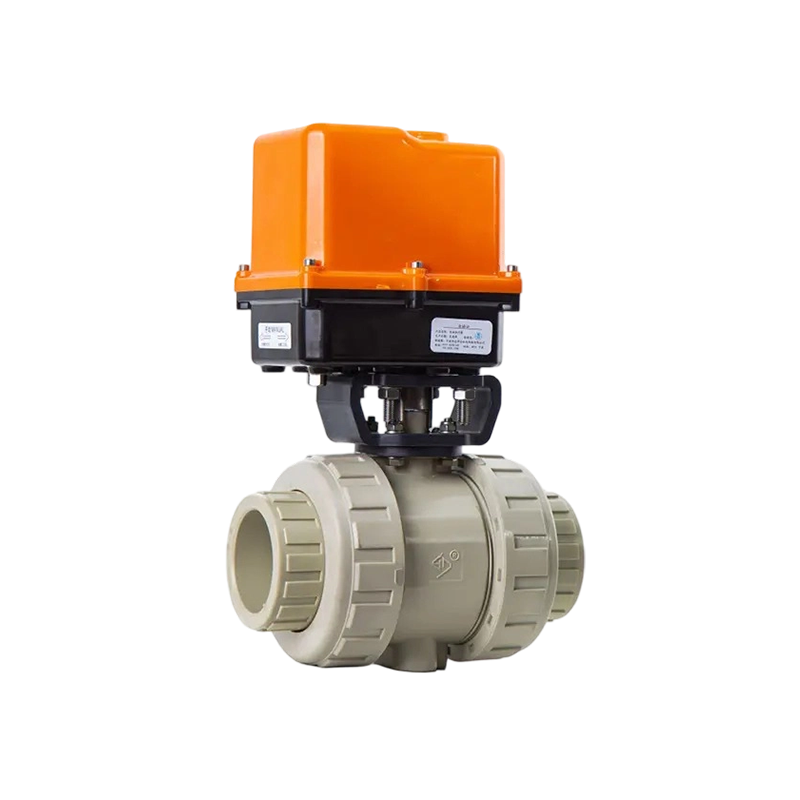
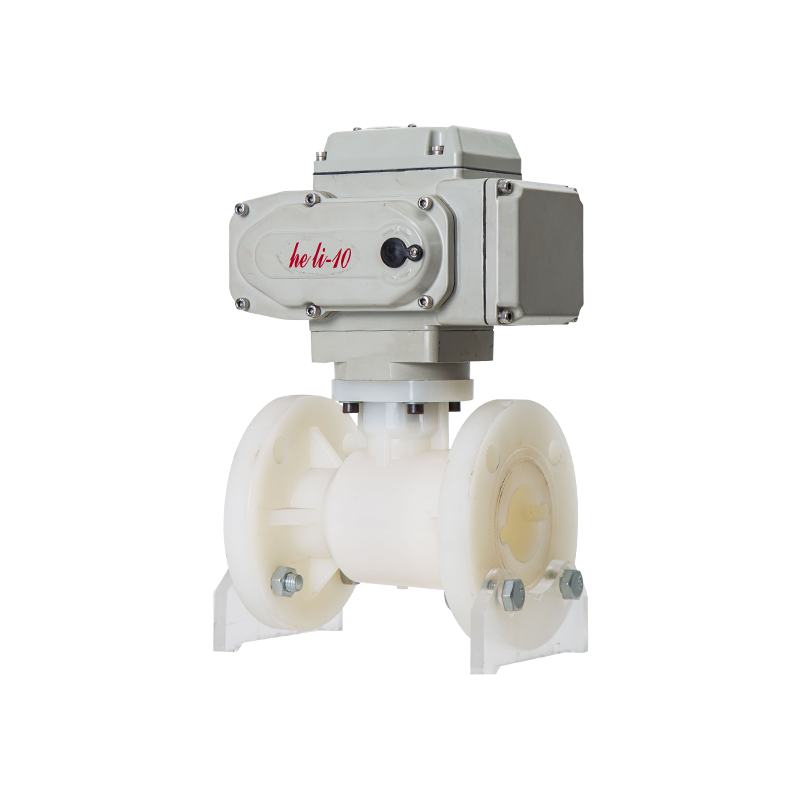
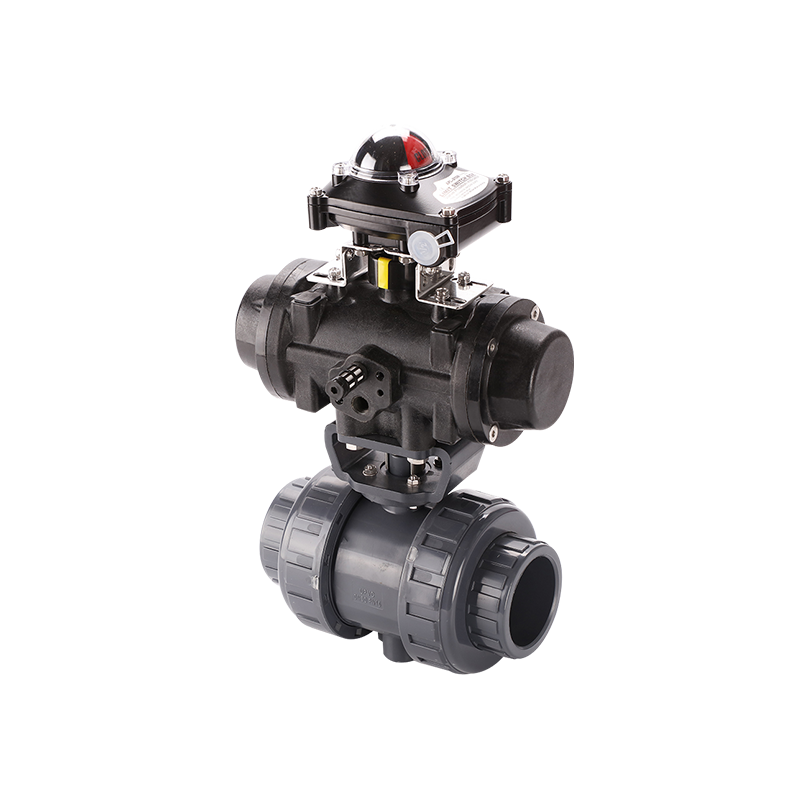
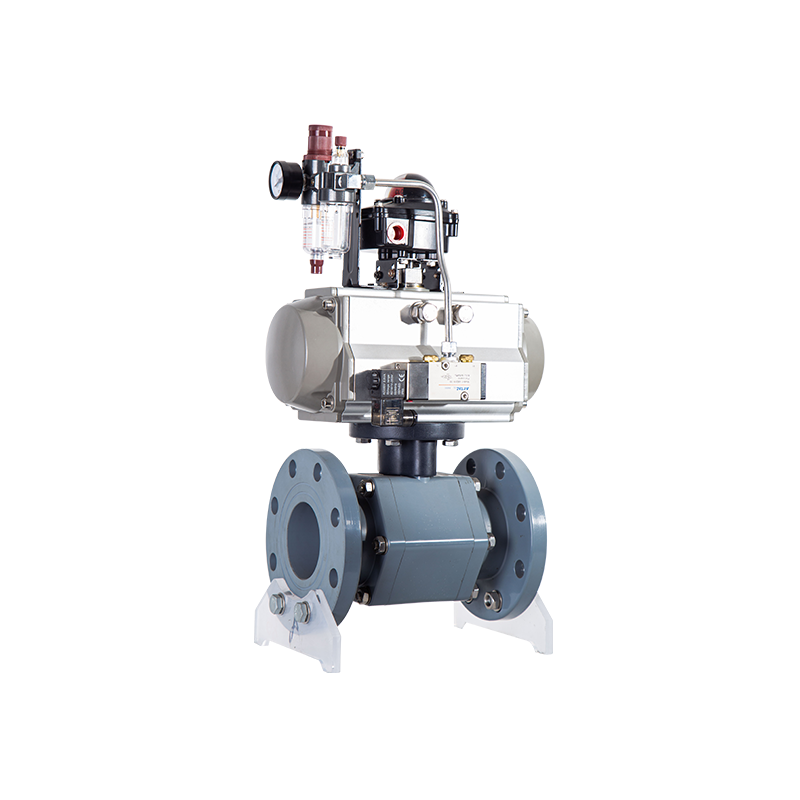
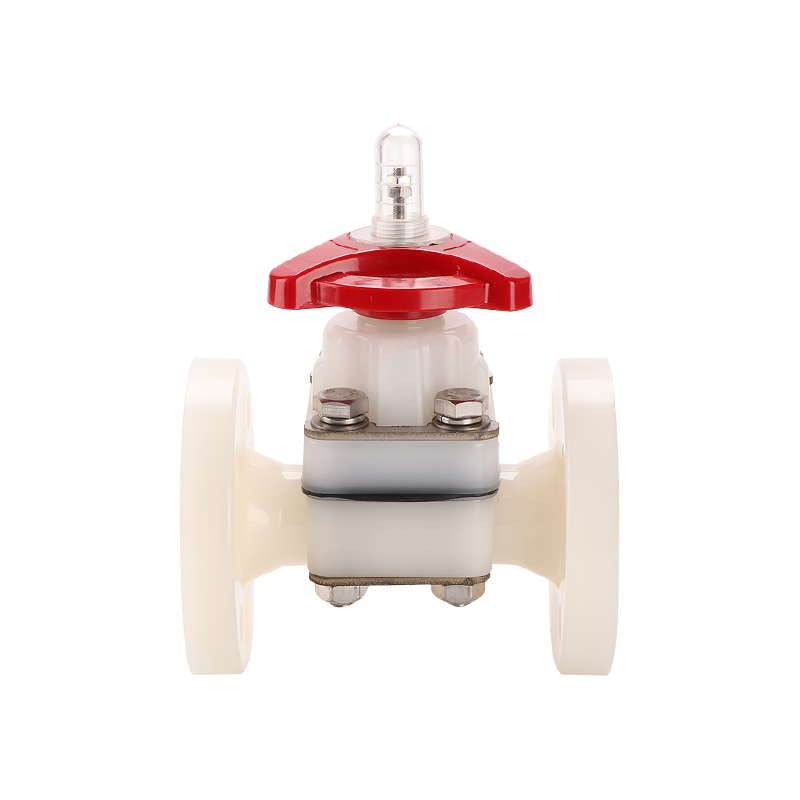
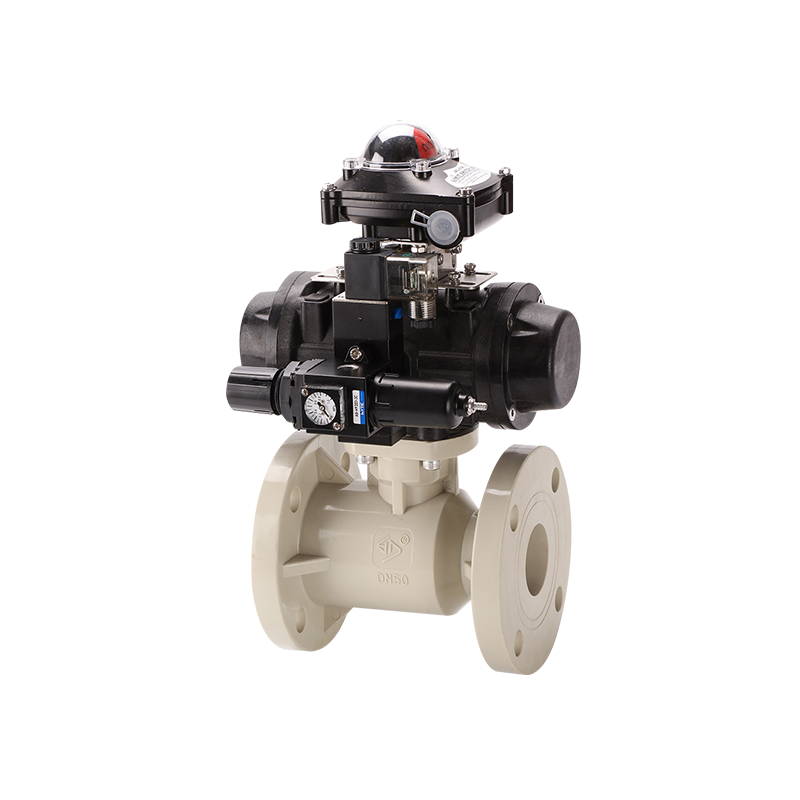
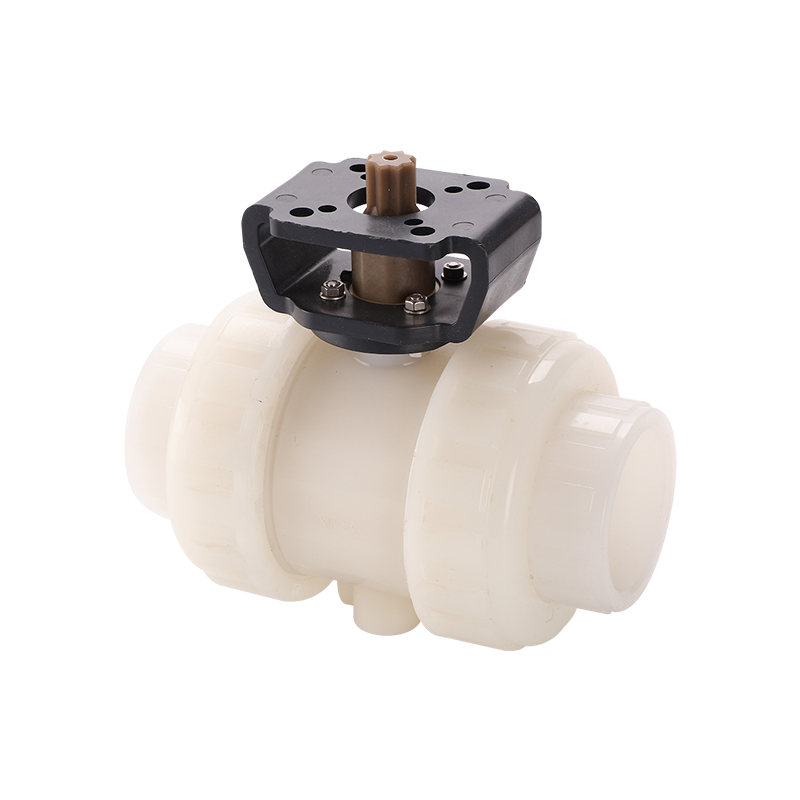
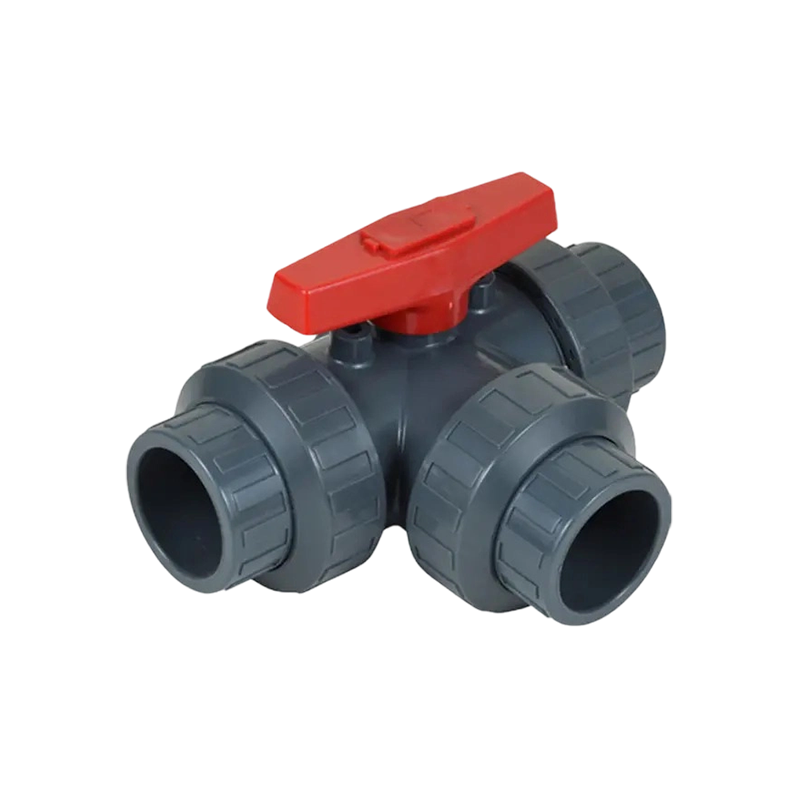
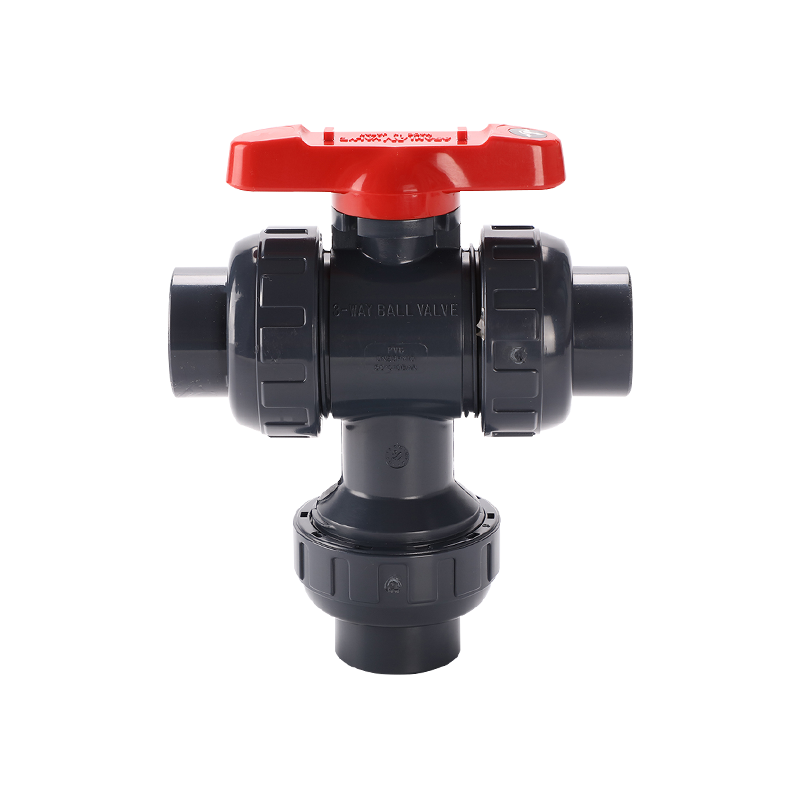
product product product product product product product product product product product product

Industrial Thermoplastic Ball Valves Custom

Flow Control / Thermoplastic Series

Industrial
Thermoplastic
Ball Valves

Quarter-turn shutoff built from PVC, CPVC, PP, and PVDF for corrosive, high-purity, and general industrial fluid lines — corrosion-free, lightweight, and ready for manual or automated operation.

Size RangeDN15 – DN100
PressureUp to 230 psi
Temperature-10°C to 99°C
DN INLET DN OUTLET ISO 5211 MOUNT / MANUAL LEVER SHOWN
MOQ
100 pcs / size
Lead Time
3–5 days stock / 2–4 wks custom
Packaging
Carton / wooden crate
Certifications
ISO 9001, ISO / DIN / ASTM ref.
Raw Materials
PVC-U, CPVC, PP, PVDF
Customization
Size, seal, connection, actuator
Our Story

about BAODI

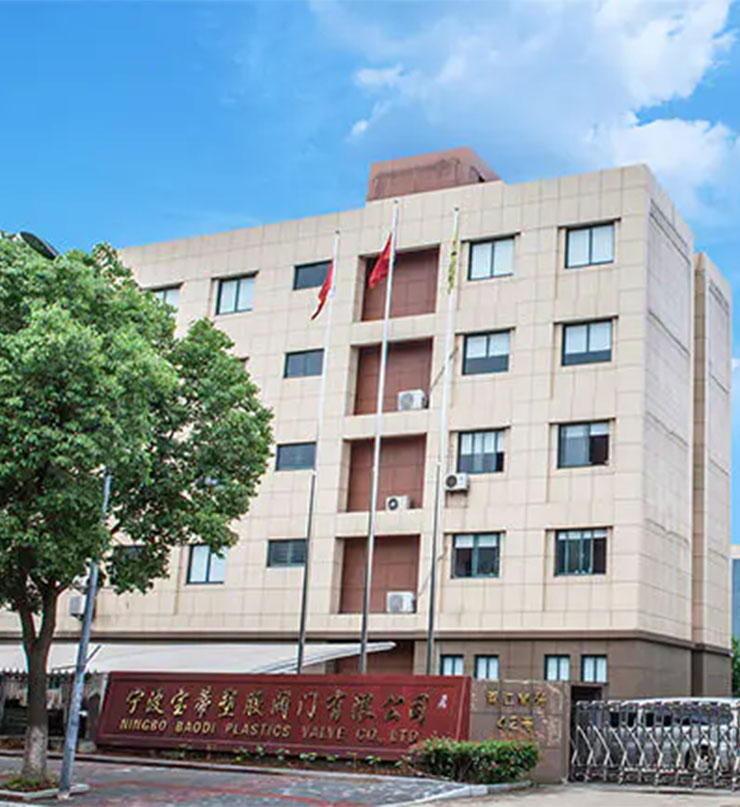
Ningbo Baodi Plastic Valve Co., Ltd. traces its origins back to 1979, with its predecessors being Zhenhai Chemical Valve Factory and Beilun Plastic Valve Factory. The company is one of the earliest Industrial Thermoplastic Ball Valves Manufacturers and Custom Industrial Thermoplastic Ball Valves Factory in China to design and produce industrial plastic valves and receive acceptance from the Ministry of Chemical Industry. In 1979, the company manufactured its first plastic diaphragm valve, which passed the technical appraisal of the Ministry of Chemical Industry in 1983. In 1992, the company invented the one-piece flange ball valve, a structural design that has since become the most widely used plastic valve product in chemical-related industries. The development history of the company and its predecessors also represents an important chapter in the application of plastic valves in China's industrial production.

In 2006, the company expanded its product line to cover industrial plastic pipes and fittings, becoming one of the first domestic enterprises to apply CPVC material in the production of industrial-grade piping valves. Over more than 40 years since its establishment, the company has designed and manufactured various plastic valves for the most demanding industries. It has served tens of thousands of enterprises both domestically and internationally, exporting to more than 60 countries, and has consistently remained a leading manufacturer of industrial thermoplastic valves and piping systems. Our professional service and stable quality have always been well received and recognized by customers.

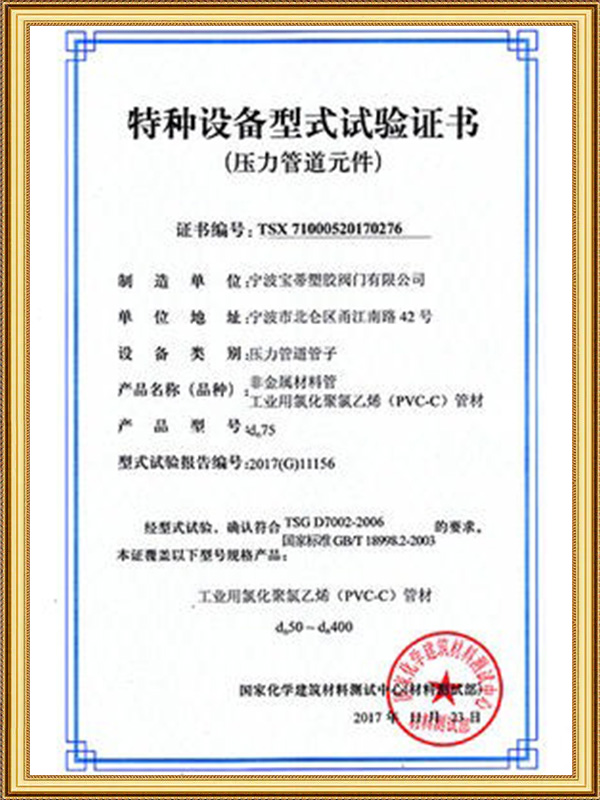
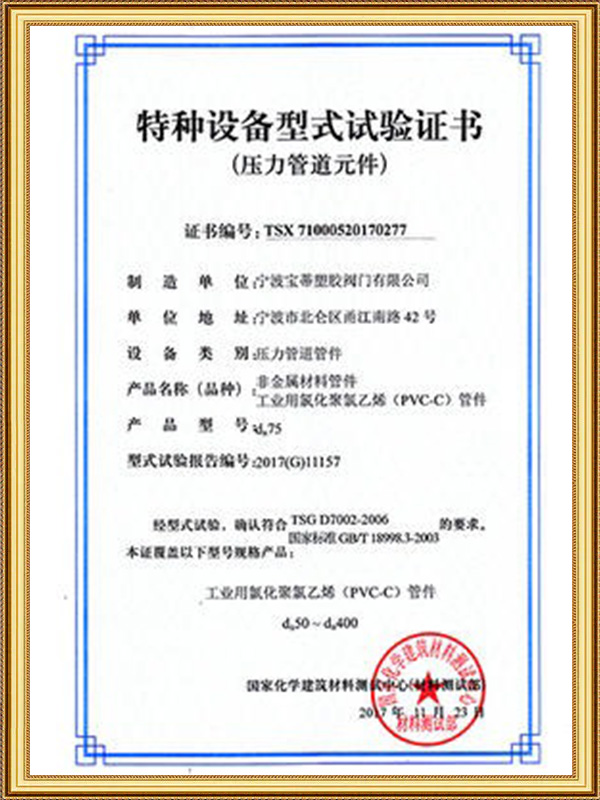
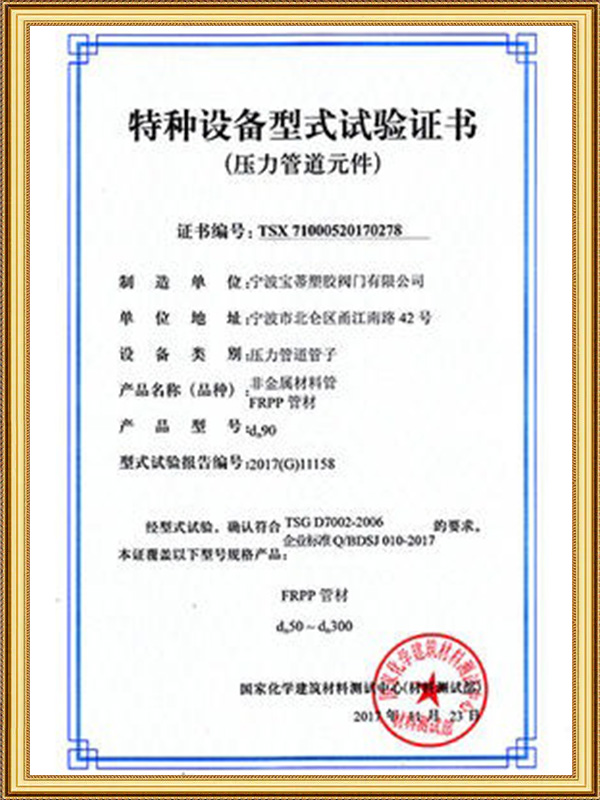
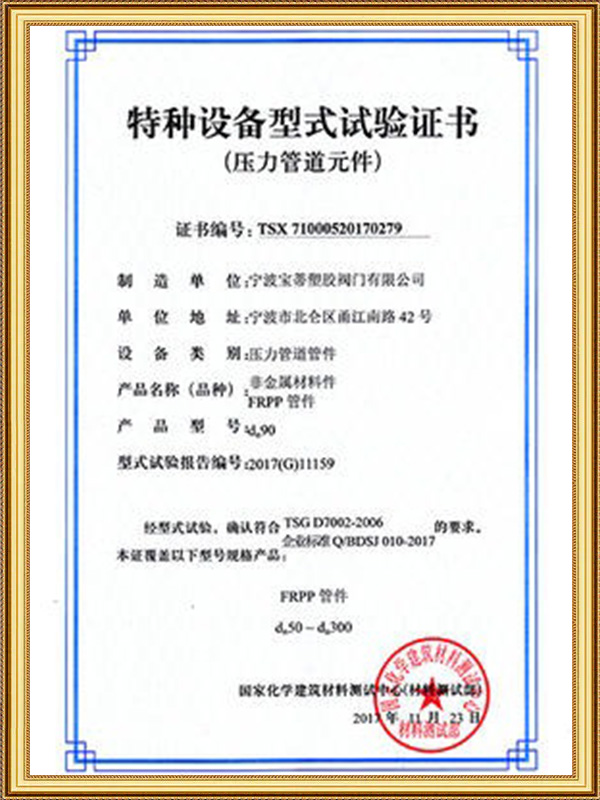
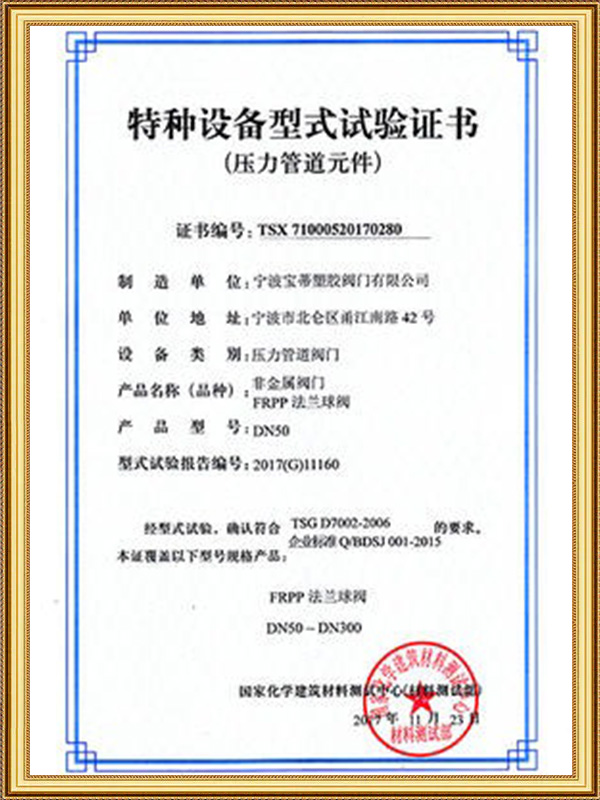
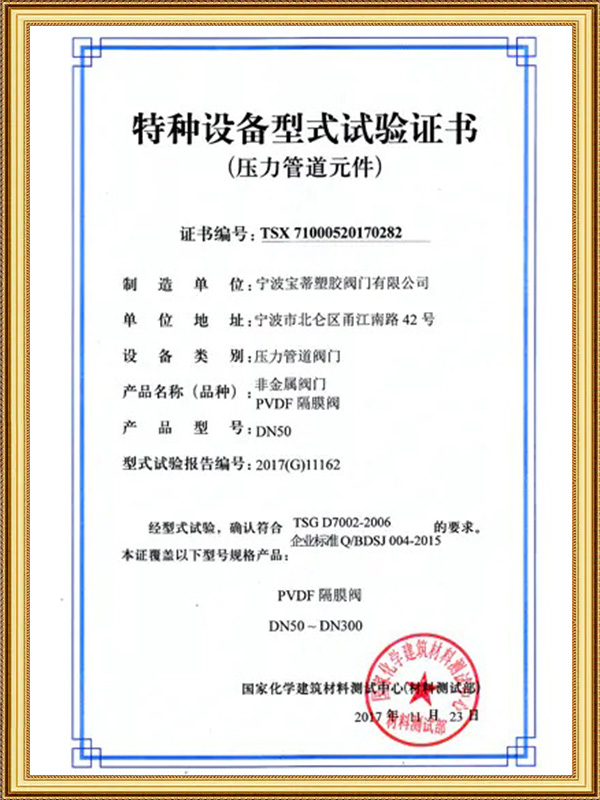
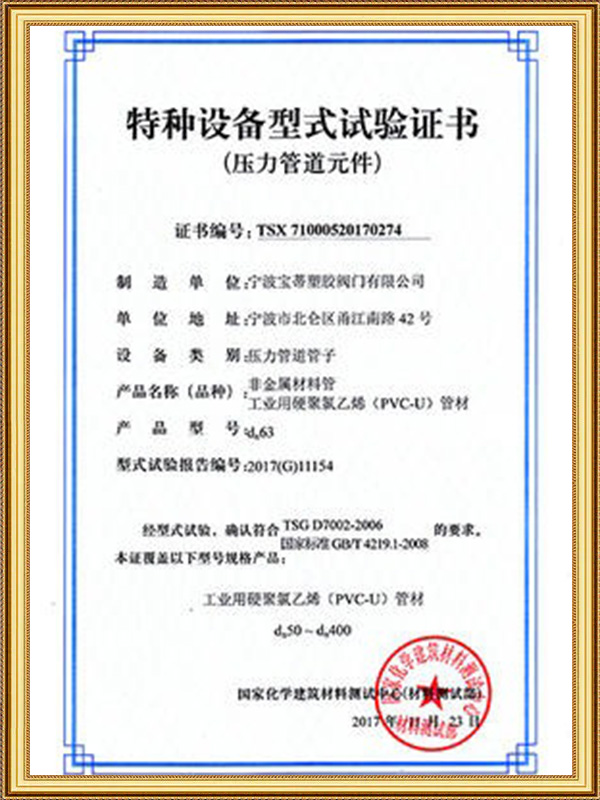
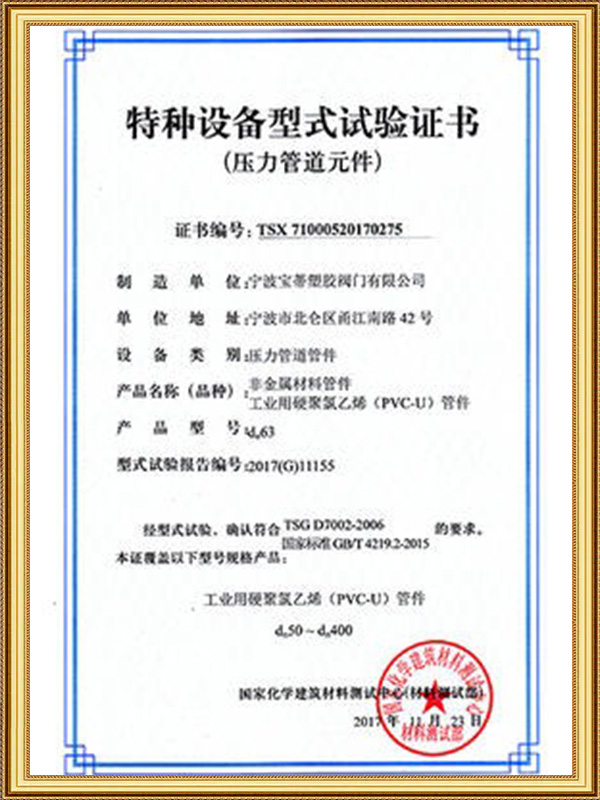
Baodi ranks among the global leaders in the number of product categories, capable of fully covering industrial plastic pipe and valve requirements. The company has obtained ISO 9001, ISO 14001, and ISO 45001 system certifications, as well as the national special equipment pressure piping component manufacturing license. It is recognized as a National High-Tech Enterprise and a Ningbo City Specialized and Sophisticated Enterprise. Baodi is a principal drafter of the national standard for plastic diaphragm valves and the chemical industry standards for plastic diaphragm valves, plastic ball valves, and plastic check valves.

Ningbo Baodi Plastic Valve Co., Ltd.

Certifications & Qualifications

OEM/ODM CUSTOMIZATION PROCESS

Custom Solutions

Design Idea

Tell us what you need. Such as material, color, size, mold, logo and package. Or you can just show us some photos.
Custom Solutions

2D Drawing

According to your request, we will make 2D drawing and confirm the details with you.
Custom Solutions

3D Modeling

We will build 3D model to create technical drawing and manufacturing specification.
Custom Solutions

Mold Fabrication

We produce initial samples for client approval, incorporating feedback for final adjustments.
Custom Solutions

Prototype Testing

Both the appearance and functions of the product prototype should meet the requirements.
Custom Solutions

Full-scale production

Once the sample is approved, we would start full-scale production using approved designs and high-quality raw materials.
47+

years of experience
30+

new tailor-made products every month
20000+

catalog products
10/50

Mass production time for new products
Overview

Built for corrosive and high-purity fluid lines

Engineered for harsh media

Industrial thermoplastic ball valves are precision flow-control components engineered for corrosive, high-purity, and general fluid-handling systems where conventional metal valves fall short. Molded from advanced engineering plastics such as PVC, CPVC, Polypropylene (PP), and PVDF, these valves combine outstanding chemical resistance with a lightweight, cost-effective construction that has made them a standard choice across chemical processing, water and wastewater treatment, semiconductor manufacturing, electroplating, and general industrial piping networks.

True union & floating ball design

Unlike metallic ball valves that often require protective linings or costly alloys to withstand aggressive media, thermoplastic ball valves are inherently resistant to a broad range of acids, alkalis, salts, and solvents without any coating. Most models use a true union body design, allowing the valve to be fully removed from the pipeline for cleaning, inspection, or replacement without disturbing the surrounding pipework — reducing maintenance downtime and labor cost. The floating ball design, paired with PTFE or reinforced PTFE seats, provides a tight, bubble-tight shutoff even after thousands of open-close cycles, while requiring only a 90-degree quarter turn for full operation.

Sealing performance & temperature range

Each valve is built with a double-block seat arrangement and a self-adjusting stem seal, so sealing performance remains consistent as seats wear in over time. Depending on the material selected, these valves handle working pressures from roughly 150 psi up to 230 psi at ambient temperature, and operating temperatures ranging from sub-zero conditions up to 99°C for PVDF variants, covering the vast majority of industrial process requirements. Because the wetted parts contain no metal, there is no risk of galvanic corrosion, ion contamination, or scale build-up, which is especially important for ultrapure water lines and sensitive chemical dosing systems.

ISO 5211 ready & low total cost

A standard ISO 5211 mounting pad on the valve top means manual lever operation can be converted into pneumatic or electric actuation at any time, making it straightforward to integrate the valve into automated process control systems or remote monitoring setups without changing the valve body itself. For plant engineers and procurement teams, the appeal goes beyond raw chemical compatibility: lighter weight lowers freight and installation cost, corrosion-free construction extends service life in harsh media, and simple quarter-turn operation reduces training time for maintenance staff — keeping total cost of ownership under control over a multi-year service period.

Application

Where these valves are put to work

Broad chemical compatibility and corrosion-free construction make these valves suitable across a wide range of process industries and utility systems.

Chemical Processing
Isolating and dosing acids, alkalis, and solvents in reaction vessels, storage tanks, and transfer lines.
Water & Wastewater Treatment
Flow control on filtration, dosing, RO/DI systems, and chemical injection skids.
Semiconductor & Electronics
Ultrapure water and process chemical lines that demand zero metal-ion contamination.
Electroplating & Surface Finishing
Handling plating baths and acid or alkaline rinse lines with continuous chemical exposure.
Pulp, Paper & Textile
Bleach, dye, and process water circuits requiring corrosion-proof shutoff.
Food, Beverage & Pharmaceutical
Utility water, clean-in-place, and non-contact process lines where hygiene and corrosion resistance matter.
Mining & Metal Finishing
Slurry, leachate, and acid transfer applications where metal valves would corrode quickly.
Pool, Aquaculture & HVAC
Chlorinated water, saltwater, and general utility isolation circuits.
General Industrial Piping
Compressed air, cooling water, and plant utility distribution needing a durable, low-maintenance valve.
Material Selection

Choosing the right body material

Body material is the most important decision when specifying a thermoplastic ball valve — it determines chemical compatibility, temperature range, and long-term service life.

MaterialTemperature RangeTypical StrengthsCommon Use
PVC-U0°C to 60°CStrong resistance to most acids and alkalis, economical, widely availableGeneral water treatment, chemical transfer, utility piping
CPVC0°C to 95°CHigher temperature tolerance than PVC-U with similar chemical resistanceHot water lines, higher-temperature chemical processes
PP0°C to 90°CGood resistance to solvents and a wide range of acids and bases, lightweightAcid / alkali dosing, plating lines, general chemical processing
PVDF-20°C to 99°COutstanding resistance to strong oxidizers, halogens, and most organic solventsHigh-purity, aggressive chemical, and semiconductor applications

Chemical compatibility, in short: PVC-U and CPVC handle most dilute acids, alkalis, and salts well; PP adds stronger resistance to organic solvents and higher-concentration alkalis; PVDF offers the broadest resistance, including to strong oxidizing agents such as chlorine and bromine, and is preferred for the most aggressive media. Because concentration and temperature both affect resistance, it is recommended to confirm the exact media and operating conditions before finalizing material selection.

Specification

Technical data at a glance

ItemDescription
Valve TypeTwo-way / three-way thermoplastic ball valve, true union body
Body MaterialPVC-U, CPVC, PP, PVDF
Ball MaterialPVC-U, CPVC, PP, PVDF (matching body material)
Seat MaterialPTFE / reinforced PTFE
Seal MaterialEPDM / FPM (Viton)
Size RangeDN15 – DN100 (1/2 inch – 4 inch)
End ConnectionSocket (solvent weld), threaded (BSP / NPT), or flanged
Working PressureUp to 230 psi (16 bar) at 20°C, rating decreases with temperature
Working Temperature-10°C to 99°C, depending on material selected
Sealing PerformanceBubble-tight (zero-leakage) shutoff
OperationManual lever, or pneumatic / electric actuator via ISO 5211 mounting pad
Port TypeFull port or standard port available
Design ReferenceISO, DIN, and ASTM dimensional standards
Comparison

Thermoplastic vs. metal ball valves

For corrosive or high-purity fluid systems, thermoplastic ball valves offer several practical advantages over traditional metal ball valves.
FactorThermoplastic Ball ValveMetal Ball Valve
Corrosion ResistanceNaturally resistant to acids, alkalis, and saltsRequires special alloys or linings for corrosive media
WeightSignificantly lighter, easier to install and supportHeavier, may require additional pipe support
Ion ContaminationNone — suitable for ultrapure and sensitive mediaPossible ion leaching in aggressive or high-purity applications
MaintenanceLow; true union design allows quick in-line serviceMay require more frequent inspection in corrosive service
Initial CostGenerally lower for equivalent corrosion resistanceHigher when alloy or lined construction is required
Pressure / Temperature CeilingModerate, suited to most process conditionsHigher ceiling, better for extreme pressure or temperature
In applications involving corrosive chemicals, high-purity water, or where weight and installation cost matter, thermoplastic ball valves are typically the more practical choice. For extreme pressure, extreme temperature, or applications requiring fire-safe design, metal valves remain the better fit.
Advantage

Why plants specify this valve

Superior Chemical Resistance
Unaffected by most acids, alkalis, salts, and solvents that would corrode metal valves.
True Union Design
Removable from the pipeline for cleaning or replacement without cutting or re-aligning pipe.
Lightweight Construction
Significantly lighter than bronze or stainless steel valves, easing installation.
Zero Metal Contamination
All wetted parts are plastic, suitable for ultrapure water and ion-sensitive processes.
Bubble-Tight Shutoff
Floating ball and PTFE seat combination delivers reliable zero-leakage sealing.
Quarter-Turn Operation
Fast 90-degree open/close for quick shutoff and simplified operator training.
Low Maintenance
No lubrication needed and minimal wear parts, lowering long-term upkeep cost.
Actuation Ready
Standard ISO 5211 top pad allows easy upgrade to pneumatic or electric automation.
Lower Cost of Ownership
Lower unit cost and longer corrosion-free service life reduce total cost over time.
Structure & Components

What is inside the valve

Each numbered part below corresponds to the labeled cross-section, showing how the valve achieves reliable, low-maintenance shutoff.

1 2 3 4 5 6 7
1
Valve BodyHouses the internal components and forms the true union connection to the pipeline for easy removal and service.
2
BallRotates 90 degrees to open or block flow, self-centering against the seats under line pressure for a tight seal.
3
SeatsPTFE or reinforced PTFE rings on both sides of the ball, providing the primary sealing surface and low-friction rotation.
4
StemConnects the handle or actuator to the ball, transmitting rotational movement while staying sealed against the body.
5
Stem SealAn elastomer or PTFE seal that prevents leakage along the stem and self-adjusts to compensate for wear.
6
Union NutsAllow the valve body to disconnect from the pipeline without cutting or disturbing adjacent piping.
7
Handle / Actuator MountA lever provides manual quarter-turn operation; the ISO 5211 pad allows direct mounting of a pneumatic or electric actuator.
Quality Control

Every valve is checked before it ships

A defined sequence of inspections and tests helps ensure consistent sealing performance and dimensional accuracy.

1
Material Check
Incoming raw material and finished parts are checked for color consistency, surface defects, and correct grade.
2
Hydrostatic Test
Each valve body is pressure tested with water to confirm it withstands its rated working pressure.
3
Seat Sealing Test
An air or water seal test verifies bubble-tight shutoff across the ball and seats.
4
Torque Test
Handle or stem torque is checked to confirm smooth quarter-turn operation.
5
Dimensional Check
Critical dimensions, such as connection size and face-to-face length, are checked against reference drawings.
6
Batch Traceability
Production batches are recorded, allowing traceability back to raw material and production date.
Actuation

Manual, pneumatic, or electric

All valve bodies share the same ISO 5211 mounting pattern, so it is possible to start with manual operation and upgrade later without replacing the valve body.

Operation TypeBest Suited ForKey Characteristics
Manual LeverLocal, infrequent on/off operationLowest cost, no power source required, simple operation
Pneumatic ActuatorFast-cycling or hazardous-area applicationsQuick response, suited to automated lines with compressed air available
Electric ActuatorRemote or precise on/off and modulating controlRuns on electrical power, integrates with control systems and remote monitoring
Installation & Maintenance

Getting it right in the field

Installation Guidance
  • Support the pipeline near the valve to avoid placing excess stress on the valve body during and after installation.
  • For solvent weld connections, allow the joint to fully cure before pressurizing the line.
  • Tighten union nuts evenly by hand or with the recommended tool torque to avoid over-stressing the plastic body.
  • Operate the handle through a full quarter turn after installation to confirm smooth movement before service.
Maintenance Guidance
  • Periodically cycle the valve fully open and closed to keep seats and ball surfaces clean and prevent sticking.
  • Inspect union connections and stem seals for signs of weeping during routine plant checks.
  • If a leak is detected at the union, the joint can typically be re-tightened without removing the valve from service.
  • The true union design allows seat and seal replacement to usually be completed on site without special tools.
Payment, Shipping & Warranty

Ordering with confidence

Payment & Shipping

Payment: T/T (bank transfer), L/C, and PayPal are accepted, with flexible arrangements for repeat orders. A deposit is typically required to confirm production, with the balance settled before shipment or against shipping documents.

Shipping: Sea freight (FCL/LCL) for large-volume orders, air freight for time-sensitive shipments, and express courier for samples or small parcels. Valves are packed in export cartons or wooden crates with anti-collision padding, palletized for container loading.

Delivery: Orders can ship from the nearest available port or airport, with door-to-door, FOB, CIF, or EXW terms available on request.

Warranty & Support

Each valve is covered under a standard warranty against manufacturing defects in material and workmanship, generally valid for 12 months from the shipment date, with extended terms available for qualified long-term orders.

  • Technical support with material selection, sizing, and installation guidance before and after purchase.
  • Replacement seats, seals, and other wear components can be supplied separately for on-site servicing.
  • Any valve found defective under normal use within the warranty period is repaired or replaced after evaluation.
FAQ

Common questions

What materials are available for industrial thermoplastic ball valves?
The valves are commonly available in PVC-U, CPVC, PP, and PVDF, each suited to different chemical media and temperature ranges. The right material is selected based on the fluid being handled and the operating temperature.
What is the maximum working pressure and temperature these valves can handle?
Working pressure typically reaches up to 230 psi (16 bar) at room temperature, while operating temperature ranges from about -10°C up to 99°C depending on the material, with pressure rating decreasing as temperature rises.
Can the valve be automated with an actuator?
Yes. Every valve is fitted with a standard ISO 5211 mounting pad on top, allowing a manual lever to be replaced with a pneumatic or electric actuator for remote or automated control.
What size range is offered?
Standard sizes range from DN15 to DN100 (1/2 inch to 4 inch), and both full-port and standard-port configurations are available.
What end connections are available?
Socket (solvent weld), threaded (BSP or NPT), and flanged connections are all available to match existing pipeline systems.
Are these valves suitable for ultrapure water or semiconductor applications?
Yes. Because all wetted parts are plastic with no metal components, the valves introduce no metal-ion contamination, making them well suited for ultrapure water, deionized water, and semiconductor process lines.
What is the difference between the two-way and three-way versions?
The two-way valve simply opens or closes a single flow path, while the three-way valve can divert or mix flow between two outlets or inlets, useful for switching or blending applications.
Do these valves require periodic lubrication or special maintenance?
No. The design does not require lubrication, and because there is no metal-to-metal contact in the wetted parts, wear is minimal, keeping routine maintenance to occasional seal inspection.
Can the valve be customized with different seal materials?
Yes. Seal materials such as EPDM or FPM (Viton) can be selected based on chemical compatibility, and custom color, connection type, or handle style can also be arranged for qualified order quantities.
What certifications do these valves meet?
Depending on the model, the valves are manufactured to ISO, DIN, and ASTM dimensional and performance standards, and can be supplied with test reports or third-party certification on request.
How long is the typical production lead time?
Standard sizes in stock can ship within a few days, while custom configurations or large-volume orders typically require 2 to 4 weeks of production time, confirmed at order placement.
Is a minimum order quantity required?
A minimum order quantity applies for customized products, while sample quantities are available for evaluation before committing to a bulk order.

Related Information

Industrial CPVC Ball Valves

Overview CPVC shutoff engineered for hot water a

Industrial Plastic Diaphragm Valves

Overview The full diaphragm valve range, from bo

Industrial Plastic Check Valves

Overview Automatic backflow prevention in corros

Compact Industrial Ball Valves

Overview A space-saving body for tight skids and

Double Union Industrial Ball Valves

Overview Union connections on both ends for full

Ball Type Plastic Check Valves

Overview A free-moving ball that seals the line

Vertical Industrial Check Valves

Overview Lift-type checks designed for upward fl

True Union PVC Ball Valves

Overview PVC-U shutoff with a removable true uni

Manual Industrial Diaphragm Valves

Overview Handwheel-operated diaphragm shutoff fo

Ready to specify the right valve?

Share your media, sizing, and pressure requirements, and get material and configuration recommendations for your line.