Core Principles of Industrial Valve and Piping Systems
Fluid dynamics and pressure management form the absolute backbone of any commercial or industrial operation involving liquid, gas, or slurry transport. At its core, the efficient movement of media through a facility relies on a deep understanding of fluid behavior, including velocity profiles, frictional head losses, and dynamic pressure shifts. Managing these elements prevents structural stress, minimizes energy consumption, and eliminates catastrophic system failures.
Within these complex layouts, pipe sizing and material selection dictate the structural integrity of the entire asset. An incorrectly sized pipe can lead to excessive flow velocities, triggering severe erosion-corrosion, or conversely, cause sluggish flow that leads to particulate settling and blockage. Simultaneously, structural resilience ensures that the network can withstand internal pressure fluctuations and external environmental loads over decades of continuous service.
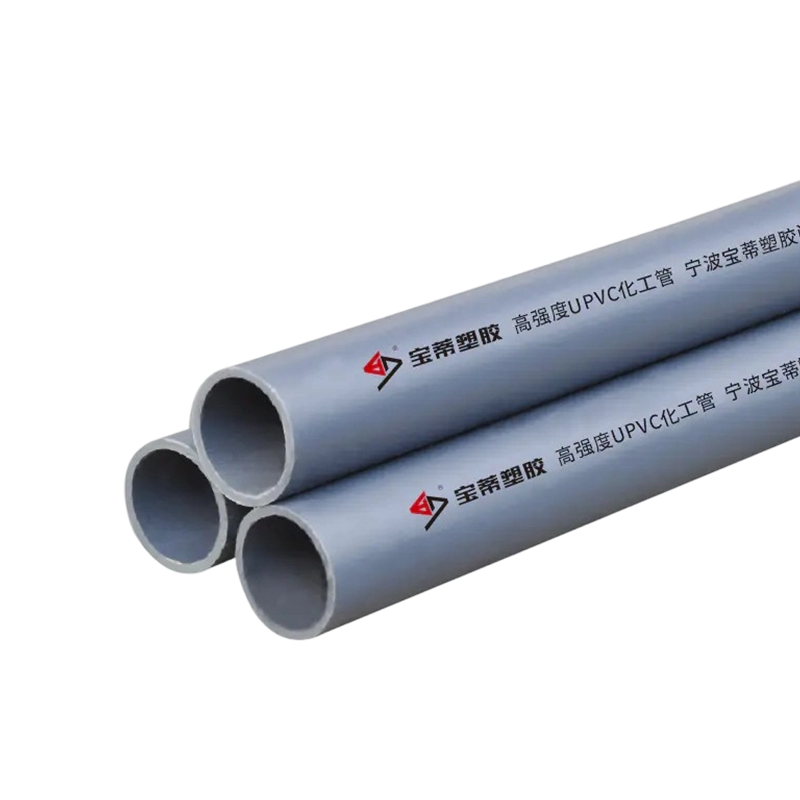
To achieve this, high-performance Industrial Valve and Piping Systems must collaborate seamlessly. While pipes and fittings provide the physical pathways, industrial valves act as the dynamic control centers—regulating, isolating, or redirecting flow. Manufacturers with decades of specialized expertise, such as Ningbo Baodi Plastic Valve Co., Ltd., understand that the synergy between durable thermoplastic piping and precision-engineered valves is what ensures the safe, continuous transport of aggressive chemicals, pure water, and slurries across modern industrial plants.
Key Parameter Comparison: Metal vs. Thermoplastic Piping Systems
To assist engineers and plant managers in selecting the optimal foundation for their infrastructure, the following parameters compare conventional metallic options with advanced industrial thermoplastics (such as CPVC and PVC) pioneered by industry leaders like Ningbo Baodi Plastic Valve Co., Ltd.:
| Performance Parameter |
Thermoplastic Systems (e.g., CPVC/PVC) |
Metallic Systems (e.g., Carbon/Stainless Steel) |
| Corrosion Resistance |
Exceptional resistance to aggressive acids, alkalis, and chemical salts without requiring coatings or linings. |
Prone to oxidation, pitting, and chemical degradation unless high-alloy grades (e.g., 316L) are used. |
| Internal Surface Roughness (e) |
Extremely smooth interior walls (0.0015 mm), resulting in lower friction losses and minimal scaling. |
Higher initial smoothness that degrades over time due to scaling, tuberculation, and corrosion. |
| Weight-to-Strength Ratio |
Lightweight; significantly reduces structural support requirements and lowers installation labor costs. |
Heavy; demands robust structural rigging, heavy-duty hangers, and specialized lifting equipment. |
| Thermal Conductivity |
Low thermal conductivity; acts as an inherent thermal insulator, reducing the need for secondary pipe insulation. |
High thermal conductivity; rapidly transfers heat to or from the surrounding environment, requiring insulation. |
| Maximum Operating Temperature |
Typically ranges up to 95 degrees C to 100 degrees C depending on the specific thermoplastic compound (e.g., CPVC). |
Can withstand extremely high temperatures, often exceeding 400 degrees C to 600 degrees C in alloy configurations. |
| Installation and Joining |
Fast, reliable solvent cementing, socket fusion, or butt fusion, eliminating hot work permits and welding. |
Requires skilled welders, X-ray non-destructive testing (NDT), and strict fire safety precautions (hot work). |
Essential Component Breakdown: Valves, Pipes, and Fittings
An industrial fluid network is only as strong as its individual components. Achieving long-term operational reliability requires a careful selection of piping materials, valve categories, and structural connectors that can withstand specific chemical and mechanical demands. Leaders in thermoplastic innovation, such as Ningbo Baodi Plastic Valve Co., Ltd., have spent decades advancing these components, moving from foundational chemical factory roots to setting national standards for plastic valves.
Piping Materials and Standards
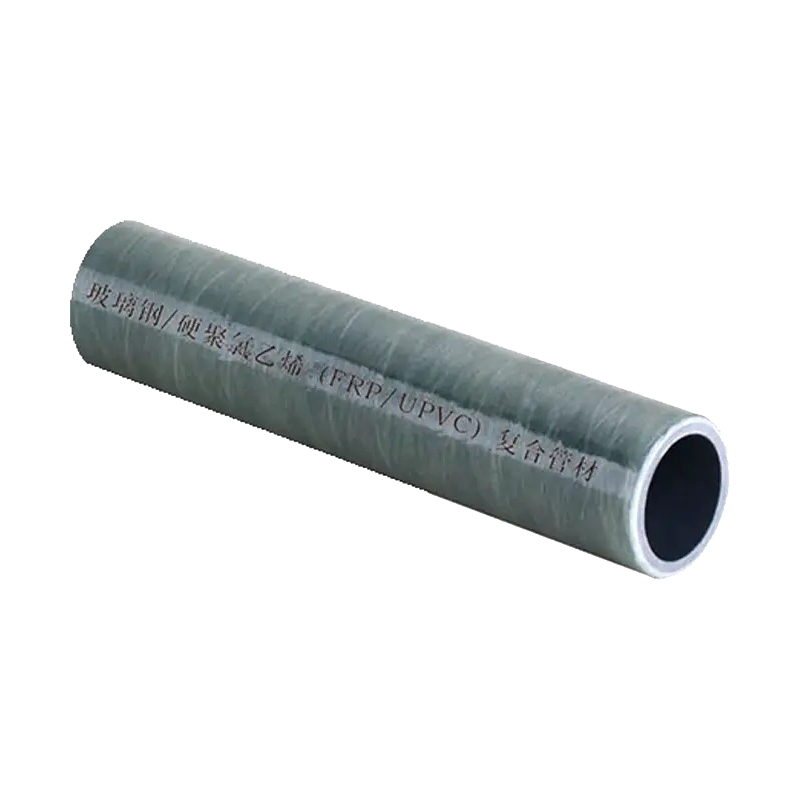
Selecting the right piping material dictates how well a system resists environmental degradation and thermal stress. The primary materials utilized in modern infrastructure include:
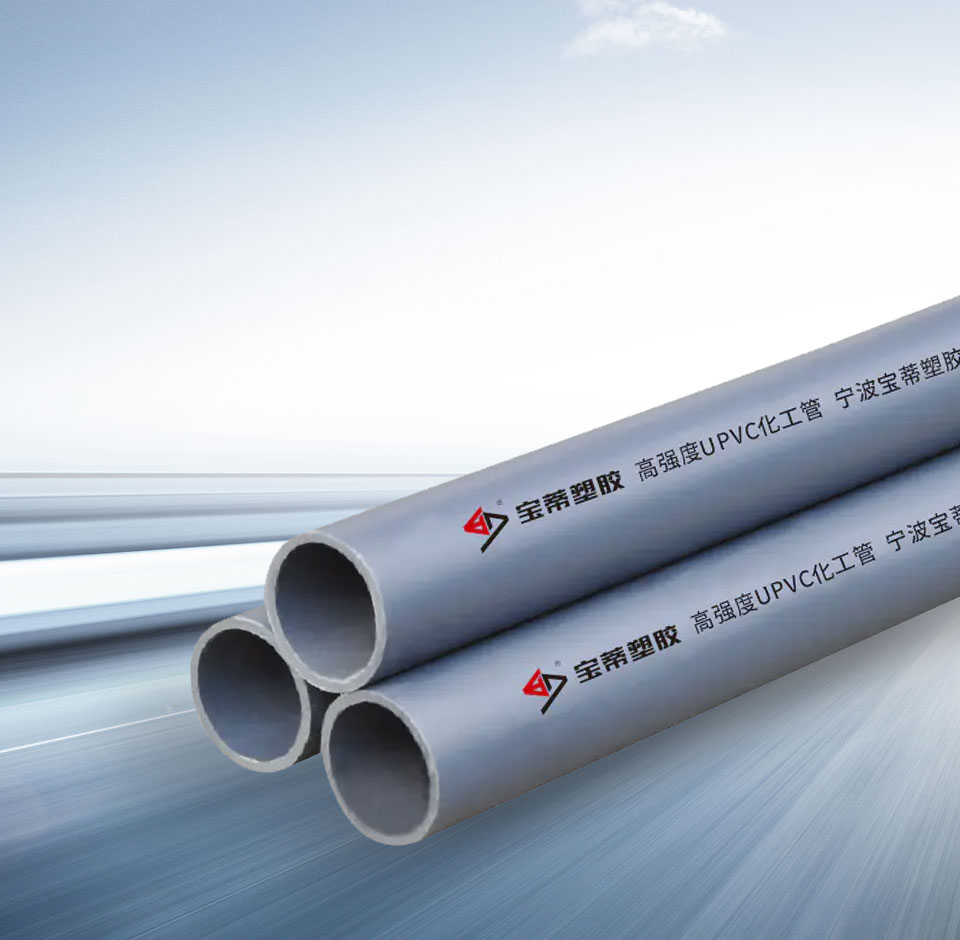
CPVC (Chlorinated Polyvinyl Chloride): Pioneered for industrial-grade applications by companies like Ningbo Baodi Plastic Valve Co., Ltd. in 2006, CPVC offers exceptional resistance to aggressive acids, bases, and industrial chemicals at elevated temperatures compared to standard PVC.
PVC (Polyvinyl Chloride): The industry standard for general water treatment, irrigation, and low-temperature chemical processing due to its rigidity and cost-effectiveness.
Carbon Steel and Stainless Steel (Alloy options): Traditional metallic alternatives used for high-temperature and ultra-high-pressure steam or heavy hydrocarbon applications, though they require extensive corrosion monitoring.
Primary Valve Categories
Valves dictate how fluid moves, stops, or changes direction within the network. Choosing the correct valve category depends on the operational requirement:
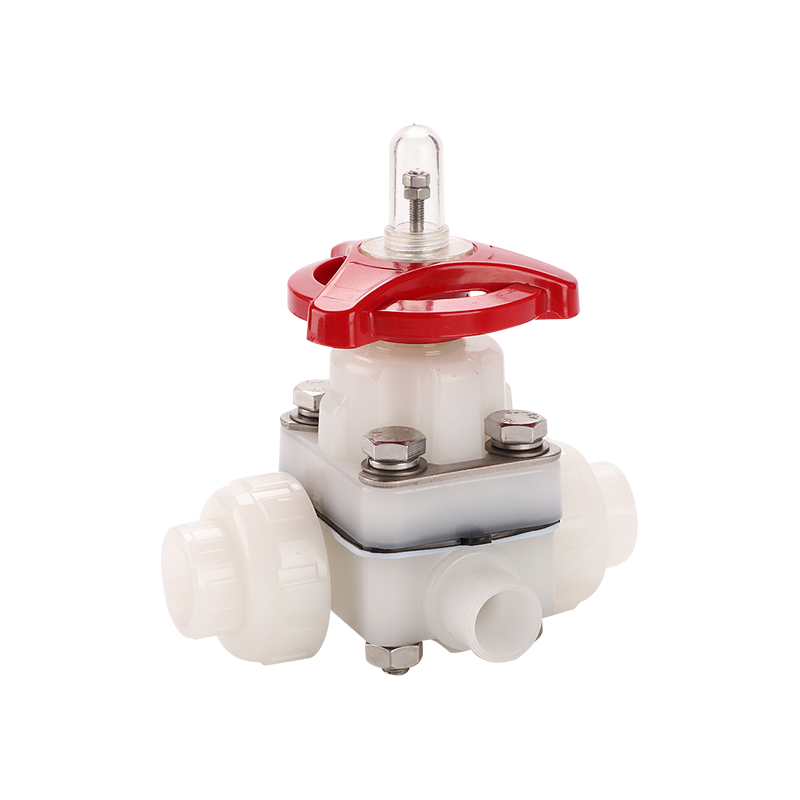
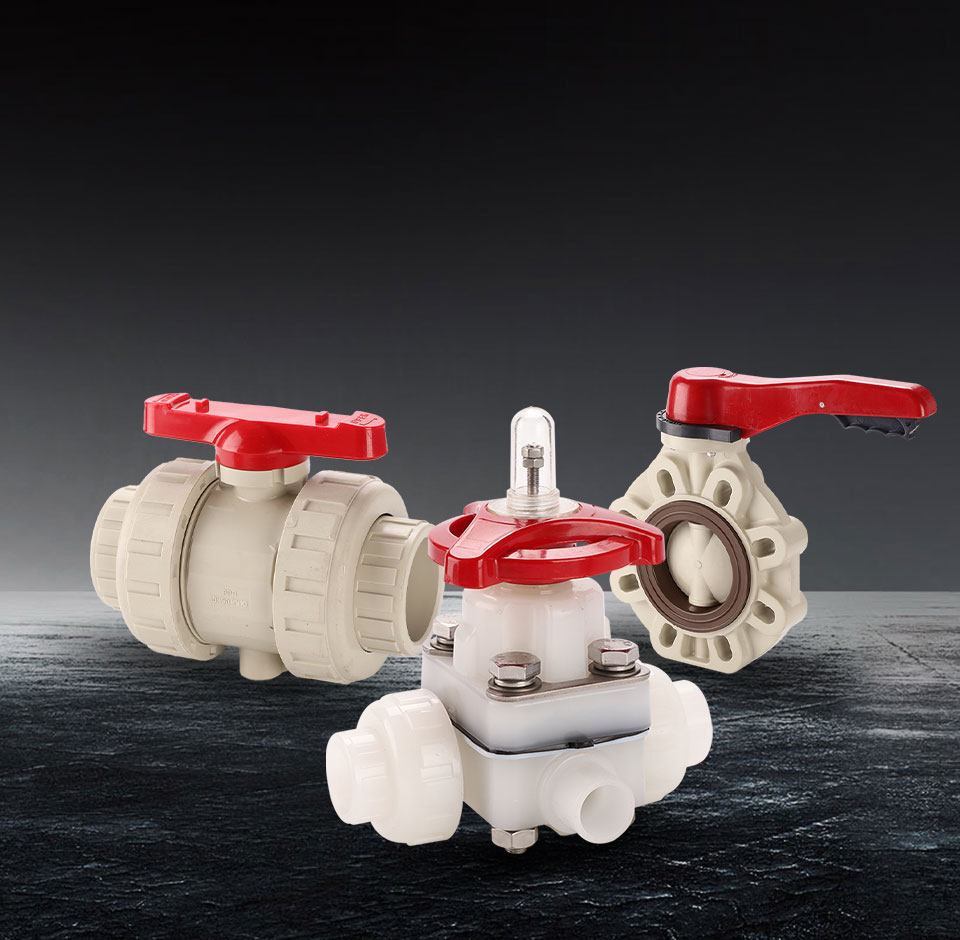
Gate and Globe Valves: Designed primarily for complete isolation or precise flow throttling. Globe valves excel at regulating flow rates through a linear motion plug, while gate valves provide a clear, unobstructed pathway when fully open.
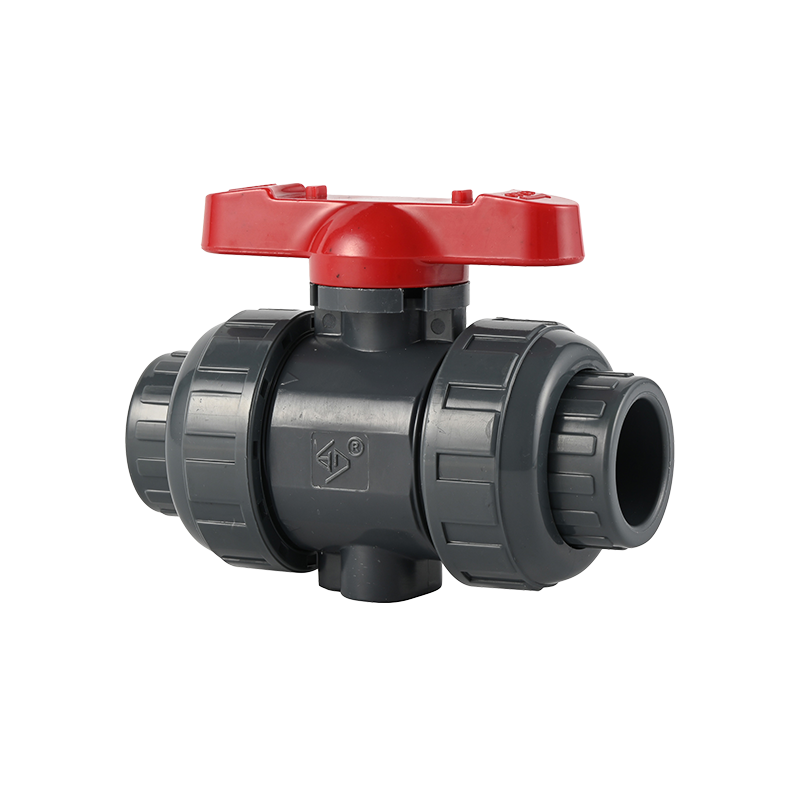
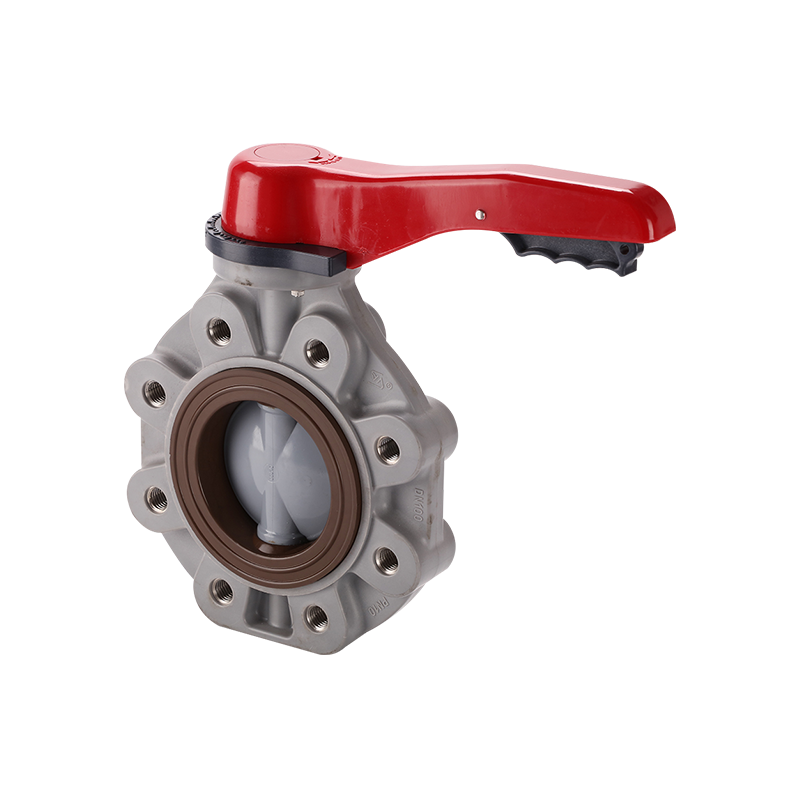
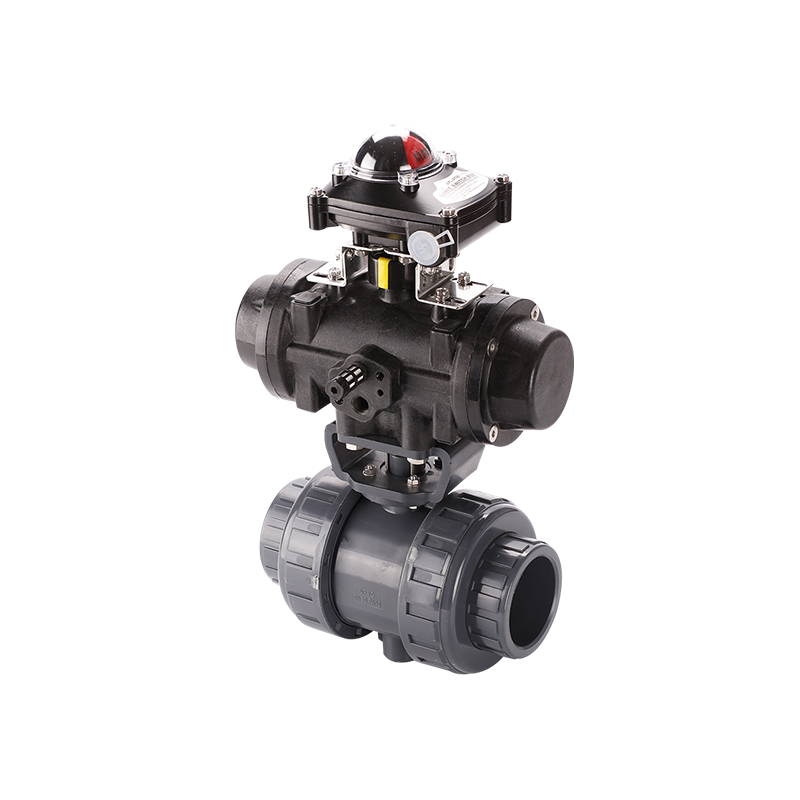
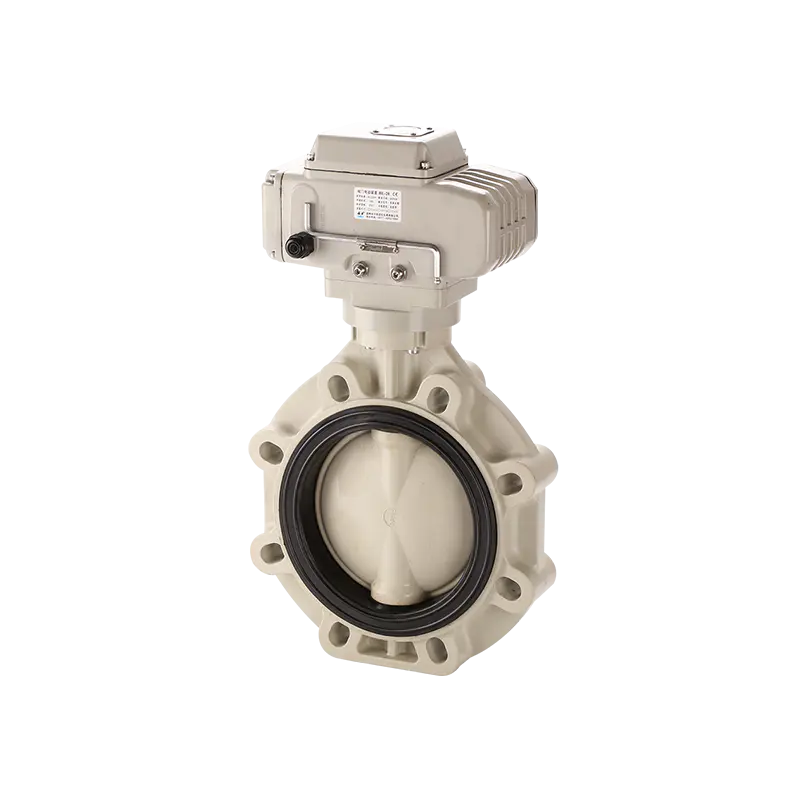
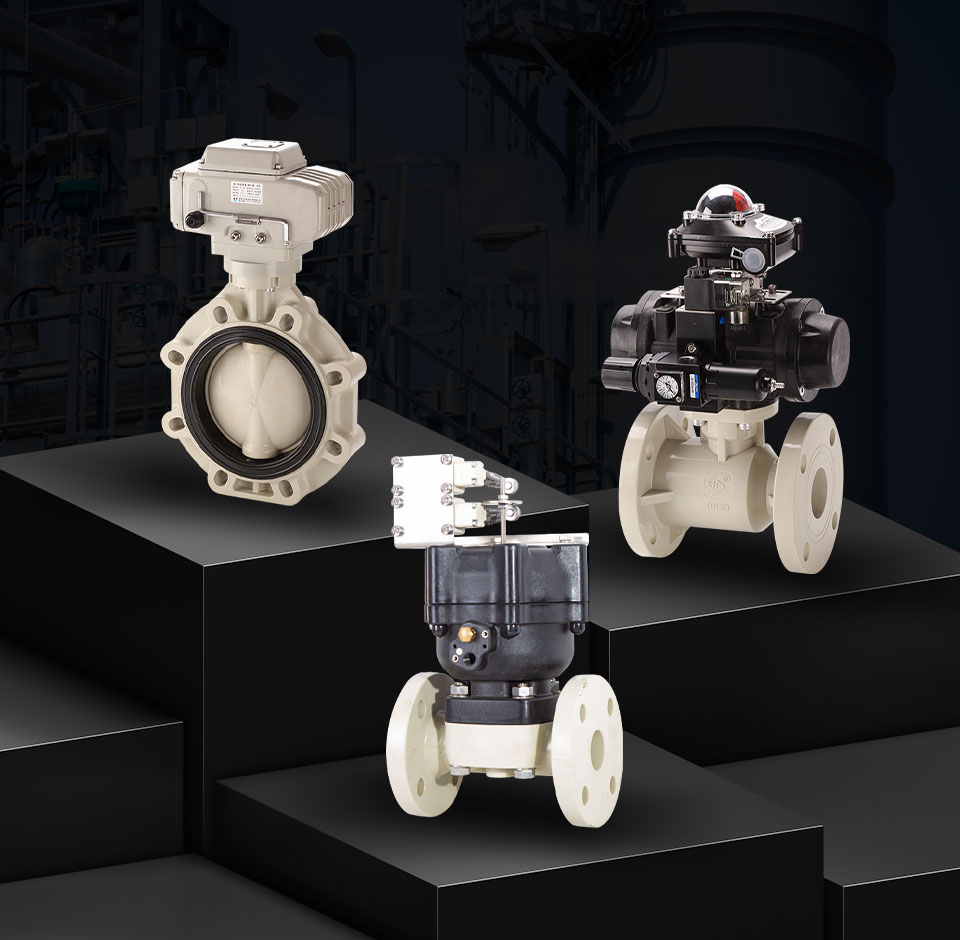
Ball and Butterfly Valves: The workhorses of rapid shut-off and modular control. Notably, Ningbo Baodi Plastic Valve Co., Ltd. invented the one-piece flange ball valve in 1992—a revolutionary structural design that has since become the most widely used plastic valve product in chemical-related industries. Butterfly valves offer a compact footprint for regulating high-volume flows.
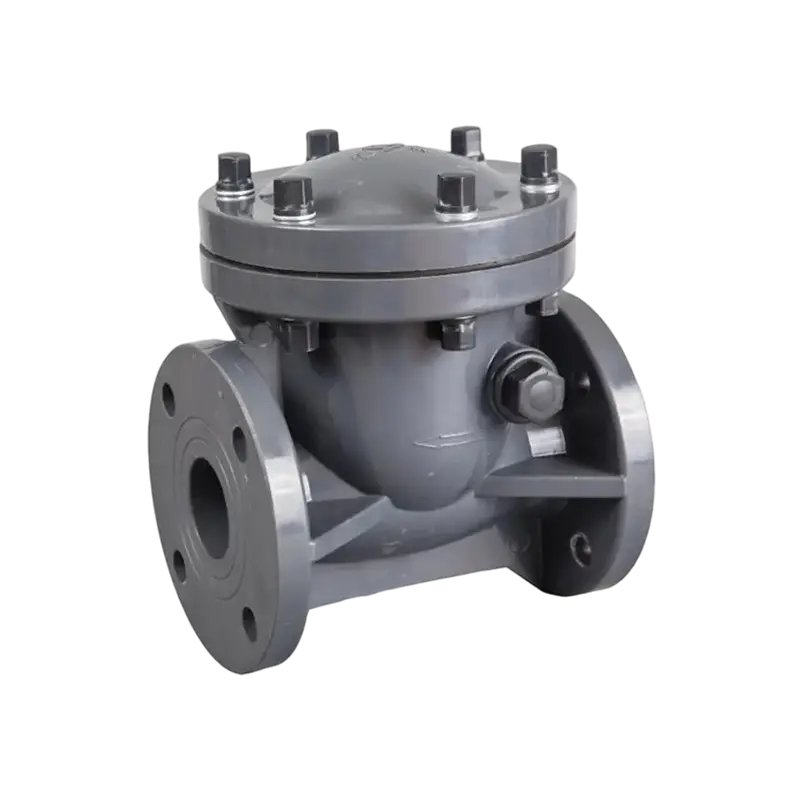
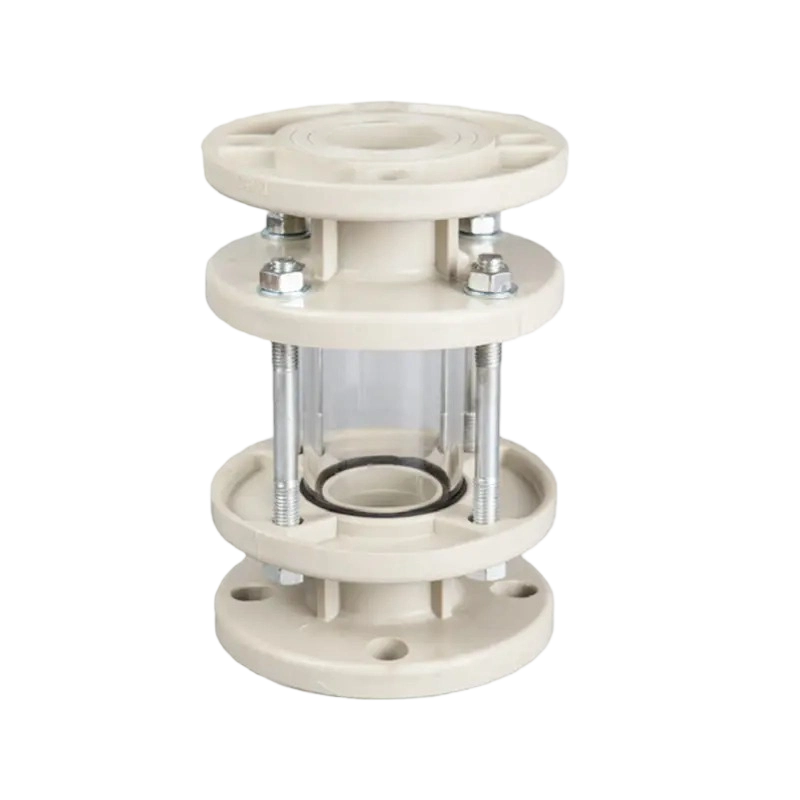
Check Valves: Critical safety components that automatically prevent dangerous backflow, protecting pumps and upstream equipment from hydraulic shock and contamination.
Fittings and Connectors
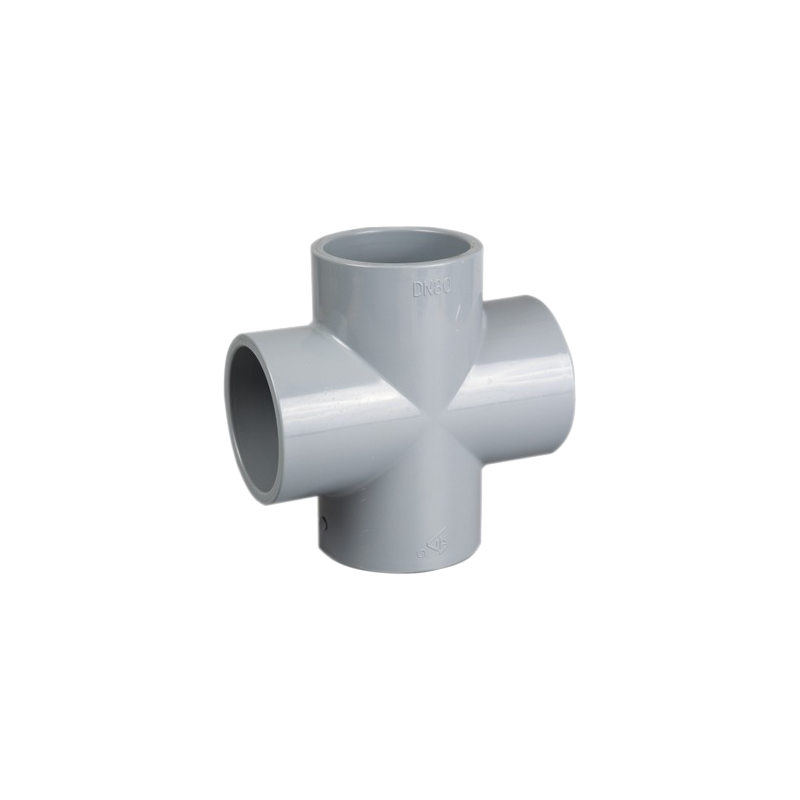
Fittings create the physical geometry and secure junctures of the piping grid. This category includes flanges, elbows, tees, and specialized gaskets. High-quality connectors ensure leak-free transitions between different pipe diameters and directional changes, maintaining uniform pressure integrity across the entire facility.
Key Parameter Comparison: Industrial Valve Types and Performance
To guide engineers in selecting the optimal control mechanism for their layout, the following parameter comparison highlights the distinct operational characteristics of primary industrial valves:
| Valve Type |
Primary Function |
Flow Characteristics |
Operation Speed |
Typical Industrial Applications |
| Ball Valve (e.g., Baodi One-Piece Flanged) |
On/Off Isolation & Quick Shut-off |
Minimal pressure drop when fully open; full-bore options available. |
Extremely fast (90 degree quarter-turn) |
Chemical processing lines, water treatment, general fluid isolation |
| Butterfly Valve |
Flow Regulation & Shut-off in Large Diameters |
Moderate pressure drop due to the disc residing in the flow path. |
Fast (90 degree quarter-turn) |
HVAC systems, large-scale water distribution, low-pressure slurries |
| Globe Valve |
Precision Throttling & Flow Control |
High pressure drop due to the tortuous internal fluid path. |
Slow (Multi-turn linear motion) |
Steam throttling, cooling water systems, fine chemical dosing |
| Gate Valve |
Full Isolation (On/Off only; not for throttling) |
Negligible pressure drop; full clearance matching pipe inner diameter. |
Slow (Multi-turn linear motion) |
Main pipeline isolation where flow restriction must be zero |
| Check Valve |
Automatic Backflow Prevention |
Varies by design (swing, lift, or wafer); depends on cracking pressure. |
Automatic (pressure-actuated) |
Pump discharge lines, chemical feed systems to prevent cross-contamination |
Engineering Design and Operational Integration
Designing high-performance Industrial Valve and Piping Systems requires meticulous mathematical modeling and layout planning. Beyond choosing the right materials, engineers must calculate complex hydraulic parameters to ensure that fluid transport remains stable, energy-efficient, and structurally sound under varying operational loads.
Hydraulic Calculations and Thermal Dynamics
Precision engineering begins with rigorous calculations of pressure drops, volumetric flow rates, and thermal expansion limits.
Pressure Drop and Flow Rates: Engineers utilize the Darcy-Weisbach equation along with the Moody friction factor to calculate frictional head losses across pipes, fittings, and valves. Minimizing these pressure drops is essential to reducing pump energy consumption.
Thermal Expansion and Contraction: Thermoplastic materials like CPVC and PVC experience higher coefficients of thermal expansion compared to metals. Engineers must integrate strategic expansion loops, offsets, and flexible joints to absorb dimensional changes caused by temperature shifts during operational cycles.
System Layout Strategies and Flow Optimization
A well-designed layout actively mitigates mechanical stress and destructive flow phenomena. Key design strategies include:
Minimizing Turbulence and Erosion: Avoiding abrupt directional changes and over-sized reductions prevents localized high-velocity zones that cause accelerated wall thinning or abrasive wear, particularly in slurry transport.
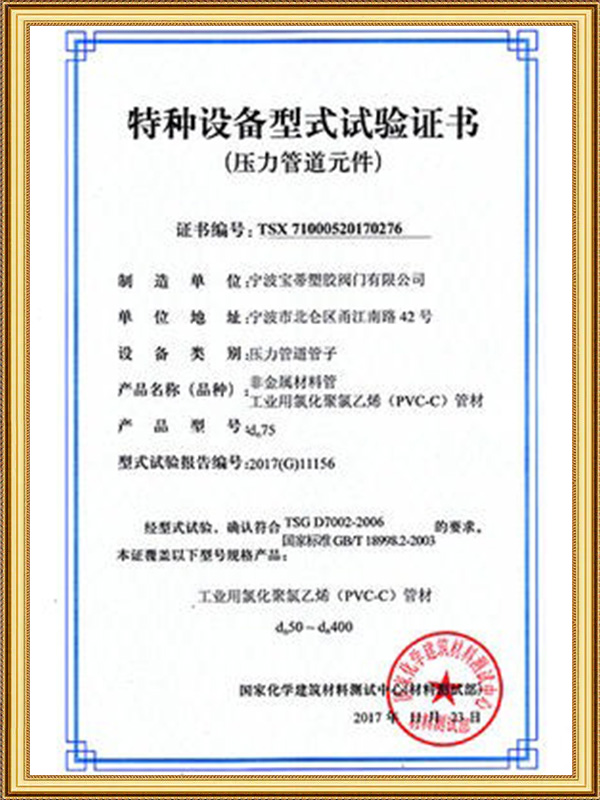
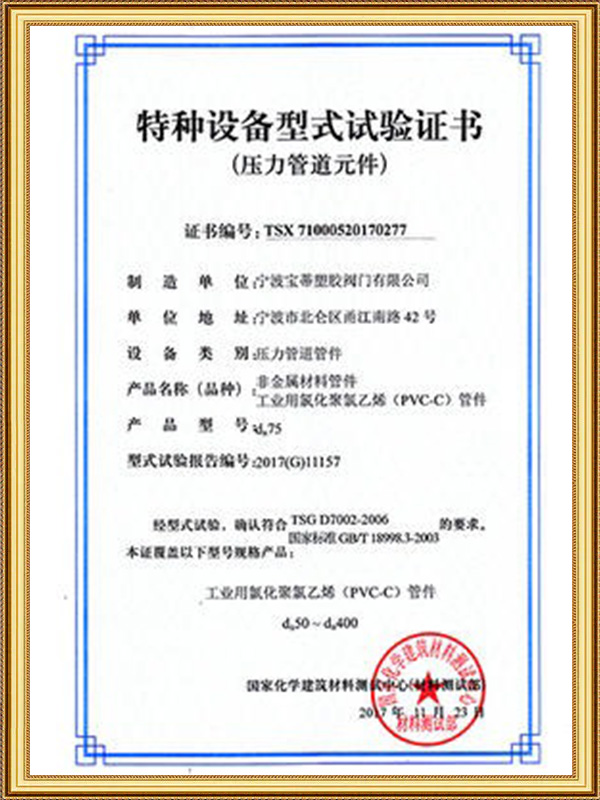
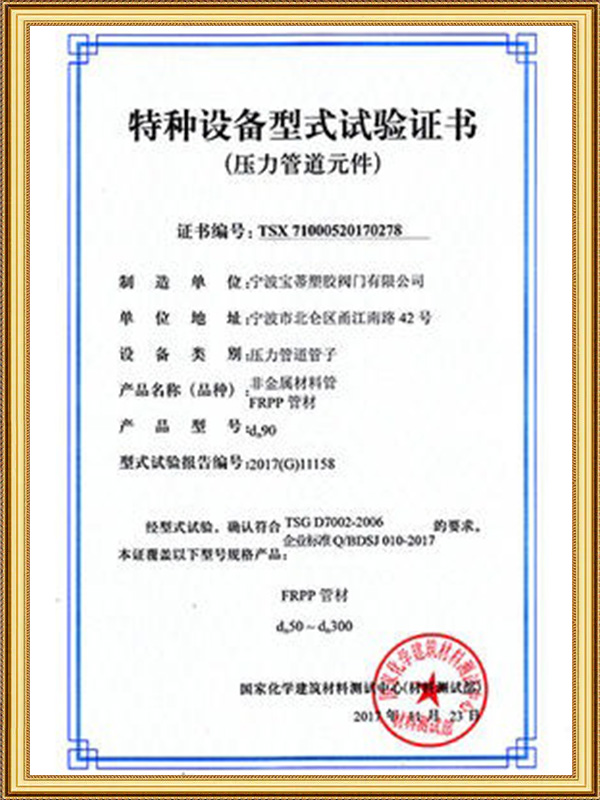
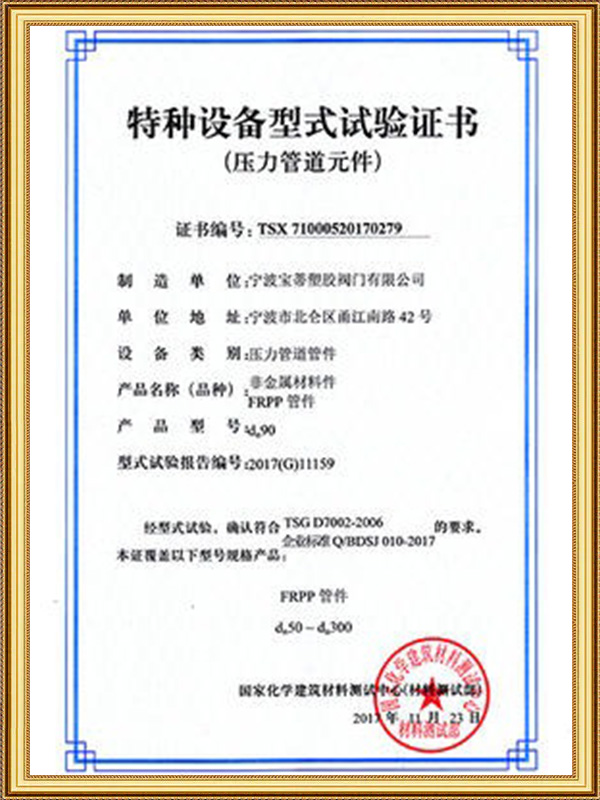
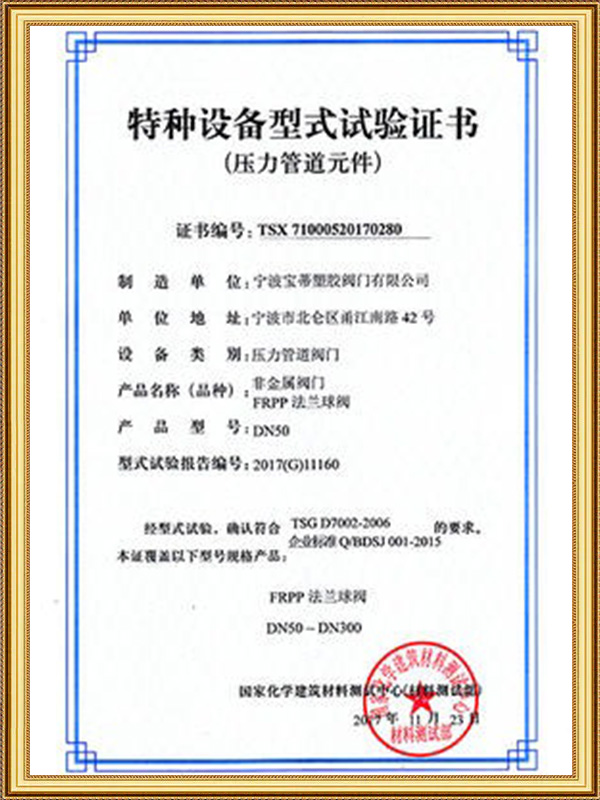
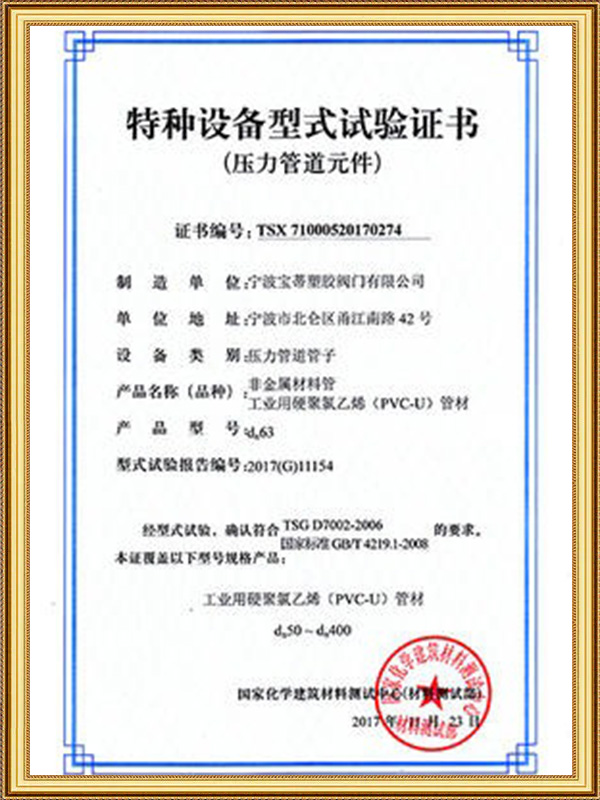
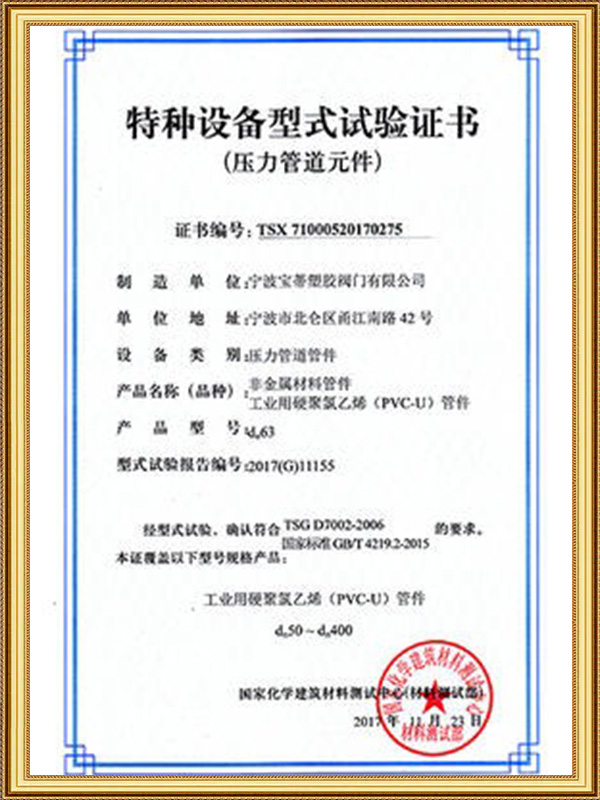
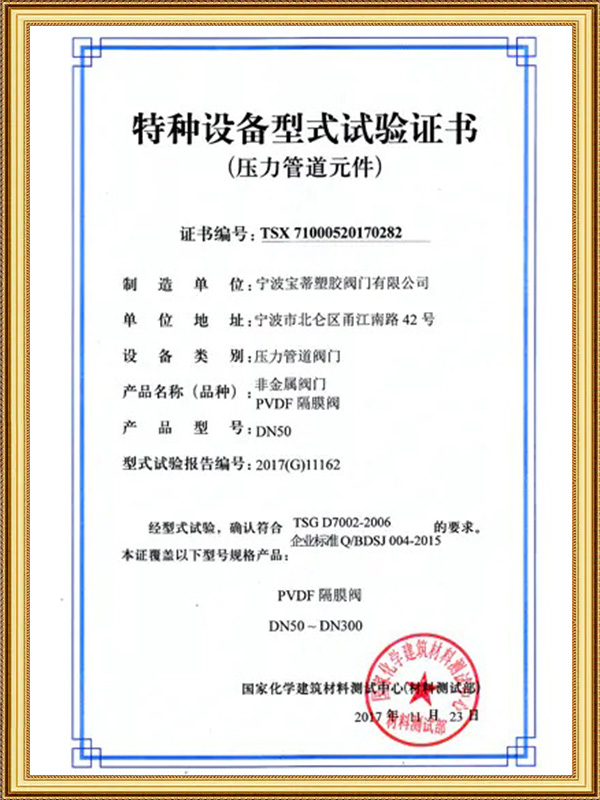
Mitigating Water Hammer: Rapid valve actuation can generate catastrophic pressure shockwaves. Implementing slow-closing actuators or hydraulic dampeners protects the structural integrity of the network. As a leading manufacturer holding national special equipment pressure piping component manufacturing licenses, Ningbo Baodi Plastic Valve Co., Ltd. emphasizes that correct layout planning paired with robust thermoplastic components drastically extends facility service life.
Automation and Smart Monitoring Integration
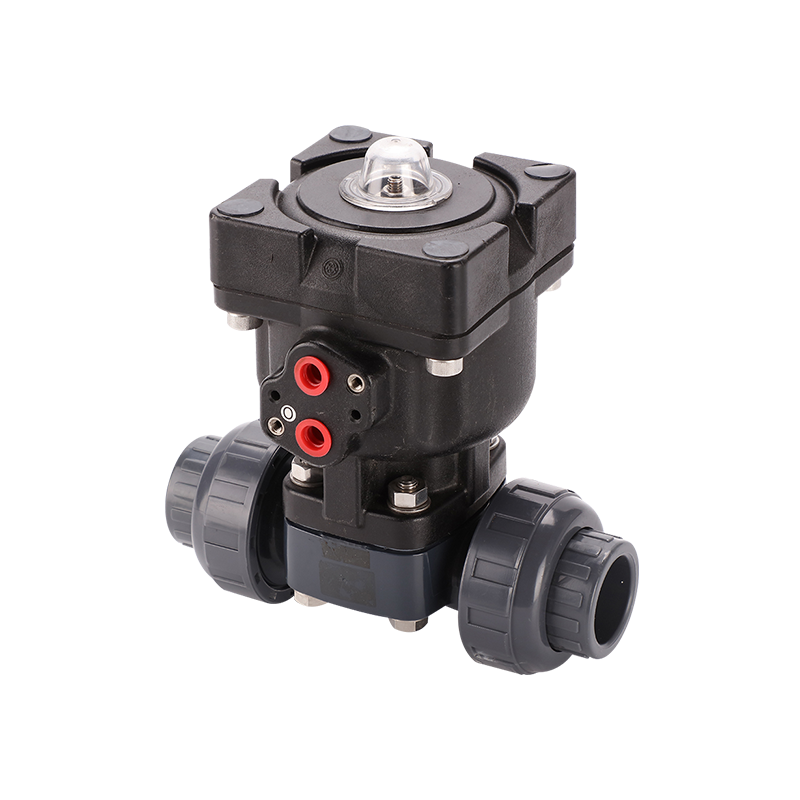
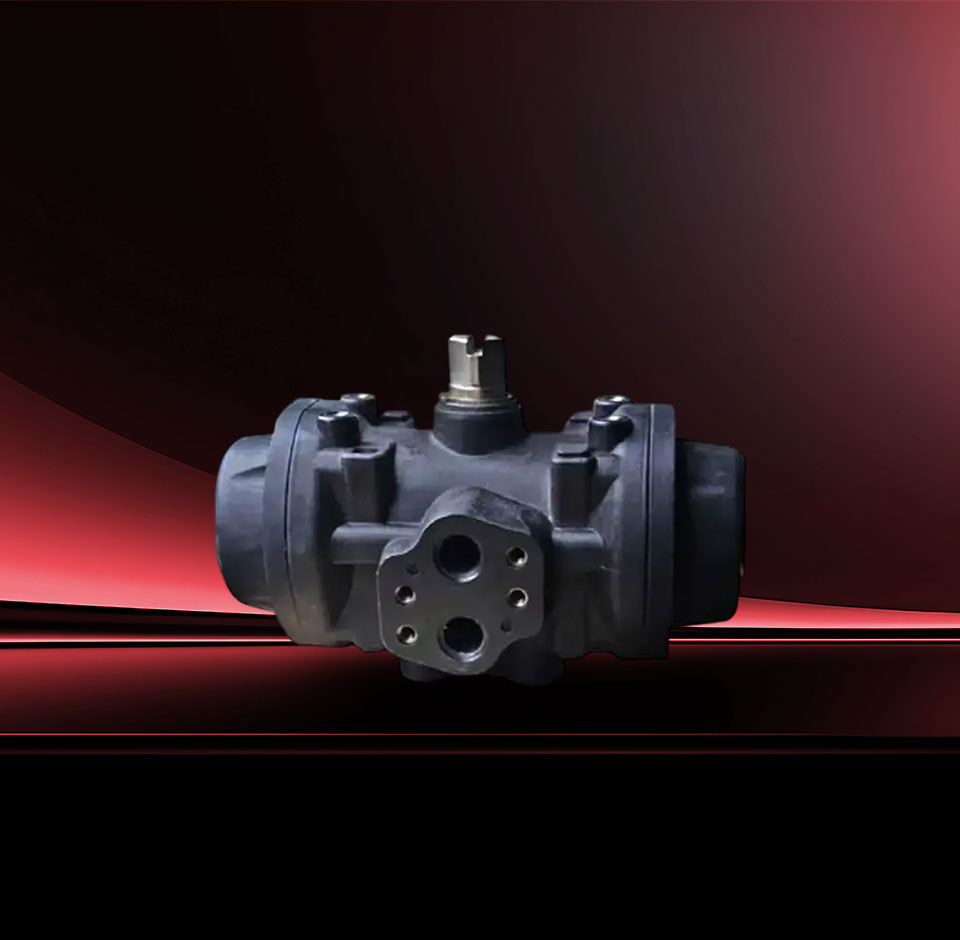
Modern industrial facilities increasingly demand real-time data visibility and remote control capabilities. Integrating automated electric or pneumatic actuators with industrial valves transforms manual networks into smart, responsive systems.
Advanced facilities utilize position feedback sensors, smart positioners, and IoT-enabled monitoring devices integrated directly with the valve assemblies. This level of precision control allows plant operators to monitor flow rates, detect micro-leaks early, and optimize chemical dosing cycles remotely, ensuring maximum safety and operational uptime.
Key Parameter Comparison: Engineering Design Factors for Piping Networks
To assist system designers in evaluating hydraulic and mechanical variables, the following table compares key engineering design parameters across different material systems and operational approaches:
| Engineering Parameter |
Thermoplastic Piping (CPVC / PVC) |
Metallic Piping (Carbon / Stainless Steel) |
Design Impact & Mitigation Strategy |
| Coefficient of Thermal Expansion |
High (approx 6.0 x 10^-5 / degrees C) |
Low (approx 1.2 x 10^-5 / degrees C) |
Requires careful calculation of thermal loops and flexible support spacing for plastics. |
| Friction Factor (f) / Interior Smoothness |
Very low friction; maintains smoothness (e = 0.0015 mm) indefinitely. |
Moderate to high; friction increases over time due to internal scaling and corrosion. |
Results in lower long-term pumping energy costs for smooth thermoplastic networks. |
| Allowable Flow Velocity Limit |
Typically restricted to 1.5 m/s to 2.5 m/s for water/liquids to prevent surge wear. |
Can handle higher velocities (>3.0 m/s) depending on alloy erosion limits. |
Dictates correct pipe diameter sizing to avoid premature erosion-corrosion. |
| Actuation Compatibility |
Readily accepts lightweight pneumatic or electric actuators via specialized mounting pads. |
Requires heavy-duty mounting brackets and robust structural support frameworks. |
Streamlines the integration of automated control and smart monitoring systems. |
Key Considerations for Choosing the Right Materials and Components
Selecting the appropriate components for Industrial Valve and Piping Systems is a critical engineering task that directly impacts plant safety, environmental compliance, and long-term operating costs. Because every industrial environment presents a unique combination of chemical, thermal, and mechanical stresses, decision-makers must evaluate multiple operational variables before finalizing a specification.
Fluid Characteristics and Chemical Compatibility
The chemical nature of the conveyed media is often the primary deciding factor in material selection. Engineers must carefully analyze:
Corrosivity and Acidity: Highly corrosive acids, strong bases, and aggressive chemical salts will rapidly degrade standard metals unless expensive high-alloy options are specified. For this reason, many chemical processing plants turn to advanced thermoplastics. Ningbo Baodi Plastic Valve Co., Ltd. has spent over four decades mastering this domain, offering extensive portfolios of CPVC and PVC solutions designed specifically to withstand harsh chemical environments without requiring costly protective coatings or internal linings.
Viscosity, Toxicity, and Abrasiveness: Viscous fluids require larger pipe diameters and specialized pump configurations, while toxic media demand zero-leakage valve technologies—such as specialized diaphragm or tight-tolerance ball valves—to protect personnel and the environment. Abrasive slurries require wear-resistant internal trim components to prevent premature erosion.
Operating Parameters: Pressure and Temperature Ratings
Every piping network operates under specific thermodynamic limits that dictate component classification:
Temperature Thresholds: While metallic systems handle extreme thermal ranges, industrial thermoplastics like CPVC engineered by Ningbo Baodi Plastic Valve Co., Ltd. safely manage operating temperatures up to 95 degrees C to 100 degrees C, covering the vast majority of chemical transfer, water treatment, and industrial waste applications.
Pressure Ratings: Components must be rated to handle both nominal working pressures and potential pressure spikes (surges). Utilizing certified components—such as those backed by national special equipment pressure piping component manufacturing licenses—ensures that the selected pipes and valves will not rupture under stress.
Compliance with International Regulatory Codes and Standards
Adherence to recognized global standards guarantees interchangeability, safety, and legal compliance. Reputable manufacturers maintain rigorous quality management frameworks. For instance, Ningbo Baodi Plastic Valve Co., Ltd. holds ISO 9001, ISO 14001, and ISO 45001 system certifications, reflecting excellence in quality management, environmental protection, and occupational health and safety. Furthermore, as a National High-Tech Enterprise and principal drafter of multiple national and chemical industry standards for plastic valves, the company ensures its products comply with stringent industry benchmarks like ASME, API, ANSI, and ISO codes.
Key Parameter Comparison: Selection Criteria for Industrial Piping and Valve Materials
To help engineers weigh material options against specific operating parameters, the following table compares key selection factors for thermoplastic versus metallic solutions:
| Selection Criterion |
Thermoplastic Solutions (e.g., CPVC/PVC by Baodi) |
Metallic Solutions (Carbon Steel / Stainless Steel) |
Key Engineering Implication |
| Chemical Resistance (Acids/Alkalis) |
Outstanding; completely inert to most mineral acids, alkalis, and salt solutions. |
Susceptible to pitting, stress corrosion cracking, and general oxidation over time. |
Thermoplastics eliminate the need for costly corrosion inhibitors or internal rubber linings. |
| Purity and Fluid Contamination |
Ultra-smooth interior prevents microbial growth and eliminates metallic ion leaching. |
Can leach trace metal ions into the fluid stream; prone to internal scaling and rust flakes. |
Essential for high-purity water treatment, semiconductor manufacturing, and chemical dosing. |
| Certification & Compliance |
Governed by stringent standards (ISO 9001, 14001, 45001, national pressure piping licenses). |
Regulated by ASME, ASTM, and API pressure vessel and piping codes. |
Ensures legal compliance, safety verification, and traceability across industrial projects. |
| Total Lifecycle Cost |
Lower initial material and installation cost; minimal maintenance due to zero corrosion. |
Higher initial material cost; ongoing maintenance requires painting, coating, and NDT testing. |
Significantly reduces total cost of ownership (TCO) in chemical processing environments. |
Maintenance, Troubleshooting, and Lifecycle Optimization
Even the most robust Industrial Valve and Piping Systems require proactive care to ensure continuous, trouble-free operation over decades. Developing a structured maintenance strategy minimizes unplanned downtime, prevents hazardous leaks, and optimizes the total cost of ownership (TCO) for industrial facilities.
Preventive Maintenance Routines
A proactive maintenance program shifts plant operations away from reactive repairs. Core preventive measures include:
Regular Inspections and Functional Testing: Scheduled visual checks for external wear, structural alignment, and actuator response times. Testing valves through their full stroke range prevents stem binding and seat sticking.
Lubrication and Packing Care: Applying approved lubricants to valve stem threads, gearboxes, and actuator linkages. For multi-turn valves, periodically checking and tightening packing glands prevents fugitive emissions and stem leaks.
Operational Monitoring: Tracking pressure differentials across valves and pipeline sections to detect early signs of internal scaling, clogging, or component degradation.
Troubleshooting Common Failure Modes
Quickly identifying and resolving operational anomalies prevents minor issues from escalating into major system failures:
Seat Leakage: Often caused by trapped particulate debris, chemical wear, or worn internal seals. Dismantling the valve to inspect and replace O-rings or seating elements usually restores tight shut-off.
Stem Corrosion and Binding: Frequently occurs in harsh chemical environments or when incorrect metallic materials are used. Utilizing high-grade industrial thermoplastics, such as the specialized valve portfolios engineered by Ningbo Baodi Plastic Valve Co., Ltd., inherently eliminates metallic stem corrosion in corrosive fluid lines.
Cavitation and Velocity Damage: Manifests as pitting or a distinct rattling noise similar to gravel flowing through the pipe. Adjusting operating pressures, modifying throttling ranges, or upgrading to erosion-resistant flow control components resolves this issue.
Cost-Benefit Analysis: Scheduled Repairs vs. Full Component Retrofits
When components approach the end of their service life, plant managers must evaluate the economics of targeted repairs versus complete system retrofits:
Targeted Component Overhauls: Replacing individual internal parts—such as ball seats, stem seals, or actuator assemblies—is cost-effective and minimizes operational interruption, provided the main body structural integrity remains sound.
Full Component Retrofits: Replacing entire valve assemblies or piping sections becomes more economical when recurring failures stem from outdated design, changing chemical concentrations, or exceeding original pressure thresholds. Partnering with certified manufacturers like Ningbo Baodi Plastic Valve Co., Ltd. ensures that retrofitted thermoplastic systems deliver long-term reliability and complete regulatory compliance.
Key Parameter Comparison: Preventive Maintenance vs. Corrective Maintenance Strategies
To assist maintenance supervisors in optimizing facility uptime, the following table compares proactive and reactive maintenance approaches within industrial piping networks:
| Maintenance Parameter |
Preventive Maintenance (PM) |
Corrective / Reactive Maintenance (Run-to-Failure) |
Impact on Facility Operations |
| Downtime Management |
Planned during scheduled plant turnarounds; highly controlled. |
Unplanned, abrupt system failure leading to emergency shutdowns. |
PM prevents catastrophic production halts and revenue loss. |
| Safety and Environmental Risk |
Extremely low; potential leak vectors are caught and resolved early. |
High risk of chemical spills, fugitive emissions, and worker exposure. |
Proactive care protects personnel and maintains environmental compliance. |
| Long-Term Financial Cost |
Predictable, budgeted operational expense; extends asset lifespan. |
High cost due to emergency parts sourcing, expedited shipping, and repairs. |
Significantly lowers Total Cost of Ownership (TCO) over time. |
| Component Lifespan |
Maximized through regular lubrication, seal replacements, and cleaning. |
Shortened due to cascading failures and operating under stressed conditions. |
Ensures reliable performance across decades of continuous plant operation. |
Frequently Asked Questions (FAQ)
Q1: How do I determine the correct size for my industrial piping network?
Answer: Sizing depends heavily on volumetric flow rate, acceptable pressure drop limits, and fluid velocity. Engineers typically use sizing software and standards provided by ASME or the Hydraulic Institute to prevent excessive friction loss or pipeline erosion.
Q2: What is the difference between a quarter-turn valve and a multi-turn valve?
Answer: A quarter-turn valve (such as a ball or butterfly valve) requires a 90-degree rotation of the handle or actuator to go from fully open to fully closed, making it ideal for rapid shut-off. A multi-turn valve (such as a gate or globe valve) requires multiple full rotations, which provides finer control over flow regulation and throttling.
Q3: How often should industrial valves be inspected or tested?
Answer: Inspection frequencies depend on the severity of the service environment. In high-pressure or corrosive chemical applications, visual inspections and functional testing are often performed quarterly or during scheduled plant shutdowns, whereas low-risk utility lines might only require annual checks.
Q4: What causes water hammer in industrial piping, and how can it be prevented?
Answer: Water hammer occurs when a fluid in motion is forced to stop or change direction suddenly (such as a valve closing too quickly), creating a high-pressure shockwave. This can be prevented by installing slow-closing actuators, surge relief valves, or mechanical dampeners.