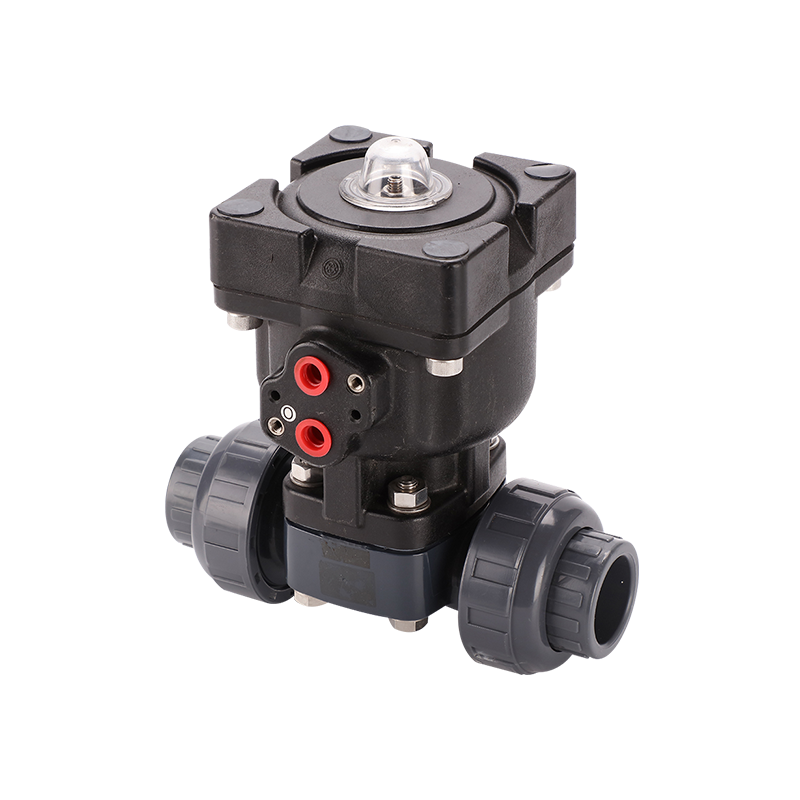
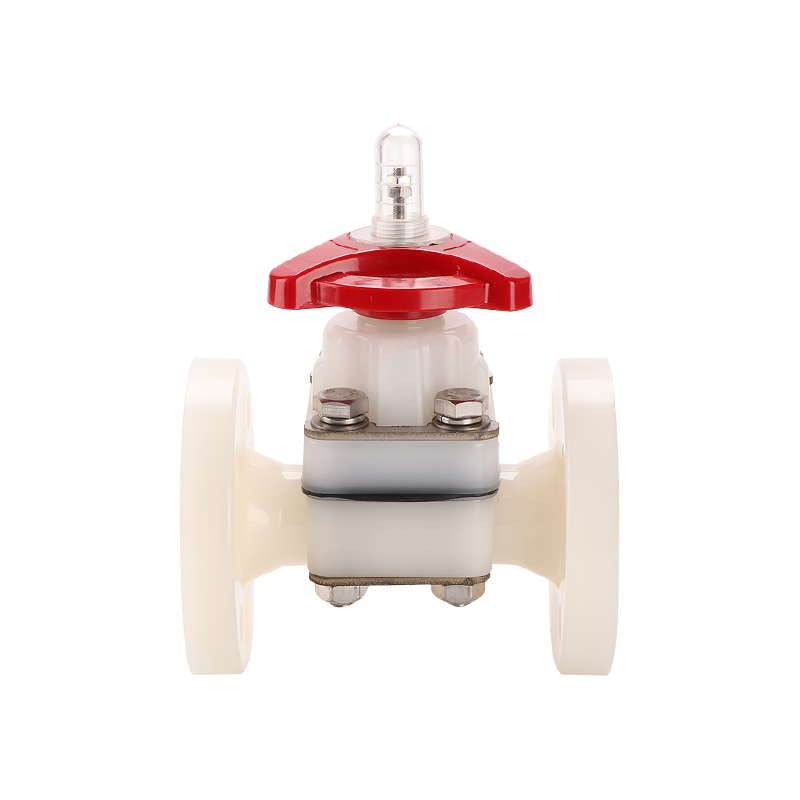
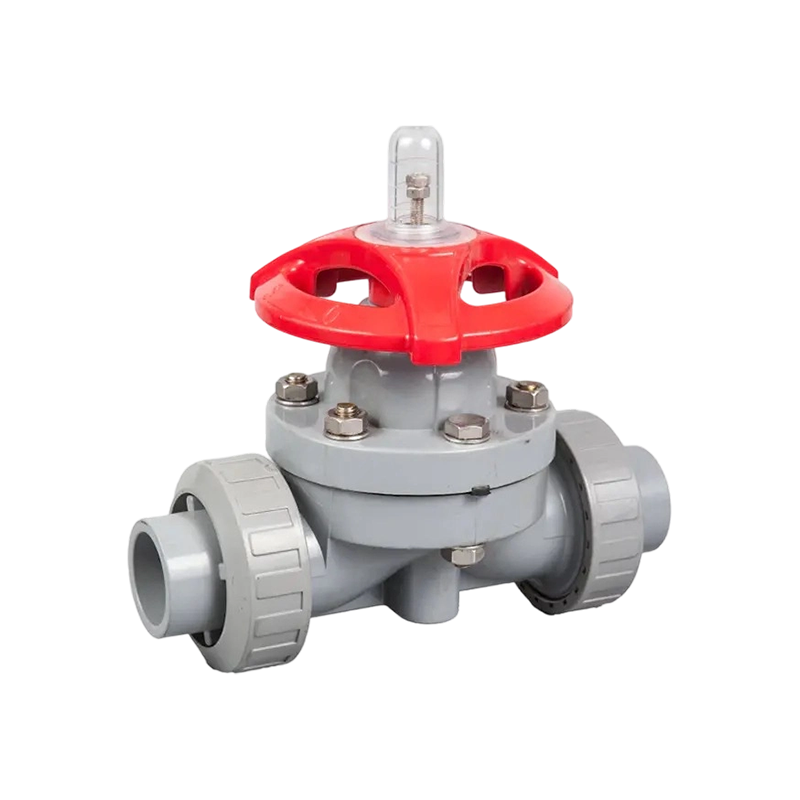
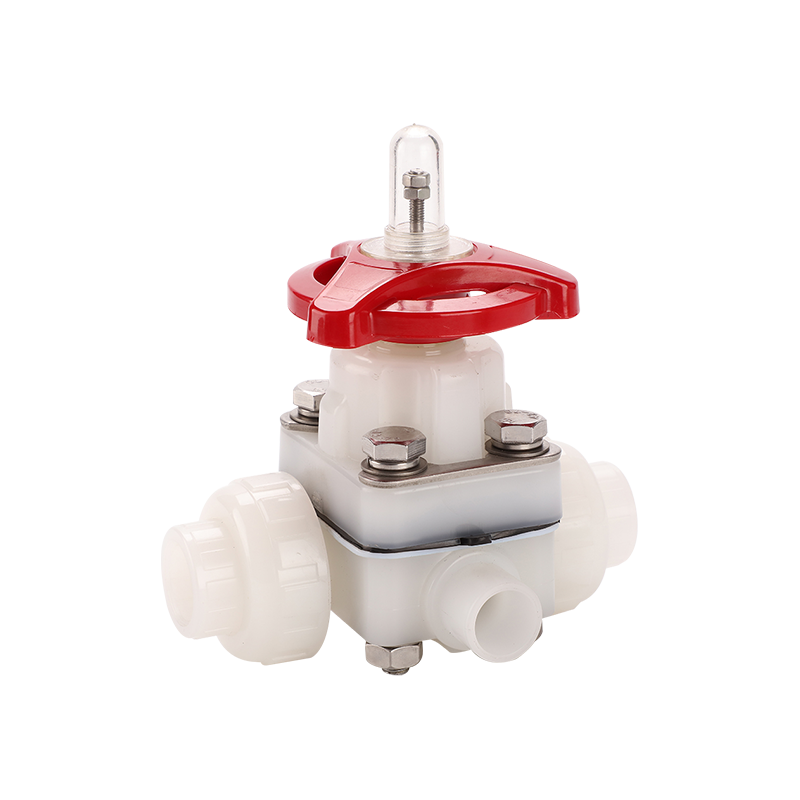
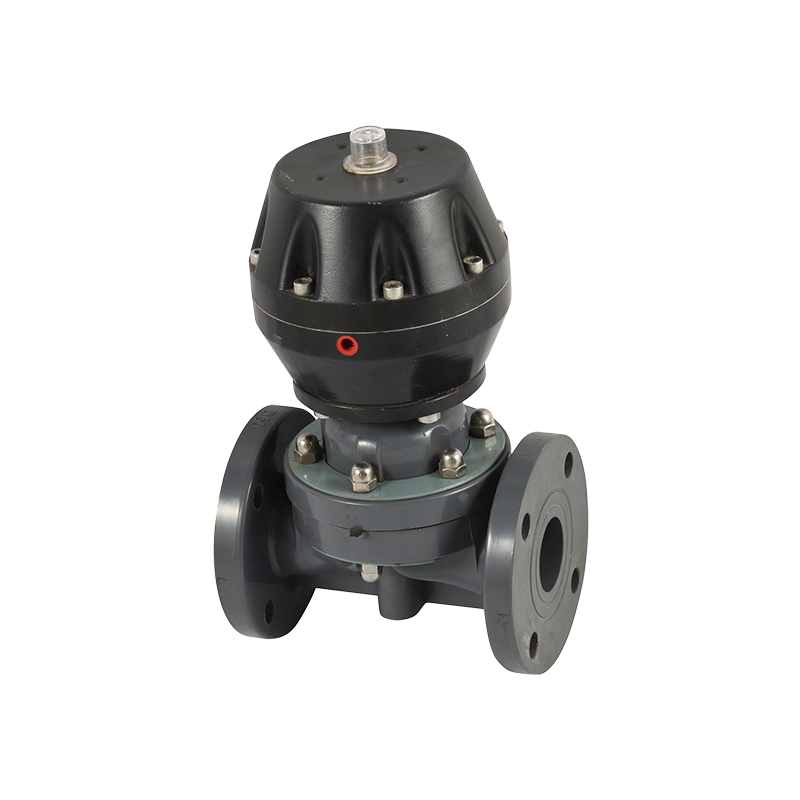
PP, PVDF, or CPVC diaphragm valves with matched elastomer selection for aggressive acids, alkalis, oxidizers, and solvents — a fully non-metallic flow path where corrosion is the primary concern.
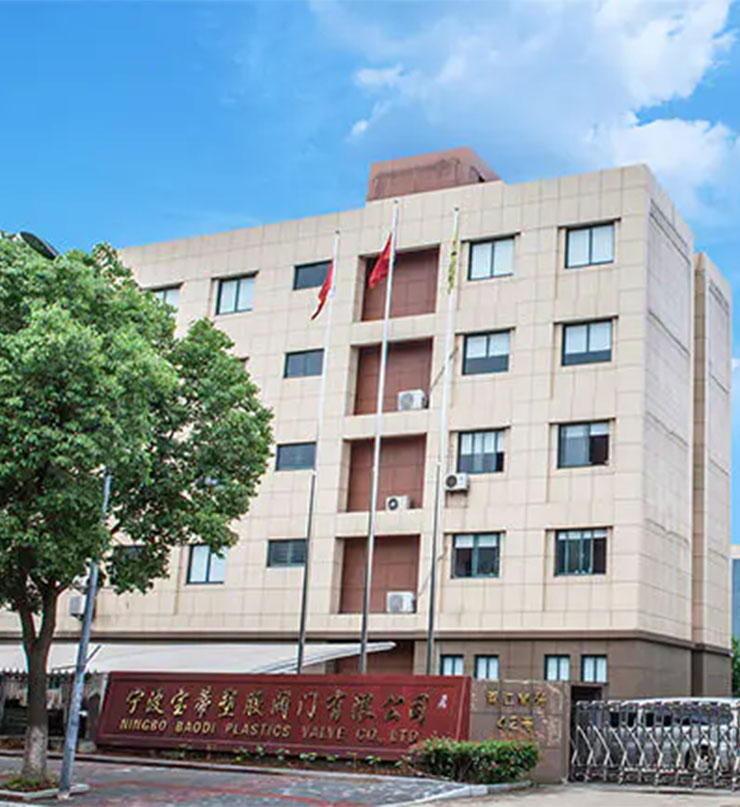
Ningbo Baodi Plastic Valve Co., Ltd. traces its origins back to 1979, with its predecessors being Zhenhai Chemical Valve Factory and Beilun Plastic Valve Factory. The company is one of the earliest Corrosion Resistant Diaphragm Valves Manufacturers and Custom Corrosion Resistant Diaphragm Valves Factory in China to design and produce industrial plastic valves and receive acceptance from the Ministry of Chemical Industry. In 1979, the company manufactured its first plastic diaphragm valve, which passed the technical appraisal of the Ministry of Chemical Industry in 1983. In 1992, the company invented the one-piece flange ball valve, a structural design that has since become the most widely used plastic valve product in chemical-related industries. The development history of the company and its predecessors also represents an important chapter in the application of plastic valves in China's industrial production.
In 2006, the company expanded its product line to cover industrial plastic pipes and fittings, becoming one of the first domestic enterprises to apply CPVC material in the production of industrial-grade piping valves. Over more than 40 years since its establishment, the company has designed and manufactured various plastic valves for the most demanding industries. It has served tens of thousands of enterprises both domestically and internationally, exporting to more than 60 countries, and has consistently remained a leading manufacturer of industrial thermoplastic valves and piping systems. Our professional service and stable quality have always been well received and recognized by customers.
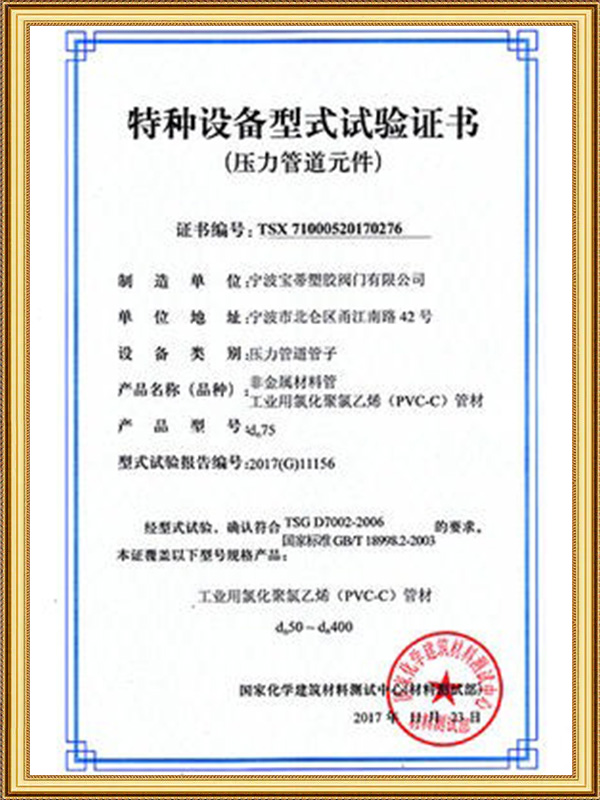
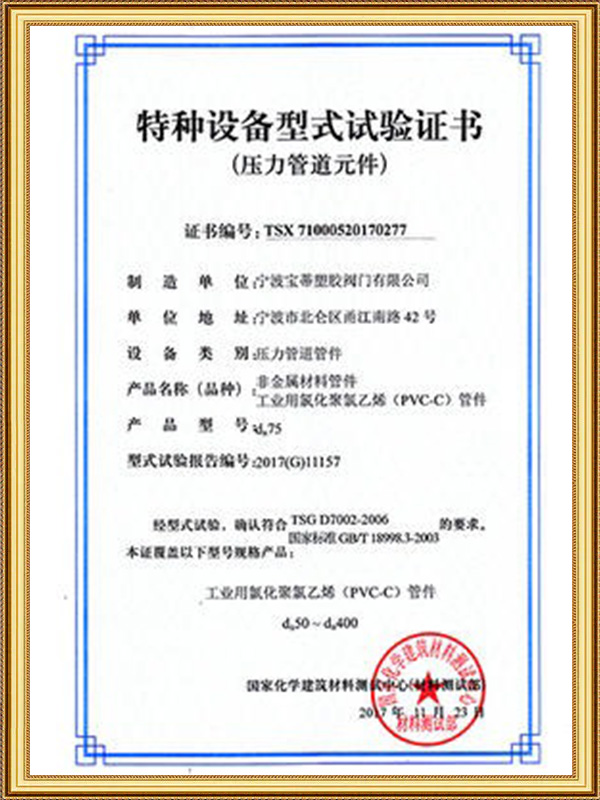
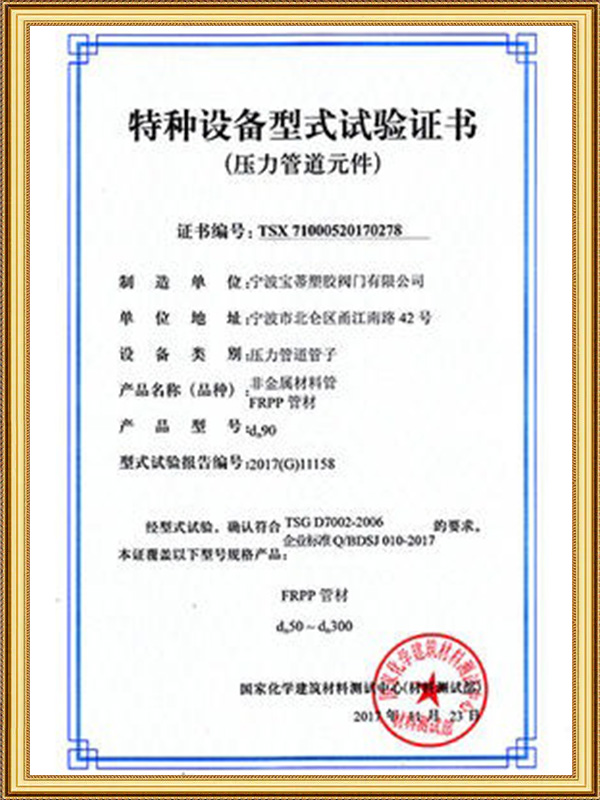
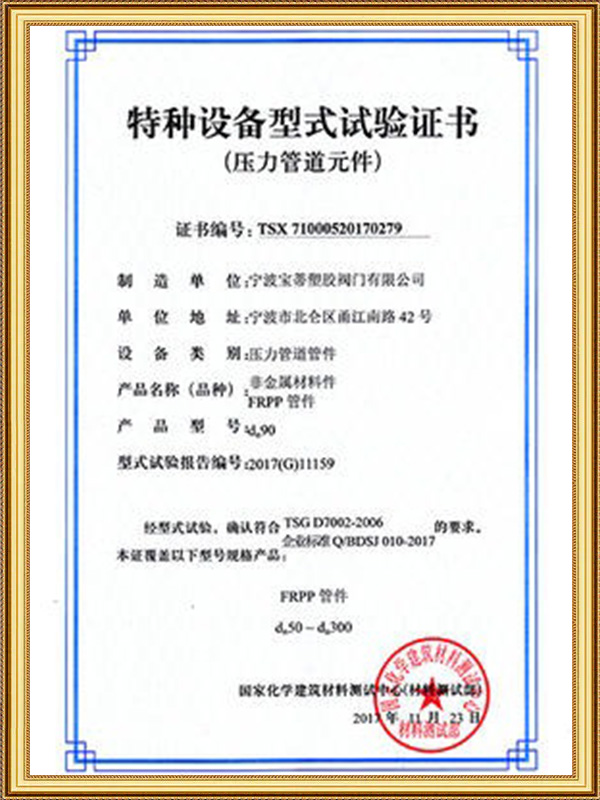
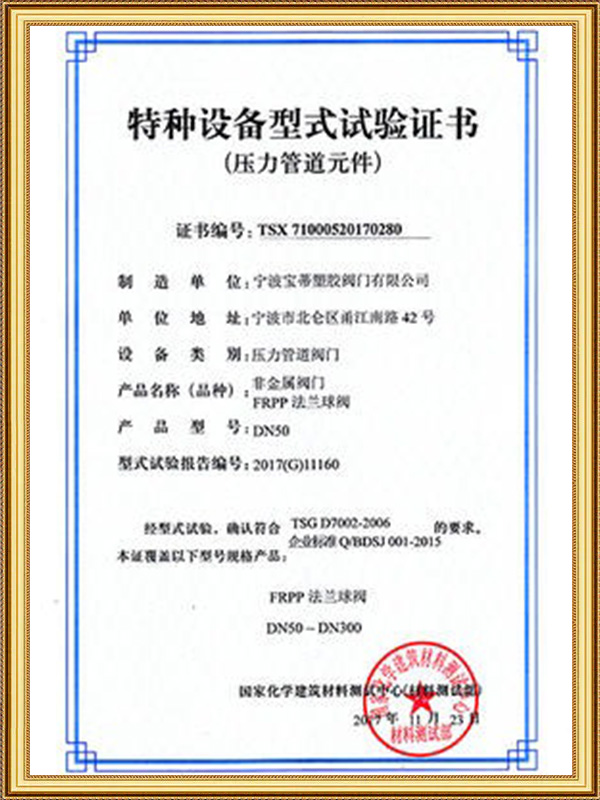
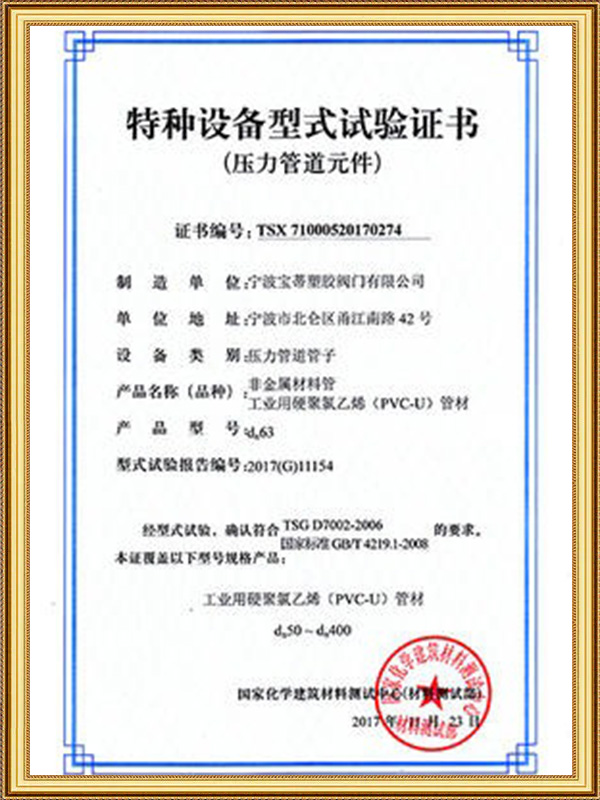
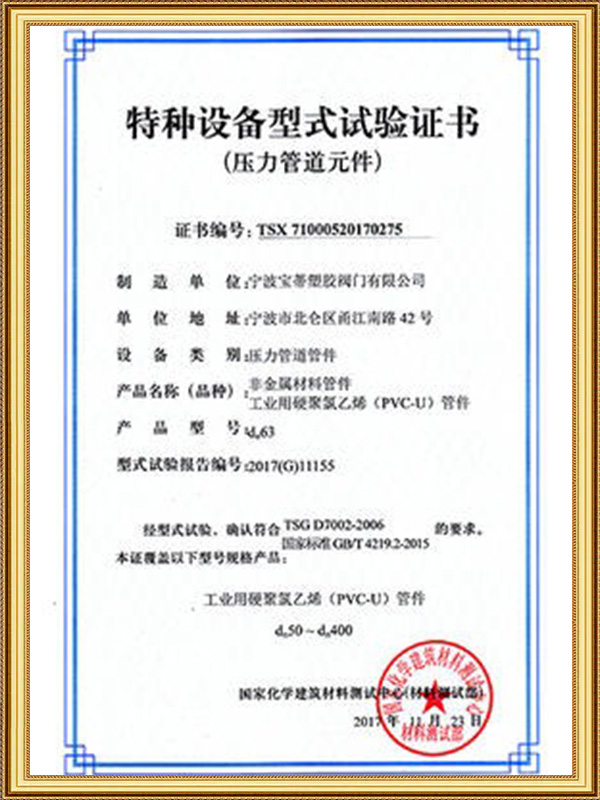
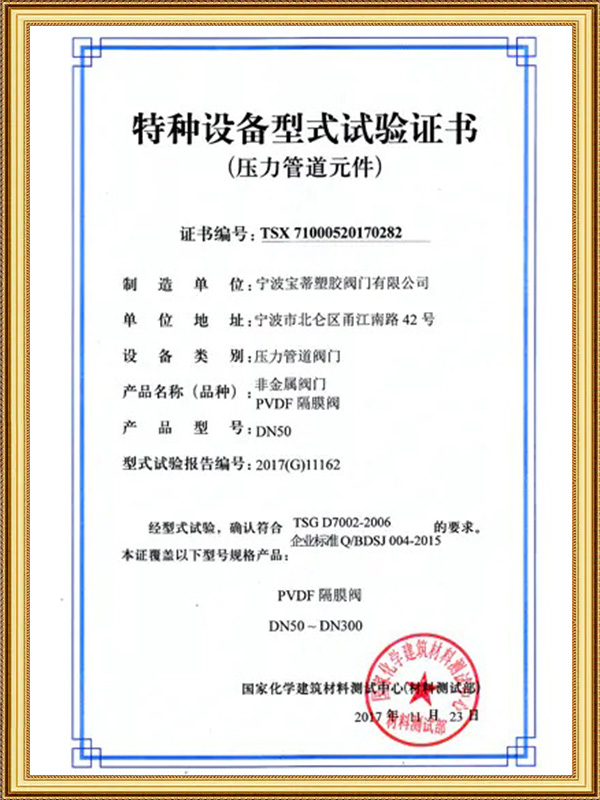
Baodi ranks among the global leaders in the number of product categories, capable of fully covering industrial plastic pipe and valve requirements. The company has obtained ISO 9001, ISO 14001, and ISO 45001 system certifications, as well as the national special equipment pressure piping component manufacturing license. It is recognized as a National High-Tech Enterprise and a Ningbo City Specialized and Sophisticated Enterprise. Baodi is a principal drafter of the national standard for plastic diaphragm valves and the chemical industry standards for plastic diaphragm valves, plastic ball valves, and plastic check valves.
Design Idea
2D Drawing
3D Modeling
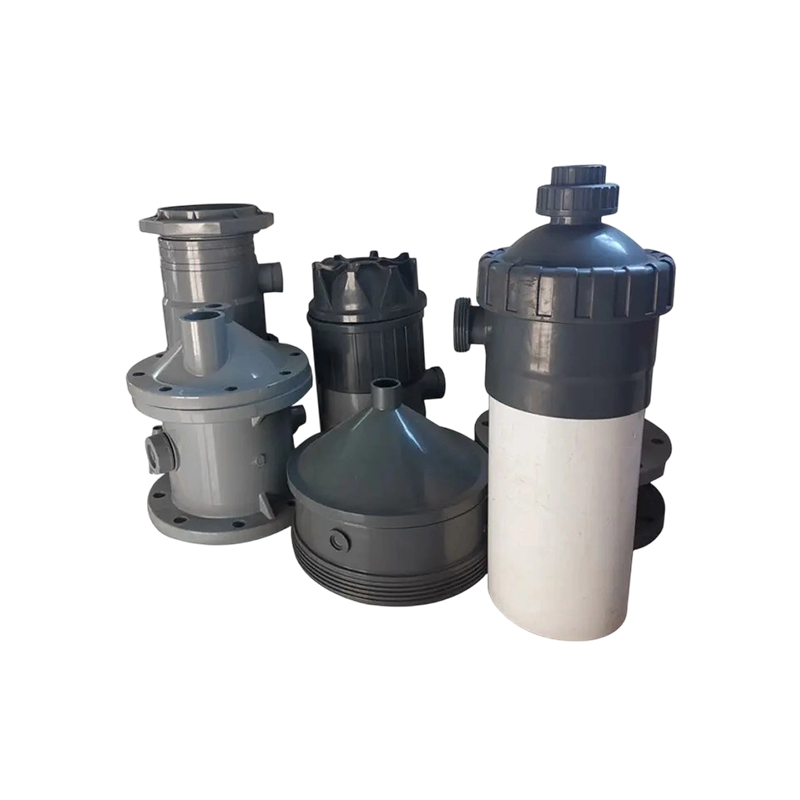
Mold Fabrication
Prototype Testing
Full-scale production
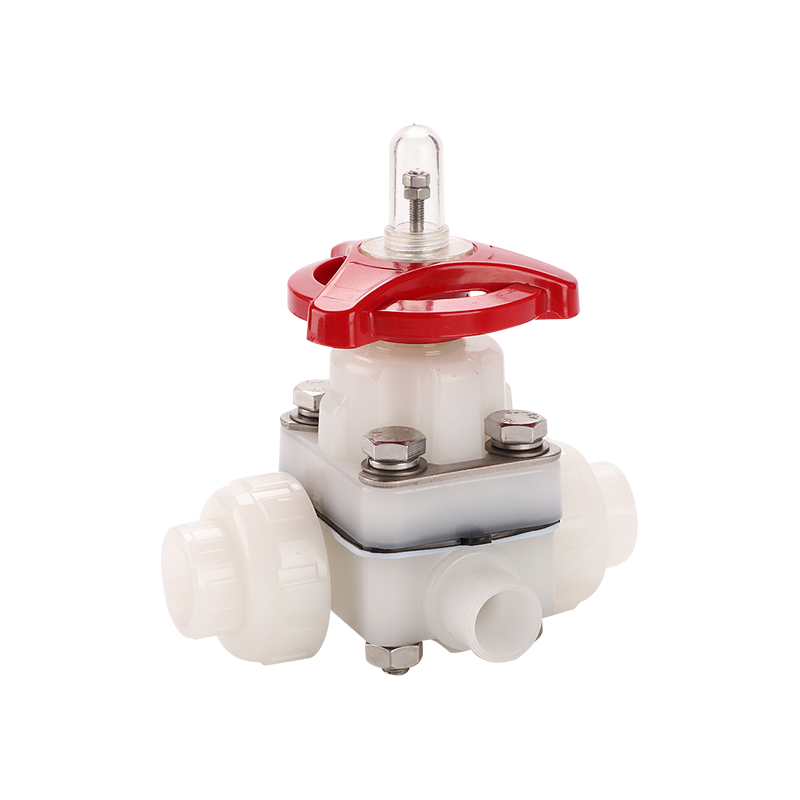
Corrosion resistant diaphragm valves are built with a PP, PVDF, or CPVC body and a diaphragm elastomer selected specifically to withstand aggressive acids, alkalis, oxidizers, or solvents that would corrode a metal valve or degrade a lower-grade plastic body over time. Because the diaphragm isolates the process fluid from the bonnet, only the body, diaphragm, and weir seat are ever wetted, minimizing the number of components that must be individually corrosion-rated.
Selecting the body material and diaphragm elastomer as a matched pair is central to corrosion performance: a PVDF body with a PTFE-faced diaphragm, for example, extends resistance into strong oxidizers and halogens that would attack EPDM or standard PP. This valve family is specified wherever a process engineer needs assurance that neither the body nor the diaphragm will be the weak point in an aggressive chemical line's service life.
Aggressive chemical duty is the primary reason this valve family is specified over standard PVC-U or metal alternatives.
Corrosion resistance is a property of the body and diaphragm together; both should be checked against the specific process chemistry.
| Material | Temperature Range | Typical Strengths | Common Use |
| PP Body | 0°C to 90°C | Good resistance to a wide range of acids, alkalis, and solvents | General aggressive chemical processing |
| PVDF Body | -20°C to 99°C | Superior resistance to strong oxidizers, halogens, and high-purity duty | Semiconductor, bleach, and strong oxidizer service |
| CPVC Body | 0°C to 95°C | Broad acid/alkali resistance at elevated temperature | Hot corrosive process lines |
| PTFE-Faced Diaphragm | -20°C to 99°C | Non-stick, broadest elastomer chemical resistance | Aggressive or fouling-prone chemical processes |
| Item | Description |
| Valve Type | Weir-type corrosion resistant diaphragm valve |
| Body Material | PP, PVDF, or CPVC |
| Diaphragm Material | PTFE-faced EPDM, FPM (Viton), or specialty elastomer |
| Bonnet Material | Glass-reinforced polypropylene or matched to body |
| Size Range | DN15 – DN100 (1/2 inch – 4 inch) |
| End Connection | Socket, threaded, or flanged |
| Working Pressure | Up to 150 psi (10 bar) at 20°C, rating decreases with temperature |
| Working Temperature | -20°C to 99°C, material dependent |
| Sealing Performance | Bubble-tight shutoff, suitable for throttling duty |
| Operation | Handwheel standard; actuator mounting available |
| Wetted Parts | Body, diaphragm, and weir seat only — no metal contact with process fluid |
Both aim to resist aggressive chemicals; a fully plastic body and metal body with a corrosion-resistant lining take different construction approaches.

| Factor | Plastic Diaphragm Valve | Lined Metal Diaphragm Valve |
| Metal Contact with Fluid | None — fully non-metallic wetted parts | Metal body present beneath the lining |
| Lining Failure Risk | No lining to fail — body itself is corrosion resistant | Lining damage exposes the metal substrate to attack |
| Weight | Lighter than an equivalent metal-bodied valve | Heavier due to metal body construction |
| Cost | Generally lower for equivalent chemical resistance | Can be higher, especially in exotic metal/lining combinations |
| Temperature Range | Up to about 99°C depending on material | Can exceed plastic valve ranges in some lined metal designs |
| Best Use | Aggressive chemicals within the plastic material's rating | Very high-temperature or high-pressure corrosive service |
A compressor presses a chemically matched diaphragm onto the weir seat within a fully non-metallic body.
Material certification and sealing performance are both verified given the demanding service this valve family is specified for.
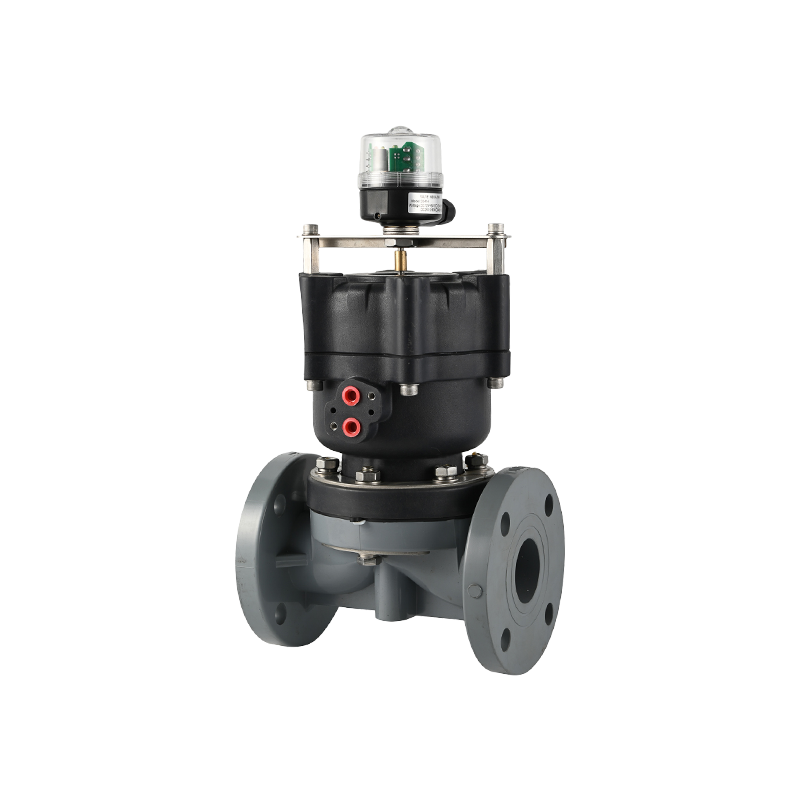
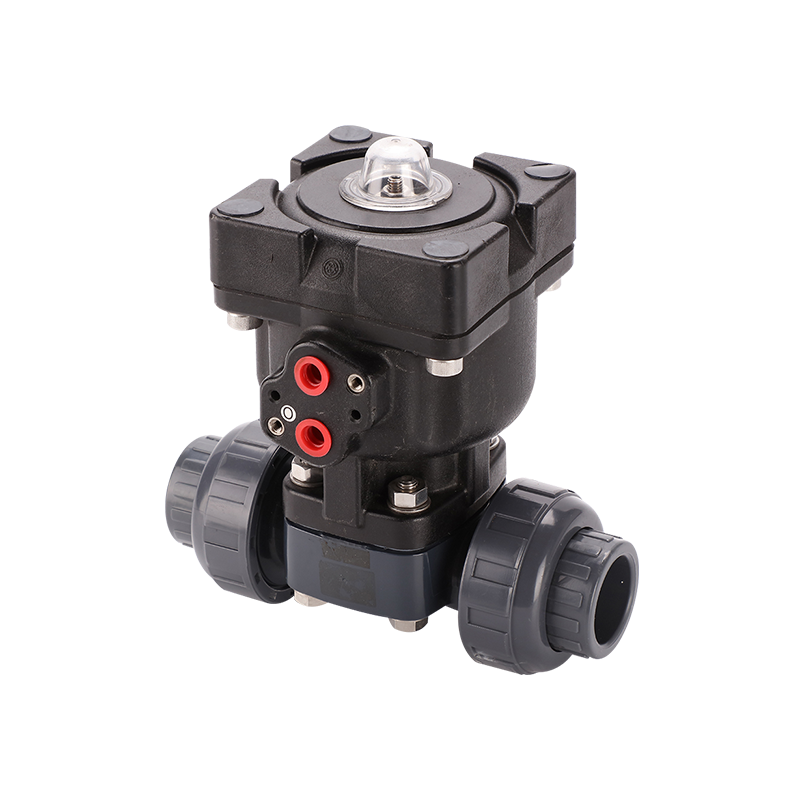
A bonnet-mounted actuator interface allows the handwheel to be replaced with pneumatic or electric operation for automated corrosive-service duty.
| Operation Type | Best Suited For | Key Characteristics |
| Handwheel | Local corrosive-line throttling and shutoff | Lowest cost, direct tactile control of diaphragm position |
| Pneumatic Actuator | Automated aggressive-chemical lines with compressed air available | No electrical components at the valve, well suited to wet or classified areas |
| Electric Actuator | Remote-controlled or monitored corrosive process lines | Integrates with control systems and remote monitoring |
Payment: T/T (bank transfer), L/C, and PayPal are accepted, with flexible terms for repeat orders. A deposit is typically required to confirm production.

Shipping: Sea freight (FCL/LCL) for large-volume orders, air freight for time-sensitive shipments, and express courier for samples. Valves are packed in cartons or wooden crates with anti-collision padding.
Delivery: Shipment from the nearest available port or airport, with door-to-door, FOB, CIF, or EXW terms on request.
Each valve is covered under a standard warranty against manufacturing defects in material and workmanship, generally valid for 12 months from the shipment date.
Overview Handwheel-operated diaphragm shutoff fo
Overview A flanged PVC-U body with a flexible di
Overview A diaphragm valve sized and specified f
Overview The full diaphragm valve range, from bo
Overview Compressed-air operation for automated
Overview A CPVC flow path for diaphragm valve se
Overview A threaded-end diaphragm body sized for
Overview A raised-seat body geometry that reduce
Overview A reinforced body and bonnet for demand
Share the chemicals present in your line and operating temperature, and get a matched body and diaphragm recommendation.