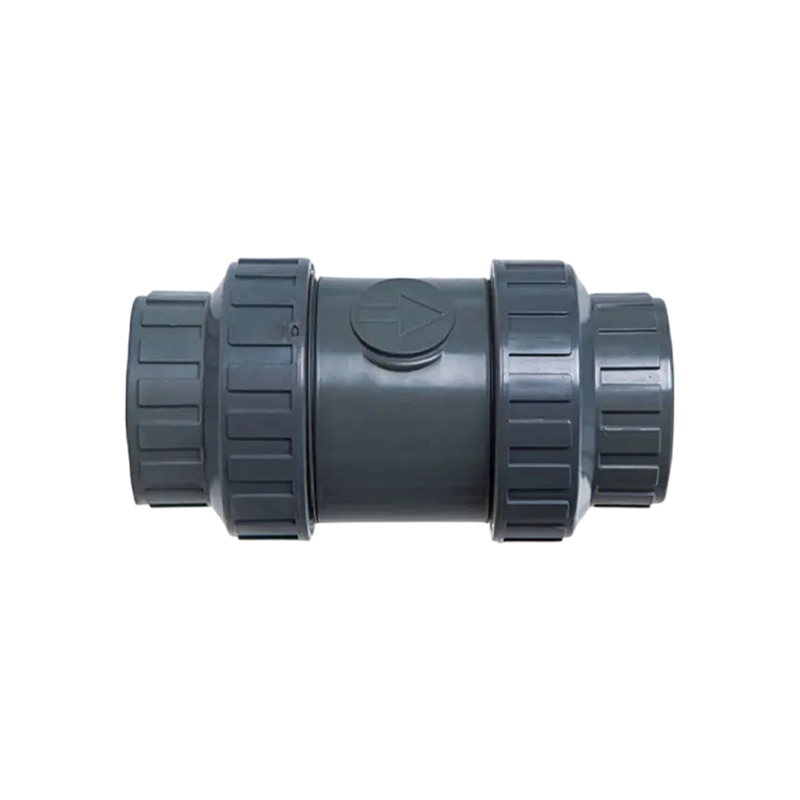
In modern fluid transport and control systems, preventing medium backflow is a core link to ensure safe and stable system operation. As a valve that automatically opens and closes relying on the flow of the medium itself, the check valve is widely used in chemical, construction, water treatment, hydraulic, and civil pipe networks. Facing complex working conditions, selecting the appropriate type of valve can not only improve system efficiency but also effectively extend the service life of pipeline equipment.
Structural Characteristics and Core Applications of Common check valve
Different industrial scenarios have entirely different requirements for valve response speed, sealing performance, and corrosion resistance. The following is a technical analysis of several mainstream valves:
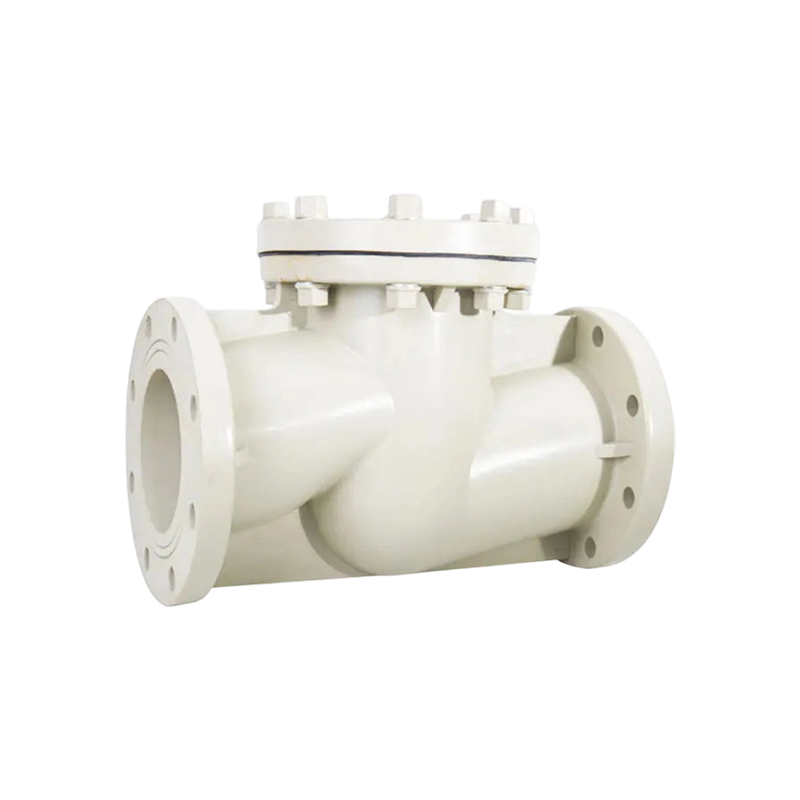
High Flow Rate Advantage of swing check valve
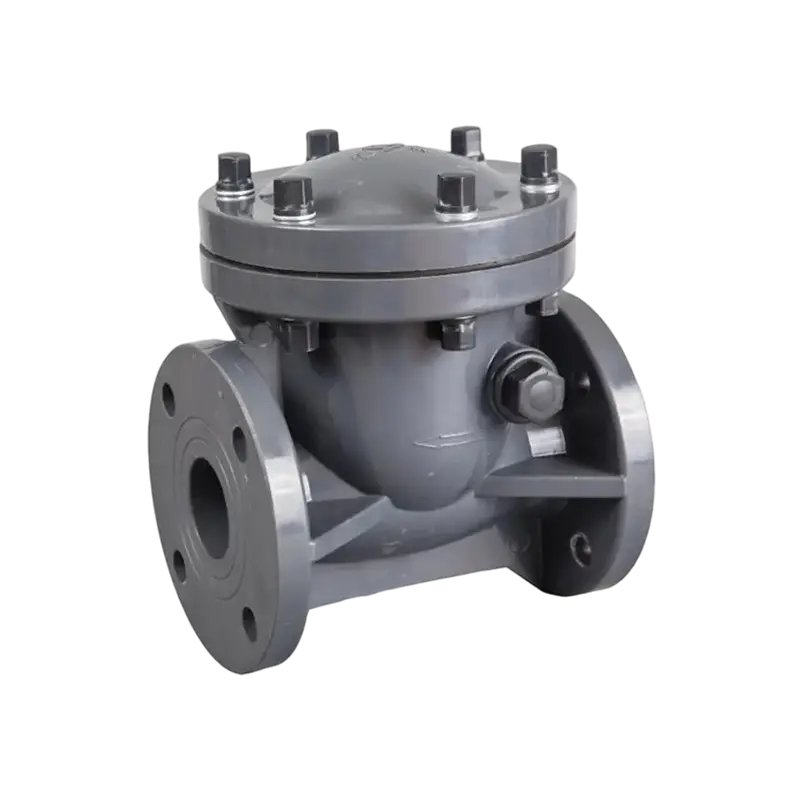
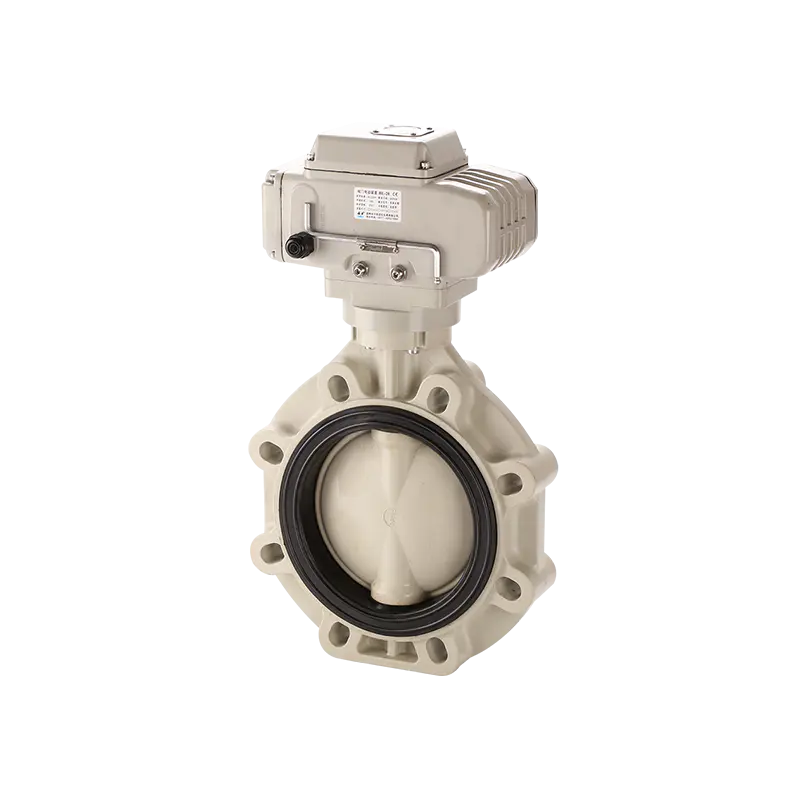
The swing check valve adopts a built-in rocker arm and disc structure, where the disc rotates around the axis pin outside the valve seat. The biggest advantage of this design is that the flow channel is close to straight-through, and the fluid resistance is extremely small, making it highly suitable for installation in large-diameter pipelines with high flow velocities and large medium flow rates. However, due to the long stroke when the valve disc closes, attention must be paid to the protection against water hammer phenomena during sudden pressure changes.
Maintenance-Free and Anti-Clogging Design of ball check valve
In the transport of media containing solid particles, suspended solids, or high viscosity, the ball check valve demonstrates extremely high practical value. It utilizes a rolling ball wrapped in rubber or special materials as the valve disc. When the fluid flows backward, the ball drops back onto the valve seat under the action of gravity and backpressure to achieve sealing. The rolling characteristic of the ball provides it with a certain self-cleaning function, making it difficult for debris to accumulate, which greatly reduces system maintenance costs.
Water Hammer Elimination Mechanism of quiet check valve
In urban high-rise water supply, hospitals, and residential area pump room systems, pipeline noise and water hammer impact are critical pain points to be solved. The quiet check valve optimizes the internal flow channel and adopts a spring-assisted closing design, allowing the valve disc to close in advance when the fluid velocity approaches zero. This "micro-speed closing" mechanism effectively prevents the generation of destructive water hammer, achieves silent operation, and protects expensive downstream equipment such as water pumps.
Performance Differences of Different Materials: pvc check valve and brass check valve
The choice of material directly determines the service life and cost-effectiveness of the valve. In low-pressure and specific medium pipelines, targeted material selection is especially important.
Corrosion Resistance and Lightweight of pvc check valve
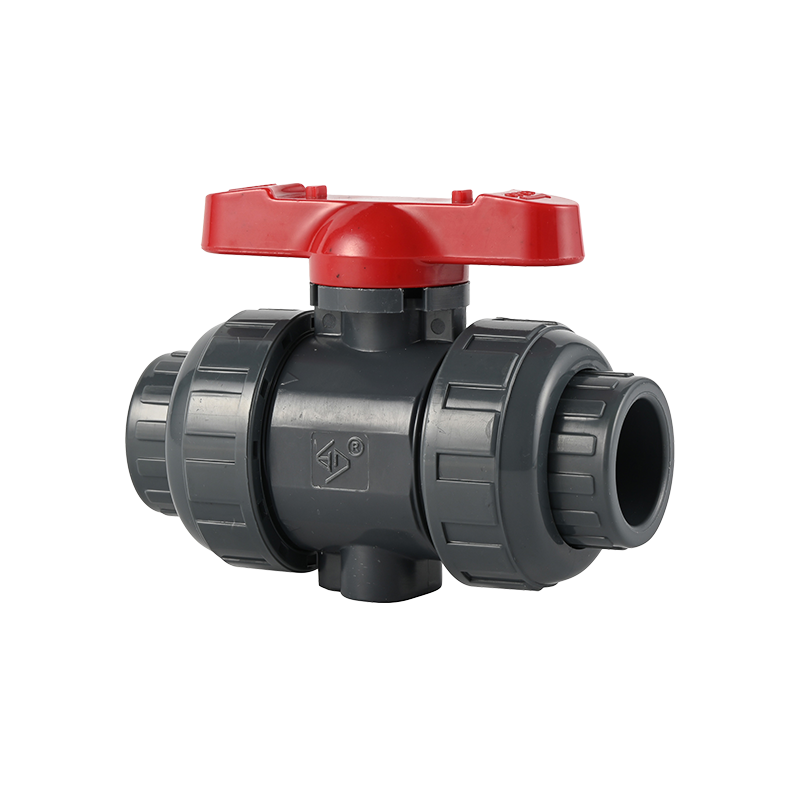
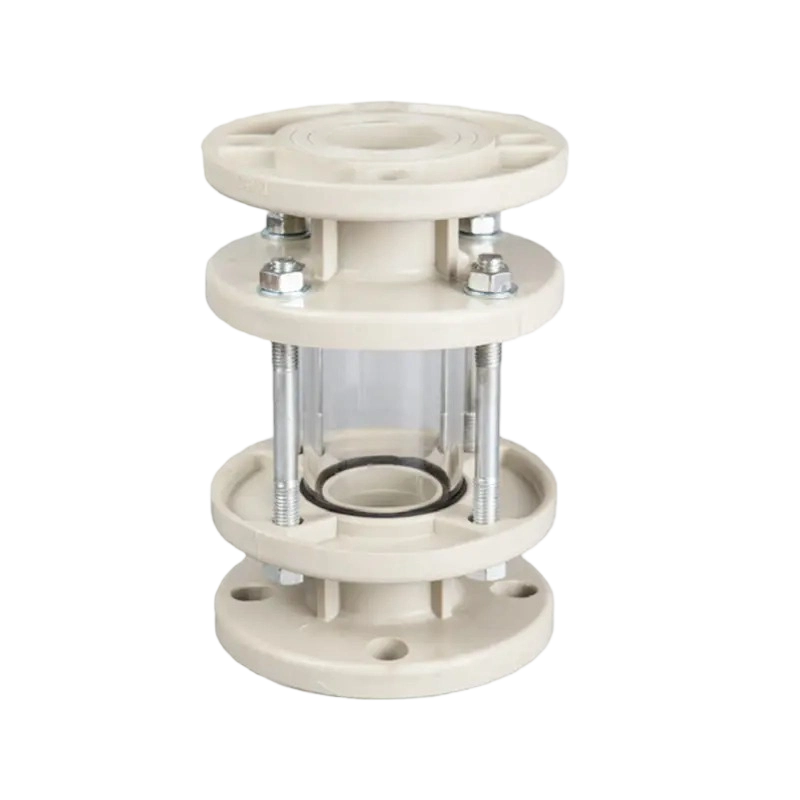
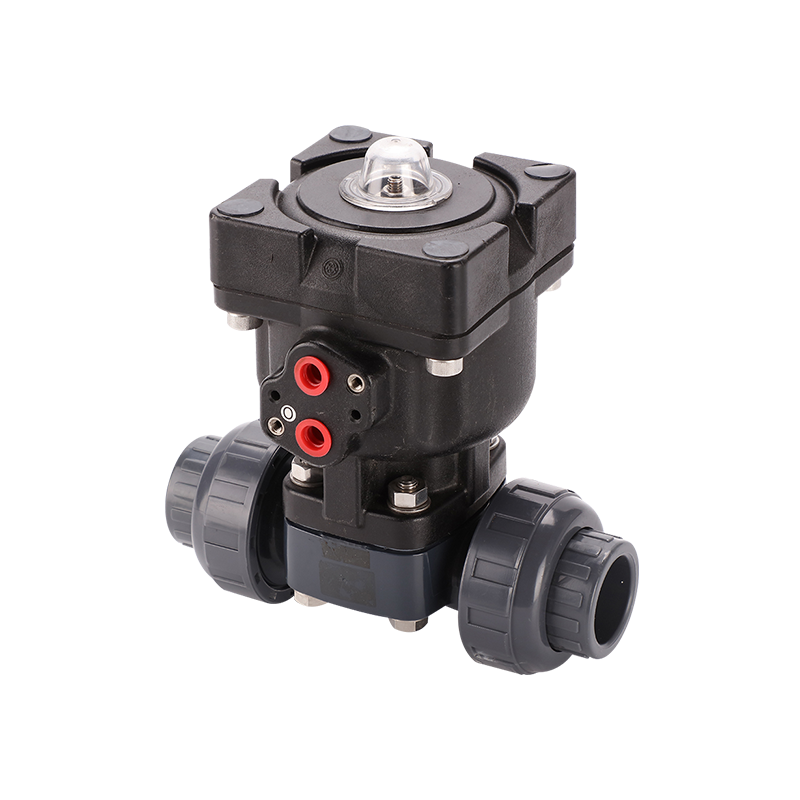
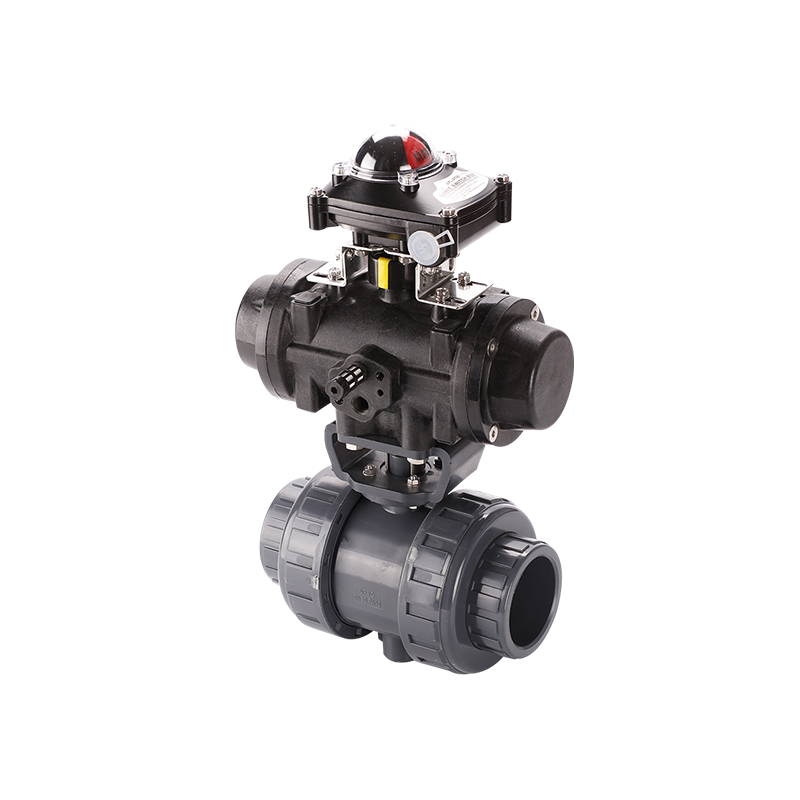
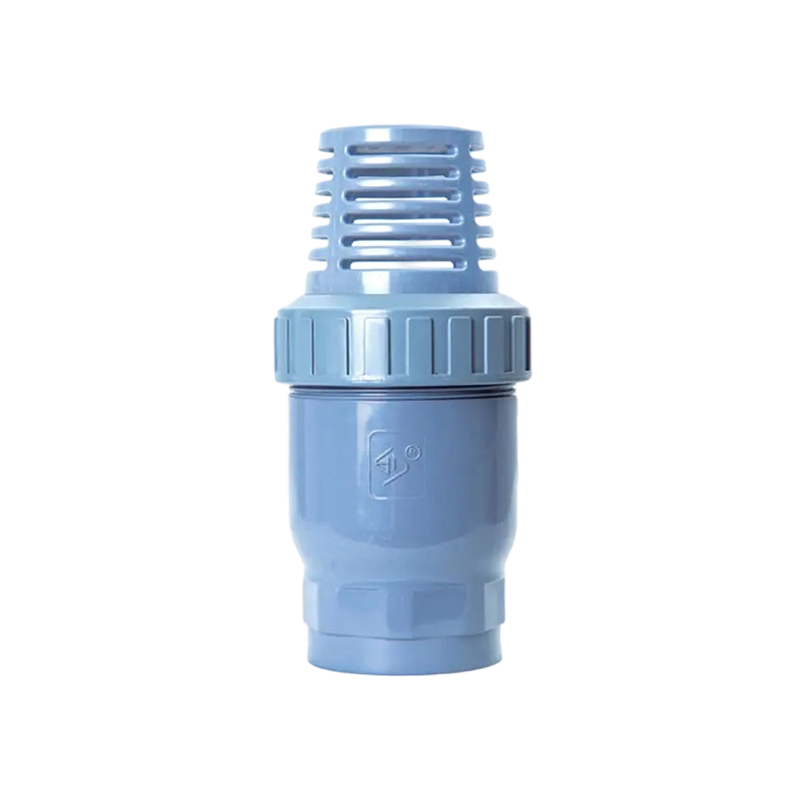
In water treatment, aquarium landscapes, agricultural irrigation, and some weak acid-base chemical lines, the pvc check valve is a highly cost-effective choice. It possesses excellent corrosion resistance, never rusts, and has a smooth inner wall that is less prone to scaling. The lightweight nature makes on-site installation and disassembly extremely convenient, significantly reducing construction labor costs.
Temperature and Pressure Resistance Performance of brass check valve
In contrast, the brass check valve occupies a dominant position in residential HVAC, water inlet pipelines, and low-to-medium pressure industrial pipe networks. Brass material provides good mechanical strength and wear resistance, capable of withstanding higher working temperatures and pressures. Its precise processing technology ensures long-term tight sealing between metal-to-metal or metal-to-soft materials.
Targeted Solutions: double check valve and hydraulic check valve
For high-risk pollution protection and extreme high-pressure control, general-purpose valves are often incompetent, requiring the use of products with more professional functionality.
Backflow Pollution Protection of double check valve
At the connection between drinking water networks and industrial water networks, preventing chemical chemicals or sewage from flowing back into the main pipeline is a strict regulatory requirement. The double check valve assembly consists of two independent check valves connected in series. Even if one valve fails due to foreign body blockage, the other valve still provides complete backflow protection, providing double insurance for public health and water quality safety.
High Pressure and Precise Control of hydraulic check valve
In mechanical manufacturing, engineering machinery, and automated production line hydraulic circuits, the pressure often reaches tens of megapascals. The hydraulic check valve is specifically designed for high-pressure oil circuits, with internal structures precision-quenched and ground. It not only requires "zero leakage" under extremely high backpressure but must also have an extremely fast response speed to ensure the pressure holding and action accuracy of hydraulic execution components such as oil cylinders and motors.
Core Parameters and Selection Reference Guide
To facilitate engineering and technical personnel to make accurate evaluations during design selection, the typical parameter comparisons of several core valves under conventional working conditions are listed below:
| Valve Type Name |
Common Nominal Pressure Range |
Applicable Working Temperature Range |
Core Technical Features |
Typical Application Scenarios |
| swing check valve |
Medium and low pressure (PN10 - PN40) |
Depends on body material (high temperature resistant) |
Extremely small fluid resistance, straight-through flow channel |
Large-diameter water supply and drainage, industrial networks |
| ball check valve |
Low to medium pressure (PN10 - PN25) |
Limited by wrapping material (-10°C to 80°C) |
Anti-clogging, strong self-cleaning property |
Sewage treatment, viscous medium transport |
| quiet check valve |
Medium and high pressure (PN16 - PN64) |
According to sealing pair (-20°C to 120°C) |
Spring fast closing, eliminating water hammer |
High-rise water supply pump rooms, silent systems |
| pvc check valve |
Low pressure (PN6 - PN10) |
0°C to 60°C (not high temperature resistant) |
Corrosion resistance, acid and alkali resistance, low cost |
Pool water treatment, agricultural irrigation |
| brass check valve |
Medium and low pressure (PN16 - PN25) |
-20°C to 110°C |
Wear resistance, compact structure |
Domestic HVAC, tap water pipelines |
| double check valve |
Medium and low pressure (PN10 - PN16) |
0°C to 80°C |
Double isolation, backflow pollution prevention |
Drinking water source protection, pollution isolation |
| hydraulic check valve |
High pressure (up to PN420 and above) |
-30°C to 120°C (mineral oil) |
Extremely high pressure resistance, agile response |
Hydraulic systems, machine tool pressure maintaining circuits |
In actual engineering selection, technical personnel should comprehensively consider the nominal diameter of the pipeline, working pressure, chemical characteristics of the medium, installation direction (horizontal or vertical), and budget cost. Accurately matching the corresponding check valve type is the core cornerstone to ensure the safe and fault-free operation of the entire fluid transport system.