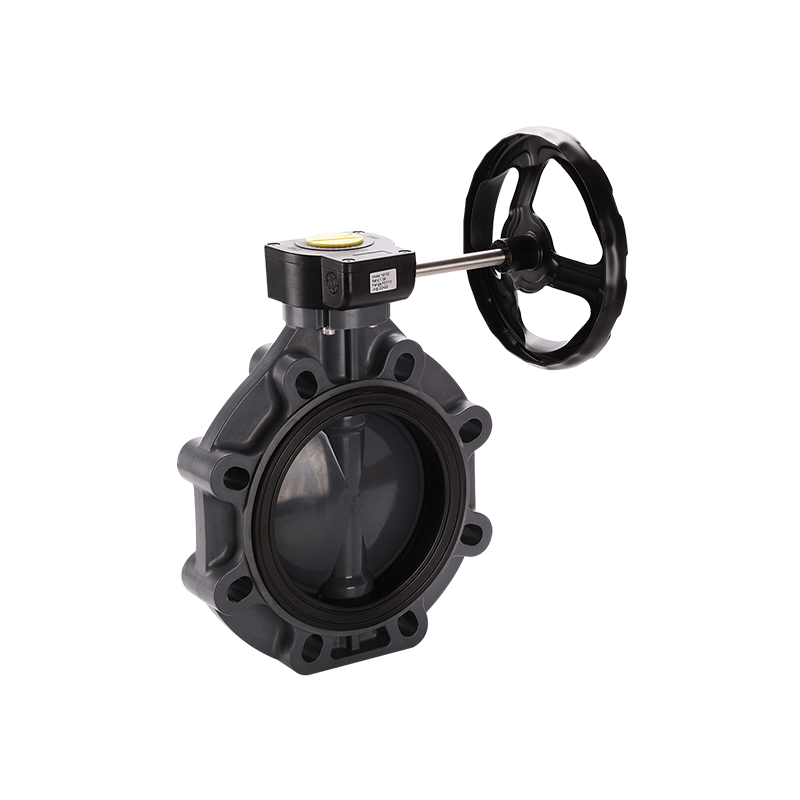
Understanding the Critical Temperature Parameters for Manual Butterfly Valves
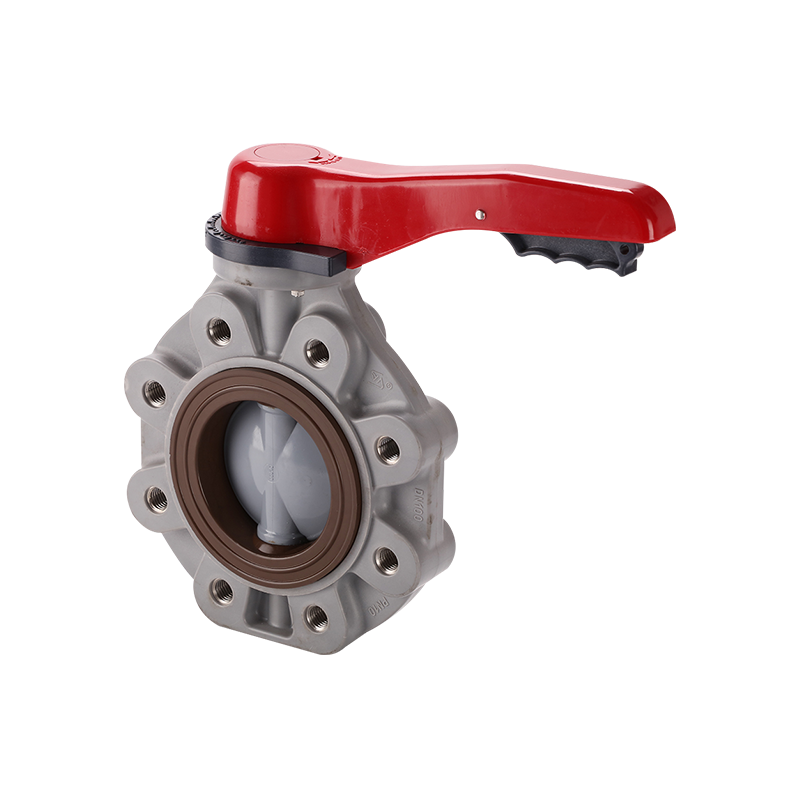
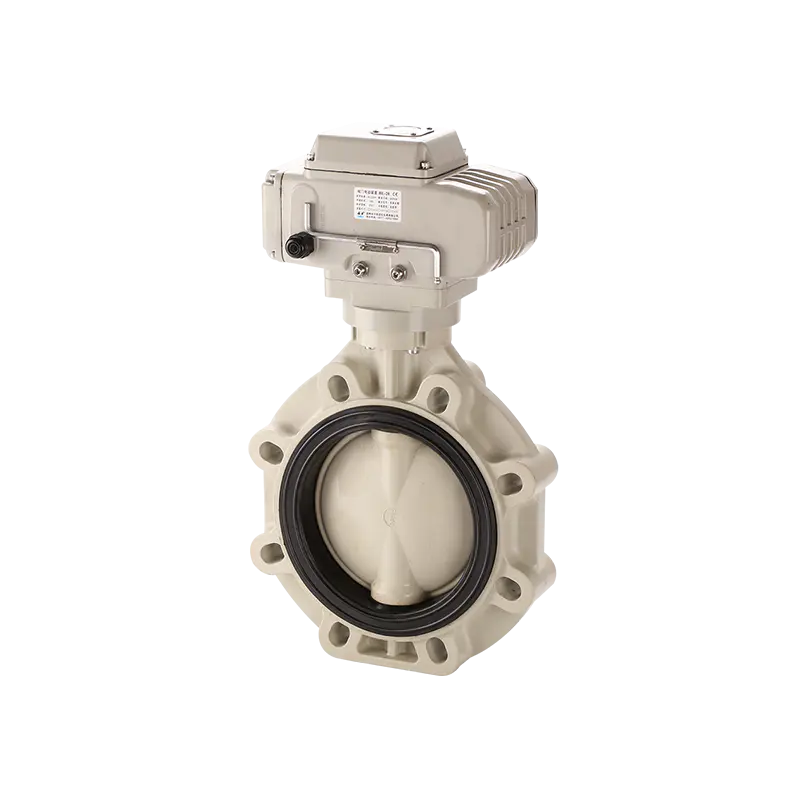
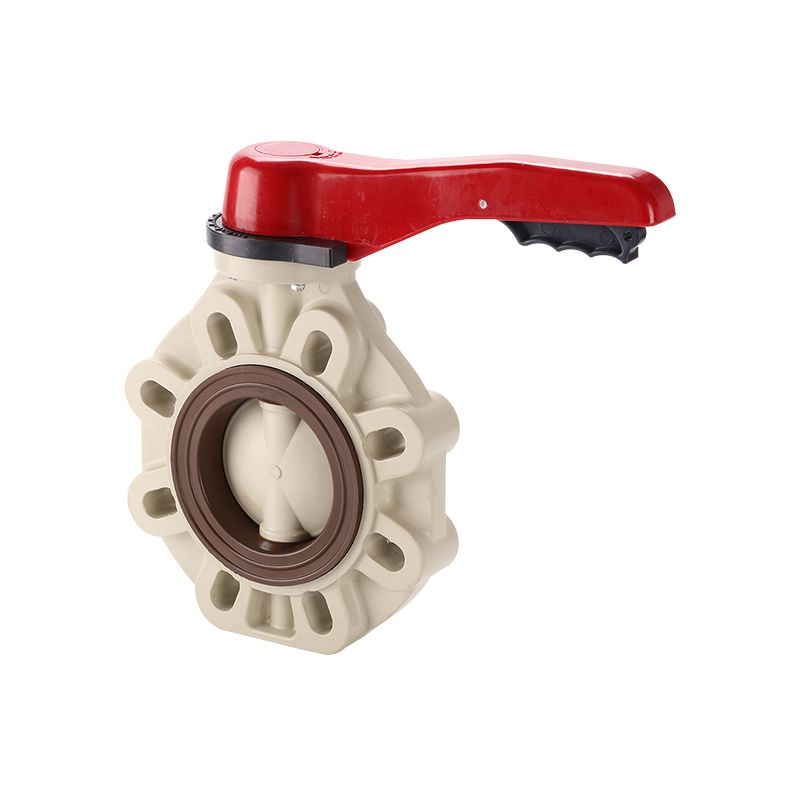
Manual butterfly valves are fundamental components in industrial systems, and their operational temperature range is one of the most critical specifications that engineers and procurement professionals must consider. The temperature range that manual butterfly valves can withstand directly impacts their reliability, lifespan, and performance in demanding applications. This comprehensive guide explores the temperature capabilities of manual butterfly valves, the factors that influence their thermal tolerance, and how to select the right valve for your specific temperature conditions.
Standard Temperature Range for Manual Butterfly Valves
Most commercially available manual butterfly valves are designed to operate within a standard temperature range of approximately -10°C to +70°C for general industrial applications. However, this baseline specification varies significantly depending on the valve's construction materials, seat materials, and intended application. For water and low-temperature applications, many standard manual butterfly valves maintain their operational integrity from -20°C to +80°C, providing a comfortable margin for fluctuating environmental conditions.
The lower temperature threshold, typically around -10°C to -20°C, is often determined by the brittleness of elastomer sealing components. As temperatures drop, rubber seats and gaskets used in manual butterfly valves become progressively more rigid, potentially compromising the seal quality and increasing leakage risks. The upper temperature limit, usually set at +70°C to +80°C for standard models, relates to the thermal stability of these same elastomeric materials and the structural integrity of the valve body itself.
Extended Temperature Range Applications
Industrial applications frequently demand valve performance beyond standard parameters. High-temperature industrial processes, steam applications, and specialized manufacturing environments require manual butterfly valves engineered for extended temperature range capabilities. Premium grade manual butterfly valves designed for high-temperature service can operate reliably from -40°C to +120°C, or even higher in certain specialized configurations.
For extremely high-temperature applications such as thermal power plants, petrochemical refineries, and specialty material processing, manufacturers produce specialized manual butterfly valves capable of withstanding temperatures up to +150°C or beyond. These high-performance valves utilize advanced seating materials, such as reinforced PTFE (polytetrafluoroethylene) or metal-seated designs, that maintain their structural and sealing properties at elevated temperatures. Some specialized applications require manual butterfly valves rated for continuous operation at +200°C or higher, necessitating sophisticated engineering and premium materials selection.
Material Selection Impact on Temperature Capability
The body material of manual butterfly valves significantly influences their temperature range performance. Cast iron bodies, commonly used in standard applications, maintain acceptable performance up to approximately +70°C for water and low-pressure applications. Ductile iron bodies offer slightly improved temperature tolerance, typically rated to +80°C. These ferrous materials provide excellent strength and cost-effectiveness for moderate temperature applications.
Stainless steel manual butterfly valves exhibit superior temperature range capabilities compared to iron-based alternatives. 304 stainless steel bodies typically support continuous operation up to +150°C, while 316 stainless steel variants can reliably function at +180°C. These corrosion-resistant alloys maintain their mechanical properties across a wider temperature spectrum and are preferred in industries where corrosive fluids interact with elevated temperatures, such as chemical processing and marine applications.
For extreme high-temperature industrial demands, manual butterfly valves constructed from duplex stainless steel or nickel-based superalloys can withstand continuous temperatures exceeding +250°C. Carbon steel bodies, while offering economical solutions, typically support a maximum continuous temperature of +425°C when properly heat-treated, making them suitable for certain high-temperature industrial processes including steam applications.
Seating Material Influence on Temperature Range
The sealing components within manual butterfly valves impose perhaps the most restrictive temperature limitations. Standard elastomer seats, typically composed of NBR (nitrile rubber) or EPDM (ethylene propylene diene monomer), function reliably only within a relatively narrow temperature range. NBR seats maintain seal integrity from approximately -40°C to +100°C, while EPDM seats perform from -50°C to +120°C. However, these temperature capabilities assume intermittent operation rather than continuous exposure to extreme conditions.
For manual butterfly valves requiring broader temperature tolerance, PTFE-based seated designs offer significant advantages. PTFE (Teflon) seats can function from -100°C to +200°C, providing exceptional thermal stability and chemical resistance. Reinforced PTFE formulations extend capabilities even further, supporting continuous high-temperature service. These advanced seating materials enable manual butterfly valves to maintain reliable sealing performance across industrial temperature spectra that would compromise elastomer-seated valves.
Metal-seated manual butterfly valves represent the ultimate solution for extreme temperature applications. Featuring metal-to-metal sealing surfaces, typically involving stainless steel or specialized alloys, these valves can operate continuously at temperatures exceeding +300°C without seal degradation concerns. Metal-seated designs sacrifice some of the zero-leakage performance associated with elastomer seats but provide uncompromising durability in thermal extremes.
Temperature-Related Performance Considerations
Beyond material specifications, engineers must understand how temperature influences manual butterfly valve performance characteristics. Thermal expansion affects tolerances and seal compression, particularly in valves operating near temperature extremes. At elevated temperatures, fluid viscosity decreases, which can increase leakage across marginally maintained seals. Conversely, at cryogenic temperatures, fluid viscosity increases dramatically, which increases the torque required to operate the manual valve's control mechanism.
Temperature cycling creates additional stress on manual butterfly valve components. Repeated transitions between cold and hot conditions generate mechanical fatigue in valve bodies and seating components. Valves specified for stable temperature operation may fail prematurely if subjected to frequent thermal cycling beyond design parameters. This consideration is particularly important in industrial processes with periodic startup and shutdown sequences.
Application-Specific Temperature Range Requirements
Different industrial sectors impose distinct temperature demands on manual butterfly valves. Water treatment facilities typically operate manual butterfly valves within a comfortable +5°C to +35°C range, allowing standard-specification valves to perform optimally. HVAC systems generally require temperature capability from -10°C to +60°C, well within the standard range of most commercially available manual butterfly valves.
Chemical processing facilities frequently demand manual butterfly valves rated for extended temperature ranges, typically +20°C to +120°C. The combined effect of elevated temperatures and aggressive chemical environments requires careful material selection to ensure both thermal tolerance and chemical resistance. In pulp and paper manufacturing, steam applications necessitate manual butterfly valves rated for +180°C or higher.
Oil and gas pipeline operations present complex temperature challenges. Subsea pipelines demand manual butterfly valves functioning reliably at -5°C to +50°C, while desert applications may require temperature capability from +5°C to +70°C. Thermal insulation processes in petrochemical plants require specialized manual butterfly valves rated for continuous temperatures exceeding +200°C, particularly in steam injection applications and heated fluid transport systems.
Low-Temperature Performance Considerations
While high-temperature applications receive significant attention in valve selection discussions, low-temperature performance remains critically important for many industrial sectors. Cold-climate applications, cryogenic processing, and refrigeration systems require manual butterfly valves engineered specifically for low-temperature operation. Standard manual butterfly valves rapidly lose functional capability below -20°C as elastomer seals become brittle and the valve body material becomes susceptible to impact damage.
Specialized low-temperature manual butterfly valves employ cold-resistant elastomers such as fluoroelastomer (Viton) or specialized PTFE formulations that maintain pliability at sub-zero temperatures. Valve bodies constructed from ductile iron or low-carbon steel undergo impact testing to confirm brittleness resistance at design minimum temperatures. Some applications demand cryogenic-rated manual butterfly valves capable of functioning reliably at -40°C, -80°C, or even lower temperatures encountered in liquefied natural gas (LNG) handling and industrial cryogenic applications.
Pressure and Temperature Interrelationship
The relationship between operating pressure and temperature significantly affects manual butterfly valve performance specifications. Temperature-pressure ratings are typically documented on valve data sheets as derated specifications, where maximum allowable pressure decreases as temperature increases. A manual butterfly valve rated for 10 bar at 20°C might support only 8 bar at 70°C due to reduced seat material strength at elevated temperatures.
This derating becomes particularly pronounced at extreme temperatures. A stainless steel manual butterfly valve rated for 16 bar at ambient temperature might support only 6-8 bar when continuously operating at 150°C. Understanding these interdependent relationships is essential for proper valve selection, as oversizing applications for temperature effects can significantly increase project costs while undersizing for pressure effects creates reliability hazards.
Thermal Cycling and Service Life
The number of thermal cycles a manual butterfly valve experiences throughout its operational life directly correlates with reliability and failure probability. Valves designed and tested for continuous high-temperature operation generally cannot withstand frequent thermal cycling through their full temperature range. Each cycle causes differential thermal expansion and contraction in valve components, gradually degrading seal compression and material integrity.
Industrial applications involving intermittent thermal stress require specific operational protocols and potentially oversized valve specifications to accommodate cycling effects. In systems where manual butterfly valves experience daily temperature fluctuations spanning 50-100°C ranges, valve manufacturers typically recommend operating at temperatures 20-30°C below continuous rating maximums to ensure acceptable service life. This practical consideration frequently influences equipment cost estimates and operational budgets for temperature-variable applications.
Temperature Measurement and Monitoring
Accurate determination of fluid temperature is essential for confirming that installed manual butterfly valves operate within rated parameters. Many industrial failures result not from inherent valve design inadequacy but from underestimated operating temperatures. Installation of temperature sensors and pressure gauges near valve locations provides operational data for confirming actual temperature conditions versus theoretical design assumptions.
For critical applications, automated temperature monitoring systems provide real-time alerts when temperature approaches specified limits, enabling operators to implement corrective measures before manual butterfly valve performance degrades. In legacy systems where temperature monitoring is absent, periodic thermal imaging surveys can identify manual butterfly valves operating outside design parameters, guiding maintenance decisions and replacement prioritization.
Selecting Manual Butterfly Valves for Specific Temperature Environments
Proper valve selection requires detailed understanding of actual operating temperatures, not just theoretical maximum values. System designers must account for fluid temperature at the valve inlet, potential temperature rise as pressure drops across the valve, ambient air temperature effects on valve body surfaces, and solar heating in outdoor installations. Significant margin between selected valve temperature rating and actual calculated conditions represents prudent engineering practice, particularly for critical or difficult-to-service valve locations.
For applications with uncertain temperature parameters or systems experiencing temperature variations, specifying manual butterfly valves with extended temperature range capabilities provides operational flexibility and extends service intervals. While such premium-specification valves command higher initial purchase costs, they often reduce total cost of ownership through extended service life, decreased replacement frequency, and elimination of emergency repairs from thermal-related failures.
Industry Standards and Regulatory Compliance
Manual butterfly valve temperature ratings must align with applicable industry standards and regulatory requirements. ISO, ASME, DIN, and other standardization organizations establish temperature rating methodologies and performance verification procedures. Many industries including pharmaceuticals, food processing, and petrochemicals require documented valve certification confirming temperature range capabilities through third-party testing protocols.
Compliance documentation frequently requires that specified manual butterfly valves meet published standards for their rated temperature range, pressure rating, and materials composition. Importing or specifying valves for regulated industries necessitates verification that temperature ratings conform to applicable standards in the relevant geographic jurisdiction. This regulatory framework ensures that professional engineers and procurement specialists can confidently specify manual butterfly valves based on published temperature range data.