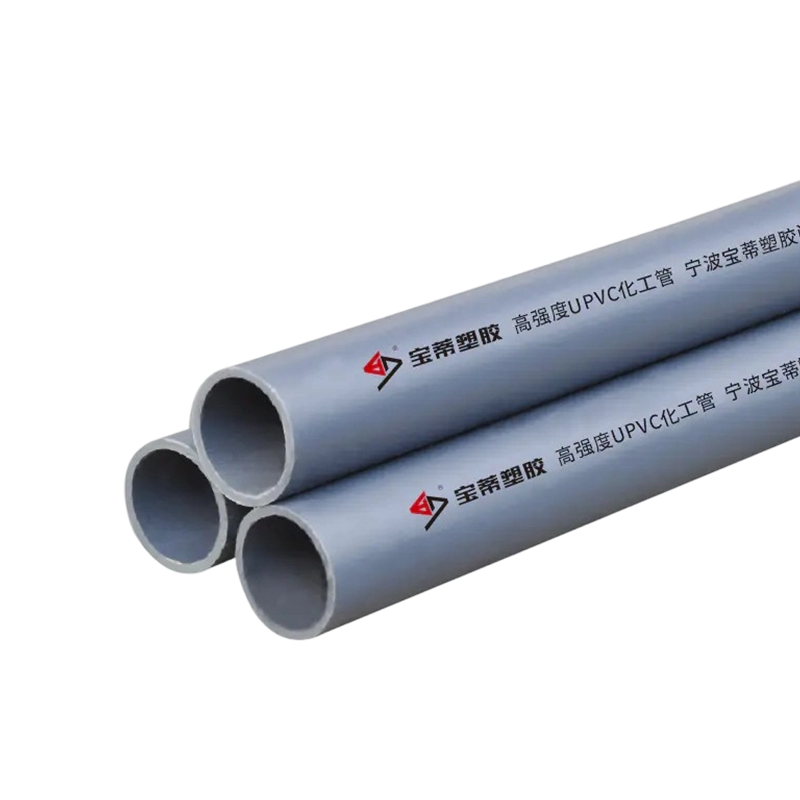
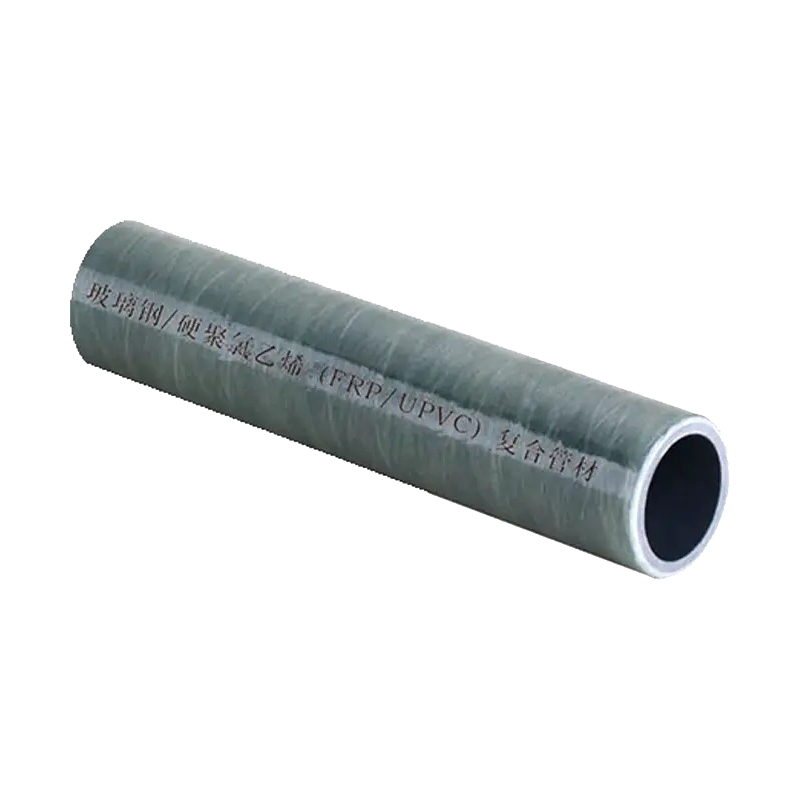
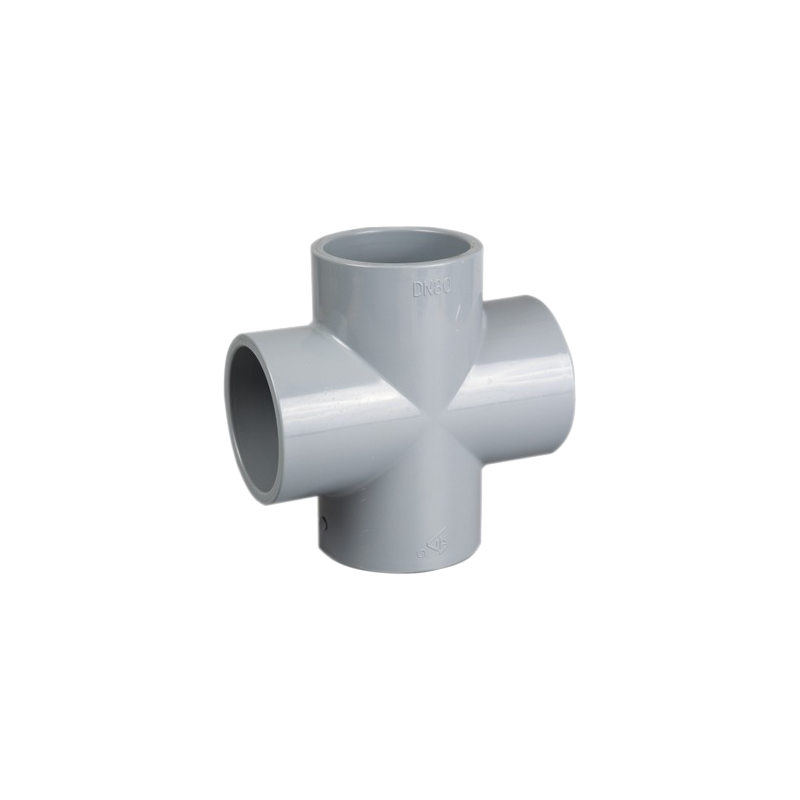
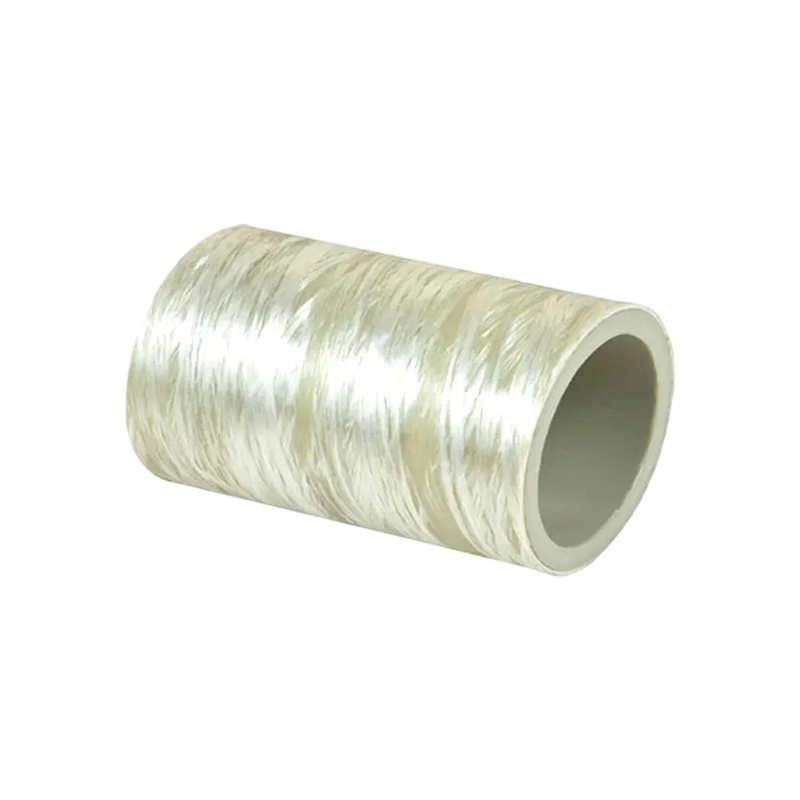
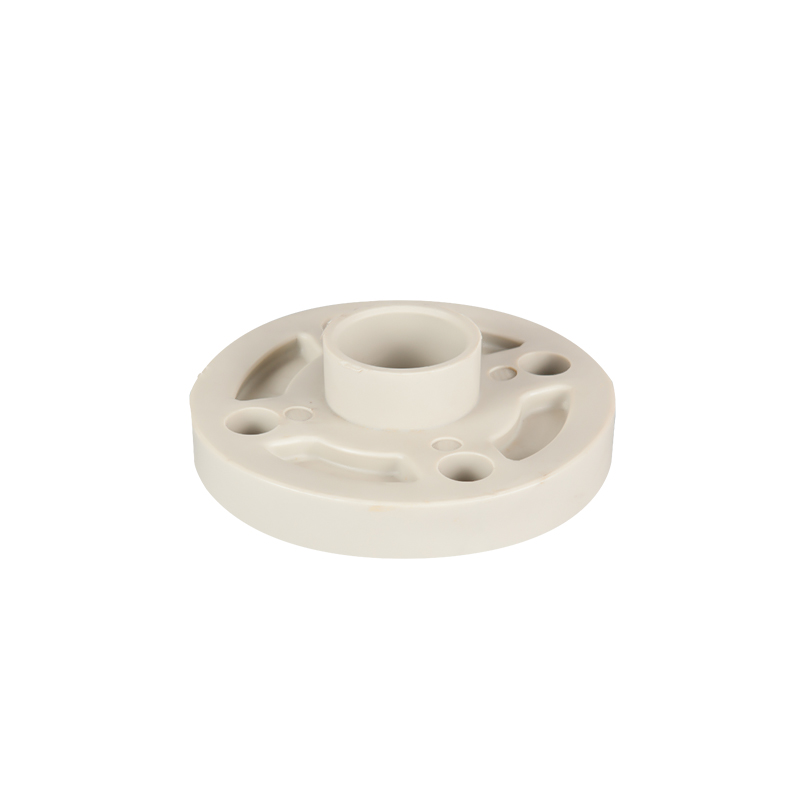
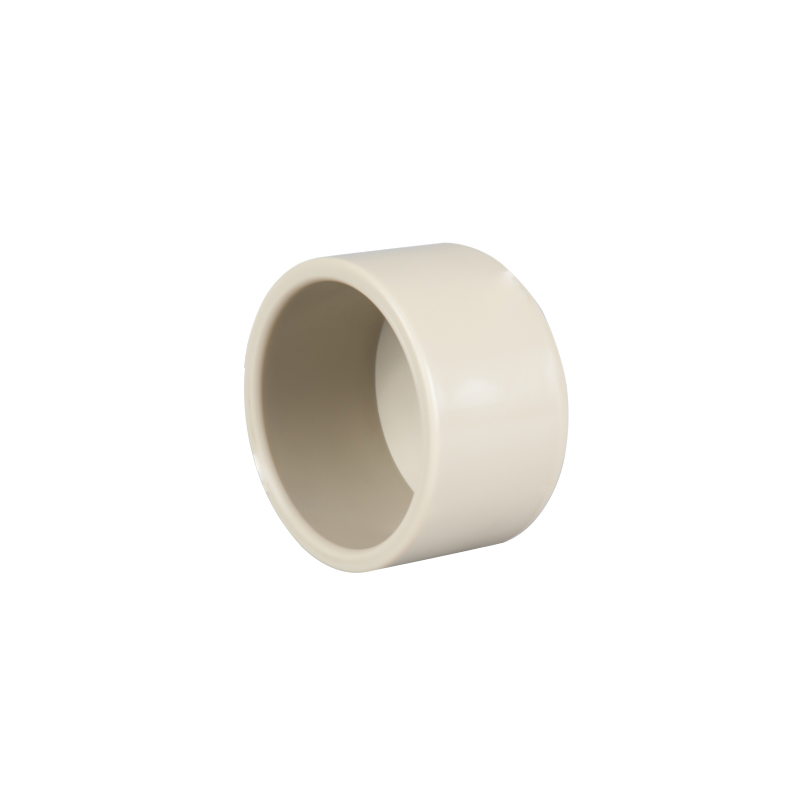
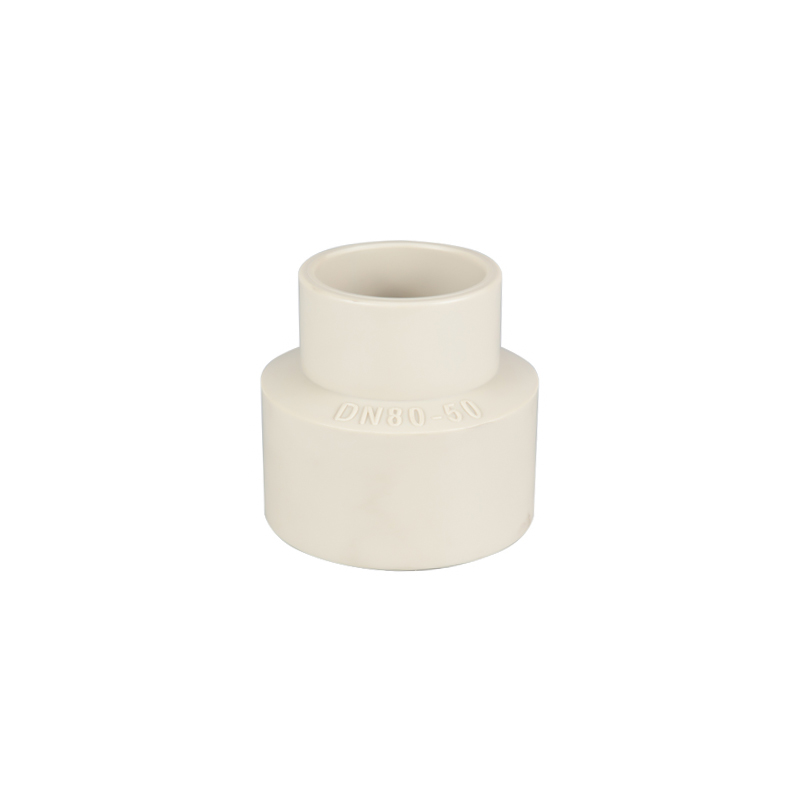
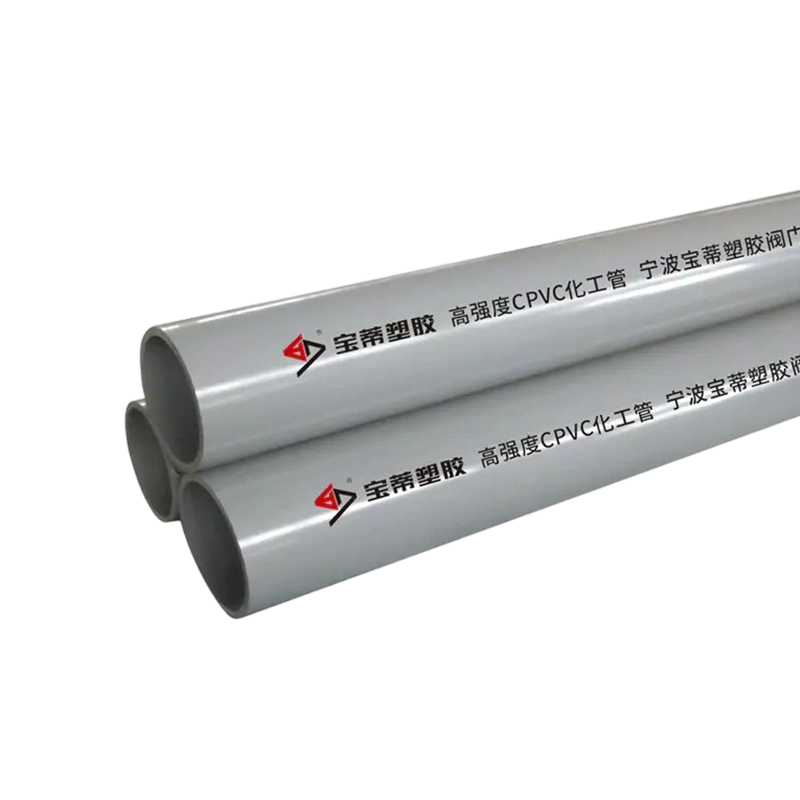
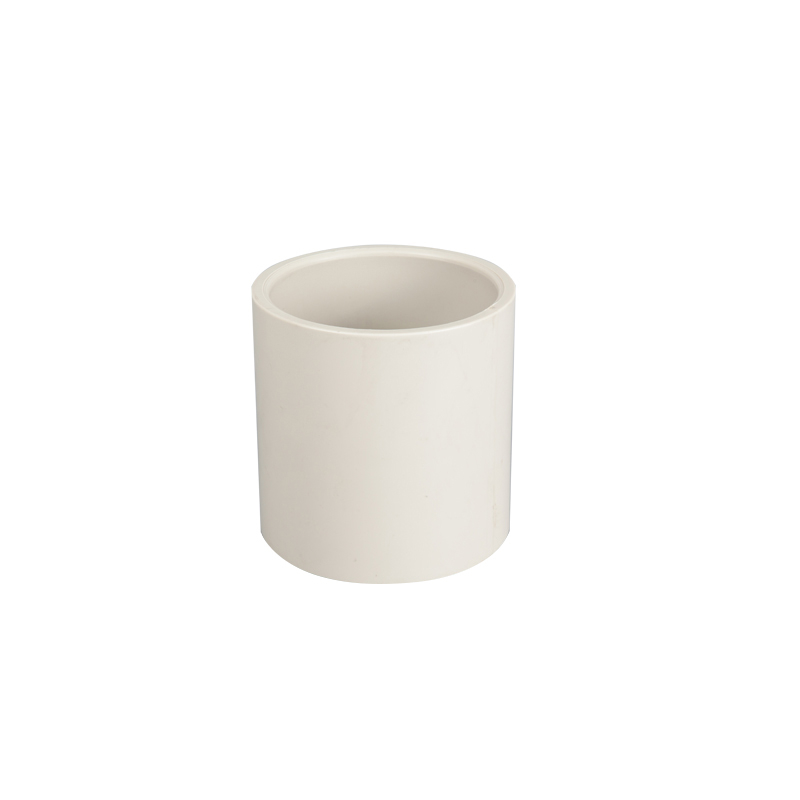
PPH (Polypropylene Homopolymer) pipes are widely used in industries such as chemical processing, food production, pharmaceuticals, and water treatment due to their excellent corrosion resistance, high-temperature tolerance, and overall durability. However, the performance of a PPH piping system heavily relies on correct installation practices. Improper installation can significantly impact the longevity and effectiveness of the piping system. Below are key installation considerations to ensure the proper functioning of PPH pipes.
1. Pipe Selection and Design Requirements
Before installing PPH pipes, it’s crucial to select the correct pipe material and specifications based on the specific requirements of the application. Factors such as operating temperature, pressure, and the type of media to be transported should influence pipe selection. PPH pipes are suitable for transporting highly corrosive liquids such as strong acids and bases, but when used in high-temperature or high-pressure environments, the pipe thickness and specifications must be appropriately matched.
Additionally, proper design considerations are necessary, including the layout of the pipe supports, pipe bends, and flow direction. A well-designed installation minimizes the risk of pipe deformation or pressure deficiencies after installation.
2. Temperature Considerations During Installation
Although PPH pipes offer good thermal stability, the installation environment should be within a specified temperature range. The ideal ambient temperature for installation is between 0°C and 40°C. Exposing the pipes to excessively high or low temperatures during installation can affect the welding quality, pipe connection, and even the overall mechanical properties of the pipe material.
At low temperatures, PPH pipes become brittle and are prone to cracking. Therefore, installations should be carried out in environments that do not fall below the recommended temperature range to ensure the pipes are flexible and can withstand mechanical stress.
3. Welding Process and Requirements
PPH pipes are typically connected through hot fusion welding or electrofusion methods. Proper control of welding parameters such as temperature and time is crucial to achieving a strong and leak-free connection. The pipe ends should be clean and smooth, free from contaminants such as grease or dirt, as they can significantly weaken the weld's quality.
Using appropriate welding equipment and ensuring that the process is carried out by experienced technicians are essential to achieving optimal results. Properly applied welding pressure should be uniform across the entire joint, and sufficient cooling time must be allowed after welding to ensure the joint is secure and durable before further installation or pressure testing.
4. Pipe Support and Fixation
PPH pipes must be supported correctly during installation to prevent sagging, bending, or misalignment. The pipe supports should be placed at intervals according to the pipe’s size and weight, as well as the pressure and flow rate of the fluid being transported. Poor support can lead to excessive stress at certain points, which may cause pipe failure over time.
Support materials should be selected based on the environmental conditions. For example, in corrosive environments, corrosion-resistant supports should be used. Additionally, a soft material, such as rubber, should be used between the pipe and support to prevent direct contact with metal, which could cause excessive friction or heat buildup.
5. Pipe Connections and Sealing
Pipe joints are critical areas that must be sealed properly to prevent leakage. During installation, appropriate seals or sealing compounds should be used to ensure a leak-free connection. This is especially important for high-temperature or high-pressure systems, where the risk of leaks can significantly affect system safety and performance.
Reinforcement may be required at joint connections, particularly in systems where significant internal pressure or external stress is expected. Adding support rings or braces around the joints helps to improve the structural integrity of the connection and prevents long-term damage.
6. Avoiding Over-Bending of the Pipe
Although PPH pipes have some flexibility, they still have a specified minimum bending radius. Over-bending the pipes can cause a significant increase in internal flow resistance and, in extreme cases, can lead to pipe failure. During installation, it’s essential to avoid sharp bends and instead ensure the pipe follows the recommended bending radius.
When bends are necessary, use specialized bending tools to shape the pipe correctly. Ensure that the pipe does not develop cracks or deformation during the bending process, which could compromise the pipe’s integrity.
7. Protection from UV Radiation and Oxidation
Although PPH pipes have good resistance to many chemicals, prolonged exposure to ultraviolet (UV) radiation can cause the material to degrade over time. For outdoor installations or areas where the pipe is exposed to direct sunlight, protective UV coatings or shielding should be applied to minimize the risk of material aging and brittleness.
In addition to UV protection, PPH pipes should be shielded from direct contact with chemicals that may cause oxidation, as this could weaken the pipe material over time.
8. Pressure Testing
After installation, pressure testing is an essential step to verify the integrity of the entire piping system. The pressure test helps to identify any leaks or weak points that could cause system failure under normal operating conditions. The pressure should be gradually increased during the test, and once the designated working pressure is reached, the pipe system should be inspected thoroughly.
If any leakage or other issues are found during testing, the system should be repaired before it is put into service. This ensures the system is reliable and safe for ongoing operation.
9. Regular Maintenance and Inspections
Even after proper installation, PPH pipes require periodic inspections and maintenance to ensure their continued performance. Regular checks should include examining the joints, pipe supports, and seals. Any signs of wear, corrosion, or leaks should be addressed promptly to avoid system failure.
Environmental factors such as changes in fluid temperature, chemical composition, and pressure can alter the pipe’s condition over time. It is important to adjust the maintenance schedule accordingly to ensure optimal performance throughout the pipe's lifespan.