
product
product
product
product
product
product
product
product
product
product
product
product
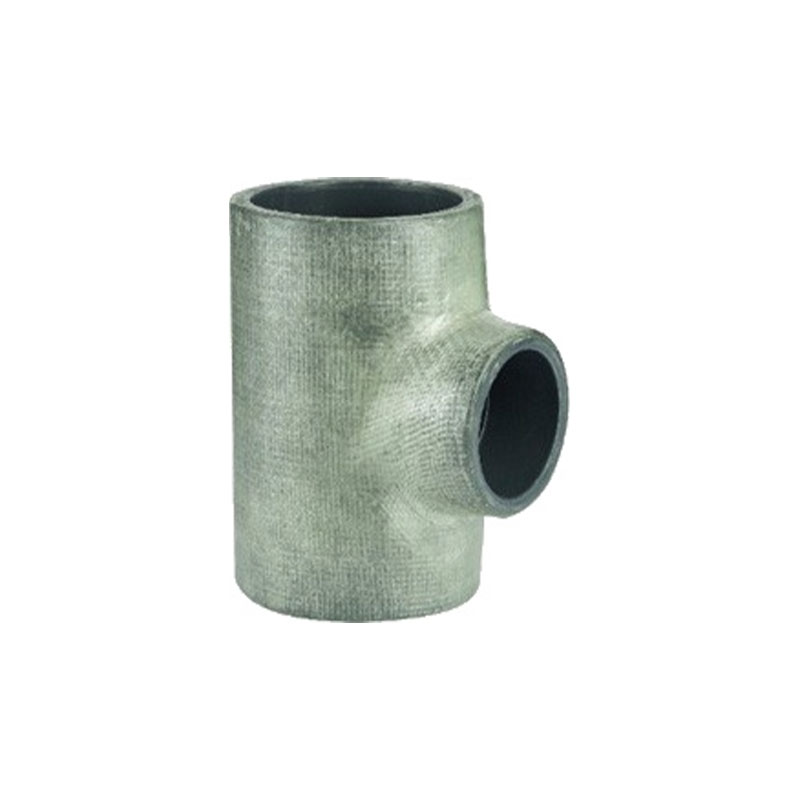
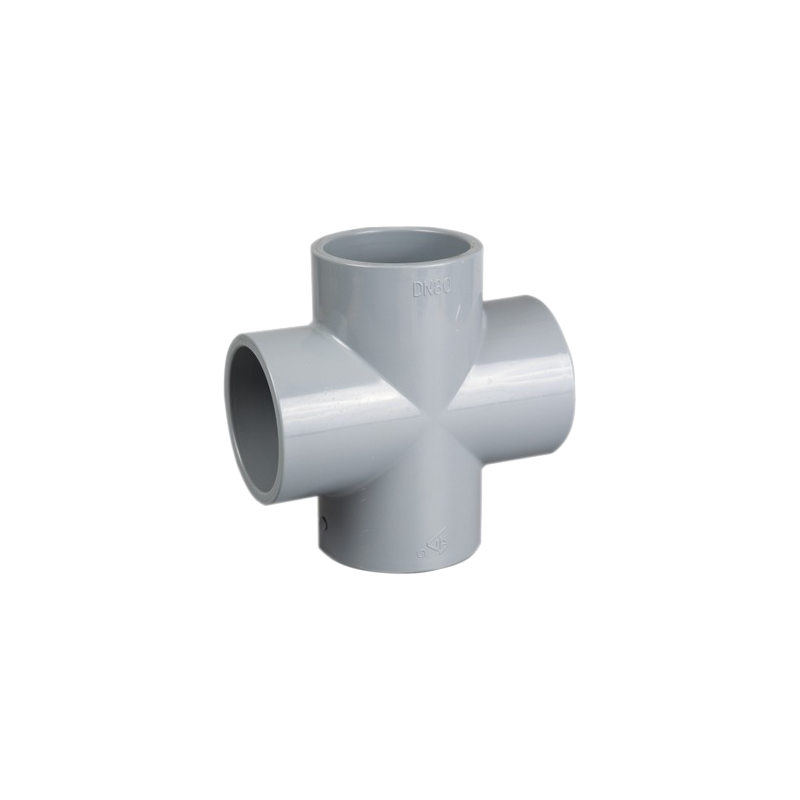
FRP composite reducing tees combine a branch connection with a diameter change at one or more outlets, built on the same fiberglass-reinforced composite pipe construction used elsewhere in the FRP composite piping range, allowing a single fitting to handle both functions at once.
Key characteristics:
• Combines a 90-degree branch connection with a reducing outlet, eliminating the need to install a separate tee and reducer where a smaller-diameter branch line needs to connect to a larger main line.
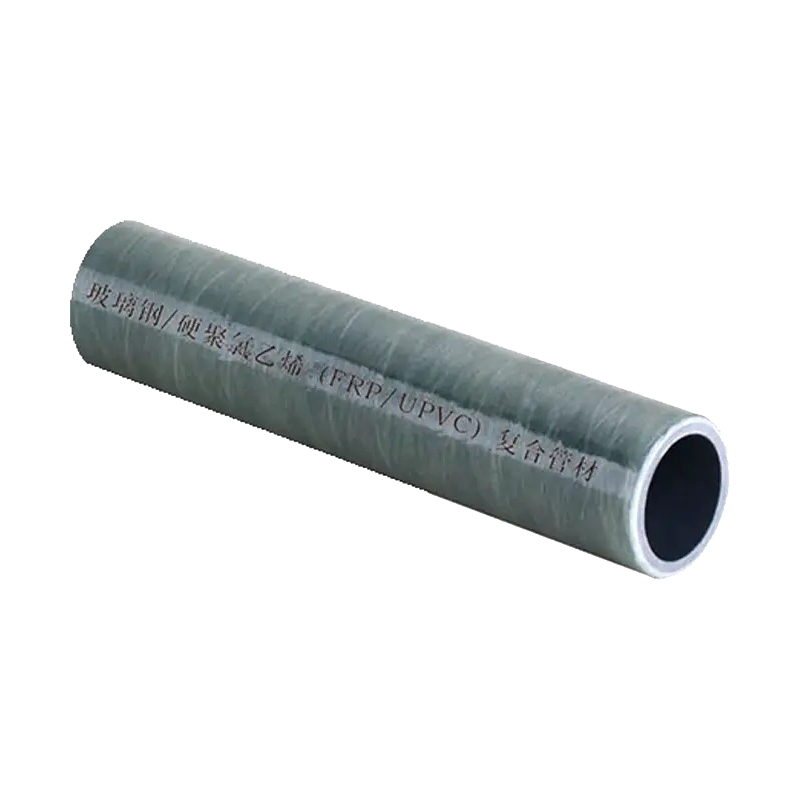
• The composite construction, with a chemical-resistant thermoplastic liner (matched to the pipe series, such as UPVC, CPVC, or PPH) wrapped in structural FRP, maintains the same corrosion resistance and mechanical strength found in the corresponding straight composite pipe.
• Reduces the total fitting count and number of joints at a branch-and-reduce connection point compared with assembling a standard tee and a separate reducer, lowering both material cost and the number of potential leak points.
• Matches the pressure rating of the composite pipe series it is paired with, maintaining consistent system pressure capability at the fitting.
Combining two functions into a single fitting is particularly useful in large-diameter composite piping layouts, where installing multiple separate large fittings would add significant weight, joint count, and installation labor compared with a single combined component.
Typical applications include large-diameter FRP composite process piping systems where a smaller branch line needs to connect to a larger main line, reducing both installation complexity and the number of connection points in the system.