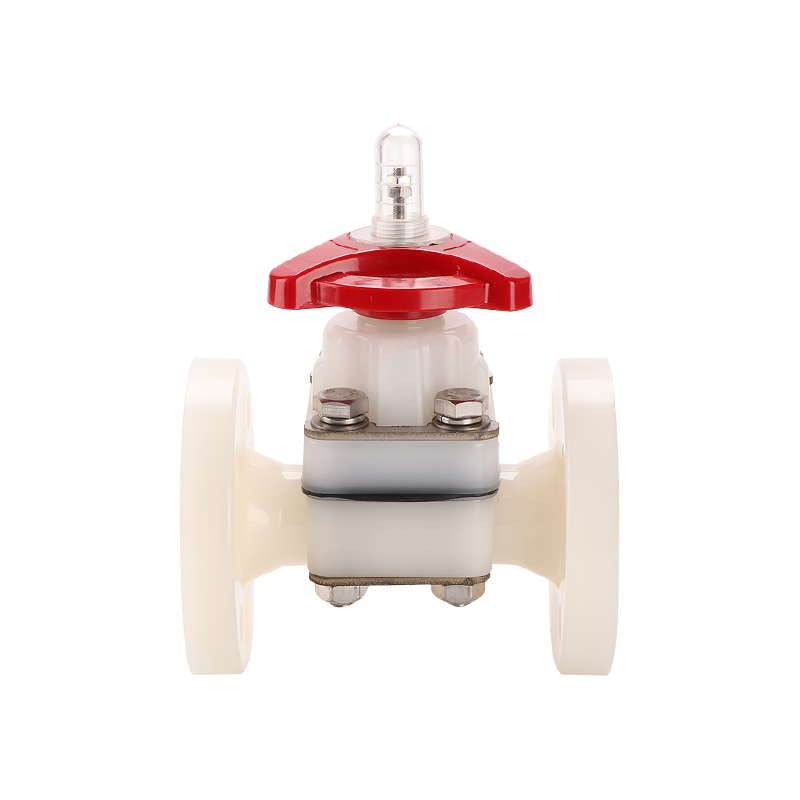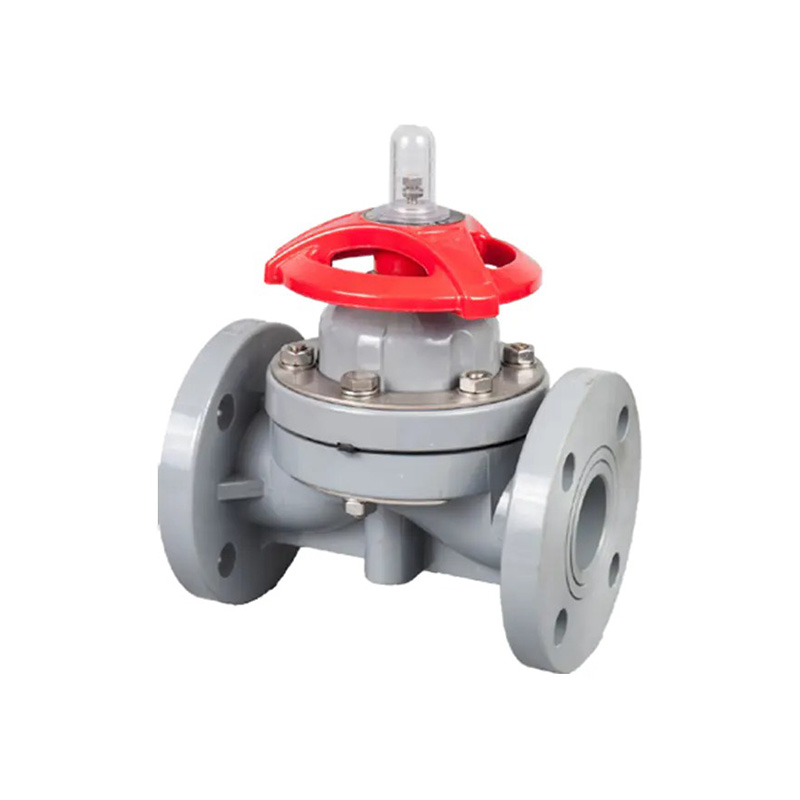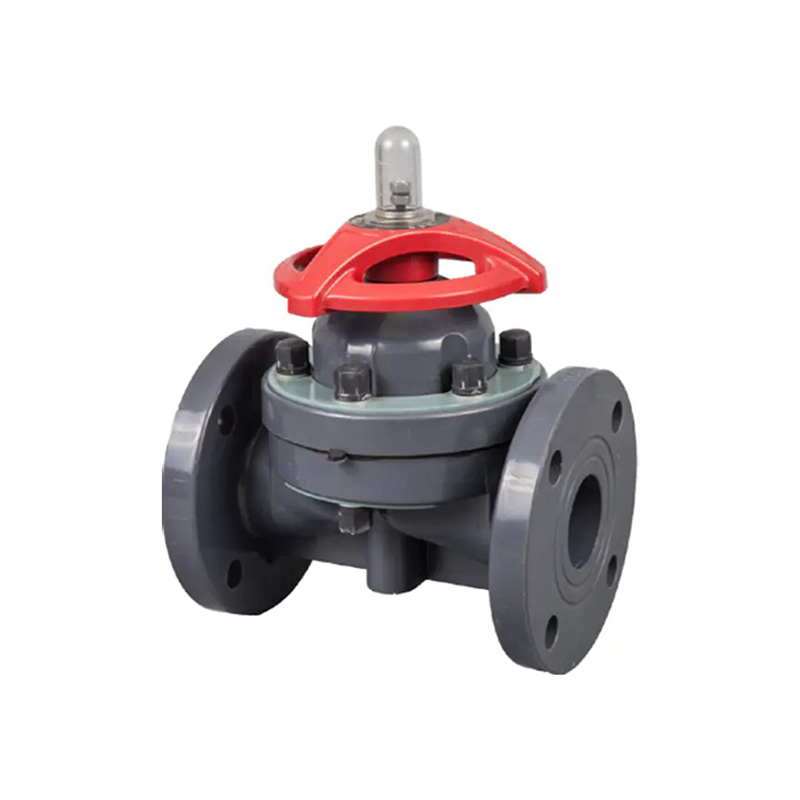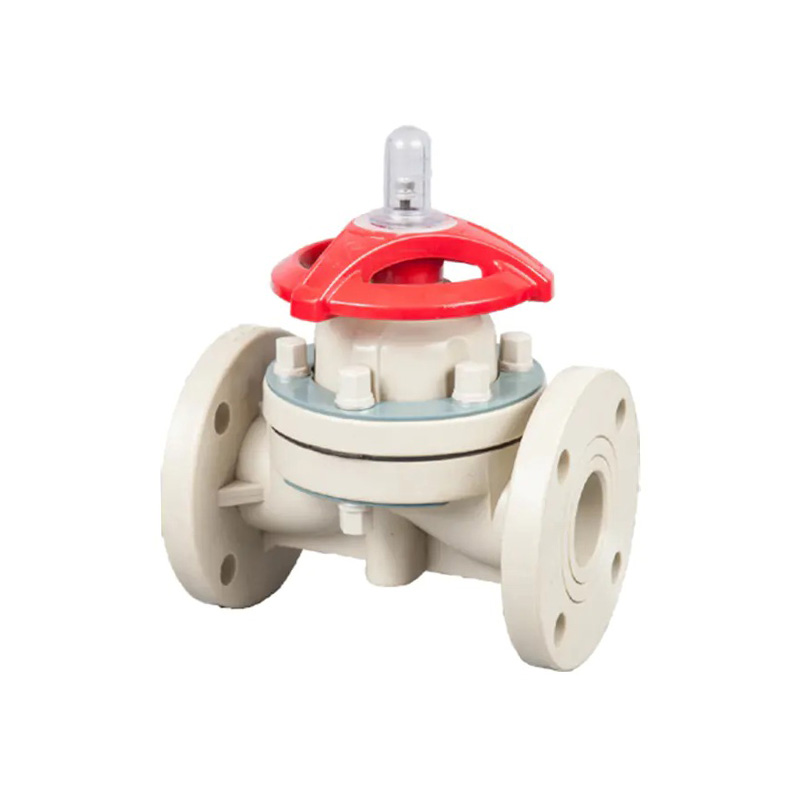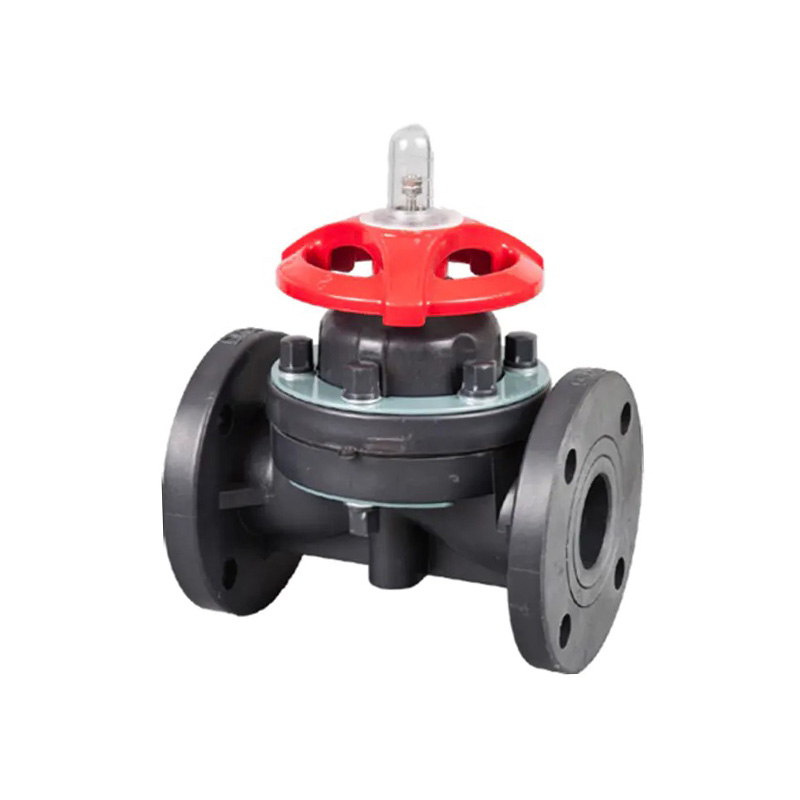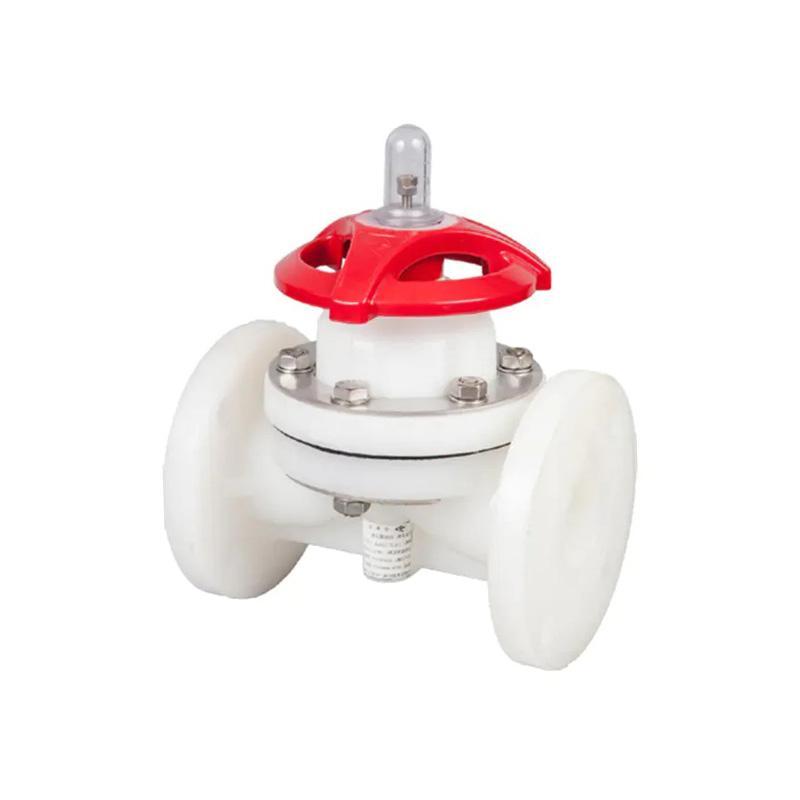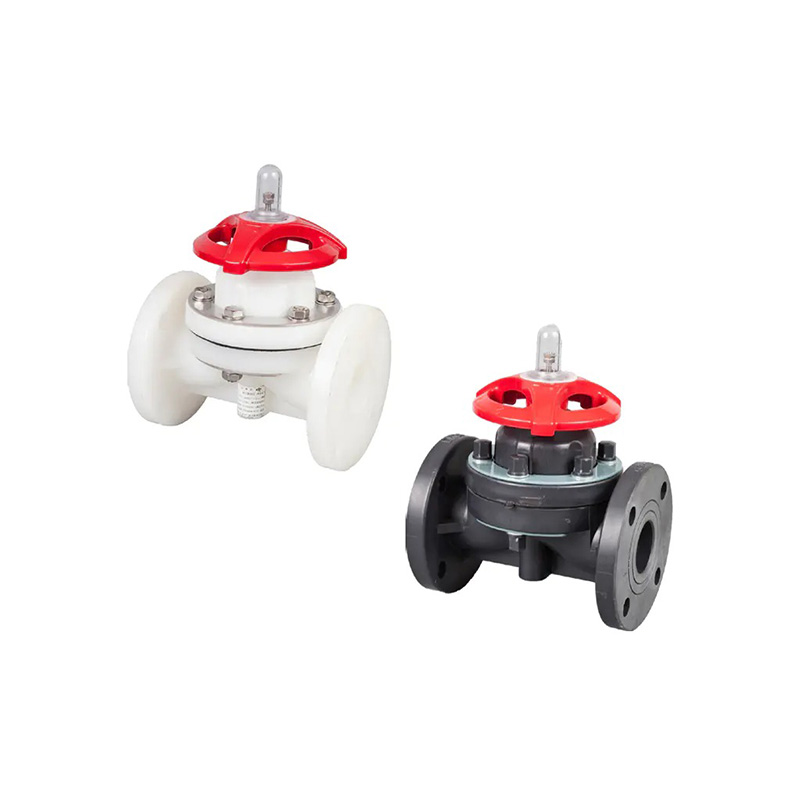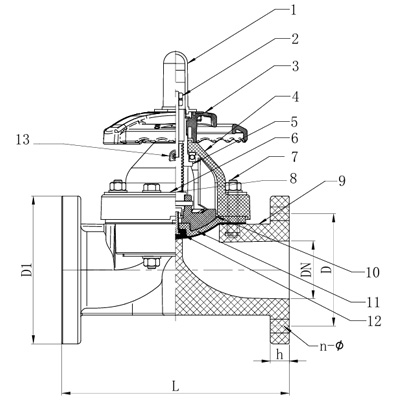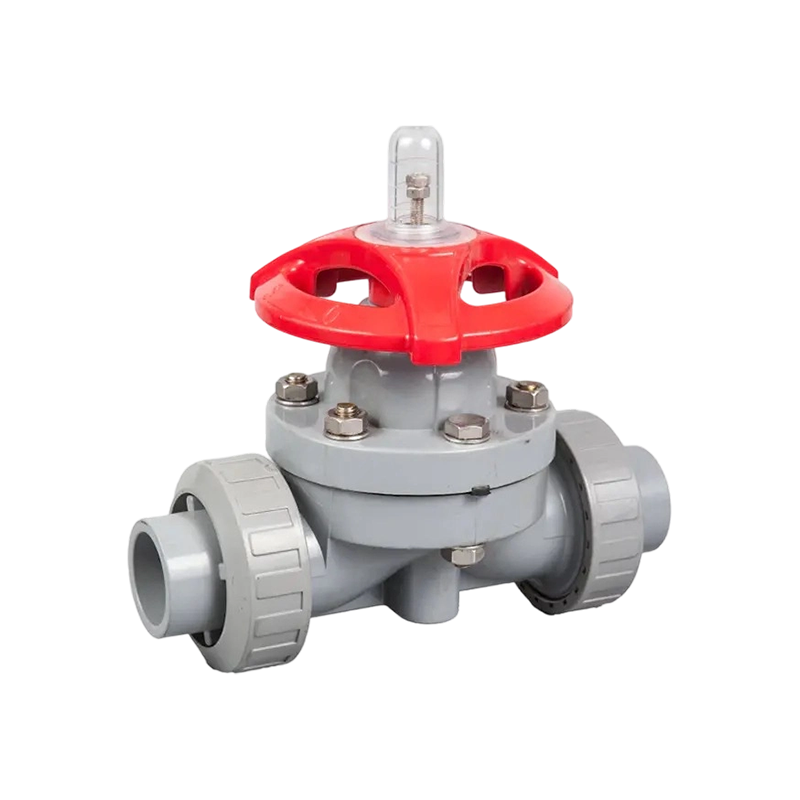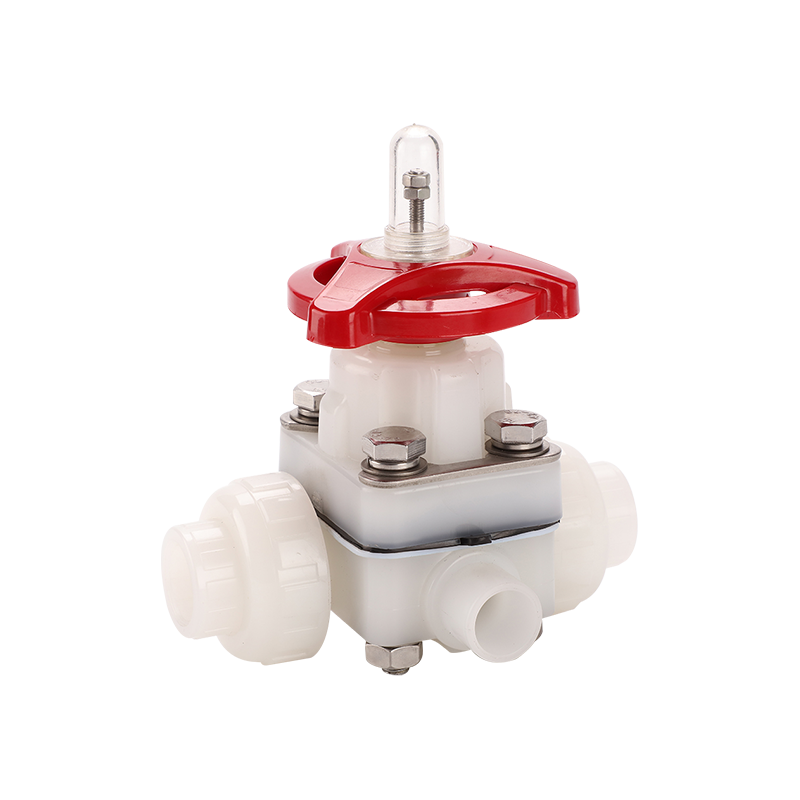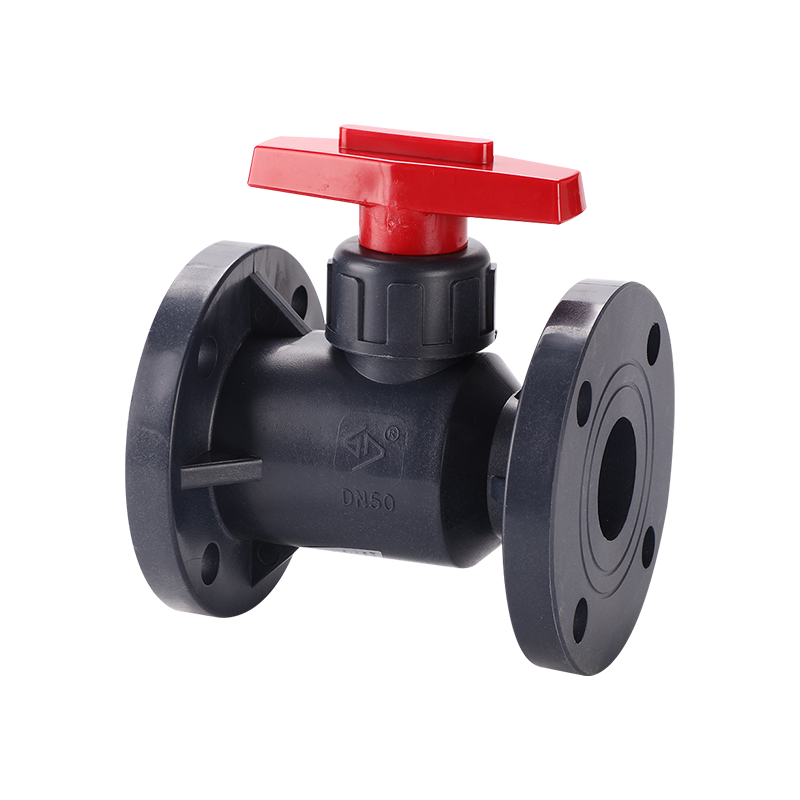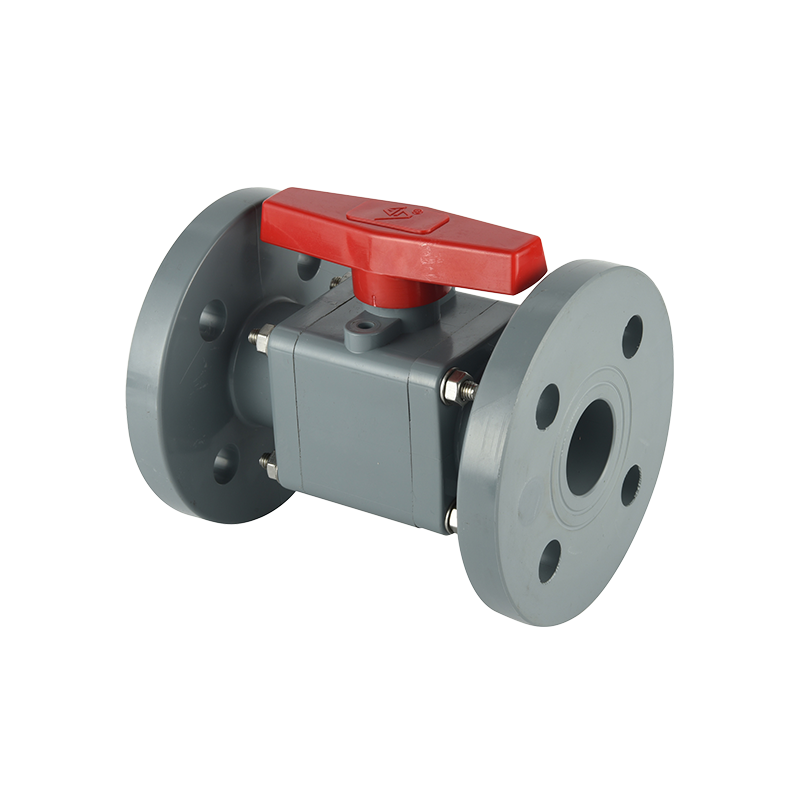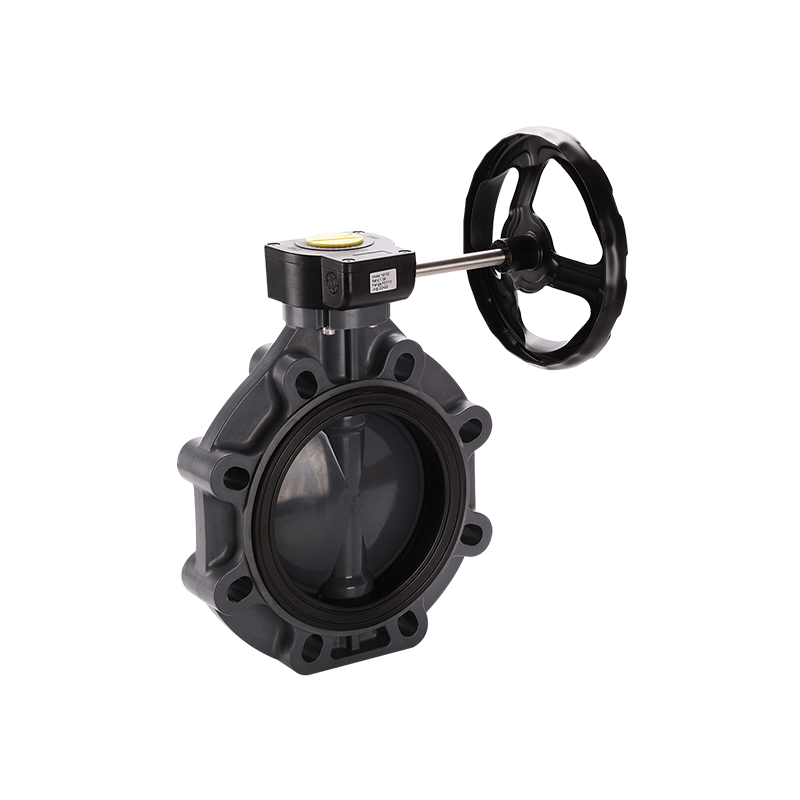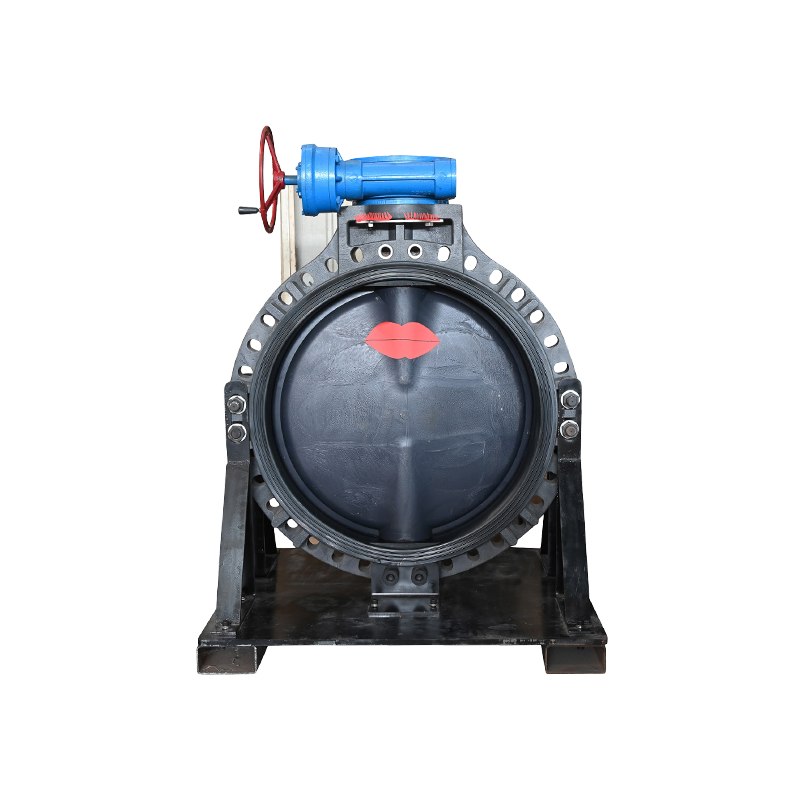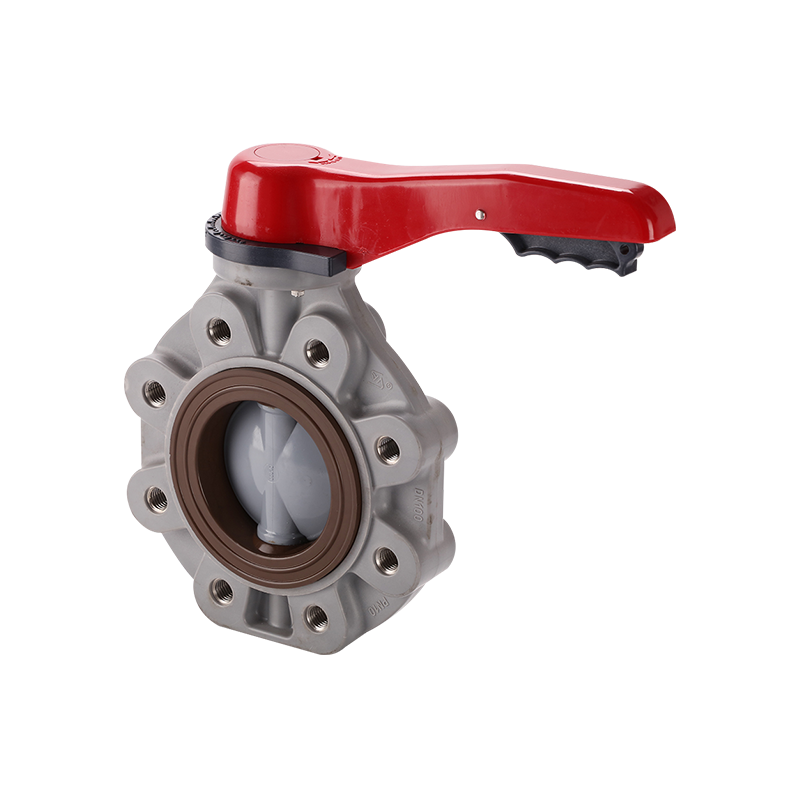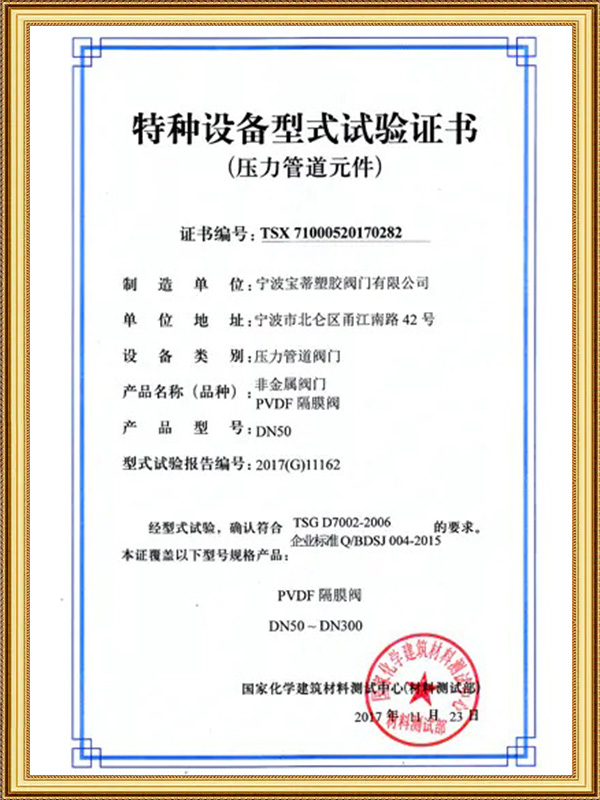
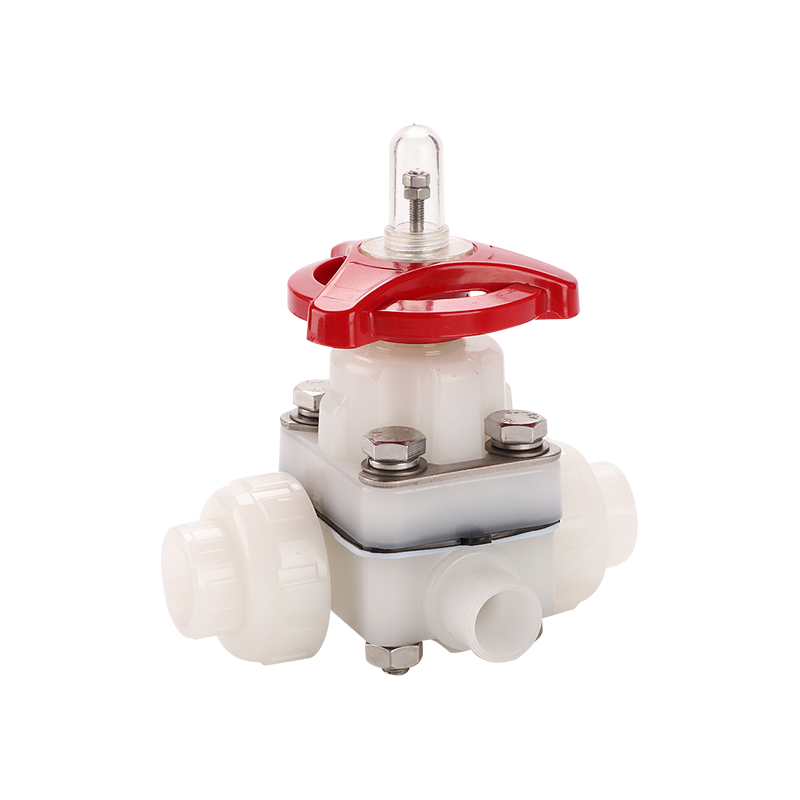

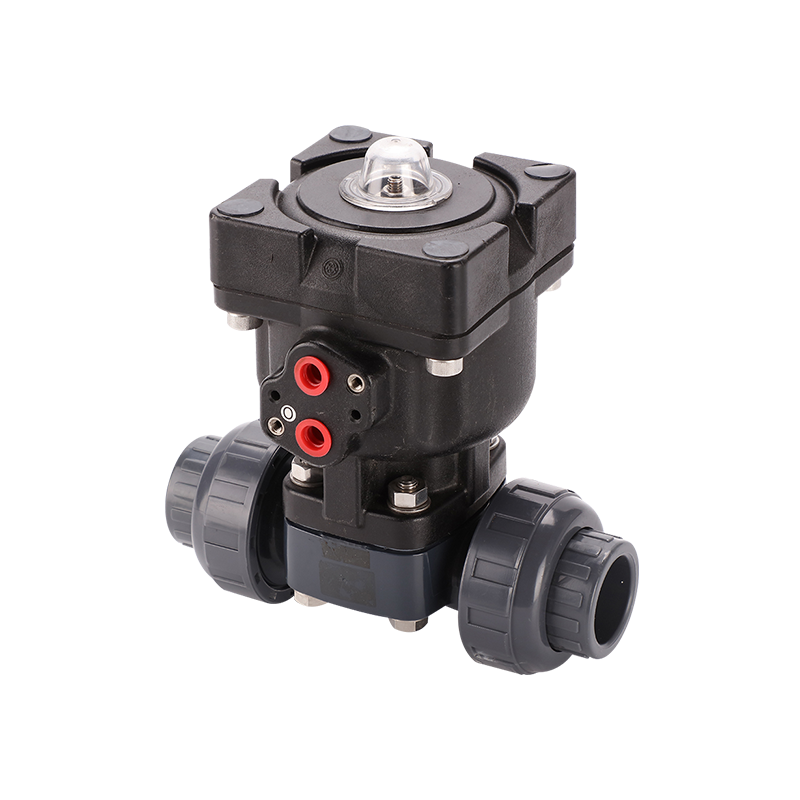
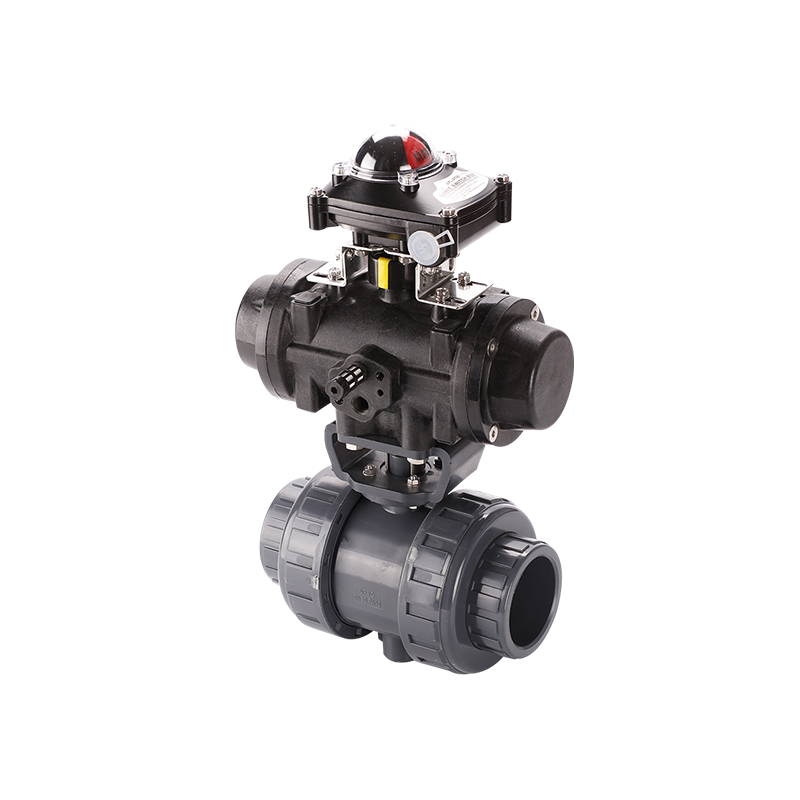
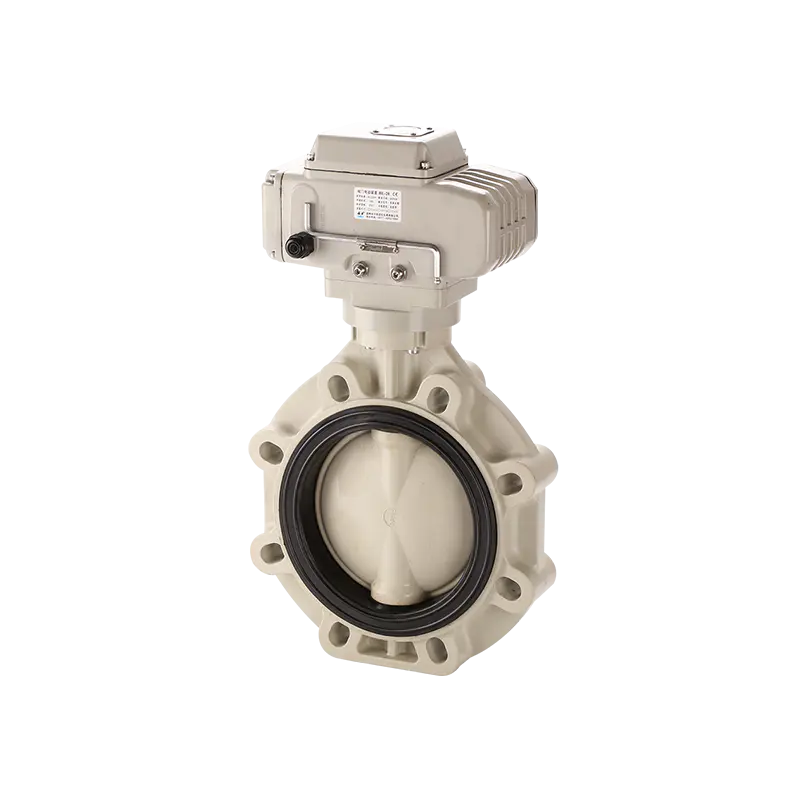
Flanged diaphragm valves are precision-engineered flow control valves designed for corrosive, ultrapure, and critical fluid handling applications across chemical processing, semiconductor manufacturing, water treatment, and pharmaceutical industries. Built on manufacturing experience dating back to 1979, when the first plastic diaphragm valve was produced and certified by the Ministry of Chemical Industry in 1983, this valve series combines decades of engineering refinement with modern sealing technology.
Key features:
• High-quality diaphragm and cushion materials deliver low compressive strain, ensuring reliable long-term sealing performance under repeated cycling.
• An optimized pressure distribution design across the valve body reduces the closing torque required for operation, making the valve easier to actuate and reducing wear on the stem and bonnet assembly.
• Strict control over manufacturing and assembly tolerances produces stable, accurate flow regulation, with consistent performance across the full range of valve sizes.
• A weir-style, dead-angle-free flow path prevents medium accumulation and cross-contamination, critical for high-purity and hygienic process lines.
• Excellent corrosion resistance across the wetted parts protects against aggressive acids, alkalis, and chemical media.
• No packing gland means no packing wear, no packing-related leak paths, and reduced maintenance requirements over the valve's service life.
Available in flanged connection styles for direct bolt-up to standard pipeline flanges, this valve suits main process lines, distribution headers, and applications where a fixed, non-removable connection is preferred for long-term system integrity. Body materials, diaphragm compounds, and pressure ratings can be configured to match specific chemical compatibility and operating temperature requirements.
Typical applications include chemical dosing systems, wastewater treatment plants, ultrapure water distribution, semiconductor wet processing, and pharmaceutical fluid transfer lines. The non-lubricated, diaphragm-based shutoff mechanism eliminates the risk of galling or seizing common to ball and plug valves, making it a dependable choice for isolation and throttling duties in corrosive or particulate-laden media.