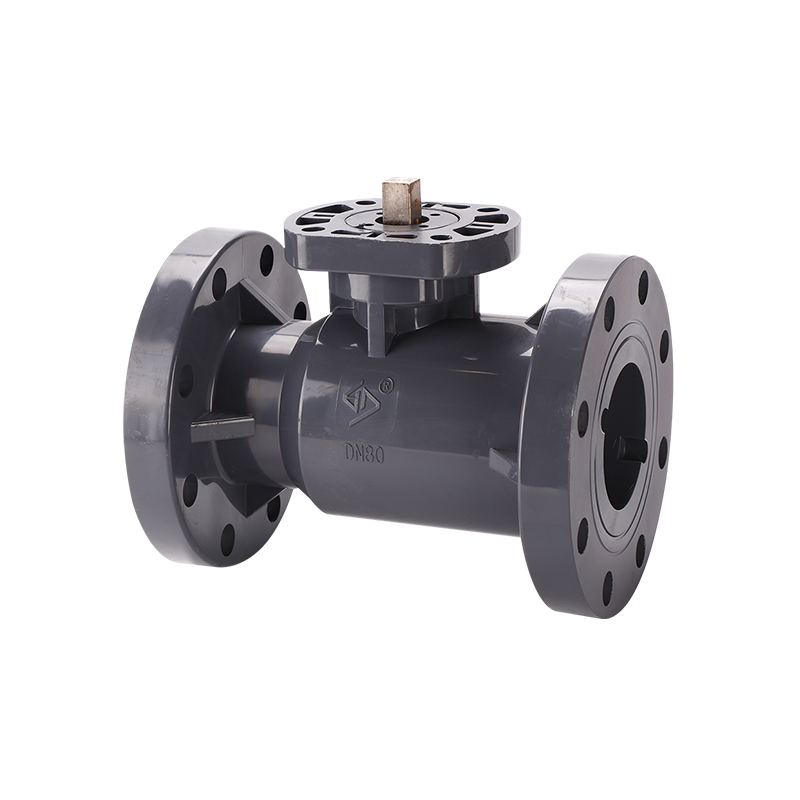
Valve Engineering Reference
industrial plastic valves: Materials, Structures, Manufacturing Standards and How to Choose the Right Type
Fluid control systems across chemical processing, water treatment, electroplating, semiconductor fabrication and food-grade transfer lines increasingly rely on industrial plastic valves to move corrosive, high-purity or particulate-heavy media without the weight, cost and corrosion exposure that come with traditional metal components. Because a single industrial plastic valve is often installed alongside dozens of other fittings in a pressurized line, engineers need more than a general description of what plastic valves do — they need dimensional data, pressure ratings, material compatibility charts and a clear picture of how each valve type behaves under real operating conditions. This reference section walks through valve construction, material selection, the seven main valve categories used across industrial plumbing networks, and the production controls that separate a reliable industrial plastic valve manufacturer from one that only meets minimum output specifications.
Unlike consumer plumbing hardware, an industrial plastic valve is typically specified against a project drawing that lists working pressure, temperature range, chemical concentration, actuation method and connection standard. Getting any one of these variables wrong can lead to premature cracking, seal extrusion or flow restriction long before the expected service life is reached. The sections below break these variables into practical categories so that a purchasing engineer, plant maintenance lead or OEM designer can match a valve family to the actual duty cycle of the line rather than relying on a generic catalog description.
01
Chemical Resistance
Thermoplastic bodies resist attack from acids, alkalis, salts and oxidizing agents that would pit or dissolve carbon steel and shorten the service life of bronze fittings.
02
Reduced Installed Weight
A thermoplastic valve body typically weighs a fraction of an equivalent cast iron or stainless part, lowering support bracket loads and simplifying overhead pipe runs.
03
Electrical Non-Conductivity
Non-metallic construction avoids galvanic reaction between dissimilar metals and removes a conductive path in lines where static buildup or stray current is a concern.
04
Lower Total Installed Cost
Molded thermoplastic components generally require less machining than cast metal parts, which keeps unit cost, freight weight and spare-parts inventory more affordable.
Structure and Application Logic
What Are the Different Types of Plastic Valves Used in Process Piping?
When engineers ask what are the different types of plastic valves suitable for a given line, the answer depends on flow direction requirements, actuation frequency, cleanability and the physical state of the media — liquid, gas, or a slurry carrying solids. The list below groups the most commonly specified plastic valve types by how they interrupt or regulate flow, along with the operating traits that distinguish one family from another.
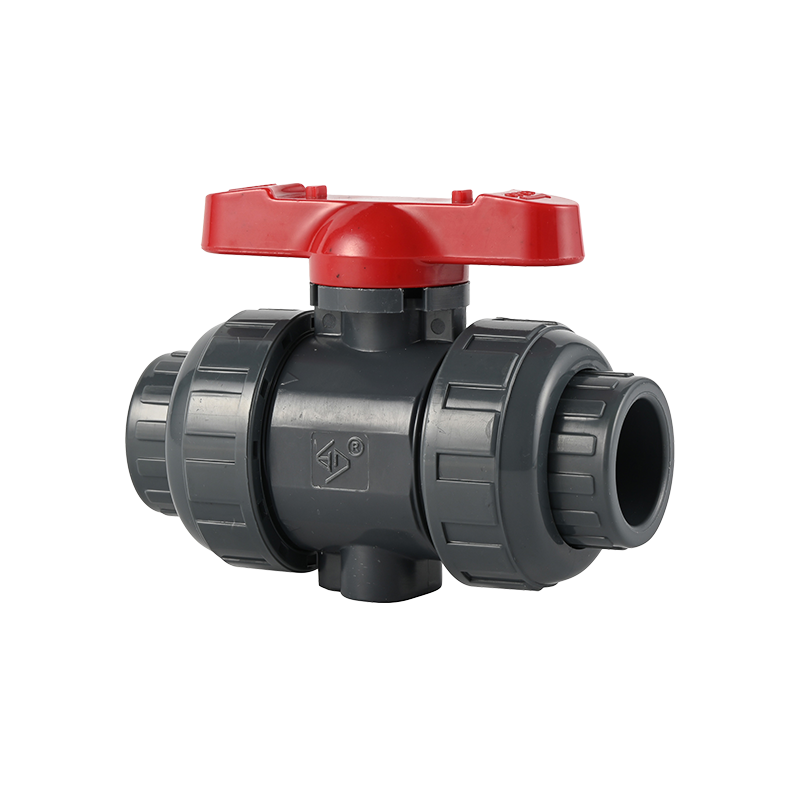
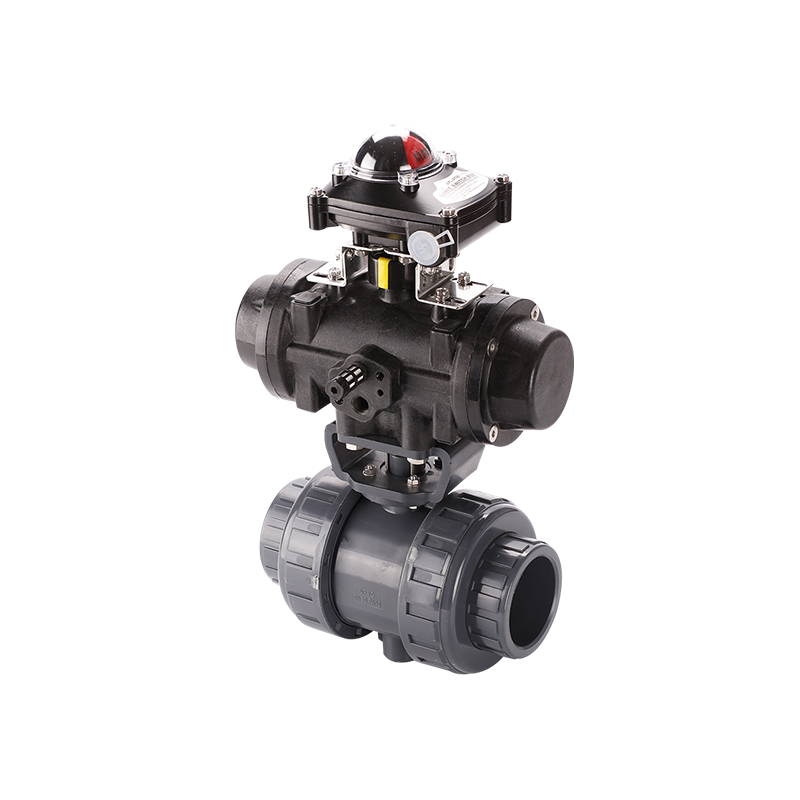
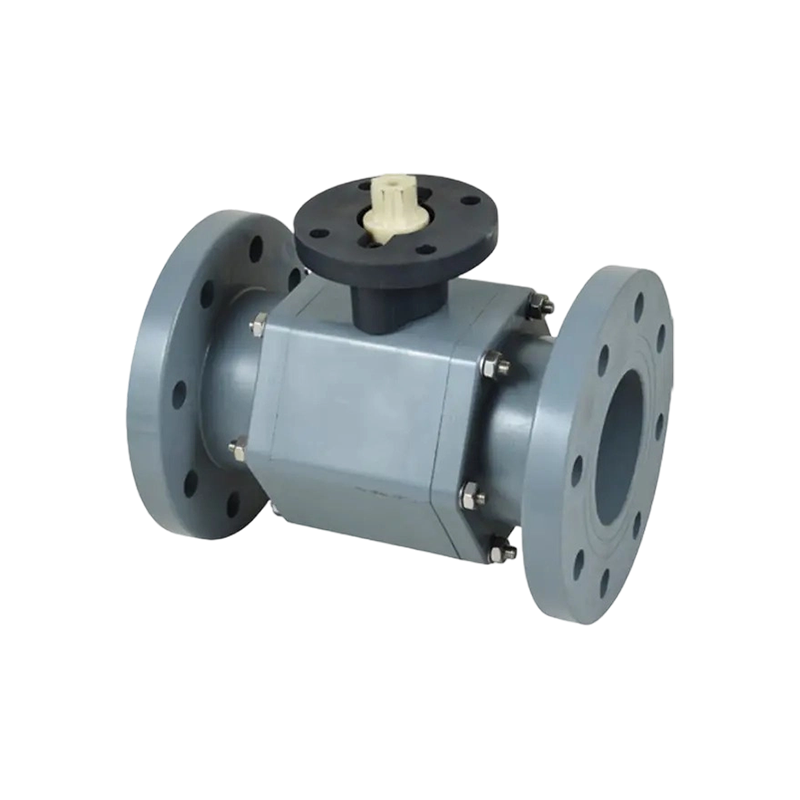
Ball Valve
A rotating spherical disc opens or blocks the bore with a quarter turn. Because the seat contacts a smooth spherical surface, ball valves offer low flow resistance and a tight shutoff, making them a common choice for on/off isolation duty on chemical transfer lines.
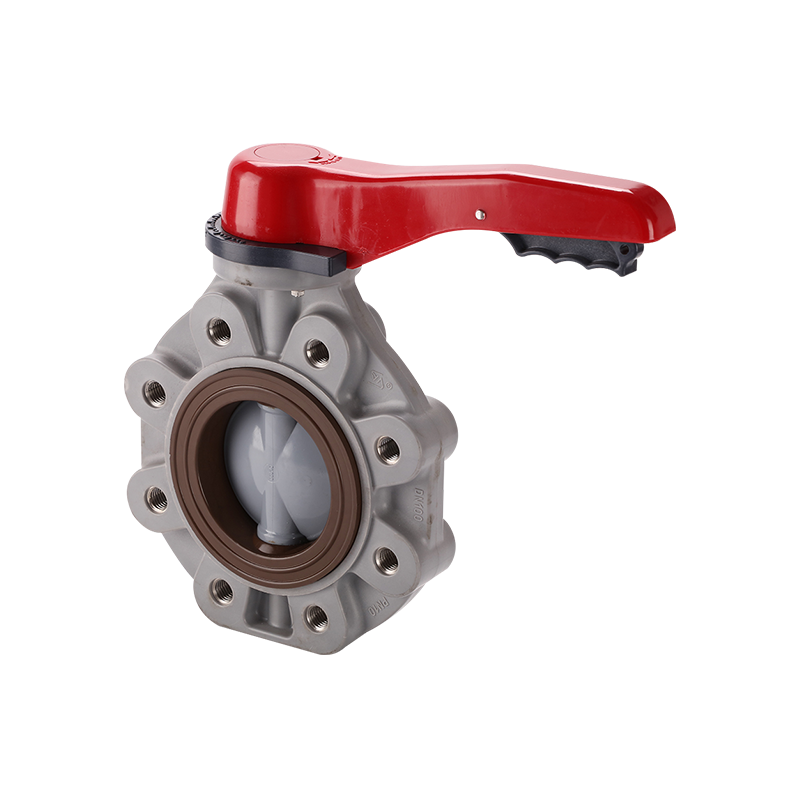
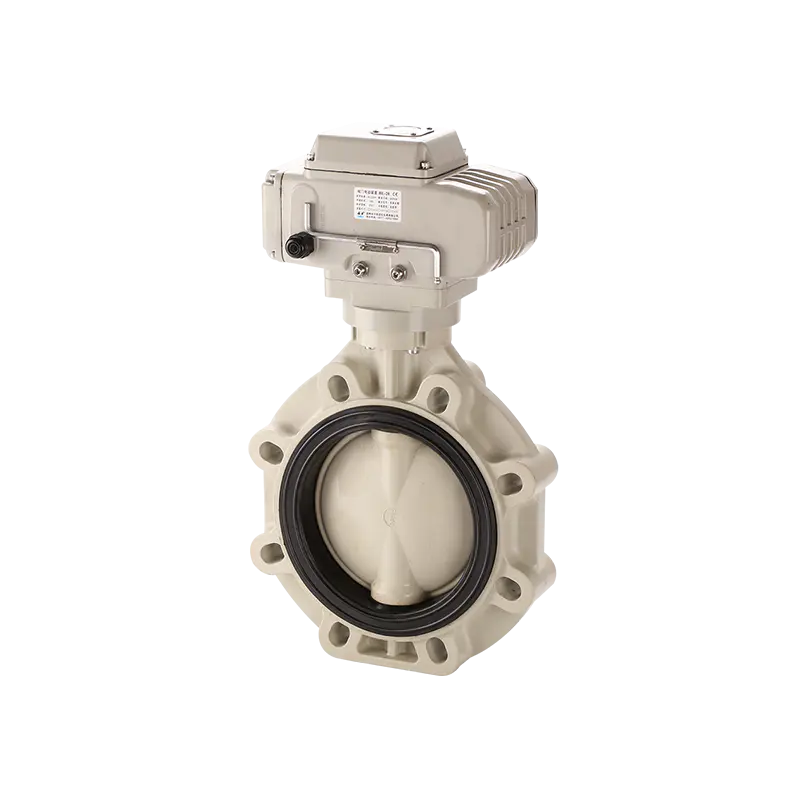
Butterfly Valve
A rotating disc mounted on a центral shaft pivots within the flow path. The compact face-to-face dimension makes butterfly valves attractive for larger pipe diameters where a full-port ball valve would add excessive length and weight to the line.
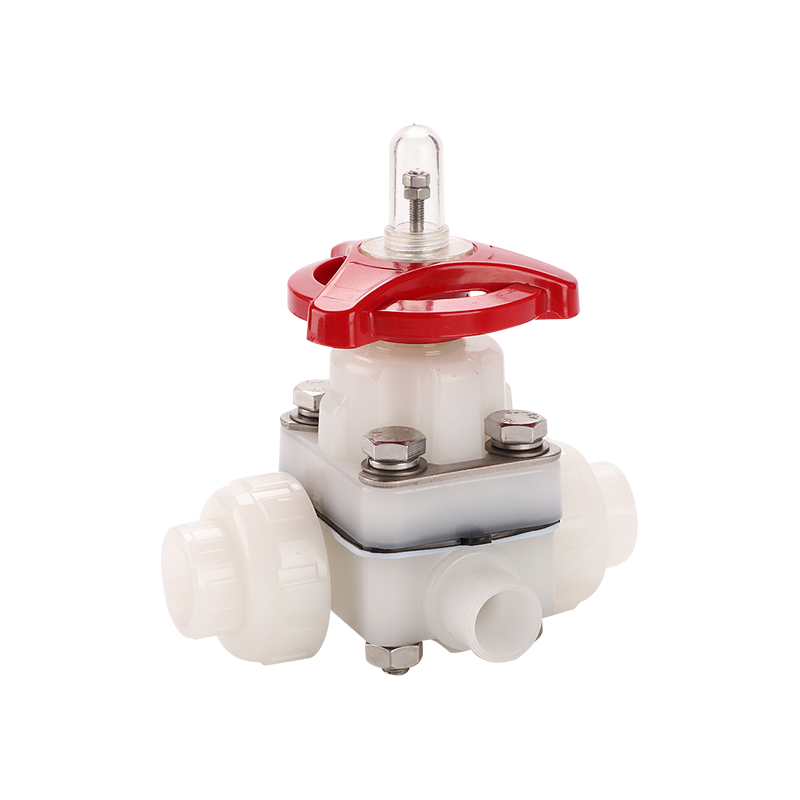
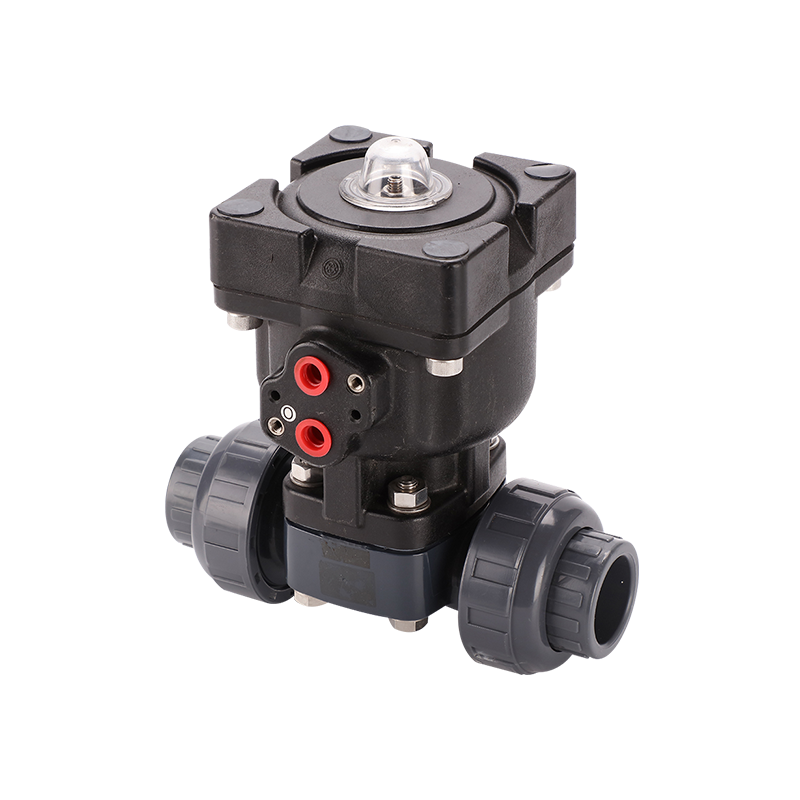
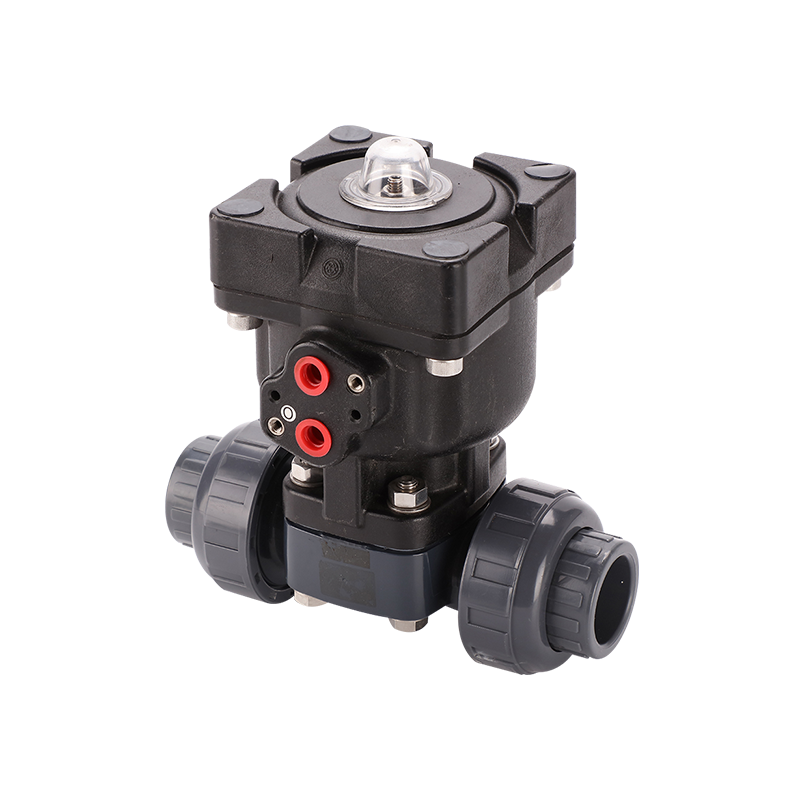
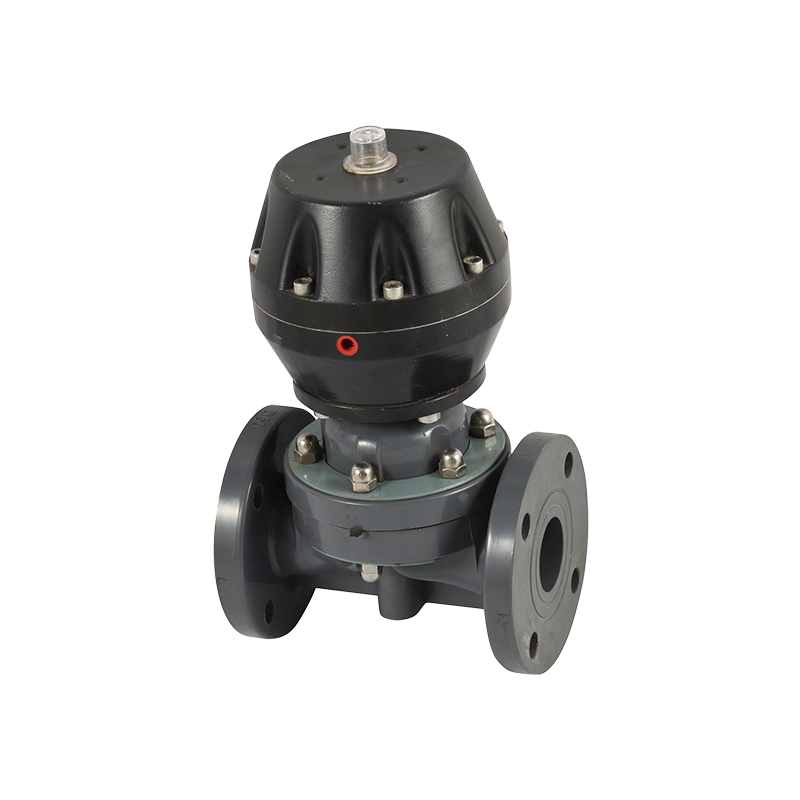
Diaphragm Valve
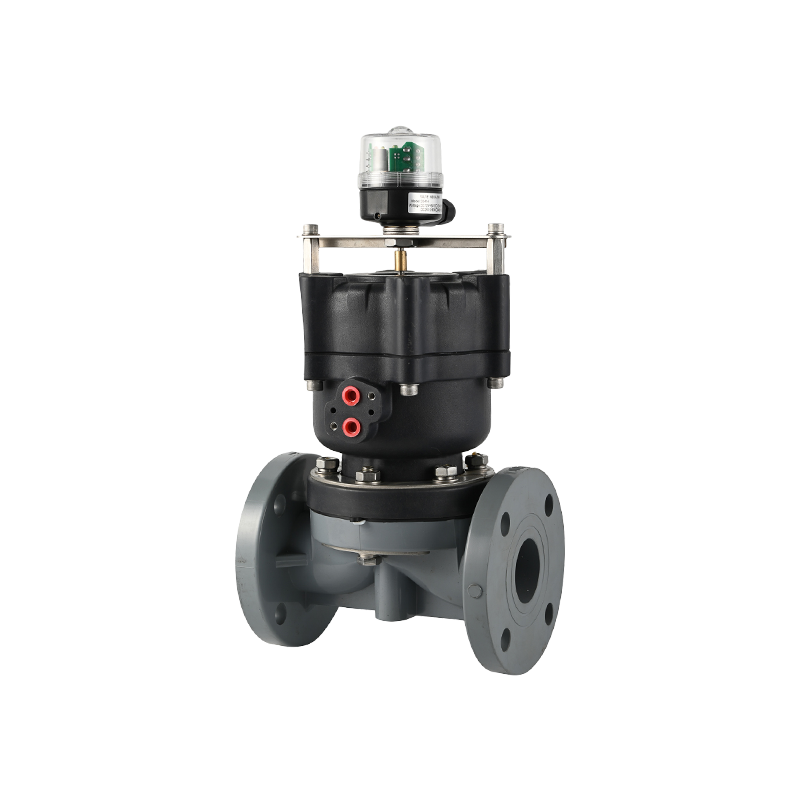
A flexible membrane presses down onto a weir or straight-through body to stop flow. Because the diaphragm isolates the working mechanism from the media, this design is widely selected for high-purity, particulate-laden or corrosive fluid handling where cleanability matters.
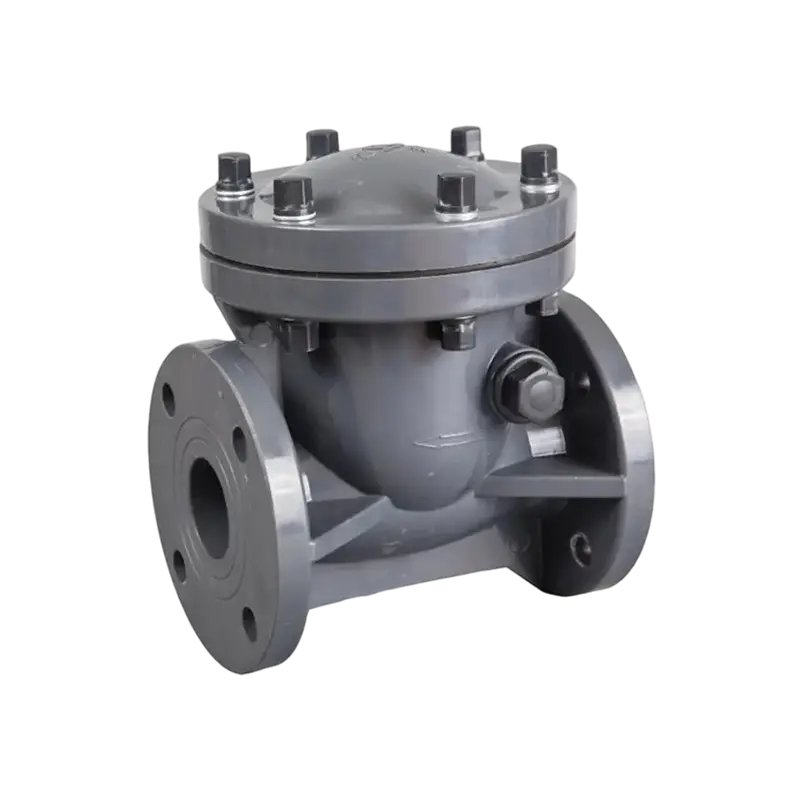
Check Valve
A spring-loaded or swing-type disc allows flow in a single direction and closes automatically against reverse pressure, protecting pumps and metering equipment from backflow damage.
Gate Valve
A sliding gate rises out of the flow path for full-open service or drops fully across the bore for shutoff, offering minimal pressure drop when fully open but limited suitability for throttling duty.
Plug Valve
A tapered or cylindrical plug rotates within the body to align or block internal passages, giving a straightforward, low-maintenance shutoff option for frequently cycled service points.
Pressure Relief Valve
A spring-set mechanism opens automatically once system pressure exceeds a calibrated threshold, discharging excess pressure to protect downstream equipment and piping from overpressure failure.
Broader Industry Classification
What Are the 7 Types of Valves Found Across Industrial Piping Systems?
Zooming out from plastic-specific construction, the wider question of what are the 7 types of valves covers the structural families used across every material category — plastic, bronze, stainless steel and cast iron alike. Recognizing these seven families helps a specifier translate a plastic-valve requirement into the correct mechanical category before narrowing down to material, seat compound and actuation method. The comparison table below lines up primary function, common drive method and where each category is most frequently installed.
| Valve Type |
Primary Function |
Common Drive Method |
Typical Installation Point |
| Ball Valve |
Fast on/off isolation |
Manual lever, pneumatic, electric actuator |
Chemical dosing lines, transfer skids |
| Butterfly Valve |
Flow regulation, isolation |
Manual gear, electric, pneumatic |
Large-diameter water and HVAC piping |
| Gate Valve |
Full open / full close |
Handwheel, electric actuator |
Municipal water distribution mains |
| Diaphragm Valve |
Precise, contamination-free control |
Manual handwheel, pneumatic |
Pharmaceutical, food-grade, ultra-pure water |
| Check Valve |
Backflow prevention |
Automatic, spring or gravity actuated |
Pump discharge, metering stations |
| Plug Valve |
Quick directional shutoff |
Manual lever |
Gas and fuel handling lines |
| Pressure Relief Valve |
Overpressure protection |
Automatic spring-loaded |
Boilers, pressure vessels, storage tanks |
Each of the seven categories above can be produced in a thermoplastic construction when the process line calls for corrosion resistance rather than the strength ceiling of a metal body. In practice, the majority of plastic-valve installations concentrate around ball, butterfly, diaphragm and check valve designs, since these four families cover the bulk of isolation, regulation and backflow-prevention duties in chemical and water-treatment plants.
Material Behavior Under Load
Choosing Resin for an Industrial Plastic Valve
The performance ceiling of any industrial plastic valve is set largely by the resin used to mold the body, ball, disc or diaphragm. Five thermoplastics account for most industrial applications, and each carries a distinct balance of temperature tolerance, chemical resistance and mechanical strength. A specifier who understands these differences can avoid the two most common field failures in plastic valve service: premature softening under elevated temperature and stress cracking from an incompatible chemical exposure.
| Resin |
Approx. Max Operating Temp. |
Chemical Resistance Profile |
Typical Duty |
| PVC |
60°C |
Strong against acids, alkalis and salts |
Water treatment, general chemical transfer |
| CPVC |
93°C |
Broad resistance, higher heat tolerance than PVC |
Hot process water, higher-temperature chemical lines |
| PP |
80°C |
Good resistance to many solvents and acids |
Wastewater, electroplating, laboratory drainage |
| PVDF |
140°C |
Excellent resistance to strong acids and oxidizers |
Semiconductor, high-purity, aggressive chemical duty |
| PTFE-Lined |
150°C+ |
Near-universal chemical inertness |
Extreme corrosive service, pharmaceutical processing |
Selection Note
Matching resin to media concentration, not just media type, is essential — a PVC body rated for dilute acid exposure may still fail if the same acid is present at a higher concentration or elevated temperature than the resin's data sheet allows.
Comparative Overview
Industrial Plastic Valve vs Metal Valve: Where Each Makes Sense
Plastic construction is not a universal replacement for metal valves — it is a targeted solution for specific operating conditions. A metal-bodied valve still outperforms a thermoplastic valve where high pressure ratings, extreme mechanical loading or very high temperature service is required. Understanding this trade-off keeps specification decisions grounded in actual line conditions rather than a blanket preference for one material family.
Corrosive Chemical Lines
An industrial plastic valve resists attack from acids, chlorides and caustic solutions that would corrode a carbon steel body over a comparatively short service interval.
High-Pressure Steam or Oil
Metal valves remain the standard choice where pressure ratings, mechanical shock resistance or very high operating temperature exceed what a thermoplastic body can safely sustain.
Weight-Sensitive Installations
Lightweight plastic valves reduce the load on elevated pipe supports and simplify manual handling during installation, particularly across long horizontal runs.
Production Discipline
How Industrial Plastic Valve Manufacturers Control Quality
The gap between a valve that performs reliably for years and one that fails within months usually traces back to production controls rather than resin choice alone. Serious industrial plastic valve manufacturers build in verification steps at multiple stages of production instead of relying on a single final inspection. Wall thickness uniformity, gate placement during injection molding, and cooling cycle consistency all influence how evenly stress is distributed across the finished body once the valve is pressurized in service.
Raw Material Verification
Incoming resin batches are checked against melt-flow index and moisture-content specifications before molding begins, since inconsistent raw material directly affects wall strength and surface finish.
Dimensional and Wall-Thickness Control
Even wall thickness across the valve body reduces the risk of localized stress concentration, which is one of the leading causes of cracking under repeated pressure cycling.
Seal and Seat Compatibility Testing
Seat and seal materials are matched to the intended media so that swelling, hardening or extrusion of the sealing element does not compromise shutoff performance over time.
Hydrostatic and Air-Tightness Testing
Finished valves are pressure-tested with water and checked for leakage under air pressure before packaging, confirming that both the body and the seat perform to rated specification.
Field Application Reference
Where Industrial Plastic Valves Are Installed Across Process Industries
The practical value of industrial plastic valves becomes clearest when mapped against real installation environments. The same valve family can behave very differently depending on whether the line carries drinking water, plating chemicals or ultra-pure process fluid, which is why application context should always accompany a material and valve-type decision.
Water and Wastewater Treatment
Butterfly and diaphragm valves regulate flow across filtration, dosing and distribution stages where corrosion resistance and long-term seal integrity reduce maintenance downtime.
Chemical Processing and Storage
Ball and plug valves isolate transfer lines carrying acids, alkalis and solvents, with resin selection matched directly to the specific chemical concentration in use.
Electroplating and Surface Finishing
PP and PVDF valves withstand repeated exposure to plating baths and rinse tanks where metallic components would corrode rapidly under acidic or alkaline conditions.
Semiconductor and High-Purity Fluids
PVDF and PTFE-lined diaphragm valves control ultra-pure water and process chemicals where trace metallic contamination cannot be tolerated in the final product.
Food and Pharmaceutical Transfer
Diaphragm valves with smooth, crevice-free flow paths simplify cleaning validation and reduce the risk of microbial buildup within the wetted surface.
HVAC and Building Services
Lightweight butterfly and ball valves regulate chilled and condenser water circuits where corrosion resistance extends service intervals across large distribution networks.
Specification Checklist
Questions to Confirm Before Ordering an Industrial Plastic Valve
Before finalizing a purchase order, a short verification pass against the following points can prevent a mismatch between the valve delivered and the line conditions it will actually face. These questions apply whether the order covers a single replacement unit or a full skid of fittings sourced from an industrial plastic valve manufacturer.
Media Composition and Concentration
Confirm the exact chemical identity and concentration of the fluid, since resin resistance charts are concentration-specific rather than generic to a chemical family.
Operating Temperature Range
Record both the normal operating temperature and any short-duration peak temperature the line may reach, since peak exposure often governs resin selection.
Working Pressure and Pressure Spikes
Note the sustained working pressure along with any surge or water-hammer events the line experiences during pump start-up or rapid valve closure.
Connection Standard and Port Size
Verify flange drilling pattern, thread standard or solvent-weld socket dimensions against the existing pipe run to avoid on-site fitting mismatches.
Actuation Requirement
Decide whether manual, pneumatic or electric actuation is required based on cycle frequency, remote control needs and available utility connections at the installation point.