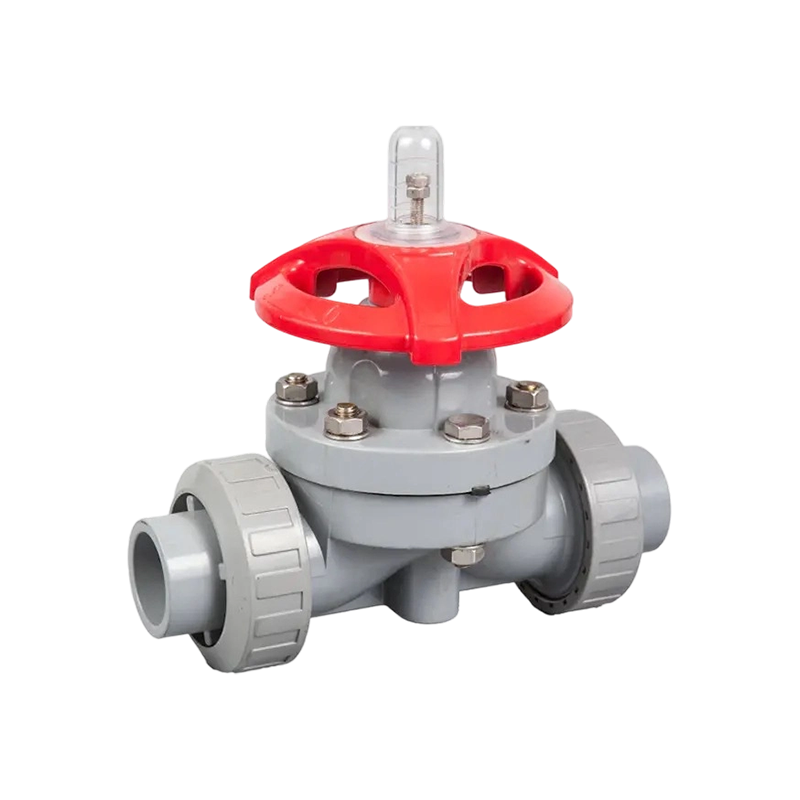
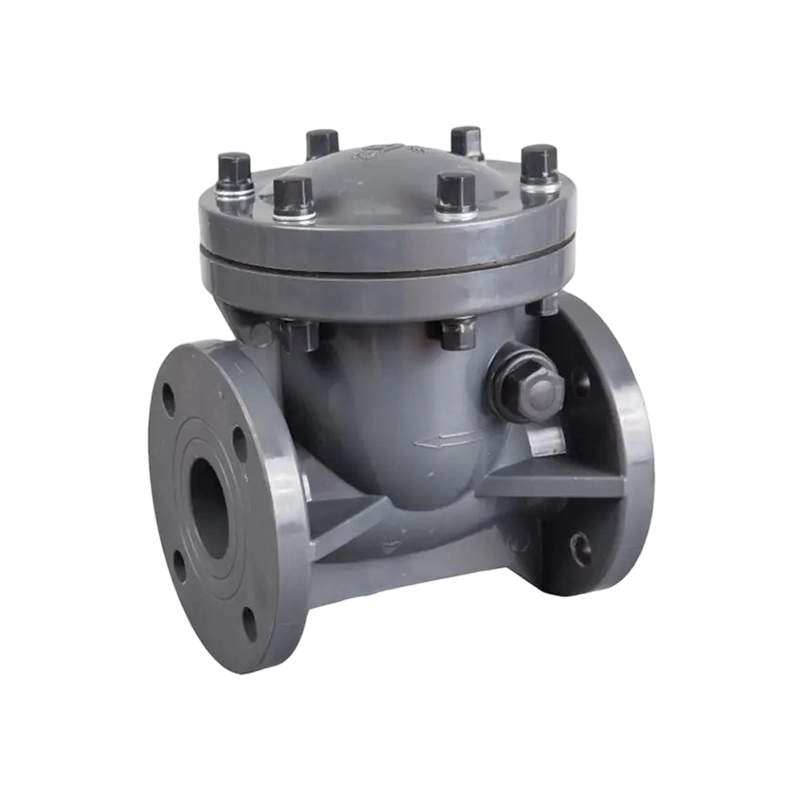
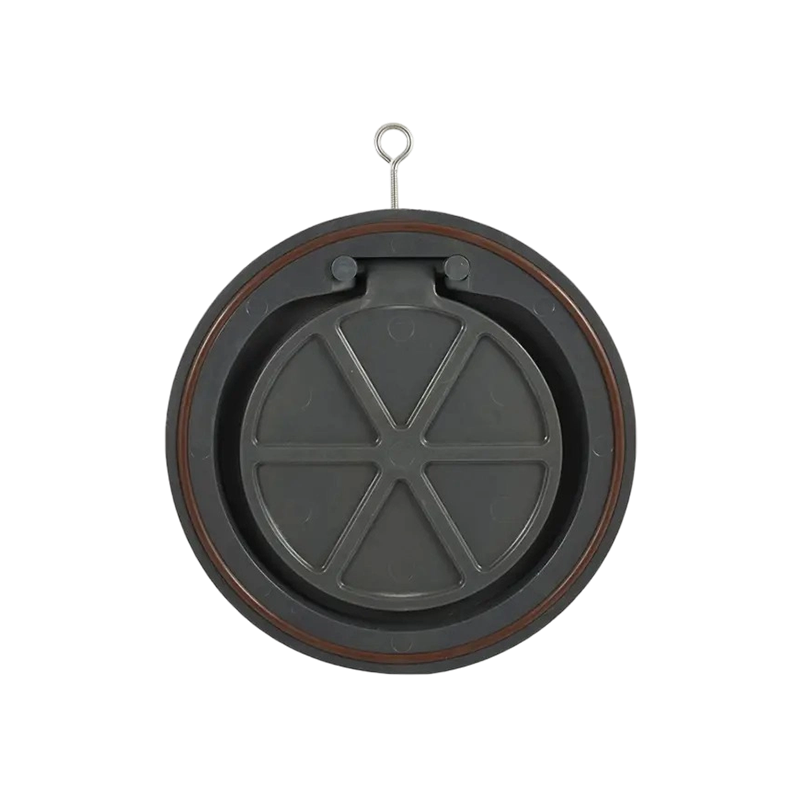
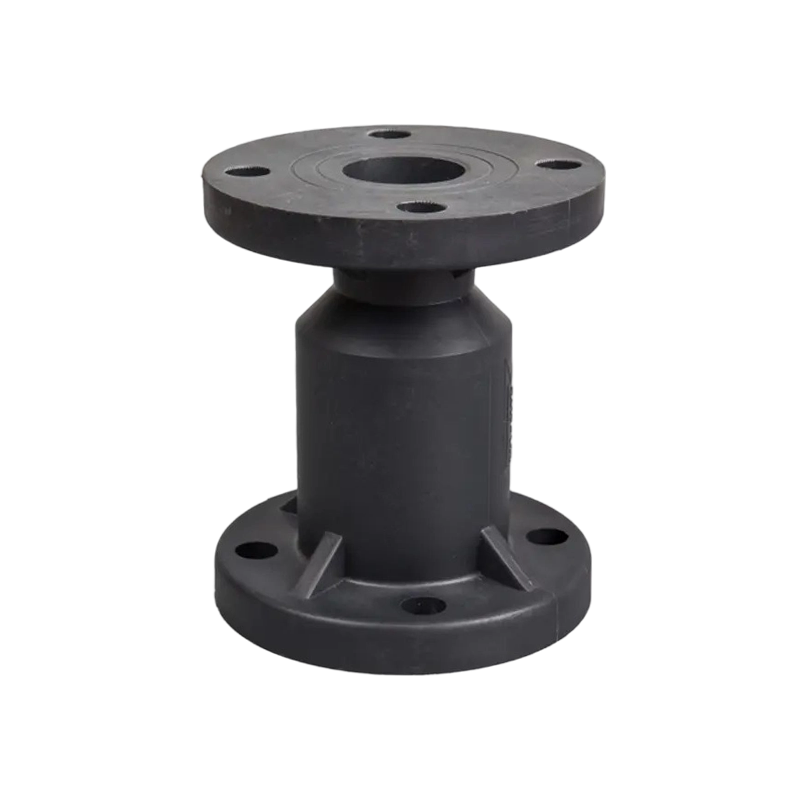
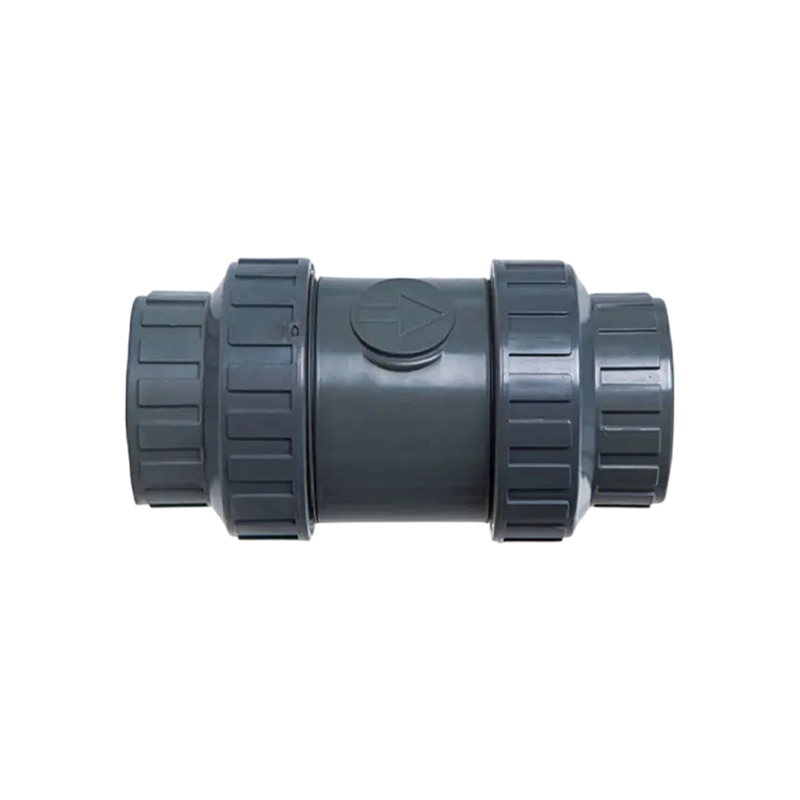
In modern sewage treatment systems, check valves play a critical role as one of the key control devices. Their main function is to prevent backflow of the medium and ensure the stable operation of the system. Proper design and selection of check valves not only enhance the efficiency of equipment but also reduce maintenance costs and extend the service life of the equipment. This article will elaborate on the application of check valves in sewage treatment systems from a professional perspective.
Basic Function and Principle of Check Valve
A check valve is an automatic control valve primarily used to prevent the backflow of fluid in pipes. It works by opening and closing automatically based on the flow direction of the fluid. Check valves rely on the dynamic force of the fluid itself to operate, without the need for external manipulation. This makes check valves an indispensable component in sewage treatment systems.
Application of Check Valve in Sewage Treatment Systems
Preventing Sewage Backflow
In sewage treatment processes, sewage often needs to be transported through pumping stations to various treatment units. If a pump station stops or if there is a failure in equipment, backflow of sewage may occur. The function of a check valve is to prevent this backflow, ensuring that sewage does not flow backward into the system, thus avoiding contamination or damage to the equipment.
Controlling Pipeline Pressure
Sewage treatment systems usually operate under high pressure in pipelines. In some cases, a sudden change in pressure may occur, causing a phenomenon known as water hammer. The installation of check valves can effectively alleviate water hammer by controlling the reverse flow and reducing the impact on pipes and equipment, protecting them from damage.
Optimizing Pump Station Efficiency
Check valves ensure that sewage flows in the correct direction when the pump station starts or stops. During startup, the check valve opens automatically to allow sewage to flow smoothly, while during shutdown, it closes to prevent backflow into the pump station system. This process not only enhances the pump station’s efficiency but also prevents damage or energy waste caused by sewage backflow.
Protecting Equipment and Pipelines
In sewage treatment systems, pumps, filters, and other critical equipment have specific requirements regarding fluid flow direction. If backflow occurs, equipment may not function properly or may be damaged. The installation of check valves helps protect these key components, reducing damage caused by reverse flow.
Reducing Maintenance Costs
Check valves play an important role in extending the service life of pipes and equipment by preventing backflow. Regular maintenance and inspection ensure that the check valve operates properly, reducing unnecessary repairs and replacements, thus lowering the overall maintenance costs of the sewage treatment system.
Types of Check Valves and Selection
The choice of the right type of check valve is crucial in sewage treatment systems. Common types of check valves include:
- Spring Check Valve: Suitable for medium and small sewage treatment systems, offering good sealing performance to effectively prevent sewage backflow.
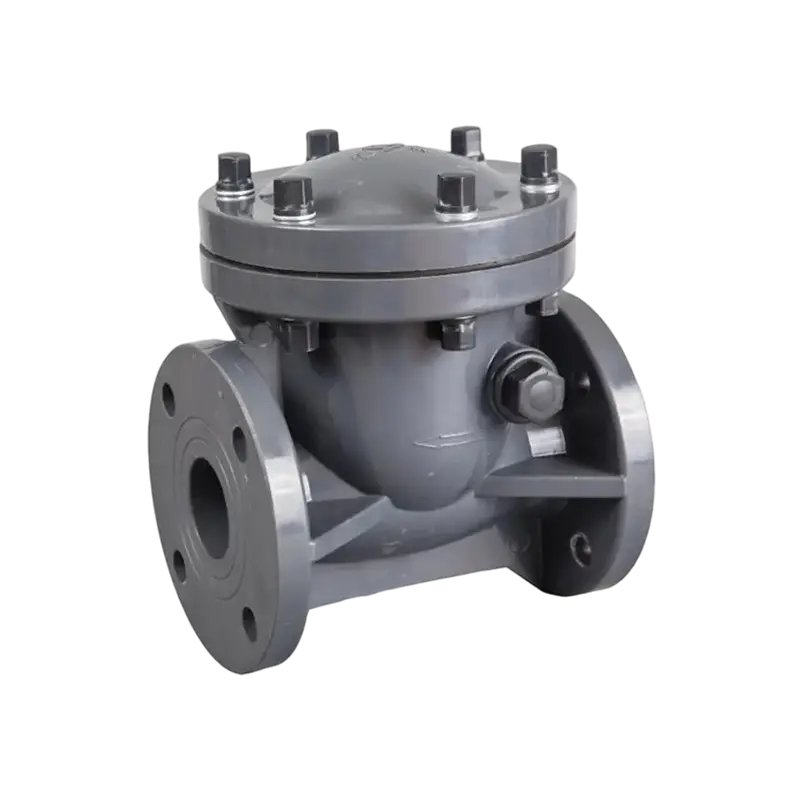
- Swing Check Valve: Mainly used for large-flow pipelines, providing stable unidirectional flow control under high flow conditions.
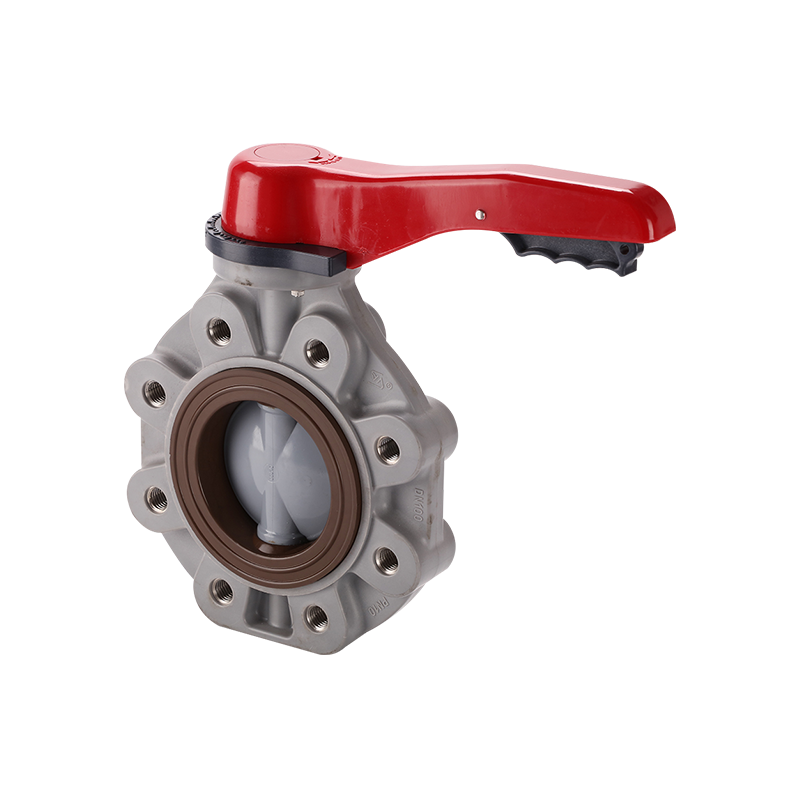
- Wafer Check Valve: Typically used in larger sewage treatment systems, offering high pressure resistance for use in harsh environments.
When selecting a check valve, factors such as operating pressure, flow rate, and medium properties should be comprehensively considered to ensure that the valve can operate stably in the system over the long term.
Installation and Maintenance of Check Valves
Check valves should be installed as close to the pumping station or other critical equipment as possible to ensure they function effectively where needed. During installation, care must be taken to ensure that the flow direction of the check valve matches the direction of the pipeline to avoid incorrect installation.
During operation, check valves should be regularly inspected for sealing performance and to ensure that the valve disc is not obstructed by dirt or sediment. Regular cleaning of check valves and checking their action for smoothness can prevent valve failure. For frequently used sewage treatment systems, regular maintenance of check valves is especially important.