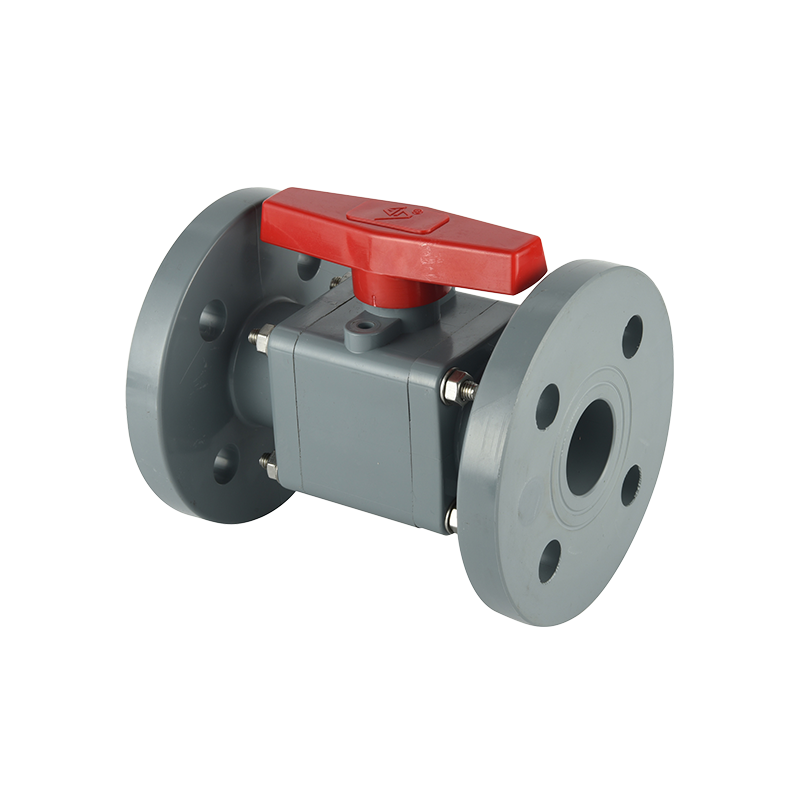
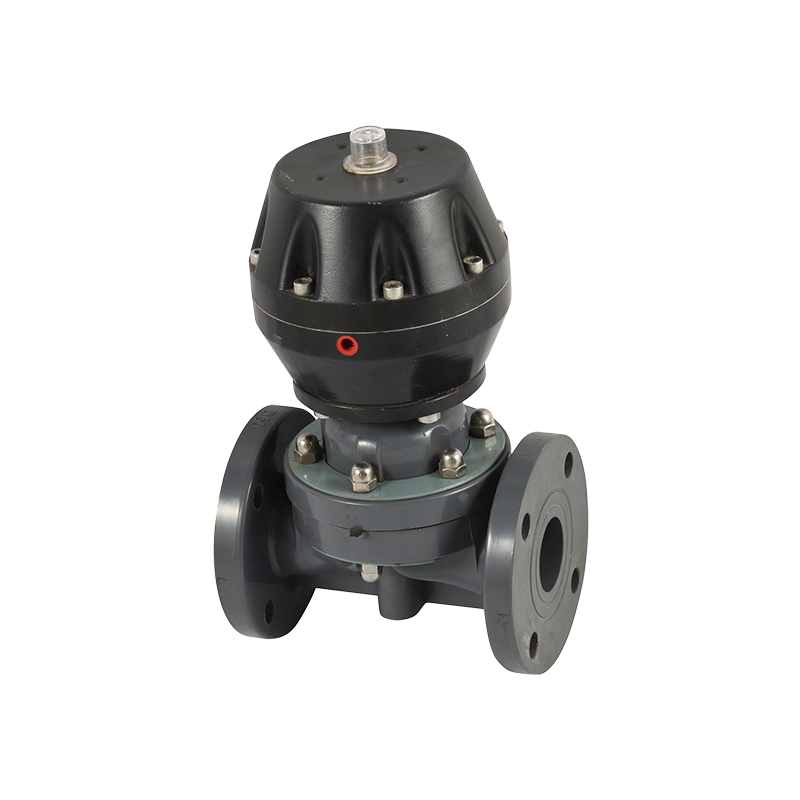
Manual Ball Valves are widely deployed in industrial pipelines, prized for their fast quarter-turn operation and excellent sealing capabilities. Nevertheless, like all mechanical devices, they require stringent periodic maintenance. From a professional engineering perspective, the deterioration and failure of ball valves often concentrate on a few critical components that continuously endure mechanical stress, fluid impact, and thermal cycling. Understanding these highly susceptible wear parts is fundamental to developing an effective and proactive maintenance strategy.
1. Valve Seats: The Frontline of Sealing and Fluid Impact
The seats are the single most important component enabling the ball valve’s core function: isolating the fluid flow. They are the first internal parts to contact the medium and bear some of the highest operational stresses.
-
Soft Seats (Polymer/Elastomer): These constitute the most common wear parts in standard ball valves. They are typically fabricated from Polytetrafluoroethylene (PTFE), reinforced PTFE (RPTFE), or other elastic polymers.
-
Wear Mechanism: Friction wear occurs between the ball and the seat during every cycling operation (opening and closing). Under high temperature or high-differential pressure conditions, the soft seat material may undergo cold flow or plastic deformation. This reduces its elastic recovery properties, ultimately leading to sealing failure.
-
Fluid Erosion: If the medium contains solid particles (such as slurry or crystallization compounds), the high-velocity fluid flow causes the particles to abrade the seating surface. This results in the formation of grooves and scratches, which are the primary pathways for internal leakage.
-
Metal Seats (Hard-faced): These are utilized for severe service applications involving high temperatures, high pressures, or highly abrasive media.
-
Wear Mechanism: Despite their high hardness (often achieved with Stellite or Tungsten Carbide coatings), adhesive wear or fretting can occur between the metal seating surfaces during cycling. If the medium carries hard solid particles, these can cause galling or deep scoring of the metal surface.
2. Stem Packing: The Fatigue Zone of the Dynamic Seal
The valve stem is the only dynamic sealing component within the ball valve, tasked with preventing media leakage from the flow path to the external environment. Failure of the stem packing (typically graphite rings, PTFE V-rings, or composite sets) is the leading cause of valve external leakage (fugitive emissions).
-
Mechanical Stress Fatigue: The stem rotates 90 degrees within the packing set during every valve cycle. This repetitive rotation and compression subjects the packing material to constant shear stress. Over time, this leads to the loss of packing elasticity, a decrease in density, and the creation of leakage paths.
-
Thermal and Chemical Attack: Packing materials must endure fluctuations in media temperature. Prolonged exposure to high temperatures causes materials like PTFE to age and harden. Simultaneously, if the packing material reacts chemically or undergoes swelling when exposed to the media (e.g., strong acids or bases), its sealing performance degrades rapidly.
-
Frictional Wear: Friction between the stem surface and the packing material consumes the packing material itself. It can also increase the surface roughness of the stem, which further accelerates packing wear and failure.
3. The Ball: Subject to Surface Degradation and Abrasion
The ball is the heart of the ball valve, and its surface quality is paramount to sealing performance. Although the ball itself is typically constructed from robust metallic material, its surface finish or specialized coating is highly vulnerable to damage.
-
Sealing Surface Scour: If the ball valve is improperly operated in a partially open position (i.e., incorrect throttling), the high-velocity fluid flow creates a "jetting" effect that aggressively scours the sharp edge of the ball port. This scour can rapidly destroy the hardened layer or the highly polished precision finish of the ball surface.
-
Particle Entrapment: For valves handling slurries or particulate-laden media, solid particles can be trapped and crushed between the ball and the seat during the closing stroke. This action causes permanent pitting or radial scoring on the ball surface. Such defects directly compromise the valve's seal integrity and induce internal leakage when closed.
-
Corrosion: In corrosive media, if the ball material selection is inadequate or the protective coating is breached, the ball surface may suffer from pitting corrosion or uniform corrosion. Any increase in surface roughness accelerates seat wear and triggers leakage.
4. The Stem: Concentrated Torque and Mechanical Fatigue
The valve stem serves as both the dynamic sealing interface and the core component for transmitting torque from the actuator or manual handle.
-
Key/Pin or Spline Wear: The connection points between the stem and the handle or actuator bear the entirety of the operational torque. As the number of cycles increases, the fit clearance at these connection points gradually increases. This leads to operational lag, reduced torque transfer efficiency, and potential failure due to fatigue fracture.
-
Bending and Shear Stress: When excessive operating torque is applied (e.g., forcing a stuck valve), the stem can be subjected to extreme shear stress at the packing region or connection point. This can result in minor bending of the stem, which immediately compromises the precision fit between the stem and the packing set, thereby initiating external leakage.
-
Surface Finish Changes: Constant friction with the packing material can polish or microscopically scratch the stem's surface in the sealing zone. Any degradation in surface integrity directly impacts the effectiveness and lifespan of the packing seal.