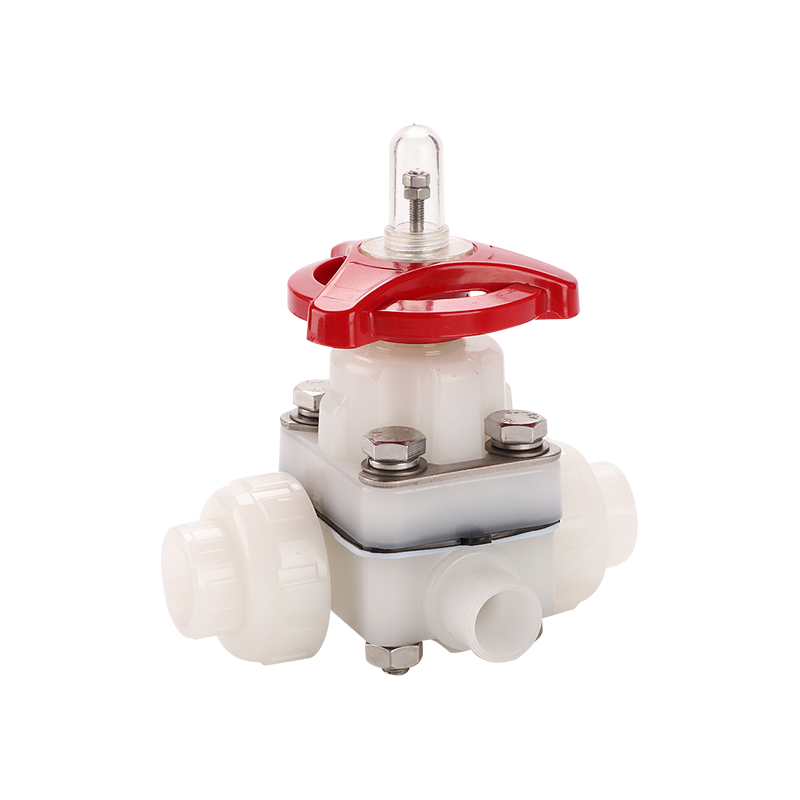
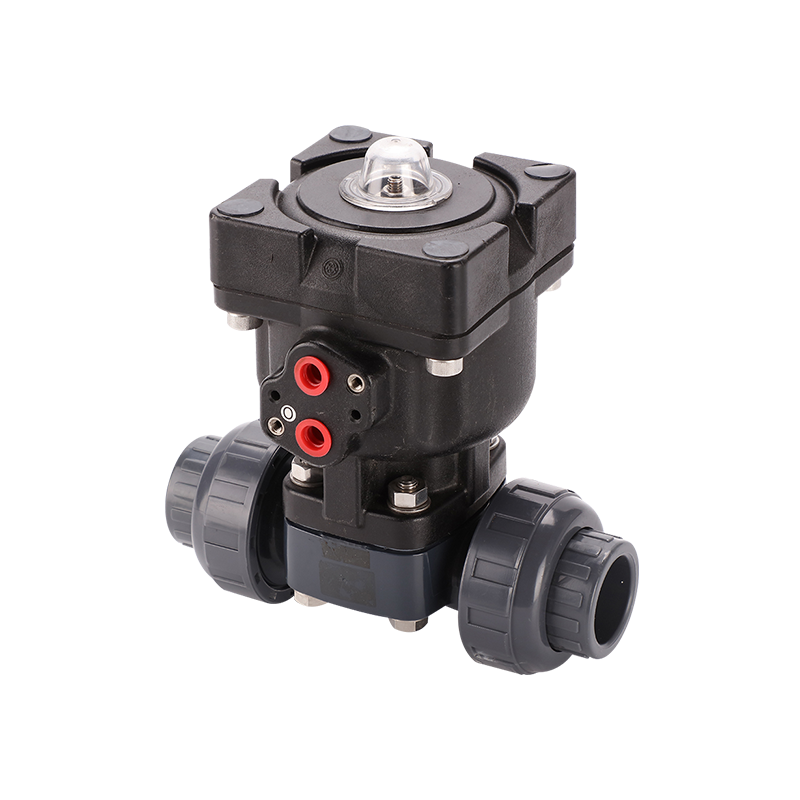
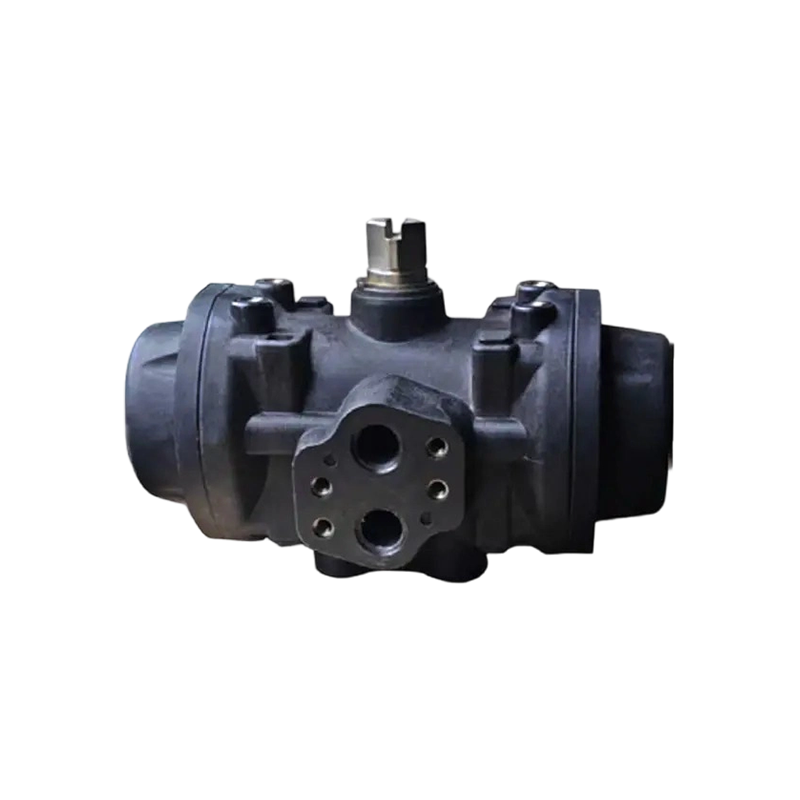
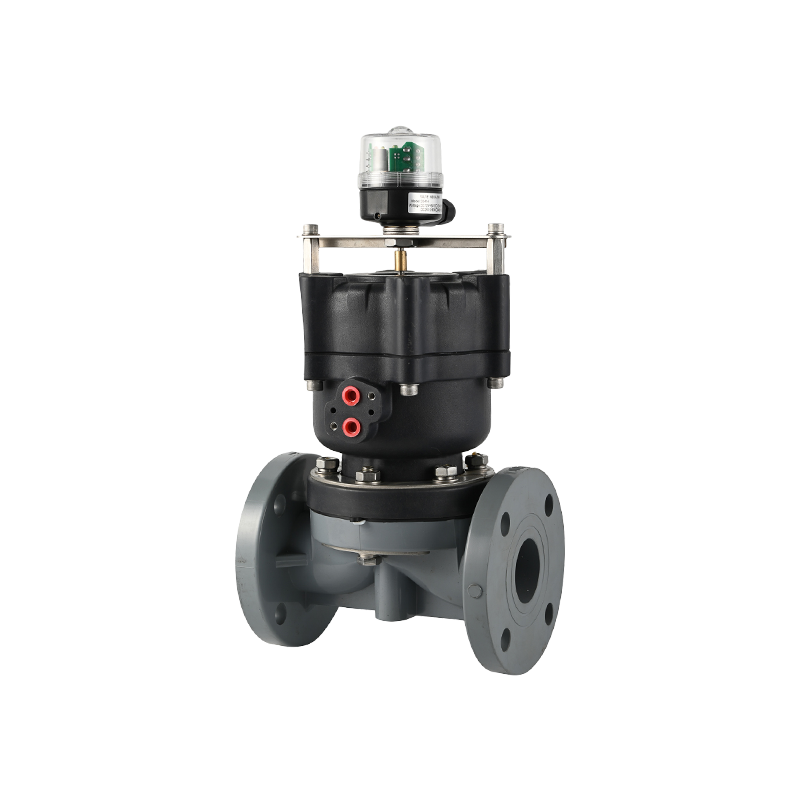
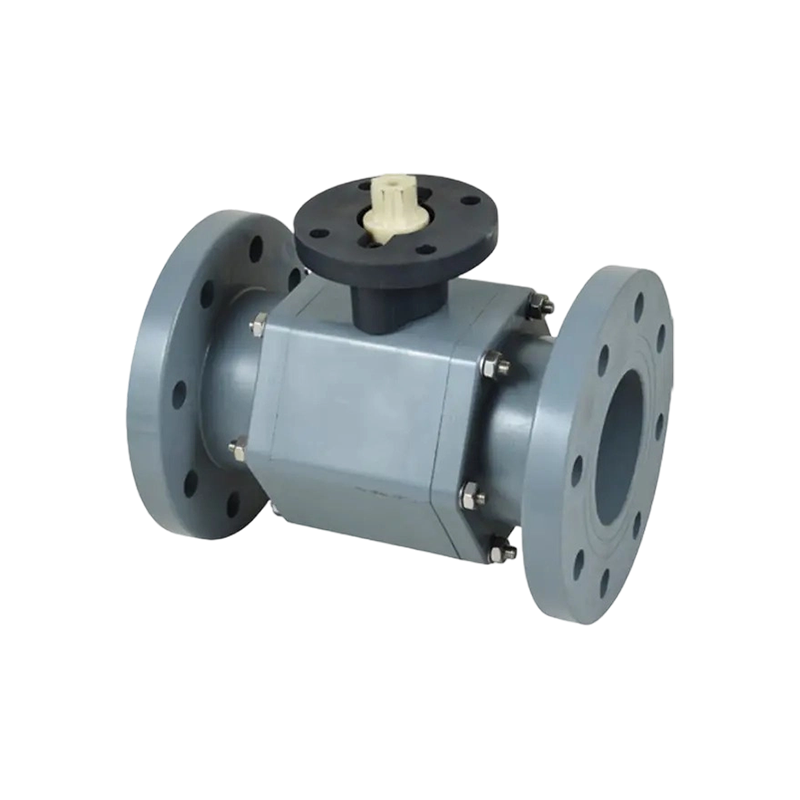
Flanged diaphragm valves are widely used in chemical processing, pharmaceuticals, water treatment, and high-purity industries. When applied in vacuum systems, operating conditions differ fundamentally from pressure service. Load direction, sealing behavior, and material stress states change significantly. If these differences are not fully considered, hidden risks may arise that affect sealing reliability, system stability, and operational safety. Vacuum service requires a professional evaluation of both structural design and material performance.
Reverse Pressure Loading on the Diaphragm
In vacuum conditions, the diaphragm is subjected to external atmospheric pressure rather than internal media pressure. This reverse pressure loading causes the diaphragm to be continuously drawn toward the valve cavity. Stress distribution shifts toward the diaphragm center and clamping perimeter.
Elastomer diaphragms with high flexibility may experience excessive deformation under sustained vacuum. Localized stretching can lead to material thinning, permanent set, or loss of sealing contact with the valve weir or seat. Multi-layer diaphragms may suffer internal delamination if bonding quality is insufficient. These risks increase with higher vacuum levels and larger valve sizes.
Gas Permeation Characteristics of Diaphragm Materials
Vacuum systems impose stringent leakage rate requirements. Even when macroscopic sealing appears intact, microscopic gas permeation through diaphragm materials can compromise vacuum stability. Common elastomers such as EPDM or NBR exhibit measurable gas permeability, which may be acceptable in pressure systems but problematic in vacuum applications.
PTFE diaphragms offer superior resistance to gas permeation. Pure PTFE, however, lacks elasticity and relies on backing layers or mechanical support to maintain sealing force. Inadequate backing material selection may result in poor compensation under vacuum-induced deformation, reducing long-term sealing reliability.
Valve Body Rigidity Under External Pressure
Flanged diaphragm valves operating in vacuum are exposed to external pressure loads acting on the valve body. Cast iron or thin-wall valve bodies may experience slight elastic deformation under these conditions. Such deformation may appear negligible but can disrupt the precise alignment between diaphragm and valve seat.
Large-diameter valves face higher structural stress due to increased surface area exposed to atmospheric pressure. Weir-type diaphragm valves introduce additional internal geometry that may concentrate stress in specific regions. Forged or heavy-wall stainless steel valve bodies offer improved resistance to external pressure deformation and provide greater dimensional stability in vacuum service.
Flange Sealing Performance in Vacuum Conditions
Flange connections behave differently under vacuum than under positive pressure. In pressure service, internal pressure assists gasket seating. In vacuum service, sealing relies entirely on bolt preload and external pressure acting on the gasket.
Minor imperfections on flange sealing surfaces, such as machining marks or scratches, become critical leakage paths. Soft gaskets may undergo cold flow under sustained compression, while metal gaskets demand precise preload control to achieve effective sealing. Uneven bolt tightening may cause flange distortion, reducing gasket effectiveness and increasing leak risk.
Internal Geometry and Gas Trapping Risks
Vacuum systems are sensitive to trapped volumes and outgassing. Internal dead zones within diaphragm valves can retain gas pockets or volatile residues. During evacuation, these trapped gases are slowly released, affecting vacuum level stability and pump-down time.
Straight-through diaphragm valve designs allow more efficient evacuation and minimize internal retention. Weir-type designs may introduce localized cavities if not properly engineered. Surface roughness also plays a role, as rough surfaces adsorb gases more readily, increasing desorption during vacuum operation.
Actuator Sealing and Lubrication Compatibility
Although actuators are typically located outside the vacuum boundary, stem seals may be exposed to vacuum on one side. Standard lubricants may volatilize under reduced pressure, allowing vapors to migrate into the vacuum system.
Seal materials not rated for vacuum compatibility may harden, shrink, or lose elasticity over time. These changes allow air ingress along the stem path. Low-vapor-pressure lubricants and vacuum-rated sealing materials reduce contamination and leakage risks in critical applications.
Long-Term Material Aging Under Vacuum Stress
Vacuum service often involves extended static operation, with valves remaining open or closed for long periods. Under constant reverse pressure loading, diaphragm materials may exhibit creep or stress relaxation. Initial performance may appear stable while internal material degradation progresses unnoticed.
Thermal cycling or operational disturbances can trigger sudden seal failure after prolonged exposure. Material aging under vacuum conditions tends to be less visually apparent, increasing maintenance challenges and inspection intervals.
Industry-Specific Performance Expectations
High-vacuum applications in semiconductor manufacturing, fine chemicals, and pharmaceutical production impose strict standards on material purity and structural integrity. Diaphragm materials must be compatible with vacuum environments and free from extractables or volatile compounds.
Valve body design must maintain dimensional accuracy under external pressure loads. Flange systems must ensure consistent sealing without reliance on internal pressure compensation. Comprehensive evaluation of diaphragm composition, body rigidity, and sealing interfaces is essential for dependable vacuum operation.