The Engineering Logic Behind Butterfly Valve Selection
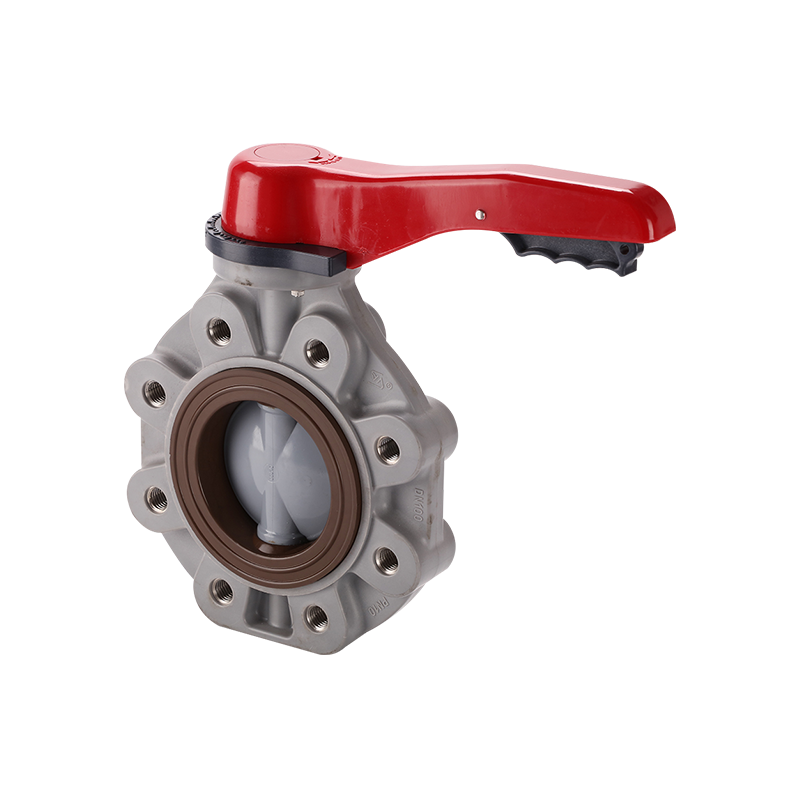
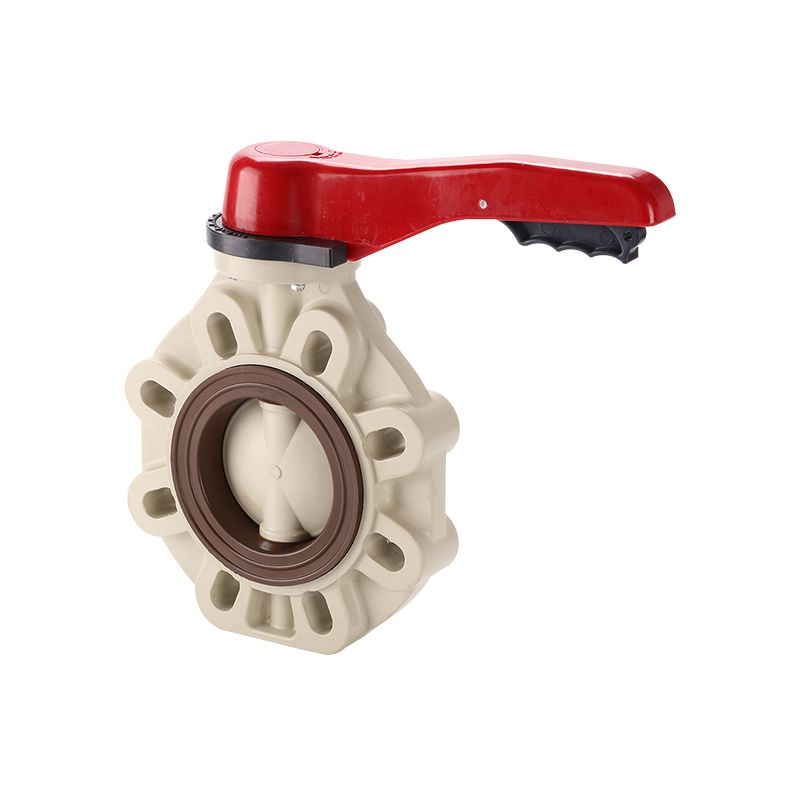
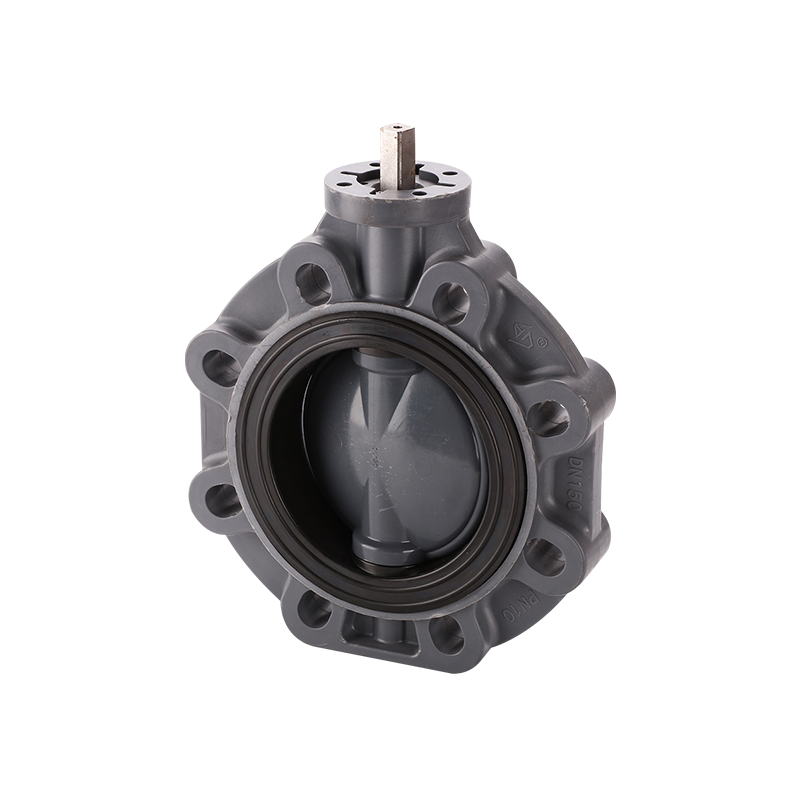
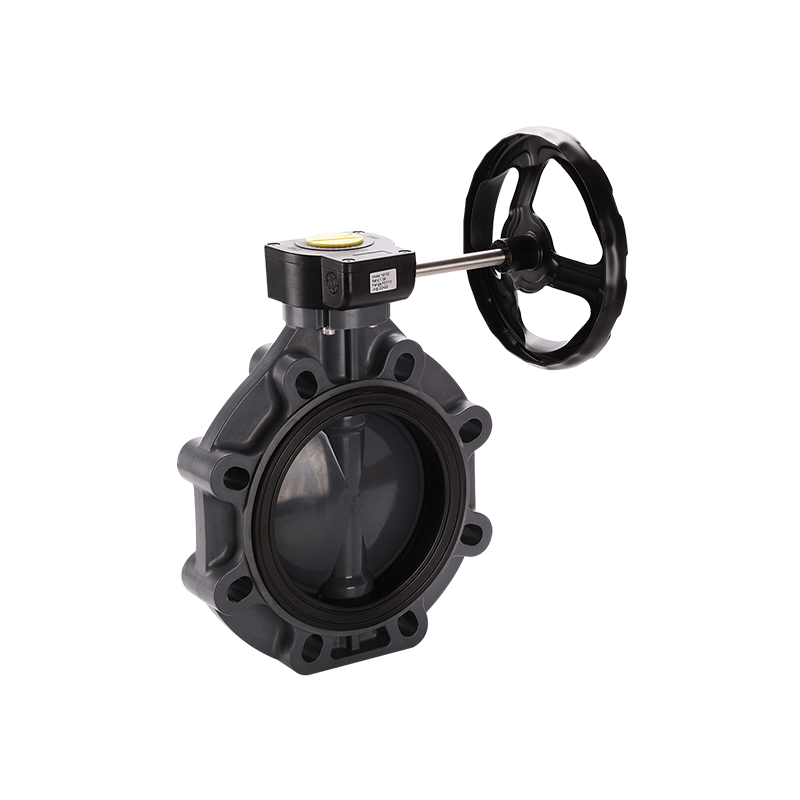
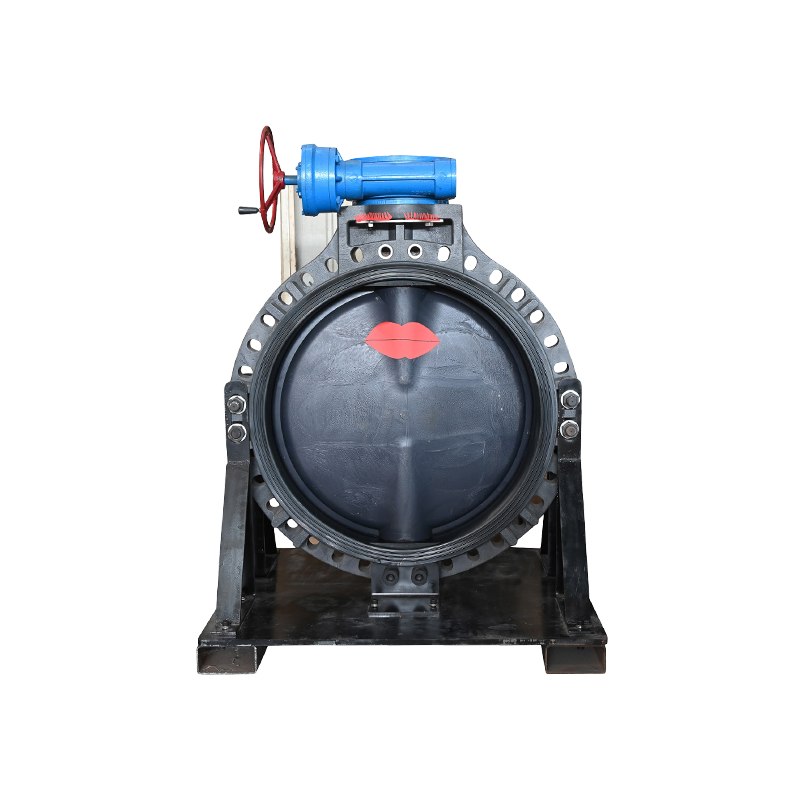
The butterfly valve has established itself as a cornerstone of modern fluid control due to its simple yet effective design. Its primary mechanism involves a circular disc—positioned in the center of the pipe—that rotates on a shaft. A 90-degree turn moves the valve from fully open to fully closed.
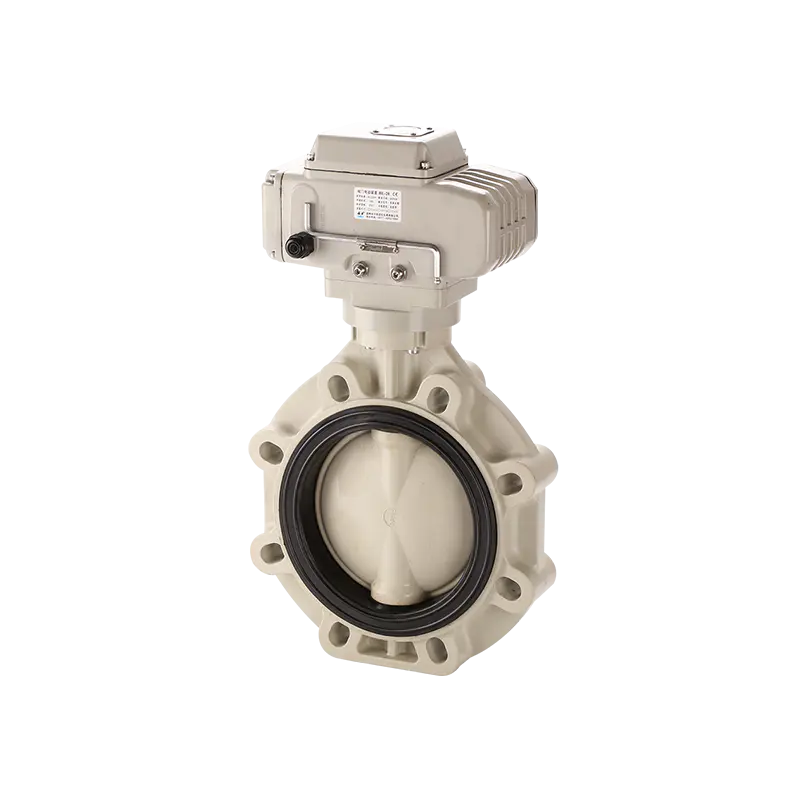
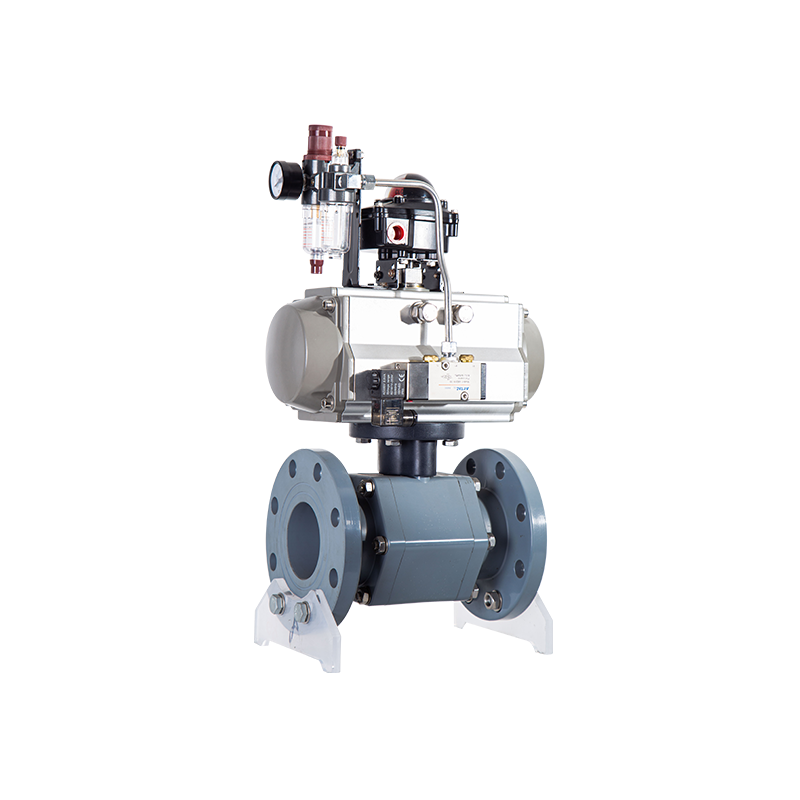
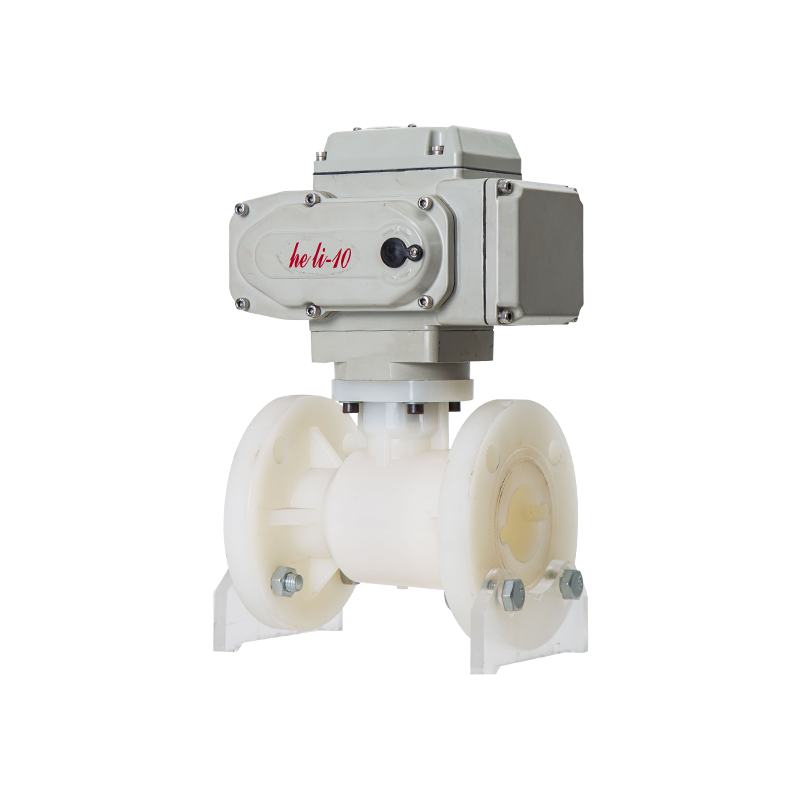
As industries move toward Industry 4.0, manual operation is increasingly replaced by the Automatic Butterfly Valve. By integrating pneumatic, electric, or hydraulic actuators, these valves enable remote, high-precision control within automated systems such as water treatment, chemical processing, and HVAC.
The Shift to Automation
The core value of the Automatic Butterfly Valve lies in its "executability." In modern plants, thousands of valves must react simultaneously to sensor data regarding pressure, flow, and temperature. Compared to manual versions, the Automatic Butterfly Valve offers:
- Response Consistency: Actuators ensure that every stroke occurs at the same speed and torque, eliminating human error.
- Safety: When handling corrosive or high-pressure media, an Automatic Butterfly Valve allows operators to manage the flow from a safe distance.
- Complex Logic Integration: Linked with PLC or DCS systems, the Automatic Butterfly Valve can perform Emergency Shut-Down (ESD) or precise PID regulation.
The Primary Hurdle: The "Disc-in-Flow" Constraint
Despite its compact design, the butterfly valve has a fundamental physical limitation: the disc remains in the flow path even when fully open. This distinguishes its fluid dynamic behavior from gate or ball valves.
Permanent Flow Obstruction and Pressure Drop
When an Automatic Butterfly Valve is 100% open, the fluid must pass around the disc and the shaft. This creates a permanent obstacle in the pipeline, causing kinetic energy to be lost as heat and noise, resulting in a significant Pressure Drop.
Impact on Energy and Pumping Costs
Over long-term operation, the pressure loss caused by an Automatic Butterfly Valve is substantial. To maintain the required terminal pressure, system pumps must consume additional electricity to overcome the valve's resistance.
The table below compares the typical Flow Resistance Coefficient (zeta) of different valve types; a higher value represents greater resistance:
| Valve Type |
Typical Resistance Coefficient |
Flow Path Condition |
| Full Bore Ball Valve |
0.05 - 0.1 |
Virtually no resistance |
| Gate Valve |
0.1 - 0.2 |
Clear flow path |
| Automatic Butterfly Valve |
0.5 - 2.0 |
Disc creates constant drag |
| Globe Valve |
5.0 - 10.0 |
Very high resistance |
Flow Coefficient Cv Comparison
Flow Coefficient Cv is a key metric for measuring a valve's flow capacity. For valves of the same diameter, the Cv value of an Automatic Butterfly Valve is usually lower than that of a ball valve, meaning it allows less fluid to pass under the same pressure differential.
Parameter Comparison (based on 4-inch / DN100 size):
| Performance Metric |
Automatic Butterfly Valve (DN100) |
Full Bore Ball Valve (DN100) |
| Flow Coefficient Cv |
Approx. 450 - 600 |
Approx. 1000 - 1200 |
| Open Pressure Loss |
Higher |
Extremely Low |
| Flow Geometry |
Obstructed |
Equal Diameter/Clear |
| Pigging Capability |
Not Supported |
Supported |
Cavitation and Turbulence Risks
In automated systems, an Automatic Butterfly Valve is often used for throttling. However, its geometry makes it susceptible to cavitation and severe turbulence when operating under high pressure differentials.
Non-Ideal Regulation Curve
Ideally, a control valve should have linear or equal-percentage characteristics. An Automatic Butterfly Valve, however, typically exhibits an S-shaped curve.
- The Dead Zone: Below 20 degrees of opening, the valve has almost no flow control capability, and the high-velocity jet through the tiny gap can erode the seat.
- Sensitivity Issues: Between 30 and 70 degrees, flow changes drastically with small movements. If the actuator of an Automatic Butterfly Valve lacks high resolution, it can lead to system instability.
The Destruction of Cavitation
As fluid accelerates through the narrow gaps of a partially open Automatic Butterfly Valve, local pressure can drop below the vapor pressure of the liquid, forming bubbles. When these bubbles move to a higher-pressure zone, they collapse violently, generating shockwaves.
Damage to Automated Systems:
- Mechanical Fatigue: Constant micro-explosions create pitting or honeycomb-like erosion on the disc.
- Actuator Load Instability: Unstable flow fields create fluctuating torque, forcing the Automatic Butterfly Valve actuator to hunt, which accelerates mechanical wear.
Sealing Limitations and Pressure Sensitivity
Sealing reliability is a major challenge for the frequently cycled Automatic Butterfly Valve. How to maintain a reliable seal while keeping the structure lightweight is a constant engineering hurdle.
Seat Wear and Torque Challenges
Butterfly valve sealing relies on the interference/compression between the disc edge and the seat.
- Soft Seats: Using EPDM or PTFE provides a bubble-tight seal but has limited temperature resistance.
- Metal Seats: Designed for high heat, these require extreme precision. During the closing of an Automatic Butterfly Valve, the friction between metal surfaces requires significant Breakaway Torque.
Pressure Rating Bottlenecks
Compared to ball valves, butterfly valves are more prone to disc deflection under high pressure differentials.
Sealing and Pressure Performance Table:
| Metric |
Soft-Sealed Automatic Butterfly Valve |
Triple Offset Metal Seat Valve |
High-Pressure Ball Valve |
| Max Pressure Class |
Usually Class 150 or below |
Up to Class 600 |
Up to Class 2500 |
| Sealing Principle |
Elastic Compression |
Geometric/Torque Seal |
Floating/Trunnion Ball |
| Operating Torque |
Low and Constant |
Increases with Pressure |
High |
| Bi-directional Seal |
Fair |
Excellent |
Excellent |
Maintenance and Material Longevity
The disc-in-flow design presents significant challenges when the Automatic Butterfly Valve handles non-clean fluids.
Abrasive Media and Slurries
When an Automatic Butterfly Valve attempts to close, solid particles can get trapped between the disc edge and the seat, scratching the sealing surface and causing permanent leaks or triggering automation system errors.
Fiber Entanglement
In wastewater or pulp industries, long fibers can snag on the disc or the shaft of the Automatic Butterfly Valve, leading to hang-ups that alter flow characteristics or prevent 90-degree rotation.
| Media Type |
Automatic Butterfly Valve Performance |
Full Bore Ball Valve Performance |
Recommendation |
| Clean Water/Air |
Excellent |
Excellent |
Choose Butterfly |
| Sandy/Raw Water |
Fair |
Good |
Choose Metal Seat |
| Pulp/Sewage |
Poor |
Excellent |
Choose Ball or Gate |
| High Viscosity Oil |
Poor |
Good |
Choose Ball |
The Evolution: How Automation Mitigates Disadvantages
Smart technology is now being used to compensate for the physical shortcomings of the Automatic Butterfly Valve.
Intelligent Positioners and Flow Optimization
Modern Automatic Butterfly Valve units utilize digital positioners to avoid the danger zones. Actuators can be programmed to move quickly through the 0-20 degree range to minimize erosion. Software can also adjust the input signal to make the non-linear flow of the butterfly valve behave linearly within the control loop.
Predictive Maintenance
By monitoring the torque required to move the valve, an Automatic Butterfly Valve can detect seat scaling or seal damage, providing alerts to reduce unplanned downtime.
Comparative Analysis: Butterfly vs. Ball vs. Gate
In large-scale engineering, choosing an Automatic Butterfly Valve is often a result of a trade-off between performance, space, and cost.
| Metric |
Automatic Butterfly Valve |
Automatic Ball Valve |
Automatic Gate Valve |
| Flow Geometry |
Obstructed |
100% Clear |
100% Clear |
| Size & Weight |
Very Small/Light |
Large/Heavy |
Very Tall |
| Operating Speed |
Fast (1-5s) |
Fast |
Very Slow |
| Pressure Loss |
Higher |
Extremely Low |
Extremely Low |
| Relative Cost |
1.0 (Baseline) |
Approx. 3.5 - 5.0 |
Approx. 2.0 - 2.5 |
Operational Best Practices
To minimize the disadvantages of an Automatic Butterfly Valve, installation logic is critical. It is recommended to keep at least 6 pipe diameters of straight pipe upstream and 4 pipe diameters downstream.
In media with sediments, install the Automatic Butterfly Valve with the shaft horizontal. This allows the flow to flush out debris from the bottom of the valve, preventing particles from collecting in the bearings and damaging the actuator.
FAQ
Why does an Automatic Butterfly Valve scream during low-flow regulation?
This is typically caused by choked flow and cavitation. It is recommended to keep the minimum control opening above 25%.
What is the lifespan of a soft-seated Automatic Butterfly Valve?
In clean water at room temperature, a high-quality Automatic Butterfly Valve design lifespan is typically 10,000 to 50,000 cycles.
How do you prevent an Automatic Butterfly Valve from failing to open under high pressure?
When sizing an Automatic Butterfly Valve, you must provide the maximum differential pressure and add at least a 30% safety margin to the actuator torque.
Can a butterfly valve completely replace a gate valve for isolation?
In low-to-medium pressure systems, yes. However, for high-pressure lines that require full-bore cleaning or have extremely low pressure loss requirements, the gate valve remains indispensable.