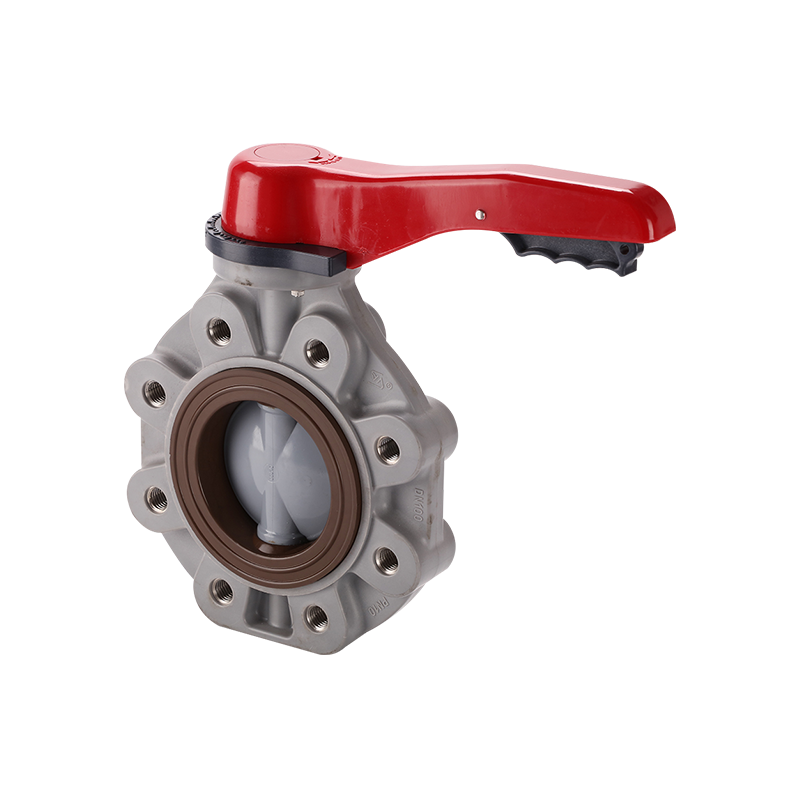
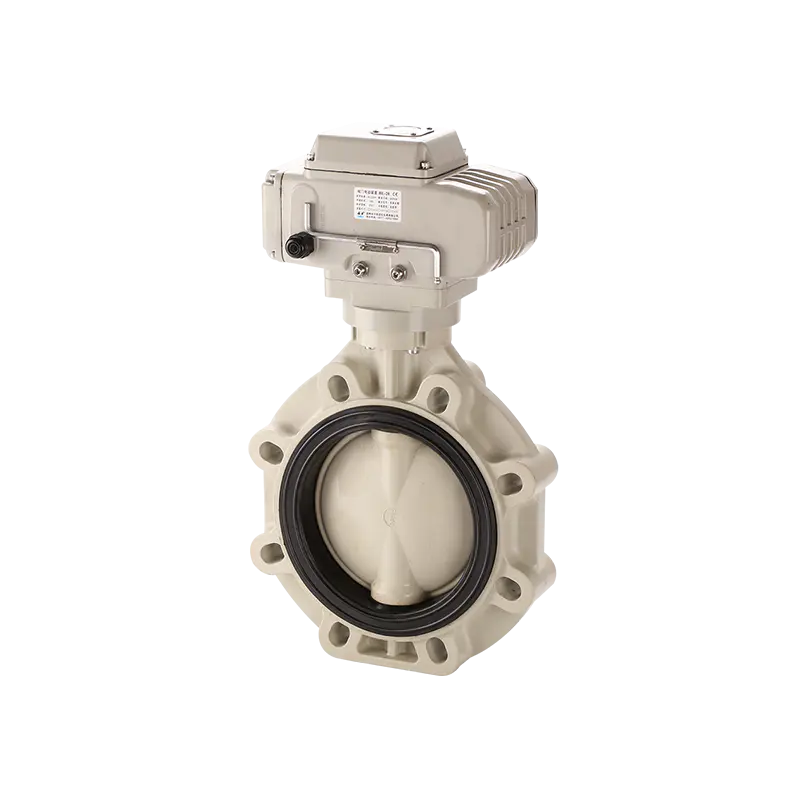
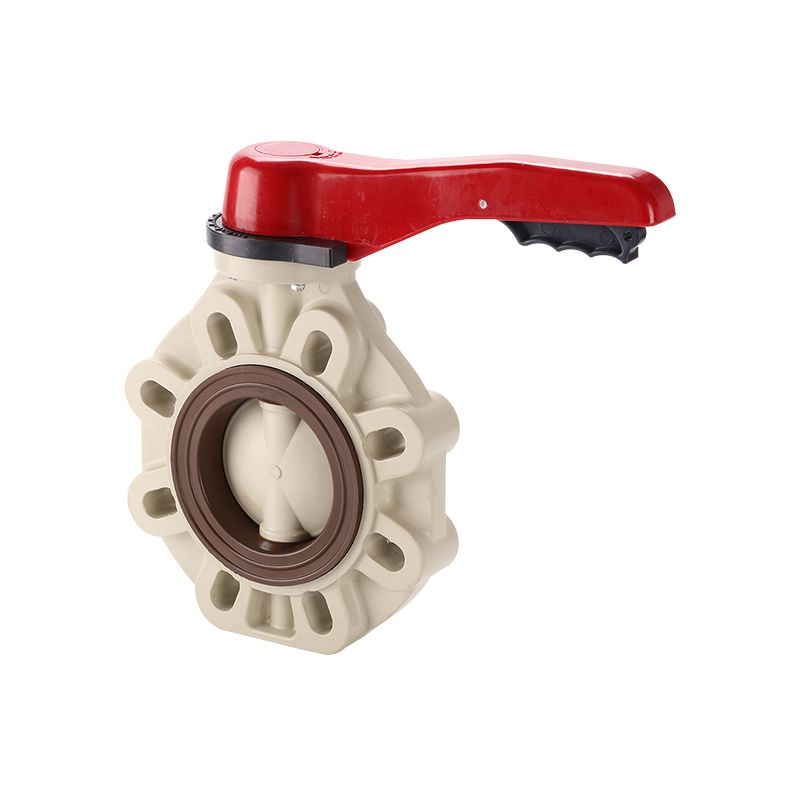
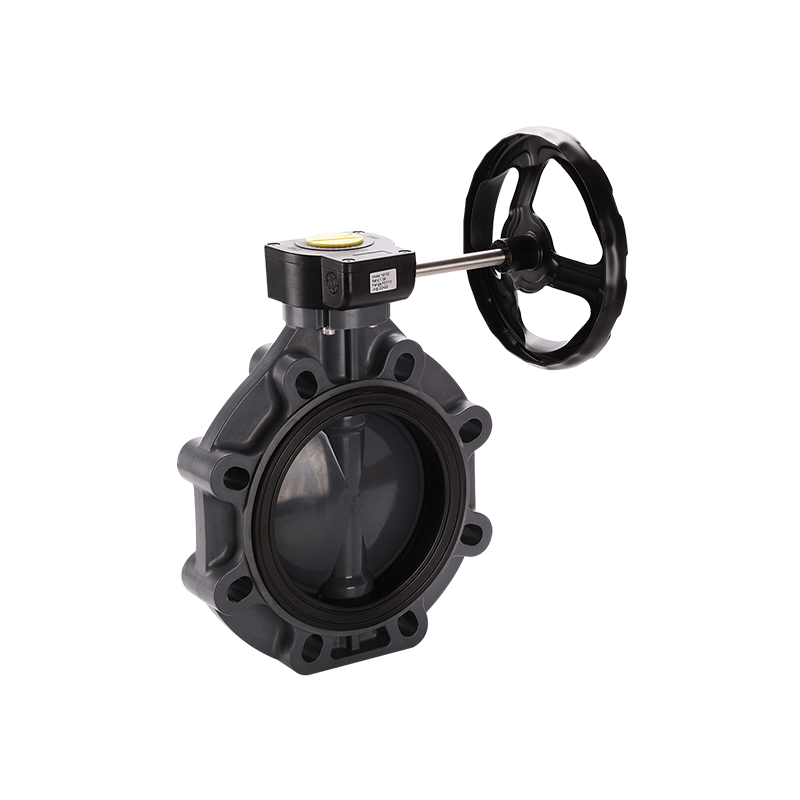
Automatic butterfly valves are widely used in industrial piping systems. Their performance and service life depend heavily on proper pre-installation inspection and preparation. Professional preparation can prevent operational failures, ensure system stability, and improve safety. This article provides a detailed overview of the key checks and pre-treatment steps required before installing automatic butterfly valves, offering guidance for engineers and technical personnel.
1. Visual and Packaging Inspection
Automatic butterfly valves can be affected during transportation and storage. Pre-installation visual inspection includes:
-
Checking the valve body, disc, stem, and actuator for any obvious dents, scratches, cracks, or deformation.
-
Inspecting packaging integrity to ensure no moisture, dust, or foreign materials have entered the valve cavity.
-
Verifying that the valve model, size, and pressure rating match the purchase order or project specification.
A thorough visual inspection is a fundamental step that helps identify potential damage early, preventing performance issues after installation.
2. Internal Valve Inspection
The internal structure of the butterfly valve is crucial for sealing performance and smooth operation. Pre-installation internal inspection includes:
-
Checking the disc for free movement and confirming it returns accurately to its closed position.
-
Inspecting the valve seat and sealing rings for damage or foreign objects.
-
Verifying the stem and bearings are properly lubricated and operate smoothly without sticking.
Internal inspection ensures that the valve will operate reliably after installation and prevents particles or debris from damaging the sealing surfaces.
3. Actuator and Accessory Check
The actuator directly affects the valve’s control precision and responsiveness. Before installation, the following should be verified:
-
The actuator type and specifications match the valve requirements.
-
Mechanical connections, including couplings, are properly installed and secure.
-
Electrical components are well-insulated, and pneumatic connections meet pressure specifications.
-
Actuator operation is smooth, and the full open/close angle corresponds to the valve.
Proper actuator inspection prevents control delays or inaccurate operation, enhancing overall system reliability.
4. Valve Cleaning and Pre-Treatment
Cleaning and pre-treatment are essential to maintain long-term valve performance:
-
Remove dust, debris, and packaging residues from the valve body using clean cloths or compressed air.
-
Apply light anti-rust oil on metal surfaces to prevent corrosion during short-term storage.
-
Lightly lubricate rubber or PTFE seals to prevent damage during assembly.
-
Confirm the disc moves freely across the full open and closed positions without scraping.
Cleaning and pre-treatment reduce wear from particles and contaminants, improving sealing performance and service life.
5. Pipeline Interface and Gasket Preparation
The quality of the pipeline interface directly affects valve installation:
-
Ensure flange surfaces are flat, free of burrs, rust, or welding residues.
-
Confirm that gaskets are compatible with the operating medium and temperature.
-
Measure flange spacing to ensure it matches the valve’s dimensions, preventing uneven stress or deformation.
-
Verify bolts and fasteners are complete and meet design specifications.
Proper interface preparation reduces stress concentration on the valve, ensures effective sealing, and enhances pipeline safety.
6. Functional Testing and Adjustment
Pre-installation functional testing identifies potential issues early:
-
Operate the valve manually or with the actuator to check smoothness and verify travel angles.
-
Confirm that position feedback devices or indicators function correctly.
-
For electric or pneumatic actuators, perform a no-load test to ensure smooth operation without abnormal noise or vibration.
-
Check lubrication and sealing pressure to ensure compliance with design requirements.
Functional testing provides early detection of problems, preventing failures that could affect production.
7. Documentation and Labeling
Proper documentation and labeling support professional valve management:
-
Mark the valve with its model, size, installation position, and media type.
-
Record inspection results, identified issues, and corrective actions taken.
-
Retain actuator wiring diagrams, operation manuals, and assembly instructions for reference during installation and maintenance.
Accurate documentation and labeling facilitate systematic management and support long-term maintenance planning.