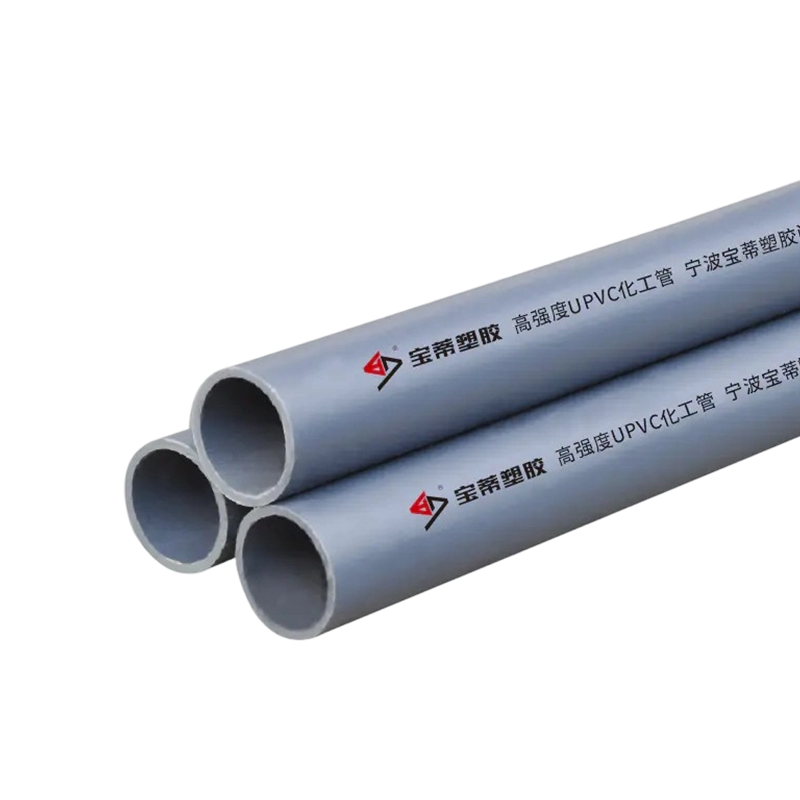
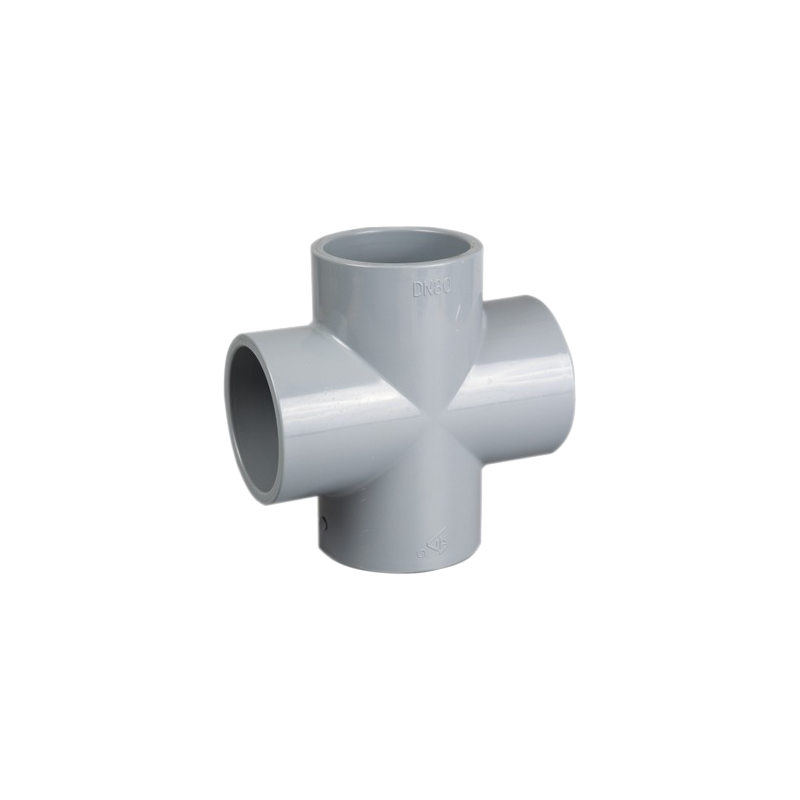
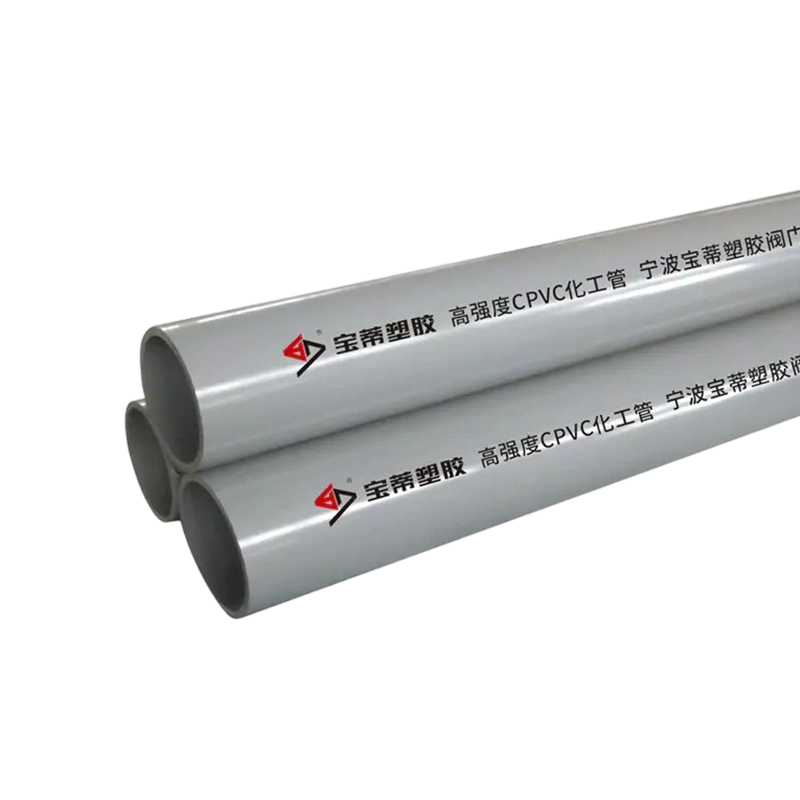
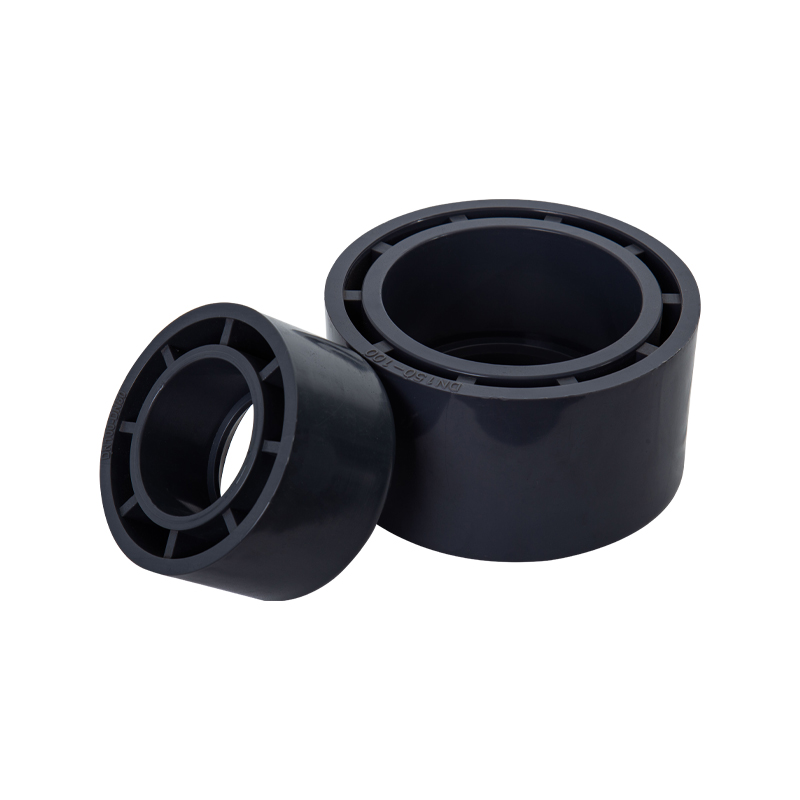
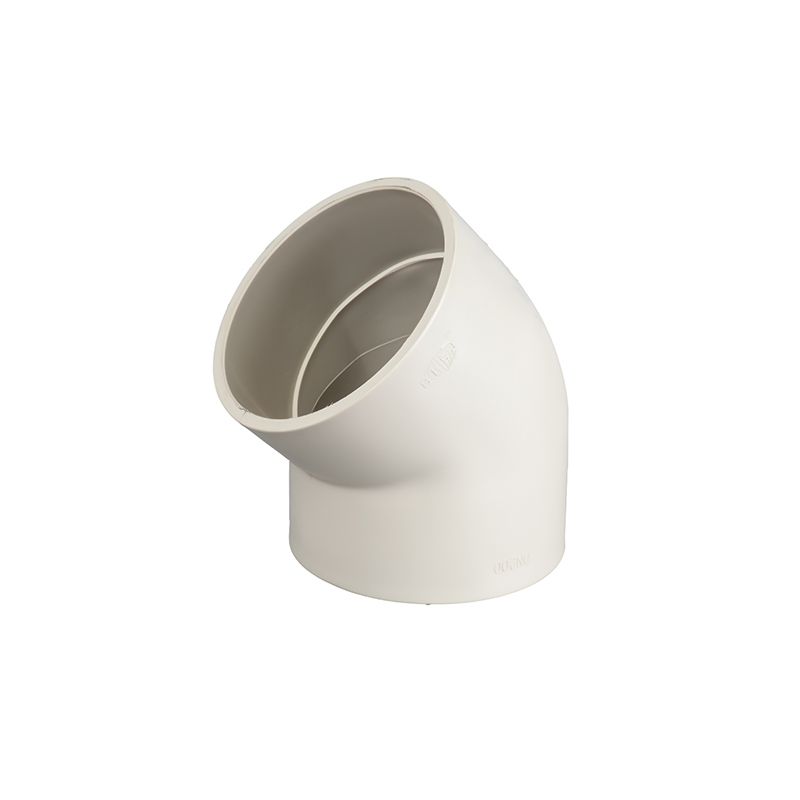
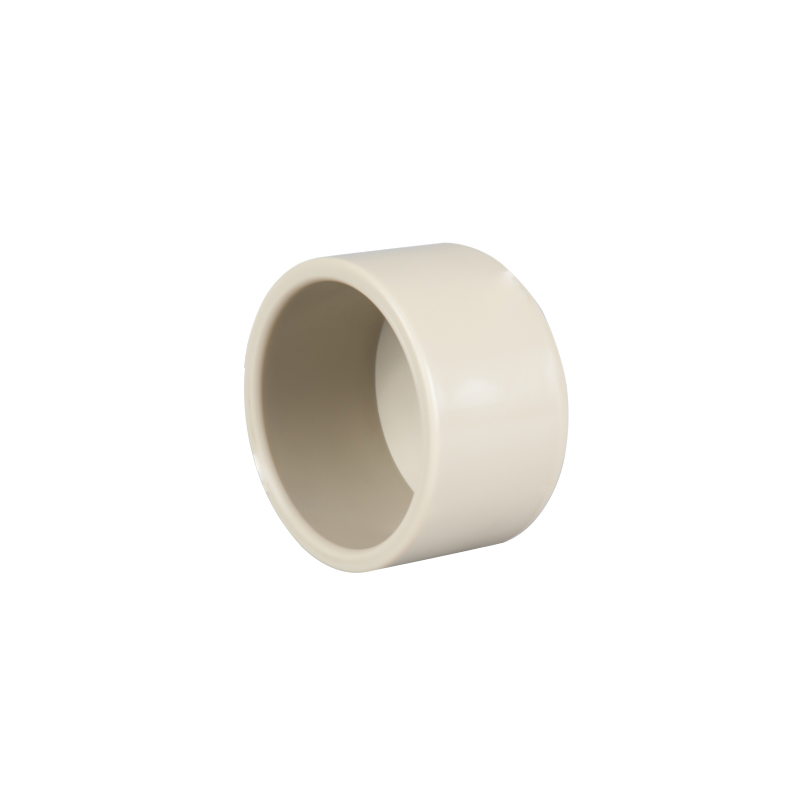
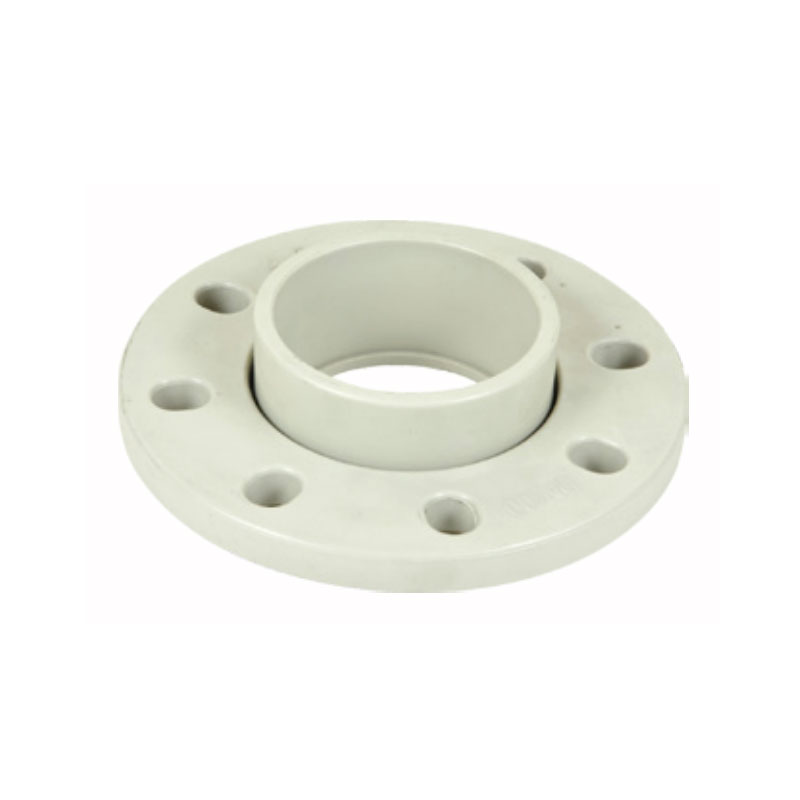
PPH (Polypropylene Homopolymer) pipes are widely recognized for their excellent corrosion resistance, high-temperature tolerance, and long service life. These properties make them ideal for various industrial applications, including fire protection systems. In this article, we will discuss the application of PPH pipes in fire protection systems and the special requirements that must be met to ensure reliable and safe operation.
1. Advantages of PPH Pipes in Fire Protection Systems
In a fire protection system, the choice of pipes is crucial, as the pipes are directly responsible for transporting water or other fire suppression agents. PPH pipes offer significant advantages in these systems due to their outstanding properties, including corrosion resistance, UV stability, and high-temperature capabilities.
First, PPH pipes are highly resistant to chemical corrosion, making them ideal for use in environments where aggressive chemicals are present. This is particularly beneficial in chemical plants or petrochemical industries, where fire protection systems are required to endure harsh conditions. Traditional metal pipes often suffer from corrosion over time, leading to leaks and pipe failures, whereas PPH pipes are more resilient to these issues.
Second, PPH pipes can withstand relatively high operating temperatures. Fire protection systems are often exposed to extreme temperatures, especially during a fire emergency. PPH pipes are designed to maintain their structural integrity and do not easily deform or rupture under elevated temperatures, making them suitable for fire suppression systems in high-temperature environments.
2. Special Requirements for PPH Pipes in Fire Protection Systems
Despite the numerous advantages, the installation and operation of PPH pipes in fire protection systems come with certain special requirements. These requirements are crucial to ensure the long-term stability and safety of the system.
(1) High-Temperature Performance
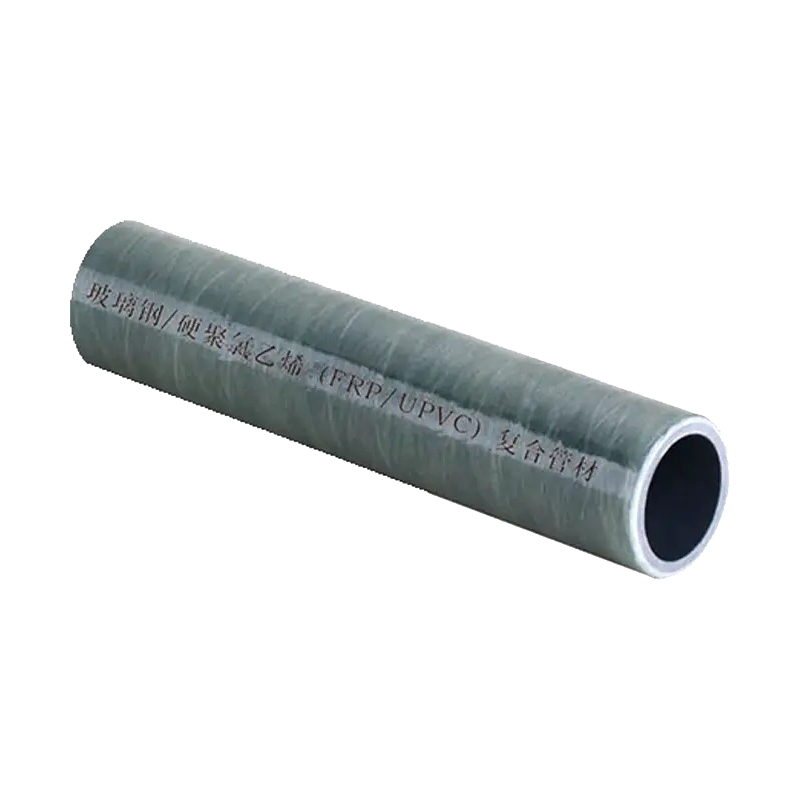
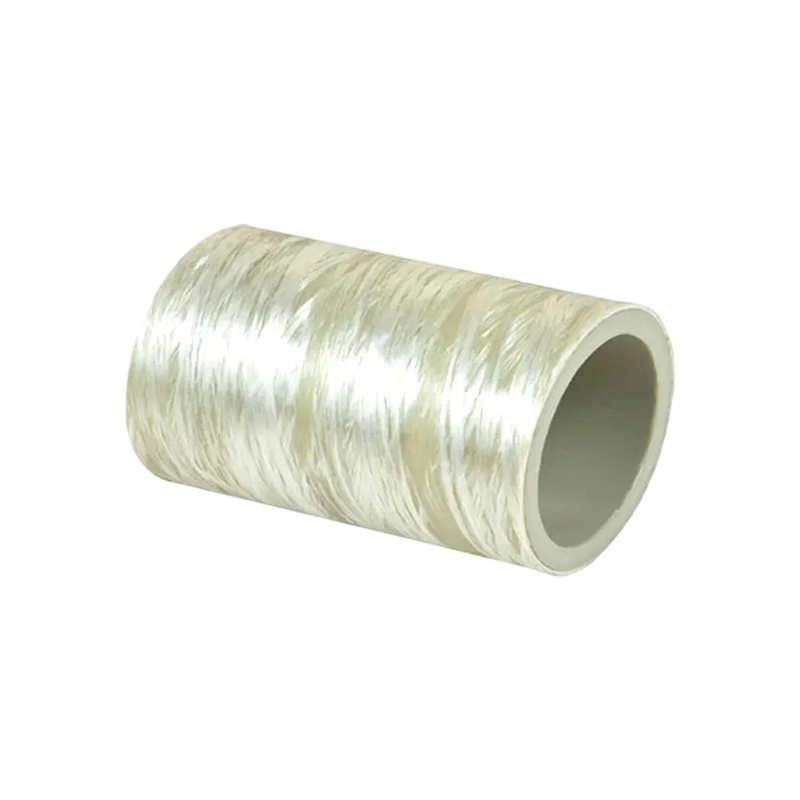
In a fire protection system, especially during a fire, the temperature of the water or other suppression agents can rise significantly. While PPH pipes offer good high-temperature resistance, their maximum operating temperature typically ranges from 90°C to 100°C. Therefore, PPH pipes are not suitable for systems that require exposure to extremely high temperatures for extended periods. In high-temperature environments, special design measures may be needed, such as incorporating temperature regulation systems or using composite pipes (e.g., PPH combined with other high-temperature resistant materials) to enhance the pipe's heat resistance.
(2) Impact Resistance
Fire protection system pipes may be subjected to external forces or vibrations during installation or operation, which could cause damage. While PPH pipes have good flexibility and impact resistance, they can still be vulnerable to damage under extreme pressure or temperature fluctuations. In fire protection systems, it is essential to ensure that the pipes are adequately supported and secured to avoid fracture or leakage due to external impacts or internal stresses. Properly designed support systems and flexible joints are necessary to maintain the pipe's structural integrity.
(3) Connection Methods
PPH pipes are commonly joined using heat fusion welding or electrofusion methods. In fire protection systems, the reliability and strength of the pipe joints are critical to preventing leaks or failures under pressure. All pipe connections must be welded according to strict standards, ensuring proper sealing. It is essential to control welding temperatures and times precisely to avoid weak welds that could compromise the system's safety.
(4) UV Resistance
While PPH pipes offer excellent chemical resistance, prolonged exposure to ultraviolet (UV) radiation can cause the material to degrade over time. In fire protection systems, especially those installed outdoors or in areas exposed to direct sunlight, the pipes may be vulnerable to UV degradation. To mitigate this, it is recommended to either use UV-resistant PPH materials or apply UV-protective coatings to prevent the pipes from weakening and becoming brittle due to UV exposure.
(5) Pipe Support and Fixation
PPH pipes have relatively low rigidity compared to metal pipes, meaning that proper pipe support and fixation are critical during installation. Insufficient support or uneven fixation can cause the pipes to bend, warp, or even break, especially when subjected to high pressure or thermal expansion. In fire protection systems, it is essential to design the pipe supports according to the pipe’s size, length, and the fluid’s pressure and flow rate. Adequate support is necessary to prevent damage and ensure the system operates efficiently.
3. Maintenance and Inspection of PPH Pipes in Fire Protection Systems
Regular inspection and maintenance are vital for the reliability of fire protection systems. For PPH pipes, maintenance tasks primarily involve checking pipe connections, supports, and identifying signs of wear, aging, or cracking. Pressure tests should be performed periodically to ensure that the system is leak-free and operating within the required pressure range. Any damaged or aging components should be replaced promptly to avoid system failure in the event of a fire.
Moreover, PPH pipes that have been exposed to chemicals or high temperatures for extended periods may exhibit signs of degradation. Regular monitoring and testing are essential to identify issues such as discoloration, cracking, or brittleness, which could compromise the system's performance during an emergency.