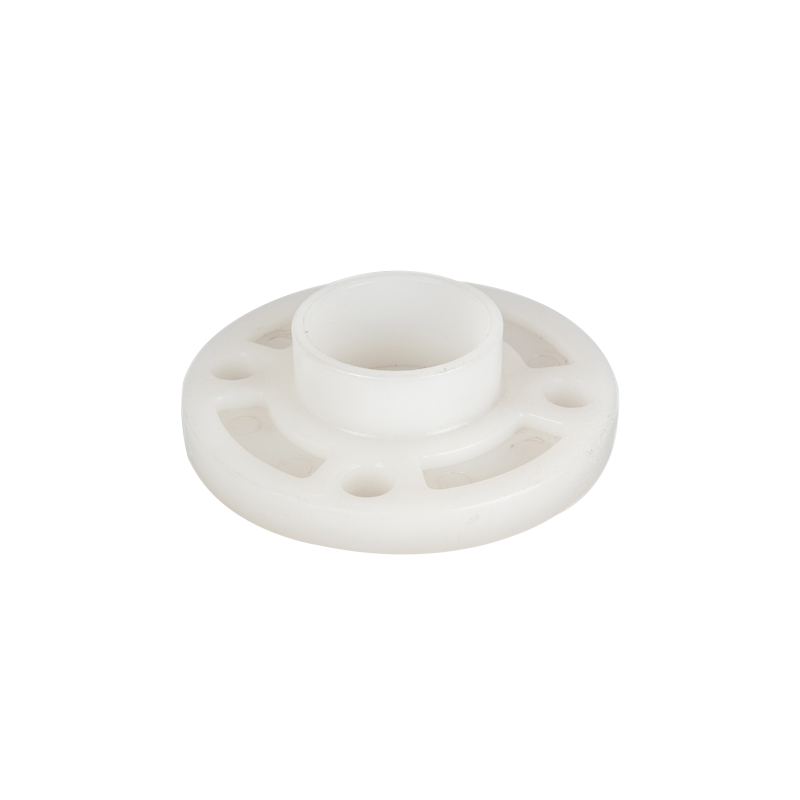
Socket (Slip) Connection
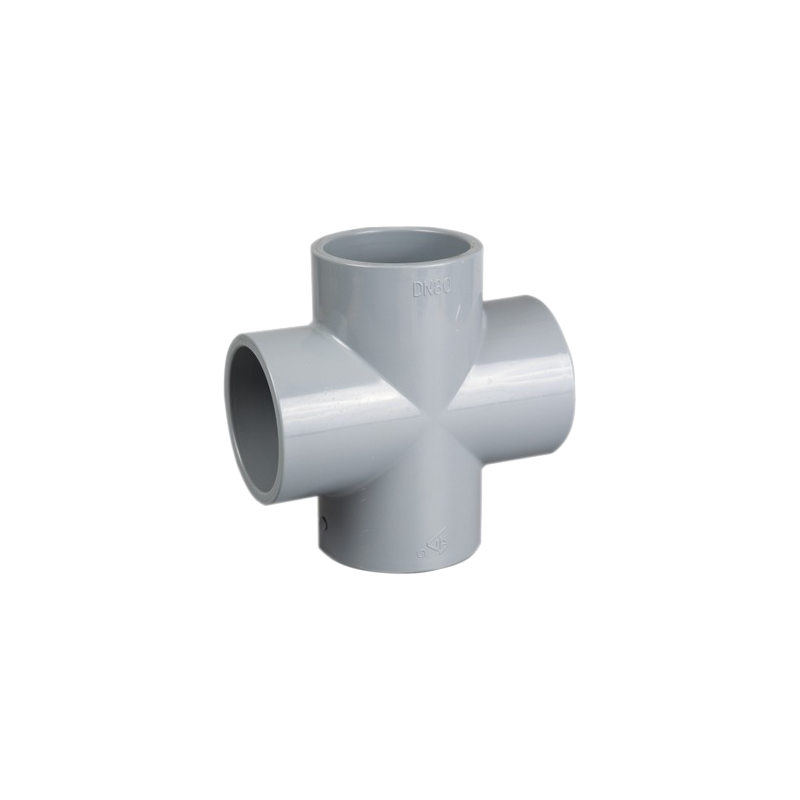
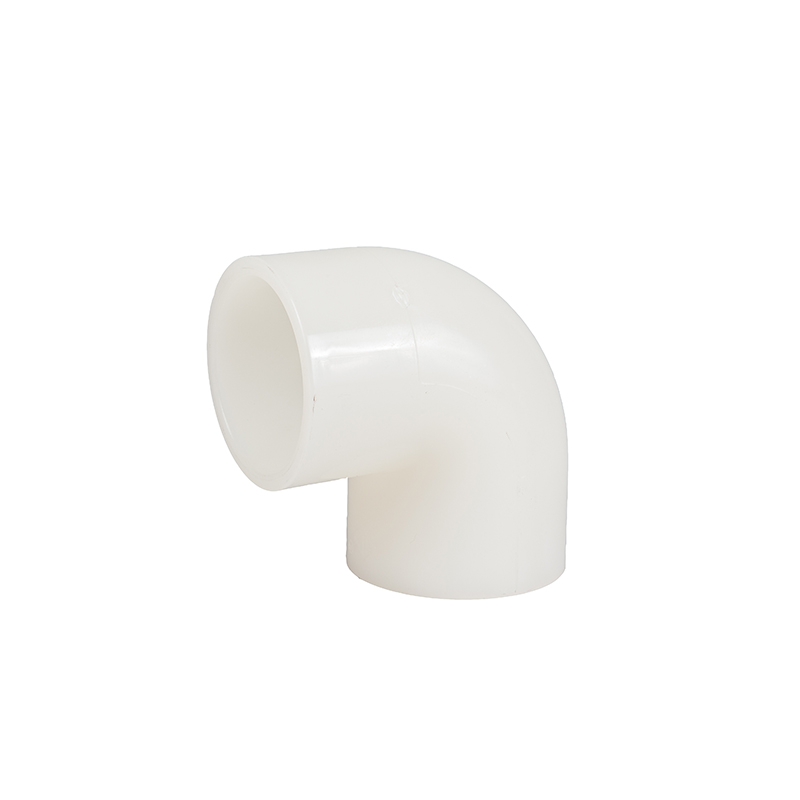
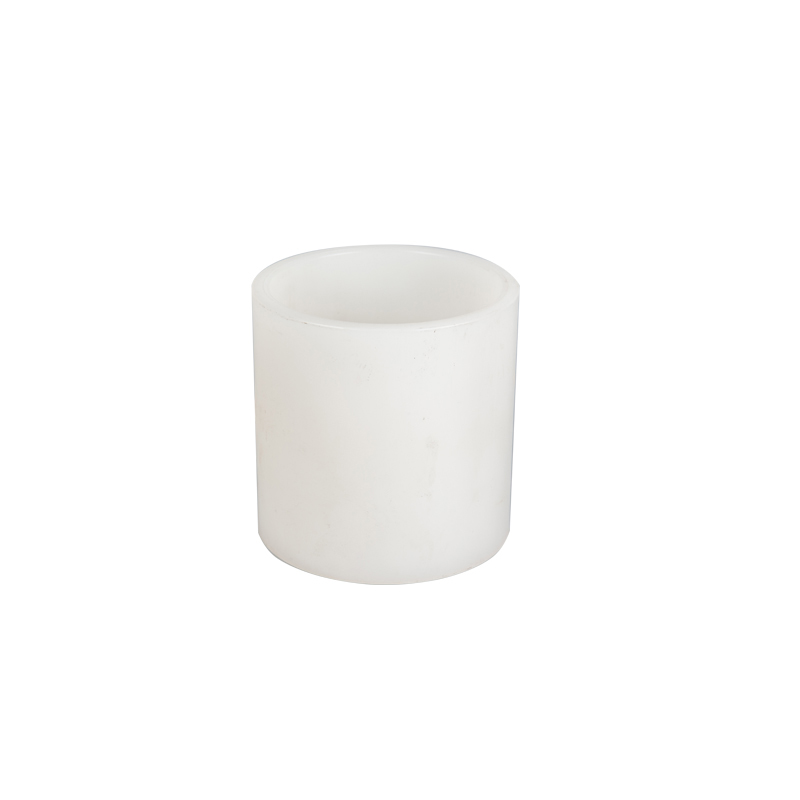
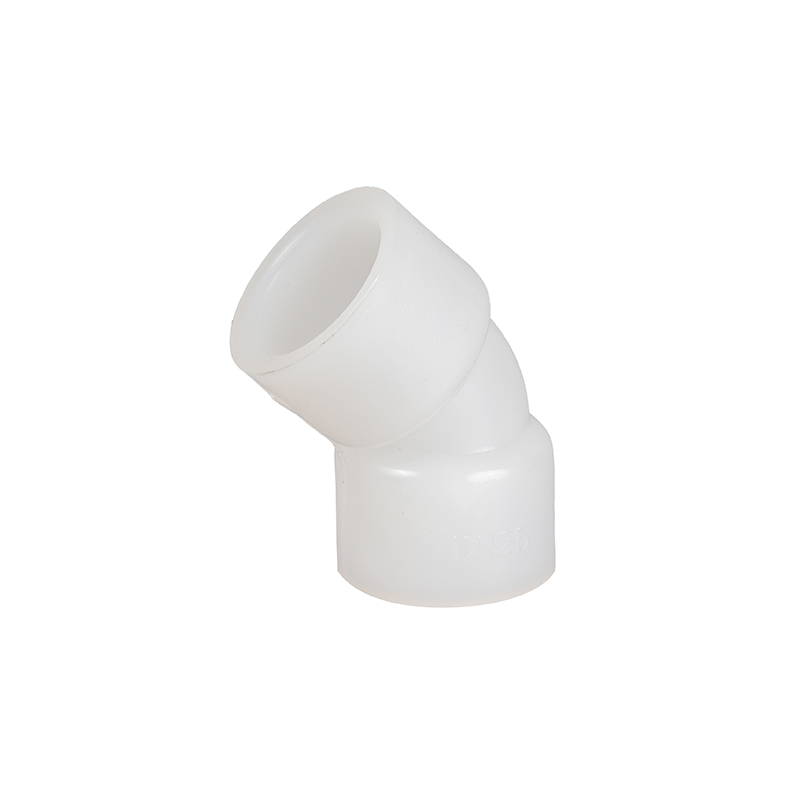
Socket connection is one of the most common methods for ROUND PVDF EQUAL TEE. Each end of the tee is slightly enlarged to form a socket, into which the pipe is inserted. Adhesive or heat fusion is then used to secure the joint. This connection provides good sealing performance, accommodates minor thermal expansion, and is suitable for medium- and low-pressure piping systems. Socket connection is easy to install, does not require specialized equipment, and allows convenient maintenance or replacement.
Flanged Connection
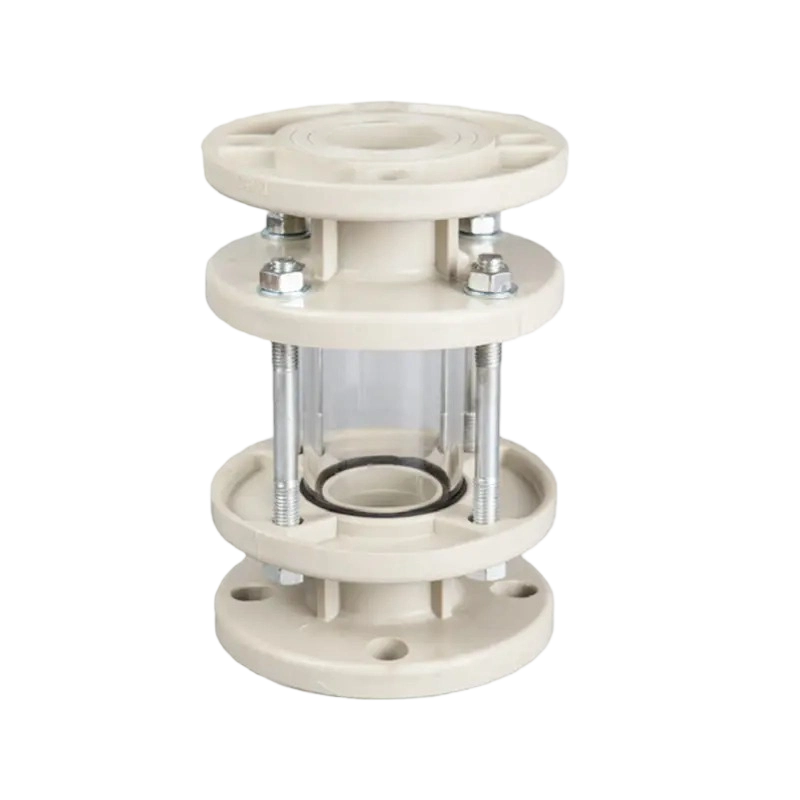
Flanged connection is ideal for high-pressure systems or applications requiring frequent disassembly. The tee is equipped with PVDF or composite flanges, which are bolted to the corresponding pipe flanges to achieve a reliable seal. Flanged connections offer excellent pressure resistance and easy disassembly for inspection or maintenance. Proper flange gasket material selection is essential for long-term sealing performance. Common applications include chemical, pharmaceutical, food, and high-temperature, high-pressure piping systems.
Heat Fusion Connection
Heat fusion is a high-strength method that involves heating both the pipe and tee interfaces until the PVDF material melts. Cooling forms a monolithic structure with excellent sealing, tensile, and pressure resistance properties. Heat fusion is ideal for high-temperature, high-corrosion fluid transfer systems. Requires specialized equipment and skilled technicians. Once installed, heat fusion joints are highly reliable and virtually maintenance-free.
Compression (Crimp) Connection
Compression or crimp connection uses specialized tools to press and secure the ROUND PVDF EQUAL TEE to the pipe. It allows fast installation without heating or adhesives, suitable for on-site modifications or temporary piping systems. High precision in pipe diameter and tee interface is required. Compression connections support medium- and low-pressure systems and enable easy disassembly and replacement.
Threaded Connection
Threaded connections are mainly used for small-diameter ROUND PVDF EQUAL TEE. The tee interfaces have internal or external threads to screw onto pipes. Threaded connections are easy to install, requiring no adhesives or heat equipment, suitable for low-pressure systems and laboratory piping. Sealing relies on Teflon tape or O-rings, with regular inspection recommended to prevent loosening or leaks.
Welded Connection
Welded connections include PVDF rod welding or ultrasonic welding. High temperature or vibration melts the PVDF material, forming a seamless joint. This connection offers excellent sealing and corrosion resistance, suitable for harsh, long-term piping systems. Professional equipment and skilled operators are required, and installation precision directly affects sealing performance.
Quick Coupling Connection
Quick coupling uses clamps, O-rings, or snap-fit designs for fast assembly and disassembly. Ideal for temporary pipelines, laboratories, or mobile systems. Quick couplings provide rapid installation without specialized tools but have limited pressure resistance. Suitable for low-pressure, low-corrosion applications.
Application Scenarios for Different Connection Methods
Socket connections suit medium- and low-pressure, corrosion-resistant systems. Flanged connections are preferred for high-pressure and removable setups. Heat fusion is ideal for high-temperature, high-pressure, and corrosive fluid systems. Compression connections are suitable for temporary or modified pipelines. Threaded connections work well for small-diameter, low-pressure systems. Welded connections are appropriate for harsh, long-term installations. Quick couplings are designed for temporary, mobile, or laboratory applications.