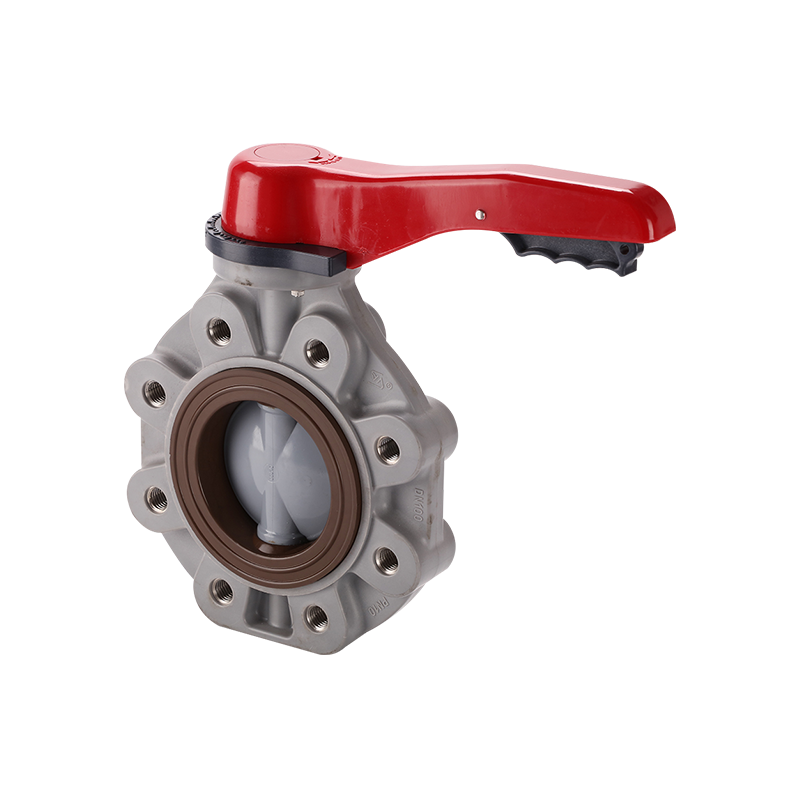
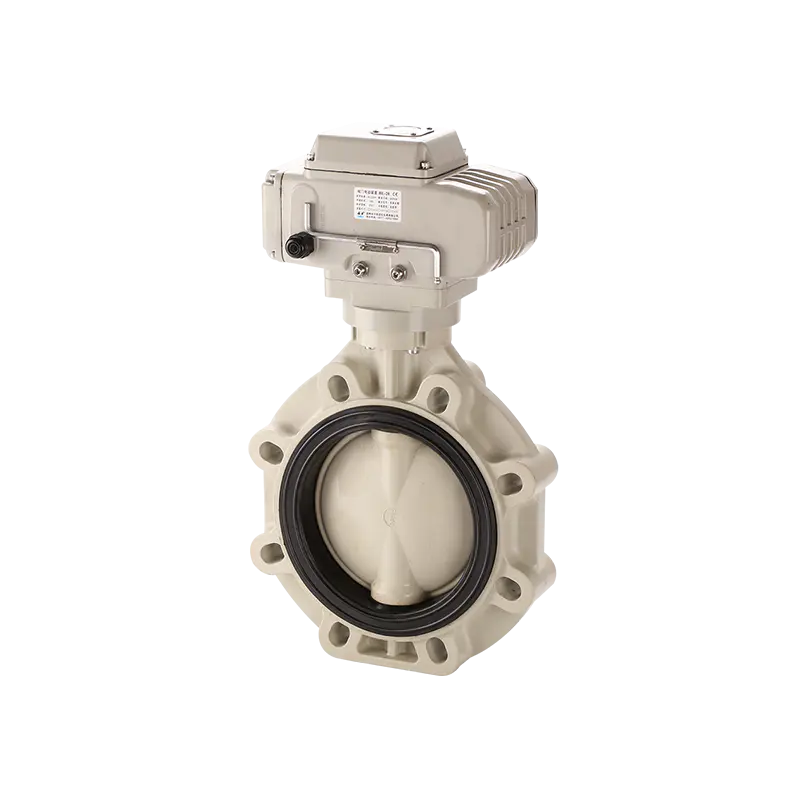
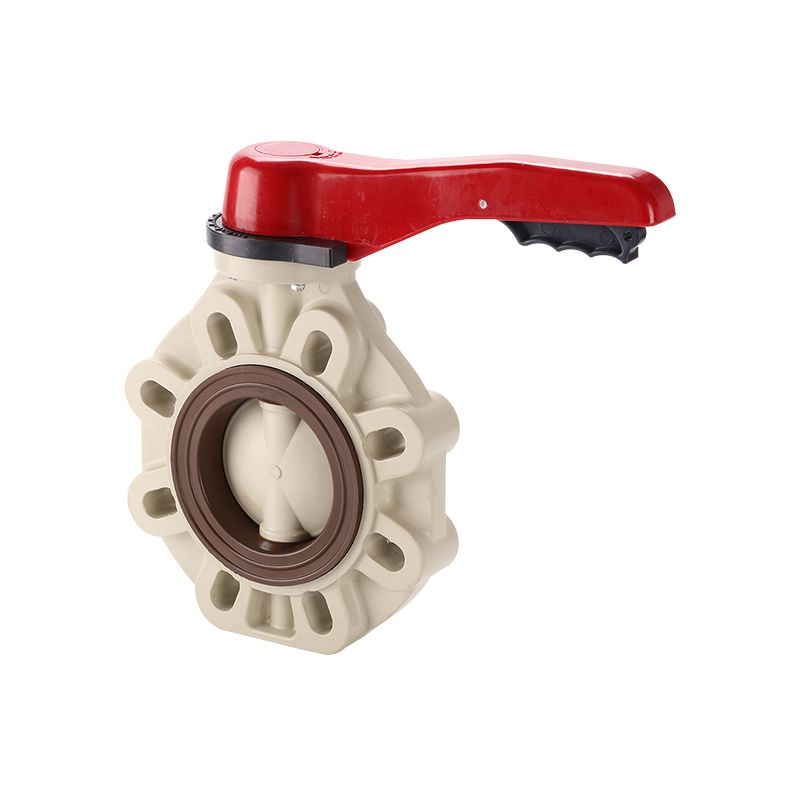
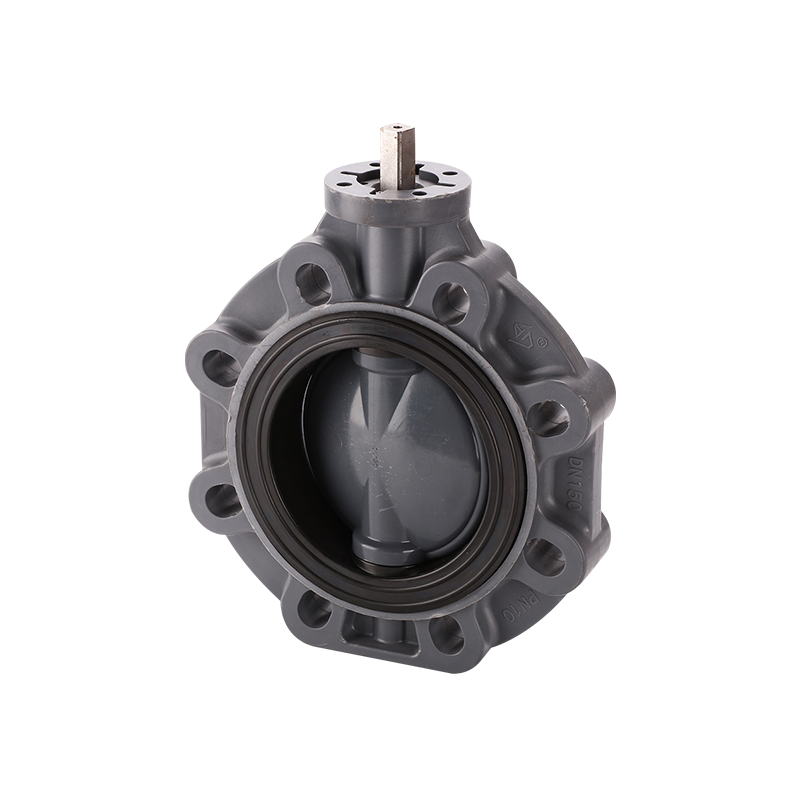
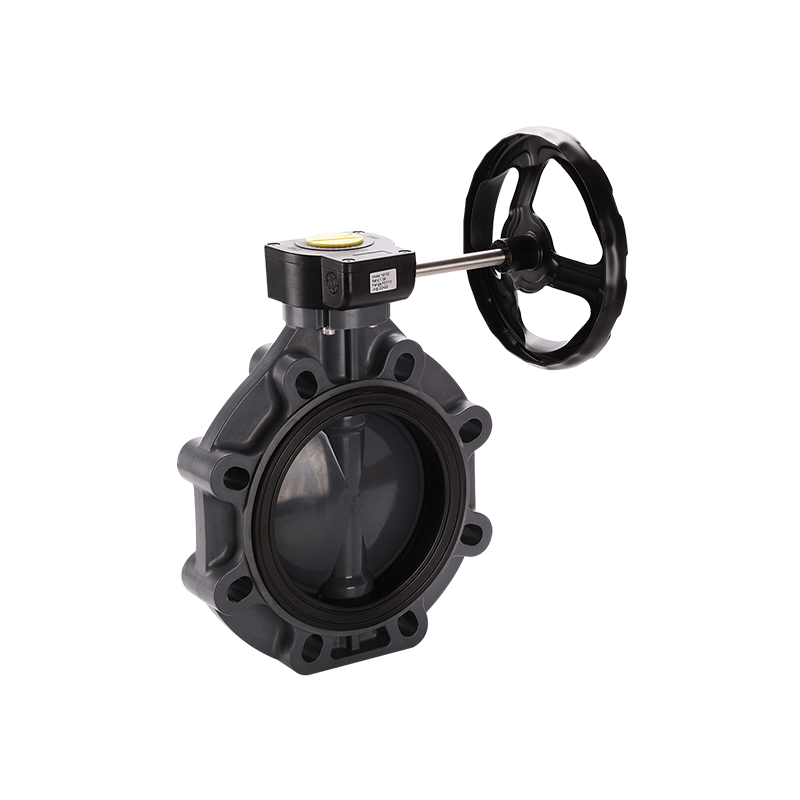
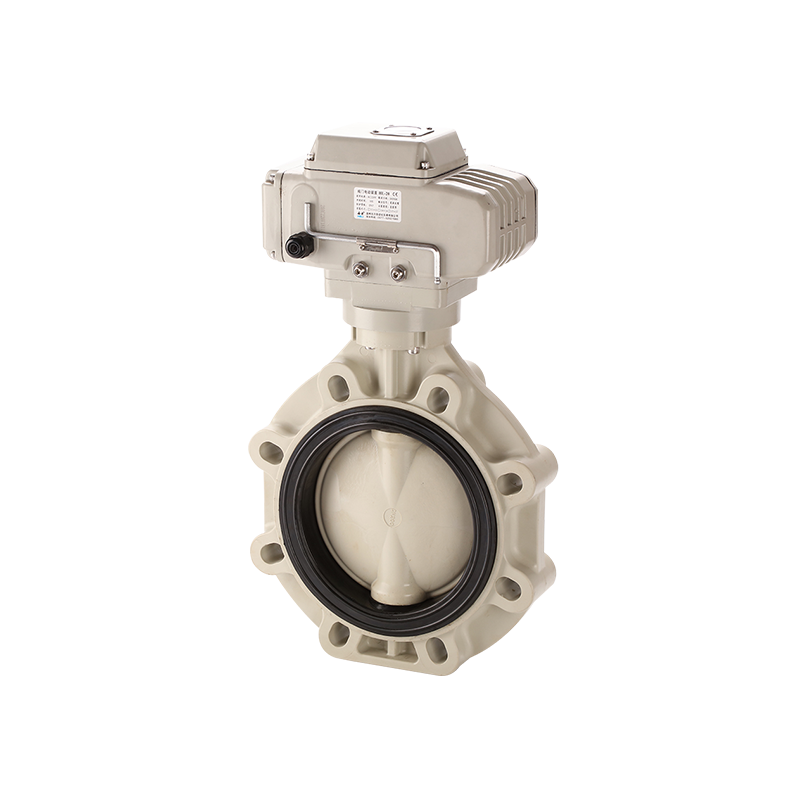
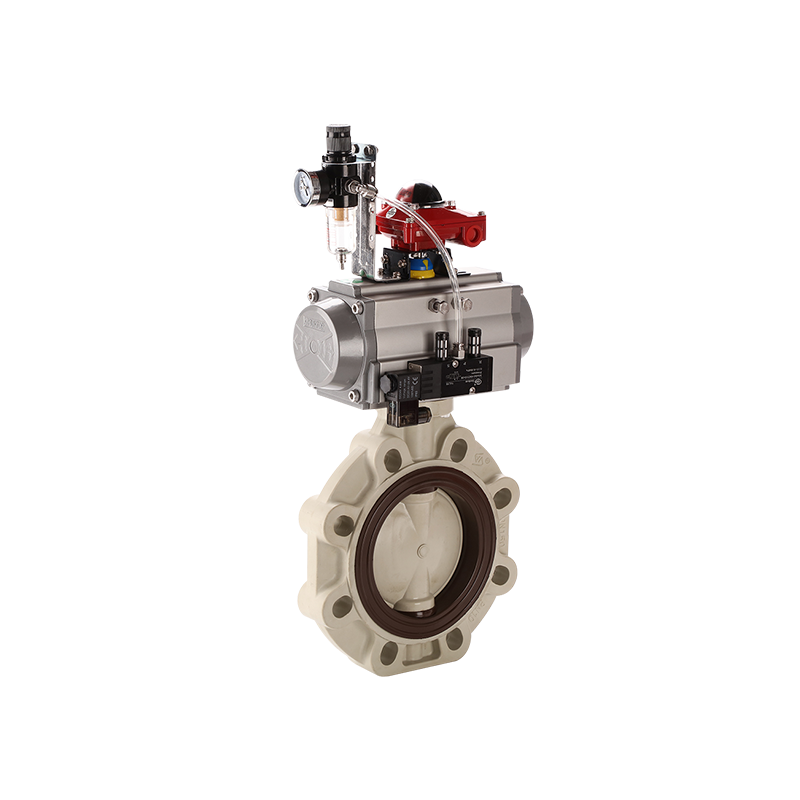
In the field installation of industrial fluid control systems, the orientation of an automatic Butterfly Valve is a critical factor that dictates the long-term stability of the system. Many engineers prioritize piping layout while overlooking the profound impact that the Stem axis orientation has on valve longevity and Actuator reliability. This analysis examines the professional distinctions between vertical and horizontal mounting from the perspectives of mechanical load, sediment accumulation, and seal wear.
Vertical Stem Installation: Advantages and Limitations
Vertical stem installation refers to the Butterfly Valve stem being perpendicular to the ground, with the disc rotating on a horizontal plane. This is the most common configuration for small to medium-sized valves.
From a fluid dynamics standpoint, vertical installation ensures that the fluid pressure distribution across the lower half of the disc is relatively uniform. When the valve is in a throttling position, the lateral thrust generated by the fluid is absorbed evenly by the bearings. The primary advantage of this orientation is its compact footprint, providing easy access for the maintenance of the Pneumatic Actuator or Electric Actuator mounted on top.
However, when handling media containing solid particles or high-viscosity fluids, vertical mounting presents a risk. Due to gravity, impurities tend to settle in the bottom seal groove or bearing housing. Over time, this leads to accelerated wear at the shaft seal, eventually resulting in internal leakage.
The Necessity of Horizontal Stem Installation for Large Diameters
For large-diameter Butterfly Valve units (typically DN600 and above), industry standards generally recommend horizontal stem installation. In this configuration, the stem is parallel to the ground, and the disc opens to the left and right.
The disc weight of a large-diameter valve is significant. If installed vertically, the entire weight of the disc rests on the bottom thrust washer and bearing, causing asymmetrical wear. Horizontal installation utilizes gravity to distribute the weight across bearings at both ends, drastically reducing the load on a single point and extending the service life of the valve.
Furthermore, horizontal mounting performs better in applications involving wastewater, pulp, or slurry. In a horizontal orientation, the flow at the bottom of the pipe creates a scouring effect that prevents debris from depositing at the valve seat. When the valve opens, accumulated sediment is more easily flushed away by the fluid, protecting the Soft Seat or Metal Seat from abrasive damage.
Actuator Load and Gravity Torque Considerations
The stable operation of an automatic Butterfly Valve depends on the precision of the Actuator. In a horizontal installation, the actuator is typically overhung on the side of the pipe. For heavy-duty actuators, this can create a significant cantilever moment, which may lead to stem bending or damage to the flange seals over long periods.
To mitigate this, large automatic valves in horizontal configurations often require additional Support Bracket structures. In contrast, vertical installation allows the center of gravity of the actuator to align with the stem axis, providing the most stable mechanical setup. Therefore, the weight of the Actuator and its static load on the Stem must be evaluated when choosing the installation direction.
Impact of Media Characteristics on Orientation
Physical properties of the media are decisive. If the medium is prone to crystallization or contains settleable solids, horizontal installation is the preferred choice to reduce failure rates, as it effectively utilizes fluid energy for "self-cleaning."
Conversely, in clean gas or low-viscosity liquid systems, vertical stem orientation is superior. It minimizes the space required and reduces the structural requirements for pipe supports. Additionally, when used with a smart Positioner, vertical valves often exhibit better feedback stability because the moving parts are less affected by uneven gravitational pull.
Professional Selection Guidelines
In practical engineering, there is no absolute "better" orientation, only the most "appropriate" one: Small Diameter (Below DN450): Priority should be given to vertical installation for easier maintenance and actuator support. Large Diameter (Above DN600): Horizontal installation is strongly recommended to protect the valve shaft from dead-weight damage and prevent bottom silting. High Solid Content Media: Regardless of size, horizontal stem orientation should be considered, often paired with necessary flushing ports. Space-Constrained Scenarios: If a large valve must be installed vertically, a high-performance butterfly valve with reinforced thrust bearings must be selected.