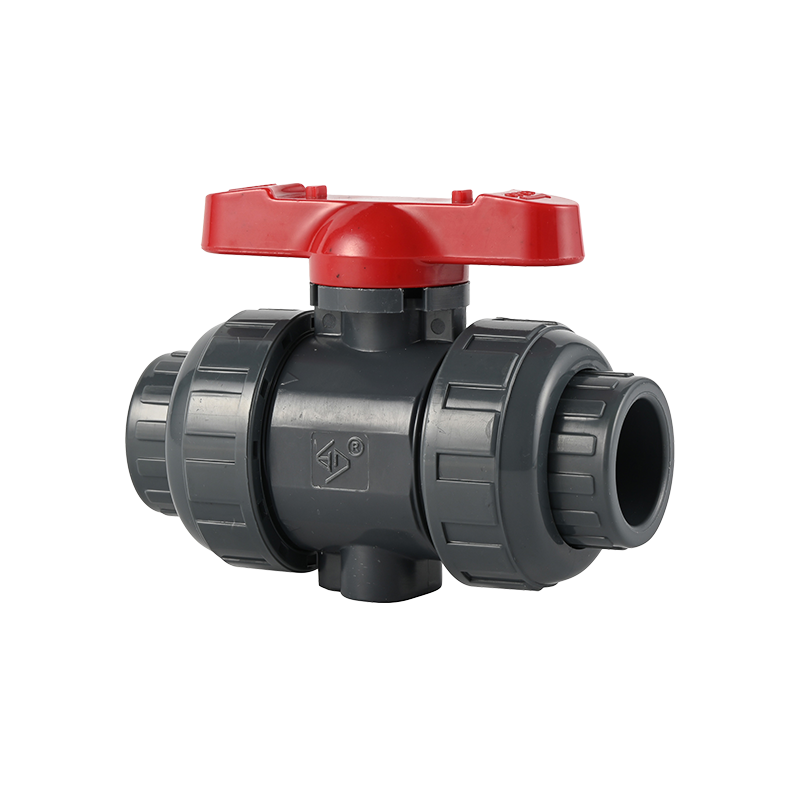
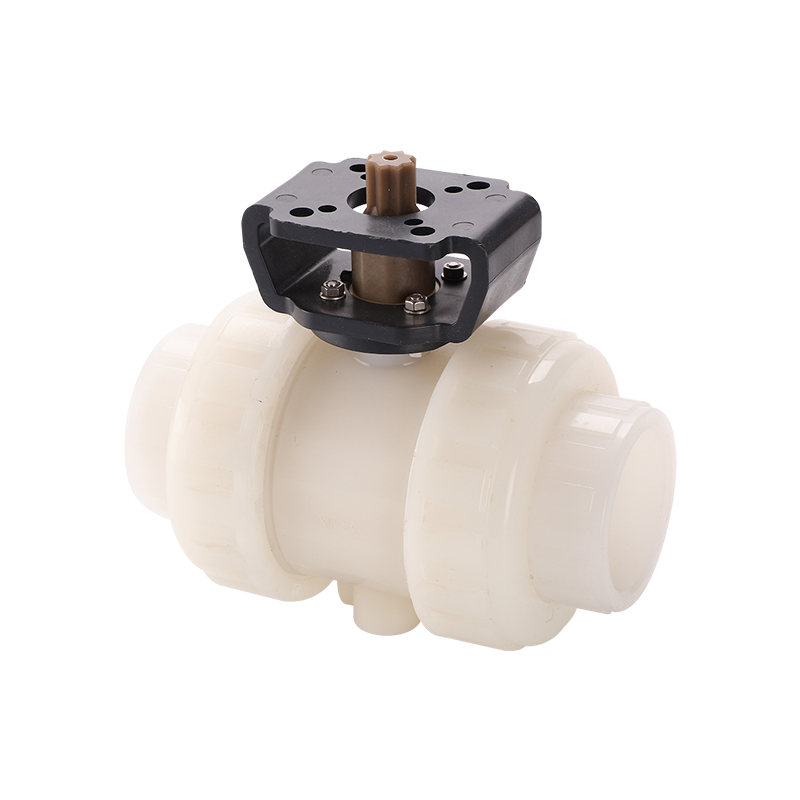
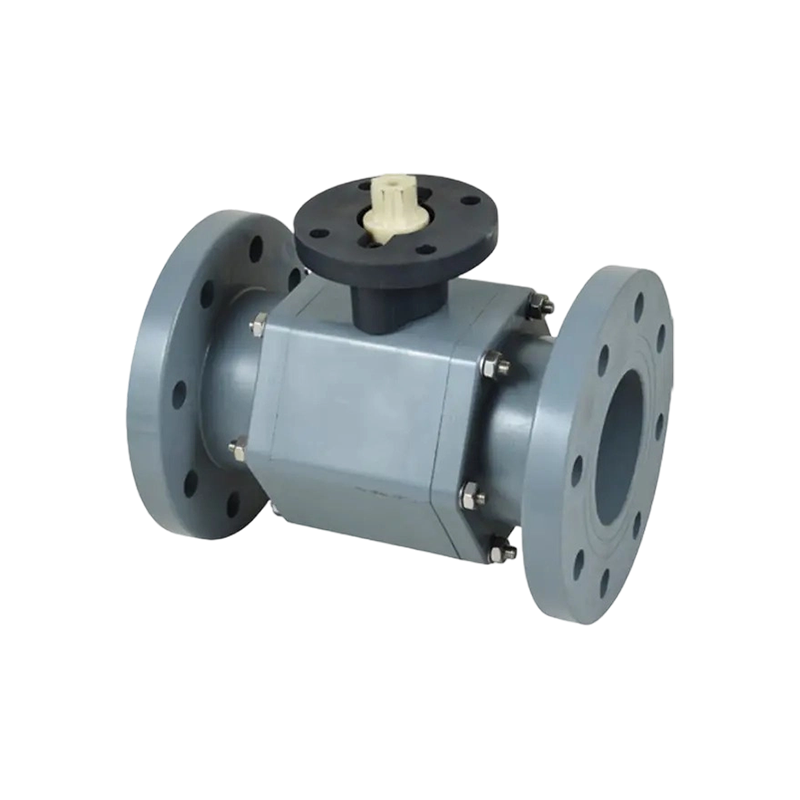
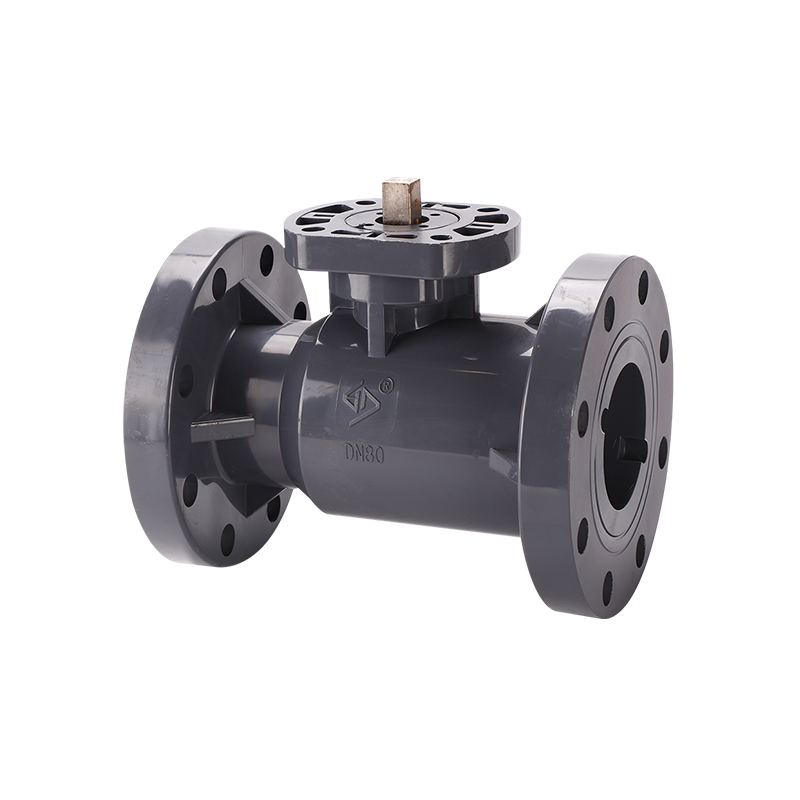
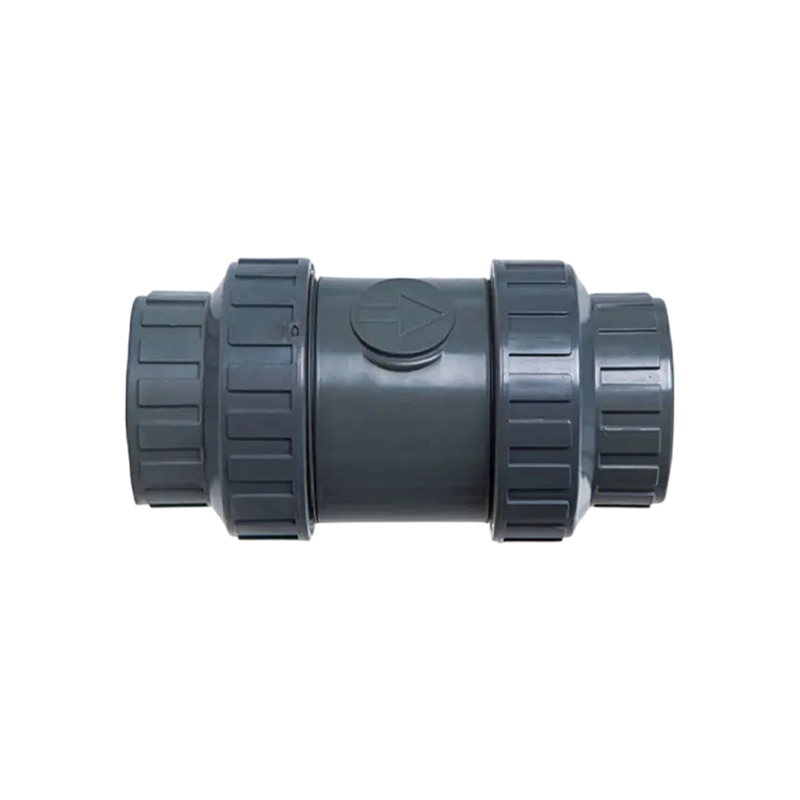
Manual ball valves are mechanical devices that control the flow of fluids through a pipe by using a hollow, perforated, and pivoting ball. By rotating the handle or handwheel 90 degrees, the operator can align the hole with the flow or position it perpendicularly to shut off the flow. As a fundamental component in piping systems, the manual ball valve is favored for its quick operation, high reliability, and excellent sealing capabilities.
The primary advantage of a manual ball valve over automated alternatives is its inherent safety; it remains functional during power outages or pneumatic failures, allowing human intervention to secure a system in emergencies.
Four Primary Types of Manual Ball Valves
Manual Floating Ball Valves
The floating design is the most ubiquitous configuration for a manual ball valve. In this setup, the ball is not fixed by a support shaft but is held in place by the compression of two elastomeric seats.
Mechanical Logic: When the manual ball valve is closed, the upstream pressure pushes the ball against the downstream seat. This physical displacement creates a tight, leak-proof seal. It is a pressure-assisted sealing mechanism.
Manual Characteristics: These are typically operated via a lever handle. They offer a simple, quarter-turn action that provides immediate visual confirmation of the valve status. If the handle is parallel to the pipe, the manual ball valve is open.
Operational Limit: As the pressure or pipe diameter increases, the friction between the ball and the seat grows significantly. This can make the manual ball valve difficult to turn by hand if the torque exceeds the physical strength of the operator.
Manual Trunnion Mounted Ball Valves
To address the high-torque issues of the floating design, the manual trunnion mounted ball valve uses a fixed ball held by a top stem and a bottom support pin known as the trunnion.
Mechanical Logic: The ball stays centered and does not move toward the seat. Instead, the seats are floating and are pushed against the ball by spring tension and fluid pressure. This reduces the friction significantly.
Manual Characteristics: Because the ball is anchored, the rotation remains smooth regardless of the pressure level. For large-scale industrial pipes, these valves are usually fitted with a manual gear operator and handwheel rather than a lever, allowing a single person to open a high-pressure manual ball valve with minimal effort.
Key Feature: These valves often include Double Block and Bleed (DBB) capabilities, allowing the operator to vent the body cavity while the manual ball valve is closed.
Manual Multi-Port Ball Valves
While standard valves have two ports, the manual multi-port ball valve features three or four ports, designed for diverting, mixing, or bypassing flow.
Ball Configurations: The L-Port is used for diverting flow between two different outlets with a 90-degree turn. The T-Port is used for mixing fluids from two inlets or dividing flow to two outlets simultaneously.
Manual Characteristics: The handle is often equipped with locking devices or specific detents. This ensures the operator does not accidentally rotate the ball into an incorrect flow path, which is critical in chemical processing where mixing the wrong fluids could be hazardous.
System Efficiency: One manual multi-port ball valve can often replace two or three standard two-way valves, reducing the footprint and complexity of manual piping operation.
Manual Segmented Ball Valves (V-Port)
Also known as a V-ball valve, the manual segmented ball valve features a ball with a V-shaped notch instead of a full round hole.
Mechanical Logic: The V-notch provides a shearing action as it closes, making it ideal for cutting through thick or fibrous fluids like paper pulp or wastewater.
Manual Characteristics: While many V-port valves are automated, the manual segmented ball valve is used for coarse flow adjustment. The handle is often paired with a graduated scale (0% to 100%) so the operator can manually set a specific flow rate.
Durability: These valves are frequently built with metal-to-metal seats to handle abrasive slurries, requiring a rugged manual lever or gear to ensure consistent movement.
Technical Parameter Comparison Table
The following table compares the performance metrics of the four types of manual ball valves:
| Feature |
Manual Floating |
Manual Trunnion |
Manual Multi-Port |
Manual Segmented |
| Primary Function |
On/Off |
High-Pressure On/Off |
Diverting/Mixing |
Throttling/Cutting |
| Typical Size (DN) |
15 - 200 mm |
50 - 1200 mm+ |
15 - 150 mm |
25 - 500 mm |
| Pressure Class |
Low to Medium |
High (up to Class 2500) |
Medium |
Medium |
| Operating Torque |
High (pressure dependent) |
Low and Constant |
Medium |
Low |
| Flow Direction |
Bidirectional |
Bidirectional |
Multi-directional |
Unidirectional |
Materials Science of Manual Ball Valves
The longevity of a manual ball valve is determined by the compatibility of its materials with the media it handles.
Body Materials: Carbon Steel (WCB/A105) is the standard for non-corrosive industrial applications like oil and gas. Stainless Steel (CF8M/316) is essential for manual ball valves used in chemical, pharmaceutical, and food-grade environments to prevent rust and contamination.
Seat and Seal Materials: PTFE (Teflon) offers the lowest friction for manual operation but is limited by temperature. PEEK is a high-performance plastic for manual ball valves that require higher temperature and pressure ratings. Metal Seating, where ball and seats are coated with Tungsten Carbide, is used when the manual ball valve must handle extreme heat or abrasive grit.
Manual Operation Mechanisms: Lever vs. Gear
Lever Handle: Used for smaller manual ball valves where the force required to turn the ball is low. It provides the fastest operation and a clear at-a-glance status of the valve position.
Manual Gearbox (Handwheel): When the diameter or pressure makes the valve too stiff to turn by hand, a gearbox is added. It uses a worm gear to provide mechanical advantage. While it takes more turns to close the manual ball valve, it prevents water hammer and allows for much finer control.
FAQ
How do I know if my manual ball valve is leaking internally?
If a manual ball valve is fully closed but flow or pressure is still detected downstream, the internal seats are likely worn or damaged. In a manual trunnion ball valve, you can check this using the bleed valve on the body.
Can a manual ball valve be used for steam?
Yes, but you must ensure the manual ball valve is specifically rated for high temperatures. Standard PTFE seats will melt; carbon-filled or metal seats are required for steam service.
Why is my manual ball valve handle so stiff?
Stiffness in a manual ball valve is usually caused by high pressure increasing seat friction, debris stuck between the ball and seat, or the stem packing nut being over-tightened.
Maintenance and Installation Best Practices
Cycle the Valve: If a manual ball valve remains in one position for months, the seats can set or bond to the ball. Manually opening and closing the valve once every few months keeps the movement fluid.
Avoid Throttling: Standard manual ball valves are designed to be either fully open or fully closed. Leaving them partially open can erode the seats, leading to a permanent failure to seal. Use a manual segmented ball valve if throttling is necessary.
Stem Leaks: If you see fluid escaping from the top of the valve near the handle, you can often stop the leak by tightening the packing gland nut by a quarter turn. This compresses the seal around the stem of the manual ball valve.