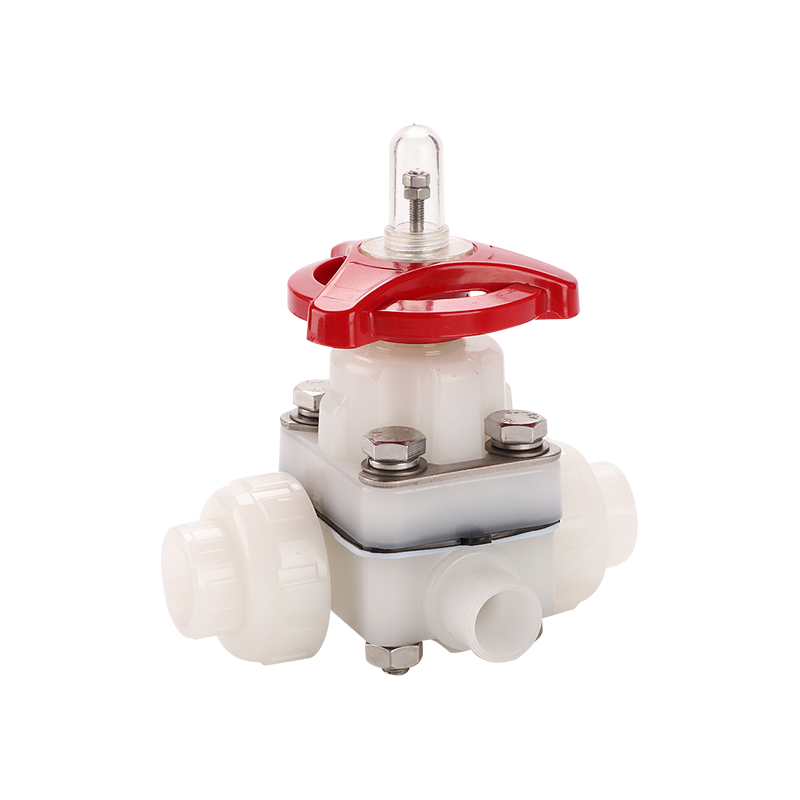
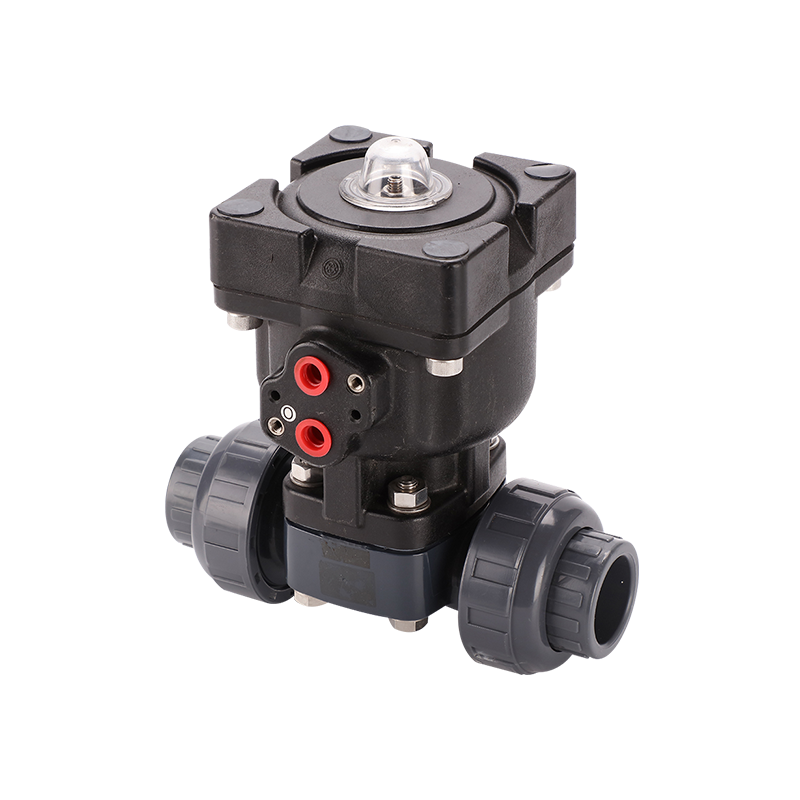
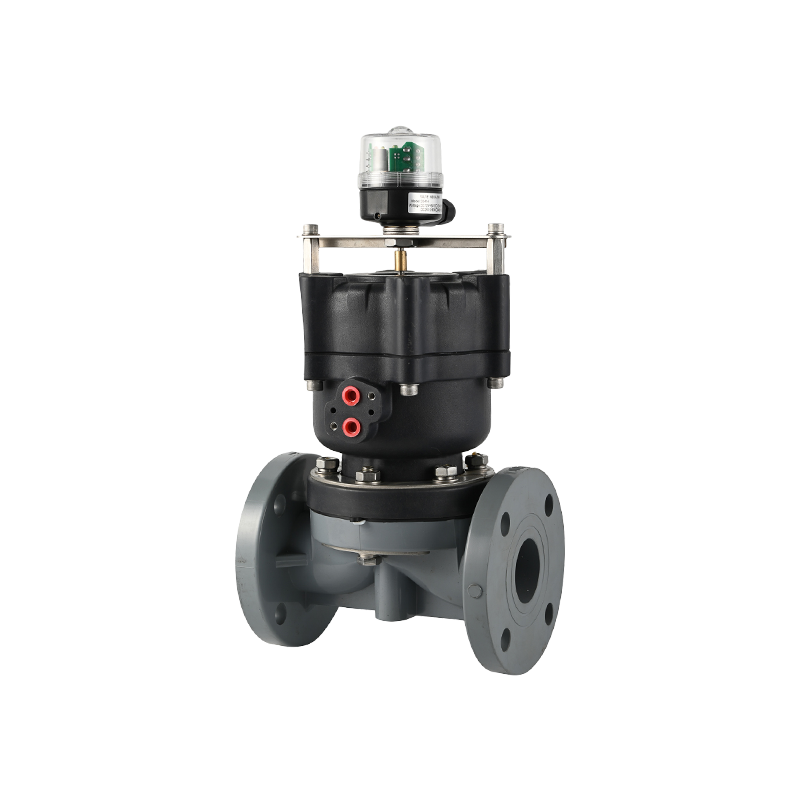
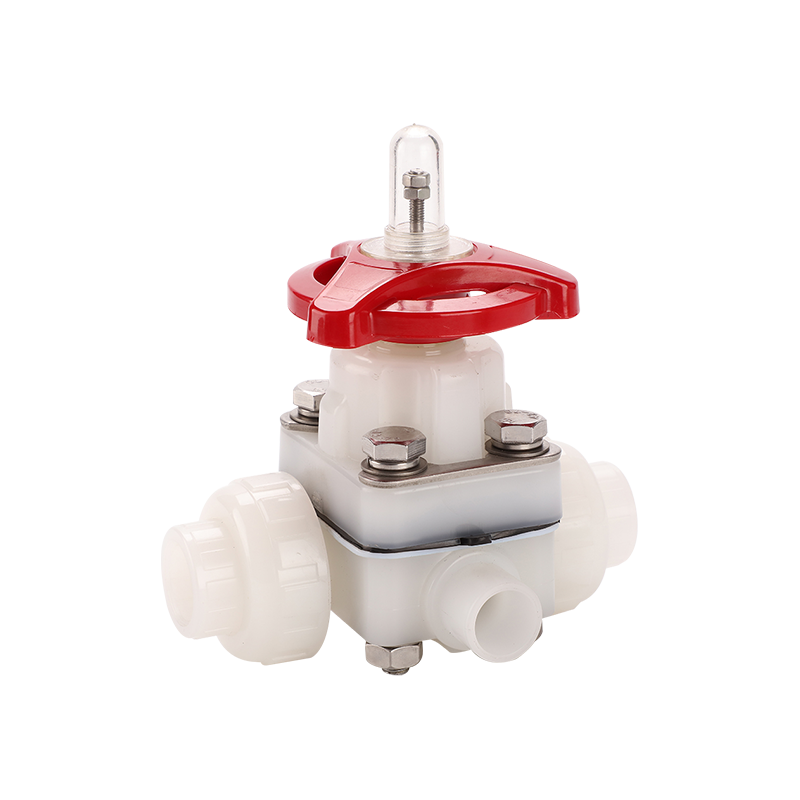
The diaphragm is the core component of the diaphragm valve, directly affecting the valve's corrosion resistance, pressure rating, service life, and application range. EPDM, Viton, and PTFE are the three most common diaphragm material choices in the industry, each with different chemical compatibility and physical properties.
EPDM Diaphragm Material Application Characteristics
EPDM (Ethylene Propylene Diene Monomer) is one of the most economical choices for manufacturing diaphragm valves. EPDM possesses excellent water resistance and steam resistance performance, widely applied in water treatment, wastewater treatment, and clean fluid conveying scenarios. The tensile strength of EPDM diaphragm material ranges between 10-20 MPa, with good elastic recovery capability. Under normal temperature and pressure conditions, EPDM can operate stably for long periods without easy aging.
EPDM diaphragm demonstrates good adaptability to non-oily fluids, particularly showing stable performance in acidic and alkaline solutions. However, EPDM diaphragm has weaker resistance to organic solvents and oil substances. When exposed to aromatic hydrocarbons or aliphatic hydrocarbons, EPDM experiences swelling phenomena, causing deterioration of its physical properties. This limits the application of EPDM diaphragm in certain special conditions within the chemical industry.
Viton Diaphragm Material Advantages and Limitations
Viton (Fluoroelastomer) represents a higher-performance diaphragm material choice. Viton features a wider operating temperature range, maintaining stable elastic performance between -20°C and 200°C. Compared to EPDM, Viton's resistance to organic solvents, oils, and certain chemical agents is significantly enhanced.
Viton diaphragm is widely adopted in pharmaceutical, chemical, and food industries, particularly excelling when handling organic solvents and high-temperature fluids. The chemical corrosion resistance of Viton diaphragm enables it to adapt to more complex working conditions. The tensile strength of Viton diaphragm typically ranges within 15-25 MPa, providing better pressure resistance.
However, the cost of Viton diaphragm material is significantly higher than EPDM, typically 2-3 times the price of EPDM. Additionally, Viton shows weaker compatibility with certain polar solvents compared to EPDM, which requires careful consideration in specific applications.
PTFE Diaphragm Material Performance
PTFE (Polytetrafluoroethylene) represents the optimal diaphragm material choice. PTFE possesses outstanding chemical inertness, demonstrating resistance to virtually all chemical agents, including strong acids, strong bases, organic solvents, and oils. PTFE diaphragm is widely adopted in pharmaceutical industries and high-purity chemical product conveying applications requiring extremely stringent standards.
The PTFE diaphragm's operating temperature can reach -40°C to 250°C, significantly higher than the other two materials. PTFE exhibits an extremely low coefficient of friction, reducing wear between the diaphragm and valve body. The chemical stability of PTFE material results in minimal performance degradation during extended use, extending the overall service life of the diaphragm valve.
The primary disadvantage of PTFE diaphragm is its highest cost, typically 5-10 times higher than EPDM. PTFE material's elastic recovery capability is relatively weaker, potentially showing less stable performance than Viton in certain low-pressure applications. Additionally, PTFE's processing technique is more complex, requiring higher manufacturing standards.
Key Factors in Diaphragm Material Selection
Selecting diaphragm material first requires considering the chemical composition of the fluid medium. When handling aqueous solutions and clean fluids, EPDM diaphragm fully meets requirements; when processing oils, organic solvents, or moderately corrosive media, Viton diaphragm represents the optimal choice; when handling highly corrosive media, strong acids, strong bases, or multi-component mixed liquids, PTFE diaphragm provides the highest protection.
Operating temperature range is another important decision factor. If the working temperature falls between 0°C and 80°C, EPDM diaphragm is fully competent; if temperature range expands to -20°C to 150°C, Viton diaphragm should be selected; ultra-high temperature applications must adopt PTFE diaphragm.
Pressure rating similarly affects material selection. EPDM diaphragm suits low-pressure applications (below PN10), Viton diaphragm handles medium-high pressure (PN10-PN25), and PTFE diaphragm can withstand extremely high pressure.
Economic cost also warrants comprehensive consideration. Within the premise of meeting working conditions, selecting the material combination with the highest economic benefit avoids cost waste from over-specification.
The diaphragm material choice for diaphragm valves directly affects system safety and economy. Understanding the performance differences of EPDM, Viton, and PTFE materials and making scientific selections based on specific working conditions is crucial for ensuring long-term stable operation of diaphragm valves.