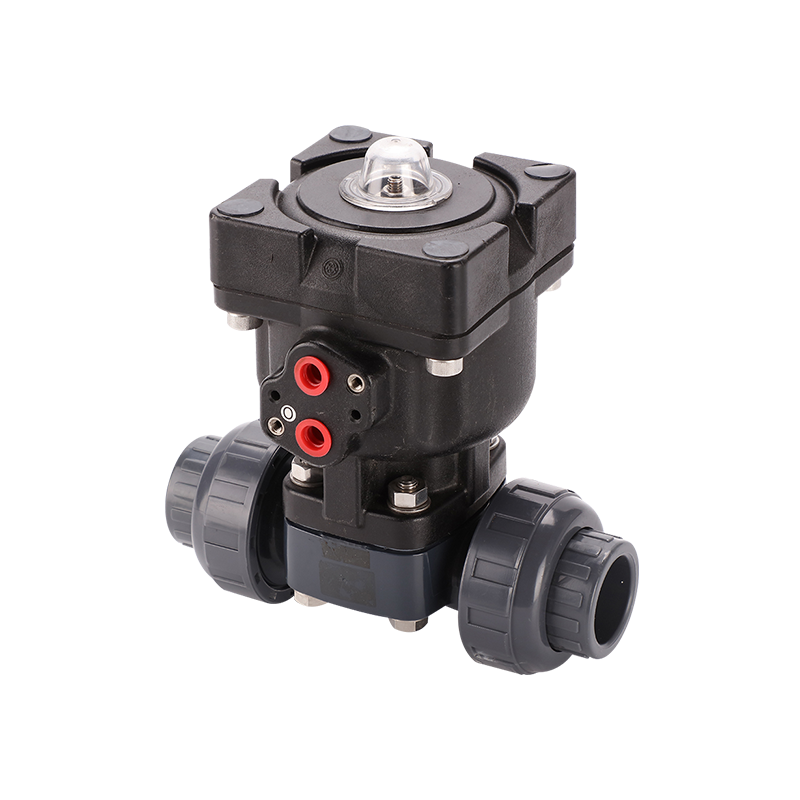
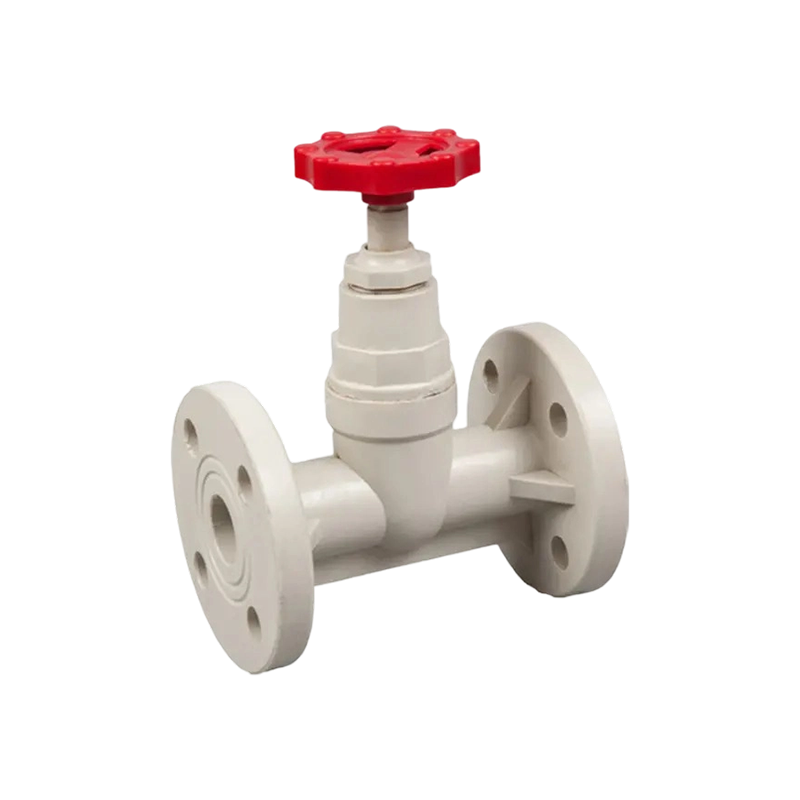
In the current global Industry 4.0 process, the precision and automation level of fluid control systems have become essential metrics for evaluating the advancement of production lines. As control logic becomes increasingly complex, the coordinated application of core components such as Automatic Ball Valve, auto drain ball valve, auto ball valve, and automatic balance valve under different working conditions is redefining the operation standards of modern piping systems.
Deep Coupling of Actuator and Valve Body: Core Advantages of Automatic Ball Valve
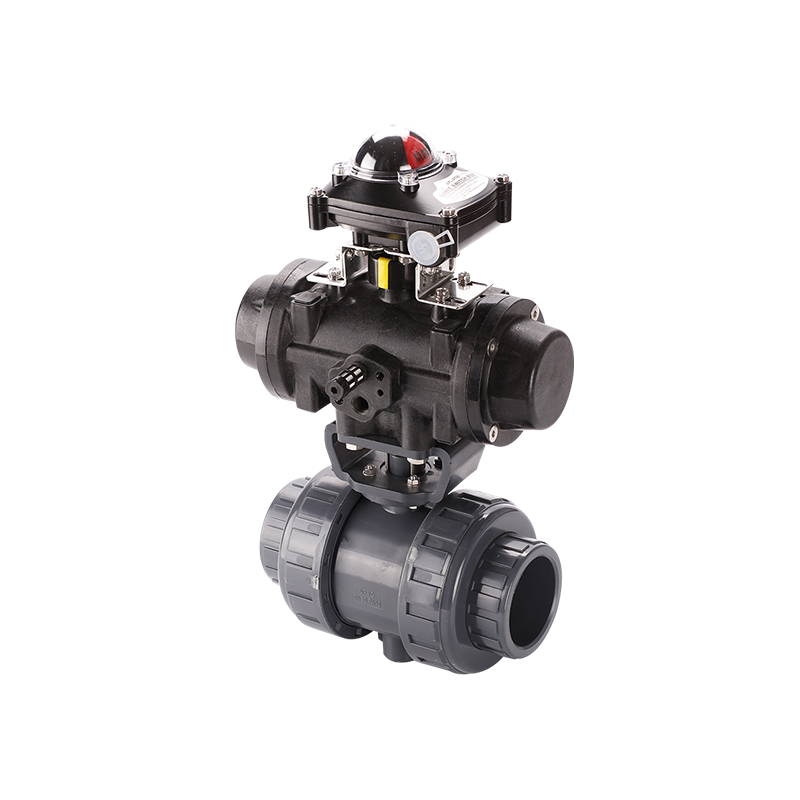
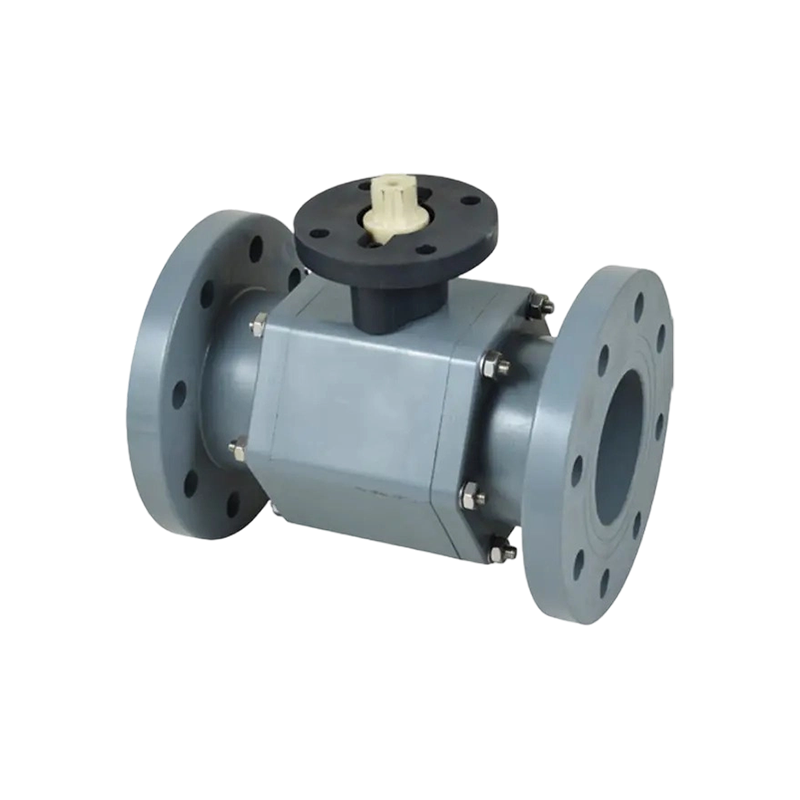
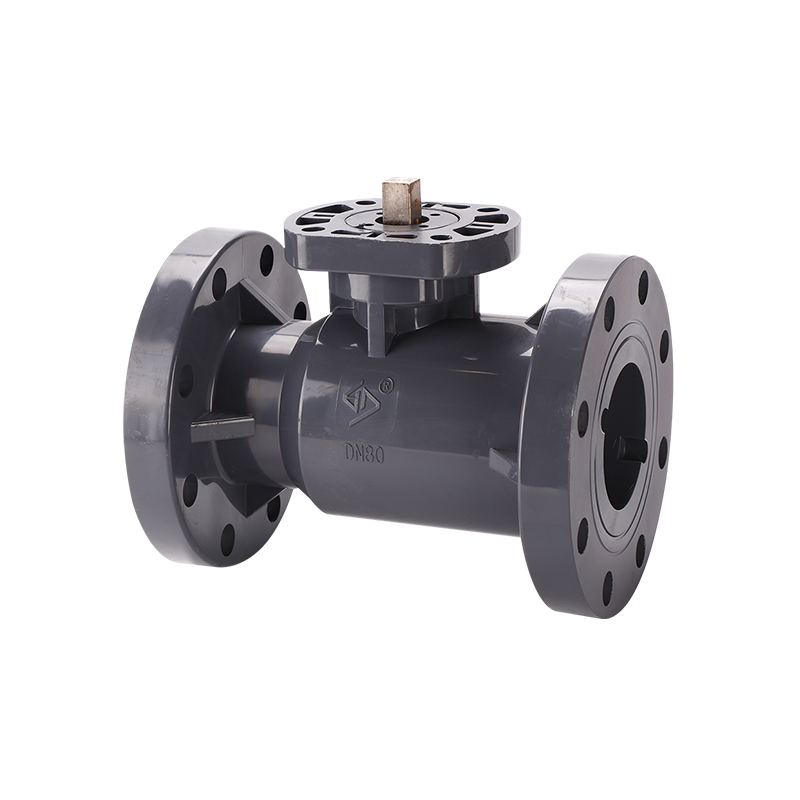
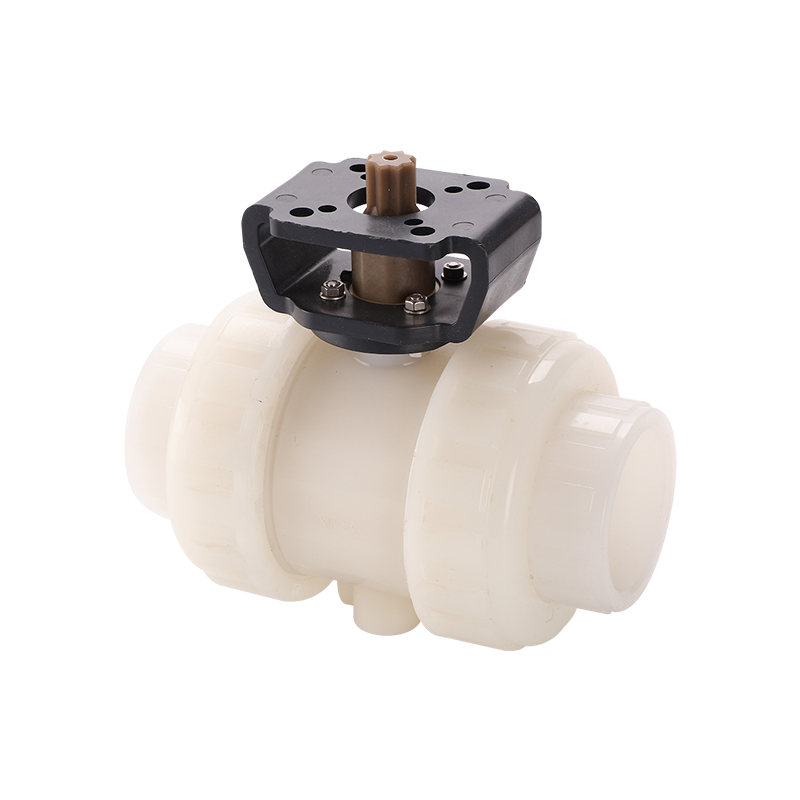
The Automatic Ball Valve is one of the most efficient and reliable units in automated industrial networks. Its core design combines the low flow resistance of a ball valve with advanced driving technologies, whether electric or pneumatic.
In automated control loops, the response speed of an Automatic Ball Valve directly affects the instantaneous regulation capability of the system. High-quality automatic ball valves utilize double-piston rack-and-pinion actuators to ensure sufficient torque is provided to overcome fluid pressure differentials during opening and closing. Its Full Port design ensures that pressure loss is negligible when the medium flows through the valve, which is particularly vital for high-viscosity fluids or process media containing small particles.
The Inevitability of Automated Maintenance: Logic Functions of auto drain ball valve
In the fields of compressed gas treatment and chemical fluid storage, the accumulation of condensate and impurities is the primary cause of pipe corrosion and downstream equipment failure. The auto drain ball valve achieves unmanned drainage by integrating electronic timing logic or liquid level sensors.
Compared with traditional solenoid drain valves, the auto drain ball valve possesses significant anti-clogging characteristics. Since the ball valve has a self-cleaning function during rotation, it can effectively cut through fibers or viscous pollutants.
- Timed Discharge Mode: Pre-set opening times and closing cycles, suitable for stable condensate generation environments.
- Sensing Discharge Mode: Triggered by liquid level sensing, minimizing the unnecessary loss of compressed air during the discharge process.
Flexibility of Modular Control: The Position of auto ball valve in System Integration
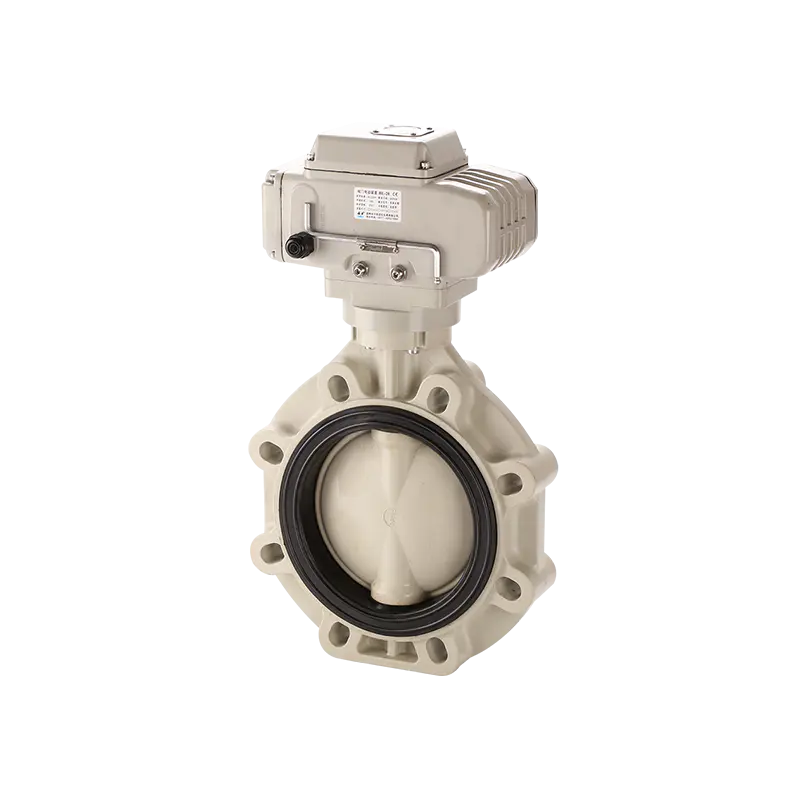
The wide application of auto ball valve marks the transition of fluid control from simple manual operation to complex remote logic control. In a Distributed Control System (DCS), every auto ball valve serves as an intelligent node.
The flexibility of this valve type is reflected in its diverse feedback signals. By integrating limit switches and solenoid valves, the auto ball valve not only executes switching actions but also feeds back real-time position signals to the control room, ensuring the system can quickly perform fail-safe actions in emergencies such as overpressure or overtemperature.
Precision Regulation of Hydraulic Balance: Technical Mechanism of automatic balance valve
While ball valves focus on logic switching, the automatic balance valve is the core for maintaining the dynamic stability of hydraulic systems. In complex HVAC or district heating systems, dynamic pressure differential fluctuations in the network can lead to uneven thermal distribution.
The automatic balance valve utilizes a precision internal spring balance mechanism and diaphragm assembly to sense pressure changes before and after the valve. When system load fluctuations cause pressure changes, the valve plug automatically adjusts its opening to lock the flow rate within the design range. This self-operated adjustment method requires no external power source and is the most economic and efficient solution for achieving hydraulic balance in large-scale networks.
Technical Parameter Comparison of Key Fluid Control Components
| Performance Metrics |
Automatic Ball Valve |
auto drain ball valve |
auto ball valve |
automatic balance valve |
| Action Frequency |
High (Frequent switching) |
Medium (Periodic drainage) |
Medium-High (Process dependent) |
Continuous dynamic regulation |
| Drive Source |
220V/24V or 5-7bar Air |
220V/110V AC |
Electric/Pneumatic/Hydraulic |
Self-powered (Media pressure) |
| Sealing Material |
PTFE / RPTFE / Metal |
Reinforced PTFE |
Fluoroplastic or Hard Alloy |
Composite Sealing Ring |
| Pressure Rating |
PN16 - PN64 |
PN16 - PN40 |
Specification dependent |
PN16 / PN25 |
| Flow Characteristic |
Equal percentage / Linear |
Quick open / Quick close |
Rapid cut-off |
Constant flow / DP compensation |
Logical Synergy in Industrial Applications
In high-performance fluid control systems, the Automatic Ball Valve is responsible for the logic cut-off of the main line, the automatic balance valve manages the precise distribution of terminal flow, and the auto drain ball valve handles the cleaning of impurities and condensate at the system extremities.
The comprehensive coverage based on auto ball valve technology significantly improves energy efficiency in modern factories. By reducing manual intervention and enabling predictive maintenance, these automated components not only lower system operation and maintenance costs but also provide high safety guarantees for complex industrial fluid processes. Whether in reactor control for fine chemicals or intelligent heating systems for modern buildings, the scientific selection and application of these precision valves are key to enhancing overall system performance.