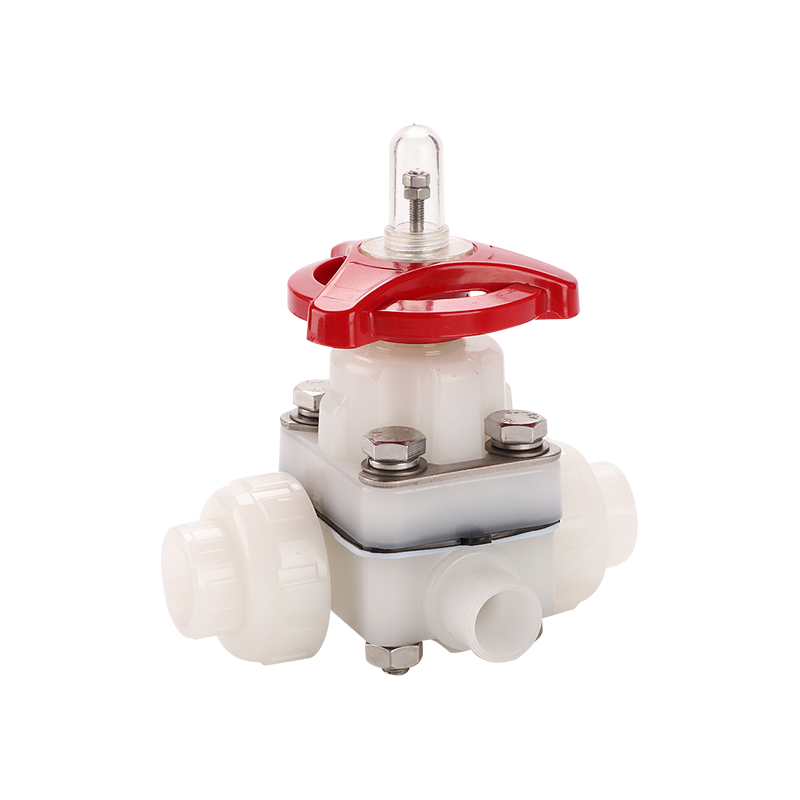
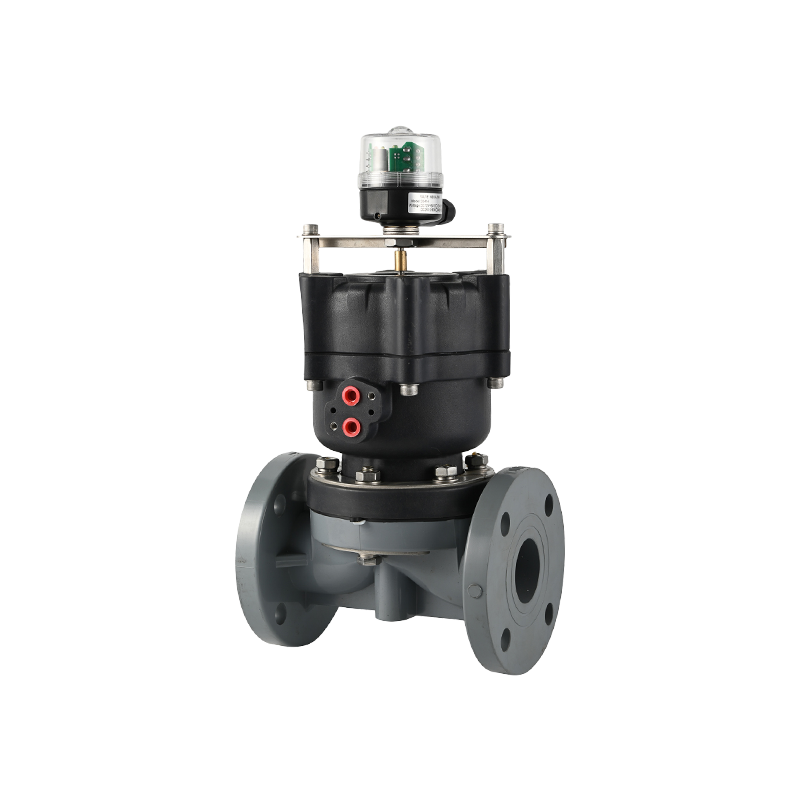
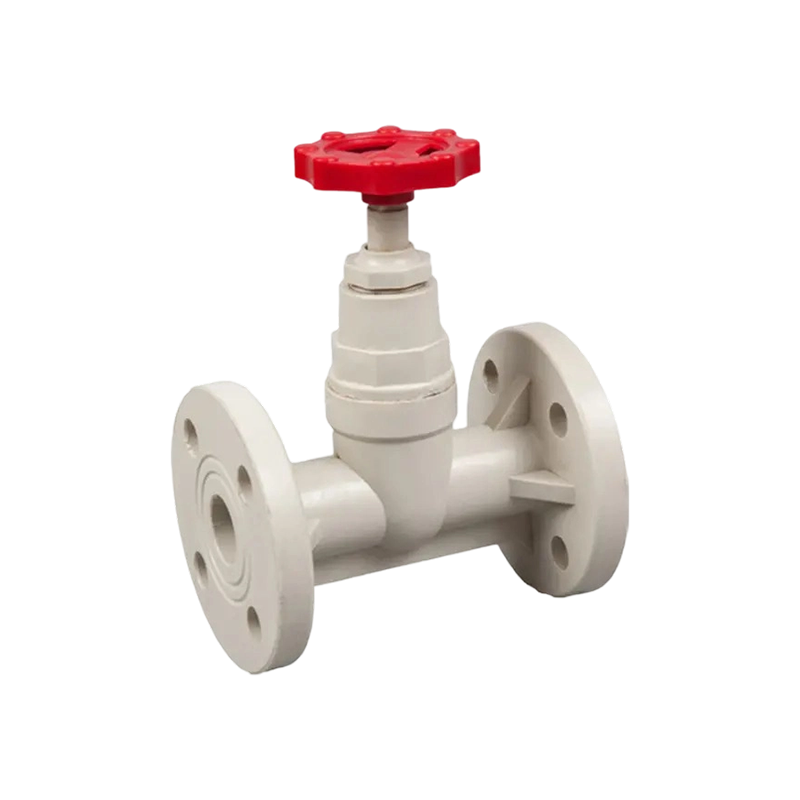
Manual diaphragm valves are widely used in fluid control systems due to their reliable sealing performance, easy operation, and excellent corrosion resistance. These valves are commonly applied in industries such as chemical, pharmaceutical, food processing, and environmental protection. When selecting a manual diaphragm valve, the type and properties of the fluid medium directly influence the choice of the valve. This article explains in detail how to select the appropriate manual diaphragm valve based on the fluid medium from the perspective of the fluid's physical properties, chemical characteristics, and working environment.
Fluid Media Types and Selection
Liquid Media
Liquid fluids are the most common applications for manual diaphragm valves, and the characteristics of the liquid (such as viscosity, corrosiveness, temperature, etc.) directly determine the valve's material and design. For common liquids like water, oil, acids, and alkalis, the selection of the valve should consider their corrosiveness, flow rate, and pressure requirements.
- Low viscosity liquids: For fluids with good flow properties, such as water, alcohol, etc., a manual diaphragm valve made of common materials like plastic or stainless steel can be selected.
- High viscosity liquids: For fluids with higher viscosity, such as oils and chemical slurries, a diaphragm valve with a larger diameter and longer opening stroke should be chosen to ensure smooth fluid flow through the valve.
Gas Media
Gas fluids have the characteristics of low density and high pressure. Manual diaphragm valves used for gas control need to have good sealing performance and pressure resistance.
- Non-corrosive gases: For non-corrosive gases, such as air and nitrogen, manual diaphragm valves made of materials like stainless steel or aluminum alloy can meet the usage requirements.
- Corrosive gases: For gases with high corrosive properties, such as chlorine or hydrogen sulfide, diaphragm valves made from special materials like PTFE or other highly corrosion-resistant plastics should be selected.
Powders and Particulate Media
Some fluids contain solid particles or powders, which have abrasive properties. The valve design must have wear resistance and good fluid handling capability. The diaphragm material and valve body design should withstand particle impact and abrasion.
Chemical Properties of Fluids and Valve Material Selection
Corrosive Media
For chemical fluids, especially highly corrosive liquids such as strong acids, strong bases, and saline solutions, the valve material's corrosion resistance is crucial. Common corrosion-resistant materials include stainless steel, PTFE, and fluororubber (FKM).
- Strong acid and strong base media: For highly corrosive fluids like concentrated sulfuric acid and hydrochloric acid, diaphragm valves made from PTFE or other materials with strong acid resistance should be selected.
- Oils and solvents: For organic solvents or oils, fluororubber or other oil-resistant materials should be selected.
Neutral Media
For neutral media (such as water, gases, etc.), valves made from common materials like stainless steel or engineering plastics like PVC or PP are suitable, as they have good strength and corrosion resistance for handling most common fluids.
Fluid Temperature and Working Pressure Considerations
Temperature
The temperature of the fluid directly affects the selection of the manual diaphragm valve. In general, high-temperature fluids require valves with higher heat resistance and diaphragm materials that can withstand high temperatures.
- High-temperature fluids: For fluids above 150°C, manual diaphragm valves made from high-temperature-resistant materials such as high-temperature stainless steel or PTFE should be selected to ensure stable long-term operation.
- Low-temperature fluids: For fluids in low-temperature environments, such as liquefied gas or liquid nitrogen, valves made from low-temperature resistant materials should be chosen.
Pressure
Manual diaphragm valves are typically used in medium and low-pressure fluid systems, but if the system requires high-pressure fluid handling, special reinforcement designs may be required. Most manual diaphragm valves can work well in medium to low-pressure ranges, but for fluids with pressures above 10MPa, the valve material, sealing performance, and diaphragm strength need to be carefully considered.
Flow Rate and Control Accuracy
The size of the flow rate and the need for precise flow control are critical factors when selecting a manual diaphragm valve. The required flow rate will directly affect the valve's size, body structure, and diaphragm design.
- High flow control: For larger flow rates, a manual diaphragm valve with a larger diameter and longer stroke should be selected to ensure smooth fluid passage.
- Precise flow control: For applications requiring precise flow control, a manual diaphragm valve with an adjustable function or a valve with fine-tuning mechanisms should be considered.
Special Requirements for the Working Environment
Explosion-Proof and Anti-Vibration
In hazardous environments such as petrochemical, pharmaceutical, and other industries, the explosion-proof properties and anti-vibration design of manual diaphragm valves are critical. Explosion-proof valves help prevent accidents caused by electrical faults, and anti-vibration designs ensure the valves can still function properly in high-vibration environments.
Sanitary Requirements
In industries like food processing and pharmaceuticals, valve hygiene is paramount. The materials used for manual diaphragm valves need to comply with sanitary standards, such as FDA-approved materials, to prevent contamination of fluids.