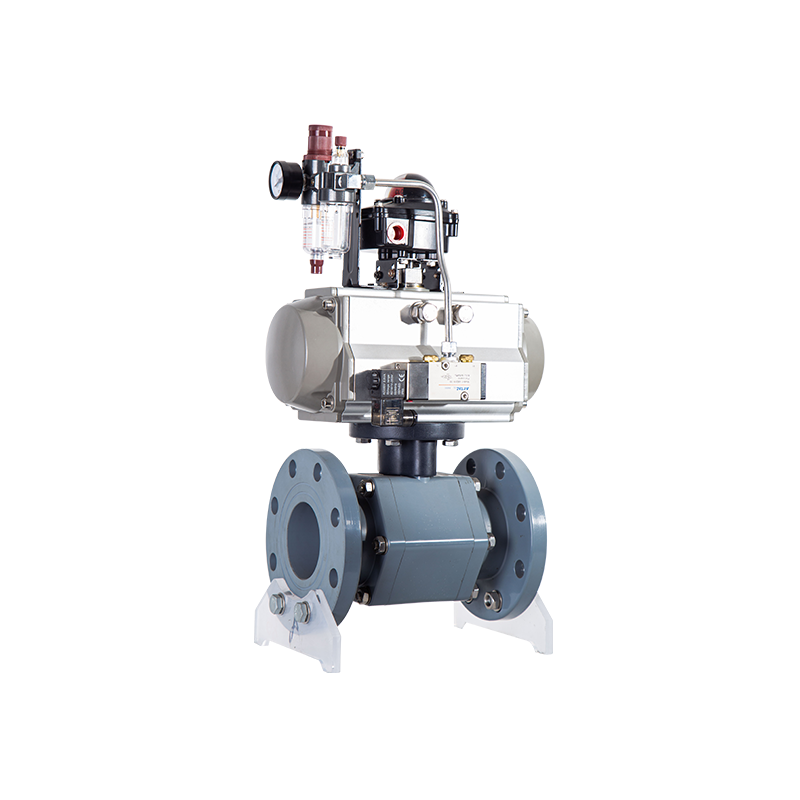
Difference Between Manual and Pneumatic Diaphragm Valves
In industrial production and pipeline control systems, diaphragm valves are essential control components widely used for regulating the flow of liquids and gases. Based on their mode of operation, diaphragm valves can be categorized into manual diaphragm valves and pneumatic diaphragm valves. Each type has its own characteristics and applications, and making the right choice is crucial to improve production efficiency and reduce malfunctions. This article will provide a detailed explanation of how to select manual diaphragm valves and pneumatic diaphragm valves based on actual needs.
1. Features and Applications of Manual Diaphragm Valves
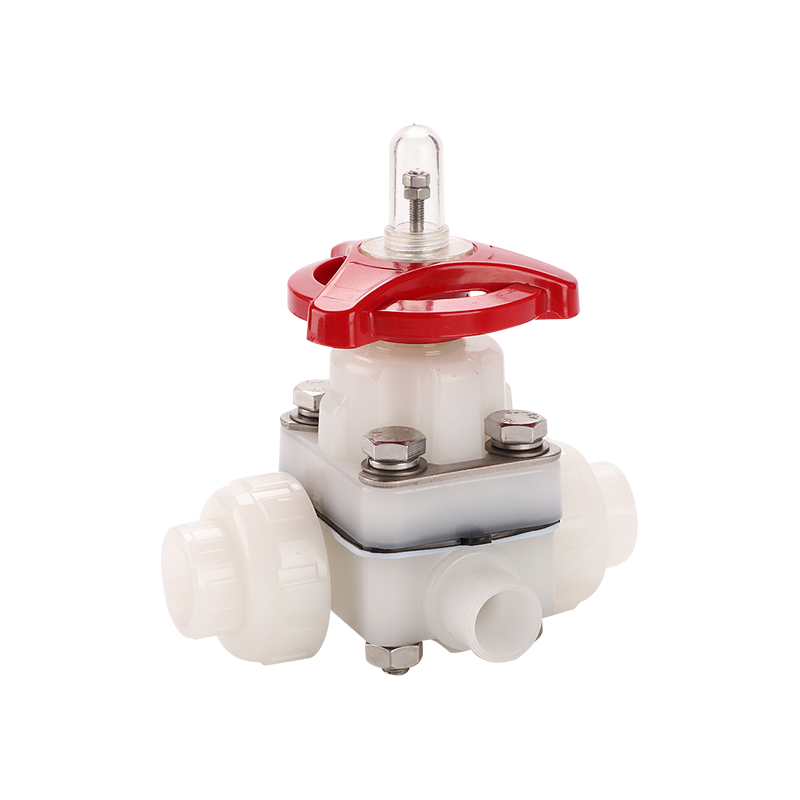
A manual diaphragm valve is operated by manually rotating a handwheel or lever to adjust the opening and closing of the valve. It is simple, stable, and offers high control precision, making it suitable for applications that require precise flow regulation. Manual diaphragm valves are typically simple in structure, easy to maintain, and cost-effective, which is why they are widely used in conventional industrial applications.
Applications:
- Low-frequency switching control: Ideal for situations where the valve does not need to be opened or closed frequently.
- Small-scale pipeline systems: Suitable for small pipelines or systems with low flow rates, where manual control provides adequate precision.
- No electrical or air supply: Manual diaphragm valves do not require external power or air supply, making them ideal for environments where electricity or air is unavailable.
2. Features and Applications of Pneumatic Diaphragm Valves
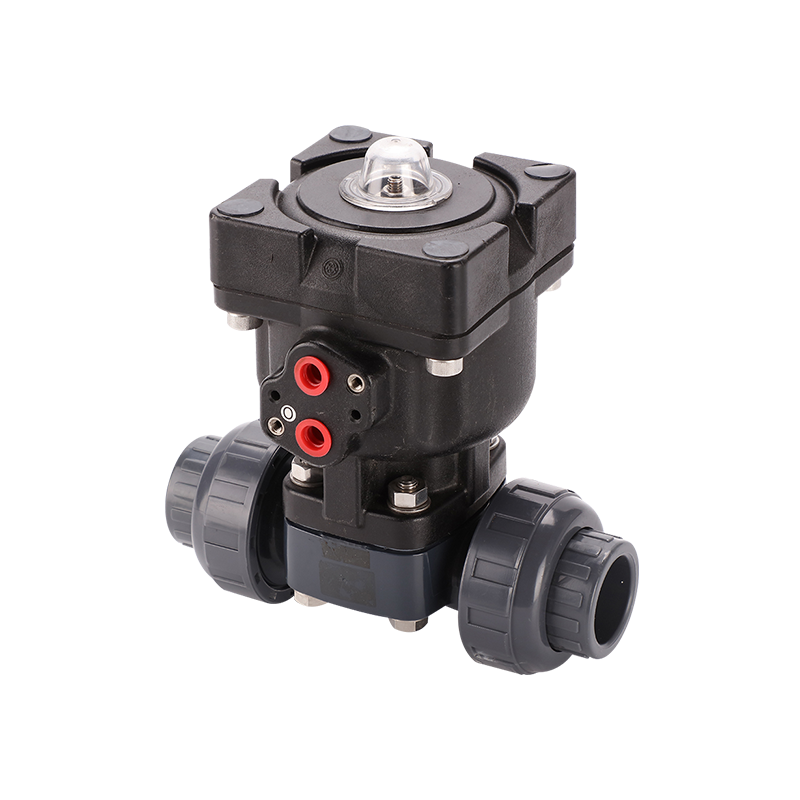
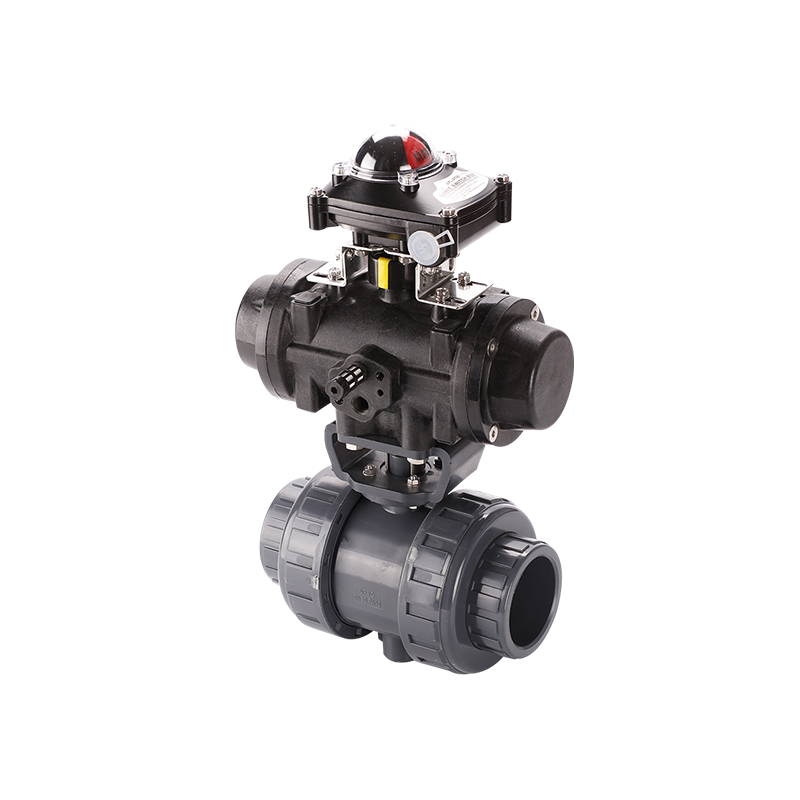
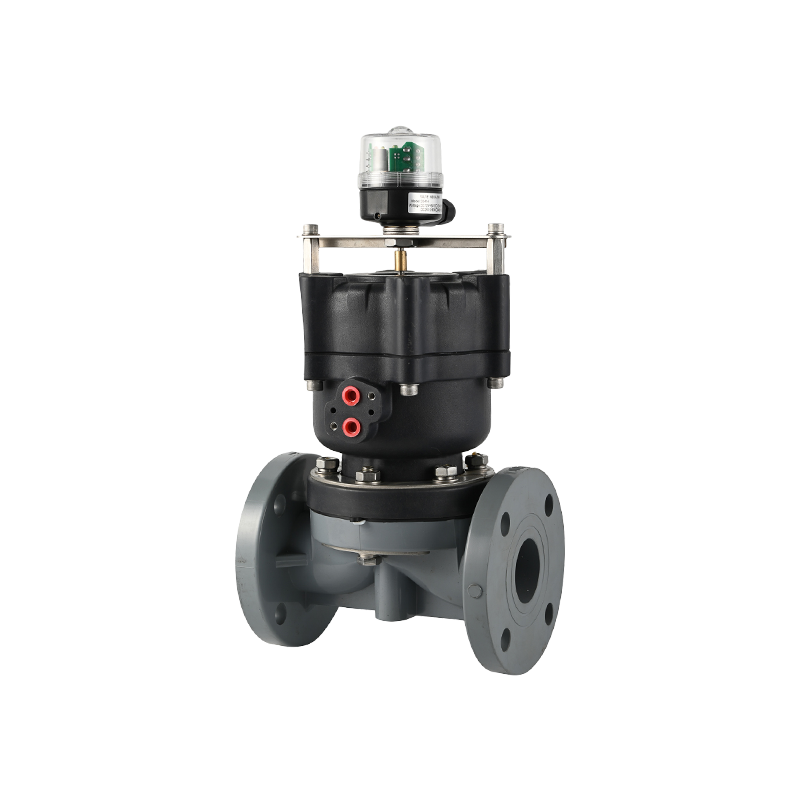
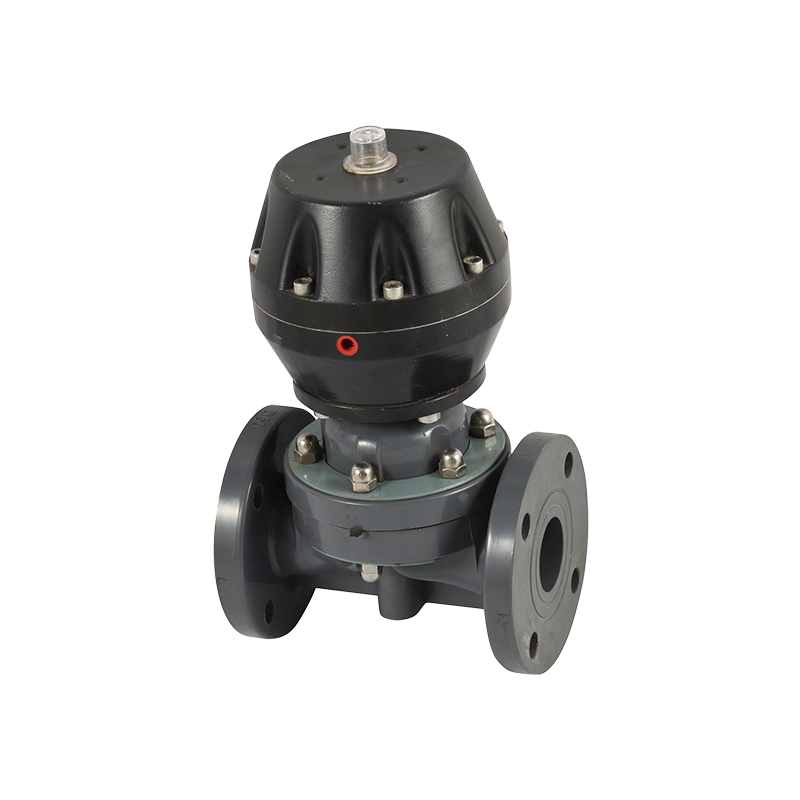
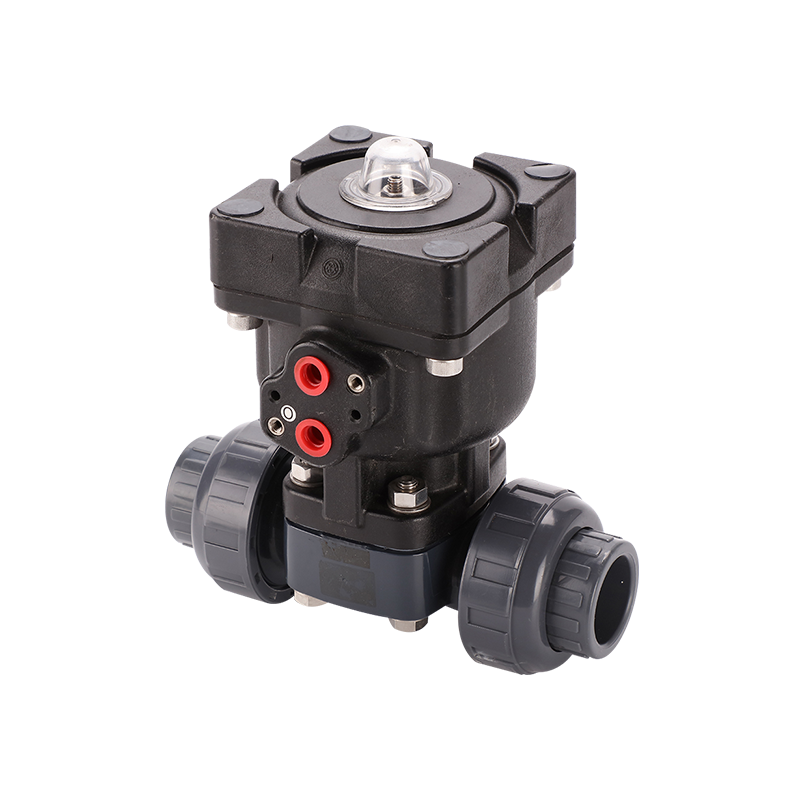
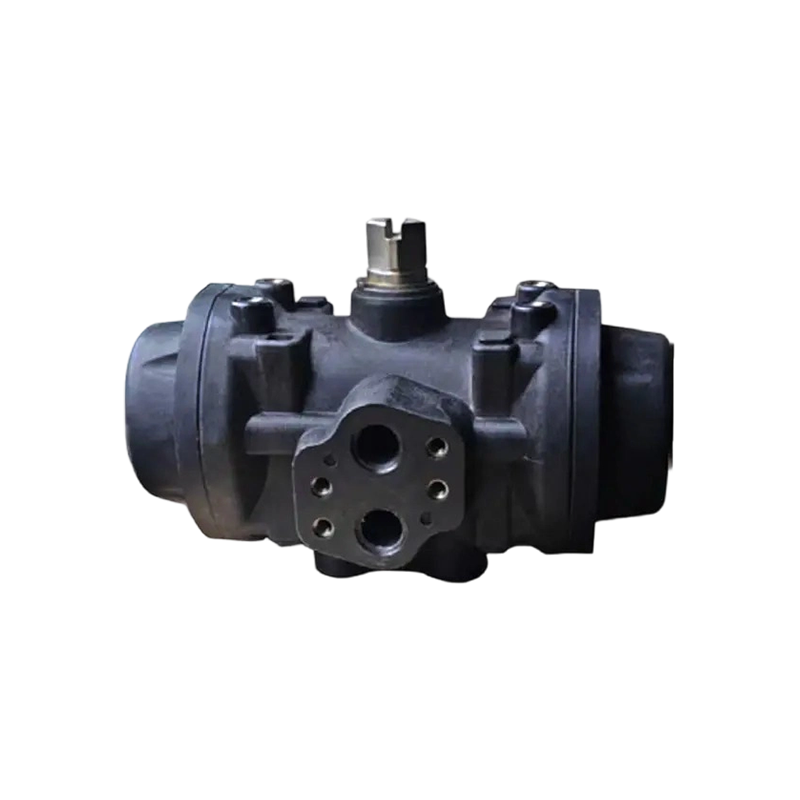
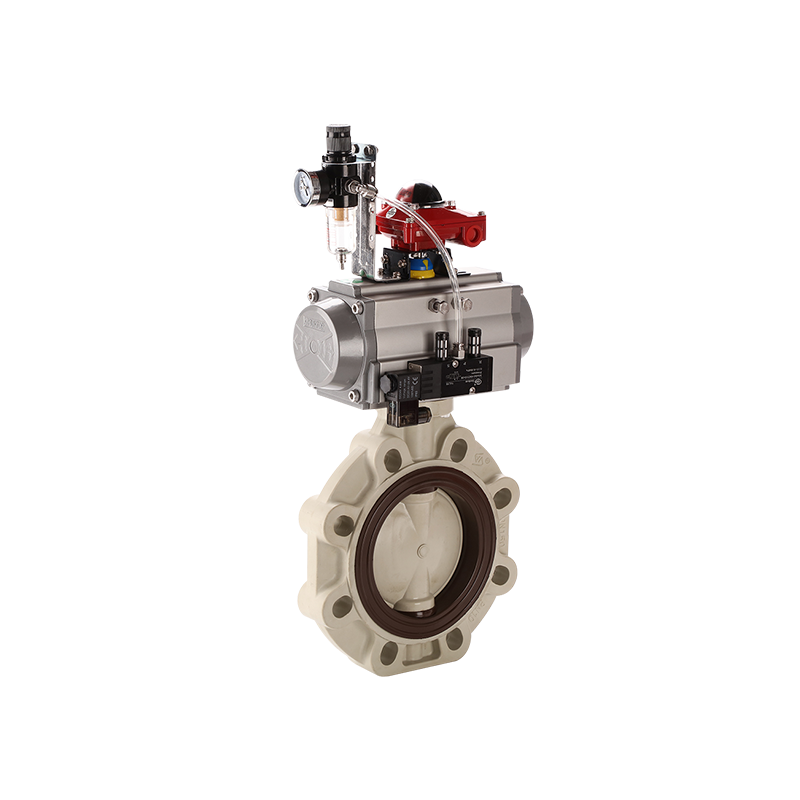
Unlike manual diaphragm valves, a pneumatic diaphragm valve is driven by compressed air, allowing for quicker operation and faster response. Pneumatic diaphragm valves are often used in scenarios that require frequent operation or remote control, and they are suitable for highly automated production lines.
Applications:
- High-frequency switching control: Ideal for applications that require frequent opening or closing of the valve, thanks to the quick response of pneumatic diaphragm valves.
- Remote control systems: Pneumatic diaphragm valves can be remotely controlled using pneumatic signals, making them ideal for locations that are difficult to access directly.
- Large-scale or complex pipeline systems: For large-scale industrial production or complex pipeline systems, pneumatic diaphragm valves ensure stable flow and pressure control.
3. Factors to Consider When Choosing Manual Diaphragm Valves
When selecting manual diaphragm valves, consider the following factors:
- Flow control precision: Manual diaphragm valves offer high control precision, making them suitable for applications requiring fine flow regulation.
- Operation frequency: Manual operation is ideal for low-frequency switching, but for frequent valve operations, pneumatic or electric valves may be better options.
- Environmental requirements: In environments where electricity or air is unavailable, manual diaphragm valves are an ideal choice, as they do not require external power sources for operation.
4. Factors to Consider When Choosing Pneumatic Diaphragm Valves
When choosing pneumatic diaphragm valves, the following factors should be considered:
- Response speed: Pneumatic diaphragm valves offer quick response times, making them suitable for high-frequency operation and rapid adjustments.
- Automation needs: Pneumatic diaphragm valves are especially advantageous in systems requiring automation or remote monitoring.
- Maintenance costs: While pneumatic diaphragm valves provide higher operational efficiency, their maintenance costs tend to be higher, requiring regular checks on pneumatic components.
5. Comprehensive Considerations
When choosing between manual diaphragm valves and pneumatic diaphragm valves, in addition to the factors mentioned above, consider the overall system design, operational costs, and the technical skills of operators. For example, in smaller, low-frequency applications, manual diaphragm valves may offer a better cost-performance ratio. However, for highly automated or high-efficiency production lines, pneumatic diaphragm valves may be more suitable.