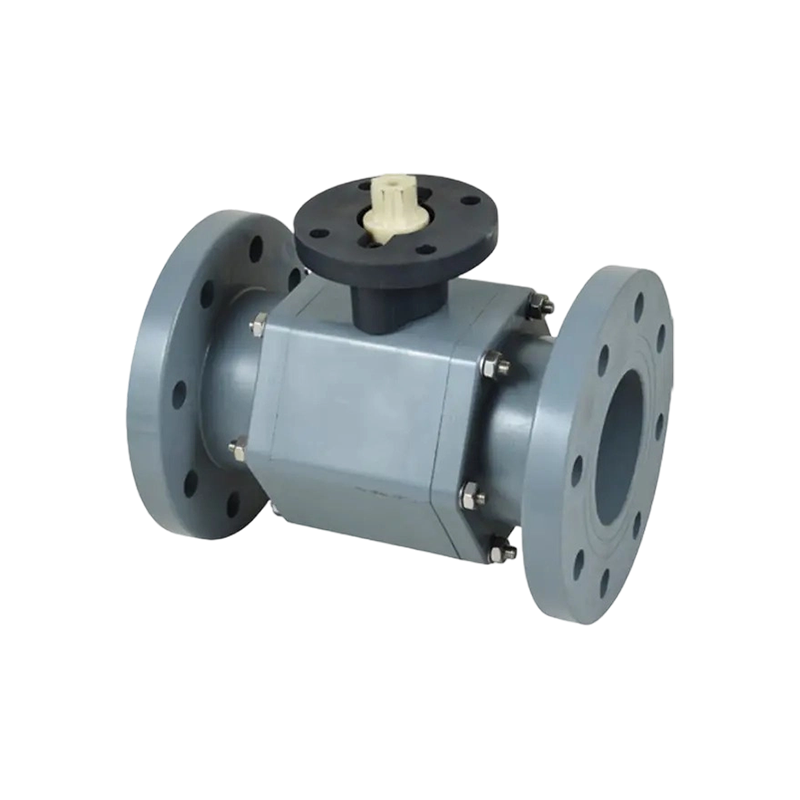
In the design and maintenance of modern fluid pipeline systems, medium backflow is a critical concern that can lead to system pressure fluctuations, contamination of upstream water sources, pump reversal damage, and mechanical failure of expensive equipment. To ensure the reliability and safety of system operations, various fluid control components play a vital role.
Core Protective Components: Definitions and Operating Principles
Preventing the backflow of media is a fundamental requirement in water treatment, chemical processing, hydraulics, and municipal water supply systems. While the ultimate goal of these valves is identical, their internal structures and applicable scenarios differ significantly.
Back flow valve and backflow preventer valve Dual Defense Mechanisms
In scenarios where water supply systems must be isolated from toxic media, the back flow valve serves as an indispensable safety barrier. For high-risk conditions, the backflow preventer valve, consisting of two independent check valves and an atmospheric relief valve, provides a higher level of protection. It operates by creating a reduced pressure zone between the two check valves. If downstream pressure rises abnormally or upstream pressure drops, the valve automatically closes and opens the relief port to discharge potential backflow, preventing cross-contamination.
Fundamental Flow Blockage: The Wide Application of the non return valve
As the most basic unidirectional control element in fluid pipelines, the non return valve relies entirely on the flow of the medium itself for automatic opening and closing. When the medium flows in the forward direction, the valve disc is pushed open by fluid pressure. When the fluid attempts to flow backward, the fluid pressure combined with the weight of the disc (or spring force) ensures the disc seats tightly, cutting off the reverse flow.
Common Structural Types and Technical Features
The choice of valve structure depends on installation space, pressure ratings, and the specific characteristics of the medium.
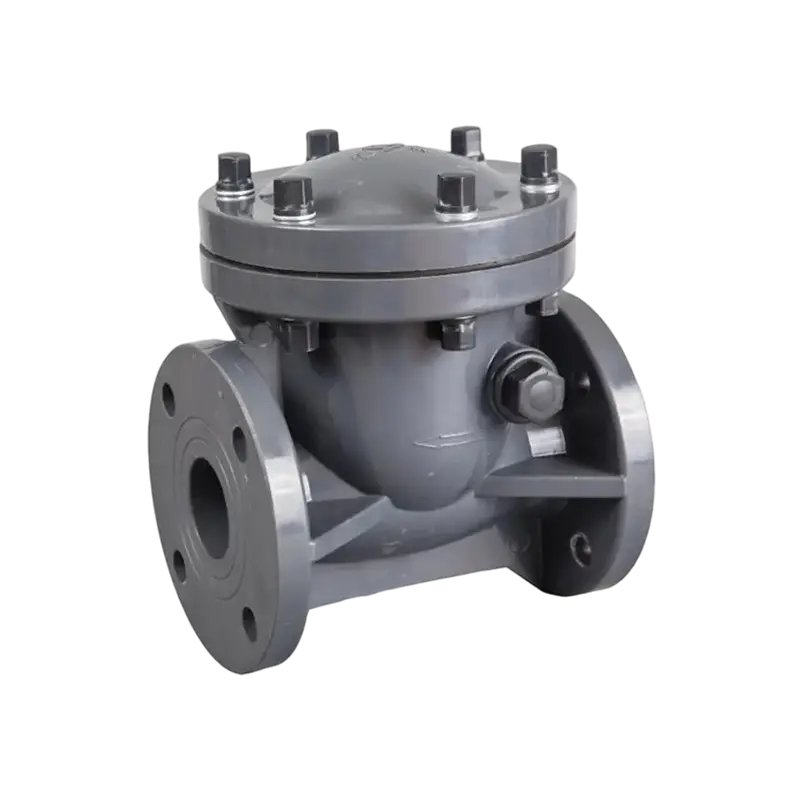
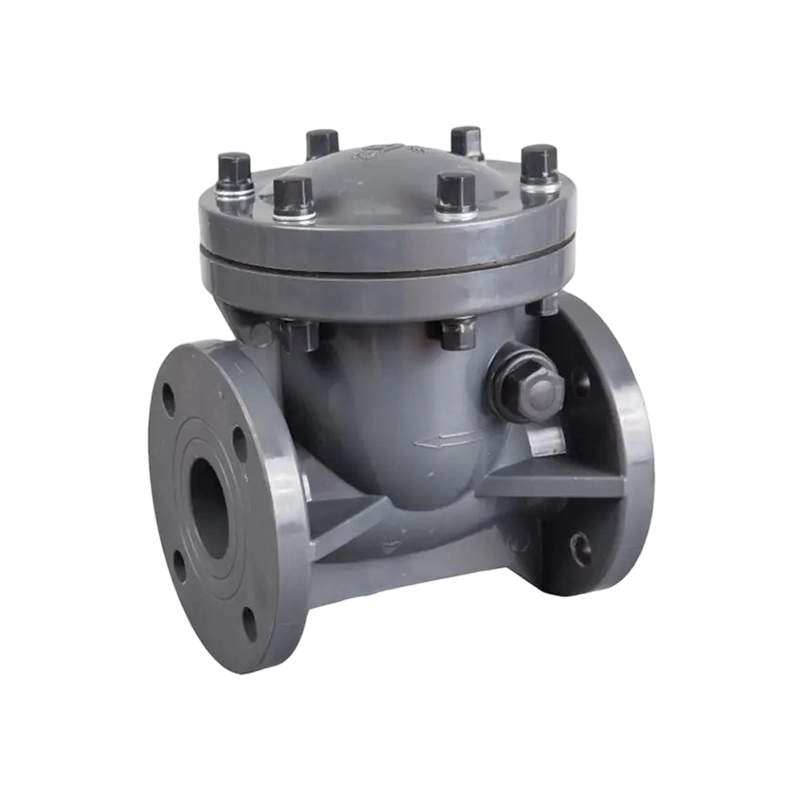
1. swing check valve
Characterized by low flow resistance and high flow capacity, the disc swings on a hinge or shaft outside the seat. It is ideal for large-diameter, low-velocity pipelines. However, it is not recommended for systems with high-velocity fluctuations or water hammer risks.
2. spring check valve
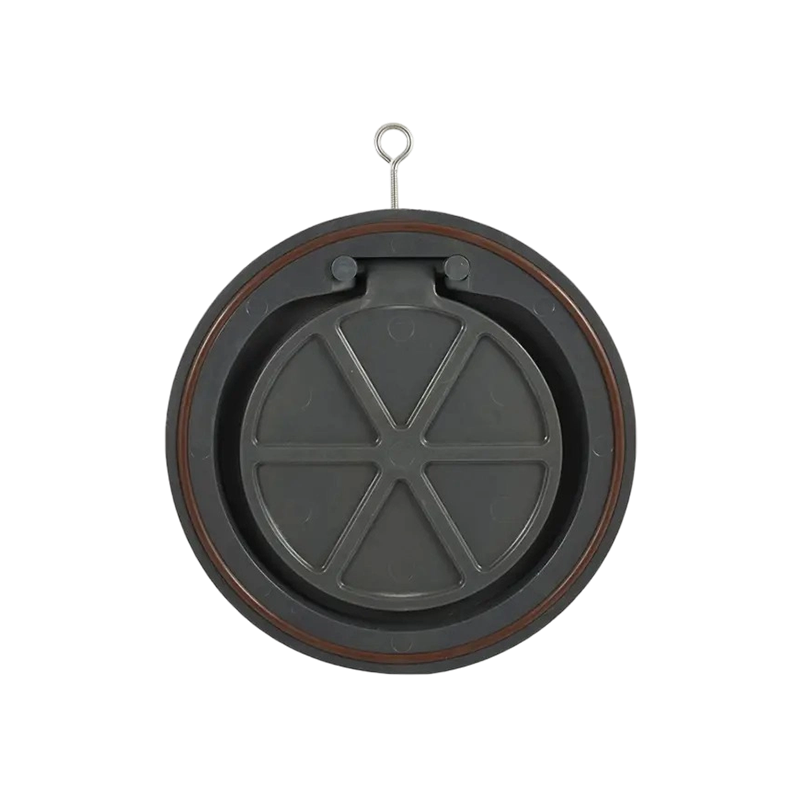
This valve incorporates a precision spring to assist in the rapid repositioning of the valve disc. The spring check valve closes extremely fast, effectively eliminating water hammer, and supports installation at any angle, whether vertical or horizontal.
3. wafer check valve
Designed with an ultra-short structural length, the wafer check valve is clamped between two pipe flanges. It is compact, lightweight, and saves significant installation space, making it suitable for large-diameter, integrated piping networks.
4. double check valve
Consisting of two independent check valve assemblies in series, the double check valve provides redundancy. Even if one valve is fouled by debris, the second valve remains functional to prevent backflow.
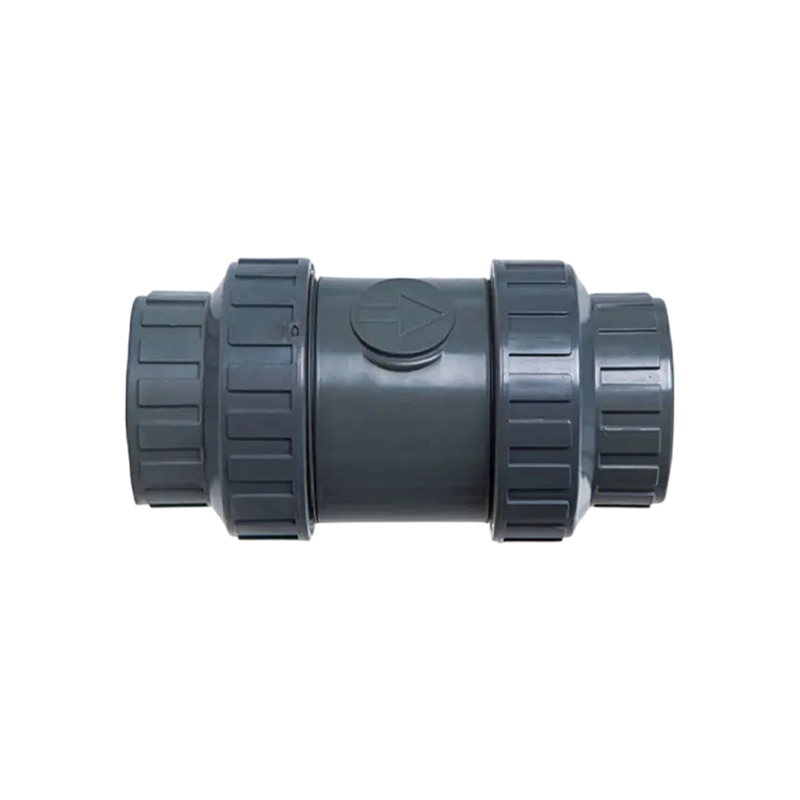
5. pvc check valve
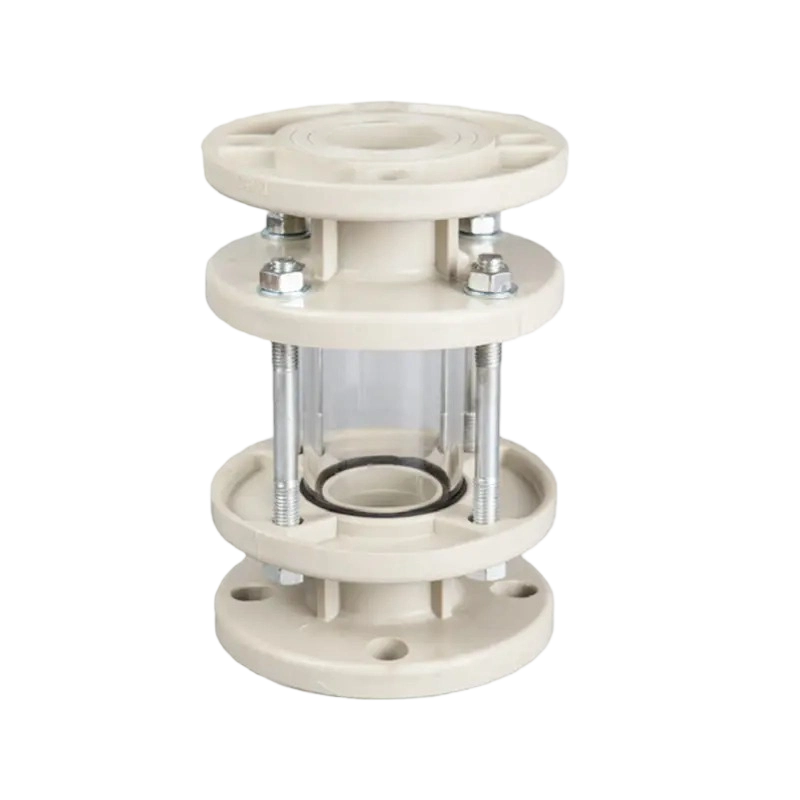
Manufactured from polyvinyl chloride, the pvc check valve offers excellent corrosion resistance. It is lightweight and easy to install, commonly used in aquaculture, irrigation, and chemical lines involving weak acids or bases.
6. hydraulic check valve
Specifically engineered for high-pressure hydraulic systems, the hydraulic check valve is manufactured with extreme precision. It features high pressure resistance and extremely low internal leakage, ensuring pressure retention in hydraulic circuits.
Technical Parameters Comparison
The following table outlines the technical differences between various valve types to guide practical application:
| Valve Type |
Pressure Range |
Media Type |
Installation Direction |
Pressure Loss |
Water Hammer Mitigation |
| swing check valve |
Low to Medium |
Water, fluids with micro-particles |
Horizontal (or vertical up-flow) |
Very Low |
Weak |
| spring check valve |
Low to High |
Clean liquids, Gases |
No restrictions (Any angle) |
Medium |
Very Strong |
| wafer check valve |
Medium |
Water, Industrial wastewater |
Horizontal or Vertical |
Low |
Medium |
| double check valve |
Low (Potable/Fire) |
Drinking water, Greywater |
Usually Horizontal |
Medium |
Average |
| pvc check valve |
Low (Typically < 1.0 MPa) |
Corrosive liquids, Water |
Depends on design |
Medium |
Average |
| hydraulic check valve |
High (Up to 31.5+ MPa) |
Hydraulic oil, Mineral oil |
No restrictions |
High (Due to spring force) |
Very Strong |
Resolving Practical Selection and Operational Issues
Improper selection often leads to "water hammer" noises, abnormal wear of sealing surfaces, or even pipe bursts.
Eliminating Pipeline Water Hammer
In pump outlets or high-drop pipelines, using a standard swing check valve may cause severe water hammer because the disc closing speed lags behind the reverse flow. Replacing it with a spring check valve or a compact wafer check valve is the standard solution. The spring tension forces the disc back to the seat the moment flow velocity hits zero.
Configurations for Strict Pollution Prevention
At the connection between municipal water and industrial auxiliary water sources, a backflow preventer valve or double check valve must be installed. While a simple back flow valve provides primary protection, dual-stage or relief-type components ensure that contaminants do not enter the public drinking water system during extreme back-siphonage or back-pressure conditions.
Corrosive and High-Pressure Environments
For acidic or alkaline media where metal valves succumb to corrosion, the pvc check valve is a cost-effective choice. In automation and heavy equipment sectors where pressures reach hundreds of kilograms, a high-strength hydraulic check valve is required to ensure zero leakage and long service life under high-frequency operation.