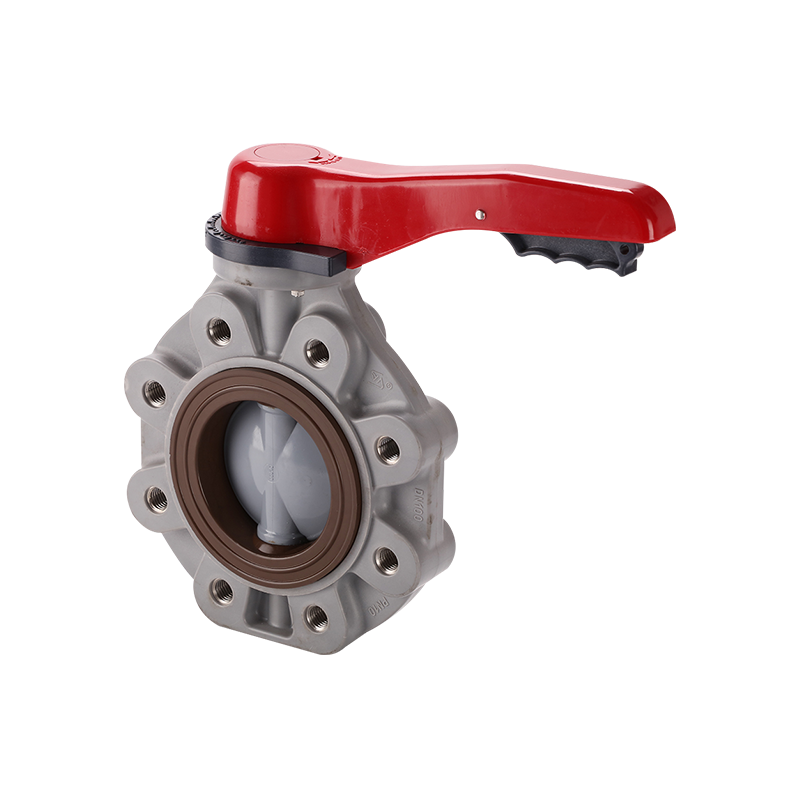
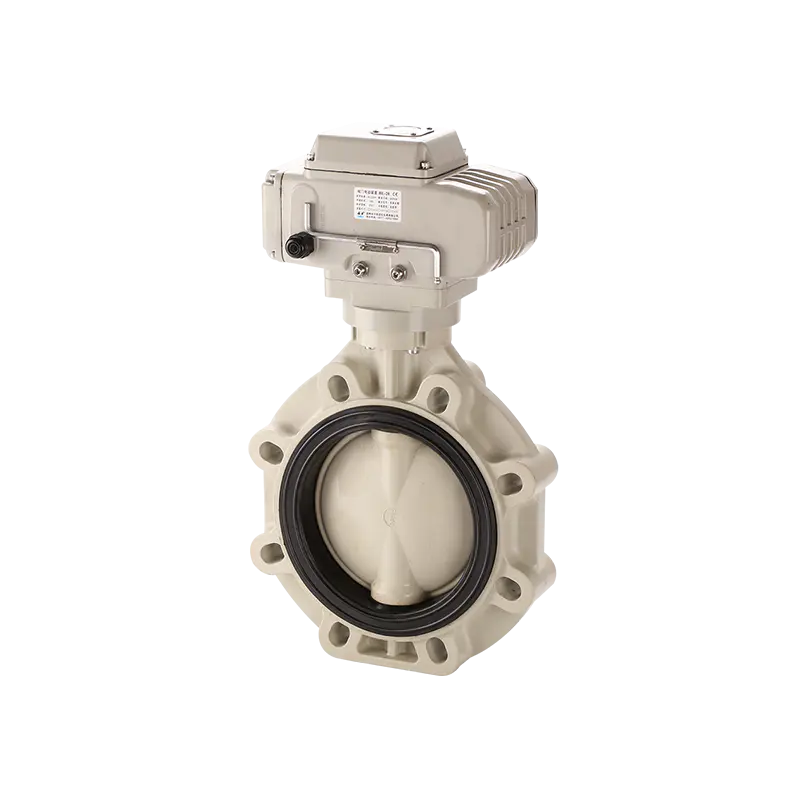
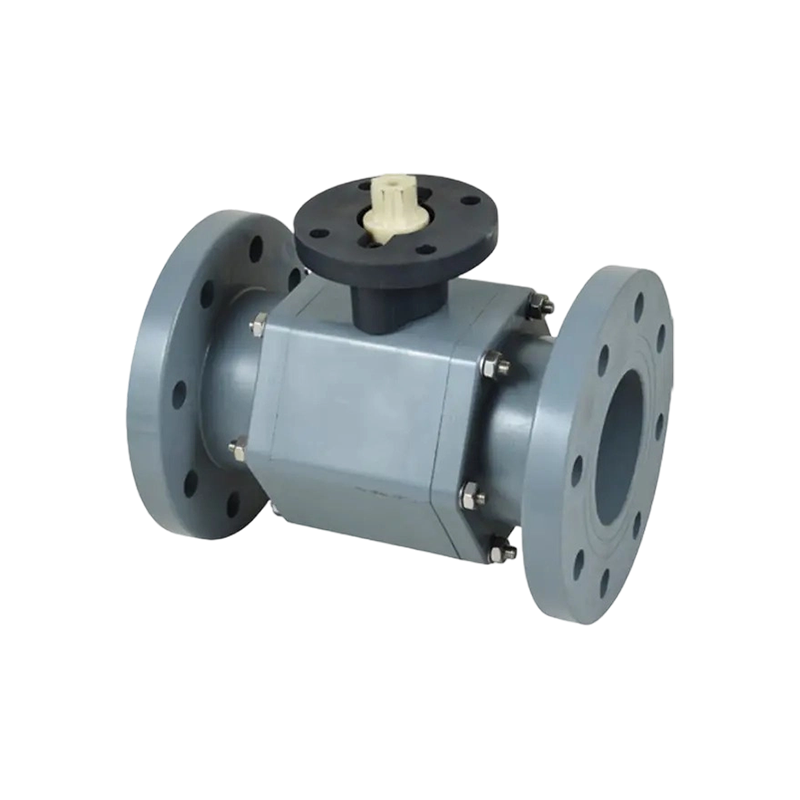
In industrial pipelines, media containing solid particles place higher demands on valves than ordinary liquid or gas media, particularly for automatic butterfly valves. Solid particles can significantly affect the performance and service life of butterfly valves, making proper valve selection critical for ensuring reliable operation. This article explores how to select automatic butterfly valves for media with solid particles, focusing on material, design, sealing methods, and other key factors to minimize wear and extend service life.
1. Material Selection
When the media contains solid particles, material choice is the most critical factor. The hardness and corrosiveness of the particles directly impact the wear of the valve body, stem, and disc components. Common material options include:
-
Hard Alloy Materials: For applications with high-hardness particles, butterfly valves with hard alloy coatings or surface hardening can effectively reduce wear. Materials such as wear-resistant alloys, ceramic coatings, or other hardened layers significantly improve the durability of valve bodies, discs, and stems. These materials are suitable for conveying large, hard particles such as coal powder, sand, or slurry.
-
Stainless Steel: For media containing corrosive particles, stainless steel butterfly valves are ideal. Alloys such as 316L or 17-4PH provide strong corrosion resistance while offering moderate wear resistance, suitable for acidic, alkaline, or seawater-containing media.
-
Carbon Steel: Carbon steel valves are cost-effective and suitable for media with low corrosivity. For less aggressive particles like dust or powder, carbon steel valves with wear-resistant treatments can perform adequately while keeping costs lower.
2. Sealing Design
Media with solid particles requires higher sealing performance. Poor sealing can lead to leakage, pressure loss, and accelerated wear, affecting valve lifespan. Selecting butterfly valves with high-performance sealing is essential.
-
Elastomeric Seals: Elastomeric seals can resist abrasion from solid particles. Common materials include PTFE, rubber, and polyurethane. These materials offer elasticity and a degree of wear resistance, effectively preventing leakage in particle-laden media.
-
Metal Seals: For high-temperature, high-pressure, or heavily particle-laden applications, metal-seated butterfly valves provide superior wear resistance. Metal seals offer high hardness and corrosion resistance, making them suitable for coal powder, slurry, or other abrasive media.
-
Dual Seal Design: Dual-seal butterfly valves feature inner and outer sealing layers, greatly enhancing sealing performance and reducing leakage. This design ensures that even if one seal fails, the other can maintain containment, ideal for media with a high particle concentration.
3. Disc and Seat Design
The valve disc and seat are critical components influencing performance in media containing solid particles. Important factors include:
-
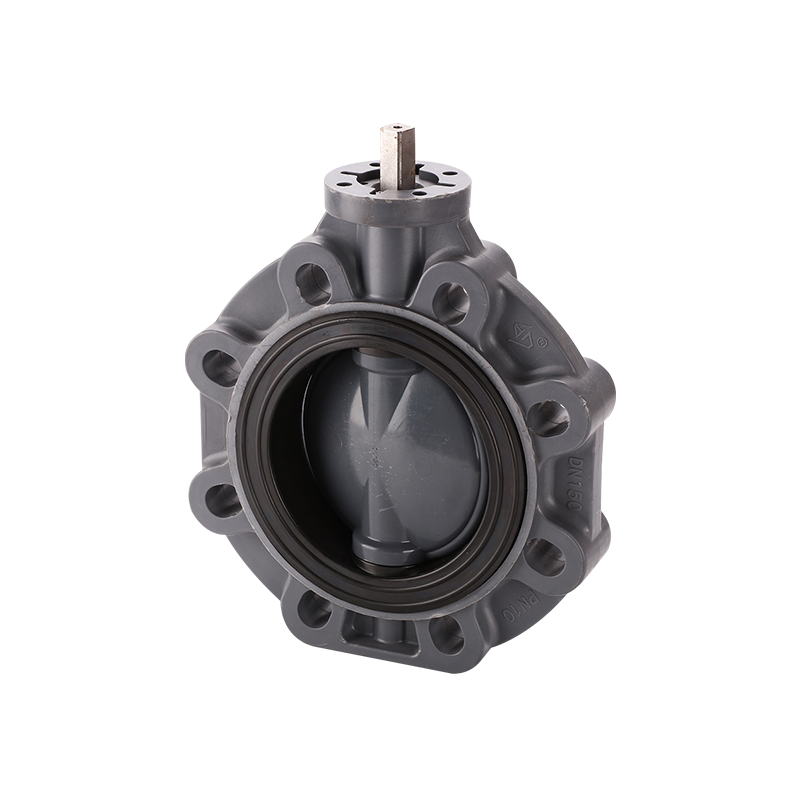
Disc Design: For media with high particle content, select compact, smooth, and wear-resistant disc designs. The disc should be made of abrasion-resistant materials to maintain long-term durability. Streamlined disc designs also minimize direct contact with particles, reducing wear.
-
Seat Design: Particles can erode valve seats quickly. Seats should be made from wear-resistant and particle-erosion-resistant materials. Ceramics, hardened steel, or ceramic-reinforced composites are commonly used to prolong valve life and reduce particle damage.
4. Stem and Actuator Protection
Solid particles can also damage the valve stem and actuator. Considerations for protection include:
-
Stem Protection: Particle impact and friction can damage the stem, affecting operation. Alloy stems, coated stems, or ceramic stems improve wear resistance. Properly designed stem sealing prevents particles from entering critical areas, ensuring long-term reliability.
-
Actuator Protection: Actuator selection should consider particle-laden environments. Pneumatic or electric actuators are recommended, with protective covers to prevent particle intrusion. Filtration devices can block most particles, safeguarding actuator performance.
5. Flow Control and Operation
Flow control in particle-laden media requires attention. Rapid opening or closing can cause particle impact, accelerating wear. Valves designed for slower operation reduce stress on components. Selecting appropriate flow characteristics, such as linear, equal-percentage, or quick-opening butterfly valves, ensures stable operation and better control of media flow containing particles.
6. Regular Inspection and Maintenance
Wear is inevitable in pipelines carrying solid particles, making regular inspection and maintenance essential. For particle-laden media, check sealing status, disc wear, and stem protection periodically. Early detection of issues allows timely repairs, preventing valve failure and ensuring reliable operation.