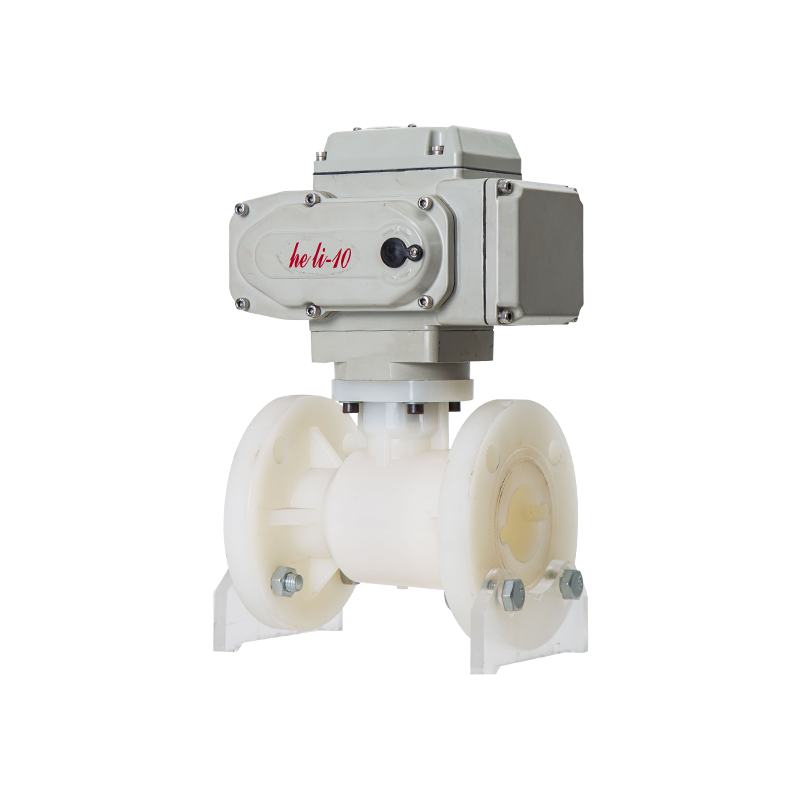
Automatic Butterfly Valve Overview
In the field of industrial fluid control, the cost of an Electric Actuated Butterfly Valve is not a simple figure but a complex variable influenced by multiple technical specifications. Understanding these cost components not only helps in optimizing budgets but also ensures the long-term stable operation of automated control systems.
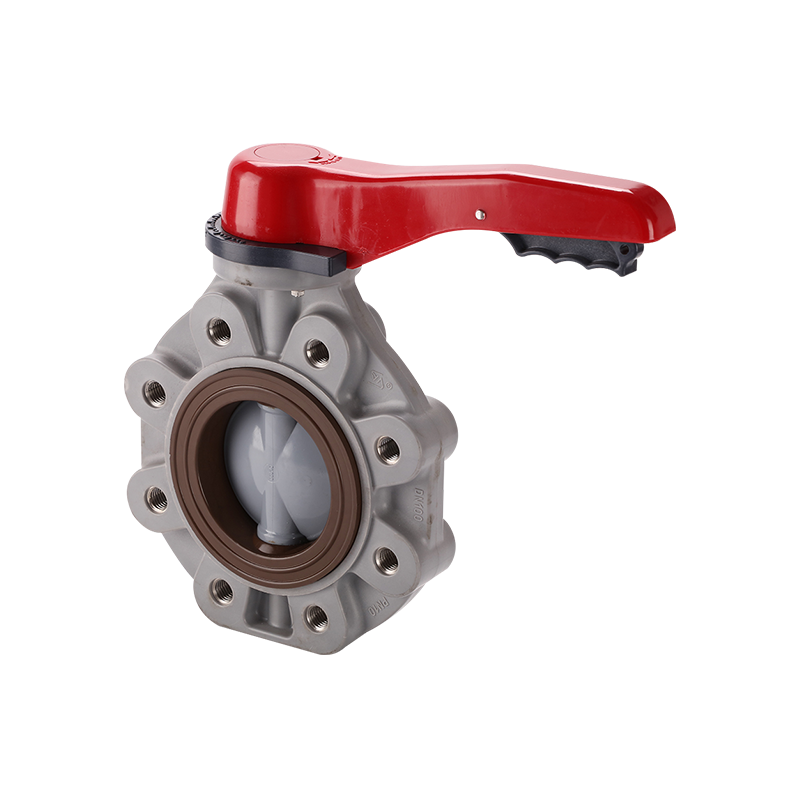
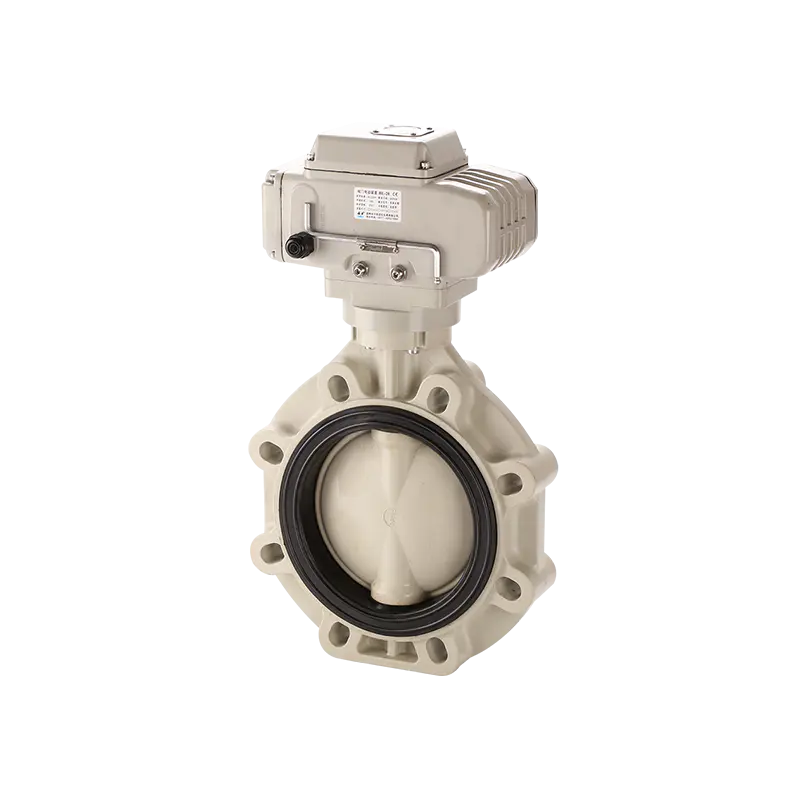
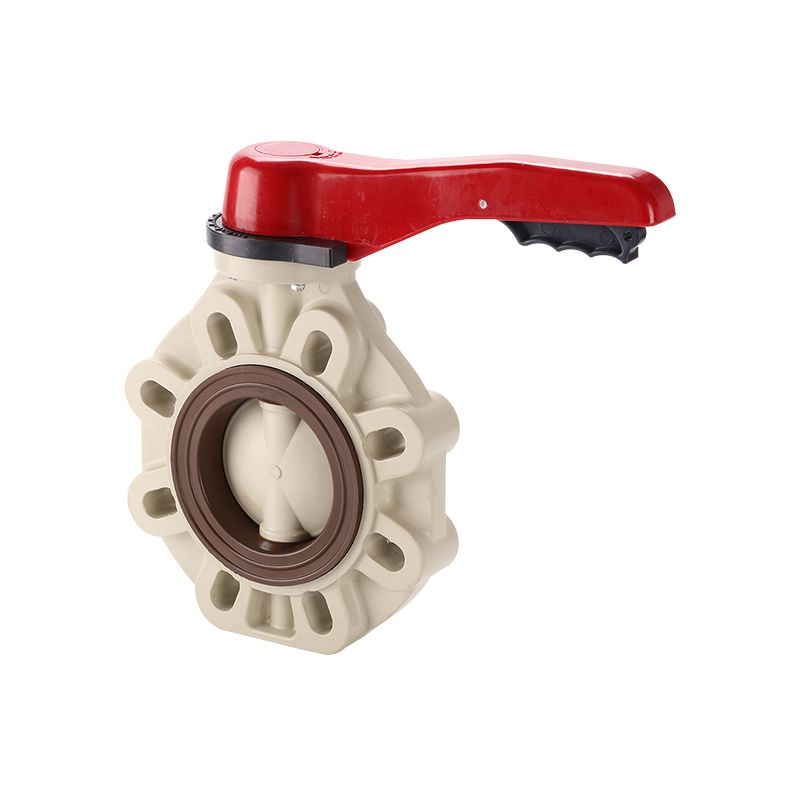
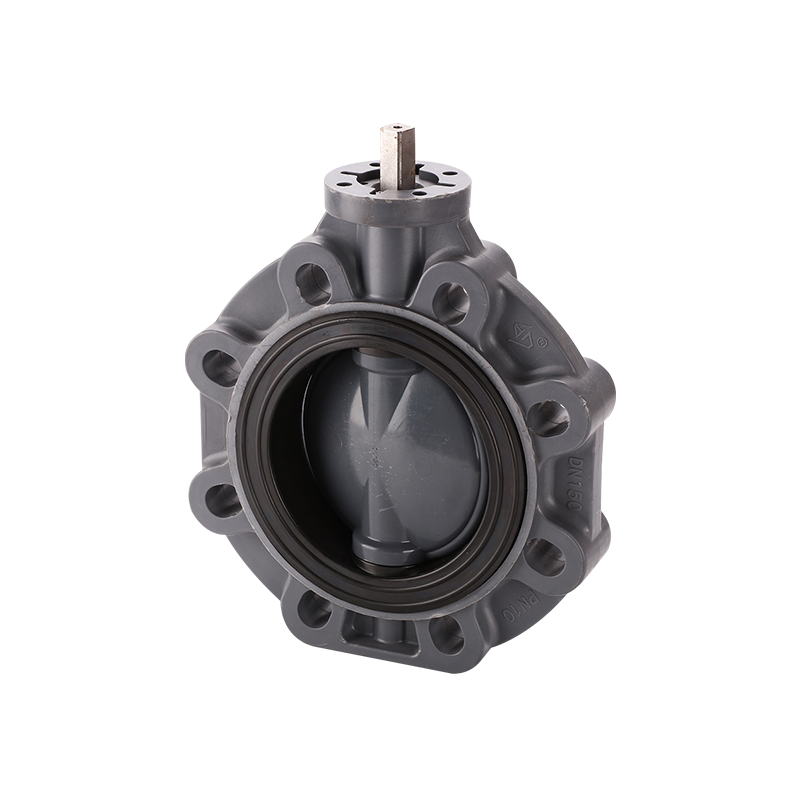
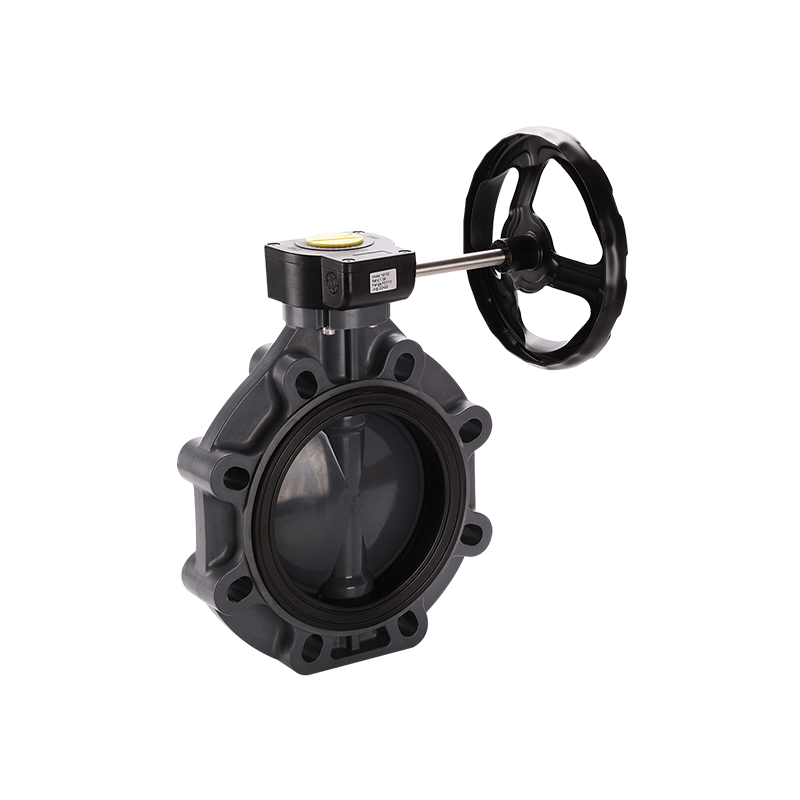
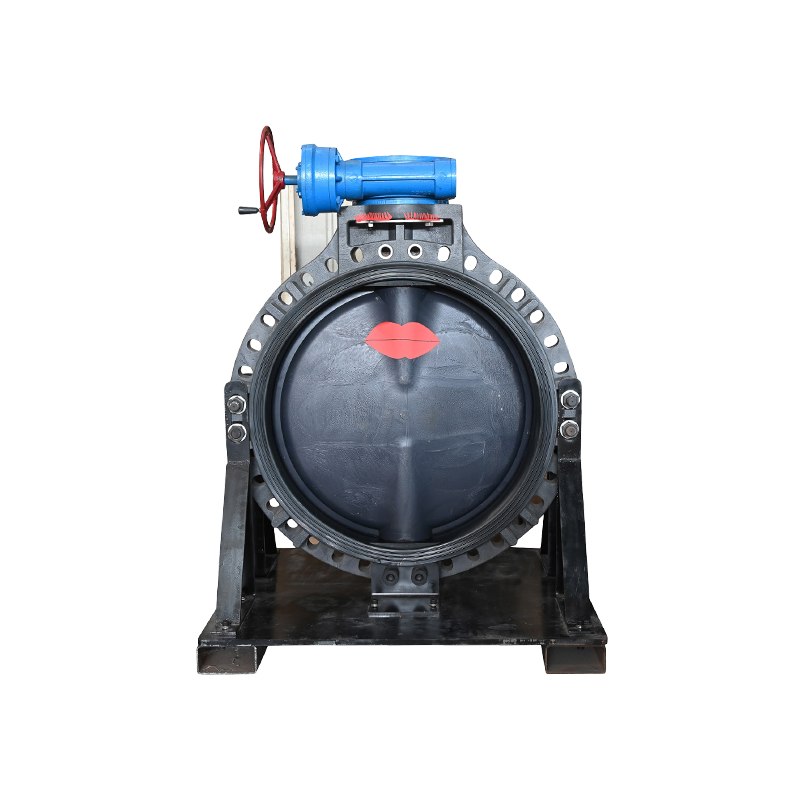
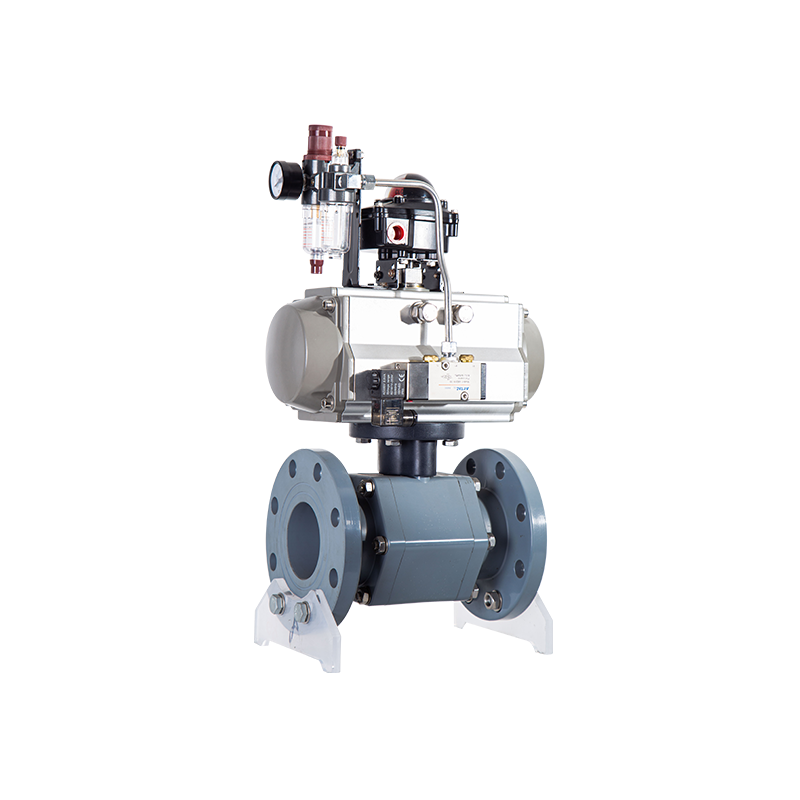
In modern factories and infrastructure, the Automatic Butterfly Valve has become an indispensable component for fluid management. Unlike traditional handle or worm gear butterfly valves that rely on manual operation, these automated valves achieve remote, precise opening, closing, and regulation by receiving electrical signals.
Its core value lies in integrating complex fluid control into a central control system, such as a PLC or SCADA. By configuring an electric actuator, these valves significantly reduce labor costs and provide higher safety guarantees in hazardous environments or high-frequency operating conditions.
Essential Differences Between Electric and Manual Butterfly Valves
Choosing an Automatic Butterfly Valve is usually driven by the pursuit of efficiency and precision. While the initial purchase cost is higher than that of manual valves, their advantages in response speed, positioning accuracy, and degree of automation are irreplaceable.
To visually demonstrate the differences in performance and application between the two, the following table compares their core parameters:
Parameter Comparison: Manual vs. Automatic Butterfly Valve
| Dimension |
Manual Butterfly Valve |
Automatic Butterfly Valve (Electric) |
| Drive Method |
Manual handle or worm gear |
Electric motor (AC/DC) |
| Response Time |
Depends on manual arrival |
Seconds (typically 10-30s) |
| Control Precision |
Based on experience; high error |
Precise control (Modulating types up to 1%) |
| Signal Feedback |
None (requires visual check) |
Supports 4-20mA or switch signal feedback |
| Operating Cost |
Requires continuous manual labor |
Very low (only electricity and maintenance) |
| Initial Cost |
Lower (1.0x) |
Higher (3.0 - 5.0x) |
| Scenarios |
Low-frequency, accessible pipes |
High-frequency, remote, or hazardous areas |
Impact of Application Scenarios on Cost
The pricing of an Automatic Butterfly Valve has significant environmental relevance. For example:
Standard Civil Environments: In HVAC or water supply systems, cast iron materials with basic on/off actuators are typically used, placing the price at an entry-level.
Harsh Industrial Environments: In the chemical or pharmaceutical industries, the valve body may require stainless steel or PTFE lining, paired with explosion-proof electric actuators. These customizations for special media and safety standards can increase the unit cost several times over.
The Value of Automation
When purchasing an Electric Actuated Butterfly Valve, it should be viewed as a long-term efficiency investment. Although the unit price is higher than manual products, the resulting optimization of automated processes often provides a return on investment within the first year of operation by reducing downtime and labor costs.
Core Factors Affecting Electric Actuated Butterfly Valve Price
When looking deeply at the cost of an Automatic Butterfly Valve, it is vital to realize that the valve body specifications determine the base price. Even with the same electric actuator, changes in valve material, sealing technology, and pressure rating can cause the total price to span several multiples.
Cost Classification of Valve Body Materials
Material is the largest and most direct part of the cost structure. Different media (water, oil, gas, or corrosive chemicals) require different grades of metals or alloys.
Cast Iron/Ductile Iron: The most economical choice, widely used in water supply and HVAC. It has the lowest cost but limited corrosion resistance.
Carbon Steel: Suitable for high-temperature and high-pressure environments, commonly used in industrial steam and petroleum pipelines; mid-range price.
Stainless Steel 304/316: Offers excellent corrosion resistance and hygiene ratings, suitable for food, medicine, and chemical industries. 316 stainless steel is typically 20% to 30% more expensive than 304 due to molybdenum content.
Special Alloys: Such as Hastelloy or Titanium, used for extreme corrosion environments; the price can be several times that of conventional stainless steel.
Sealing Material and Technology
The sealing form of an Automatic Butterfly Valve directly determines its service life and temperature suitability, making it a major price variable.
Soft Seated: Usually utilizes EPDM or PTFE. This design achieves zero leakage at a lower cost but is generally limited to below 180 degrees Celsius.
Metal Seated: Uses a metal-to-metal structure. These valves are complex to manufacture and require extremely high machining precision to maintain performance under high temperatures (above 400 degrees Celsius) or high pressures. Their price is usually 50% higher than soft-seated versions.
Correlation of Valve Size and Pressure Rating to Cost
Size and pressure rating follow non-linear price growth patterns.
| Dimension |
Specification Example |
Impact on Cost Logic |
| Size |
DN50 - DN1200 |
As size increases, material consumption rises and required torque grows exponentially, causing actuator costs to surge. |
| Pressure Rating |
PN10 / PN16 / PN25 |
Each increase in pressure rating requires thicker valve walls and higher flange standards. PN25 is usually 25% to 40% more expensive than PN16. |
| Connection |
Wafer / Flanged |
Wafer types are simple and use less material (lowest cost); flanged types are more robust for large diameters or high pressure (higher cost). |
Comparison: Performance and Price Trends of Materials and Seals
To help you balance the budget for an Automatic Butterfly Valve, the table below lists parameters and relative price indices:
| Configuration Type |
Suitable Media |
Temp Range |
Pressure |
Price Index (Cast Iron = 1.0) |
| Ductile Iron + EPDM |
Water, Air |
-10 to 120 C |
Low/Mid |
1.0 (Base) |
| Carbon Steel + PTFE |
Weak acids, Chemicals |
-20 to 180 C |
Mid |
1.8 - 2.2 |
| Stainless 304 + PTFE |
Food grade, Corrosive |
-30 to 200 C |
Mid |
2.5 - 3.5 |
| Stainless 316 + Metal |
High temp, Strong corrosive |
-40 to 450 C |
High |
5.0 - 8.0 |
Key Cost Factor Summary
When selecting an Electric Actuated Butterfly Valve, follow the principle of selecting materials based on need. Choosing a metal-seated stainless steel Automatic Butterfly Valve for circulating cooling water is not only a waste of budget but may result in micro-leakage, as metal seats often perform worse than soft seats at low pressures.
Cost Proportion of the Electric Actuator
In the procurement budget for an Automatic Butterfly Valve, the electric actuator often accounts for 40% to 70% of the total cost. As the core of automation, its control accuracy, protection level, and extra functions determine the premium.
Impact of Control Functions on Cost
Based on control logic, electric actuators are divided into three levels, with each level typically increasing costs by 30% to 80%.
On/Off Type: Only receives full-open or full-close signals. This is the basic configuration and the most affordable.
Modulating Type: Accepts 4-20mA or 0-10V analog signals to fix the valve plate at any angle between 0 and 90 degrees. It includes a servo amplifier and position feedback, costing about 40% more than the On/Off type.
Intelligent Type: Features an LCD screen, non-intrusive settings, self-diagnostics, and supports bus protocols (Modbus, Profibus). This is a high-end application, usually 60% to 100% more expensive than traditional actuators.
Costs of Special Protection and Certification
The harsher the environment for the Automatic Butterfly Valve, the higher the protection and certification requirements.
| Protection/Cert |
Description |
Estimated Cost Increase |
| IP67 (Standard) |
Dust-tight, temporary immersion (1m, 30 min) |
0% (Baseline) |
| IP68 (Submersible) |
Suitable for long-term underwater operation |
+15% - 25% |
| Ex-d (Explosion-proof) |
For flammable/explosive gas or dust environments |
+50% - 100% |
Cost Differences in Fail-safe Protection
Ensuring the Automatic Butterfly Valve returns to a safe position during a power failure is crucial.
Mechanical Spring Return: Uses internal springs to release energy instantly upon power loss. Highly reliable but bulky; motor power and cost increase significantly (often over 80%).
Backup Power (Battery/Capacitor): Uses integrated batteries or capacitors to drive the motor during power loss. Smaller than the spring solution, with an initial cost increase of about 30% to 50%.
Core Parameter Comparison: Actuator Technical Indicators
| Parameter |
On/Off Type |
Modulating Type |
Intelligent Ex-Proof |
| Positioning Accuracy |
Limits only |
+/- 1% |
+/- 0.5% |
| Control Signal |
Passive contact / 220V |
4-20mA |
Digital Bus (Modbus) |
| Protection Standard |
IP67 |
IP67/IP68 |
Ex d IIB T4 / IP68 |
| Cycle Time |
10s - 30s |
15s - 45s |
Programmable |
| Cost Index |
1.0 |
1.4 |
2.5 - 3.5 |
Procurement Advice
When selecting an actuator for an Automatic Butterfly Valve, prioritize Torque. It is recommended to choose an actuator with a rated torque 1.2 to 1.5 times the maximum operating torque of the valve to handle resistance from scaling or pressure fluctuations.
FAQ
Q: Why are 24V DC actuators sometimes more expensive than 220V AC?
A: While 24V is safer, the internal motor often requires more complex circuitry to handle high currents, and manufacturing costs for DC motors in large-torque models can be higher.
Q: Is the modulating signal (4-20mA) prone to interference?
A: In 2026 standards, most Automatic Butterfly Valve actuators have excellent anti-interference designs. However, for long distances, shielded cables are recommended.
Q: Can I use an On/Off actuator for simple regulation if my budget is limited?
A: It is not recommended. Frequent starting and stopping of an On/Off motor leads to overheating and a lack of precise feedback, accelerating gear wear.
Q: Which certifications significantly increase costs?
A: ATEX or IECEx explosion-proof certifications increase costs most significantly due to complex housing tests. NSF food-grade certifications add to the cost of testing seat materials.
Q: How do I judge if a cheap Automatic Butterfly Valve is worth buying?
A: Focus on the actuator housing (die-cast aluminum vs. plastic), gear material (metal vs. nylon), and the flatness of the valve seat.