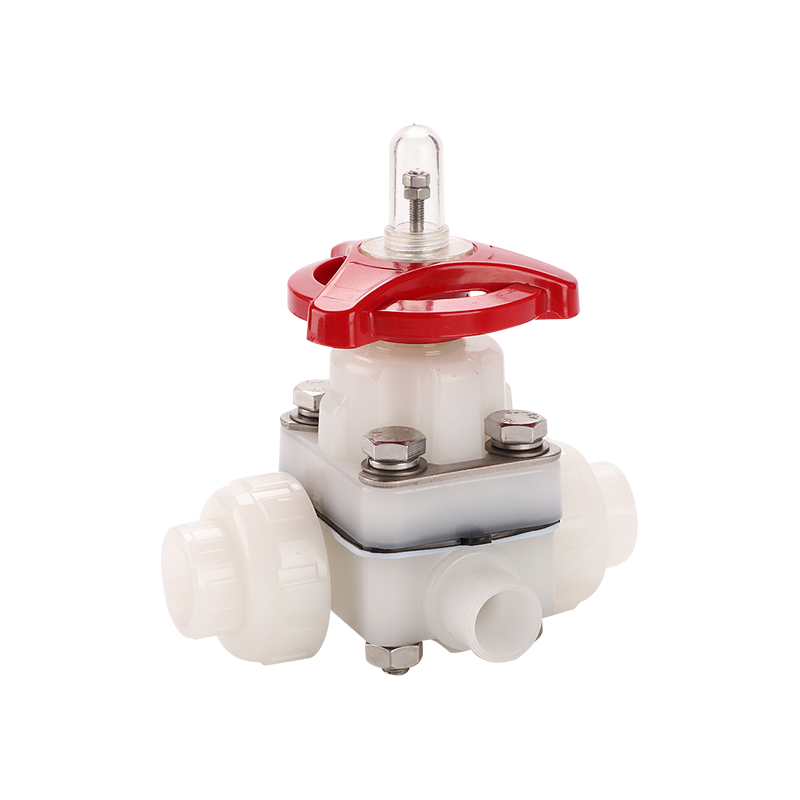
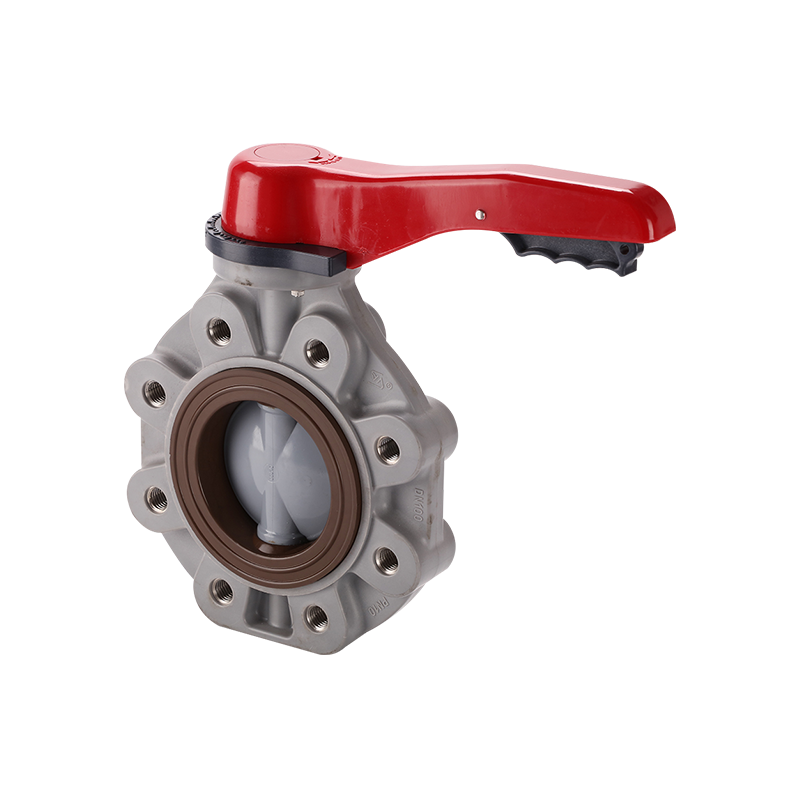
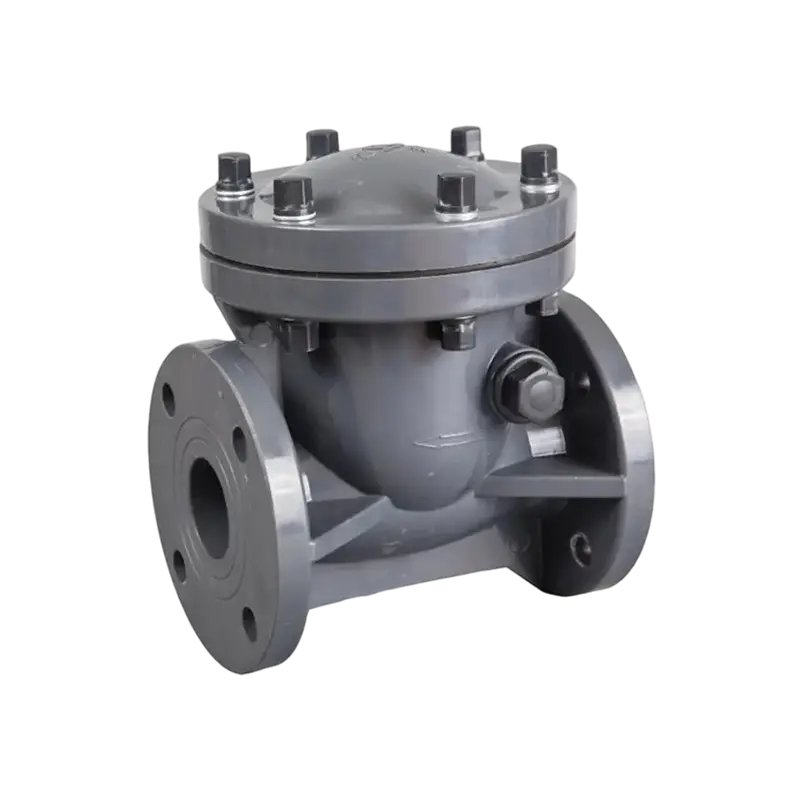
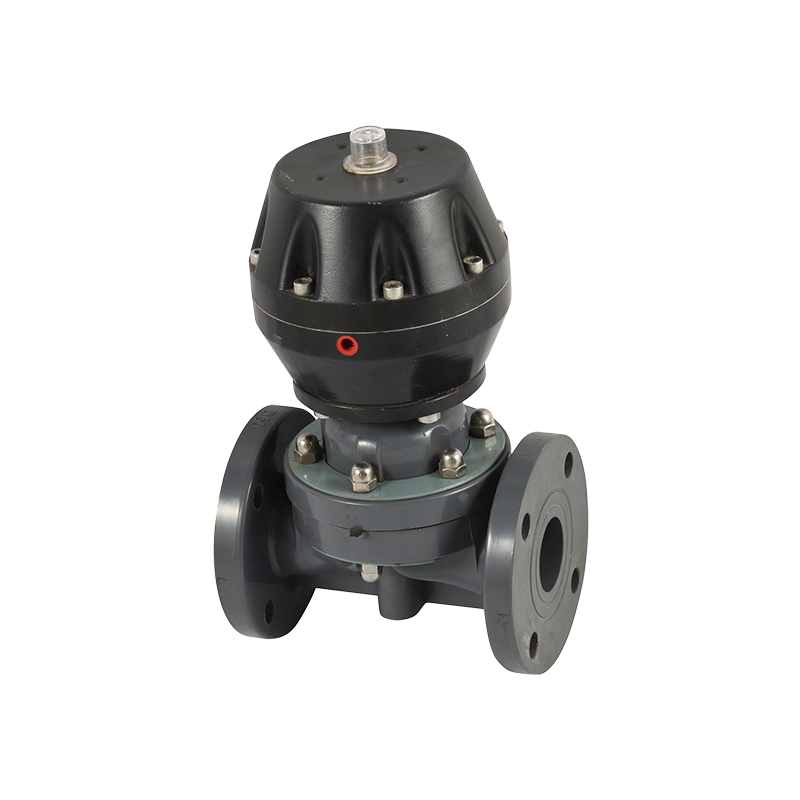
In industrial processes involving abrasive particles, high-viscosity fluids, fibrous media, or crystallizing substances, valve wear resistance and anti-clogging capability are critical to system reliability. Compared with ball valves, gate valves, and globe valves, flanged diaphragm valves exhibit distinct performance characteristics due to their unique structural and functional design. A professional evaluation of their wear resistance and clogging prevention capability requires examination of flow path geometry, sealing mechanism, material behavior, and operating motion.
Diaphragm as the Only Dynamic Sealing Element
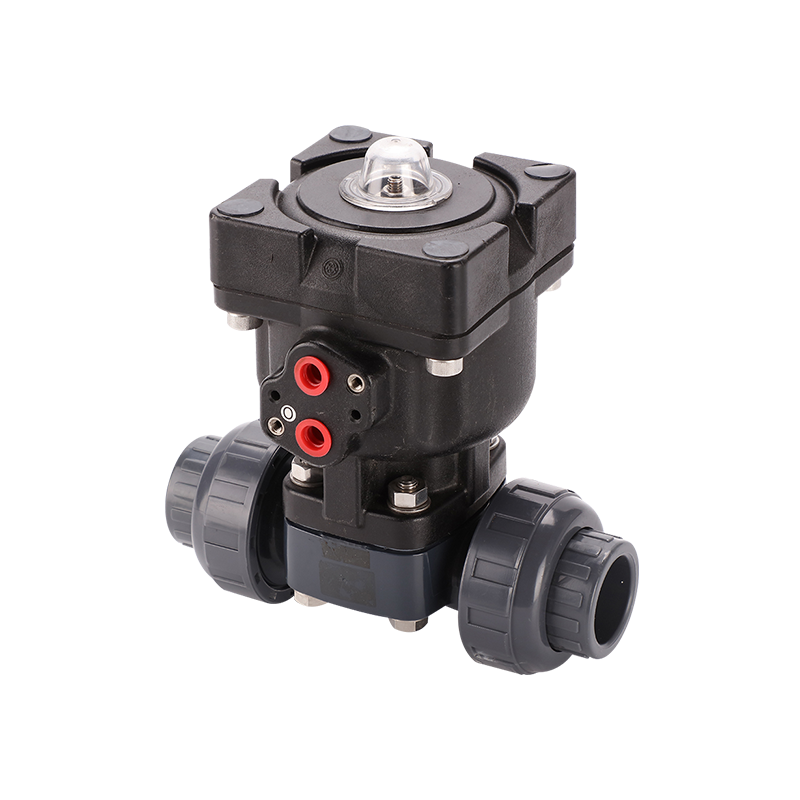
A defining feature of flanged diaphragm valves is that the diaphragm completely isolates the process medium from the actuator and bonnet. On the media side, there are no valve stems, packing sets, or sliding metal components exposed to flow. The diaphragm is the only component in contact with the fluid that undergoes repeated movement.
In abrasive services, solid particles cannot enter stem seals or packing chambers, eliminating common failure modes such as stem scoring, packing erosion, and seizure. This structural simplicity significantly reduces friction interfaces compared with globe or ball valves, where multiple metal-to-metal or metal-to-soft-seat contacts are present.
Flow Path Geometry and Its Influence on Wear
Flanged diaphragm valves generally feature smooth internal contours with minimal sharp edges. Straight-through diaphragm valve designs provide an almost unobstructed flow path similar to the pipeline itself. As a result, abrasive particles are transported evenly through the valve without localized high-velocity impingement.
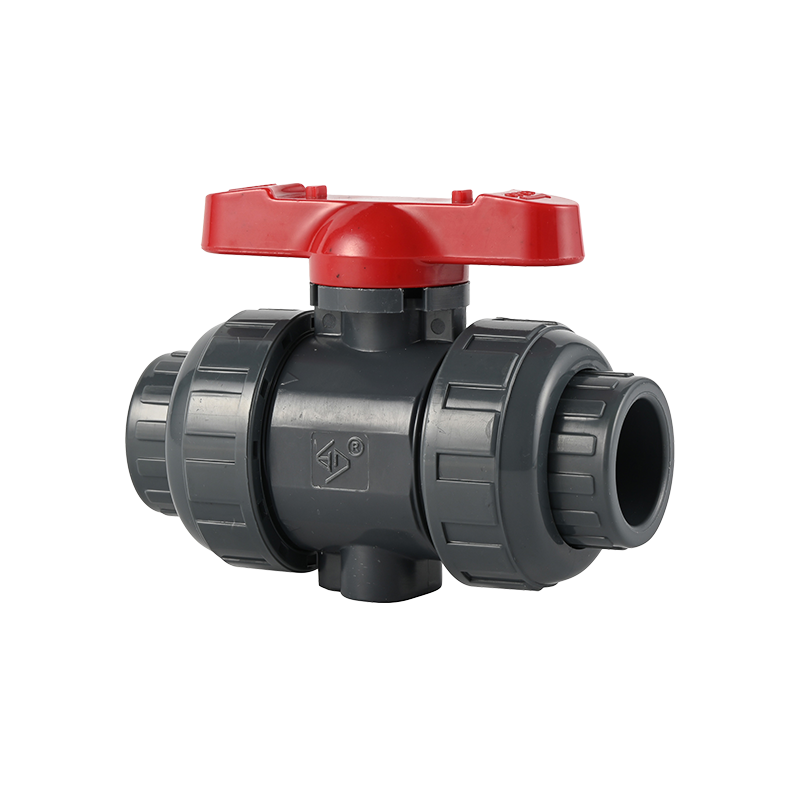
Ball valves operating in partially open positions create jetting effects that concentrate erosive wear on the ball surface and seat edges. Gate valves may trap particles between the gate and seat during operation, causing surface damage. The flow geometry of diaphragm valves distributes wear more uniformly, slowing erosion progression.
Role of Diaphragm Materials in Abrasion Resistance
Diaphragm material selection is a primary factor in determining wear resistance. Elastomer diaphragms offer resilience and impact absorption, allowing them to deform slightly when struck by solid particles. This elasticity reduces cutting and chipping damage compared with rigid metal sealing surfaces.
PTFE-lined or fluoropolymer diaphragms provide chemical resistance while maintaining adequate abrasion tolerance in chemically aggressive slurries. Multi-layer diaphragm constructions with reinforcement layers help disperse mechanical stress and prevent localized wear-through, extending service life under abrasive conditions.
Valve Actuation and Anti-Clogging Behavior
The closing motion of a flanged diaphragm valve involves pressing the diaphragm uniformly onto the valve weir or seat. This action does not shear or trap solids between rigid components. Fibers, slurries, and soft solids are displaced rather than cut, reducing blockage risk.
Gate and globe valves may experience jamming when solids accumulate between seating surfaces. Ball valves can trap fibers around the ball or stem area, leading to incomplete closure or torque increase. Diaphragm valves demonstrate superior tolerance to heterogeneous media due to their flexible sealing interface.
Minimal Dead Zones and Deposit Prevention
Internal dead spaces contribute significantly to clogging, sediment buildup, and crystallization. Flanged diaphragm valves, particularly straight-through designs, exhibit minimal internal cavities. The smooth internal profile promotes self-cleaning flow characteristics and prevents long-term accumulation of solids.
In crystallizing or settling services, this geometry allows effective flushing and complete drainage. Compared with the complex internal chambers of globe valves, diaphragm valves reduce deposit formation and associated maintenance issues.
Valve Body Linings and Their Contribution to Wear Resistance
Many flanged diaphragm valves incorporate rubber or fluoropolymer linings to enhance abrasion resistance. These linings shield the metallic valve body from direct contact with abrasive media and absorb particle impact energy.
The combination of a lined body and a flexible diaphragm forms a dual-layer protection system. When wear eventually occurs, liners and diaphragms can often be replaced independently, minimizing downtime and extending valve lifecycle compared with unlined metal valves.
Performance Under Frequent Cycling Conditions
In applications requiring frequent opening and closing, cumulative wear becomes a major concern. Flanged diaphragm valves contain fewer moving parts and limited friction surfaces, concentrating wear primarily on the diaphragm. As a defined consumable component, diaphragm replacement is straightforward and predictable.
Multi-component valve designs experience distributed wear across seats, stems, guides, and seals, increasing maintenance complexity. Diaphragm valves provide more consistent performance and simplified service planning in high-cycle operations.
Industrial Evaluation of Wear and Anti-Clogging Capability
Flanged diaphragm valves are widely used in water treatment, mining, chemical slurry handling, pulp and paper, and metallurgical processes. Their wear resistance and anti-clogging performance result from the integration of flexible sealing, streamlined flow paths, and protective linings.
Through proper diaphragm material selection, body lining configuration, and valve design, flanged diaphragm valves maintain reliable operation in demanding media conditions. Their ability to handle abrasive and clog-prone fluids with reduced maintenance requirements makes them a robust solution for industrial systems where operational continuity is essential.