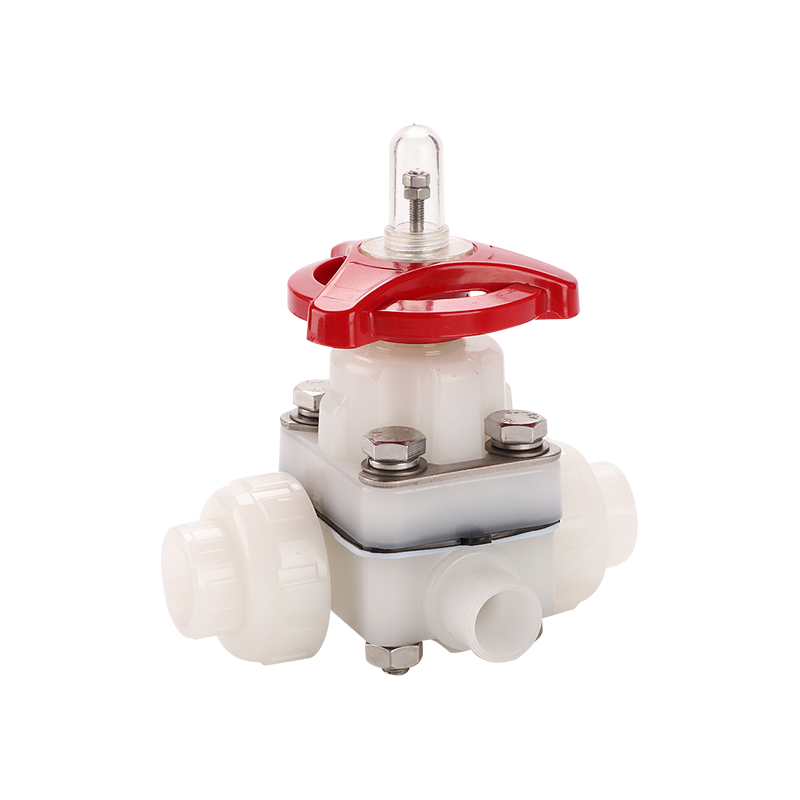
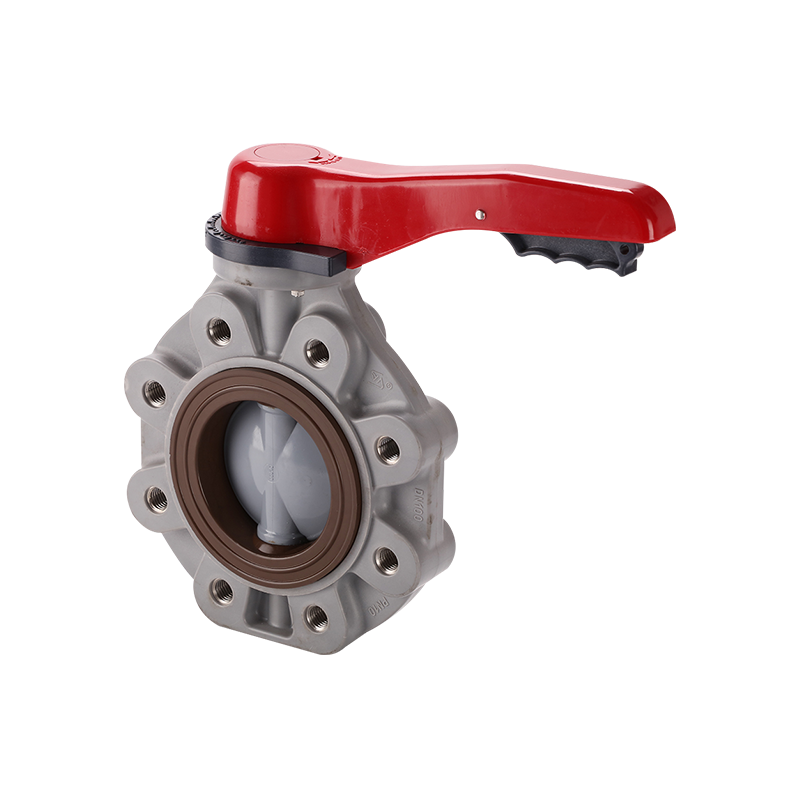
In modern industrial fluid transport systems, plastic valves have become essential components for pipeline control, finding widespread application in water treatment systems, chemical media transport, circulating cooling systems, and low-pressure industrial piping networks. Within the plastic valve category, PVC check valves, PVC ball valves, and other plastic ball and check valves constitute core functional units; they handle tasks such as unidirectional flow prevention and flow start/stop control, playing a pivotal role in system safety and operational stability.
Material Structure and Engineering Characteristics of Plastic Valves
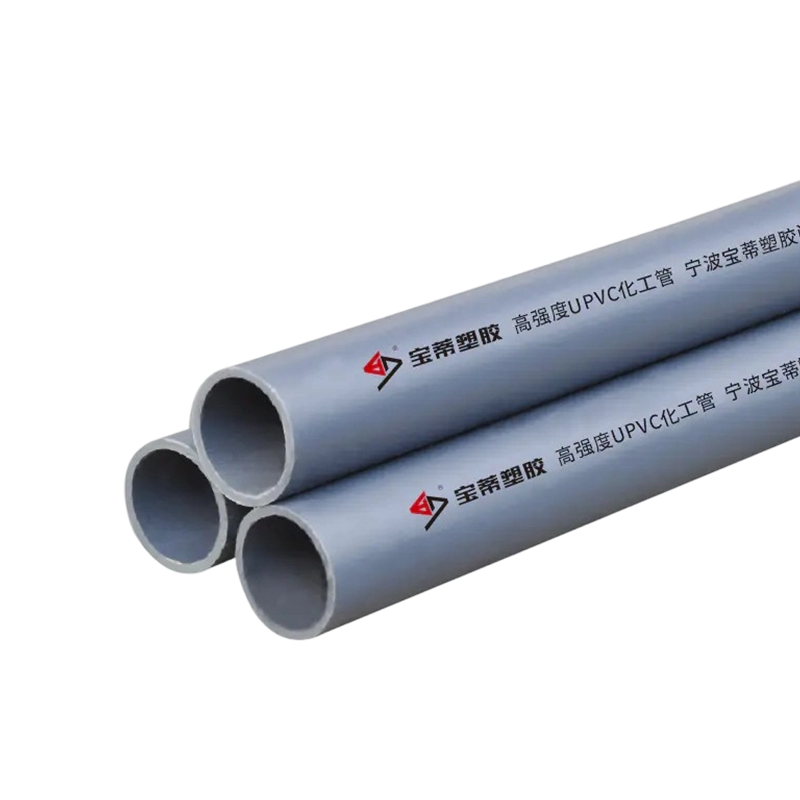
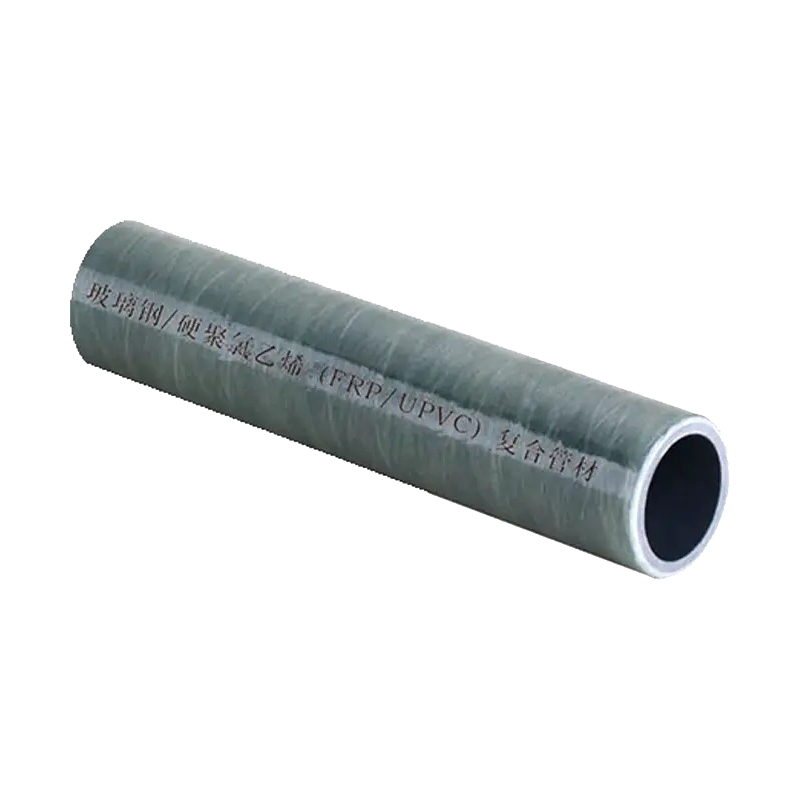
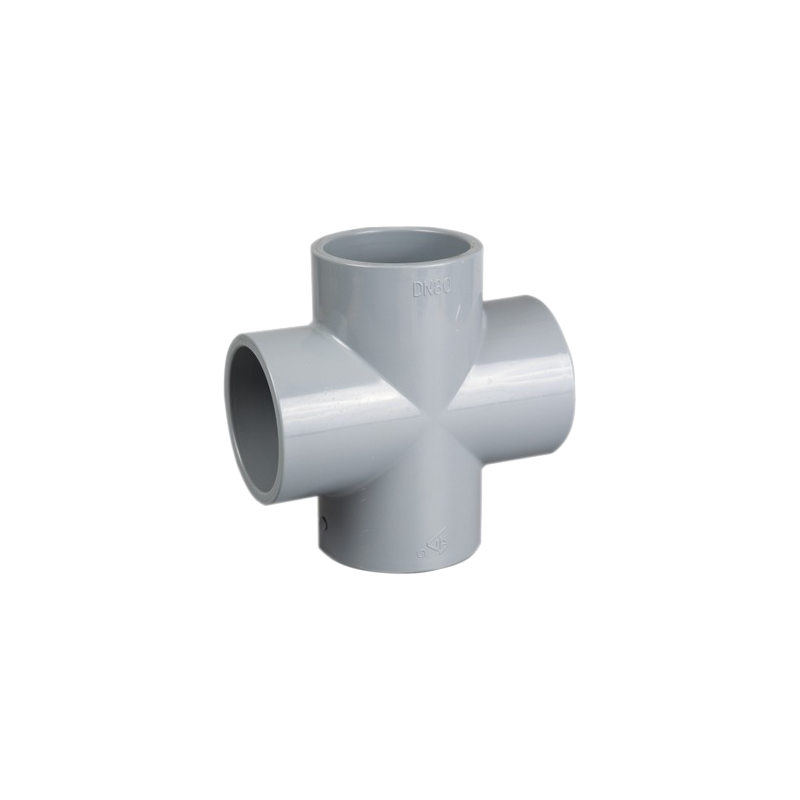
Plastic valves are typically manufactured from PVC, CPVC, or PP materials. Among these, PVC is widely used in low-to-medium pressure piping systems due to its stable cost, excellent processing characteristics, and strong corrosion resistance. Their internal structures are often created via integral molding or modular assembly, utilizing precision molds to ensure high consistency in the valve body's flow channels.
Key engineering characteristics of plastic valves include:
Strong resistance to acid and alkali corrosion
Smooth internal walls resulting in low fluid resistance
Lightweight design for easy installation
Suitability for low-to-medium pressure systems operating at moderate temperatures
During long-term operation, plastic valves require relatively clean media, which helps effectively minimize the risk of scaling and sediment accumulation.
Structural Principles and Check Function of PVC Check Valves
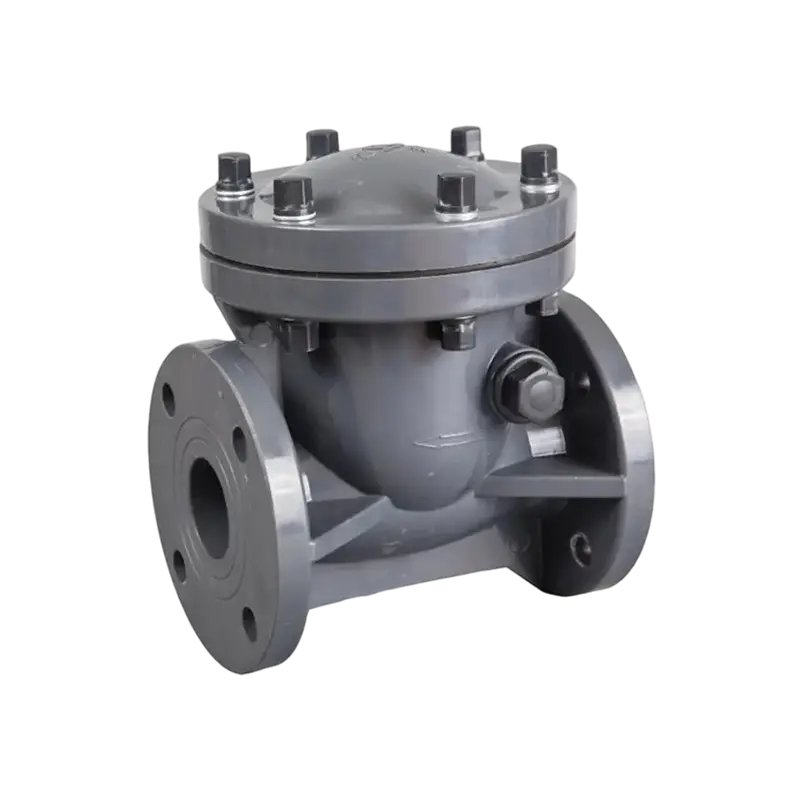
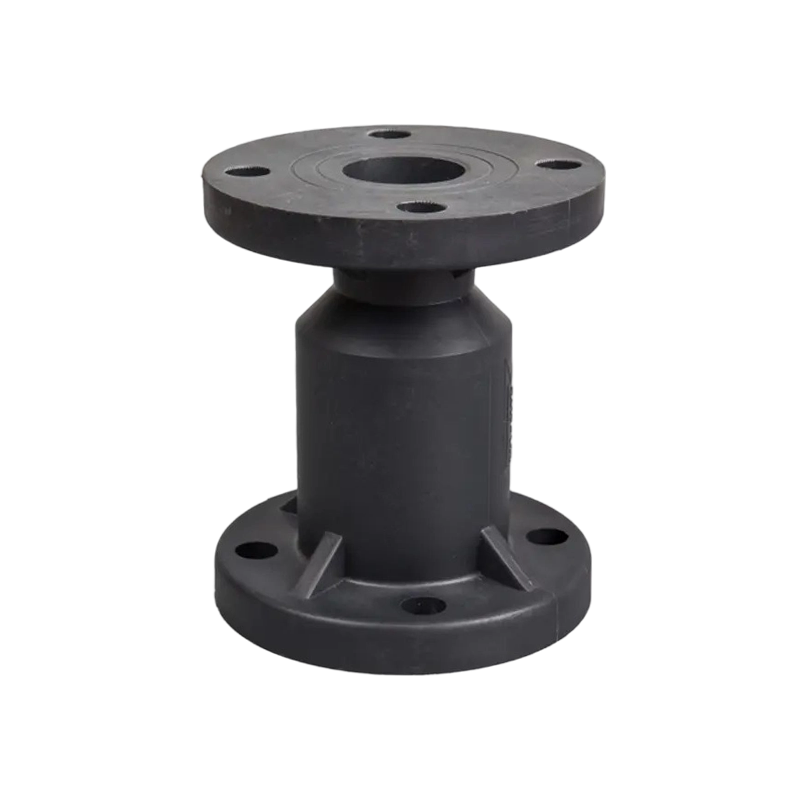
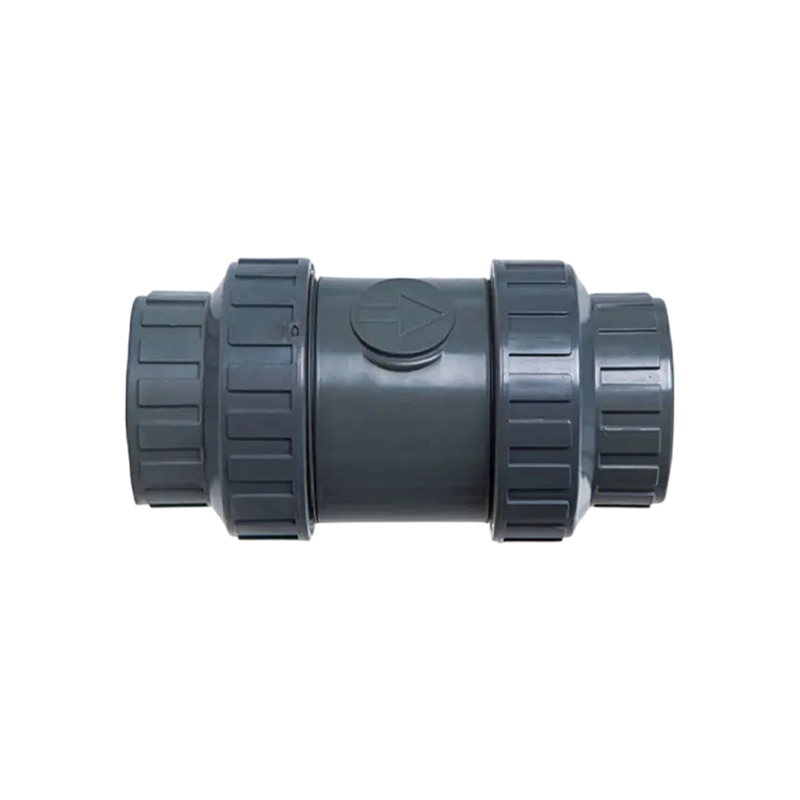
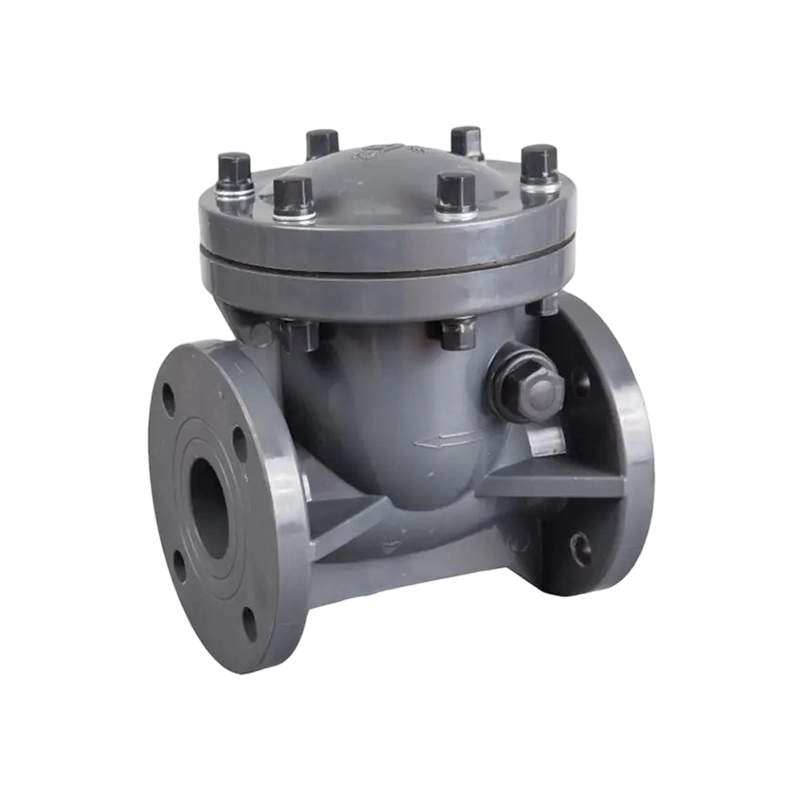
The PVC check valve is a classic example of an automatic control mechanism within the plastic check valve category; its primary function is to prevent the backflow of media. These valves rely on fluid pressure to actuate the opening of the valve disc or ball, while gravity or a spring mechanism ensures rapid closure when the flow direction reverses.
The technical characteristics of the PVC check valve are as follows:
Automatic opening and closing; no external actuation required
Rapid response; prevents backflow caused by water hammer
Compact structure; requires minimal installation space
Suitable for water systems and mildly corrosive media
In pumping systems, plastic check valves are commonly installed at the discharge outlet to protect the pump structure and mitigate the impact of backflow.
Structure and Control Mechanism of PVC Ball Valves
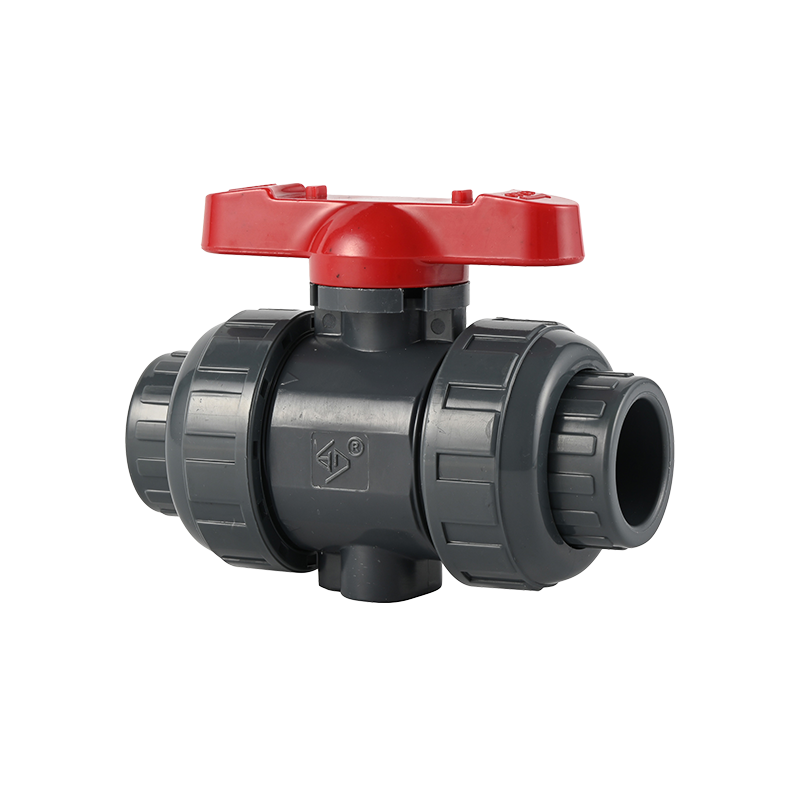
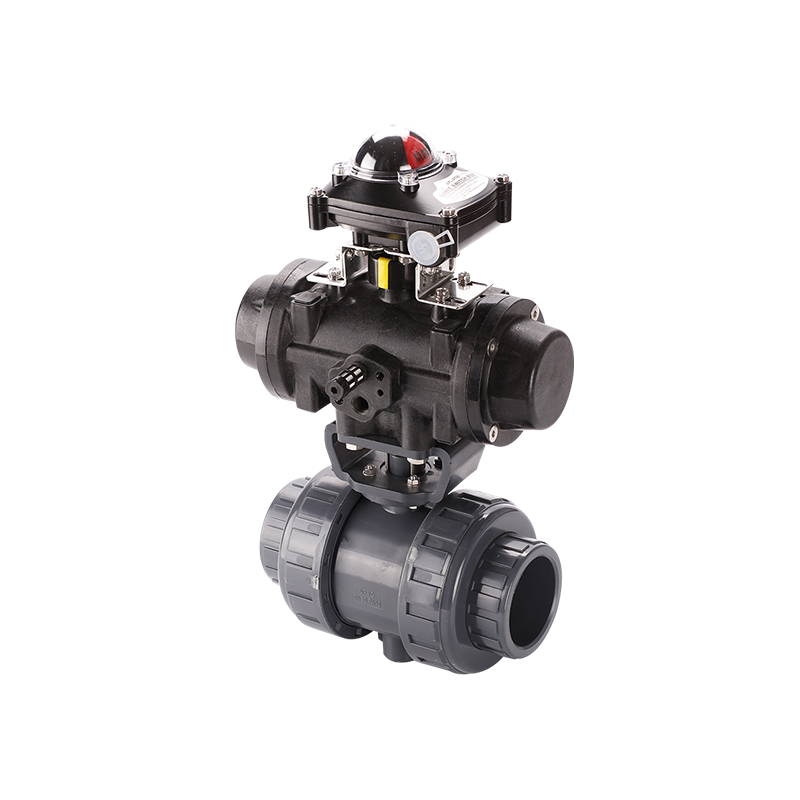
The PVC ball valve is the most widely used type of plastic ball valve, featuring a hollow sphere as its core control element. Flow is controlled by rotating the sphere 90 degrees; the valve is characterized by a simple structure, reliable sealing, and ease of operation.
Key structural features of PVC ball valves:
Valve body features a split-body or one-piece injection-molded design
Precision-machined ball surface ensures a tight seal
Anti-blowout stem design enhances safety
Sealing rings made of elastic material improve sealing performance
In practical engineering applications, plastic ball valves are frequently used to control the start and stop of flow in main pipelines; their rapid response makes them ideal for systems requiring frequent operation.
Functional Comparison: Plastic Ball Valves vs. Plastic Check Valves
| Comparison Item |
Plastic Ball Valve |
Plastic Check Valve |
| Control Method |
Manual or actuator-controlled |
Automatically controlled by medium pressure |
| Core Function |
Flow on/off control |
Prevents backflow of medium |
| Operation Method |
90-degree rotation of the ball |
Automatic opening/closing of the valve disc |
| Fluid Resistance |
Very low |
Low |
| Maintenance Frequency |
Relatively low |
Even lower |
The two are often used in conjunction within system designs to establish a comprehensive fluid control logic.
Differences in Engineering Applications: PVC Check Valves vs. PVC Ball Valves
PVC check valves function primarily as protective components, designed to prevent backflow that could damage equipment; PVC ball valves function primarily as control components, used to regulate the flow within the pipeline (opening and closing).
In typical piping systems, PVC check valves are often installed at pump outlets or in vertical pipe sections to prevent fluid backflow, whereas PVC ball valves are commonly used at branch control points or equipment inlets for flow isolation and maintenance control.
Operational Performance and Media Compatibility of Plastic Valves
Plastic valves perform reliably in water treatment and low-corrosivity environments; their smooth internal structure effectively reduces flow resistance and energy loss. Both PVC check valves and PVC ball valves demonstrate good wear resistance during long-term operation, though their adaptability to high-temperature and high-pressure environments is limited.
In environments containing particulate matter, the sealing mechanism of plastic check valves may be compromised; therefore, their performance relies to some extent on the configuration of the filtration system.
Flow Control Characteristics of Plastic Ball Valves
When fully open, plastic ball valves create a straight-through flow path with virtually no throttling loss. While they offer limited flow regulation capabilities when partially open, their primary design objective remains rapid opening and closing.
In industrial piping networks, plastic ball valves are frequently used for emergency shut-off, equipment isolation, and system switching operations, characterized by fast response times and reliable sealing.
Plastic valves—including PVC check valves and PVC ball valves—serve as fundamental control units in modern fluid systems, working in concert through their distinct structural designs to provide both flow control and system protection.