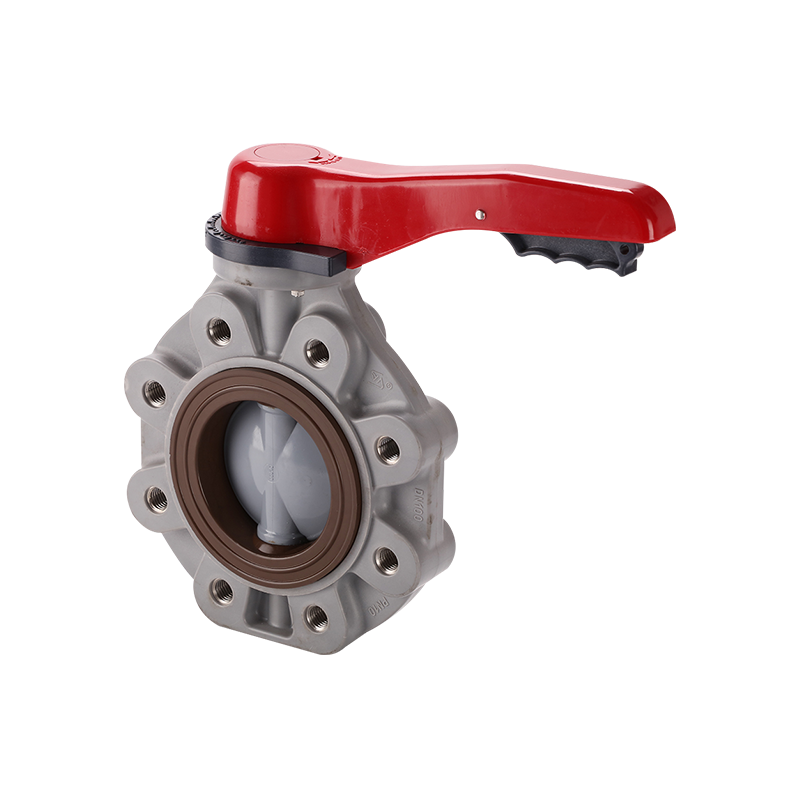
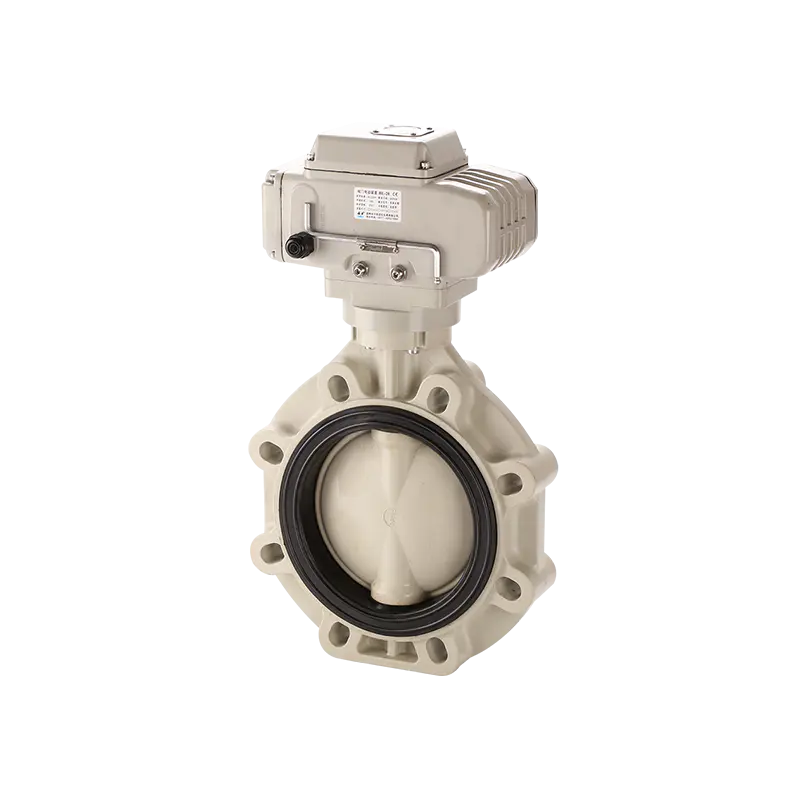
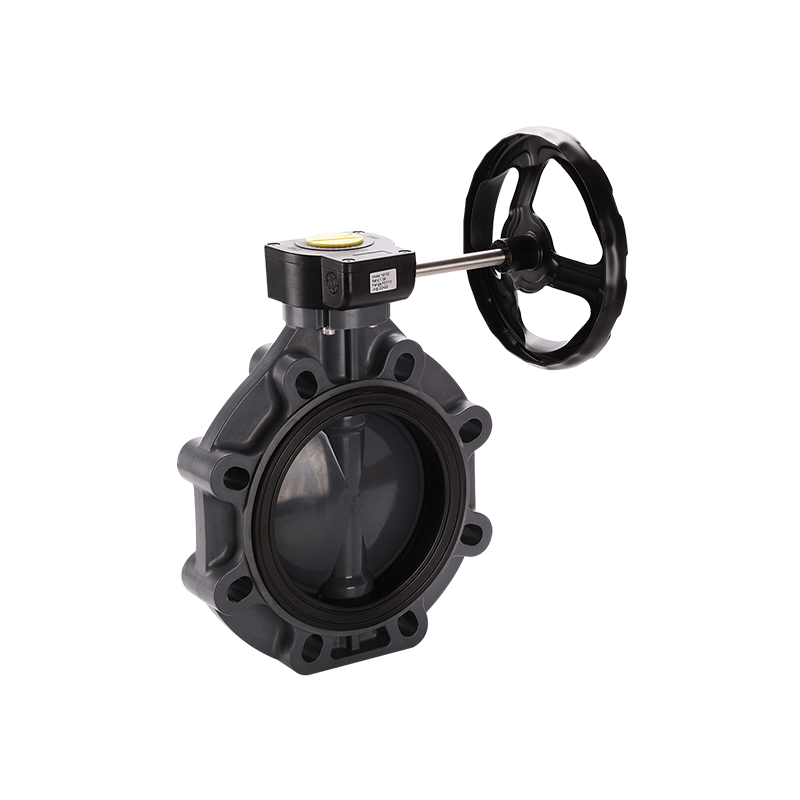
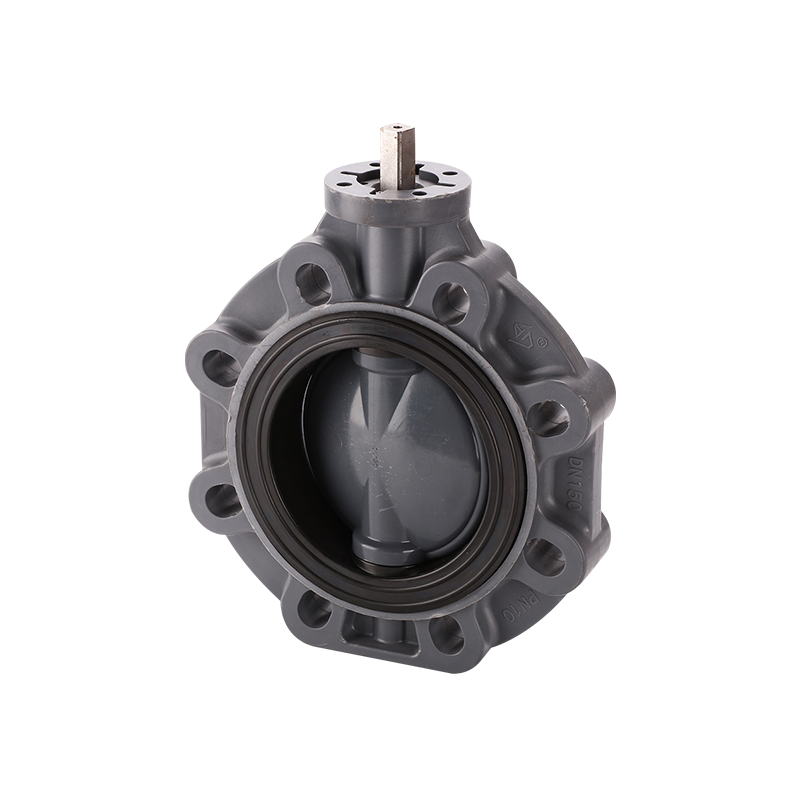
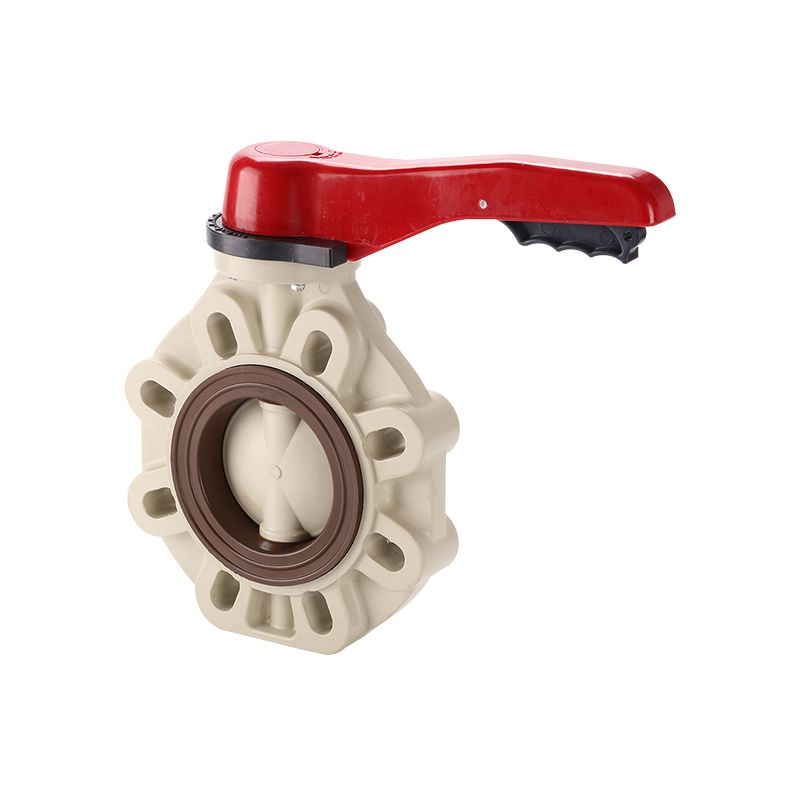
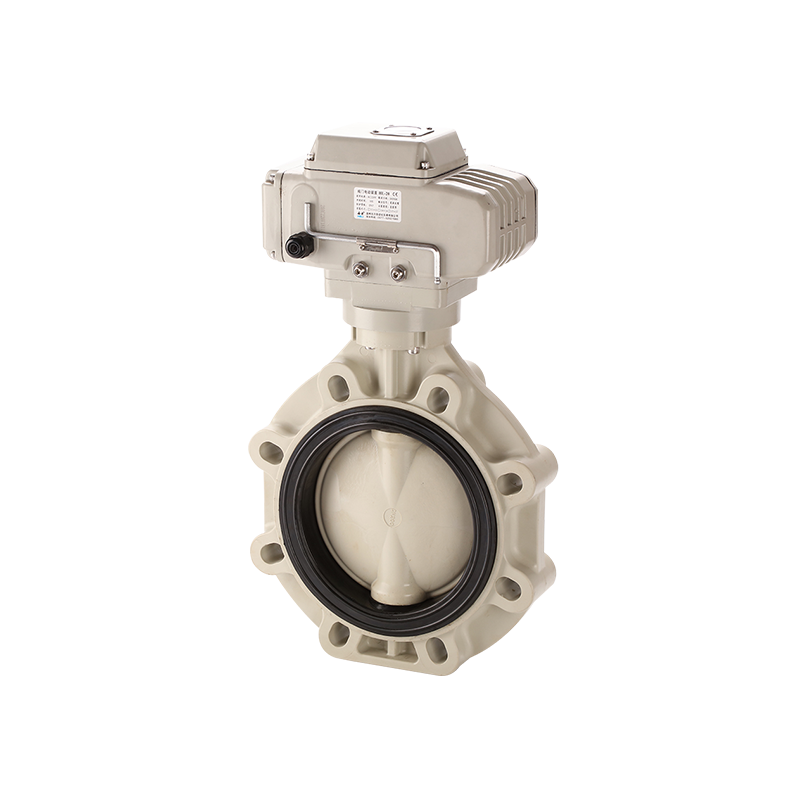
In the world of industrial fluid control, a common pitfall in system design is the assumption that an automatic Butterfly Valve must share the same nominal diameter as the existing pipeline. While this "one-size-fits-all" approach simplifies installation by avoiding the use of reducers, it frequently leads to operational inefficiencies, control instability, and premature hardware failure.
Scientific Basis of Flow Coefficient (CV/KV Value)
The primary function of an automatic Butterfly Valve is to regulate or isolate flow based on specific process requirements. The capacity of a valve is defined by its CV (Imperial) or KV (Metric) value. Piping systems are generally sized to minimize pressure drop and maintain economical flow velocities, which often results in large diameters.
If an automatic Butterfly Valve is sized strictly to match a large pipe, its CV value may far exceed the actual process demand. This forced "oversizing" requires the Actuator to maintain the valve at a very low opening degree (often below 20%). Operating in this "throttling" zone subjects the valve disc to intense high-velocity fluid erosion and cavitation, which rapidly degrades the integrity of the seal.
Degradation of Control Authority and Precision
From an automation perspective, "Valve Authority" is critical for stable loop performance. When a Butterfly Valve is too large for the application, the pressure drop across the valve represents only a tiny fraction of the total system pressure drop. This flattens the installed flow characteristic curve.
In this scenario, a minor adjustment by the Positioner results in a disproportionately large change in flow rate. The automation system becomes hypersensitive, leading to "hunting" where the Actuator constantly oscillates to find the setpoint. A correctly sized valve should operate within the 30% to 70% range under normal conditions to provide maximum sensitivity and linear control.
Impact of Pressure Drop on Actuator Torque
The pressure differential (Delta P) across the valve disc is a key factor in calculating the required operating torque. An oversized valve lacks an effective pressure gradient at the orifice. However, the sheer surface area of a larger disc acts like a sail in a high-velocity stream.
This creates significant dynamic torque loads that can exceed the design limits of the Pneumatic Actuator or Electric Actuator. Excessive force on the Stem and internal bearings during high-velocity cycles can lead to mechanical fatigue or catastrophic shaft failure, risks that are significantly mitigated by choosing a smaller, more focused valve diameter.
Balancing Capital Investment and Maintenance
Purchasing an oversized automatic Butterfly Valve and its corresponding high-torque Actuator significantly increases initial capital expenditure. Furthermore, accessories such as the Limit Switch and Solenoid Valve must be scaled accordingly, adding unnecessary cost.
Long-term maintenance is where the hidden costs of oversizing truly emerge. Because the valve operates near the seat at low angles, the asymmetrical flow creates uneven wear on the Soft Seat (EPDM/PTFE) or Metal Seat. Utilizing a smaller valve with a pair of reducers is a standard industry "best practice" that ensures the valve operates in its "sweet spot," extending the service life of the sealing components and reducing the frequency of site interventions.
The Professional Selection Protocol
To ensure system reliability, the selection of an automatic Butterfly Valve should follow these technical steps: Calculate Demand: Determine the required CV based on maximum, minimum, and normal flow rates. Select Aperture: Choose a valve size where the normal flow requirement corresponds to approximately 60% of the valve’s full opening. Verify Velocity: Ensure the fluid velocity at the valve port does not exceed the material limits for erosion. Match Accessories: Calculate the breakout, running, and seating torque to select the most efficient Actuator size.