1. Core Definitions and Operating Mechanisms
In fluid control systems, ball valves are widely used due to their simple structure and excellent sealing. Based on the control method, they are primarily divided into Manual Ball Valves and Actuated Ball Valves.
1.1 Manual Ball Valves
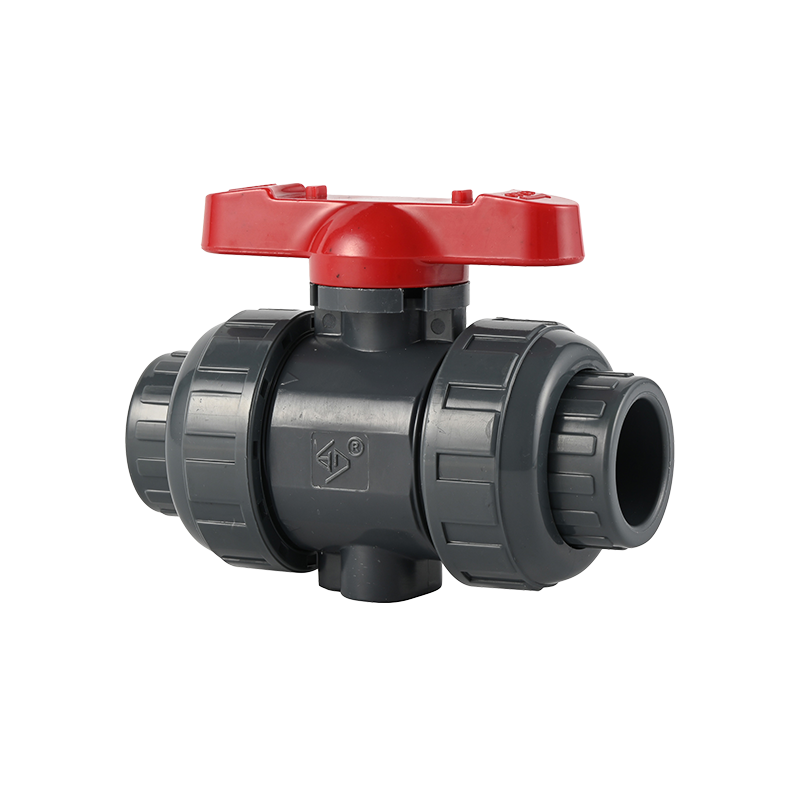
The manual ball valve is the most basic type, centered on human intervention. The operator rotates a handle or handwheel (usually 90 degrees) to turn the internal ball, achieving media shutoff or flow.
- Structure: Includes the valve body, ball, stem, and manual operating mechanism (lever or worm gear).
- Characteristics: Compact, independent of power sources, and extremely easy to install.
1.2 Actuated Ball Valves
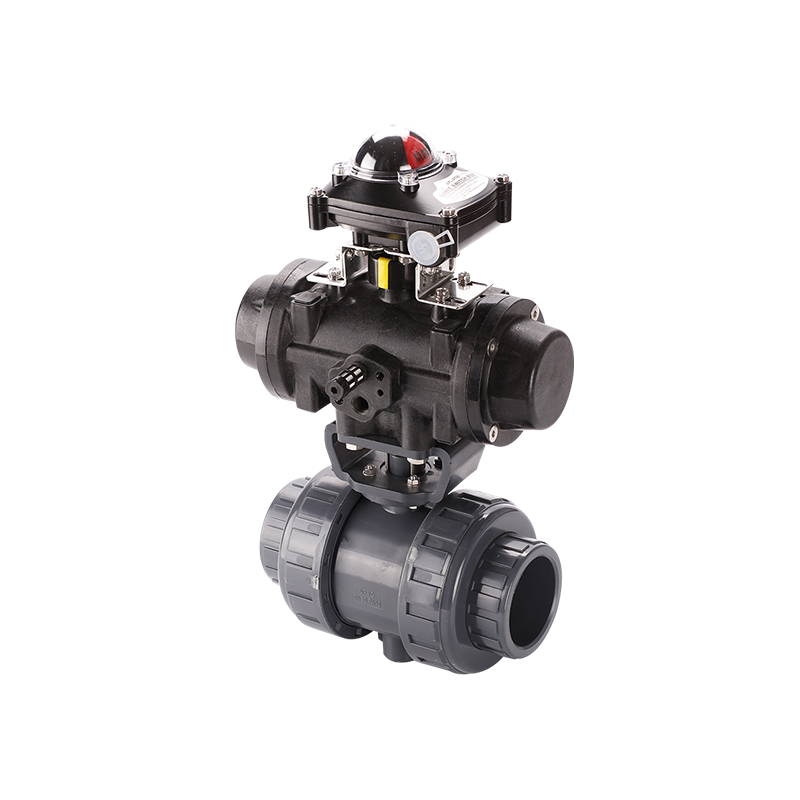
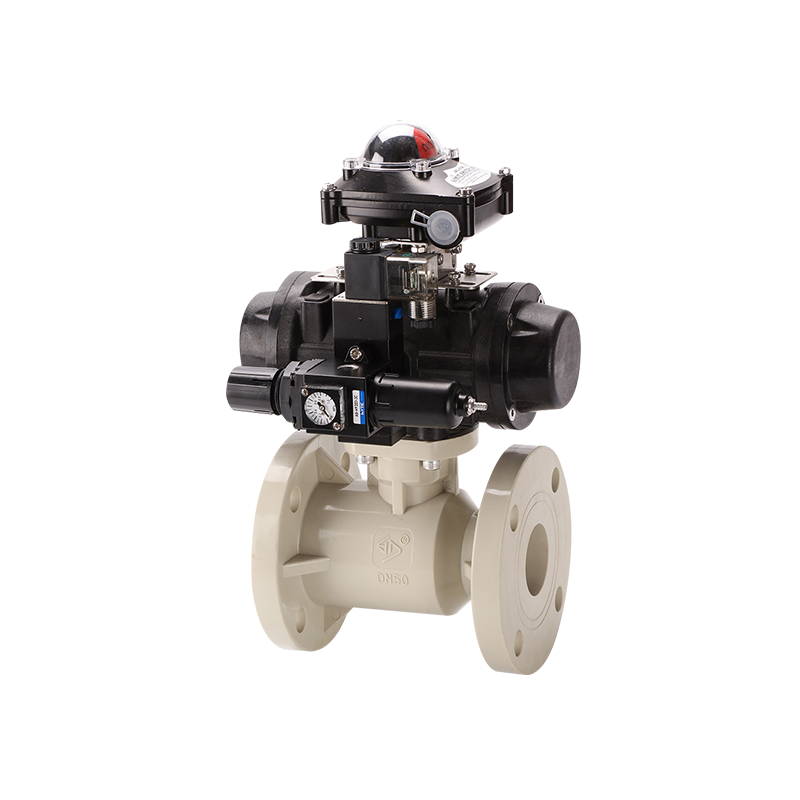
An actuated ball valve replaces the manual lever with an actuator. The actuator receives control signals (electric or pneumatic) and generates mechanical force to drive the stem.
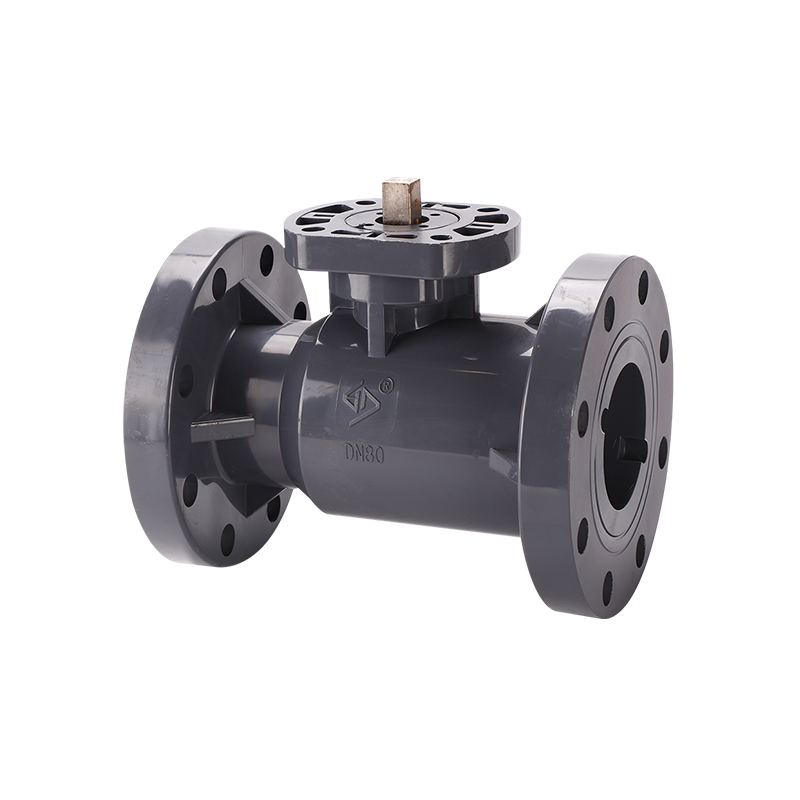
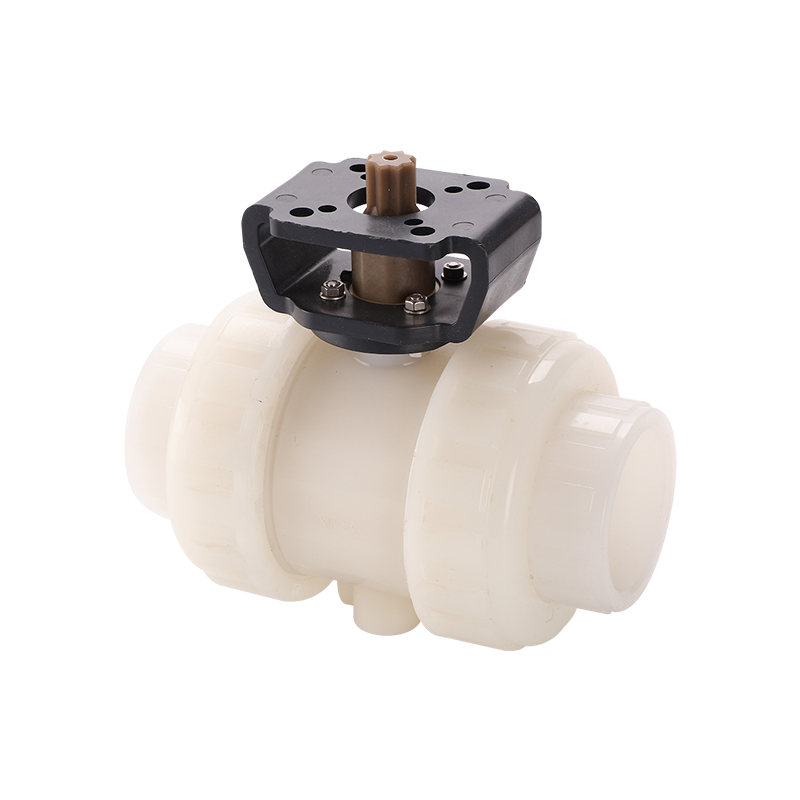
- Structure: Composed of valve components and an actuator connected via a bracket or direct mount (ISO 5211 standard).
- Characteristics: Enables remote control, automated timing, and system interlocking.
1.3 Technical Parameter Comparison
| Parameter |
Manual Ball Valves |
Actuated Ball Valves |
| Power Source |
Human Effort |
Electricity, Compressed Air, or Hydraulics |
| Response Speed |
Depends on operator efficiency |
Pneumatic: <2s; Electric: 10-30s |
| Torque Output |
Limited by human strength |
High torque for large diameter valves |
| Control Precision |
Low (On/Off mostly) |
High (Precision within +/- 1%) |
| Duty Cycle |
Low (Frequent use causes fatigue) |
High (Supports continuous cycling) |
| Fail-Safe |
Stays in position |
Configurable auto-reset (Fail-Open/Closed) |
1.4 Torque and ISO 5211 Standard
Torque is the core parameter for both valve types. When manual torque exceeds 360Nm, a worm gear or automation is usually required.
Modern actuated ball valves follow the ISO 5211 standard, defining the mounting flange dimensions. This allows users to remove manual handles and upgrade to actuators easily.
2. Actuator Types for Actuated Ball Valves
2.1 Electric Actuators
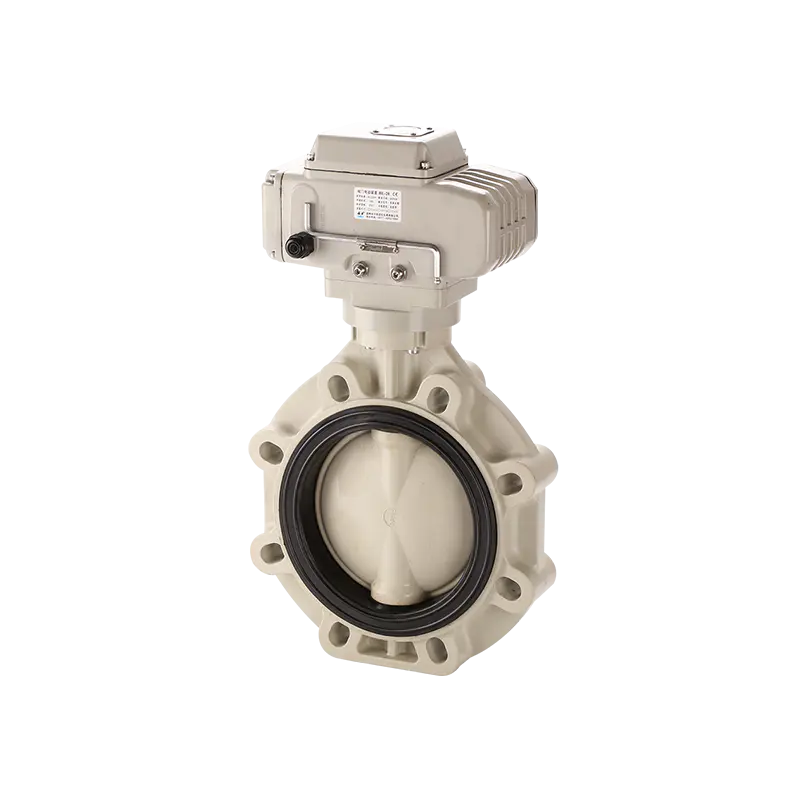
Electric actuators drive the valve using a motor and gear reduction box.
- Applications: Facilities without air lines; systems requiring precise flow modulation.
- Advantages: Easy power access; 4-20mA signal integration.
2.2 Pneumatic Actuators
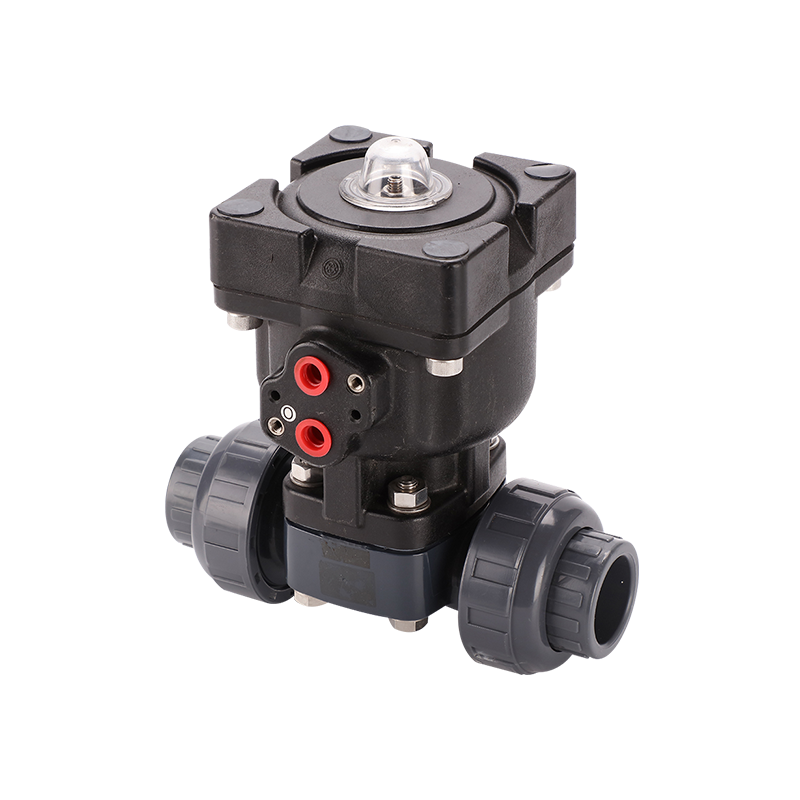
Pneumatic actuators use compressed air to move a piston and rotate the stem.
- Applications: Chemical plants and oil/gas sites requiring explosion protection.
- Advantages: Extremely fast; Spring Return function for fail-safe safety.
2.3 Hydraulic Actuators
Utilize pressurized oil to transmit power for massive torque requirements in subsea or heavy industrial pipelines.
2.4 Actuator Parameter Comparison
| Feature |
Electric |
Pneumatic |
Hydraulic |
| Power Source |
AC/DC Electricity |
4-8 bar Air |
100-210 bar Oil |
| Torque Range |
Up to 4,000 Nm |
Up to 10,000 Nm |
Up to 250,000 Nm+ |
| Explosion Proof |
Requires specialized housing |
Inherently safe |
Safe |
3. Key Differences: Manual vs Actuated
3.1 Operational Speed
Manual Ball Valves speed depends on the worker. Actuated Ball Valves offer consistent, rapid response, often closing in under 2 seconds for pneumatic models.
3.2 Safety and Fail-Safe
In emergencies, Manual Ball Valves require physical presence. Actuated Ball Valves with spring-return mechanics automatically move to a safe state during power or air loss.
| Dimension |
Manual Ball Valves |
Actuated Ball Valves |
| Remote Control |
Not Supported |
Supported (PLC/DCS) |
| Labor Intensity |
High |
Extremely Low |
| Initial Cost |
Low |
High |
4. Application Scenarios
4.1 When to Choose Manual Ball Valves
- Infrequent Operation: For annual maintenance isolation.
- Cost Sensitivity: Basic water lines or non-automated plumbing.
- Space Constraints: Cramped areas where actuators won't fit.
4.2 When to Choose Actuated Ball Valves
- Hazardous Zones: High-temperature, toxic, or radioactive media.
- High Cycle Rates: Batch processing where valves cycle every few minutes.
- System Interlocking: Automated response based on pressure or temperature sensors.
5. Installation and Maintenance
5.1 Installation
Manual Ball Valves require 90-degree clearance for the lever. Actuated Ball Valves should be installed vertically to prevent fluid ingress into the actuator housing and must be perfectly aligned to avoid stem side-loading.
5.2 Maintenance
| Item |
Manual |
Actuated |
| Lubrication |
Pivot pin only |
Internal gears and seals |
| Complexity |
Basic tools needed |
Requires electrical/instrument skills |
| Duty Cycle |
N/A |
Electric: 25-50%; Pneumatic: 100% |
6. FAQ
Q: Can I upgrade a manual valve to an actuated one? A: Yes, if the valve has an ISO 5211 mounting pad. Simply remove the handle and mount the actuator bracket.
Q: Which lasts longer? A: Actuated Ball Valves often have a longer lifespan because the actuator applies torque smoothly and on-axis, whereas manual force can be uneven and cause faster wear.
Q: Why is the price difference so large? A: An automated setup includes the Valve + Actuator + Solenoid + Limit Switches + Control Wiring, whereas a manual valve is just the mechanical body.