What Is a Manual Valve and Where Is It Used?
A Manual Valve is operated directly by hand through a lever, handwheel, knob, or geared mechanism. Unlike an actuated valve, it does not depend on electricity, compressed air, or a hydraulic power source. This makes it a practical choice for piping systems where local control, simple installation, and dependable operation are more important than remote automation.
The main purpose of a Manual Valve is to start, stop, isolate, redirect, or partially control the movement of a fluid. It may be installed at equipment inlets and outlets, storage tanks, branch pipelines, filtration units, dosing systems, or maintenance sections. When a pipe or piece of equipment needs to be separated from the rest of the system, the valve allows an operator to shut off the flow at a specific point.
Manual Valve products are widely used in water treatment, chemical processing, industrial circulation systems, agricultural irrigation, aquaculture, laboratory piping, and equipment manufacturing. In systems carrying corrosive liquids, thermoplastic valve bodies are often selected because they can provide chemical resistance without the corrosion concerns associated with some metal materials.
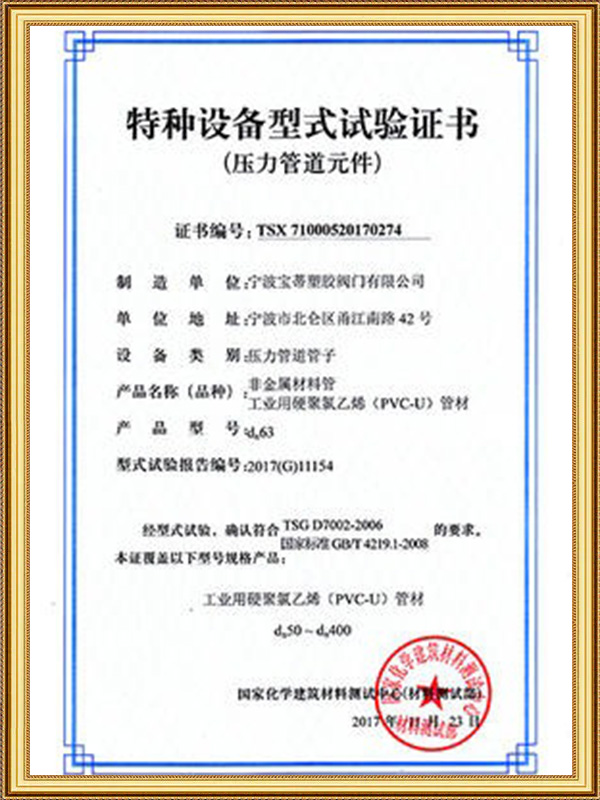
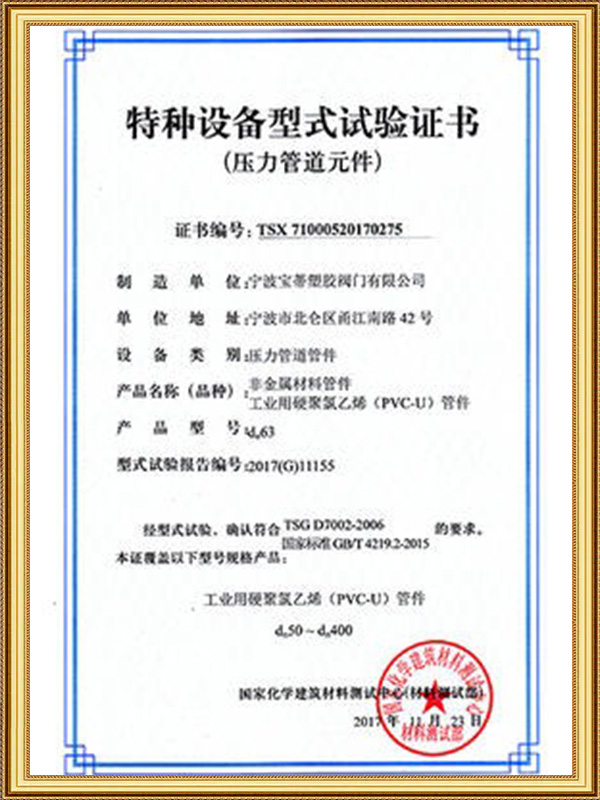
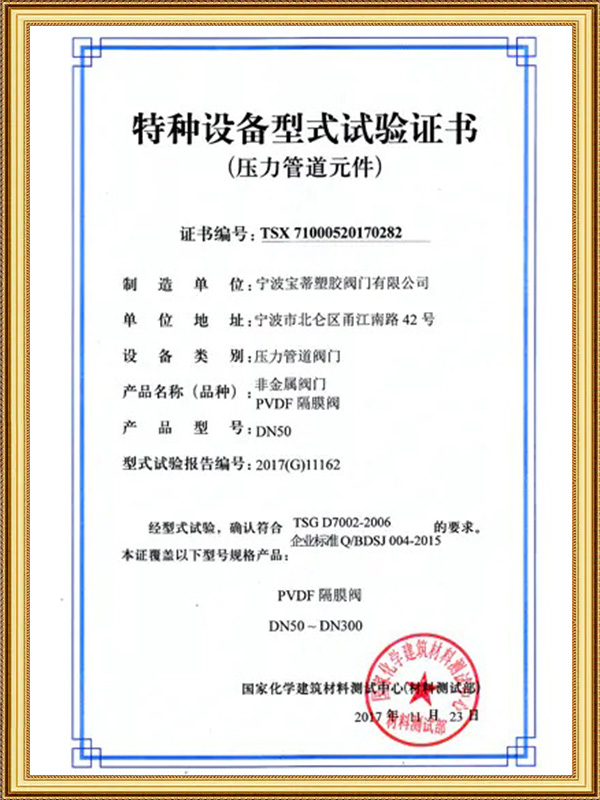
The industrial use of plastic manual valves has developed over several decades. Ningbo Baodi Plastic Valve Co., Ltd. traces its origins to 1979 and was among the early Chinese enterprises involved in the design and production of industrial plastic valves. Its long-term participation in product development and industry standards reflects the broader transition of Manual Valve products from basic pipe components to engineered flow-control equipment for demanding industrial applications.
Selecting a suitable Manual Valve requires more than matching the nominal pipe size. The fluid medium, operating pressure, temperature, connection standard, seal material, installation environment, and required control function should all be confirmed before the valve specification is finalized.
How Does a Manual Valve Control Fluid Flow?
A Manual Valve controls fluid by transferring the operator's hand force through a handle, handwheel, or gear mechanism to the internal closing component. As the operating part moves, the available flow passage inside the valve changes. The valve may be fully opened to allow fluid to pass, fully closed to isolate the pipeline, or positioned between these two states when limited flow adjustment is required.
The operating movement generally falls into two categories. A quarter-turn Manual Valve reaches the open or closed position through an approximately 90-degree rotation, while a multi-turn design requires several rotations of the handwheel. Quarter-turn operation is usually faster, whereas multi-turn operation allows the operator to apply force more gradually. The appropriate mechanism depends on valve size, system pressure, required operating speed, and the torque needed to move the internal components.
Reliable flow control also depends on how accurately the sealing surfaces align when the Manual Valve is closed. Uneven pressure, solid particles, unsuitable sealing materials, or excessive pipe stress can prevent complete shutoff. For this reason, valve performance is closely connected to both structural design and manufacturing accuracy.
With experience in industrial plastic valve production dating back to 1979, Ningbo Baodi Plastic Valve Co., Ltd. has developed products for chemical processing and other demanding piping environments. Its involvement in drafting standards for plastic diaphragm valves, plastic ball valves, and plastic check valves also places particular emphasis on operating reliability, sealing performance, and material compatibility.
A Manual Valve should always be operated within its specified pressure and temperature range. Excessive force should not be used when the handle or handwheel becomes difficult to move, as this may damage the operating mechanism or internal sealing parts.
Manual Valve Product Range
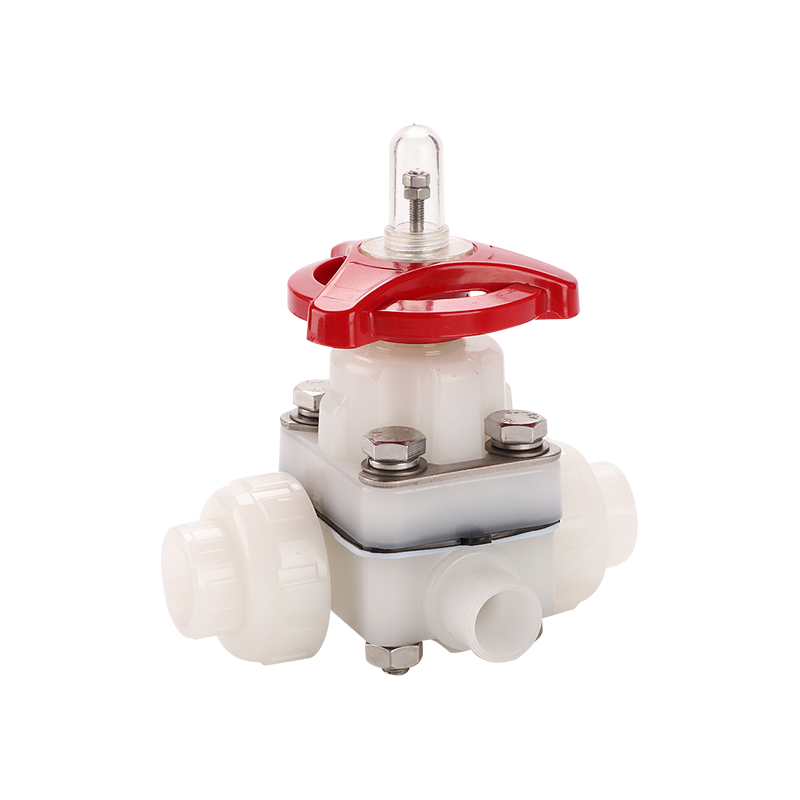
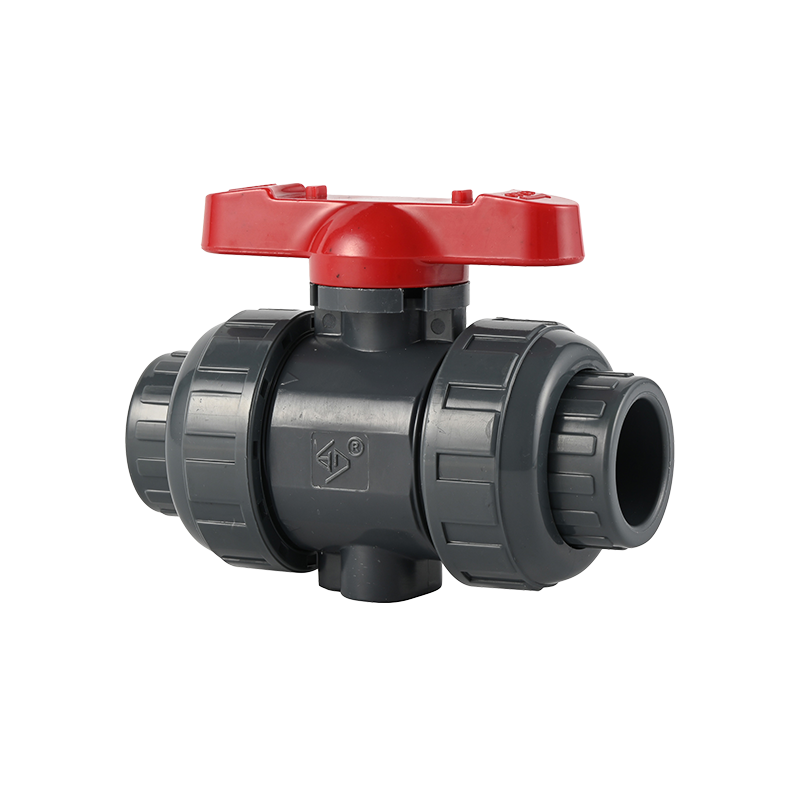
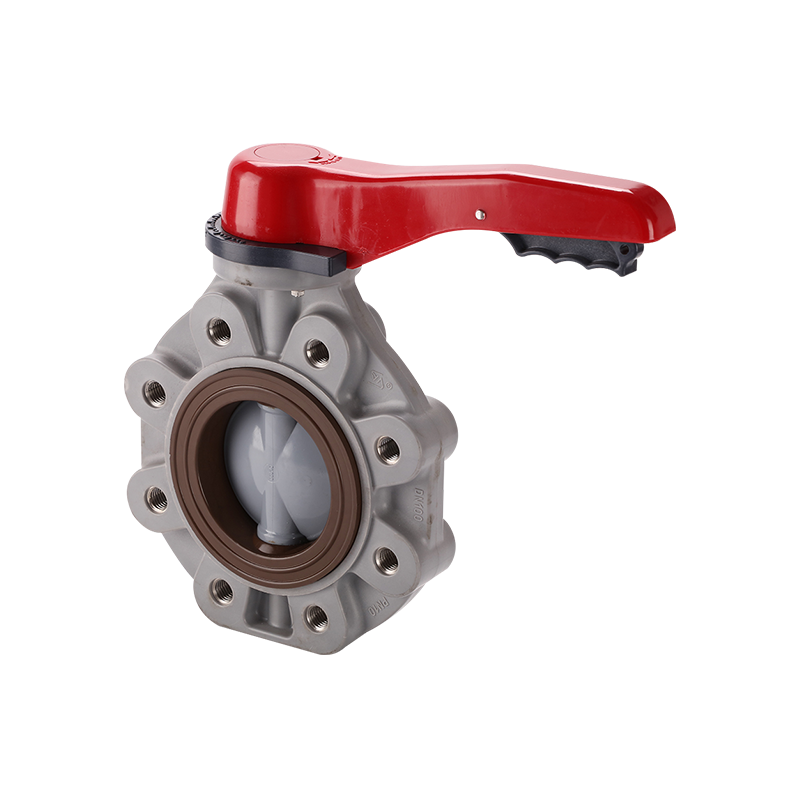
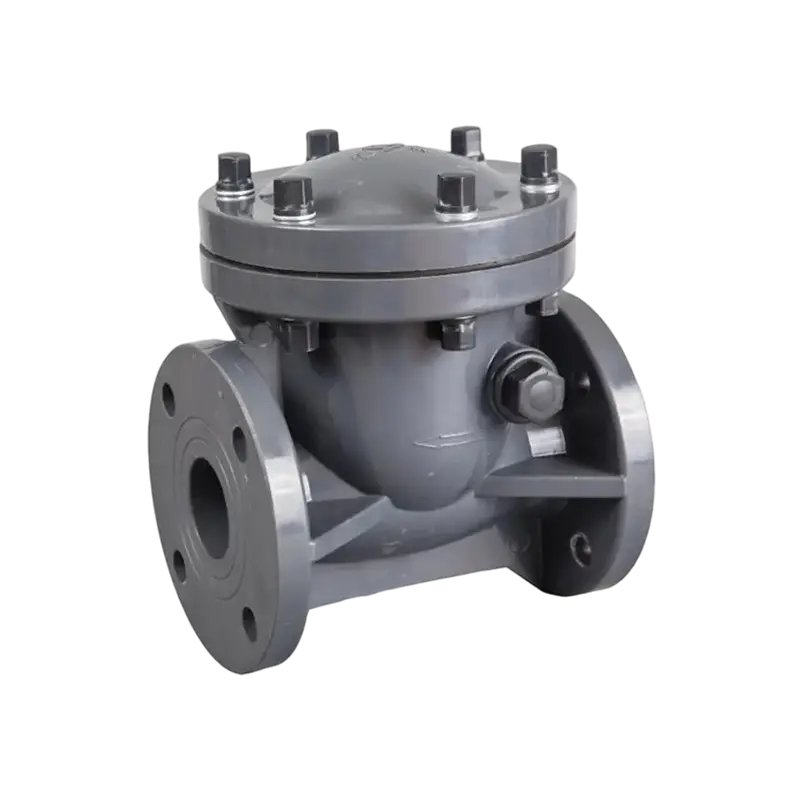
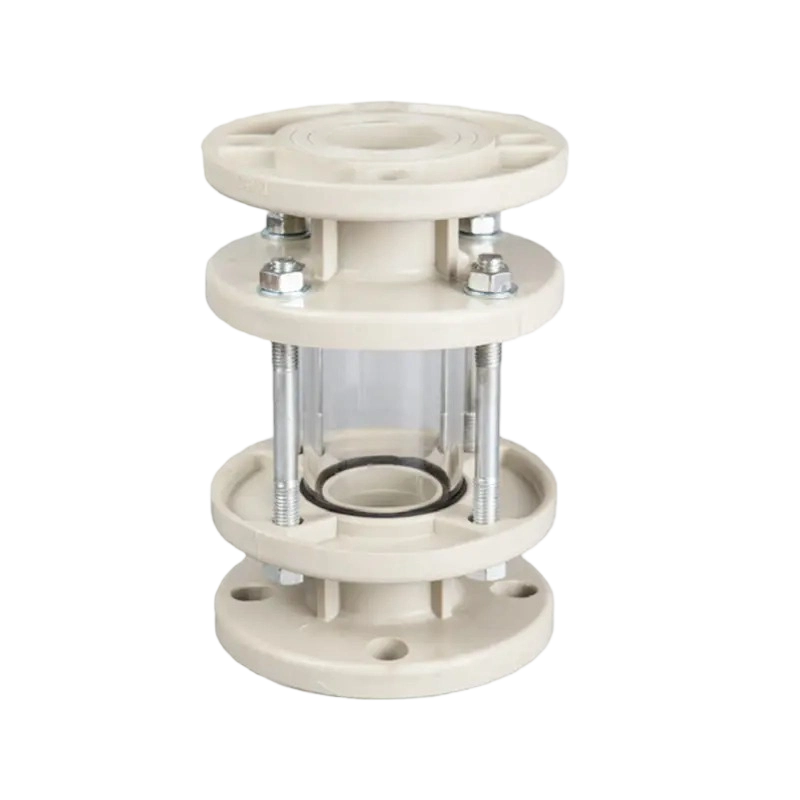
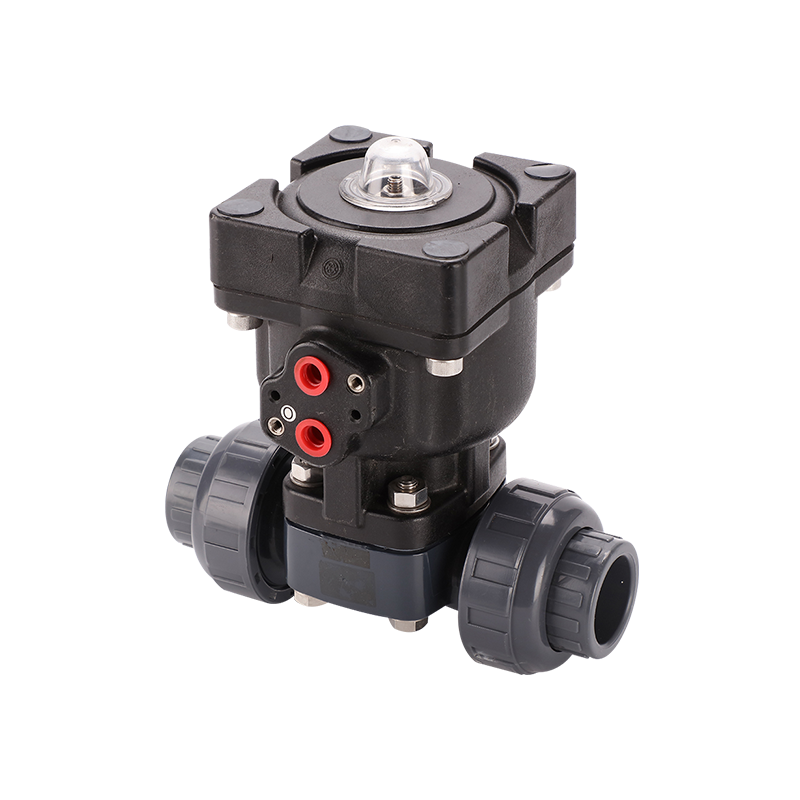
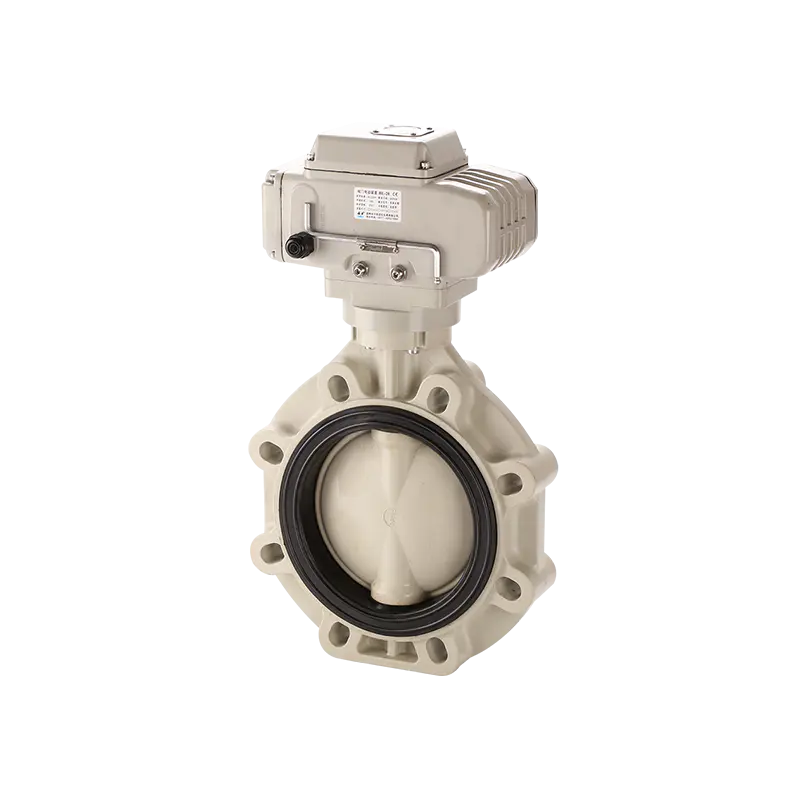
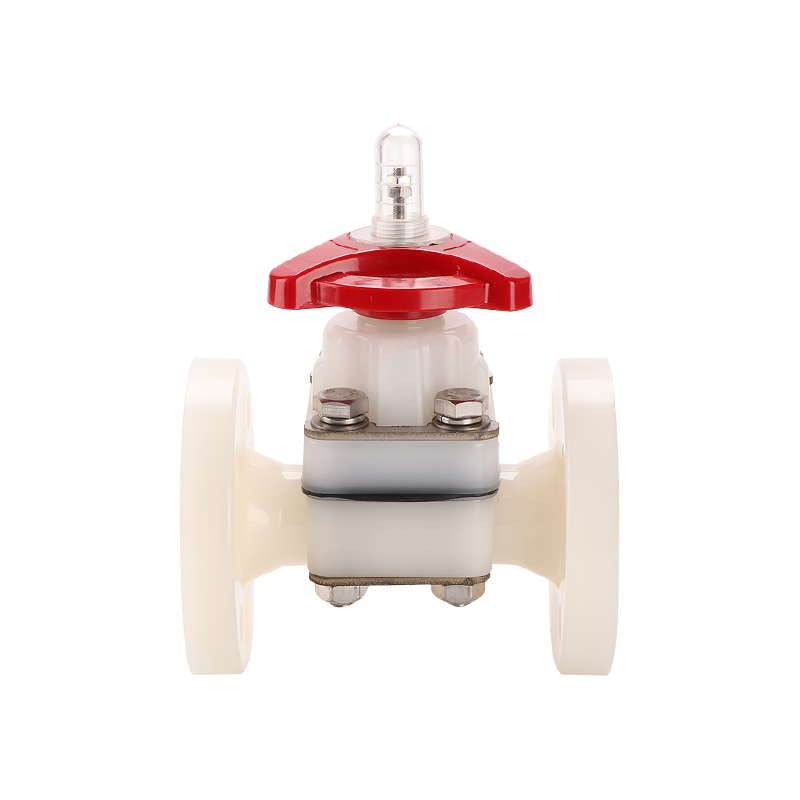
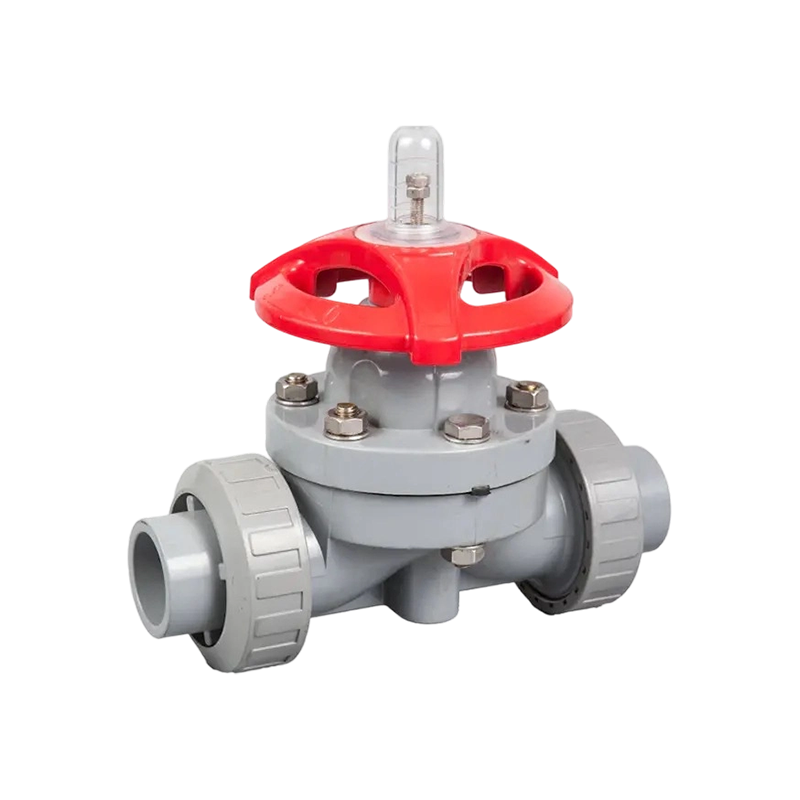
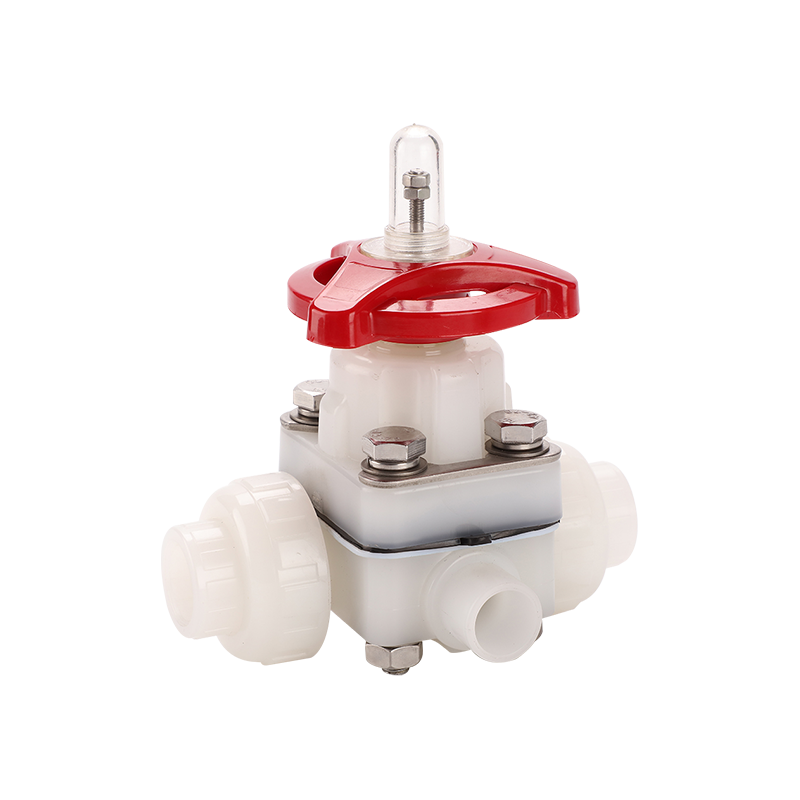
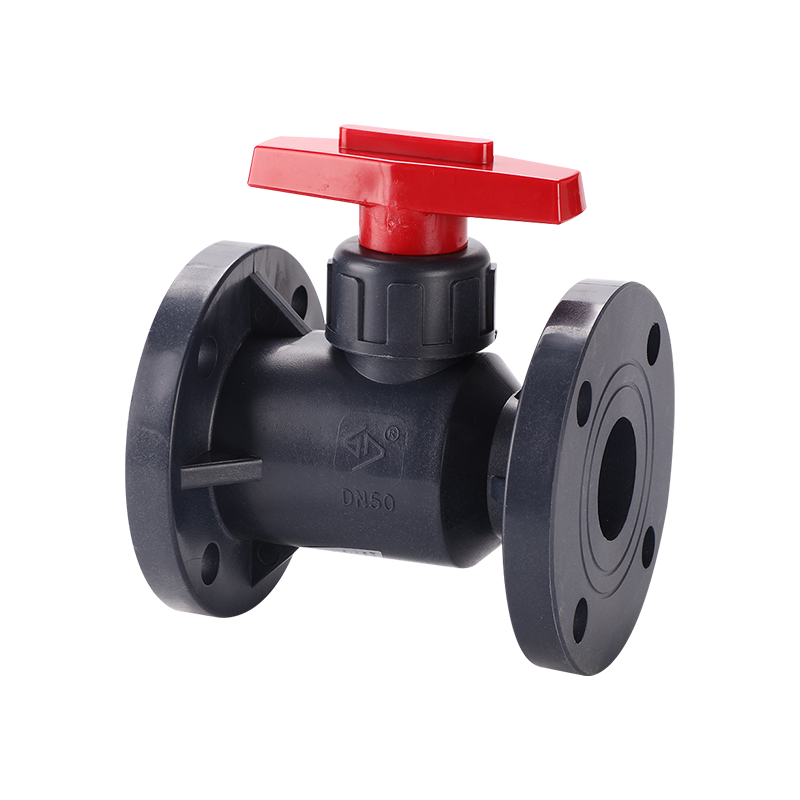
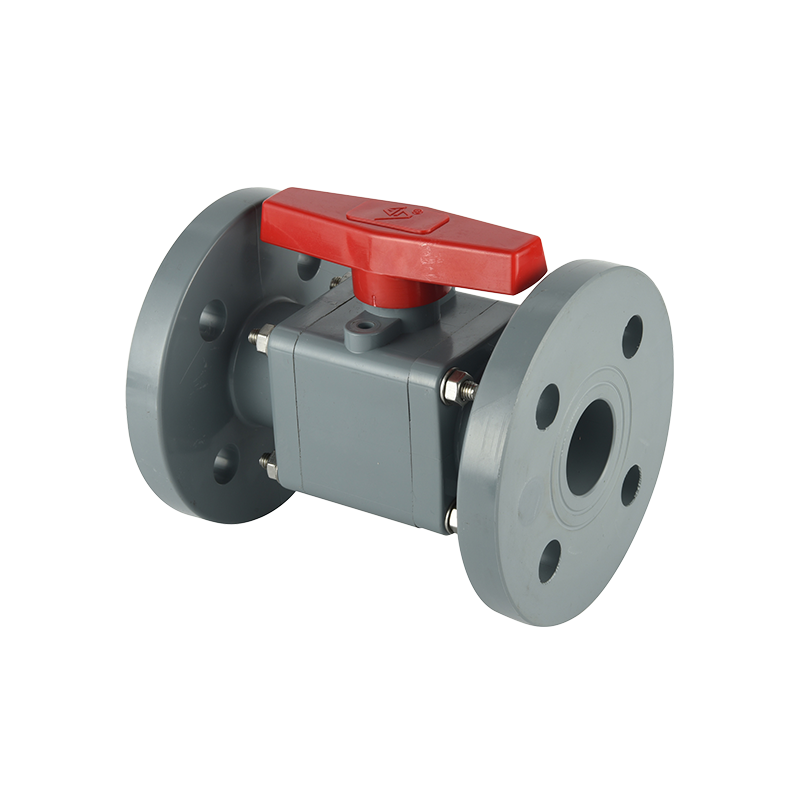
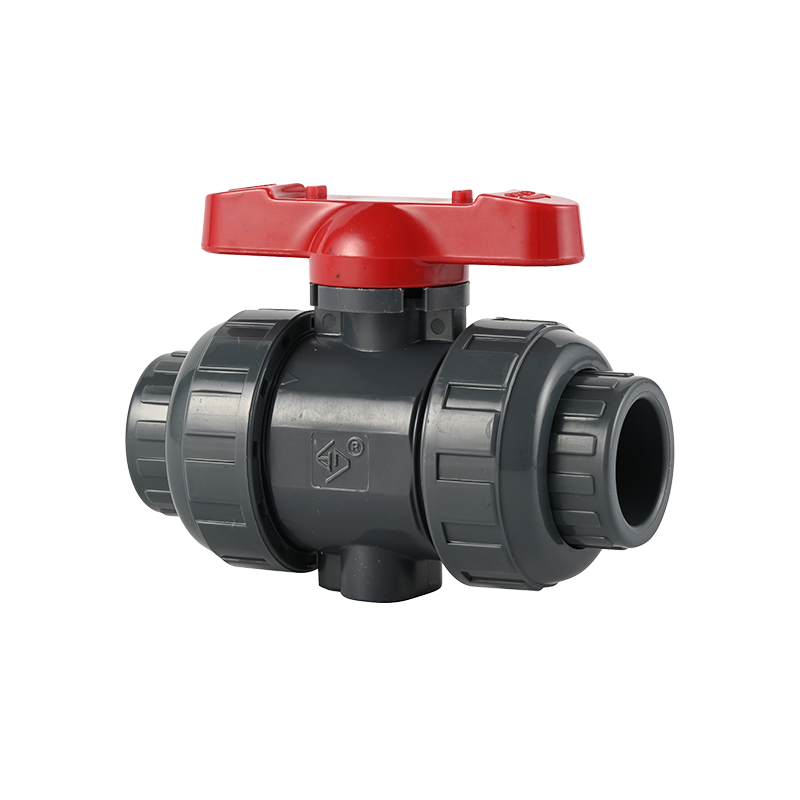
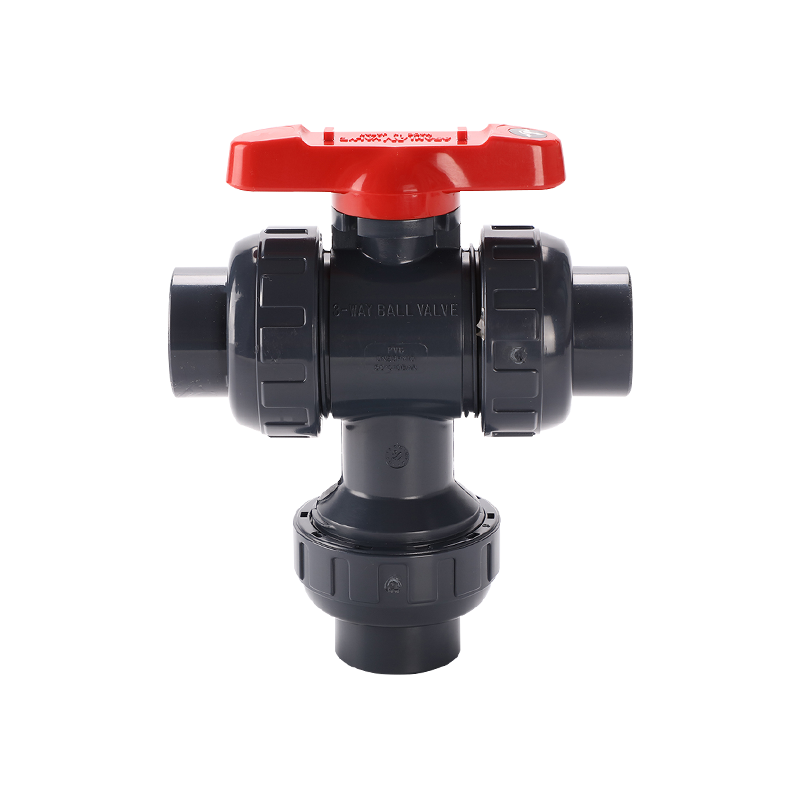
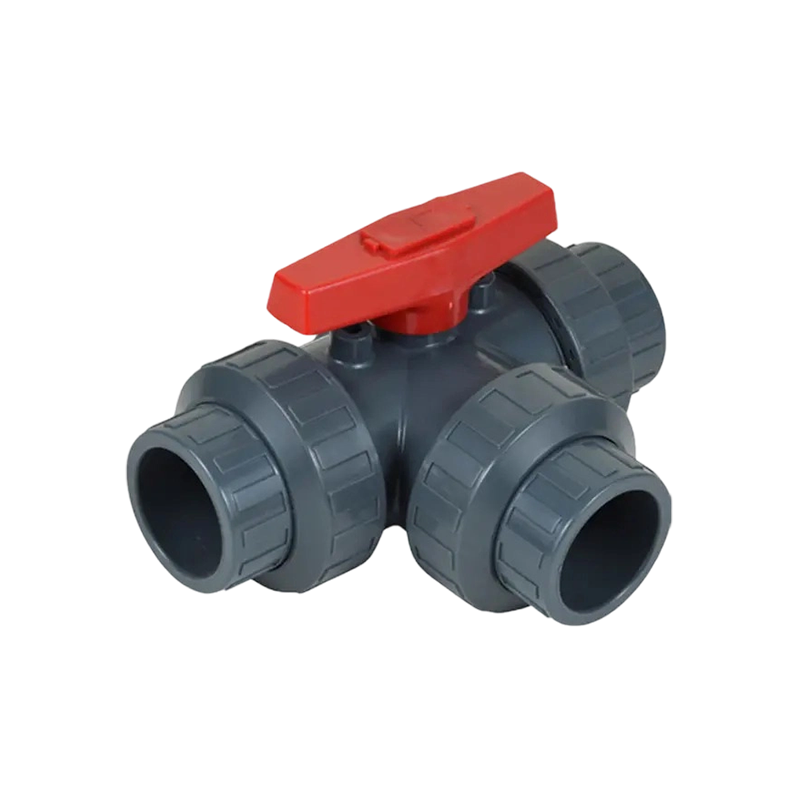
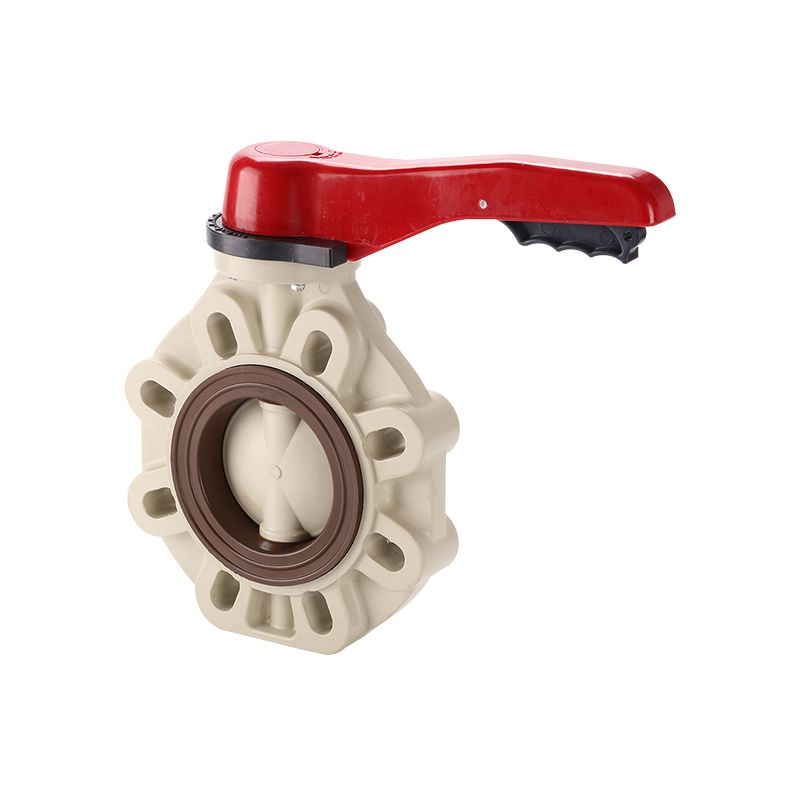
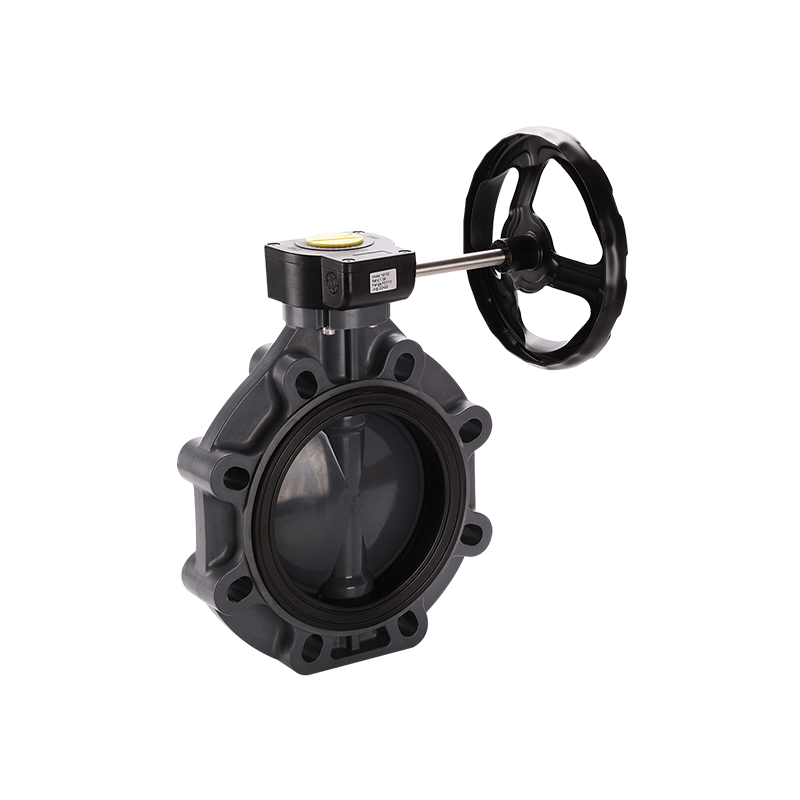
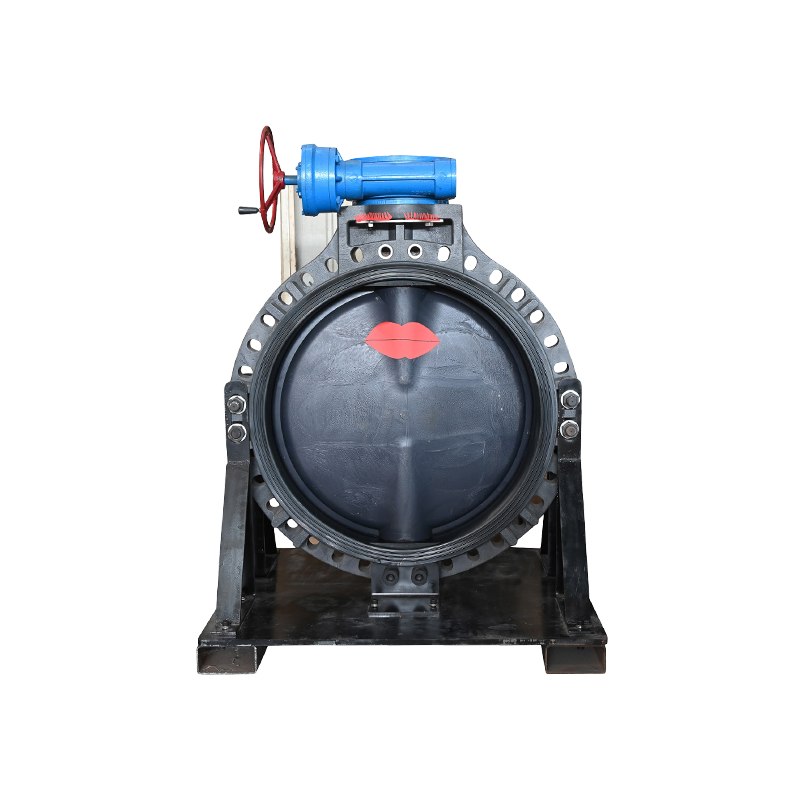
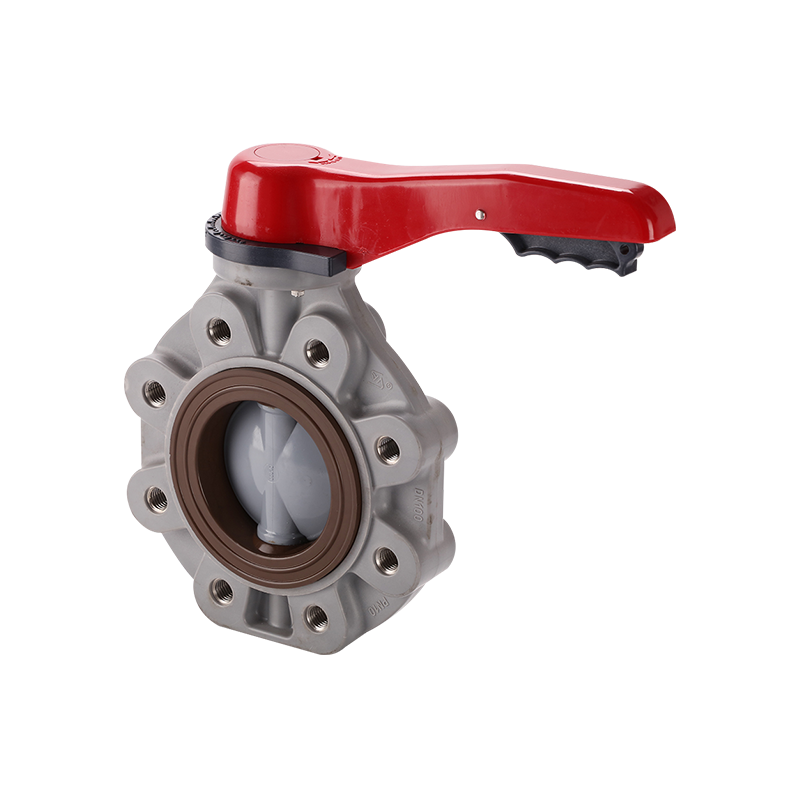
A complete Manual Valve range should cover different pipeline sizes, connection methods, materials, and operating conditions without forcing users to rely on one structure for every application. Depending on the system design, available products may include manual diaphragm valves, manual ball valves, three-way valves, flanged valves, union-connected valves, and manually operated butterfly valves.
At the primary category level, these products are best understood as different solutions within the same flow-control system. The final selection should be based on the required shutoff function, flow direction, pipe diameter, installation space, working pressure, and fluid characteristics. Detailed structural differences and model-specific performance are more appropriately reviewed on the corresponding product category pages.
Ningbo Baodi Plastic Valve Co., Ltd. has gradually expanded its Manual Valve product scope alongside the development of industrial plastic piping systems. After extending production to industrial plastic pipes and fittings in 2006, the company established broader coverage for complete pipeline applications, including PVC, CPVC, PP, and other thermoplastic material options.
This product coverage allows users to match valves with compatible pipes and fittings within the same system. It also reduces the risk of mismatched dimensions, connection standards, or material combinations when planning chemical processing, water treatment, industrial circulation, and corrosive fluid pipelines.
Key Factors When Selecting a Manual Valve
Selecting the right Manual Valve begins with the actual operating conditions of the pipeline. Nominal size alone is not enough. The medium, pressure, temperature, control purpose, and operating frequency all affect whether the valve will perform reliably over time.
Fluid Medium
The first step is to identify what will pass through the valve. Clean water, wastewater, acids, alkaline solutions, chemical liquids, slurries, high-purity water, and compressed air place different demands on the valve body and sealing components.
The following information should be confirmed:
- Fluid name and composition
- Chemical concentration
- Presence of suspended solids
- Viscosity
- Corrosiveness
- Cleanliness requirements
For chemical service, compatibility must be checked for every wetted component, not only the valve body. Valve seats, O-rings, diaphragms, gaskets, and other sealing parts may react differently to the same medium.
Ningbo Baodi Plastic Valve Co., Ltd. has manufactured industrial plastic valves since 1979 and has supplied products for chemical processing and other demanding fluid-control systems. This long production history is especially relevant where material selection and stable sealing performance are critical.
Working Pressure
The selected Manual Valve must withstand both normal operating pressure and temporary pressure changes.
Important pressure parameters include:
- Normal working pressure
- Maximum system pressure
- Start-up pressure fluctuation
- Pump shutoff pressure
- Possible water hammer
- Test pressure
A valve should not be selected only according to its pressure rating at room temperature. For thermoplastic valves, the allowable pressure may decrease as fluid temperature rises.
Operating Temperature
Temperature affects body strength, seal elasticity, chemical resistance, and service life. A material that performs well at room temperature may become softer, more brittle, or less pressure-resistant at elevated temperatures.
The fluid temperature and surrounding temperature should both be considered, especially for outdoor systems or pipelines exposed to heat-producing equipment.
Required Control Function
The purpose of the Manual Valve should be clearly defined before a model is chosen. Common requirements include:
- Complete pipeline isolation
- Starting and stopping flow
- Diverting the medium
- Combining two flow paths
- Limited flow adjustment
- Equipment inlet or outlet control
- Maintenance isolation
A valve designed mainly for shutoff may not provide stable control when kept partially open for long periods.
Operating Frequency
A Manual Valve operated once a month faces different wear conditions from one opened and closed several times each day. Frequent operation increases the importance of low operating torque, durable seals, and convenient handle access. Valves installed in narrow spaces should also leave enough room for full handwheel or lever movement.
Manual Valve Body Materials
The body material of a Manual Valve directly affects chemical resistance, working temperature, pressure capability, mechanical strength, and service life. The correct choice depends on the medium and operating conditions rather than appearance or price alone.
PVC
PVC is widely used in water treatment, chemical transfer, irrigation, and general industrial piping. It offers good resistance to many acids, alkalis, and salt solutions while keeping the valve lightweight and easy to install. Its allowable pressure should be reduced when the operating temperature increases.
CPVC
CPVC is commonly selected when the system temperature is higher than the normal working range of PVC. It also provides resistance to many corrosive fluids. In 2006, Ningbo Baodi Plastic Valve Co., Ltd. expanded into industrial plastic pipes and fittings and became one of the early domestic manufacturers to apply CPVC in industrial-grade piping valves.
PP
PP has good resistance to a broad range of acidic and alkaline media. It is lightweight and suitable for many chemical processing, wastewater, and industrial fluid systems. Its suitability should still be checked against the actual concentration and temperature of the medium.
PVDF
PVDF is used in more demanding chemical and high-purity applications. It generally provides stronger chemical resistance and better temperature performance than common thermoplastics, but it also requires a higher material investment.
General Material Comparison
| Material |
Chemical Resistance |
Temperature Capability |
Mechanical Strength |
Typical Use |
| PVC |
Good for many common chemicals |
Moderate |
Moderate |
Water treatment and general chemical service |
| CPVC |
Good |
Higher than PVC |
Moderate |
Warm chemical fluids and industrial piping |
| PP |
Good for many acids and alkalis |
Moderate |
Moderate |
Chemical processing and wastewater systems |
| PVDF |
Very high |
Relatively high |
Good |
Aggressive chemicals and high-purity fluids |
| Metal |
Depends on alloy |
Often high |
High |
High-load or special pressure conditions |
Material selection should also include the valve seat, O-rings, diaphragm, and gaskets. A compatible body material alone does not guarantee that the complete Manual Valve is suitable for the fluid.
Seal Material and Chemical Compatibility
The sealing components of a Manual Valve are just as important as the valve body. Even when the body material is suitable for a fluid, the valve may still leak or become difficult to operate if the seat, O-rings, diaphragm, or gasket is not chemically compatible.
Common sealing materials include EPDM, FKM, PTFE, and NBR. Each material responds differently to acids, alkalis, oils, solvents, temperature, and long-term exposure.
| Seal Material |
General Chemical Resistance |
Temperature Performance |
Typical Considerations |
| EPDM |
Good resistance to water, dilute acids, alkalis, and many inorganic chemicals |
Moderate to good |
Generally unsuitable for petroleum oils and many hydrocarbon fluids |
| FKM |
Good resistance to oils, fuels, and many chemicals |
Good at elevated temperatures |
Compatibility with strong alkalis and certain polar chemicals should be checked |
| PTFE |
Very broad chemical resistance |
Good across a wide temperature range |
Lower elasticity than rubber seals; sealing structure must be properly designed |
| NBR |
Good resistance to oils and many petroleum-based fluids |
Moderate |
Less suitable for strong oxidizing chemicals, ozone, and some solvents |
Chemical concentration must also be considered. A seal that performs well in a dilute solution may swell, harden, or lose strength in a more concentrated form of the same chemical. Temperature can accelerate these changes, especially during continuous service.
As a principal drafter of industry standards for several plastic valve categories, Ningbo Baodi Plastic Valve Co., Ltd. places material matching among the key considerations in valve design and specification. For demanding applications, the fluid name, concentration, operating temperature, pressure, and expected contact time should be provided before selecting the sealing configuration.
A Manual Valve should therefore be evaluated as a complete assembly rather than by body material alone.
Manual Valve Connection Options
The connection method of a Manual Valve affects installation time, sealing reliability, maintenance access, and compatibility with the existing piping system. Before selecting a connection, the pipe material, nominal size, pressure rating, installation space, and applicable standard should all be confirmed.
Union Connection
A union connection allows the valve body to be removed without cutting the pipeline. This is useful where regular inspection, cleaning, or seal replacement may be required. During installation, the union nut should be tightened evenly, and the sealing ring must remain correctly seated. Excessive force may deform plastic threads or damage the gasket.
Flanged Connection
Flanged Manual Valve products are commonly used in larger pipelines and systems that may require repeated disassembly. The flange diameter, bolt-hole pattern, pressure class, and sealing face must match the connecting pipework.
Bolts should be tightened gradually in a diagonal sequence. Uneven tightening can distort the valve body, compress the gasket incorrectly, and cause leakage.
Threaded Connection
Threaded connections are compact and convenient for smaller pipe sizes. However, the thread standard must be identified before installation. NPT, BSP, and other thread forms differ in angle, pitch, and sealing method and should not be forced together.
Too much thread sealant or excessive tightening may crack a thermoplastic valve socket or allow sealing material to enter the flow passage.
Socket or Solvent-Weld Connection
Socket connections are widely used with industrial plastic piping. The pipe end and valve socket must be clean, dry, and properly prepared. Adhesive should be applied in a controlled amount to prevent it from entering the Manual Valve cavity.
After Ningbo Baodi Plastic Valve Co., Ltd. expanded its product line to industrial plastic pipes and fittings in 2006, the company was able to provide more consistent matching between valves, pipe dimensions, and connection components, including industrial-grade CPVC piping systems.
Wafer Connection
A wafer connection installs the valve between two pipeline flanges. Correct centering is essential because misalignment can interfere with valve movement and place uneven stress on the body.
| Connection Type |
Main Advantage |
Main Installation Concern |
| Union |
Easy removal and maintenance |
Seal alignment and nut torque |
| Flanged |
Secure and suitable for larger sizes |
Flange standard and even bolt tightening |
| Threaded |
Compact and simple |
Thread compatibility and overtightening |
| Socket |
Clean, compact plastic pipe connection |
Surface preparation and adhesive control |
| Wafer |
Short installation length |
Flange alignment and pipe support |
Manual Valve Installation Guidelines
Correct installation has a direct effect on the sealing performance, operating torque, and service life of a Manual Valve. Before installation, confirm that the valve model, nominal size, pressure rating, body material, seal material, and connection standard match the pipeline specification.
The inside of the pipe should be cleaned to remove sand, welding residue, plastic chips, sealing tape, and other foreign matter. Even small particles may become trapped on the sealing surface and prevent the Manual Valve from closing completely. The valve should also be checked for transportation damage, loose components, or displaced seals.
During installation, the connected pipes must be properly aligned. A Manual Valve should not be used to pull misaligned pipes into position or support the weight of the pipeline. External stress may deform a thermoplastic valve body, increase operating resistance, or cause leakage at the connection.
For flanged installations, bolts should be tightened gradually in a diagonal sequence. Applying full torque to one bolt before tightening the others can produce uneven gasket compression. Union nuts and threaded plastic connections should be tightened only enough to form a reliable seal. Excessive force may damage threads or distort the valve socket.
| Installation Item |
Correct Practice |
Risk if Ignored |
| Pipe alignment |
Align and support the pipe independently |
Body deformation and connection leakage |
| Flange bolts |
Tighten gradually in a diagonal sequence |
Uneven gasket compression |
| Union connection |
Keep the sealing ring clean and centered |
Leakage after pressurization |
| Threaded connection |
Use compatible threads and controlled torque |
Cracking or thread damage |
| Operating clearance |
Leave room for full handle movement |
Restricted or incomplete operation |
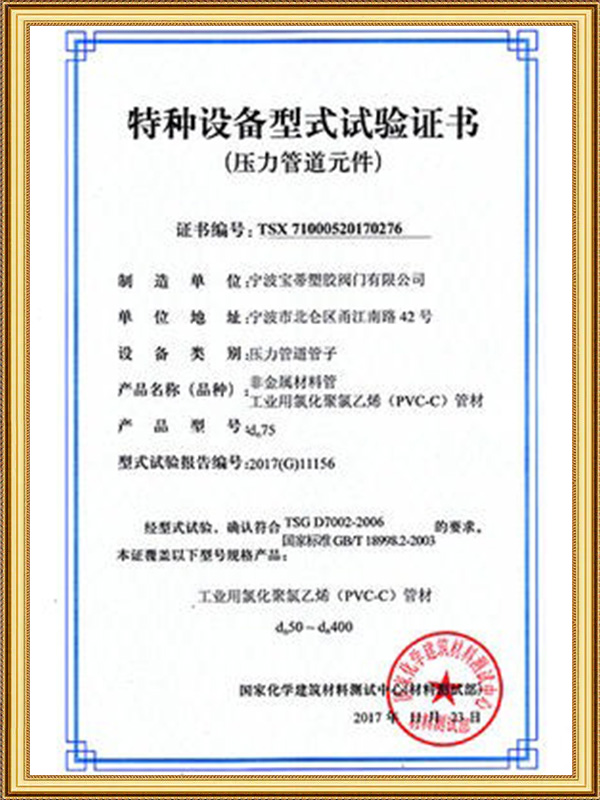
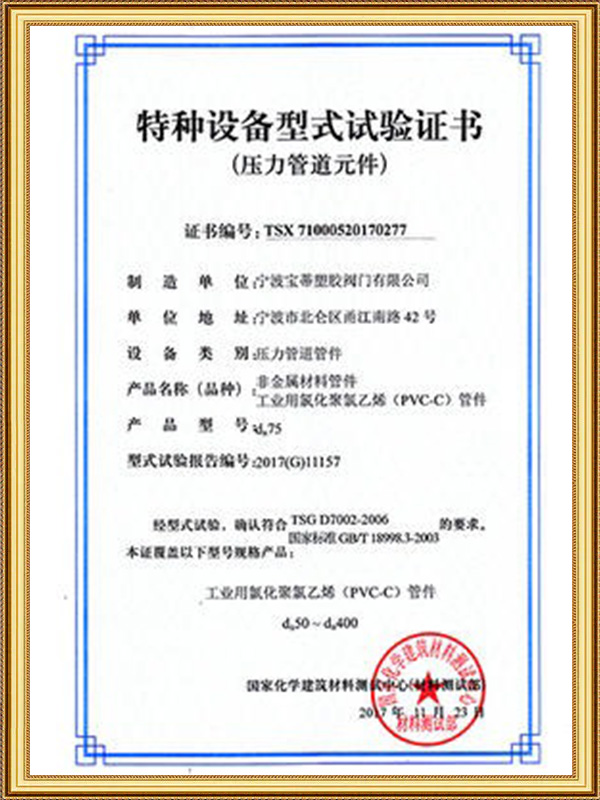
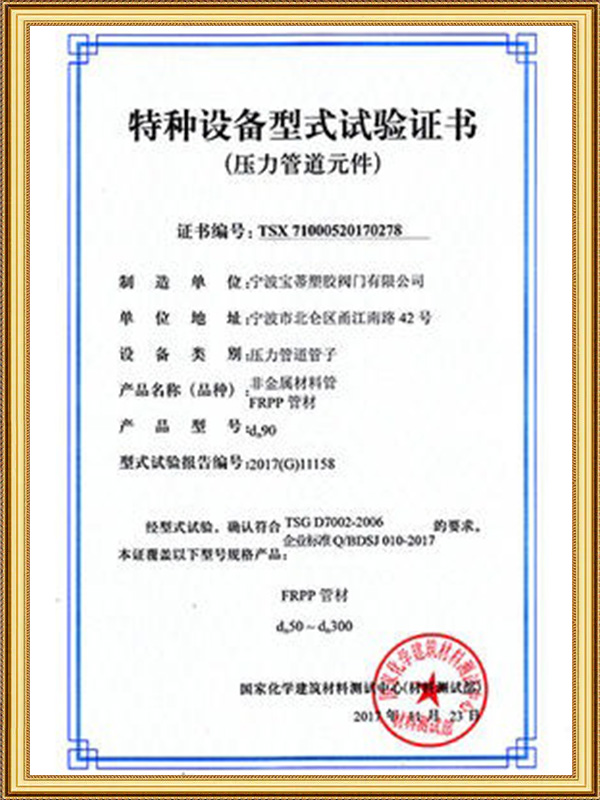
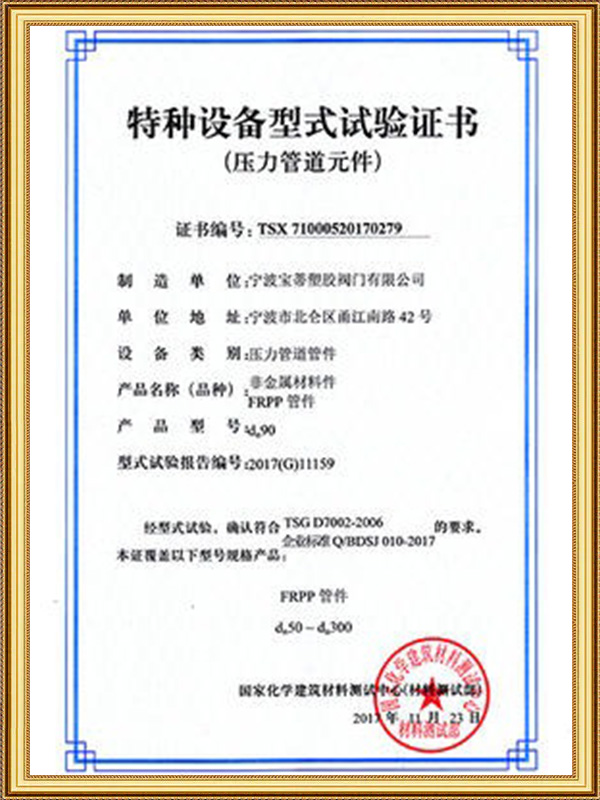
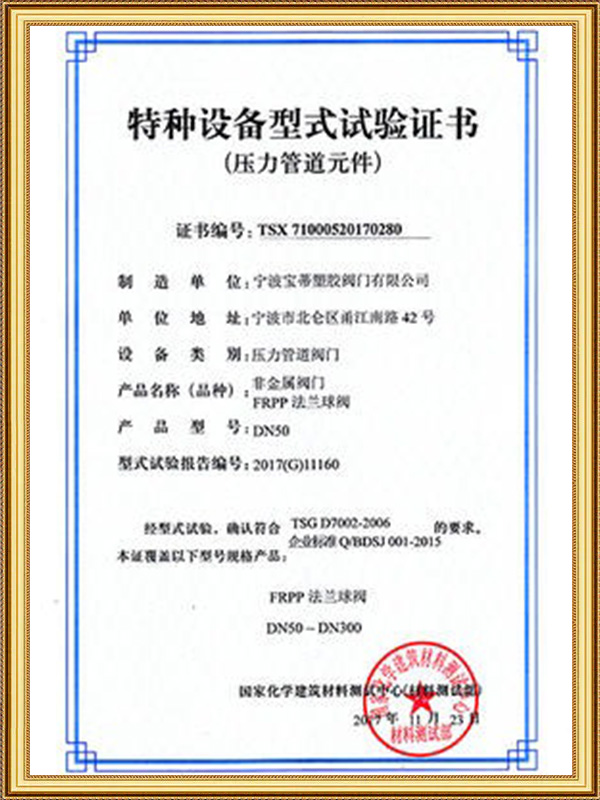
Ningbo Baodi Plastic Valve Co., Ltd. holds the national special equipment pressure piping component manufacturing license and applies established production controls to industrial plastic valves and piping products. Proper field installation remains necessary to maintain the dimensional accuracy and sealing performance built into the product.
After installation, operate the Manual Valve through its full travel before introducing fluid. Begin the pressure test at a low pressure, check all joints and sealing areas, and then increase the pressure gradually. Any unusual resistance, deformation, or leakage should be corrected before the system enters normal service.
Safe Operation of a Manual Valve
Safe operation of a Manual Valve begins with understanding the condition of the pipeline before the handle or handwheel is moved. The operator should confirm the fluid temperature, system pressure, and possible hazards of the medium. This is especially important in chemical, high-temperature, or pressurized piping systems.
A Manual Valve should be opened and closed smoothly. Sudden movement may create pressure shock, disturb downstream equipment, or produce water hammer in liquid systems. If the valve becomes difficult to operate, extra force should not be applied immediately. Resistance may be caused by deposits, internal blockage, seal expansion, pipe stress, or excessive system pressure.
Extension bars should not be used unless the valve is specifically designed for them. Excessive torque can damage the handle, stem, sealing parts, or valve body. For large-size valves, the specified gear or operating mechanism should be used instead of improvised tools.
| Operating Condition |
Recommended Practice |
Main Risk |
| High system pressure |
Operate slowly and monitor the pipeline |
Pressure shock or sudden fluid release |
| Corrosive medium |
Wear suitable protective equipment |
Chemical exposure |
| High fluid temperature |
Avoid direct contact and confirm temperature limits |
Burns or seal damage |
| Difficult operation |
Stop and inspect the cause |
Stem, handle, or internal damage |
| Long-term inactivity |
Move the valve gradually |
Seal sticking or sudden torque increase |
| Maintenance work |
Depressurize, drain, and isolate the line |
Uncontrolled leakage |
Industrial plastic valves are often used in environments where corrosion resistance is essential, but safe handling remains necessary. The long manufacturing experience of Ningbo Baodi Plastic Valve Co., Ltd. in demanding industrial piping applications supports the importance of matching operating procedures with material and pressure conditions.
Before loosening a union nut, flange bolt, or threaded connection, the pipeline must be completely isolated, depressurized, and drained. A Manual Valve should never be dismantled while the system is under pressure.
Common Manual Valve Problems
A Manual Valve may develop operating or sealing problems when it is exposed to unsuitable media, excessive pressure, incorrect installation, or long periods without movement. Identifying the cause early can prevent minor faults from developing into leakage, shutdown, or damage to the surrounding piping system.
The Manual Valve Is Difficult to Operate
Increased operating torque is one of the most common signs of a problem. Possible causes include deposits inside the flow passage, crystallized chemicals, swollen sealing components, pipe misalignment, or operation under excessive differential pressure.
The valve should not be forced with an extension bar. The system pressure should first be checked, followed by the handle, stem area, and pipe alignment. If the resistance remains after depressurization, the valve may need to be removed and inspected internally.
Leakage at the Pipe Connection
External leakage often occurs around union joints, flanges, threaded ends, or socket connections. A displaced O-ring, damaged gasket, loose fastener, incompatible thread, or uneven flange tightening may prevent a reliable seal.
For plastic piping systems, excessive tightening can be as harmful as insufficient tightening. Too much force may deform the connection, damage threads, or place continuous stress on the Manual Valve body.
Leakage Around the Stem or Operating Shaft
Leakage near the handle or handwheel may indicate wear, aging, chemical attack, or deformation of the stem seal. Operating the valve with excessive torque can also damage this sealing area.
Ningbo Baodi Plastic Valve Co., Ltd. has developed industrial plastic valve products for demanding service conditions since 1979. Its participation in drafting standards for plastic valve products reflects the importance of stable sealing structures, controlled dimensions, and suitable material combinations. Even so, seal condition should still be checked regularly under actual operating conditions.
The Valve Does Not Shut Off Completely
Internal leakage may occur when particles become trapped on the sealing surface or when the seat, diaphragm, or other closing component is worn or chemically damaged. An incorrect closed position or a deformed body caused by pipe stress can also prevent full shutoff.
The pipeline should be depressurized before inspection. Flushing the line may remove loose particles, but damaged sealing parts generally require replacement.
Handle, Handwheel, or Gear Damage
External operating parts can fail because of impact, corrosion, ultraviolet exposure, excessive torque, or repeated operation beyond the designed range. A damaged handle should be replaced rather than repaired with improvised parts, as inaccurate operation may affect the fully open and fully closed positions.
| Problem |
Possible Cause |
Recommended Check |
| Difficult operation |
Deposits, seal swelling, pipe stress, high pressure |
Depressurize and inspect movement |
| Connection leakage |
Misaligned seal, damaged gasket, uneven tightening |
Check joint alignment and sealing parts |
| Stem leakage |
Worn or chemically affected stem seal |
Inspect and replace compatible seals |
| Incomplete shutoff |
Particles, worn sealing surface, body deformation |
Flush and inspect internal parts |
| Handle damage |
Excessive torque, impact, outdoor aging |
Replace the operating component |
Any Manual Valve showing cracking, permanent deformation, repeated leakage, or sudden changes in operating torque should be removed from service for detailed inspection.
Manual Valve Maintenance Practices
Regular maintenance helps a Manual Valve retain stable sealing performance and predictable operating torque. The inspection interval should be based on the fluid medium, operating frequency, pressure, temperature, and installation environment rather than a fixed calendar alone.
Routine checks should include the valve body, handle or handwheel, stem area, union ends, flange joints, and other visible connections. Any sign of leakage, cracking, discoloration, swelling, or abnormal deformation should be investigated before the condition becomes more serious.
A Manual Valve that normally remains open or closed should still be operated periodically. Moving the valve through its full travel can reduce the risk of deposits, crystallized chemicals, or long-term seal adhesion. The operation should be slow and controlled, especially after a long period of inactivity.
| Maintenance Item |
Recommended Action |
Warning Sign |
| External inspection |
Check body, joints, and operating parts |
Leakage, cracks, or deformation |
| Operation test |
Open and close through the full travel |
Increased torque or uneven movement |
| Seal inspection |
Check O-rings, seats, gaskets, and diaphragms |
Swelling, hardening, or wear |
| Connection check |
Inspect union nuts, flange bolts, and threads |
Looseness or uneven compression |
| Cleaning |
Remove external residue and internal deposits |
Corrosion, blockage, or contamination |
| Spare parts |
Use matching materials and dimensions |
Poor sealing after replacement |
Material compatibility should be reviewed again whenever the process fluid, concentration, or temperature changes. A seal that performed well under the original condition may fail after the operating medium is modified.
With more than four decades of experience in industrial thermoplastic valves and piping systems, Ningbo Baodi Plastic Valve Co., Ltd. has supplied products to users in more than 60 countries. This broad application experience also shows that correct maintenance is closely related to actual site conditions, especially in chemical processing, water treatment, and corrosive fluid systems.
Before any internal inspection or seal replacement, the pipeline must be isolated, fully depressurized, drained, and cleaned. Damaged components should be replaced with parts of the correct size and compatible material rather than repaired temporarily.
Manual Valve Applications Across Different Industries
A Manual Valve is used wherever operators need direct, local control of a pipeline without relying on electric, pneumatic, or hydraulic actuators. Its simple operating method makes it suitable for both main process lines and auxiliary systems, especially where maintenance access, corrosion resistance, and straightforward operation are important.
In water treatment plants, Manual Valve products are commonly installed on filtration units, chemical dosing lines, circulation loops, drain lines, and equipment isolation points. They allow individual sections of the system to be shut down for cleaning or repair without stopping the entire process.
Chemical processing places greater emphasis on material compatibility. The valve body, seals, and other wetted parts must tolerate the fluid concentration, temperature, and exposure time. Ningbo Baodi Plastic Valve Co., Ltd. has supplied industrial thermoplastic valves and piping systems to customers in more than 60 countries, including applications involving corrosive and demanding process media.
Manual Valve products are also widely used in agricultural irrigation and aquaculture. Typical functions include controlling branch pipelines, isolating pumps and filters, managing water circulation, and adjusting local distribution. In these environments, lightweight construction and resistance to moisture or chemical treatment agents can simplify installation and maintenance.
| Industry |
Common Manual Valve Function |
Main Selection Concern |
| Water treatment |
Isolation, drainage, dosing, circulation |
Pressure, water quality, connection type |
| Chemical processing |
Fluid transfer and equipment isolation |
Chemical compatibility and temperature |
| Irrigation |
Branch control and filter isolation |
Outdoor exposure and flow capacity |
| Aquaculture |
Water circulation and drainage |
Corrosion resistance and easy maintenance |
| Industrial equipment |
Inlet, outlet, bypass, and service isolation |
Operating pressure and installation space |
| Laboratory systems |
Local control of process fluids |
Cleanliness and material compatibility |
In food processing, laboratory systems, swimming pool equipment, wastewater treatment, and industrial machinery, the same principle applies: the Manual Valve must be selected according to the complete operating condition rather than the industry name alone.
Manual Valve vs. Automated Valve
A Manual Valve and an automated valve perform the same basic task of controlling fluid, but they differ in the way they are operated and integrated into a piping system. The better choice depends on operation frequency, site accessibility, control accuracy, safety requirements, and available utilities.
A Manual Valve is operated directly by a handle, handwheel, or gear mechanism. It is commonly used where the valve is easy to reach and does not need to respond automatically to process changes. Because no actuator, control wiring, or compressed-air supply is required, installation is usually simpler and the number of components requiring maintenance is lower.
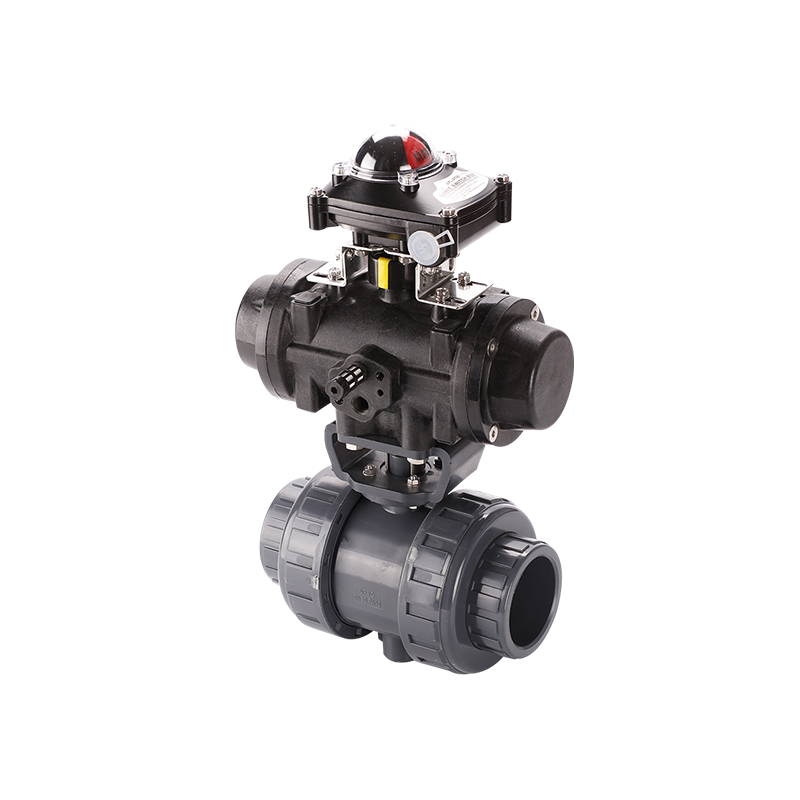
An automated valve uses an electric, pneumatic, or hydraulic actuator. It is more suitable for frequent operation, remote control, process interlocking, or areas that are difficult or unsafe for operators to access. However, the actuator and control system add installation requirements and increase the number of possible failure points.
| Comparison Item |
Manual Valve |
Automated Valve |
| Operating method |
Handle, handwheel, or gear |
Electric, pneumatic, or hydraulic actuator |
| External power |
Usually not required |
Power or compressed air normally required |
| Remote operation |
Generally unavailable |
Available through a control system |
| Operating frequency |
Better suited to occasional or moderate use |
Suitable for frequent cycling |
| Installation complexity |
Relatively simple |
Requires actuator and control connections |
| Initial investment |
Generally lower |
Generally higher |
| Maintenance scope |
Mainly valve body, seals, and operating parts |
Valve plus actuator and control components |
| Process integration |
Local control |
Can be linked to sensors and automation systems |
For many chemical processing, water treatment, and industrial plastic piping applications, local manual operation remains practical and reliable. Ningbo Baodi Plastic Valve Co., Ltd. has developed industrial thermoplastic valve and piping products for such environments for more than four decades, allowing valve selection to be coordinated with pipe material, connection standard, and system conditions.
A Manual Valve is not automatically the better or lower-performance option. It is the appropriate choice when local control is sufficient, operation is not continuous, and a simple mechanical structure is preferred. Automated operation becomes more useful when the process requires remote response, repeated cycling, or coordination with other equipment.
Frequently Asked Questions About Manual Valve
What Is a Manual Valve?
A Manual Valve is a flow-control device operated directly by a handle, handwheel, knob, or gear mechanism. It does not require electricity, compressed air, or a hydraulic power unit. Depending on the pipeline design, it may be used to start or stop flow, isolate equipment, change the flow path, or provide limited flow adjustment.
What Information Is Needed to Select a Manual Valve?
A reliable selection normally requires more than the nominal pipe size. The following details should be confirmed:
- Fluid name and chemical concentration
- Normal and maximum operating temperature
- Normal pressure and possible peak pressure
- Nominal valve size and actual pipe dimensions
- Connection type and connection standard
- Required body and seal materials
- Installation direction and available operating space
- Expected operating frequency
- Indoor or outdoor installation conditions
Providing complete operating data helps prevent material incompatibility, connection mismatch, excessive pressure loss, and premature seal failure.
Can a Manual Valve Be Used for Corrosive Chemicals?
Yes, provided that every wetted component is compatible with the chemical. The valve body, seat, O-rings, diaphragm, gaskets, and other internal parts should all be checked against the exact fluid concentration and temperature.
General descriptions such as acid resistant are not sufficient for final selection. The same material may perform differently in dilute and concentrated solutions, while higher temperatures can accelerate swelling, hardening, or chemical attack.
With decades of experience in industrial thermoplastic valve production, Ningbo Baodi Plastic Valve Co., Ltd. has developed material and sealing configurations for a wide range of demanding industrial fluid systems.
Can a Plastic Manual Valve Handle Pressure?
A plastic Manual Valve can operate safely within its specified pressure and temperature range. Its allowable pressure is affected by valve size, body material, internal structure, and fluid temperature.
Thermoplastic materials generally lose some pressure capability as temperature rises. For this reason, a valve rated for a certain pressure at room temperature may require derating in a warmer process.
Can a Manual Valve Be Installed Vertically?
Many Manual Valve products can be installed in horizontal or vertical pipelines, but installation direction should not be assumed without checking the product specification.
Important considerations include:
- Permitted flow direction
- Access to the handle or handwheel
- Pipe support
- Risk of sediment collecting inside the valve
- Drainage requirements
- Space needed for maintenance
The valve body should not carry unsupported pipe weight in either installation position.
How Can I Tell Whether a Manual Valve Is Open or Closed?
Some products use handle position as a visual indicator, while others rely on a handwheel position, gear indicator, or marked operating plate. The operator should follow the valve markings and operating instructions rather than relying on a general rule.
This is especially important where the valve has more than one flow path or where the operating mechanism does not directly show the internal position.
Why Is a Manual Valve Difficult to Turn?
Increased operating torque may result from:
- High differential pressure
- Chemical deposits or crystallization
- Suspended solids inside the flow passage
- Swollen or hardened seals
- Long periods without operation
- Pipe misalignment
- Corrosion or damage to the operating mechanism
The valve should not be forced with an improvised extension bar. The line should first be isolated and depressurized so that the cause can be inspected safely.
How Often Should a Manual Valve Be Operated?
A valve that remains in one position for long periods should still be cycled periodically. Regular movement can help identify increasing torque, deposits, seal adhesion, or mechanical damage before the valve is needed for an emergency shutdown.
There is no universal interval for every system. The inspection and operating schedule should be based on the medium, pressure, temperature, safety level, and operating environment.
What Causes a Manual Valve to Leak?
Leakage can occur at the pipe connection, stem area, body joint, or internal sealing surface. Common causes include:
- Worn or chemically damaged seals
- Foreign particles on the sealing surface
- Uneven flange tightening
- Misaligned union seals
- Incompatible thread standards
- Excessive installation torque
- Pipe stress or body deformation
- Operation beyond the rated pressure or temperature
Repeated leakage should not be treated only by further tightening. The actual cause should be identified before the valve returns to service.
Can a Manual Valve Be Used for Flow Regulation?
Some Manual Valve products can provide limited flow adjustment, but not every design is intended for continuous throttling. Operating a shutoff valve in a partly open position for long periods may increase turbulence, vibration, pressure loss, or local seal wear.
Where stable flow adjustment is required, the valve specification should clearly state that the product is suitable for regulating service.
How Long Does a Manual Valve Last?
The service life depends on the complete operating condition rather than age alone. Important factors include:
- Chemical compatibility
- Pressure and temperature
- Frequency of operation
- Cleanliness of the fluid
- Installation quality
- Exposure to sunlight or outdoor weather
- Maintenance frequency
- Availability of suitable replacement seals
A correctly selected and maintained Manual Valve can provide long-term service, while an unsuitable material combination may fail quickly even under moderate pressure.
When Should a Manual Valve Be Replaced?
Replacement should be considered when the valve shows permanent deformation, cracking, repeated leakage, severe chemical attack, damaged threads, unreliable shutoff, or a sudden increase in operating torque that cannot be corrected through cleaning or seal replacement.
A valve used in hazardous or critical service should be removed from operation whenever its condition creates uncertainty about safe isolation.