
product
product
product
product
product
product
product
product
product
product
product
product
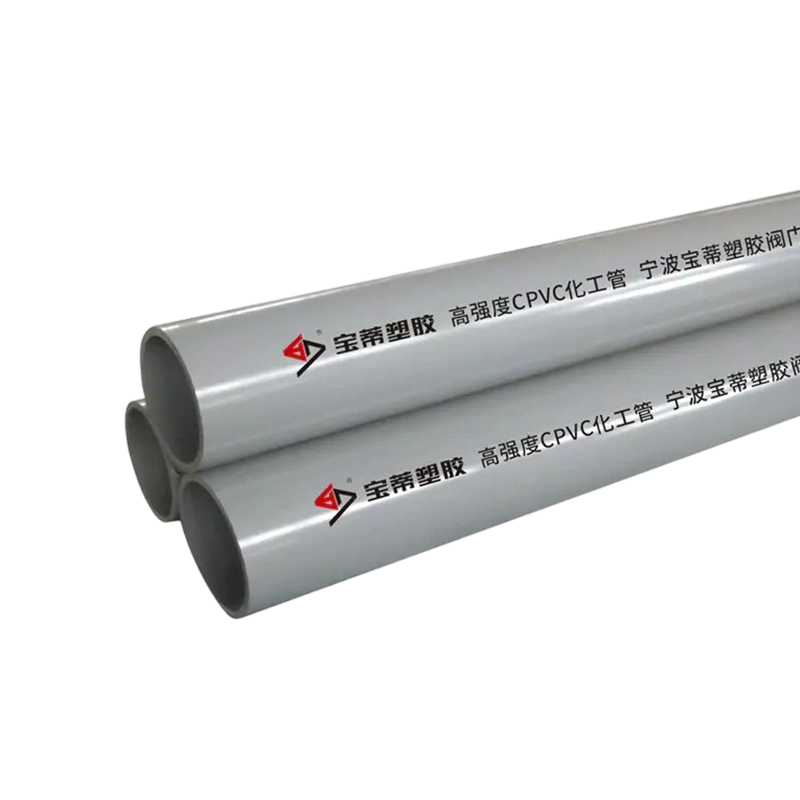
PPH (polypropylene homopolymer) piping systems deliver a full range of pipes and fittings built for high-temperature chemical transport, combining strong thermal performance with the corrosion resistance that thermoplastic piping is chosen for over metal alternatives.
Key characteristics:
• Higher heat deflection temperature compared with standard PP-R or PVC materials allows PPH piping to handle elevated-temperature process fluids that would soften or degrade lower-temperature-rated plastics.
• Strong chemical resistance across acids, alkalis, salts, and many organic compounds supports service in aggressive industrial chemical transport applications.
• Good mechanical strength and rigidity, combined with low weight relative to metal piping, simplify installation and reduce support structure requirements.
• Heat fusion joining (butt welding, socket welding) creates a homogeneous, joint-free flow path with no gaskets or seals to degrade over time, minimizing leak risk at connections.
• Non-toxic, non-tainting material properties support use in water treatment and other applications where product purity matters.
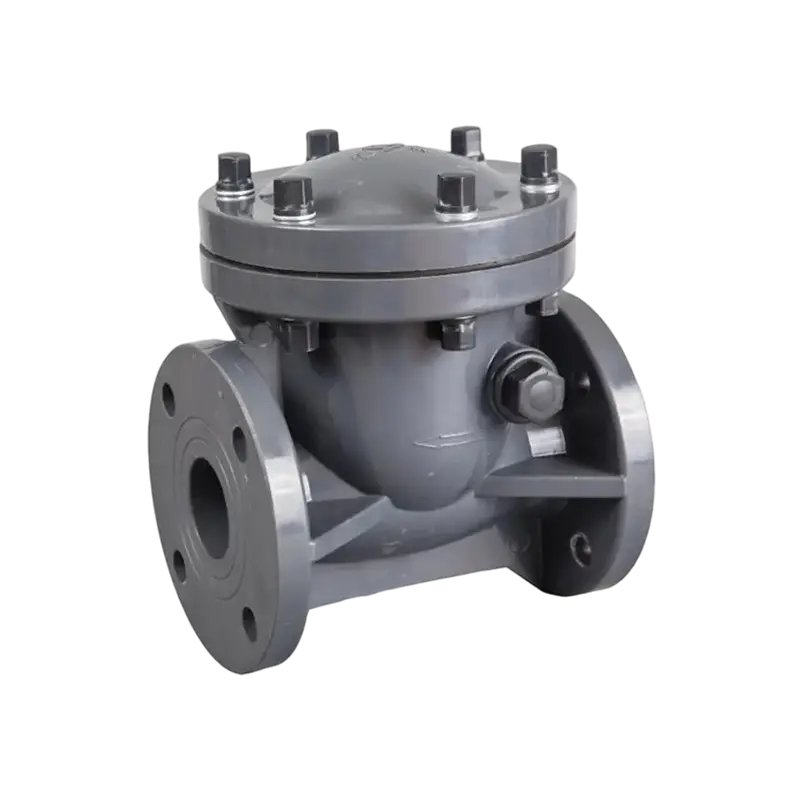
A full range of PPH elbows, tees, reducers, unions, and flanges rounds out the piping system, allowing complete process lines to be built from a single compatible material family without introducing dissimilar-material connection points.
Typical applications include chemical processing plants handling elevated-temperature fluids, hot acid and alkali transport lines, and industrial process piping where both thermal performance and corrosion resistance are required simultaneously.