
product
product
product
product
product
product
product
product
product
product
product
product
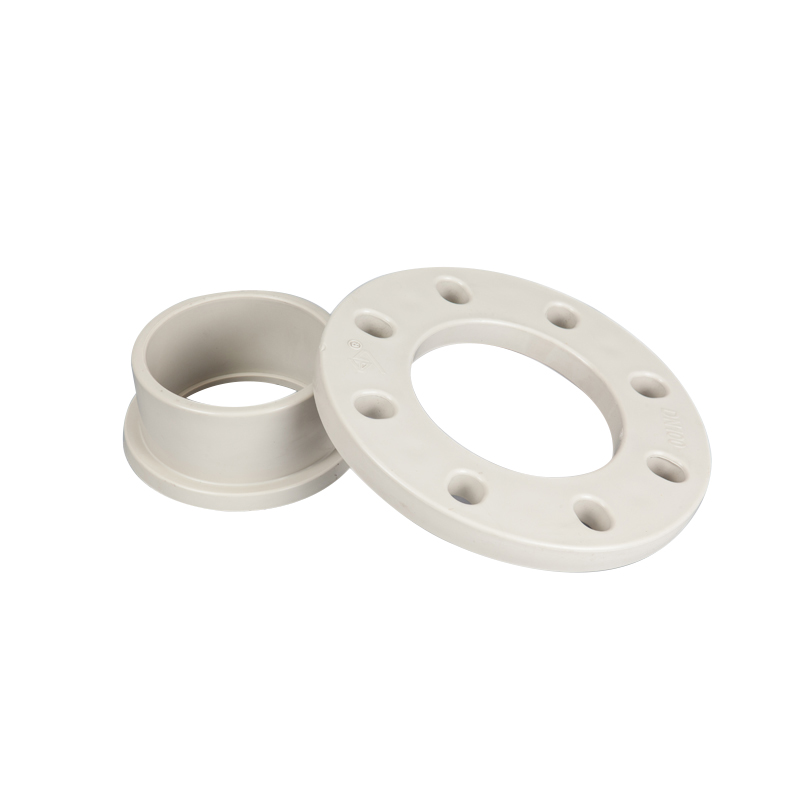
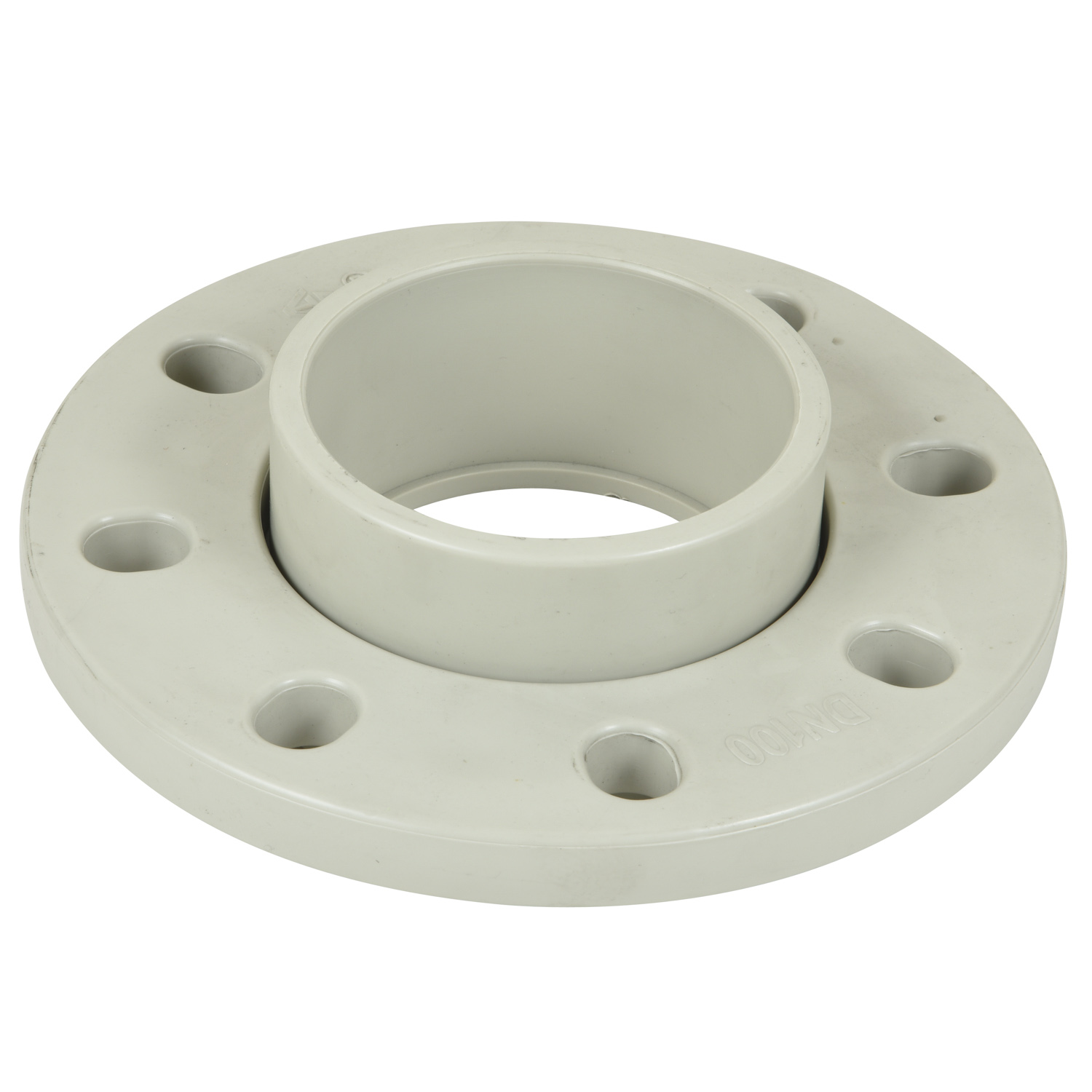
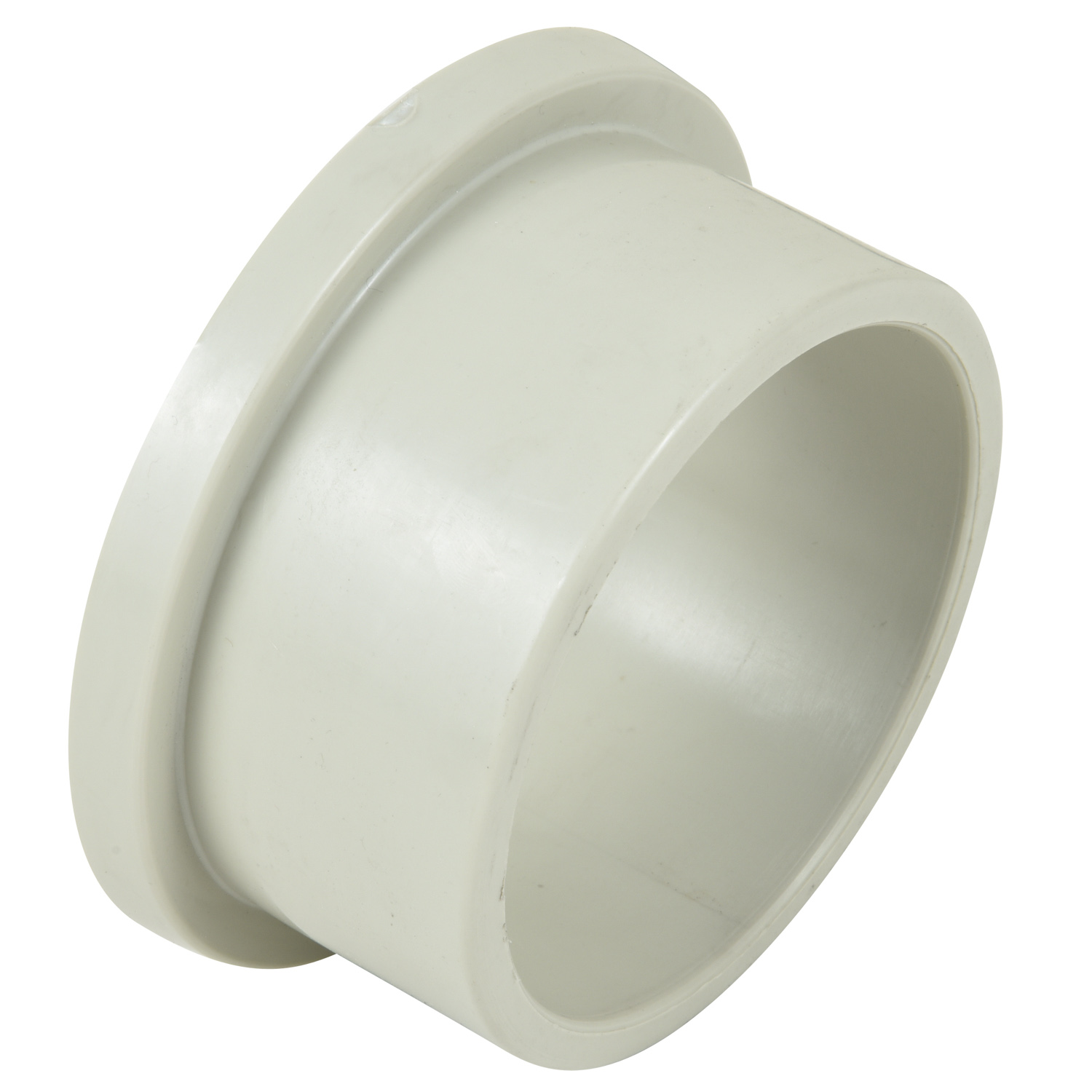
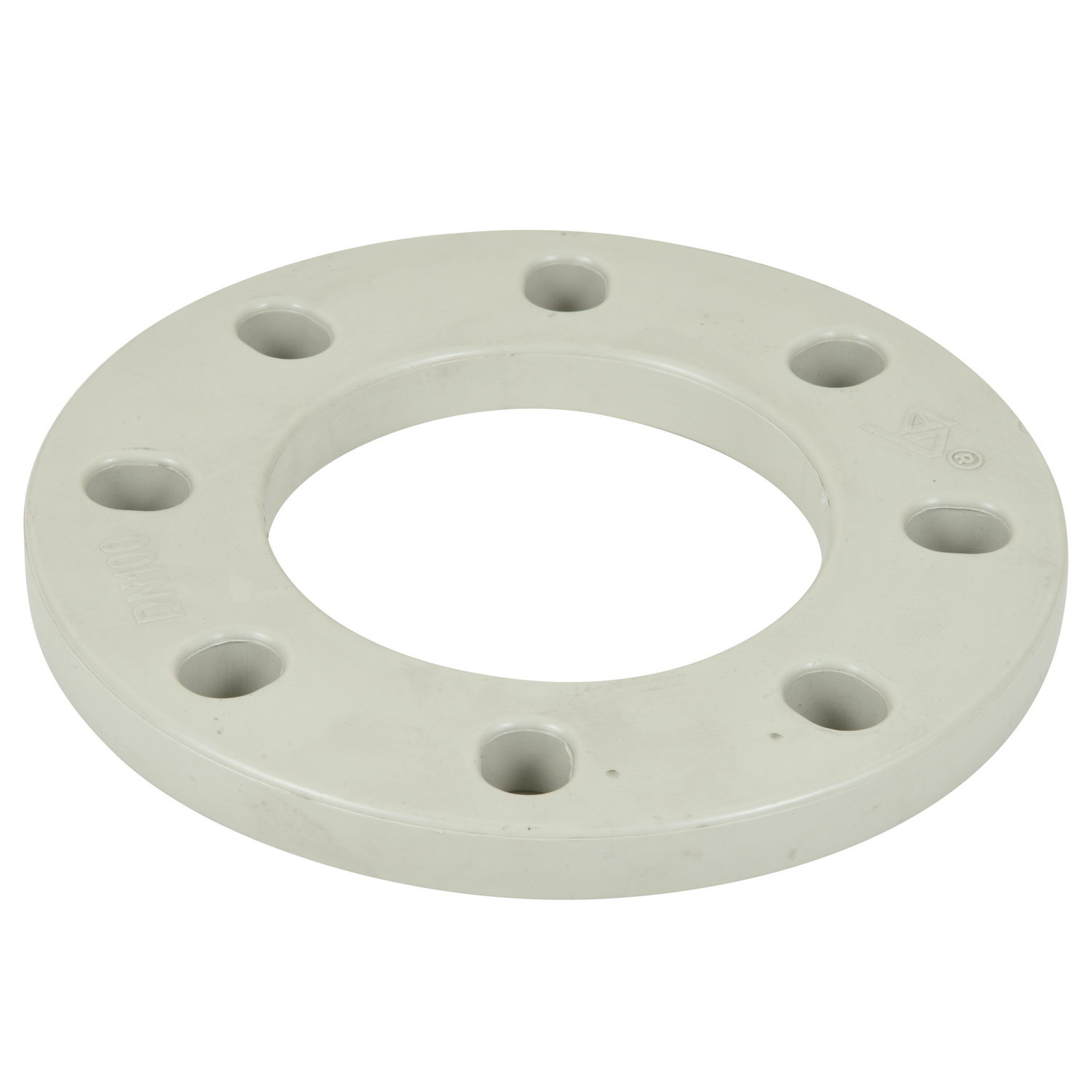
Standard: DIN, GB
Type: Welding Flange
Kind: Thermoplastics Pipes
Water Absorption: <0.01%
Contraction Percentage: <0.4%
Tensile Strength: (41~50) MPa
Trademark: Baodi
Model NO.: FLANGE
Origin: China
STANDARD: ANSI150#,DIN PN10,JIS10K,ISO
CONNECTION: SOCKET,FUSION...
Material: Plastic-PPH LINING WITH STEEL
Structure: Round
Connection: Flanged/Welding
Sealing Surface: FF PN10
Manufacturing Way: Injection
Specification: DN15-DN300
HS Code: 3917400000
Type: Welding Flange
Kind: Thermoplastics Pipes
Water Absorption: <0.01%
Contraction Percentage: <0.4%
Tensile Strength: (41~50) MPa
Trademark: Baodi
Model NO.: FLANGE
Origin: China
STANDARD: ANSI150#,DIN PN10,JIS10K,ISO
CONNECTION: SOCKET,FUSION...
Material: Plastic-PPH LINING WITH STEEL
Structure: Round
Connection: Flanged/Welding
Sealing Surface: FF PN10
Manufacturing Way: Injection
Specification: DN15-DN300
HS Code: 3917400000
High quality PPH van stone flanges combine a steel-lined structural core with a PPH lining on the wetted surface, delivering the mechanical strength of a steel backing ring together with the chemical resistance and elevated temperature performance PPH provides at the flange face.
Key specifications:
• Manufactured to DIN and GB standards, with flange face compatibility across ANSI 150#, DIN PN10, JIS 10K, and ISO standards.
• PPH lining with steel construction provides a steel structural backing ring beneath the PPH-lined wetted surface, combining the bolting strength of steel with the chemical resistance of PPH where the flange contacts process media.
• Socket and fusion connection options join the stub end securely to PPH pipe runs.
• Water absorption below 0.01% and contraction percentage below 0.4% reflect the dimensional stability of the PPH lining material.
• Tensile strength of 41-50 MPa on the lining material, backed by the steel core's higher structural strength, supports demanding bolted flange applications.
• Available across DN15 to DN300, with a flat face sealing surface rated PN10.
The steel-lined design is particularly suited to larger diameter or higher-load flange connections, where an all-plastic flange ring might be more prone to deformation under bolt torque, while the PPH lining still keeps the process media completely isolated from the steel structure.
Typical applications include large-diameter PPH piping systems, high-temperature chemical process lines, and installations where the additional mechanical strength of a steel-backed flange is needed alongside PPH's chemical resistance.