What Is a Manual Diaphragm Valve?
Basic Definition of a Manual Diaphragm Valve
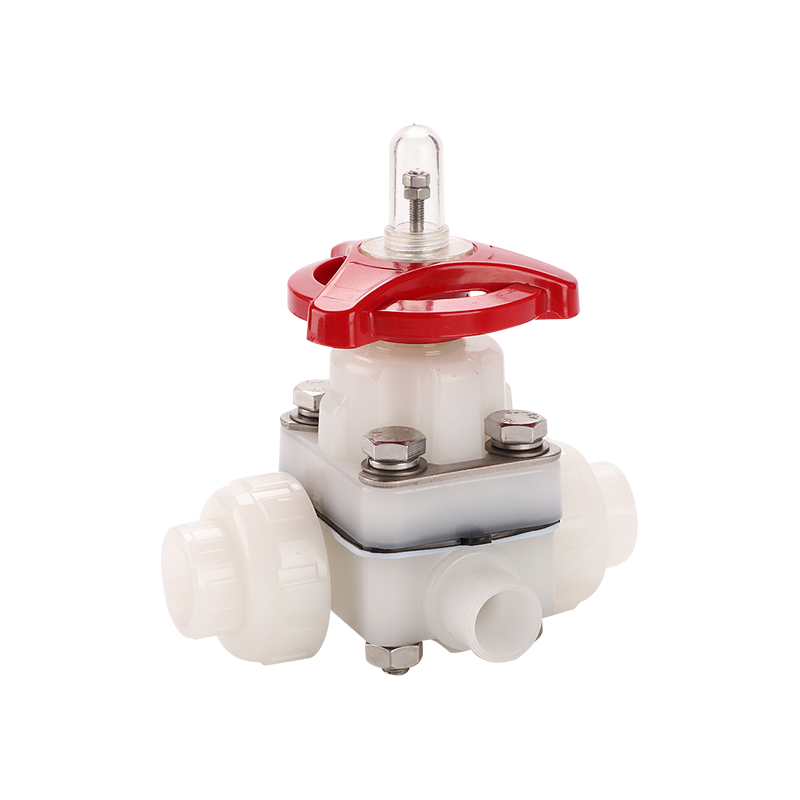
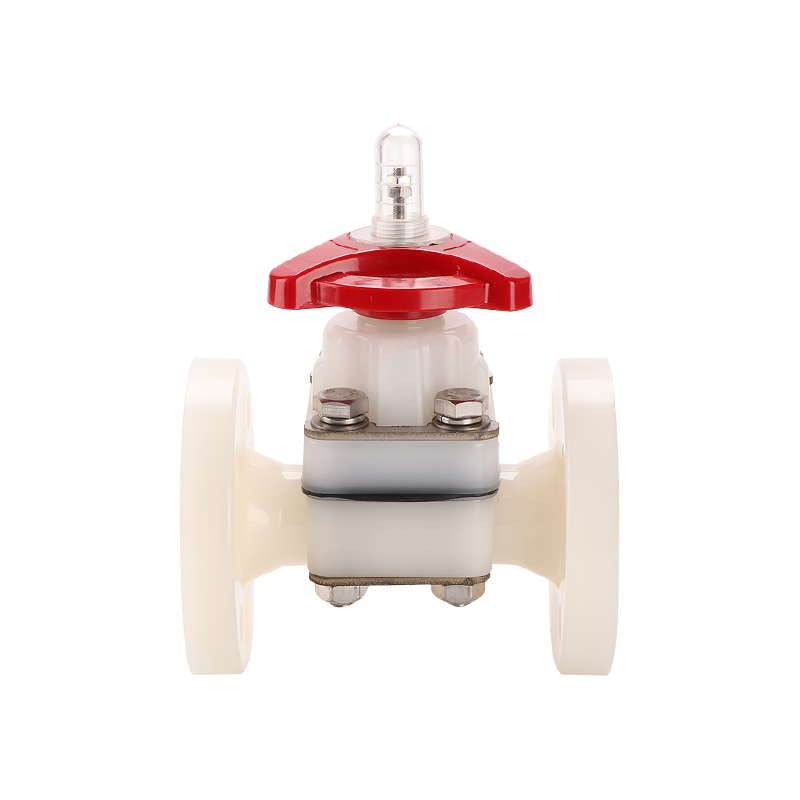
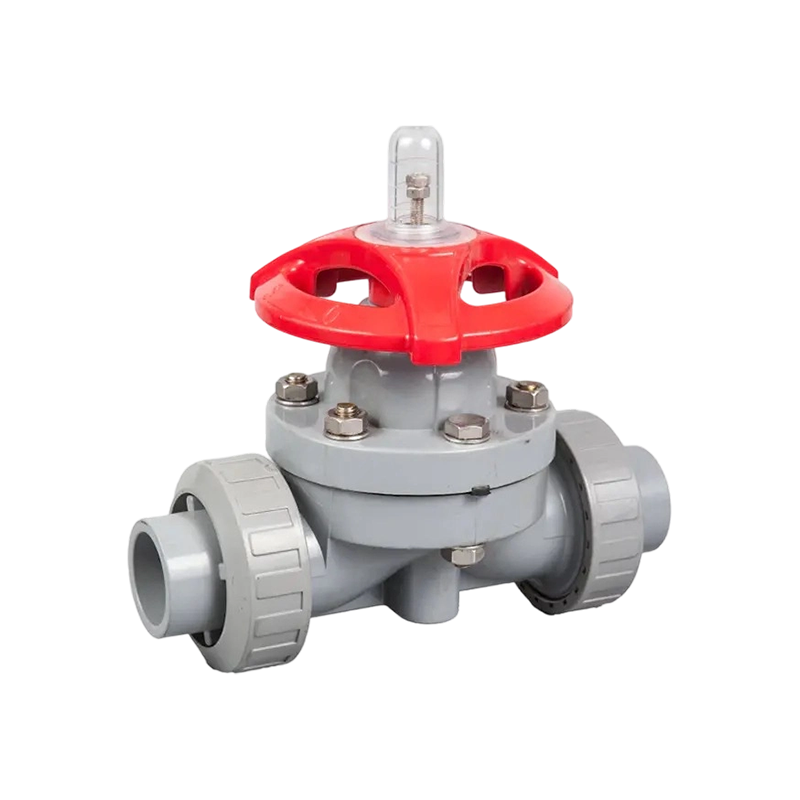
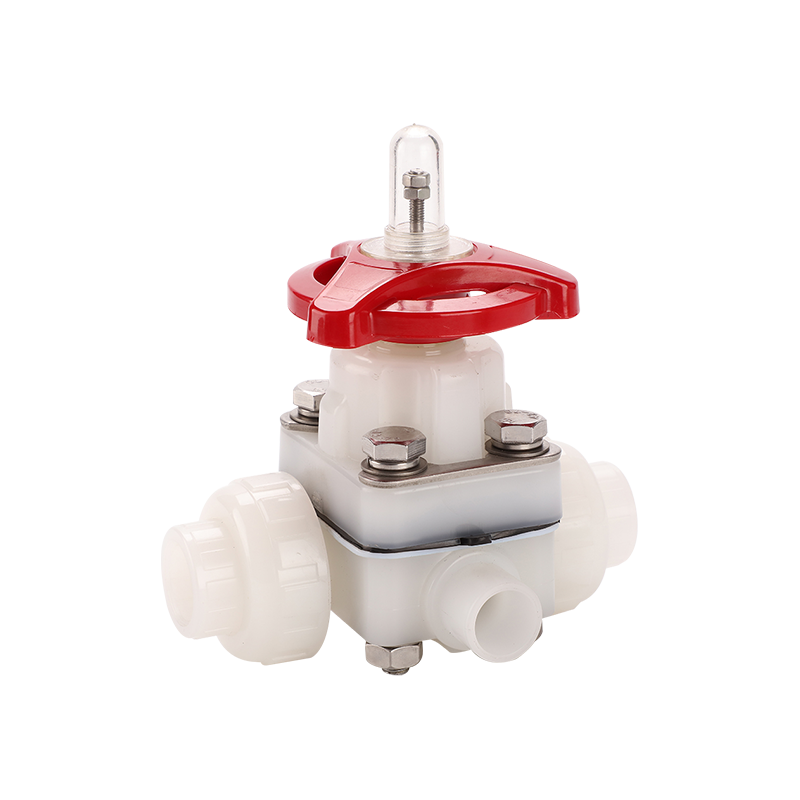
A Manual Diaphragm Valve is a manually operated flow-control device that uses a flexible diaphragm to open, restrict, or close a pipeline. Instead of relying on compressed air, electricity, or a hydraulic actuator, the operator turns a handwheel or handle. This movement drives the valve stem and compressor upward or downward, changing the position of the diaphragm inside the valve body.
The diaphragm serves as both the closing element and the isolation barrier. When the valve is closed, the diaphragm presses against the sealing surface inside the valve body and blocks the flow passage. When the valve is opened, the diaphragm lifts away from the sealing surface and allows the medium to move through the valve.
One of the most important characteristics of a Manual Diaphragm Valve is that the process medium is separated from the valve stem, compressor, bonnet, and handwheel. This structure reduces the possibility of corrosive liquid reaching the operating mechanism and eliminates the need for a conventional stem-packing seal in the fluid-contact area.
Plastic diaphragm valves have been used for decades in chemical processing and corrosion-resistant piping systems. Ningbo Baodi Plastic Valve Co., Ltd. manufactured its first plastic diaphragm valve in 1979, and the product passed the technical appraisal of the Ministry of Chemical Industry in 1983. This development history reflects the long-term role of plastic diaphragm valves in chemical production, water treatment, surface treatment, mining, and other demanding industrial applications.
Main Functions of a Manual Diaphragm Valve
The primary function of a Manual Diaphragm Valve is to isolate a section of pipeline. When inspection or maintenance is required, operators can close the valve to stop the medium and separate pumps, tanks, filters, heat exchangers, or other process equipment from the rest of the system.
Certain diaphragm valve structures can also provide limited flow adjustment. By partially opening the valve, the operator changes the available flow area. However, a Manual Diaphragm Valve should not automatically be regarded as a precision control valve. Prolonged throttling under high differential pressure may create vibration, high local flow velocity, unstable control, and accelerated diaphragm wear.
Pipeline shutoff: The valve opens or closes the fluid passage through direct manual operation.
Equipment isolation: It separates pumps, filters, tanks, and processing units during maintenance.
Corrosive fluid handling: Plastic valve bodies and chemically resistant diaphragms can be selected for acids, alkalis, salts, and treatment chemicals.
Operating mechanism protection: The diaphragm prevents the process medium from directly contacting the valve stem and bonnet assembly.
Limited flow adjustment: The valve can be partially opened for basic flow restriction in suitable operating conditions.
Utility-independent operation: No electricity, compressed air, control signal, or hydraulic supply is required.
Because Ningbo Baodi Plastic Valve Co., Ltd. produces industrial plastic valves together with compatible pipes and fittings, a Manual Diaphragm Valve can be evaluated as part of a complete thermoplastic piping system. This is important because the valve body, pipe material, fittings, seals, and connection standard must all remain compatible with the same medium, pressure, and temperature conditions.
Manual Diaphragm Valve Compared with an Actuated Diaphragm Valve
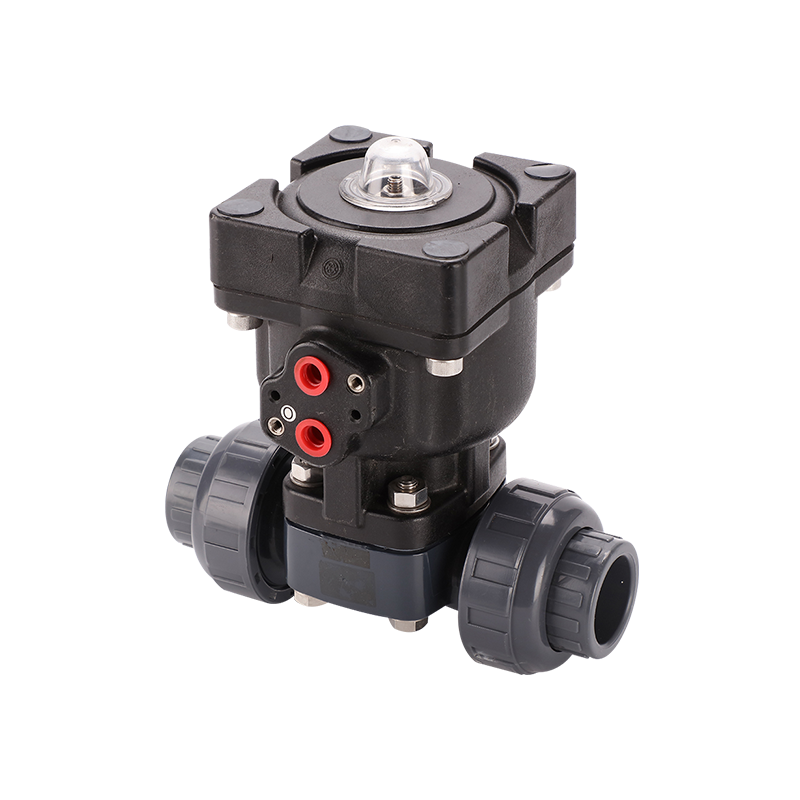
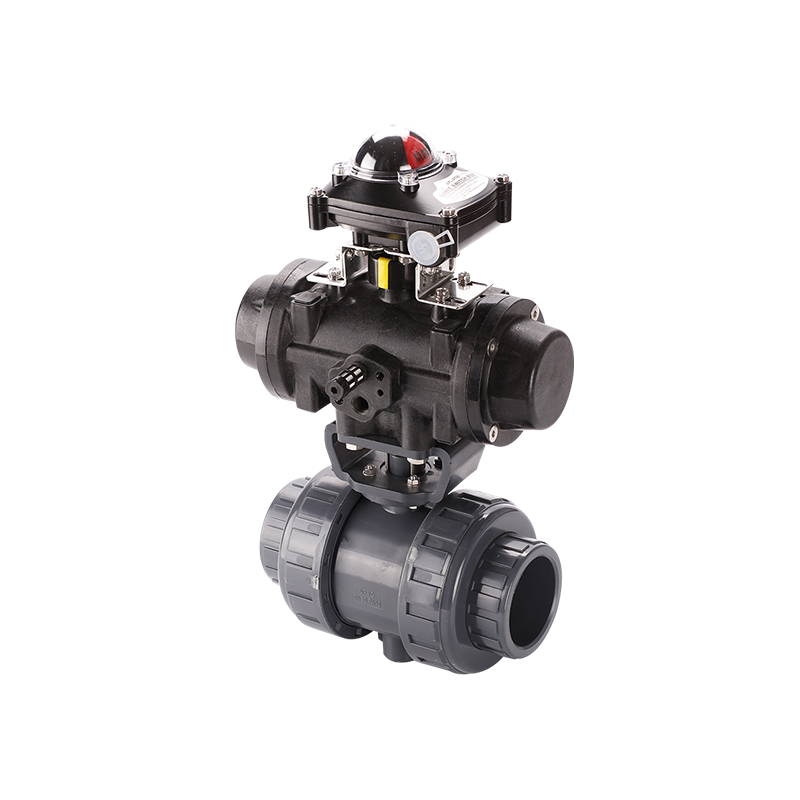
A Manual Diaphragm Valve is operated directly by a person, while an actuated diaphragm valve uses a pneumatic, electric, or hydraulic actuator. The internal fluid-control principle may be similar, but the operating method, installation requirements, cost, and maintenance scope are different.
| Comparison Item |
Manual Diaphragm Valve |
Actuated Diaphragm Valve |
| Operating method |
Handwheel or handle |
Pneumatic, electric, or hydraulic actuator |
| External power |
Not required |
Air, electricity, or hydraulic power required |
| Installation complexity |
Relatively simple |
Requires actuator and control connections |
| Initial cost |
Generally lower |
Generally higher |
| Remote operation |
Normally unavailable |
Available |
| Operating frequency |
Low to moderate |
Moderate to high |
| Response speed |
Depends on the operator |
Faster and more consistent |
| Position control |
Manual adjustment |
Automatic positioning may be available |
| Maintenance scope |
Valve and diaphragm |
Valve, diaphragm, actuator, and controls |
| Typical use |
Local isolation and manual process control |
Automated production and remote control |
Manual operation remains practical for drainage lines, maintenance bypasses, tank outlets, chemical transfer pipelines, and systems where valves are operated only occasionally. The broad industrial thermoplastic valve range developed by Ningbo Baodi Plastic Valve Co., Ltd. allows users to select a valve according to the actual process requirement instead of adding unnecessary automation.
How Does a Manual Diaphragm Valve Work?
Manual Operating Process
The operating process begins when the user turns the handwheel. The stem transfers this movement to a compressor positioned above the diaphragm. As the handwheel is turned toward the closed position, the compressor moves downward and presses the diaphragm against the valve body sealing surface.
Once the diaphragm fully contacts the sealing area, the internal passage is blocked. Turning the handwheel in the opposite direction raises the compressor, allowing the diaphragm to return upward and reopen the flow path.
The operating principle is mechanically straightforward, but the valve must still be used correctly. Excessive closing force does not necessarily improve sealing. It may over-compress the diaphragm, deform the sealing area, increase operating torque, or shorten the diaphragm service life.
Ningbo Baodi Plastic Valve Co., Ltd. applies decades of plastic valve design and manufacturing experience to the dimensional relationship between the handwheel, stem, compressor, diaphragm, and valve body. Proper coordination among these components is essential for smooth manual operation and stable shutoff performance.
How the Diaphragm Controls Fluid
The diaphragm controls flow by changing the cross-sectional area of the internal passage. In the fully open position, the diaphragm is lifted away from the main flow path. In a partially open position, it restricts part of the passage. In the closed position, it presses against the valve body and prevents the medium from passing through.
The flow pattern depends on whether the Manual Diaphragm Valve uses a weir-type or straight-through body. A weir-type valve has a raised sealing section in the center of the valve body. A straight-through valve has a wider and flatter flow passage.
The diaphragm must remain flexible enough to move repeatedly while also resisting chemical attack, operating pressure, temperature changes, and possible abrasion. For this reason, diaphragm selection is as important as valve body selection. As a principal drafter of the national standard for plastic diaphragm valves, Ningbo Baodi Plastic Valve Co., Ltd. has participated in establishing technical requirements related to valve construction, performance, dimensions, and testing.
Why the Valve Stem Does Not Contact the Medium
In many conventional valves, the stem passes through the pressure boundary and requires packing to control external leakage. In a Manual Diaphragm Valve, the diaphragm separates the process medium from the stem, compressor, and bonnet assembly.
Reduced stem corrosion: The process medium does not normally reach the stem or compressor.
Fewer fluid-contacting mechanical parts: The body and diaphragm form the main process-contact area.
Reduced packing-related leakage risk: The valve does not depend on conventional stem packing in the same way as many other valve types.
Improved suitability for corrosive media: The isolated operating structure can help protect mechanical components from acids, alkalis, salts, and chemical wastewater.
The long manufacturing history of Ningbo Baodi Plastic Valve Co., Ltd. and its predecessors has focused on solving industrial corrosion problems through appropriate thermoplastic materials, controlled valve structures, and reliable fluid isolation.
Main Components of a Manual Diaphragm Valve
Valve Body
The valve body forms the pressure-containing shell and internal flow passage. Common industrial plastic body materials include PVC, CPVC, PP, and PVDF. Material selection depends on chemical compatibility, operating pressure, temperature, installation environment, and required mechanical strength.
The valve body may use flanged, socket, threaded, or union connections. The selected connection must match the pipe material and dimensional standard. Forced alignment between the valve and incorrectly positioned piping can create mechanical stress, particularly in thermoplastic systems.
Ningbo Baodi Plastic Valve Co., Ltd. expanded its product range to industrial plastic pipes and fittings in 2006 and became one of the earlier Chinese enterprises to apply CPVC material in industrial-grade piping valves. This integrated manufacturing background helps users coordinate the Manual Diaphragm Valve with surrounding pipes and fittings.
Flexible Diaphragm
The diaphragm is the main sealing and moving component of a Manual Diaphragm Valve. Common material options include EPDM, PTFE, FKM, and composite diaphragm constructions.
| Diaphragm Material |
General Characteristics |
Main Selection Considerations |
| EPDM |
Good flexibility and suitability for many water-based fluids |
Water treatment, dilute chemicals, temperature, and fluid composition |
| PTFE |
Broad chemical resistance |
Aggressive chemicals, mechanical flexibility, and pressure conditions |
| FKM |
Resistance to selected oils, fuels, and chemicals |
Exact chemical composition and operating temperature |
| Composite diaphragm |
Chemical-resistant contact layer with flexible support layer |
Combined chemical resistance and mechanical durability |
No diaphragm material is suitable for every medium. Chemical concentration, operating temperature, system pressure, cleaning chemicals, operating frequency, and the presence of suspended solids must all be considered.
Since Ningbo Baodi Plastic Valve Co., Ltd. began manufacturing plastic diaphragm valves in 1979, diaphragm compatibility has remained a central part of valve selection. Customers should provide complete operating information rather than requesting a valve only according to nominal pipe size.
Compressor, Stem, Bonnet, and Handwheel
The compressor distributes force from the stem across the diaphragm. The stem transfers the handwheel movement, while the bonnet supports and protects the operating assembly. The handwheel provides the torque needed to open or close the valve.
Although these components do not normally contact the process medium, they must still have sufficient strength and dimensional stability. Poor alignment can cause uneven diaphragm compression, increased operating torque, incomplete sealing, or premature component wear.
Reliable operation depends on more than the visible valve body. Ningbo Baodi Plastic Valve Co., Ltd. maintains ISO 9001, ISO 14001, and ISO 45001 system certifications, supporting controlled production, environmental management, and occupational health and safety practices.
Types of Manual Diaphragm Valve
Weir-Type Manual Diaphragm Valve
A weir-type Manual Diaphragm Valve has a raised section inside the valve body. The diaphragm moves a relatively short distance before contacting this raised sealing surface.
The shorter movement reduces diaphragm deformation and can support a longer operating life under suitable conditions. Weir-type valves are often used for clean liquids, corrosive chemicals, treated water, and applications requiring occasional flow adjustment.
The raised internal profile creates more resistance than a completely open straight passage. It may also be less suitable for fluids containing large particles, heavy sediment, or materials that can accumulate around the weir.
Straight-Through Manual Diaphragm Valve
A straight-through Manual Diaphragm Valve has a wider and more direct flow passage. When fully open, it offers fewer internal obstructions and may be better suited to slurry, sludge, viscous liquid, or media containing suspended solids.
The diaphragm must travel farther and flex more significantly to close the passage. This can place greater mechanical demand on the diaphragm, especially when the valve is operated frequently or exposed to elevated temperature.
Ningbo Baodi Plastic Valve Co., Ltd. has developed plastic valve products for a wide range of industrial media. Selecting between weir-type and straight-through construction should be based on fluid characteristics, pressure loss, maintenance conditions, and operating frequency rather than appearance or price.
Weir-Type and Straight-Through Valve Comparison
| Parameter |
Weir-Type Manual Diaphragm Valve |
Straight-Through Manual Diaphragm Valve |
| Internal passage |
Raised weir |
Wide and direct passage |
| Diaphragm travel |
Shorter |
Longer |
| Flow resistance |
Moderate |
Generally lower when fully open |
| Suitable media |
Clean and corrosive liquids |
Slurries, sludge, and viscous fluids |
| Throttling suitability |
Generally better |
More limited |
| Solid-handling ability |
Limited by the raised weir |
Generally better |
| Diaphragm flexing |
Lower |
Higher |
| Potential material accumulation |
Possible around the weir |
Reduced by the wider passage |
Manual Diaphragm Valve Materials and Chemical Compatibility
Common Valve Body Materials
PVC is commonly selected for many corrosive fluids at moderate temperatures. CPVC can provide higher temperature capability than standard PVC in appropriate applications. PP is lightweight and resistant to many acids, alkalis, and salts. PVDF is often considered for demanding chemical and high-purity applications.
| Body Material |
General Advantage |
Main Selection Factor |
| PVC |
Broad industrial use and good corrosion resistance |
Temperature and chemical concentration |
| CPVC |
Higher temperature capability than standard PVC |
Pressure-temperature derating and chemical compatibility |
| PP |
Lightweight and resistant to many chemicals |
Temperature, rigidity, and exact medium |
| PVDF |
High chemical resistance and material purity |
Application severity, temperature, and project cost |
The allowable pressure of a thermoplastic valve usually decreases as temperature rises. A valve with a stated nominal pressure at room temperature may not maintain the same allowable pressure at elevated operating temperatures.
As one of the earlier domestic enterprises to apply CPVC to industrial piping valves, Ningbo Baodi Plastic Valve Co., Ltd. has practical experience in matching thermoplastic material properties with chemical processing conditions. Actual pressure-temperature data should always be reviewed before final selection.
Factors Affecting Chemical Compatibility
The chemical name alone is not enough to confirm whether a Manual Diaphragm Valve is suitable. The chemical concentration, continuous temperature, maximum temperature, operating pressure, mixed composition, exposure time, and cleaning method can all change material performance.
Chemical concentration: A material may resist a dilute solution but become unsuitable at a higher concentration.
Temperature: Elevated temperature can accelerate chemical attack and reduce the allowable pressure of thermoplastic materials.
Pressure: Normal pressure, pump discharge pressure, water hammer, and pressure cycling must be considered.
Mixed chemicals: A mixture may behave differently from its individual components.
Suspended solids: Crystals, particles, and sediment may abrade the diaphragm or sealing surface.
Cleaning procedure: Steam, disinfectants, acids, alkalis, and cleaning solutions may expose the valve to conditions different from normal production.
Ningbo Baodi Plastic Valve Co., Ltd. has served industrial users in more than 60 countries. This broad application experience shows why material selection should be based on complete process data instead of a general chemical-resistance description.
Key Advantages of a Manual Diaphragm Valve
Reliable Fluid Isolation
The flexible diaphragm creates a direct sealing barrier and keeps the medium away from the operating mechanism. This reduces potential leakage paths around the valve stem area and makes the valve suitable for many corrosive or contamination-sensitive processes.
The diaphragm also provides a clear separation between the process side and the mechanical operating side. When the correct diaphragm material is used, this structure can support stable shutoff without exposing the stem and compressor to the fluid.
Corrosion Resistance
A thermoplastic Manual Diaphragm Valve can be configured with corrosion-resistant valve body and diaphragm materials. In suitable pressure and temperature ranges, this can reduce the need for expensive metallic alloys.
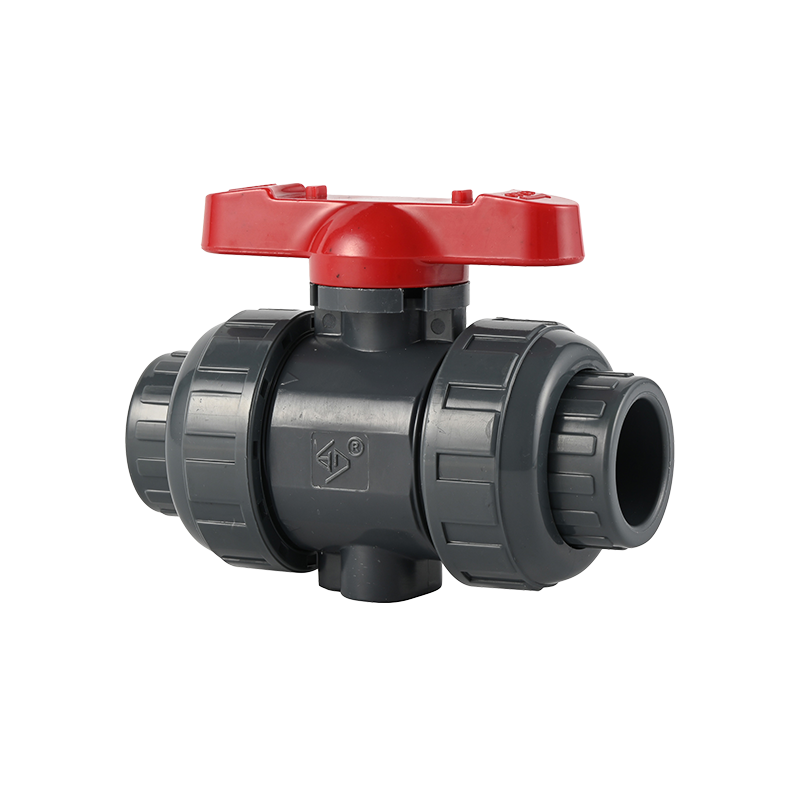
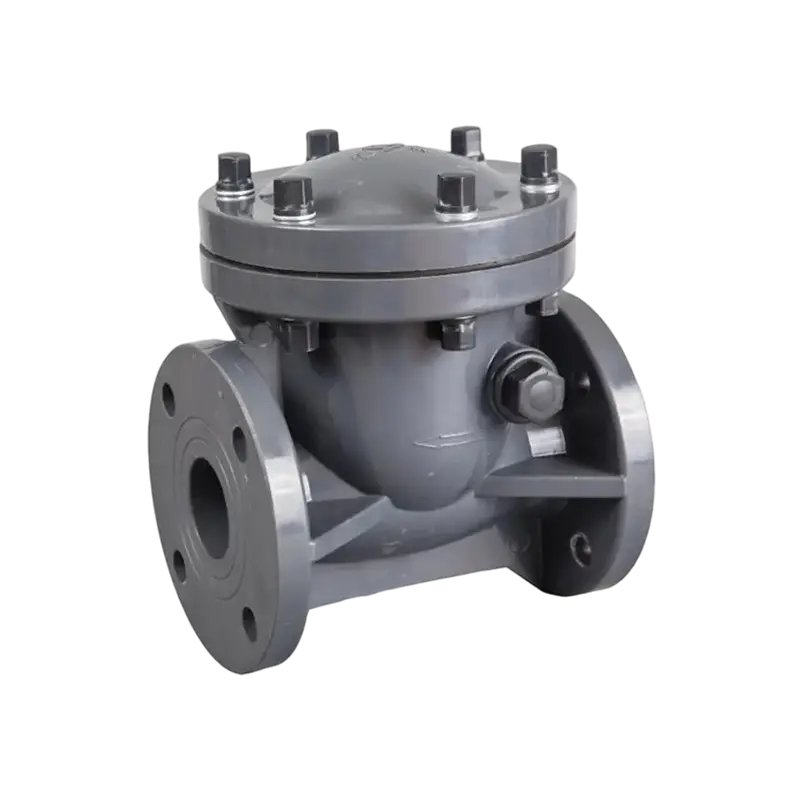
Ningbo Baodi Plastic Valve Co., Ltd. has designed and manufactured industrial plastic valves for demanding industries for more than 40 years. Its product coverage allows users to combine diaphragm valves with compatible plastic pipes, fittings, ball valves, and check valves in the same corrosion-resistant piping system.
Simple Manual Operation
A Manual Diaphragm Valve does not require an air compressor, electrical wiring, solenoid valve, control signal, hydraulic unit, or external actuator. Installation is simpler, and operation remains available during power loss.
The valve is particularly suitable for locations that are accessible to operators and for processes requiring only occasional operation, such as equipment maintenance, tank filling, drainage, system flushing, and local pipeline isolation.
Convenient Maintenance
The diaphragm is normally the main wear component. In many valve structures, it can be inspected or replaced without removing the entire valve body from the pipeline. This can reduce maintenance time, provided the system has been safely isolated, depressurized, drained, and cleaned.
Stable replacement-part availability is important for long-term operation. Ningbo Baodi Plastic Valve Co., Ltd. has supplied tens of thousands of enterprises domestically and internationally, providing established industrial plastic valve and piping product categories for maintenance and system expansion.
Limitations of a Manual Diaphragm Valve
Pressure and Temperature Restrictions
Thermoplastic diaphragm valves are not intended for every high-pressure or high-temperature application. The selected valve body and diaphragm materials must remain within their allowable pressure-temperature range.
Normal working pressure: The continuous system pressure must remain within the valve rating.
Peak pressure: Pump startup, sudden closure, and water hammer may create pressure above the normal operating level.
Continuous temperature: The long-term process temperature influences both chemical resistance and mechanical strength.
Cleaning temperature: Cleaning or sterilization may expose the valve to a higher temperature than normal production.
Vacuum conditions: Vacuum may deform an unsupported diaphragm and must be confirmed separately.
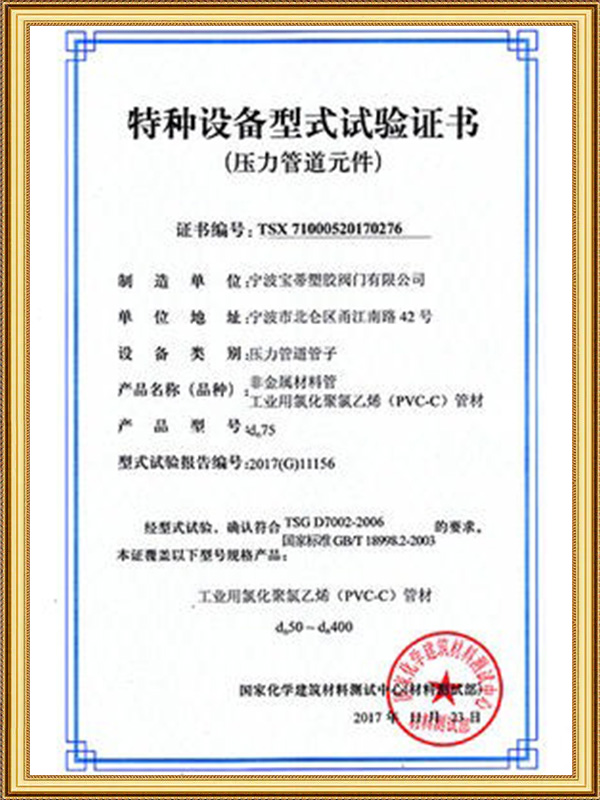
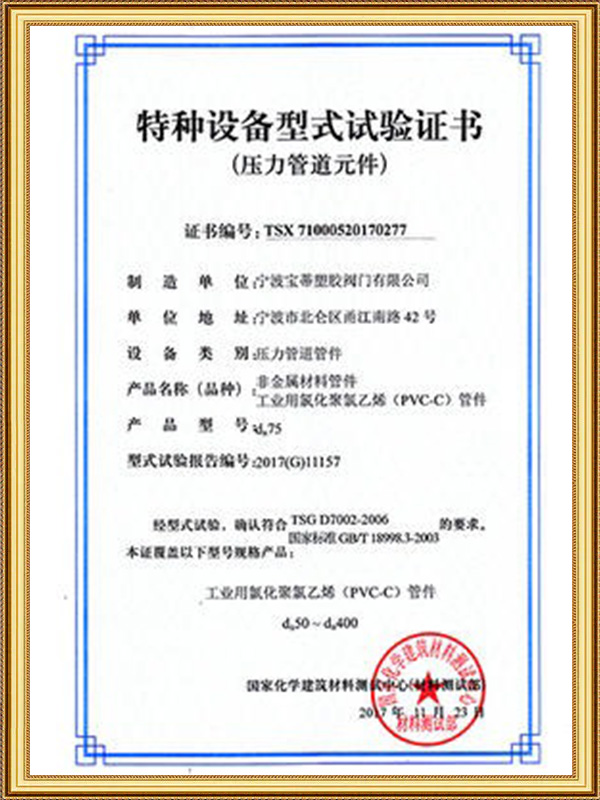
The national special equipment pressure piping component manufacturing license held by Ningbo Baodi Plastic Valve Co., Ltd. reflects the importance of controlled manufacturing and pressure-related compliance for industrial piping products.
Diaphragm Wear
The diaphragm bends and compresses during every opening and closing cycle. Ageing may be accelerated by elevated temperature, incompatible chemicals, abrasive particles, excessive differential pressure, over-tightening, or frequent cycling.
Visible cracking, hardening, swelling, blistering, permanent deformation, or reduced shutoff performance indicates that the diaphragm should be inspected and may need replacement.
Manual Control Limitations
Manual operation is not suitable when a valve must respond automatically to pressure, flow, liquid level, temperature, process sequence, or emergency shutdown signals.
It is also less practical when the valve is installed in a hazardous, elevated, confined, or inaccessible location. Large valve sizes and high differential pressure may increase the required operating torque. Extension bars or other tools should not be used to force the handwheel because excessive torque may damage the diaphragm or operating mechanism.
Typical Applications of a Manual Diaphragm Valve
Water and Wastewater Treatment
Manual diaphragm valves are commonly considered for chemical dosing, filtration, neutralization, sludge handling, demineralized water, wastewater transfer, and equipment isolation. Plastic construction is useful where water-treatment chemicals could corrode conventional metallic valves.
Ningbo Baodi Plastic Valve Co., Ltd. produces broad categories of thermoplastic piping products that can cover valves, pipes, and fittings used throughout water and wastewater treatment facilities.
Chemical Processing
Typical chemical applications include acid and alkali transfer, chemical storage tank outlets, process equipment isolation, circulation lines, mixing systems, and chemical drainage.
The predecessors of Ningbo Baodi Plastic Valve Co., Ltd., including Zhenhai Chemical Valve Factory and Beilun Plastic Valve Factory, developed products for industrial chemical applications. This history gives the company a long technical connection with corrosion-resistant process piping and plastic diaphragm valve manufacturing.
Mining and Slurry Handling
Straight-through diaphragm valves can be considered for selected slurry and particle-containing fluids. Particle size, concentration, settling behavior, viscosity, and abrasiveness must be assessed before selection.
A wide passage may reduce the risk of blockage, but the diaphragm can still be damaged by sharp or highly abrasive solids. Regular inspection may be required in severe slurry applications.
High-Purity and Controlled Processes
A Manual Diaphragm Valve may be used in selected high-purity water, electronics, pharmaceutical, food, or beverage processes. However, an ordinary industrial diaphragm valve should not automatically be regarded as a sanitary or high-purity valve.
Surface condition, material purity, internal dead space, drainability, cleaning procedure, connection type, and required certification must be confirmed for the specific project.
Ningbo Baodi Plastic Valve Co., Ltd. is recognized as a National High-Tech Enterprise and a Ningbo City Specialized and Sophisticated Enterprise. Its extensive thermoplastic product range provides a technical foundation for valves used under different chemical-resistance and fluid-purity requirements.
How to Select the Right Manual Diaphragm Valve
Confirm the Fluid Characteristics
Selection should begin with the exact chemical name, concentration, viscosity, solid content, and operating state. Mixed chemicals may behave differently from individual substances and should be evaluated as the actual process mixture.
For slurry applications, users should also provide particle size, particle shape, concentration, settling tendency, and abrasiveness. For high-purity fluids, cleanliness, contamination control, and material-purity requirements should be clearly stated.
Check Pressure and Temperature
The valve must be suitable for both normal and abnormal operating conditions. Selection should not be based only on nominal pipe pressure.
Continuous working pressure: The pressure maintained during normal operation.
Maximum possible pressure: The highest pressure that may occur during startup, shutdown, blockage, or pump operation.
Continuous temperature: The normal temperature of the process medium.
Maximum cleaning temperature: The highest temperature produced during flushing, cleaning, or sterilization.
Vacuum level: The lowest internal pressure that the valve may experience.
Pressure cycling frequency: Repeated pressure changes may affect the diaphragm and valve body over time.
Ningbo Baodi Plastic Valve Co., Ltd. can use this operating information to determine a more suitable body material, diaphragm material, valve structure, and connection method.
Select Body and Diaphragm Materials Together
A chemically resistant valve body does not guarantee that the diaphragm is compatible with the same medium. Every fluid-contacting component must be reviewed together.
For example, a PVDF valve body may be selected for an aggressive chemical, but the customer must still confirm whether EPDM, PTFE, FKM, or a composite diaphragm is appropriate for the exact concentration and temperature.
Determine Valve Size and Flow Capacity
A Manual Diaphragm Valve should not be selected only because its nominal diameter matches the pipe diameter. Flow rate, fluid velocity, pressure loss, medium viscosity, and the required degree of flow control must also be considered.
An undersized valve may create excessive pressure loss, high velocity, noise, vibration, or erosion. An oversized valve may provide poor adjustment performance and increase project cost.
When flow performance is important, users should request flow coefficient, pressure-loss, or flow-capacity data for the selected model.
Choose the Connection Type
Flanged connection: Commonly used in industrial pipelines and convenient for removal or replacement.
Socket connection: Suitable for compatible thermoplastic piping systems when the correct joining procedure is followed.
Threaded connection: Used in selected small-diameter systems where the thread standard and sealing method are compatible.
Union connection: Useful where the valve may need frequent disassembly or maintenance.
Connection dimensions and standards must match the existing piping system. As a principal drafter of standards for plastic diaphragm valves, plastic ball valves, and plastic check valves, Ningbo Baodi Plastic Valve Co., Ltd. has extensive experience with industrial valve dimensions and connection requirements.
Manual Diaphragm Valve Installation Guidelines
Inspect the Valve Before Installation
Before installation, confirm the valve model, size, body material, diaphragm material, pressure rating, connection type, and dimensional standard. Check the valve body, handwheel, bonnet, diaphragm, and connection ends for transportation damage.
The piping system should be cleaned before the valve is installed. Welding residue, sand, metal fragments, sealing material, and other debris can damage the diaphragm or prevent complete closure.
Maintain Correct Pipe Alignment
The valve and pipe centerlines should be correctly aligned. Flange bolts, threaded connections, or socket joints should not be used to pull misaligned pipes into position.
Thermoplastic piping should have adequate support so that the Manual Diaphragm Valve does not carry excessive pipe weight, bending force, vibration, or thermal-expansion stress.
Install Flanged Connections Correctly
Align the flange faces: Both flange surfaces should be parallel and centered.
Insert bolts without forcing the valve: Bolts should pass through the holes without creating side load.
Tighten gradually: Fasteners should be tightened in a diagonal sequence.
Avoid excessive torque: Over-tightening may deform or crack a thermoplastic flange.
Recheck alignment: Confirm that the valve remains properly supported after tightening.
For socket or threaded installations, use a joining procedure suitable for the pipe material. Excess adhesive, incompatible thread sealant, or excessive tightening can damage the valve body.
Test the Valve After Installation
After installation, operate the handwheel through a complete opening and closing cycle. The handwheel should move smoothly without abnormal resistance, sticking, or sudden changes in torque.
The system should be tested under controlled conditions before full operation. Ningbo Baodi Plastic Valve Co., Ltd. emphasizes stable quality and professional service, and correct installation remains essential for achieving the intended valve performance.
Maintenance and Troubleshooting
Routine Inspection
Routine inspection should cover the handwheel, bonnet connection, valve body, pipe connections, operating torque, and shutoff performance. Maintenance frequency depends on chemical severity, operating temperature, pressure, particle content, and cycle count.
Critical systems should keep suitable replacement diaphragms and seals available. Replacement parts must match the valve model, size, material, and original construction.
Common Problems and Recommended Checks
| Problem |
Possible Cause |
Recommended Check |
| Valve does not close completely |
Damaged diaphragm or debris on sealing surface |
Isolate the valve, clean the passage, and inspect the diaphragm |
| Handwheel is difficult to turn |
Stem damage, deposits, misalignment, or excessive pressure |
Check the operating mechanism and system conditions |
| External leakage at the connection |
Loose fasteners, damaged seal, or pipe misalignment |
Depressurize the system and correct the connection |
| Short diaphragm life |
Incorrect material, high temperature, frequent cycling, or over-tightening |
Review the complete application data |
| Low flow rate |
Valve not fully open, internal blockage, or undersized valve |
Check the opening position, passage, and valve sizing |
| Diaphragm swelling |
Chemical incompatibility |
Replace the diaphragm with a compatible material |
| Cracked valve body |
Pipe stress, impact, excessive pressure, or improper tightening |
Replace the valve and correct the installation condition |
When Should the Diaphragm Be Replaced?
The diaphragm should be inspected when the valve develops internal leakage, abnormal operating torque, incomplete closure, or unstable flow control.
Replacement may be necessary when the diaphragm shows cracking, hardening, swelling, blistering, permanent deformation, excessive wear, or chemical damage.
Before replacing the diaphragm, isolate the upstream and downstream pipelines, release all internal pressure, drain the medium, and perform any required neutralization or decontamination. Replacement components must match the original valve specification.
The stable product quality and professional service developed by Ningbo Baodi Plastic Valve Co., Ltd. over decades are particularly important for maintenance because industrial users require reliable technical data and compatible replacement parts throughout the service life of the piping system.
Manual Diaphragm Valve Purchasing Checklist
Technical Information Buyers Should Provide
Medium name: Provide the exact chemical or process-fluid name.
Chemical concentration: State the normal and maximum concentration.
Working temperature: Include continuous and maximum temperatures.
System pressure: Include normal pressure, peak pressure, and possible vacuum.
Valve size: Provide the required nominal diameter and pipe dimensions.
Flow requirement: State the design flow rate and acceptable pressure loss.
Solid content: Include particle size, concentration, and abrasiveness.
Body material: Indicate any preferred thermoplastic material.
Diaphragm material: State the preferred material when already confirmed.
Connection type: Provide the flange, socket, thread, or union standard.
Operating frequency: Estimate how often the valve will be opened and closed.
Installation environment: State whether the valve will be indoors, outdoors, exposed to sunlight, or installed in a corrosive atmosphere.
Questions to Ask Before Purchasing
Material compatibility: Is the proposed body and diaphragm combination suitable for the specified medium, concentration, pressure, and temperature?
Pressure-temperature performance: Does the allowable pressure decrease at the actual operating temperature?
Valve structure: Is the model weir-type or straight-through?
Replacement parts: Can the diaphragm and seals be supplied separately?
Testing: Has the valve been tested for pressure, sealing, dimensions, and operating performance?
Technical documents: Are dimensional drawings, material information, pressure-temperature data, and installation guidance available?
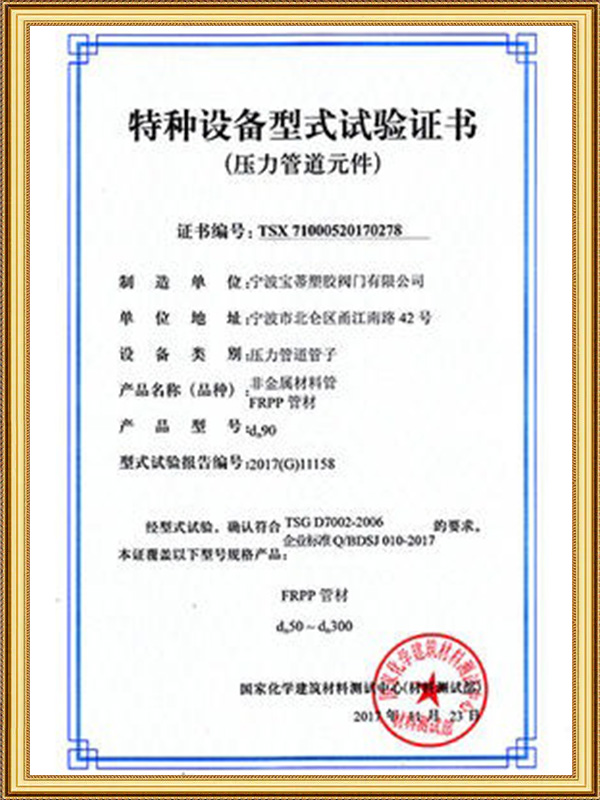
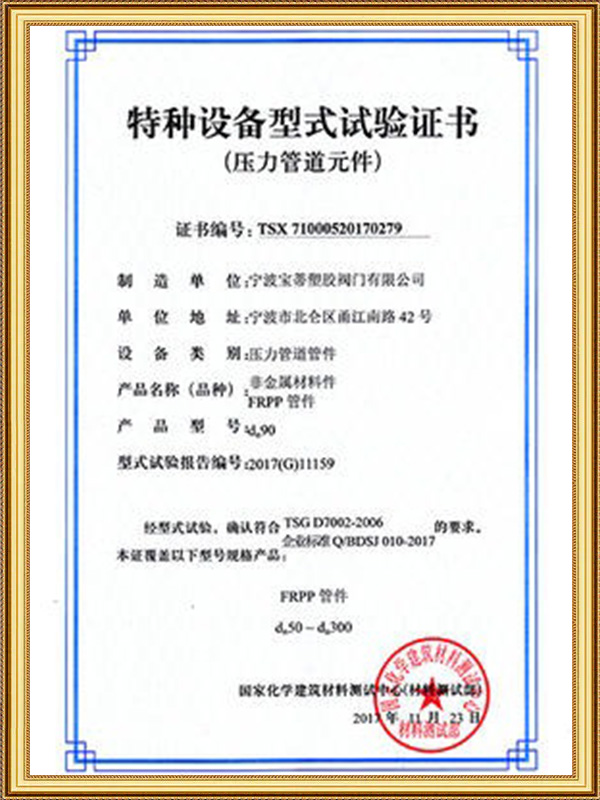
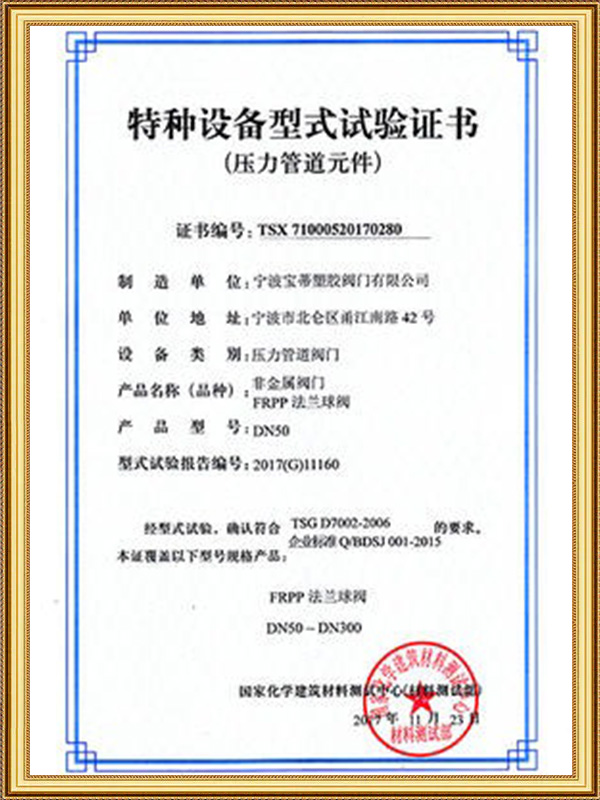
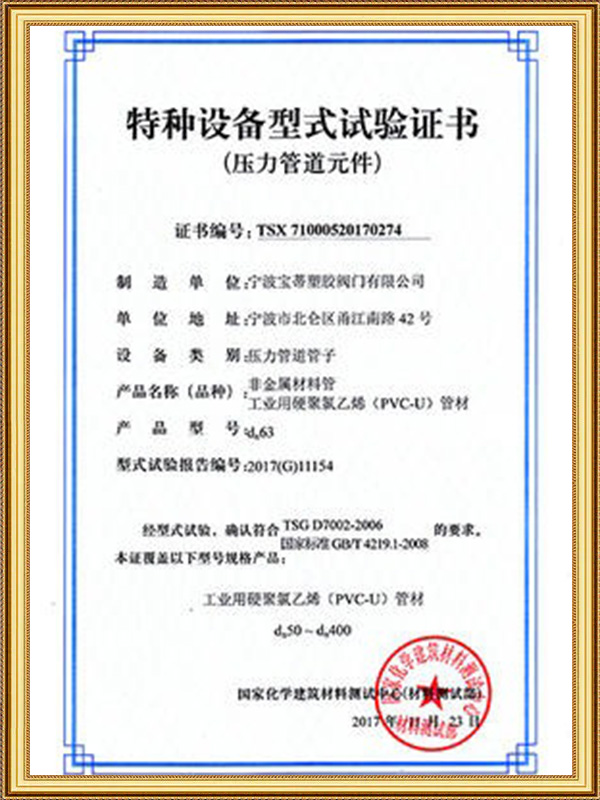
Ningbo Baodi Plastic Valve Co., Ltd. has obtained ISO 9001, ISO 14001, and ISO 45001 certifications and holds the national special equipment pressure piping component manufacturing license. Together with experience serving tens of thousands of enterprises and exporting to more than 60 countries, these qualifications provide a useful basis for evaluating an industrial thermoplastic valve manufacturer.
Frequently Asked Questions About Manual Diaphragm Valve
Can a Manual Diaphragm Valve Be Used for Flow Control?
A Manual Diaphragm Valve can provide limited throttling, particularly when a weir-type structure is used. However, it may not be suitable for precise or continuous flow regulation. High differential pressure and prolonged partial opening can accelerate diaphragm wear.
Is a Manual Diaphragm Valve Suitable for Slurry?
A straight-through design may be suitable for certain slurries and fluids containing suspended solids. Particle size, concentration, abrasiveness, viscosity, and settling behavior must be evaluated before selection.
What Is the Difference Between EPDM and PTFE Diaphragms?
EPDM generally provides good flexibility and is suitable for many water-based applications. PTFE offers broader chemical resistance but has different flexibility and mechanical characteristics. The final selection should be based on the complete operating conditions.
How Tight Should a Manual Diaphragm Valve Be Closed?
Only enough force should be applied to achieve reliable shutoff. An extension bar, wrench, or other tool should not be used to force the handwheel. Excessive closing torque can permanently deform or damage the diaphragm.
How Long Does a Diaphragm Last?
There is no universal service-life value. Diaphragm life depends on material compatibility, temperature, pressure, chemical exposure, cycle frequency, differential pressure, particle content, and operating method. Regular inspection is more reliable than depending only on a fixed replacement interval.
Can a Manual Diaphragm Valve Be Installed Vertically?
Many Manual Diaphragm Valve models can be installed in different orientations, but the correct position depends on valve body design, drainage requirements, pipe support, and manufacturer instructions.
Why Does the Valve Leak After Installation?
Common causes include uneven flange tightening, pipe misalignment, damaged connection seals, an incorrectly installed diaphragm, excessive system pressure, debris on the sealing surface, or mechanical stress transferred from the pipeline.
Can a Manual Diaphragm Valve Operate Under Vacuum?
Some valve designs can operate under vacuum, but suitability must be confirmed for the specific valve body and diaphragm structure. An unsupported diaphragm may deform when exposed to vacuum conditions.
When Should the Diaphragm Be Replaced?
The diaphragm should be replaced when internal leakage, visible cracking, swelling, hardening, blistering, abnormal operating torque, or reduced shutoff performance is found.
How Do I Choose Between a Weir-Type and Straight-Through Valve?
A weir-type Manual Diaphragm Valve is generally more suitable for clean liquids, corrosive fluids, and limited throttling. A straight-through valve is usually considered for viscous media, slurry, sludge, or fluids containing suspended solids. Pressure, temperature, diaphragm material, flow resistance, and maintenance conditions must also be reviewed.