

Valve Definition
What Is an Actuated Butterfly Valve?
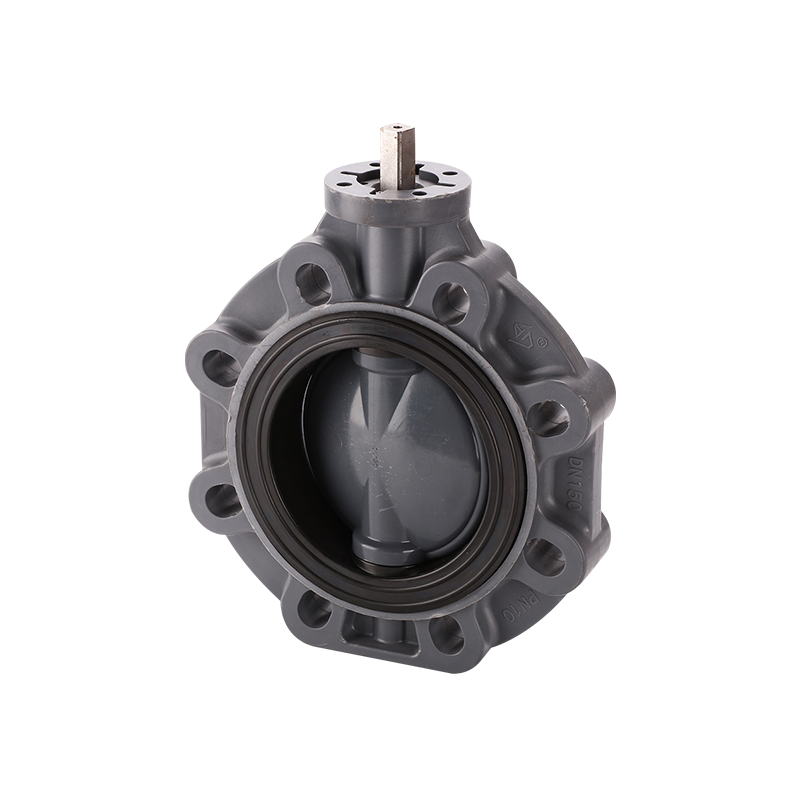
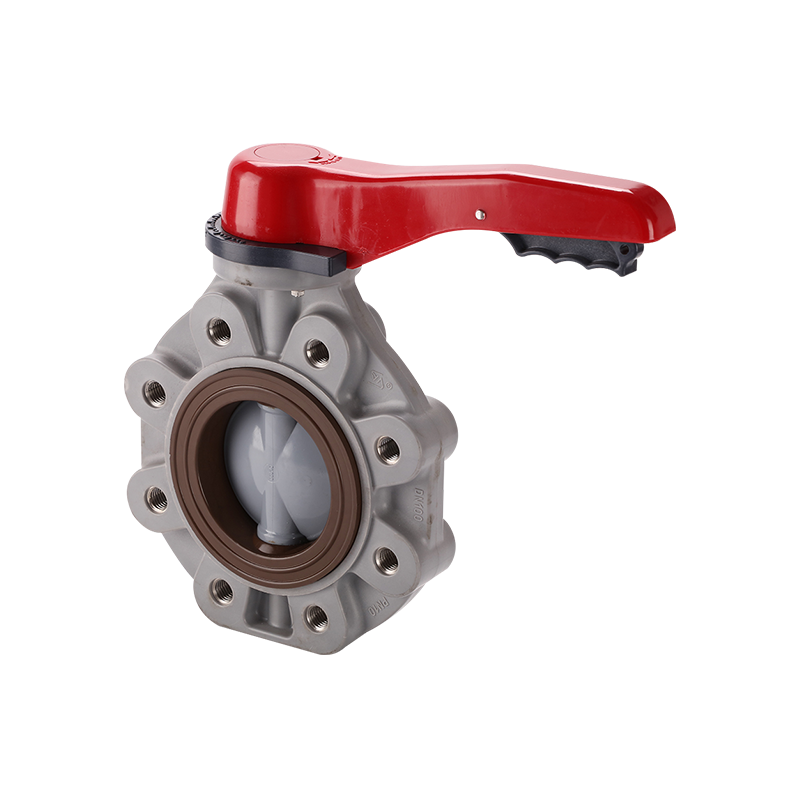
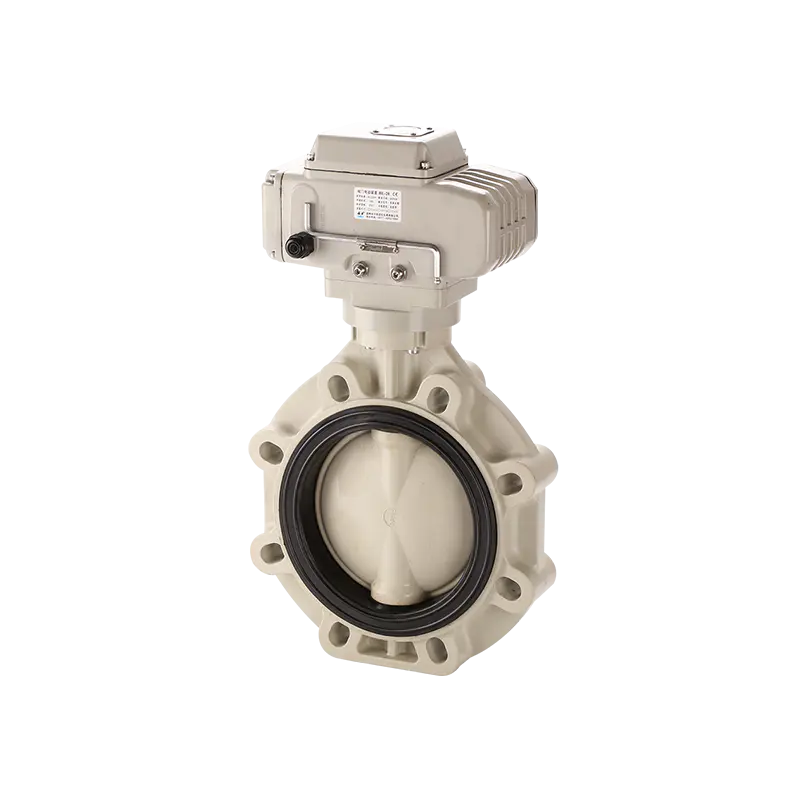
An actuated butterfly valve is a quarter-turn flow control device equipped with an actuator. The actuator rotates the valve stem, and the stem turns the internal disc through an operating angle that is normally between 0 and 90 degrees. When the disc is parallel to the flow path, the valve is open. When the disc is perpendicular to the pipeline, the valve is closed.
The term automatic butterfly valve generally describes the complete assembly rather than the valve body alone. A complete assembly may include the butterfly valve, actuator, mounting bracket, drive coupling, position indicator, limit switches, control module and additional accessories required for the operating environment.
Search phrases such as butterfly valve automatic and automat butterfly valve normally refer to the same type of actuated flow control equipment. The correct configuration depends on the pipeline pressure, medium, temperature, valve size, required operating speed and control signal.
Core Operating Principle
The valve disc remains inside the flow path during operation. This compact quarter-turn design reduces installation length and enables relatively fast opening and closing. The actuator must provide sufficient torque to overcome seat friction, pressure differential, media deposits and mechanical resistance.
Operating Methods
Is a Butterfly Valve Manual or Automatic?
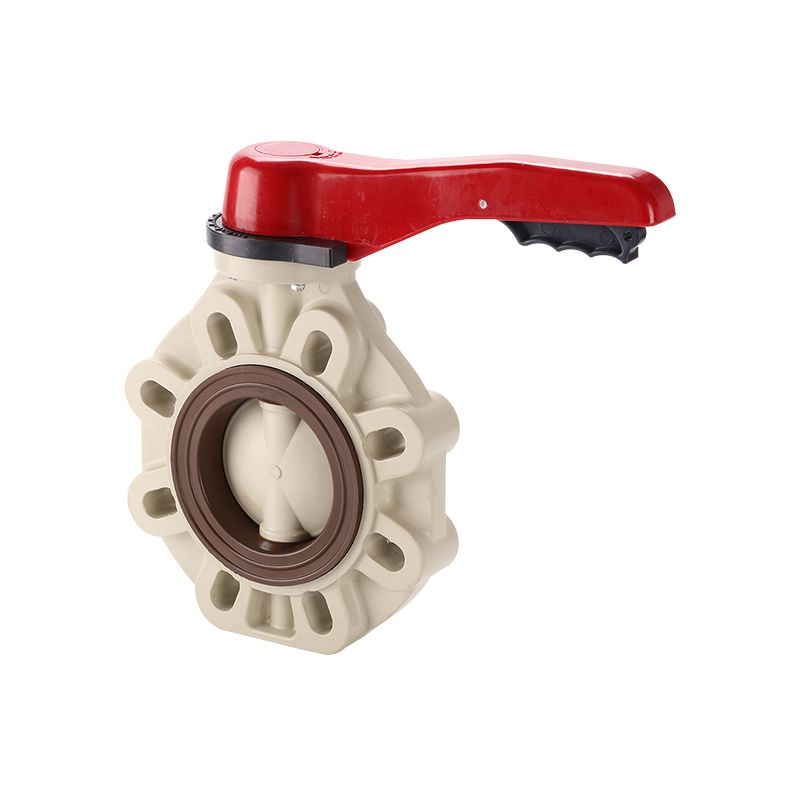
A butterfly valve can be manual or automatic. The valve body may have a similar internal structure in both configurations, while the operating device determines how the disc is moved.
Manual Butterfly Valve
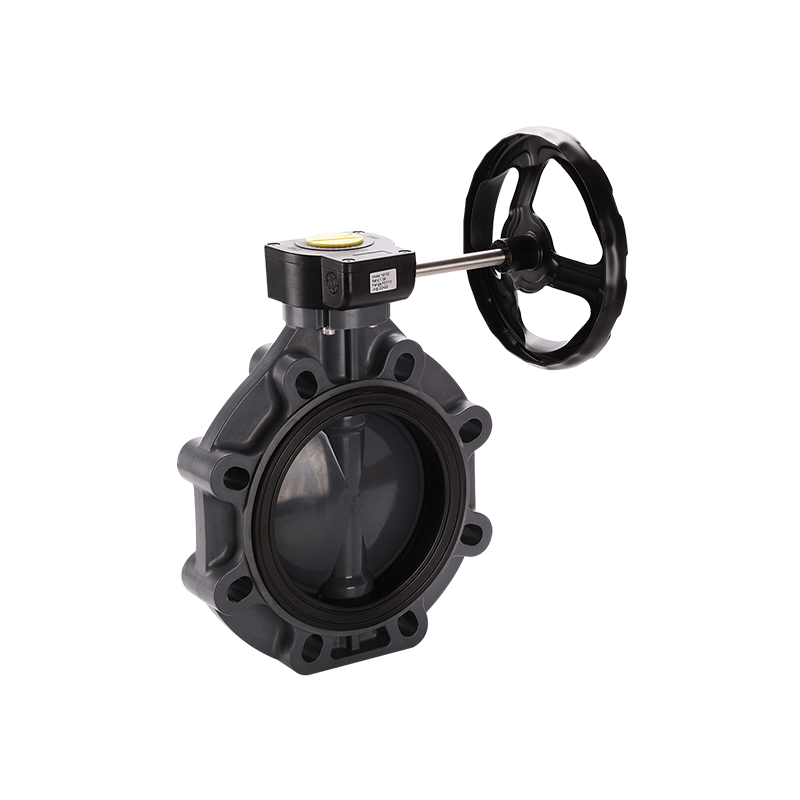
A manual butterfly valve is operated by a lever, gearbox or chain wheel. It is suitable for pipelines that are operated infrequently and remain accessible to maintenance personnel.
Common use: local isolation, simple water lines and low-frequency operation.
Automatic Butterfly Valve
An automatic butterfly valve uses an electric, pneumatic or hydraulic actuator. It can respond to remote commands, process conditions, programmed sequences or safety interlocks.
Common use: automated production, water treatment, HVAC and process control.
| Comparison Item | Manual Butterfly Valve | Automatic Butterfly Valve |
|---|---|---|
| Operating method | Lever, gearbox or chain wheel | Electric, pneumatic or hydraulic actuator |
| Control location | Local operation | Local and remote operation |
| Position control | Operator-dependent | On/off or modulating control |
| Status feedback | Mechanical position indication | Limit, position and fault feedback |
| Operating frequency | Low to moderate | Moderate to high |
| System integration | Limited | PLC, DCS and instrument integration |
| Initial configuration cost | Lower | Higher due to actuator and controls |
Actuator Configuration
Electric, Pneumatic and Hydraulic Actuation
Electric Automatic Butterfly Valve
An electric actuator uses a motor and reduction gearbox to rotate the valve stem. Electric automatic butterfly valves are commonly selected where electrical power is readily available and precise remote control is required.
Electric configurations can be supplied as on/off, modulating or intelligent control types. Common power options include DC 24 V, AC 24 V, AC 110 V, AC 220 V and AC 380 V. Available functions may include manual override, torque protection, position feedback and local status display.
Pneumatic Automatic Butterfly Valve
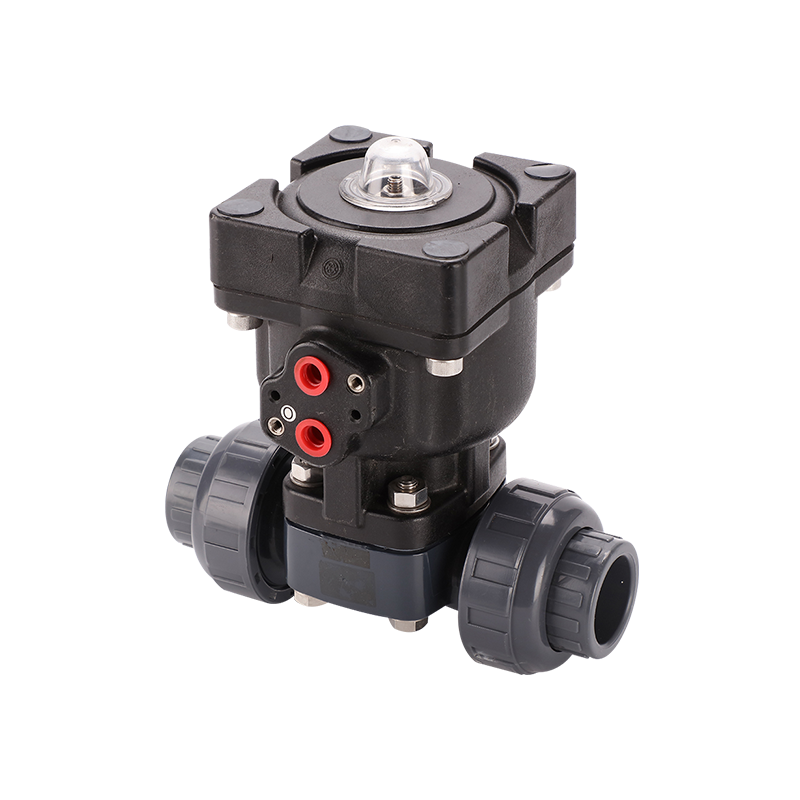
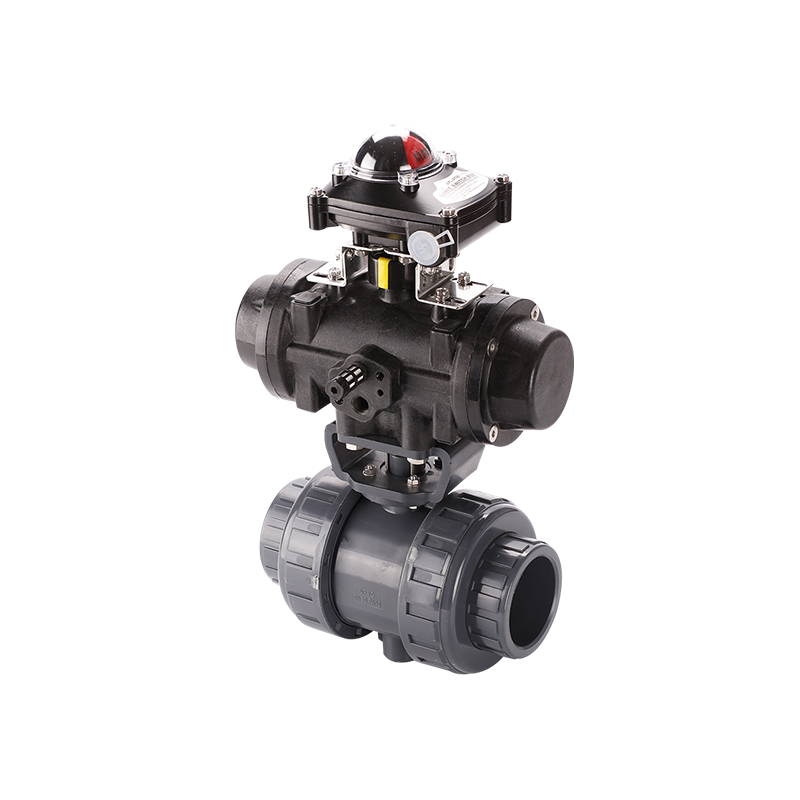
A pneumatic actuator converts compressed air into rotary motion. Pneumatic automatic butterfly valves are often used where fast cycle times, simple construction or fail-safe movement is important.
Double-acting actuators use air pressure for both opening and closing. Spring-return actuators use air pressure in one direction and spring force in the other direction. The spring-return design can move the valve to a predetermined safe position if the air supply is lost.
Hydraulic Automatic Butterfly Valve
Hydraulic actuation is used for large valve sizes, high torque demand or installations requiring controlled movement under heavy loads. Hydraulic systems may include a power unit, control manifold, accumulator and emergency closing device.
Product Specification
Important Parameters for Automatic Butterfly Valves
Reliable valve selection requires more than matching the valve to the nominal pipe diameter. The valve body, seat, disc, stem and actuator must be compatible with the actual process conditions.
Special dimensions can be engineered for specific pipelines.
Selection depends on operating pressure and design standard.
Quarter-turn movement for opening, closing and regulation.
Used for continuous modulating control and position feedback.
Typical operating range for pneumatic actuator systems.
Connection design should match pipeline and maintenance needs.
| Selection Parameter | Available Options | Why It Matters |
|---|---|---|
| Valve body material | Ductile iron, carbon steel, stainless steel or special alloy | Determines pressure strength and corrosion resistance |
| Disc material | Coated ductile iron, stainless steel or alloy | Directly contacts the process medium |
| Seat material | EPDM, NBR, PTFE or metal seat | Affects temperature range, sealing and chemical compatibility |
| Actuator control | On/off, modulating or intelligent | Defines whether the valve isolates or regulates flow |
| Protection level | Weather-resistant, dust-resistant, waterproof or explosion-protected | Must match indoor, outdoor or hazardous environments |
| Fail-safe position | Fail-open, fail-close or fail-in-place | Determines valve behavior during power or air loss |
Price Factors
What Is the Cost of a Motorized Butterfly Valve?
The cost of a motorized butterfly valve is determined by the complete technical configuration. A basic small-diameter on/off valve for clean water cannot be priced in the same way as a large stainless steel modulating valve designed for corrosive media.
Main Cost Components
Accurate pricing requires complete operating data.
A correct quotation for an automatic butterfly valve should be based on nominal diameter, pressure rating, medium, operating temperature, connection standard, actuator type, power supply, control signal, required operating time and installation environment.
Selecting an actuator only by valve diameter can lead to insufficient output torque. Torque calculations should consider pressure differential, valve seat friction, medium characteristics, operating frequency and a suitable safety margin. An undersized actuator may fail to fully open or close the valve. An excessively oversized actuator may increase cost and place unnecessary mechanical stress on the stem and disc.
Product Difference
What Is the Difference Between a Butterfly Valve and a Motorized Butterfly Valve?
A butterfly valve describes the valve structure, while a motorized butterfly valve describes a butterfly valve fitted with an electric actuator. The internal valve may use the same disc and seat principle, but the complete operating capabilities are different.
Standard Butterfly Valve
- Operated manually by lever or gearbox
- Requires access to the installation point
- Suitable for occasional opening and closing
- Limited connection to automated control systems
- Position depends on manual adjustment
Motorized Butterfly Valve
- Operated by an electric actuator
- Accepts local or remote electrical commands
- Suitable for repeated and programmed operation
- Can connect with PLC, DCS and field instruments
- Supports open, closed and modulating positions
Application Areas
Where Are Automatic Butterfly Valves Used?
Water Supply and Water Treatment
Automatic butterfly valves control pump outlets, treatment units, storage tanks, filtration systems and main distribution pipelines. Remote actuation allows the valve to respond to flow, pressure or liquid-level conditions.
HVAC and Building Services
A butterfly valve automatic control system can regulate chilled water, cooling water and heating circuits. Modulating actuators adjust valve position according to temperature, pressure differential or building control commands.
Industrial Process Pipelines
Automatic butterfly valves are used for isolation and flow control in utility water, compressed air, low-pressure gas and compatible process media. Material selection must match the chemical and thermal characteristics of the fluid.
Wastewater Systems
Wastewater applications require attention to suspended solids, deposits, corrosion and moisture exposure. Valve orientation, seat design and actuator protection can affect long-term operating reliability.
Food and Clean Fluid Processing
Suitable valve materials, smooth internal surfaces and compatible sealing compounds are required where cleanliness and regular washing are important.
Configuration Process
How to Select the Correct Automatic Butterfly Valve
Confirm the Process Medium
Identify whether the pipeline carries clean water, wastewater, air, gas, oil, chemicals or another medium. The medium determines suitable body, disc and seat materials.
Define Pressure and Temperature
Provide the normal operating pressure, maximum pressure, design pressure and temperature range. These conditions affect valve rating and sealing construction.
Select the Required Control Function
Choose on/off control for pipeline isolation or modulating control for flow, pressure, level and temperature regulation.
Determine the Actuator Type
Select electric actuation where electrical control is preferred, pneumatic actuation where compressed air and rapid movement are available, or hydraulic actuation for high-torque installations.
Confirm Control and Feedback Signals
Specify the power supply, input signal, output feedback, communication requirement and fail-safe position before production.
Product Configuration Reference
Explore Automatic Butterfly Valve Options
Review available valve structures, actuator configurations and control options for water, HVAC and industrial pipeline applications.
Installation and Maintenance
Practical Requirements for Stable Valve Operation
Before installation, inspect the valve disc, seat, stem and actuator for transportation damage. The pipeline should be clean and correctly aligned. Misaligned flanges can compress the valve body unevenly and increase disc resistance.
The valve should not be used to force misaligned pipes into position. Adequate clearance must be available for disc rotation, actuator wiring and future maintenance. Large automatic butterfly valves may require independent pipe supports to prevent excessive pipeline loads from being transferred to the valve body.
Electrical commissioning should include power supply verification, opening direction, closing direction, limit switch settings, torque protection and feedback signal testing. Pneumatic commissioning should include air pressure adjustment, solenoid valve operation, spring-return direction and positioner calibration.
Leakage does not always indicate that the seat has reached the end of its service life. Incorrect actuator limits, trapped debris, pipeline stress, damaged disc edges and stem misalignment may also prevent complete closure.
Technical Questions
Automatic Butterfly Valve FAQ
Can an automatic butterfly valve regulate flow?
Yes. A modulating automatic butterfly valve can receive a 4–20 mA or 0–10 V command and move the disc to an intermediate position. The control range and accuracy depend on valve sizing, pressure drop, actuator performance and process conditions.
What happens to a motorized butterfly valve during a power failure?
A standard electric actuator normally remains in its last position when power is lost. A spring-return actuator, capacitor-return actuator or backup power arrangement is required when the valve must automatically move to a safe position.
Are automatic butterfly valves suitable for high-temperature media?
They can be used for high-temperature service when the valve body, seat, packing, bearings and actuator arrangement are selected for the specified temperature. Metal-seated designs are often considered where elastomer seats are not suitable.
How is actuator torque selected?
Required torque is calculated from valve size, pressure differential, seat design, medium condition and operating frequency. A suitable safety factor is added to ensure reliable opening and closing under actual pipeline conditions.
What information is required before ordering an automatic butterfly valve?
The required information includes valve size, pressure rating, connection standard, medium, temperature, body material, disc material, seat material, actuator type, power supply, control signal, feedback requirement and installation environment.
Reliable Control Begins with Correct Valve Configuration
An automatic butterfly valve should be configured as a complete flow control assembly rather than treated as a standard valve with an actuator added afterward. Compatibility between the valve body, seat, disc, stem, actuator torque and control signal directly affects sealing performance, operating stability and service life.
Clear operating data allows the manufacturer to determine whether an electric, pneumatic or hydraulic design is appropriate. It also helps identify the correct material, pressure rating, connection type, fail-safe position and feedback configuration for the pipeline.