How Does a Manual Ball Valve Work and How Do You Choose the Right One?
A Manual Ball Valve is a widely used shut-off device in industrial piping systems. Its compact structure, straightforward operation and reliable sealing performance make it suitable for controlling water, chemicals, compressed air and many other process media. Unlike an automated valve, a Manual Ball Valve is opened or closed directly by an operator using a lever handle, handwheel or gearbox.
Although its operating principle appears simple, the actual performance of a Manual Ball Valve depends on body material, port design, seat material, pressure rating, operating temperature, connection method and media compatibility. A valve suitable for clean water may not perform reliably in a pipeline carrying concentrated chemicals, abrasive particles or high-temperature fluids.
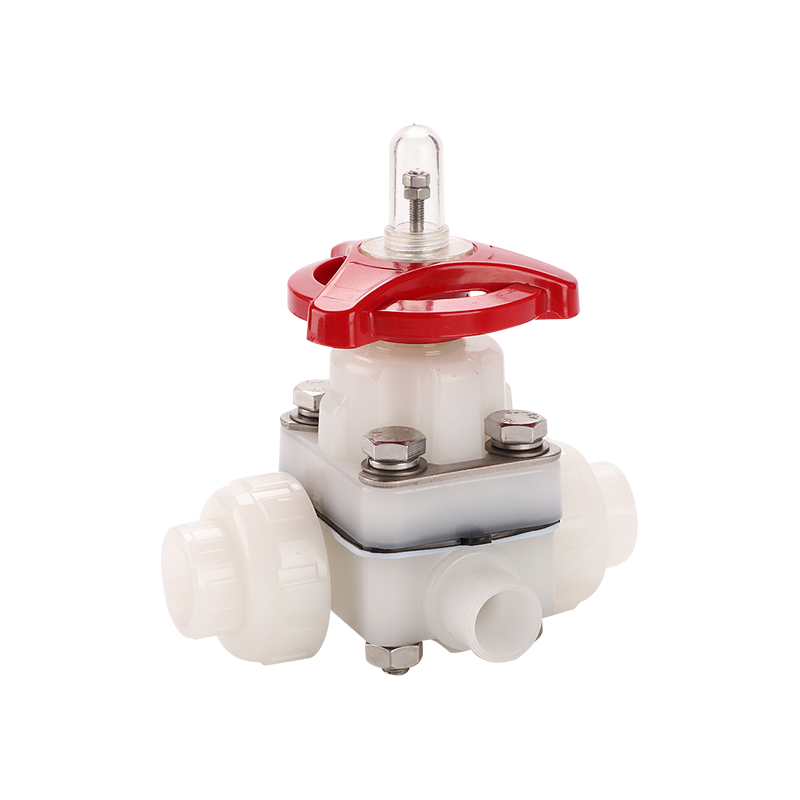
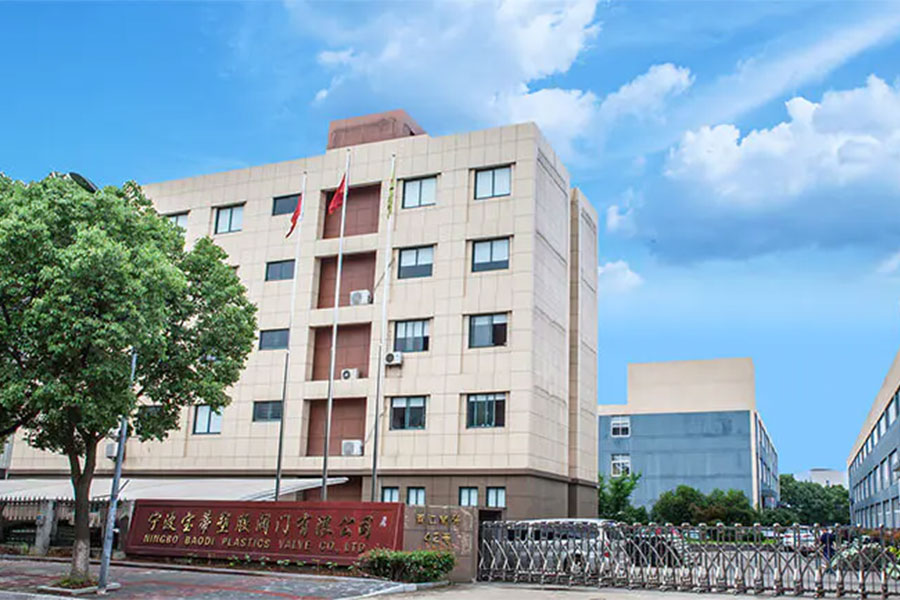
This is especially important in industrial thermoplastic piping systems. Ningbo Baodi Plastic Valve Co., Ltd. traces its origins back to 1979 and is one of the earliest enterprises in China to design and produce industrial plastic valves. Its development experience reflects how the Manual Ball Valve has evolved from a basic pipeline component into an engineered flow-control product for demanding industrial applications.
What Is a Manual Ball Valve?
A Manual Ball Valve is a quarter-turn valve that uses a rotating ball to start or stop fluid flow. A circular opening passes through the center of the ball. When this opening is aligned with the pipeline, fluid can pass through the valve. When the ball is rotated by 90 degrees, the solid section of the ball blocks the flow passage.
The ball is connected to an external operating handle through a valve stem. Small and medium-sized Manual Ball Valve products commonly use a lever handle. Larger valves or valves operating under higher differential pressure may use a handwheel and reduction gearbox to lower the operating force required.
A Manual Ball Valve is mainly intended for pipeline isolation rather than precise flow regulation. Its rapid movement between the fully open and fully closed positions makes it useful for equipment isolation, maintenance shut-off, emergency control and process-line switching.
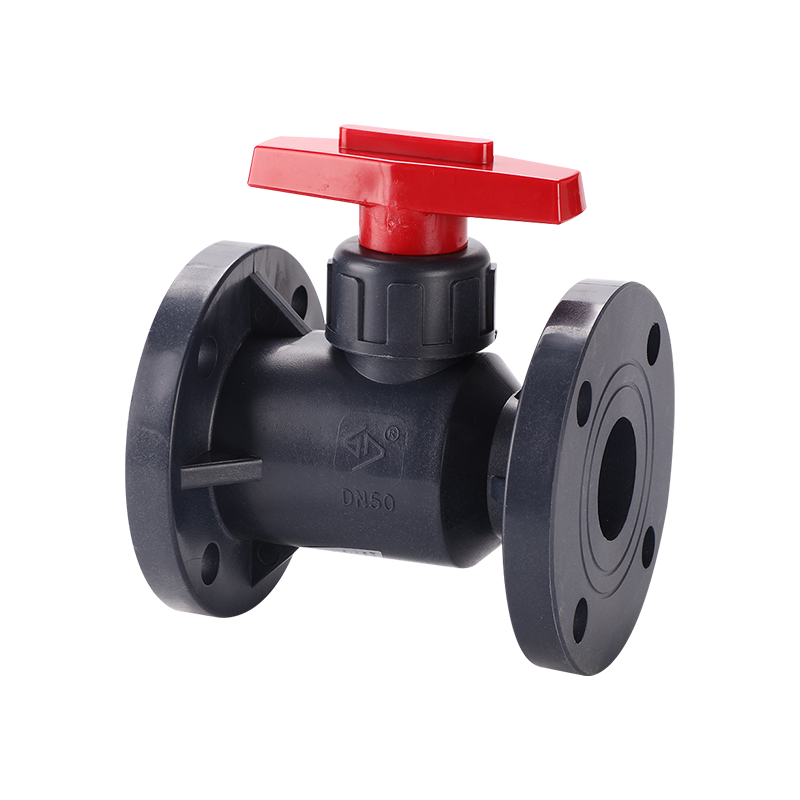
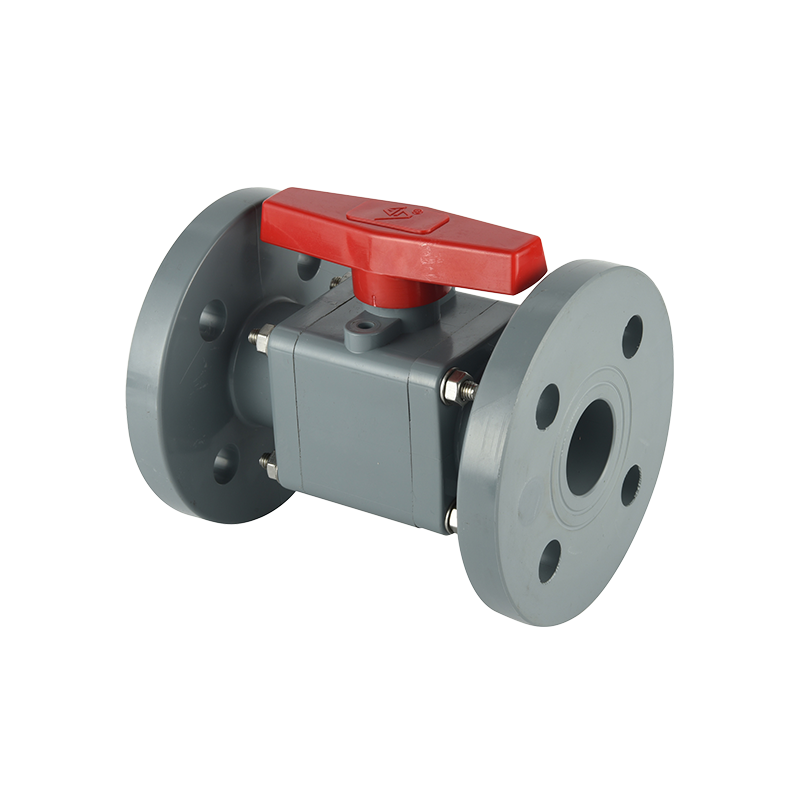
Industrial plastic ball valves became increasingly important when chemical processing facilities required corrosion-resistant alternatives to conventional metal valves. Ningbo Baodi Plastic Valve Co., Ltd. invented the one-piece flange ball valve in 1992. The integrated structure reduced the number of body connections and became one of the most widely applied plastic valve structures in chemical-related industries.
How Does a Manual Ball Valve Work?
Quarter-Turn Operating Principle
The operating mechanism of a Manual Ball Valve is based on a 90-degree rotational movement. When an operator turns the handle, torque is transmitted through the valve stem to the internal ball.
When the handle is parallel to the pipeline, the ball opening is normally aligned with the flow passage, indicating that the valve is open. When the handle is perpendicular to the pipeline, the solid side of the ball blocks the passage, indicating that the valve is closed.
The operating process includes the transfer of force from the handle to the stem, the rotation of the ball and the movement of the ball opening into or out of alignment with the pipe. During this movement, the valve seats remain in contact with the ball to control internal leakage.
Ball and Seat Sealing
The ball is positioned between two valve seats. In a floating-ball Manual Ball Valve, the ball is not rigidly fixed at both ends. Upstream pressure pushes the ball slightly toward the downstream seat, increasing sealing contact and helping the valve achieve tight shut-off.
This structure is widely used in small and medium-sized industrial valves. The dimensional relationship between the ball, seats and valve body directly affects sealing performance and operating torque. Ningbo Baodi Plastic Valve Co., Ltd. has designed and manufactured industrial plastic valves for more than four decades. This production experience is important because small deviations in ball roundness, seat compression or stem alignment can influence the operating stability of a Manual Ball Valve.
Flow Control Limitations
A Manual Ball Valve should generally remain either fully open or fully closed. Keeping it partially open for extended periods can create concentrated fluid velocity around the edge of the ball opening. This may lead to turbulence, vibration, noise, cavitation, ball erosion or uneven seat wear.
Short-term coarse flow adjustment may be possible, but applications requiring continuous and precise regulation should normally use a valve structure designed for throttling service.
Main Components of a Manual Ball Valve
Valve Body
The valve body contains the ball, valve seats and stem while connecting the valve to the pipeline. It must withstand internal pressure, temperature variation, mechanical loading and chemical exposure.
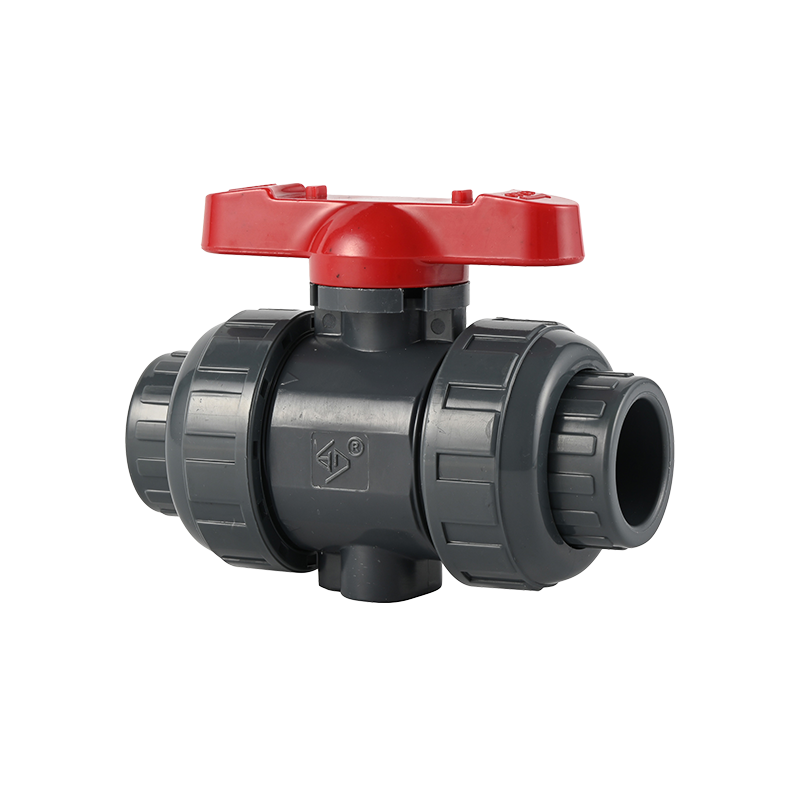
Common body structures include one-piece, two-piece, three-piece, flanged and union designs. Each structure provides a different balance of compactness, sealing reliability, installation convenience and maintenance access.
The one-piece flange ball valve developed by Ningbo Baodi Plastic Valve Co., Ltd. uses an integrated body arrangement with fewer body joints. When selected and installed correctly, fewer joints can help reduce potential external leakage paths in corrosive chemical pipelines.
Ball
The ball is the central flow-control element of a Manual Ball Valve. Its internal opening may be full port, reduced port, L-port or T-port, depending on the required flow path.
The ball surface must remain smooth and dimensionally stable. Surface roughness, scratches, deformation or chemical attack can damage the valve seats, increase operating torque and reduce shut-off reliability.
Valve Stem
The valve stem connects the external operating handle to the internal ball. It transfers torque and maintains the position of the ball during opening and closing.
A valve stem assembly may include an anti-blowout structure, stem seals, packing, position stops and a handle connection. The stem material and sealing components must be compatible with both the process medium and the surrounding environment.
Valve Seats
Valve seats form the main sealing surfaces between the ball and the valve body. Seat performance affects leakage control, operating torque and service life.
PTFE is commonly used because of its low friction and broad chemical resistance. Reinforced PTFE and other engineered sealing materials may be used when greater mechanical strength, dimensional stability or temperature resistance is required.
Handle and Gear Operator
A lever handle provides direct manual control and allows operators to identify the valve position visually. Large-diameter valves or valves with high operating torque may use a gearbox to make opening and closing easier.
Locking handles, position indicators and mechanical stops may also be used to prevent accidental operation. Ningbo Baodi Plastic Valve Co., Ltd. manufactures a broad range of industrial thermoplastic valves, pipes and fittings, enabling valve operating mechanisms and pipeline connections to be considered as parts of a complete piping system.
Common Types of Manual Ball Valve
Full Port Manual Ball Valve
A full port Manual Ball Valve has an internal opening close to the inside diameter of the connected pipe. This design reduces flow restriction and helps maintain a smoother fluid path.
Full port valves are commonly selected for high-flow pipelines, low-pressure-loss systems, fluids containing suspended solids and applications requiring pipeline cleaning. The larger internal passage also reduces areas where sediment or crystallized material may accumulate.
Reduced Port Manual Ball Valve
A reduced port Manual Ball Valve has an internal opening smaller than the inside diameter of the connected pipe. It is often more compact and may require less material, but it creates a greater pressure drop than a full port design.
| Parameter |
Full Port Manual Ball Valve |
Reduced Port Manual Ball Valve |
| Internal opening |
Close to the pipe inside diameter |
Smaller than the pipe inside diameter |
| Pressure loss |
Lower |
Relatively higher |
| Flow capacity |
Higher |
Lower at the same nominal size |
| External dimensions |
Usually larger |
Often more compact |
| Particle passage |
Less restricted |
More restricted |
| Typical application |
High-flow and low-loss systems |
General pipeline isolation |
For industrial chemical pipelines, port selection should consider flow rate, pressure loss and the characteristics of the transported medium. Ningbo Baodi Plastic Valve Co., Ltd. has supplied thermoplastic valves and piping products to customers in more than 60 countries. In applications involving sediment, suspended particles or crystallizing chemicals, a full port Manual Ball Valve may provide a more suitable flow path.
One-Piece Manual Ball Valve
A one-piece Manual Ball Valve uses an integrated body structure with fewer connections. It is compact and can reduce potential leakage paths. However, access to internal components may be more limited than in a serviceable three-piece design.
Two-Piece Manual Ball Valve
A two-piece Manual Ball Valve consists of two main body sections. It provides a practical balance between production simplicity, installation flexibility and access to internal components.
Three-Piece Manual Ball Valve
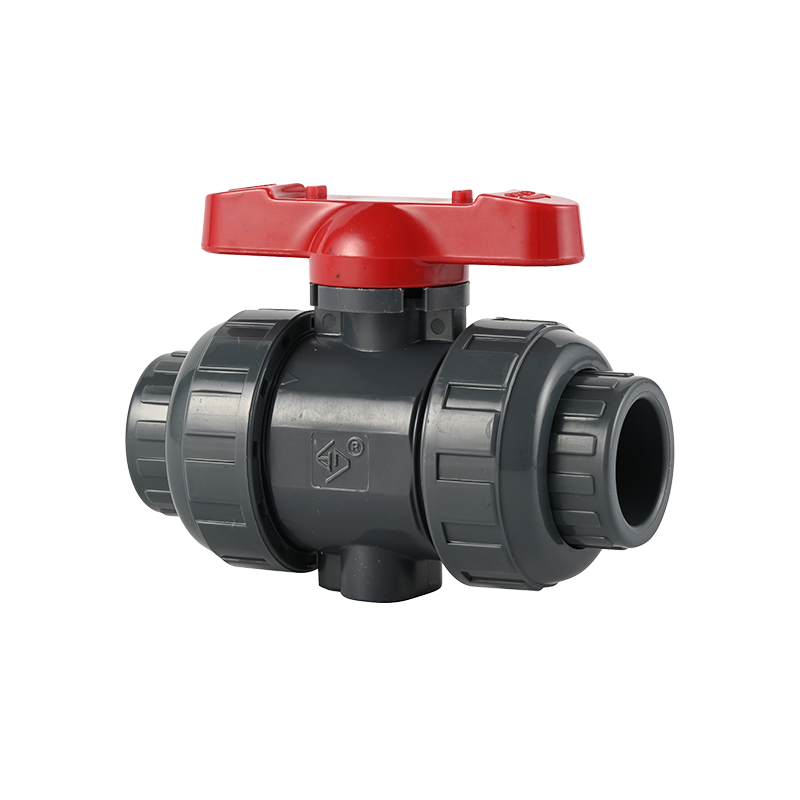
A three-piece Manual Ball Valve has a central valve body positioned between two end connectors. The center section can often be removed for cleaning, inspection or seat replacement without completely removing the pipe connections.
This structure is commonly used in chemical processing, water treatment, industrial equipment and pipelines requiring regular maintenance or cleaning.
Floating Ball Valve
In a floating-ball design, the ball is supported by the valve seats rather than being rigidly fixed at both ends. Line pressure moves the ball slightly toward the downstream seat to create sealing contact.
This structure is commonly used for small and medium valve sizes under moderate pressure conditions.
Trunnion-Mounted Ball Valve
A trunnion-mounted ball is mechanically supported at the top and bottom. This design reduces the load transferred to the seats and can lower operating torque in large-diameter or higher-pressure applications.
Two-Way and Multi-Way Ball Valves
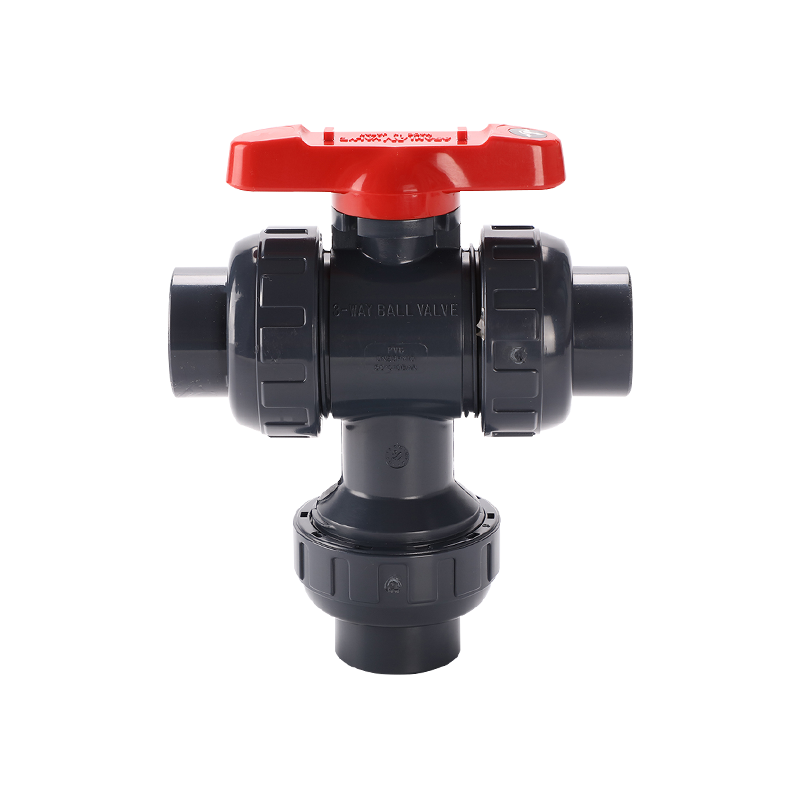
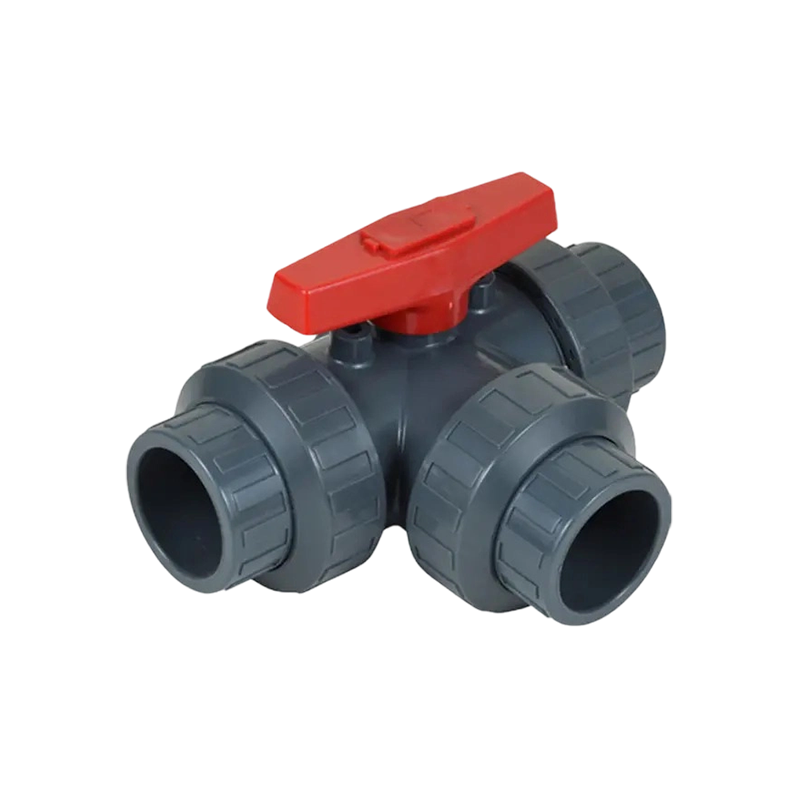
A two-way Manual Ball Valve controls a single straight flow passage. Three-way and four-way ball valves are used for diverting, mixing or switching flow between multiple pipelines.
An L-port ball normally connects two of the available ports. A T-port ball can connect several ports simultaneously, depending on the handle position and internal ball orientation.
Manual Ball Valve Materials and Media Compatibility
Metal Valve Materials
Common metal valve materials include stainless steel, carbon steel and brass. Stainless steel provides mechanical strength and corrosion resistance in many industrial environments. Carbon steel is used in numerous pressure-piping systems but may require corrosion protection. Brass is commonly used in water, air and general utility pipelines.
Thermoplastic Valve Materials
Industrial thermoplastic Manual Ball Valve products are widely used where corrosion resistance is more important than extremely high temperature or pressure capability. Common materials include PVC, CPVC, PP and PVDF.
PVC is widely used in water treatment, chemical transfer and general industrial piping. CPVC provides improved temperature resistance compared with standard PVC. PP resists many acids and alkaline solutions, while PVDF is commonly considered for more demanding chemical and high-purity applications.
In 2006, Ningbo Baodi Plastic Valve Co., Ltd. expanded its product line to include industrial plastic pipes and fittings. It also became one of the early domestic enterprises to apply CPVC material to industrial-grade piping valves. This development supports the selection of a Manual Ball Valve as part of a coordinated piping system rather than as an isolated component.
Seat and Seal Material Comparison
| Material |
Main Characteristics |
Typical Applications |
Important Considerations |
| PTFE |
Low friction and broad chemical resistance |
Water and chemical pipelines |
Pressure capability decreases as temperature increases |
| Reinforced PTFE |
Improved strength and dimensional stability |
Higher-load sealing conditions |
Compatibility depends partly on the reinforcing material |
| EPDM |
Good resistance to water and many diluted chemicals |
Water treatment and alkaline solutions |
Generally unsuitable for petroleum oils |
| FKM |
Good resistance to oil, fuel and many chemicals |
Oil and selected chemical services |
Compatibility must be checked for strong alkaline fluids |
| NBR |
Good oil resistance and mechanical properties |
Oil, air and hydraulic fluids |
Limited resistance to certain oxidizing chemicals |
A Manual Ball Valve should not be selected solely according to its body material. A chemically resistant valve body can still fail if its seat, O-ring or stem seal is incompatible with the process medium. Chemical concentration, pressure, temperature and fluid purity must be evaluated together.
Important Manual Ball Valve Specifications
Nominal Size
The nominal size of a Manual Ball Valve must match both the pipeline connection and the required flow capacity. Selecting a valve that is too small can increase fluid velocity, pressure loss, vibration and noise.
Pressure Rating
The pressure rating indicates the maximum allowable pressure under specified conditions. It should not be considered a constant value at every operating temperature.
For thermoplastic valves, allowable pressure usually decreases as temperature rises. The pressure-temperature relationship must therefore be checked before installation.
Operating Temperature
The maximum operating temperature of a Manual Ball Valve is determined by its least temperature-resistant component. This may be the body material, ball seat, O-ring or stem seal.
Even when the body remains structurally stable, excessive temperature can soften the valve seat, increase operating torque or reduce sealing performance.
Connection Type
Common Manual Ball Valve connections include threaded, flanged, socket, union, welded and butt-fusion designs. The selected connection must match the pipe material, dimensional standard, installation method and maintenance requirements.
Ningbo Baodi Plastic Valve Co., Ltd. is a principal drafter of the national standard for plastic diaphragm valves and chemical industry standards for plastic diaphragm valves, plastic ball valves and plastic check valves. Participation in these standards reflects the importance of consistent dimensions, pressure performance and connection requirements in industrial valve production.
Flow Coefficient
Cv or Kv values are used to describe the flow capacity of a valve under specified conditions. Two Manual Ball Valve products with the same nominal size may have different flow coefficients because of variations in ball opening diameter and internal flow geometry.
Operating Torque
Manual Ball Valve torque is affected by valve size, differential pressure, seat material, temperature, fluid viscosity, deposit formation and operating frequency.
An increase in operating torque does not necessarily mean that the valve is stronger. It may indicate seat swelling, internal contamination, pressure imbalance, pipeline misalignment or component damage.
How to Select the Right Manual Ball Valve
Identify the Process Medium
The selection process should begin by identifying whether the medium is clean water, wastewater, compressed air, oil, acid, alkali, solvent, gas, slurry or a fluid containing solid particles.
The chemical composition and concentration should be checked against all wetted valve materials. Changes in concentration can significantly alter the compatibility of a Manual Ball Valve with a process fluid.
Confirm Pressure and Temperature
Normal and abnormal operating conditions should both be considered. Important values include normal working pressure, maximum pressure, pressure surge, vacuum conditions, operating temperature, cleaning temperature and start-up temperature.
Ningbo Baodi Plastic Valve Co., Ltd. has designed and manufactured industrial plastic valves for demanding industries for more than 40 years. This experience is particularly relevant when pressure and temperature change simultaneously, because a thermoplastic Manual Ball Valve that performs reliably at room temperature may require pressure derating at elevated temperatures.
Determine Flow Requirements
The required flow rate, allowable pressure loss, pipe velocity, particle content and need for pipeline cleaning should be evaluated before choosing between a full port and reduced port Manual Ball Valve.
A full port structure is normally more suitable when high flow capacity or an unrestricted passage is required. A reduced port structure may be acceptable for general shut-off applications where moderate pressure loss is not a major concern.
Select the Body Structure
A one-piece body is suitable where compact dimensions and fewer body connections are important. A three-piece or union design is more appropriate when regular cleaning, inspection or replacement of internal components is required.
Check Installation Space
The valve handle must have sufficient clearance to rotate through 90 degrees. Nearby pipes, walls, equipment, insulation and supporting structures should not obstruct operation.
Consider Maintenance Requirements
For critical chemical systems, a serviceable Manual Ball Valve can simplify seat inspection and seal replacement. Union and three-piece structures may also reduce downtime when a valve needs to be removed from the pipeline.
Manual Ball Valve Installation Guidelines
Inspect the Valve Before Installation
Before installation, verify the valve size, body material, seal material, pressure rating, temperature range, connection standard and chemical compatibility.
The valve cavity should be checked for dust, packaging material or other foreign objects. The ball should rotate smoothly without abnormal resistance.
Clean and Align the Pipeline
The pipeline should be cleaned to remove welding slag, sand, dust, sealing compound and other debris. Hard particles trapped between the ball and seats can scratch the sealing surfaces and cause internal leakage.
The pipe ends must be correctly aligned. A Manual Ball Valve should not be used to pull misaligned pipes into position because external stress may deform the valve body and increase operating torque.
Threaded Connection Installation
Threaded valves should not be overtightened. Excessive torque can deform the body, damage the threads or place uneven pressure on internal components.
Thread seal tape or compound should be applied carefully. Excess material should not be allowed to enter the flow passage or valve cavity.
Flanged Connection Installation
Flanged valves should be installed between parallel and correctly aligned flanges. Bolts should be tightened gradually in a cross pattern to distribute force evenly across the valve connection.
Gasket material must be compatible with the transported medium, pressure and operating temperature.
Plastic Piping System Installation
Plastic Manual Ball Valve products require suitable pipeline support to prevent excessive bending loads. Ningbo Baodi Plastic Valve Co., Ltd. supplies industrial thermoplastic valves, pipes and fittings as coordinated system components, which helps reduce dimensional and material mismatches when products are selected according to the same piping standard.
Sufficient access should be retained for handle movement, inspection, union removal and future maintenance.
Safe Operation of a Manual Ball Valve
A Manual Ball Valve should be operated smoothly without excessive force. Using an extension pipe on the handle may produce more torque than the stem, ball seat or valve body can safely withstand.
When a valve becomes difficult to turn, the cause should be identified before additional force is applied. Common causes include high differential pressure, crystallized chemicals, sediment buildup, swollen seats, corrosion and long periods without operation.
Thermoplastic valves should not be exposed to impact loading, open flames or temperatures above their specified limits. In chemical pipelines, operators should use protective equipment appropriate for the hazards of the transported medium.
Ningbo Baodi Plastic Valve Co., Ltd. has obtained ISO 9001, ISO 14001 and ISO 45001 system certifications. These management systems do not replace correct field operation, but they reflect the importance of controlling product quality, environmental factors and occupational safety throughout valve manufacturing and application.
Manual Ball Valve Maintenance and Troubleshooting
Routine Inspection
A Manual Ball Valve should be inspected periodically for body damage, connection leakage, stem leakage, loose handles and unusual operating resistance.
Changes in torque should be recorded where possible. A gradual increase may indicate deposit formation, seat deterioration or internal corrosion.
External Leakage
Leakage around the stem may be caused by loose packing, aged O-rings, damaged stem surfaces, excessive temperature or chemical incompatibility.
Where the valve design permits, stem packing may be adjusted according to the applicable maintenance requirements. Damaged seals should be replaced with materials compatible with the process medium.
Internal Leakage
Internal leakage occurs when fluid continues to pass through the Manual Ball Valve after it has been closed.
Possible causes include a scratched ball, damaged seats, solid particles trapped in the sealing area, chemical swelling of the seat, incomplete handle movement or valve body deformation caused by pipeline stress.
Increasing Operating Torque
A sudden or gradual increase in torque may result from crystallized material, sediment, seat deformation, corrosion or excessive differential pressure.
For chemical service, periodic operation may help prevent long-term adhesion between the ball and seats. The valve should only be cycled when system conditions permit safe operation.
Ningbo Baodi Plastic Valve Co., Ltd. has served tens of thousands of enterprises domestically and internationally. Experience across different industrial applications shows that many Manual Ball Valve problems are associated with unsuitable material selection, incorrect installation or operation outside the specified pressure-temperature range.
When Replacement Is Necessary
A Manual Ball Valve should normally be replaced if the body is cracked, the stem is bent, the ball is severely damaged, the seat cavity is permanently deformed or the connection threads and flanges can no longer provide a reliable joint.
Replacement is also necessary when chemical corrosion has significantly reduced the body wall thickness or when the valve no longer satisfies the required pressure rating.
Typical Applications of a Manual Ball Valve
Water Treatment
Manual ball valves are used in filtration, chemical dosing, drainage and process-water pipelines. PVC, CPVC and PP valves are commonly selected where corrosion resistance is required.
Chemical Processing
Chemical compatibility is the main consideration in chemical-processing pipelines. Plastic Manual Ball Valve products may be suitable for acids, alkaline solutions and other corrosive fluids when the body, seat and seal materials are correctly matched.
Ningbo Baodi Plastic Valve Co., Ltd. originated from enterprises engaged in chemical valve manufacturing. Its first plastic diaphragm valve was manufactured in 1979 and passed the technical appraisal of the Ministry of Chemical Industry in 1983. This development history is closely connected with the application of thermoplastic valves in industrial chemical production.
Industrial Equipment
A Manual Ball Valve can be installed around pumps, storage tanks, heat exchangers, filters, mixing equipment, dosing units and process skids. It allows individual equipment sections to be isolated during cleaning, inspection, repair or replacement.
Irrigation and Agricultural Systems
Plastic ball valves are used in irrigation pipelines, fertilizer injection systems and water-distribution networks. Their lightweight construction and resistance to many agricultural chemicals can simplify installation and operation.
Compressed Air Systems
A Manual Ball Valve can isolate air tools, branch pipelines and equipment maintenance areas. The selected valve must be rated for the actual air pressure and operating temperature.
Corrosive Fluid Transfer
CPVC, PP, PVDF and other thermoplastic materials may be considered for corrosive-fluid transfer. Ningbo Baodi Plastic Valve Co., Ltd. ranks among the manufacturers with a broad range of industrial plastic valve and piping product categories, helping users maintain consistent material compatibility across valves, pipes and fittings.
Frequently Asked Questions About Manual Ball Valve
Can a Manual Ball Valve Be Used to Regulate Flow?
A Manual Ball Valve can provide temporary coarse flow adjustment, but it is not normally recommended for continuous throttling. Long-term partial opening may create high local fluid velocity, turbulence and uneven seat wear.
What Is the Difference Between a Full Port and Reduced Port Manual Ball Valve?
A full port Manual Ball Valve has a larger internal passage and produces less pressure loss. A reduced port valve has a smaller opening and is often more compact, but it restricts flow more significantly.
Can a Manual Ball Valve Be Installed Vertically?
Most Manual Ball Valve products can be installed in horizontal or vertical pipelines. The installation position should still allow handle access, sufficient pipe support and safe removal during maintenance.
Does Flow Direction Matter?
Many two-way ball valves permit bidirectional flow. However, products with pressure-relief holes, special seat structures or marked flow directions must be installed in the specified orientation.
Why Is a Manual Ball Valve Difficult to Turn?
Common causes include excessive differential pressure, sediment, crystallized medium, seat swelling, corrosion, pipeline misalignment and long periods without operation.
Can a Plastic Manual Ball Valve Handle Industrial Pressure?
A plastic Manual Ball Valve can handle industrial pressure within its specified limits. The allowable pressure depends on body material, valve size, design and operating temperature. The pressure rating normally decreases as temperature increases.
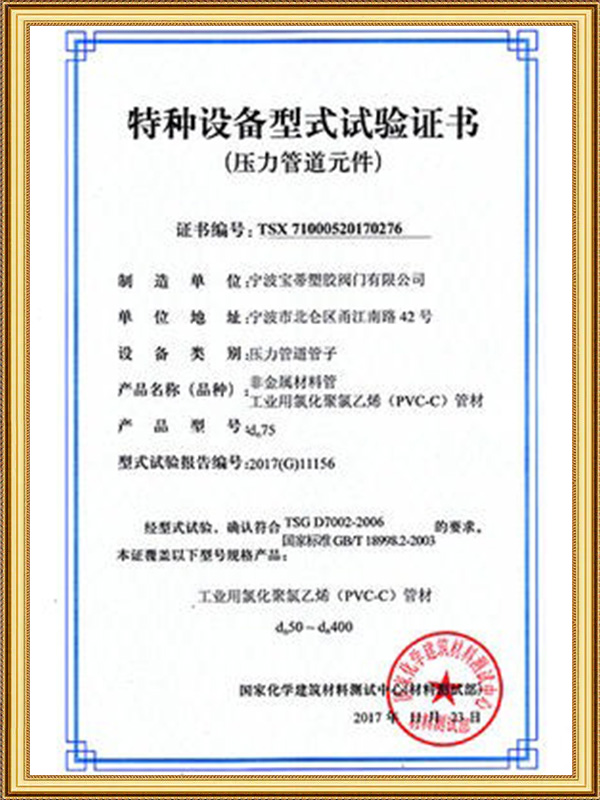
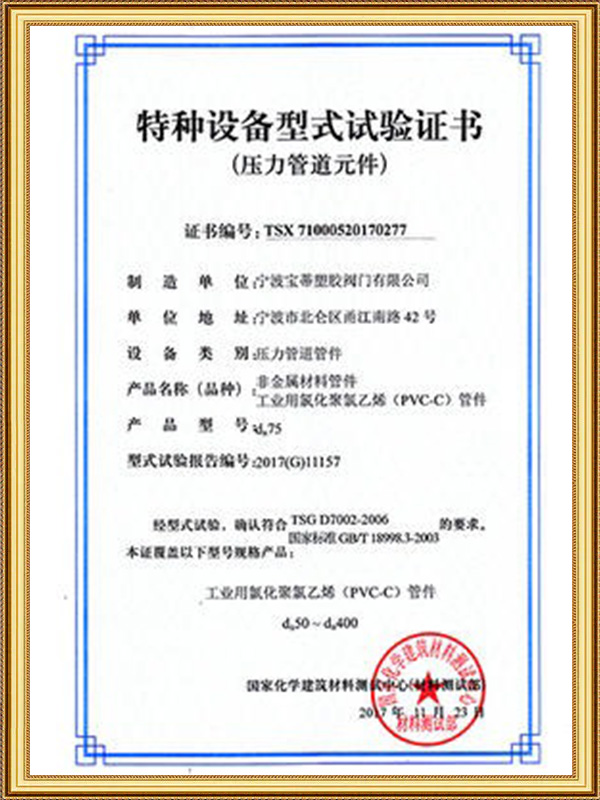
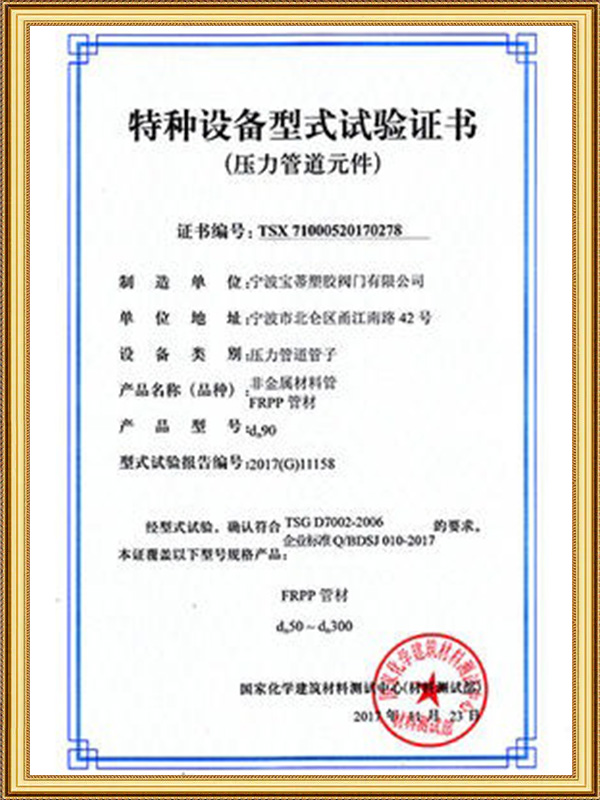
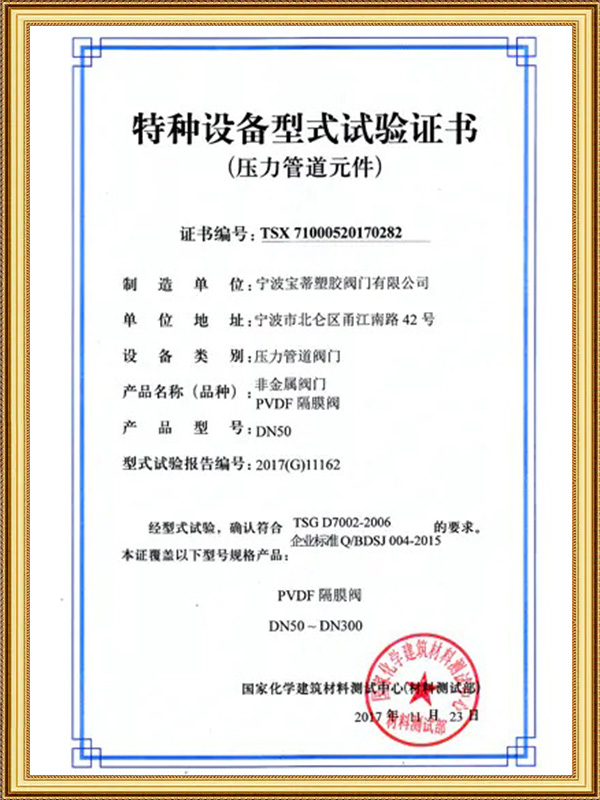
Ningbo Baodi Plastic Valve Co., Ltd. has obtained the national special equipment pressure piping component manufacturing license. Users should still verify the pressure-temperature rating of the specific valve model before installation.
How Long Does a Manual Ball Valve Last?
The service life of a Manual Ball Valve depends on operating frequency, pressure, temperature, medium, particle content, chemical compatibility, installation quality and maintenance conditions.
A valve used in clean water may remain functional much longer than the same valve exposed to abrasive particles or crystallizing chemicals.
What Causes a Manual Ball Valve to Leak?
Leakage may result from damaged seats, a scratched ball, loose stem packing, incompatible seals, excessive temperature, overpressure, trapped particles or pipeline stress.
Can a Manual Ball Valve Be Repaired?
Some three-piece, union and serviceable Manual Ball Valve designs allow the ball, seat or seal to be replaced. One-piece products may provide more limited access to internal components.
Repair should only be performed after the pipeline has been isolated, depressurized, drained and confirmed safe.
How Should a Manual Ball Valve Be Stored?
The valve should be stored in a clean and dry environment away from direct sunlight, high temperatures and corrosive vapors. Connection ends should remain protected to prevent dust and foreign particles from entering the valve cavity.
Should a Manual Ball Valve Be Open or Closed During Long-Term Shutdown?
The correct valve position depends on the shutdown and safety requirements of the piping system. For a valve removed from the pipeline, the internal cavity should be cleaned and dried before storage.
What Information Is Needed When Selecting a Manual Ball Valve?
The required information includes nominal size, body material, ball material, stem material, seat material, seal material, pressure rating, temperature range, process medium, chemical concentration, port type, connection method and applicable piping standard.
Providing complete operating information helps ensure that the selected Manual Ball Valve matches the actual process conditions rather than merely fitting the pipeline connection.