

Plastic Ball Valve
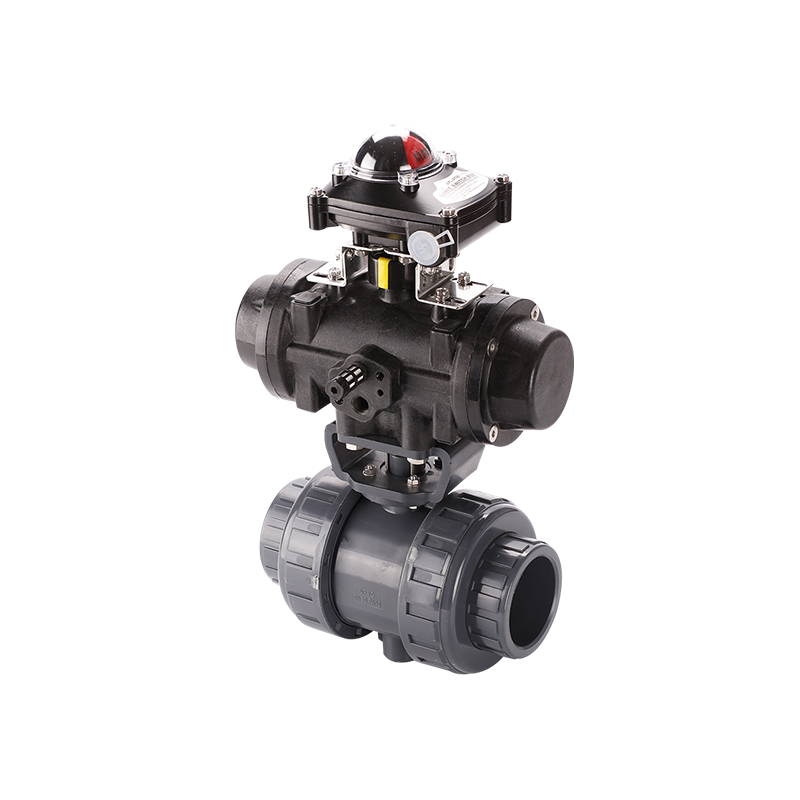
A plastic ball valve contains a spherical closure element with a central opening. Rotating the ball by 90 degrees aligns the bore with the pipeline or blocks the flow passage.
Industrial Flow Control Knowledge
Plastic valves are widely used in water treatment, chemical processing, irrigation, aquaculture, industrial drainage and fluid transfer systems. Their low weight, corrosion resistance and broad material options make them practical for pipelines where ordinary metal components may corrode or require frequent maintenance.
Selecting plastic valves requires more than matching the nominal pipe diameter. Valve structure, body material, sealing material, working pressure, operating temperature, fluid concentration and connection method must all be considered.
Quick Answer
The main types of plastic valves include plastic ball valves, butterfly valves, diaphragm valves, check valves, gate valves, globe valves, foot valves and automatic control valves. Each valve uses a different internal movement to isolate, regulate or redirect the process medium.
Plastic valves can also be divided into four functional groups: isolation valves, regulating valves, non-return valves and directional or special-purpose valves.
Valve Structures
Different types of plastic valves are selected according to pipeline function, available installation space, operating frequency, allowable pressure loss and control requirements.
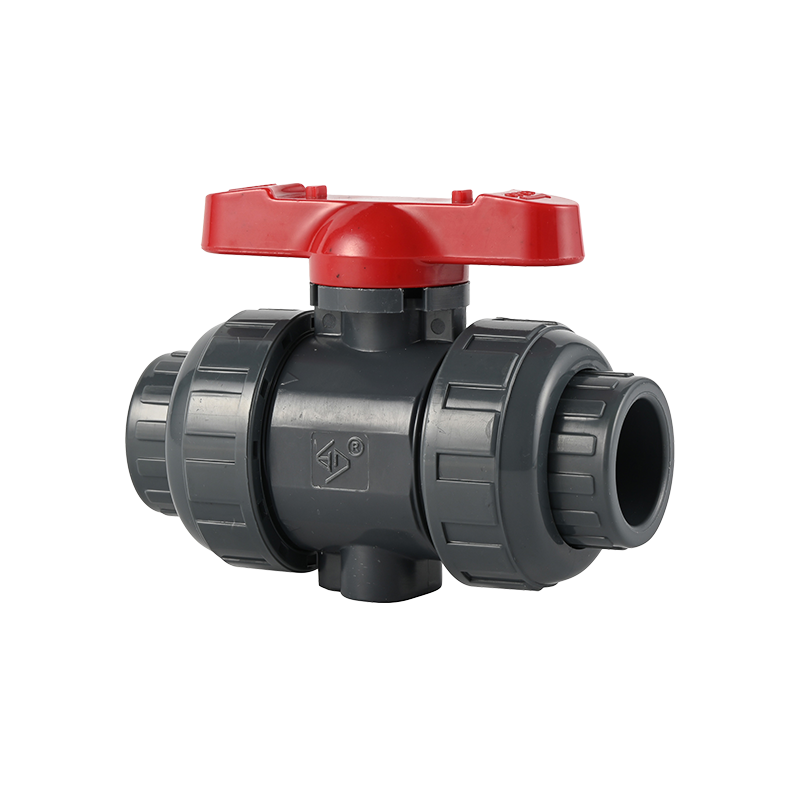
A plastic ball valve contains a spherical closure element with a central opening. Rotating the ball by 90 degrees aligns the bore with the pipeline or blocks the flow passage.
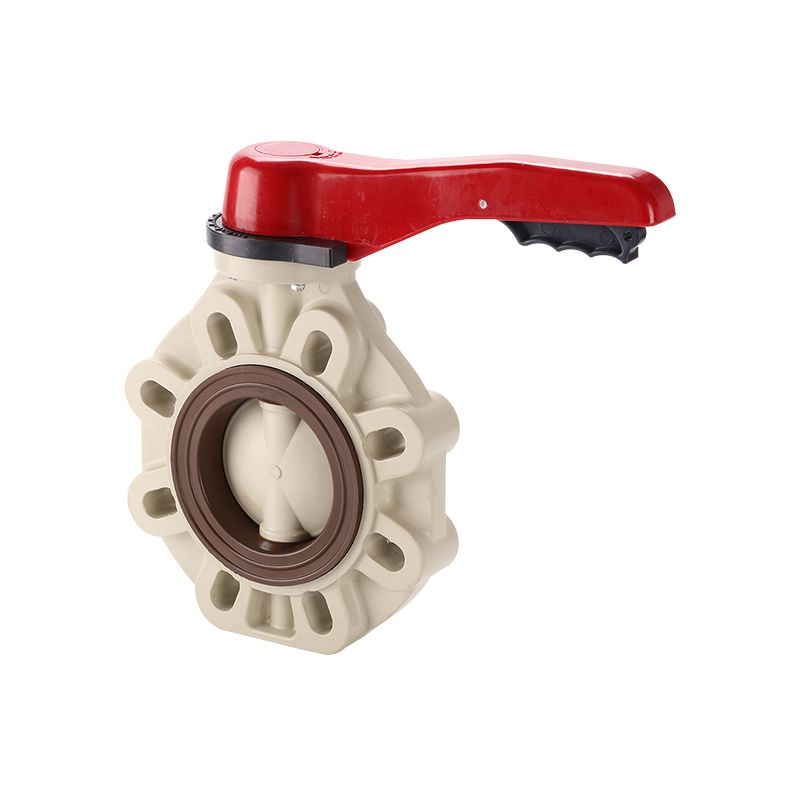
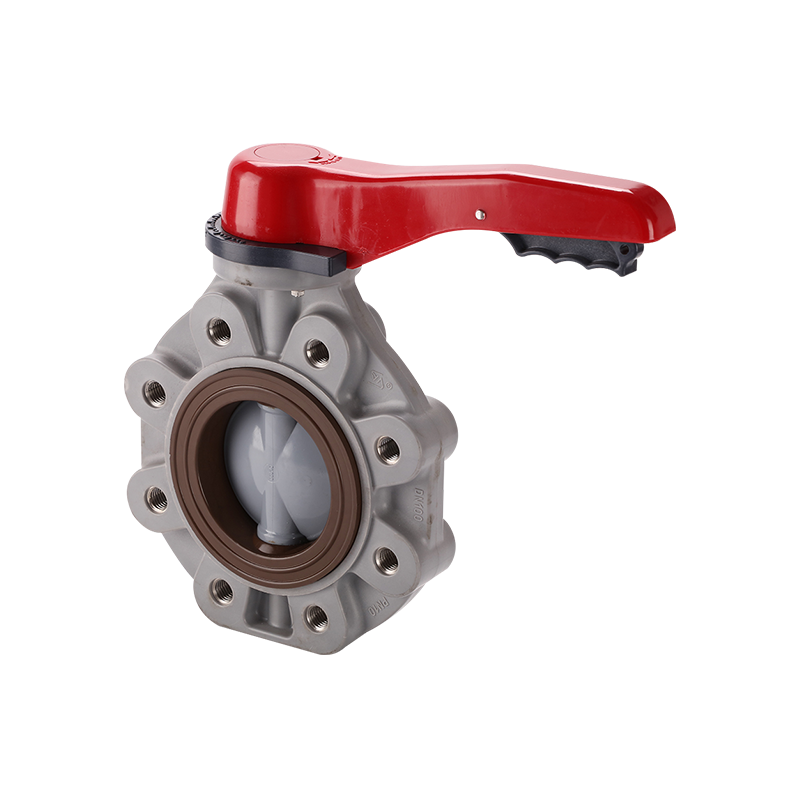
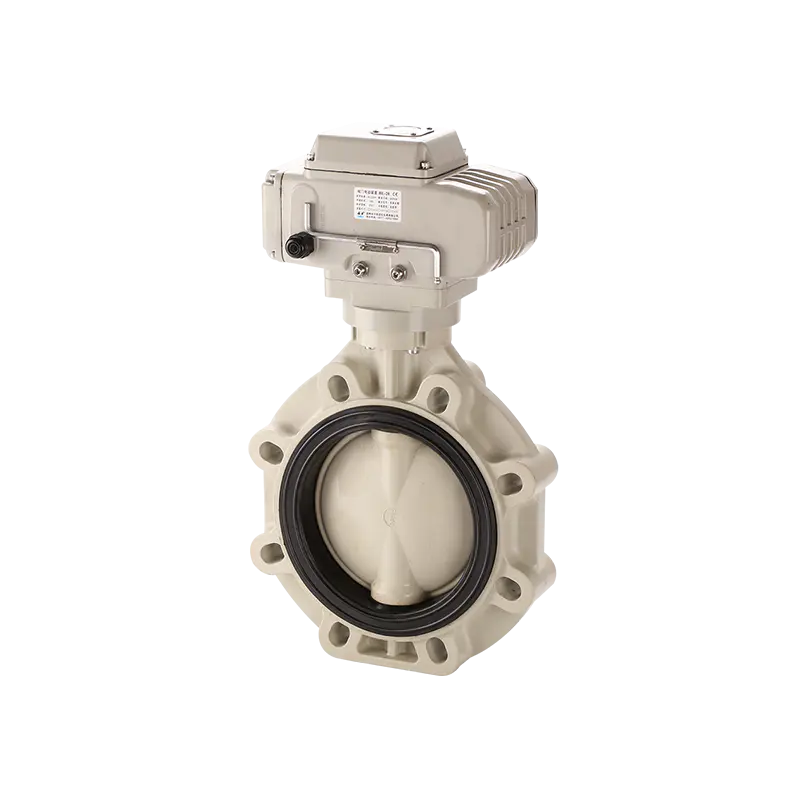
A plastic butterfly valve uses a rotating disc inside the pipeline. Its short face-to-face dimension and relatively low weight make it useful for medium and large pipe sizes.
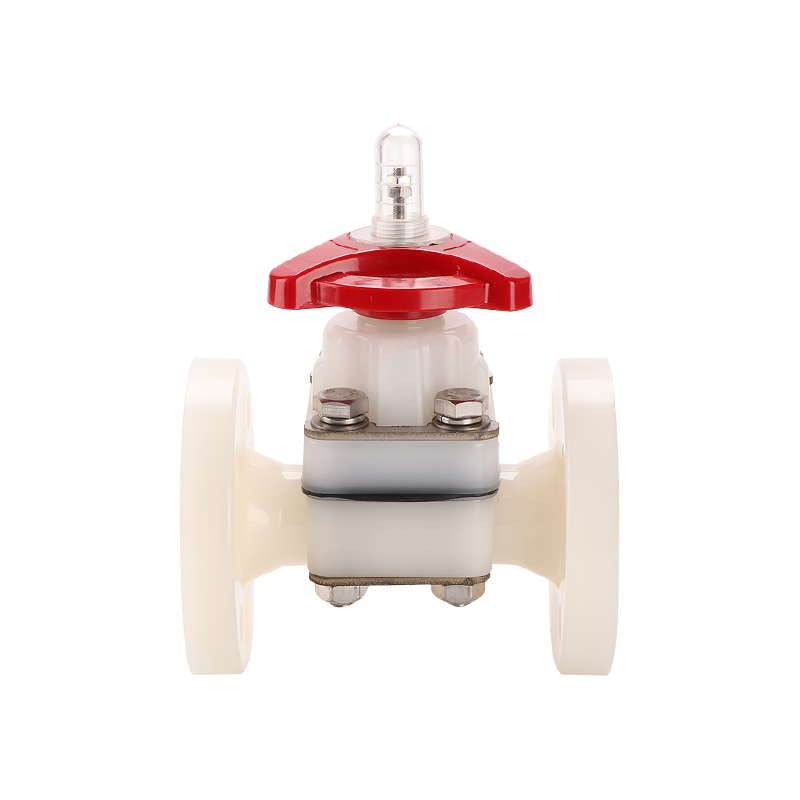
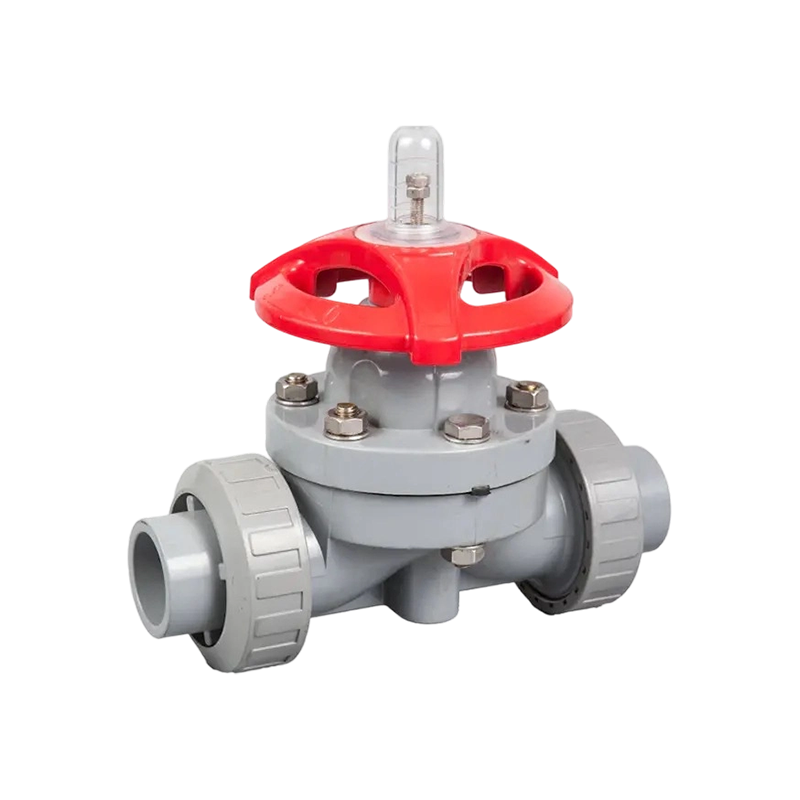
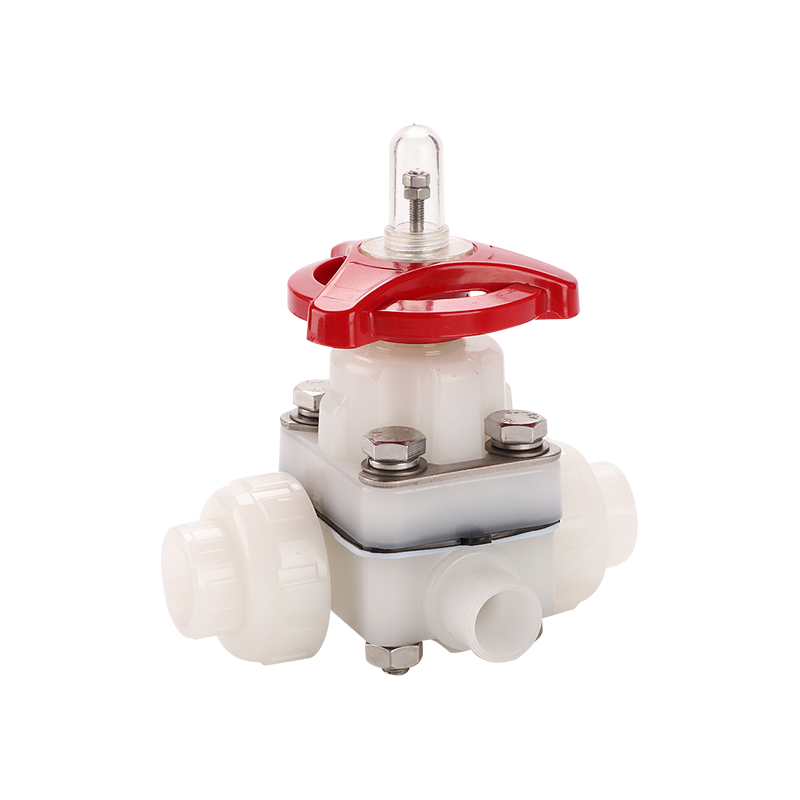
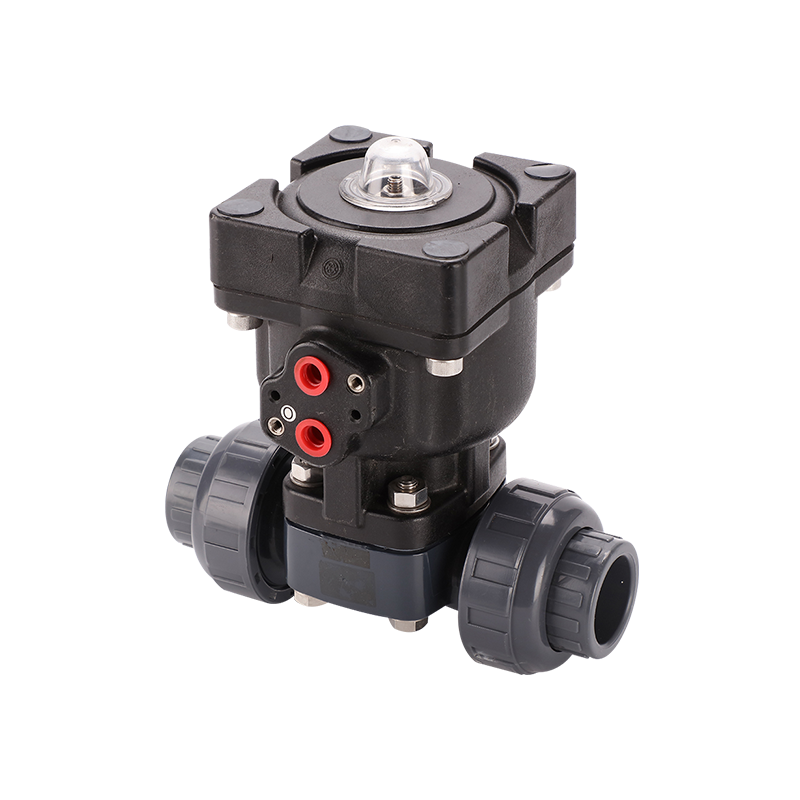
A plastic diaphragm valve uses a flexible diaphragm to separate the operating mechanism from the process medium. This structure reduces direct contact between the fluid and the valve stem.
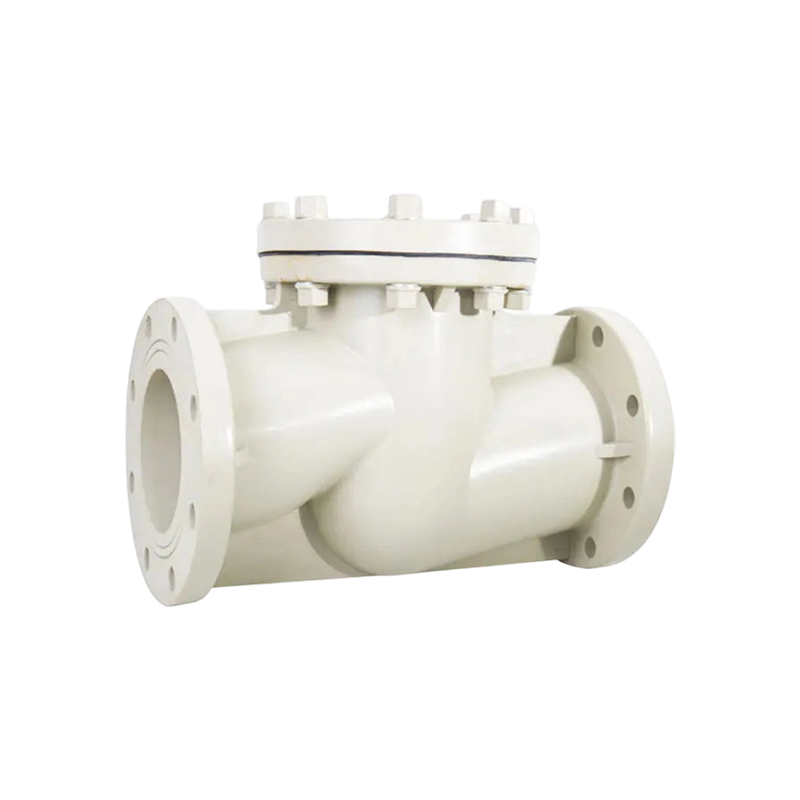
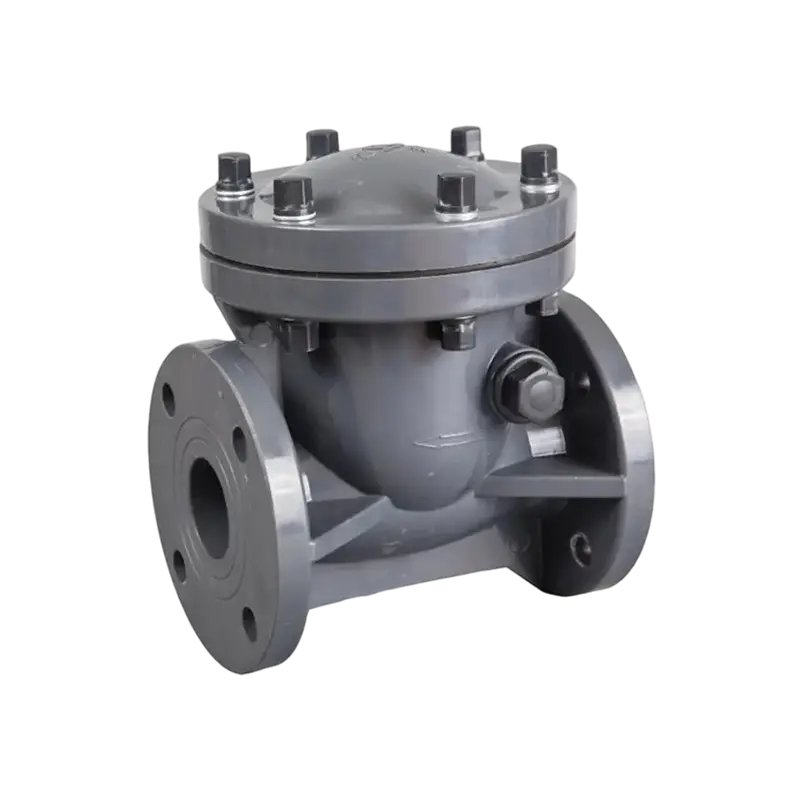
A plastic check valve opens when fluid travels in the intended direction and closes automatically when the flow reverses. Available structures include ball, swing, piston and spring-loaded designs.
A plastic gate valve raises or lowers a gate through the flow passage. It is primarily designed for fully open or fully closed service rather than long-term throttling.
A plastic globe valve changes the flow area through the linear movement of a plug or sealing element. It provides better regulation than most basic shutoff valves but normally produces greater pressure loss.
Functional Classification
The phrase “four types of valves” can refer to several classification systems. For practical pipeline engineering, valves can be organized into four main functional groups.
Isolation valves stop or release flow. Plastic ball valves, butterfly valves, gate valves and diaphragm valves are common examples.
Regulating valves adjust flow rate, pressure or liquid level. Globe valves, needle valves and actuated control valves belong to this group.
Non-return valves prevent reverse movement of the medium. Plastic check valves and foot valves are commonly used for this purpose.
These valves redirect, sample, drain, distribute or relieve fluid according to a specific process requirement.
Structure Comparison
The following comparison provides a general reference. Actual performance depends on material, size, pressure class and operating conditions.
| Valve Type | Internal Movement | Main Function | Flow Characteristic | Typical Use |
|---|---|---|---|---|
| Plastic ball valve | Quarter-turn ball rotation | Fast isolation | Low resistance when open | Water and chemical transfer |
| Plastic butterfly valve | Quarter-turn disc rotation | Isolation and regulation | Compact flow passage | Medium and large pipelines |
| Plastic diaphragm valve | Flexible diaphragm movement | Corrosive fluid control | Operating parts isolated from fluid | Chemicals and high-purity media |
| Plastic check valve | Automatic closure movement | Backflow prevention | One-direction operation | Pump and dosing lines |
| Plastic gate valve | Linear gate movement | Full isolation | Low resistance when fully open | Low-frequency shutoff |
| Plastic globe valve | Linear plug movement | Flow regulation | Higher pressure loss | Controlled flow adjustment |
PVC Terminology
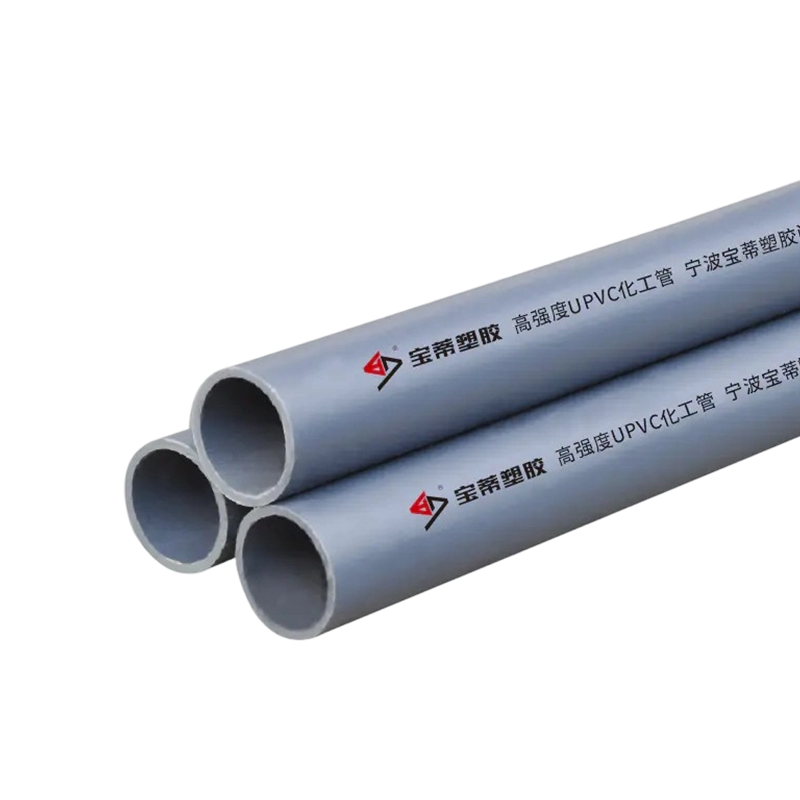
A valve manufactured primarily from polyvinyl chloride is generally called a PVC valve. The precise product name should also identify the valve structure. Common names include PVC ball valve, PVC butterfly valve, PVC check valve, PVC gate valve and PVC diaphragm valve.
PVC describes the main body material. It does not explain how the valve controls fluid. A PVC ball valve provides quarter-turn isolation, while a PVC check valve automatically prevents reverse flow.
CPVC generally supports higher operating temperatures than standard PVC. Material selection should be based on actual fluid, pressure and temperature data rather than product appearance.
Material Options
Different plastic materials provide different levels of chemical resistance, temperature capability, mechanical strength and purity.
PVC plastic valves resist many acids, alkalis, salts and water-based fluids. They are widely used in water treatment, irrigation, drainage and ambient-temperature chemical pipelines.
CPVC valves provide greater temperature capability than standard PVC and are commonly considered for hot water and heated chemical applications.
Polypropylene valves offer low density and resistance to many chemical solutions. They are used in chemical handling, water treatment and laboratory systems.
PVDF valves are selected for demanding chemicals, high-purity water and processes requiring greater material cleanliness or temperature resistance.
Performance Evaluation
Understanding the advantages and disadvantages of plastic valves helps prevent incorrect material substitution and premature valve failure.
Plastic valve bodies do not rust and can resist many chemicals that attack common metallic materials.
Lightweight construction simplifies transportation, lifting, installation and pipeline support.
Smooth plastic flow passages can reduce scaling and deposits in compatible fluid systems.
Plastic valves can be supplied with socket, threaded, union, flanged and fusion connections.
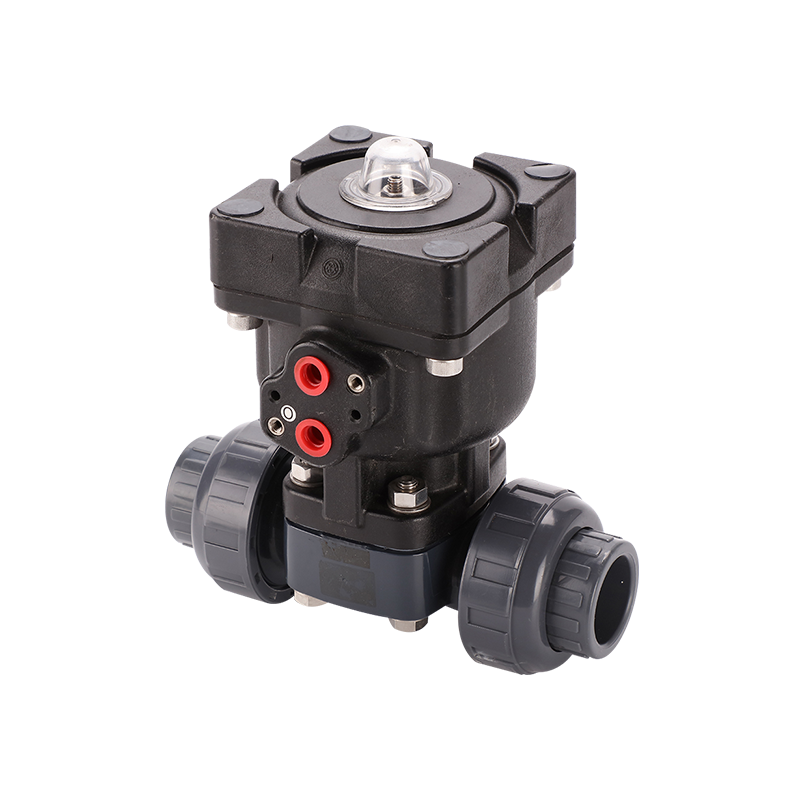
Many plastic valves can be combined with pneumatic or electric actuators for remote operation.
Pressure capability generally decreases as operating temperature increases.
Excessive pipe loads, impact and flange tightening can damage plastic valve bodies.
A material that resists one chemical may soften, swell or crack when exposed to another.
Plastic valves and pipes can expand or contract significantly as temperature changes.
High pressure, high temperature and strongly abrasive media may require another material.
Service Life
There is no single service-life figure for all plastic valves. A correctly selected valve in a stable water or compatible chemical system may operate for many years. Incorrect materials, excessive heat, water hammer, pipe stress and poor installation can cause much earlier failure.
The answer to How long does a plastic valve last depends on the body material, seals, fluid concentration, operating temperature, working pressure, cycle frequency and maintenance conditions.
Valve body and seal materials must resist the actual fluid, concentration and exposure time.
The system must remain within the material’s pressure and temperature rating.
Proper pipe alignment and support prevent body deformation and connection leakage.
Controlled cycling and protection from pressure surges reduce seat and stem wear.
Early detection of leakage, stiffness or cracking helps prevent larger failures.
Product Selection
Selecting plastic valves by size alone can result in chemical damage, leakage, deformation or poor control performance. Complete operating data should be reviewed before configuration.
Confirm the fluid name, chemical concentration, purity and suspended solids.
Provide normal, minimum and maximum operating temperatures.
Include normal pressure, maximum pressure, differential pressure and possible surges.
Specify whether the valve must isolate, regulate, redirect or prevent reverse flow.
Match the valve to socket, threaded, union, flanged or fusion piping.
Select manual, pneumatic, electric or self-acting operation.
Installation Control
Plastic valves require correct pipe support, alignment and tightening procedures. Many early failures are related to installation stress rather than material defects.
Do not allow the valve body to carry excessive pipe weight or actuator load.
Pipe ends and flanges should align naturally without forcing the valve into position.
Excessive bolt or thread force can deform the body, damage seals or cause delayed cracking.
Long plastic pipelines require suitable expansion control and flexible support.
Remove sand, chips, sealant and construction debris before valve operation.
Keep plastic bodies, handles and actuators away from falling tools and vehicle contact.
Technical Questions
Many plastic valves are suitable for chemical service, but compatibility must be confirmed for the exact body material, seal material, concentration and temperature.
Outdoor use is possible when the selected material can tolerate sunlight, weather, temperature changes and mechanical exposure.
A ball valve can partially reduce flow, but prolonged throttling may increase seat wear, vibration and local fluid velocity.
Possible causes include deposits, chemical swelling, pipe stress, damaged seals, temperature deformation or actuator misalignment.
Plastic valves are available in different pressure classes, but actual capacity depends on material, valve size, temperature and system conditions.
Provide valve type, size, pressure, temperature, fluid, concentration, body material, seal material, connection and operating method.
Reliable Flow Control
Reliable plastic valve performance depends on matching the valve structure, body material, sealing components, pressure rating and connection method to the real pipeline conditions. Accurate technical information reduces leakage, premature wear and unnecessary maintenance.