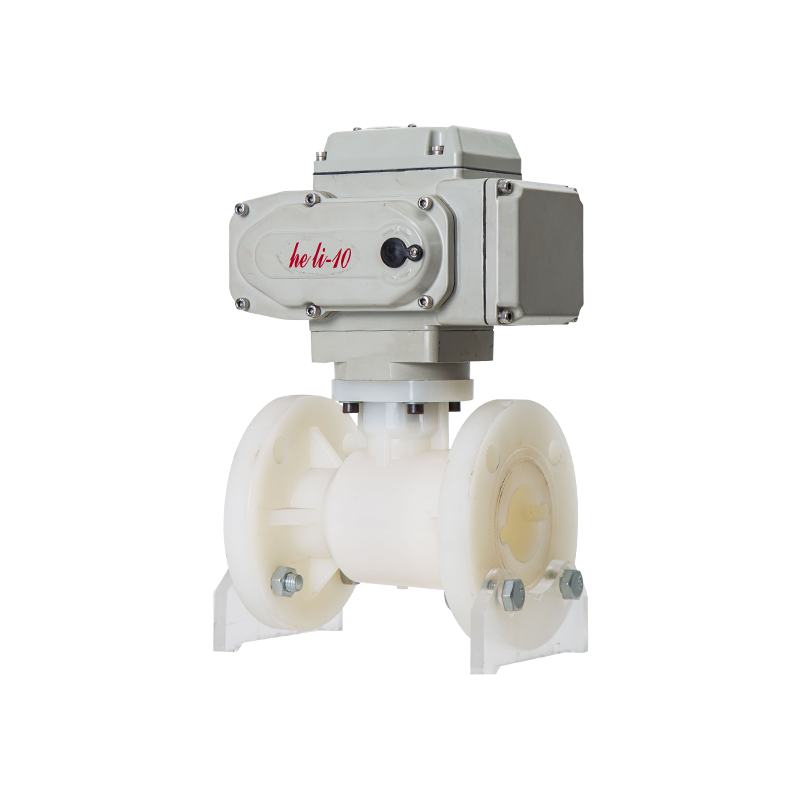
In modern industrial fluid control systems, precise regulation and efficient shut-off are core requirements for ensuring production safety and process stability. automatic butterfly valve, as a simple and responsive flow control device, achieves a leap from manual operation to intelligent automated control by integrating advanced driving devices. Whether for fluid management in water treatment, HVAC, petrochemical, or power industries, the performance metrics of auto butterfly valve directly determine system operating efficiency.
Structure and Working Principle of Automated Control Butterfly Valves
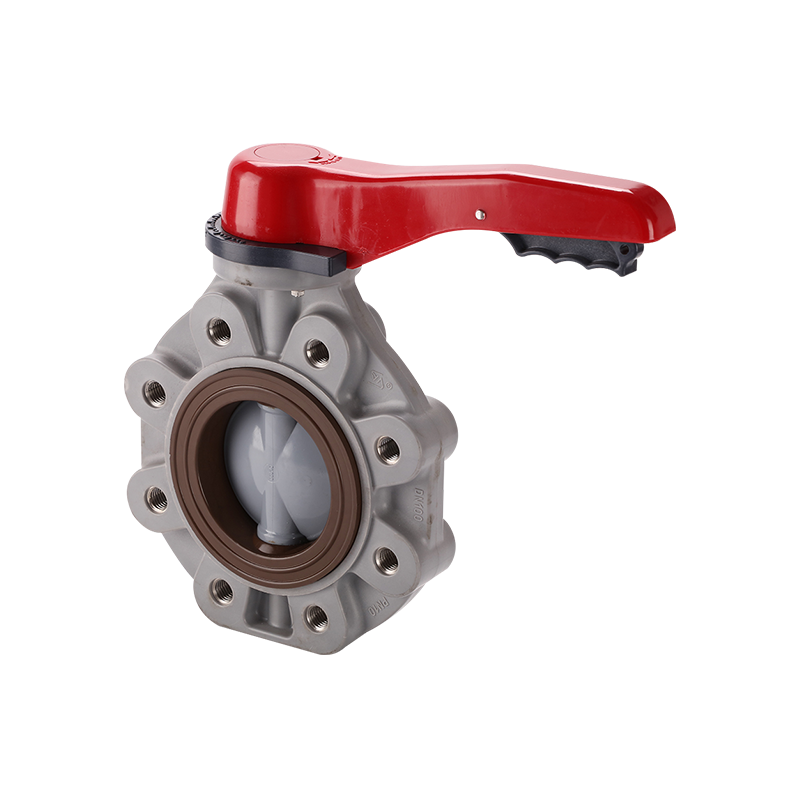
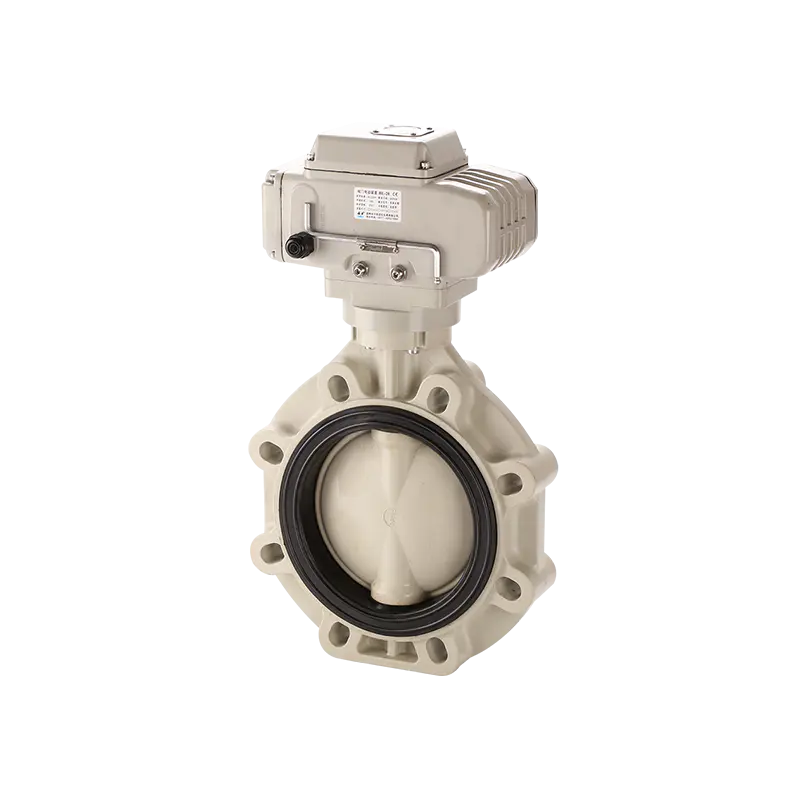
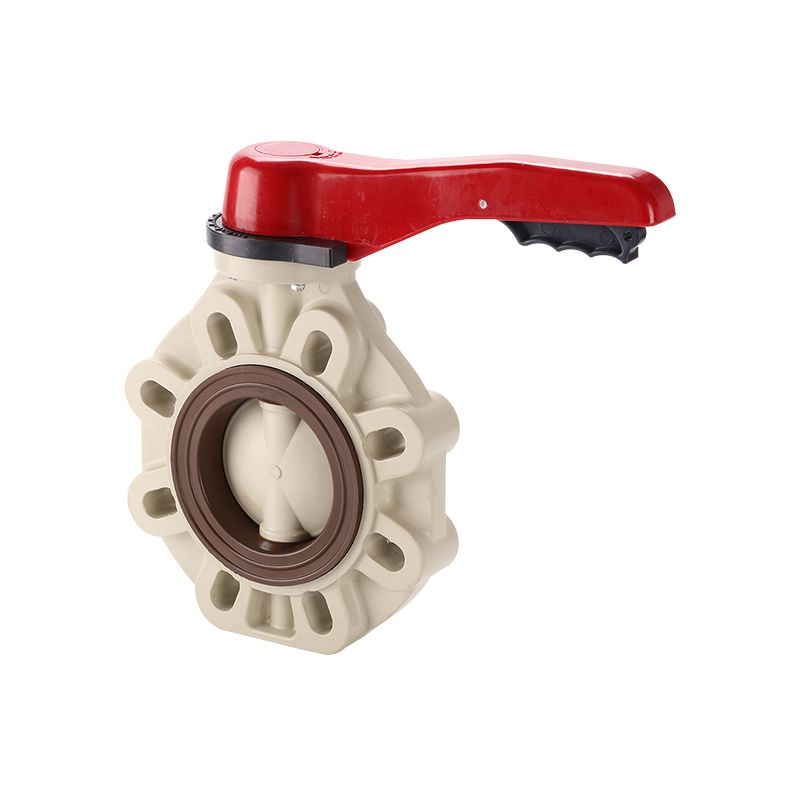
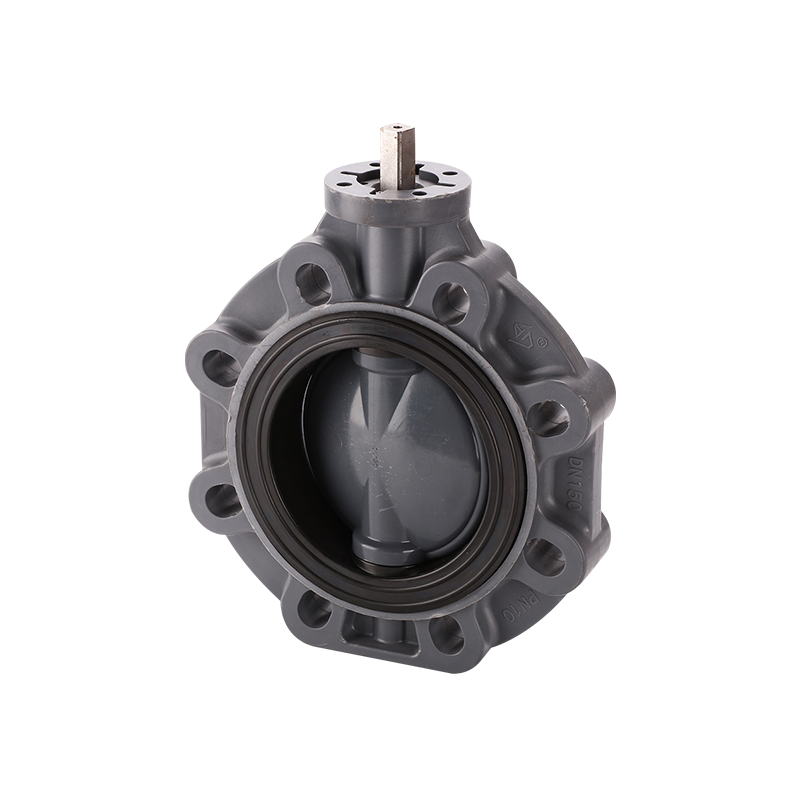
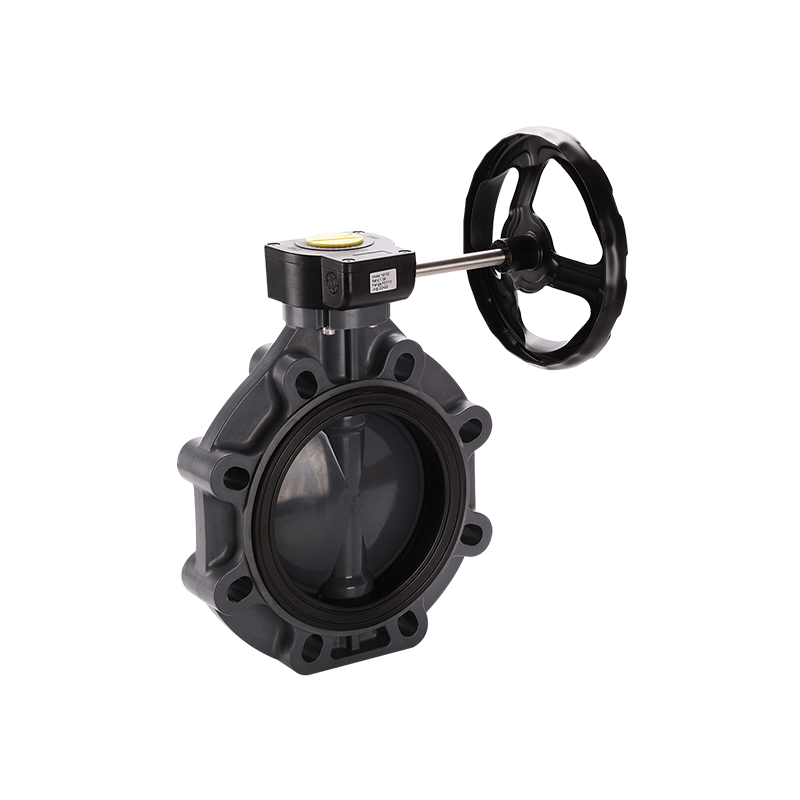
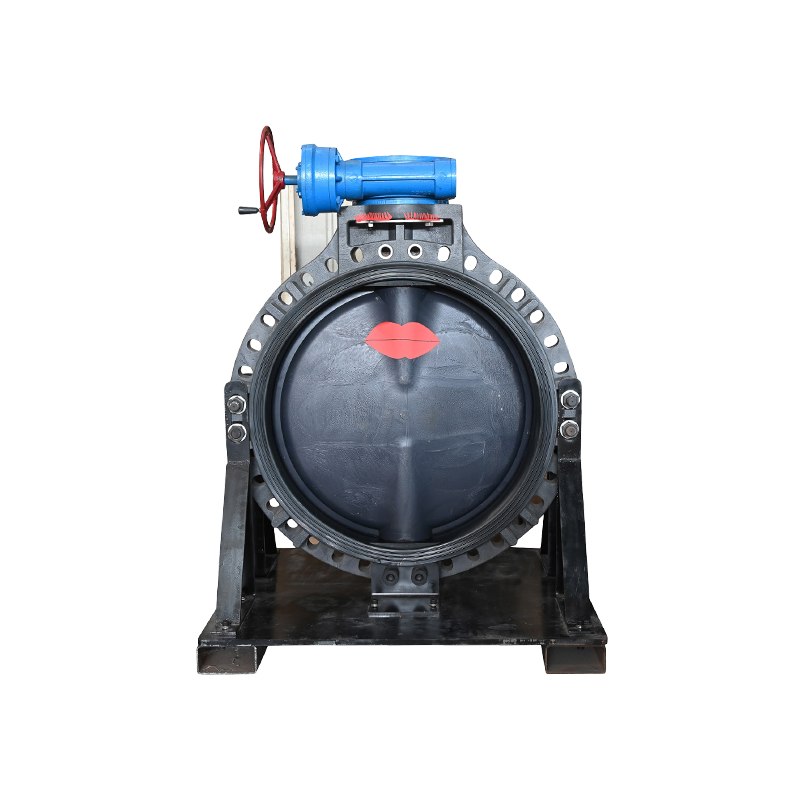
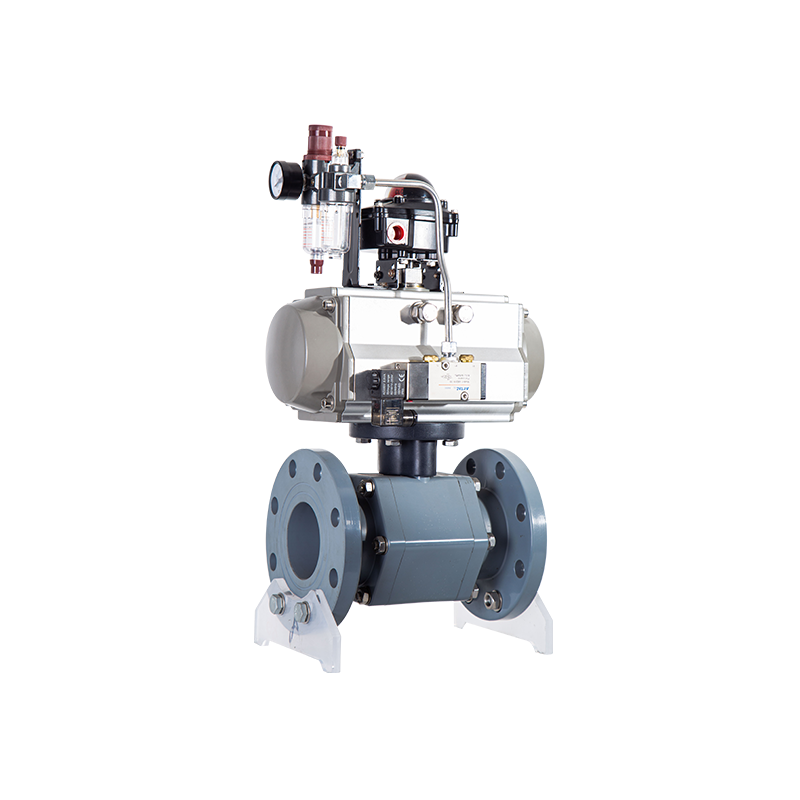
The core of the butterfly valve automatic system lies in the synergistic coordination between its drive unit and valve body structure. Automated butterfly valves are mainly composed of a butterfly plate, valve stem, seat, and automated driving device (such as pneumatic actuators or electric actuators). When a control signal is transmitted to the actuator, the valve stem is rotated through gears or linkage mechanisms, thereby driving the butterfly plate to rotate around its axis.
Compared with traditional valves, automated systems can achieve precise flow ratio adjustment. Through built-in positioners or digital controllers, users can perform millisecond-level adjustments to the valve opening according to real-time process requirements, ensuring that fluid pressure and flow are maintained within set ranges.
Key Technical Parameters and Performance Indicator Comparisons
When selecting appropriate control valves, professional technical personnel usually focus on the following key parameters. Automated butterfly valves have obvious technical advantages over traditional manual butterfly valves in terms of sealing performance and torque management.
| Parameter Item |
Pneumatic Automated Butterfly Valve |
Electric Automated Butterfly Valve |
Manual Regulating Butterfly Valve |
| Response Speed |
Extremely fast (< 1 second) |
Medium (depends on motor speed) |
Slow (dependent on manual effort) |
| Control Precision |
High (achieved via positioner) |
High (servo control) |
Low (manual estimation) |
| Power Source |
Compressed Air |
Electric (AC/DC) |
Manual Labor |
| Torque Output |
Large and stable |
Constant and controllable |
Unstable |
| Auto-control Capability |
Fully automatic |
Fully automatic |
None |
In applications, the sealing level of automatic butterfly valve usually follows international standards, such as zero leakage requirements, which is particularly important when handling corrosive media or high-pressure steam.
Core Advantages for Improving System Stability
Efficient Fluid Regulation Performance
The biggest advantage exhibited by auto butterfly valve in fluid control is its low pressure loss and good flow characteristics. Due to the optimized thickness design of the butterfly plate, the valve hardly obstructs fluid flow in the fully open state, which significantly reduces system pumping pressure and thereby lowers the energy consumption level of the entire plant.
Environmental Adaptability and Anti-corrosion Design
To cope with different operating conditions, the material selection for automated butterfly valves is extremely rigorous. The valve body liner often uses special rubber (such as EPDM, FKM) or polytetrafluoroethylene (PTFE) to ensure that the seals of butterfly valve automatic do not chemically degrade in strong acid, strong alkali, or ultra-low temperature environments. This material compatibility ensures that the equipment can maintain consistent closing pressure during long-cycle continuous production.
Safety Protection Mechanisms
Butterfly valves in modern automated control systems are generally equipped with fail-safe functions. In emergencies such as power failure or loss of air supply, the spring return mechanism inside the actuator can automatically close the valve to a safe position, preventing fluid from leaking uncontrollably. This feature is crucial for safety production in the chemical and energy industries.
Professional Considerations for Installation and Maintenance
To ensure high reliability of automatic butterfly valve during long-term operation, the installation process is critical. First, the valve should be installed in a location where the pipeline expansion stress is small to avoid valve stem deformation due to thermal expansion and contraction of the pipeline. Second, during use, the actuator of auto butterfly valve should be regularly lubricated and the signals calibrated.
When performing maintenance on the actuator, checking the wear of sealing rings and the waterproof sealing performance of cable joints are key steps to reduce failure rates. For butterfly valve automatic, establishing preventive maintenance files and monitoring current changes or air consumption curves of the actuator can help pre-judge whether the valve has a risk of jamming, thereby transforming the maintenance mode from "after-the-fact repair" to "condition monitoring," maximizing the effective operating time of the equipment.